
2027 Is a Forensic Accounting Degree Better Than Experience Alone? Salary, Hiring, and Career Growth Compared

Co-Founder and Chief Data Scientist
A forensic accounting career is usually built on two things: evidence-based accounting skill and credibility. Experience can teach you how investigations work in real organizations, but a formal forensic accounting degree can signal that you understand accounting rules, fraud schemes, audit procedures, legal standards, and professional documentation before an employer has to train you from the ground up.
That distinction matters because many forensic accounting roles sit at the intersection of finance, law, compliance, and technology. Employers may need candidates who can analyze records, preserve evidence, explain findings, and support litigation or regulatory action. For students, career changers, and accounting professionals deciding whether a degree is worth the cost, the key question is not simply “degree or experience?” It is which path gives you access to the roles, credentials, salary range, and advancement timeline you want.
Recent data shows that degree holders earn on average 23% more and achieve supervisory roles 35% faster than self-taught counterparts. This guide compares forensic accounting degrees with experience-only pathways across technical skills, certifications, employability, income, networking, promotions, return on investment, automation risk, and career mobility.
Key Points About Having Forensic Accounting Degrees vs Experience Alone
- Degree holders in forensic accounting typically earn 12% higher salaries than experienced peers without formal education, reflecting employer preference for verified technical knowledge.
- Employment opportunities are broader for graduates, who qualify for more specialized forensic roles and compliance positions than those relying solely on experience.
- Career advancement to leadership positions occurs faster for degree holders, as academic credentials often serve as prerequisites for managerial and consulting roles.
What technical proficiencies can you gain from having Forensic Accounting degrees vs self-teaching?
A forensic accounting degree can build technical ability in a more organized and complete way than self-teaching alone. Work experience is valuable, but it often depends on the cases, supervisors, systems, and responsibilities a person happens to encounter. A degree program is designed to expose students to the full investigative workflow, from accounting analysis to evidence handling and reporting.
- Advanced fraud detection methodologies: Degree programs typically introduce students to multiple fraud patterns, red flags, internal control weaknesses, and investigative approaches. Self-taught professionals may become strong in the fraud types they see at work, but they can miss less common schemes without structured case exposure.
- Forensic data analytics: Formal coursework can train students to evaluate large datasets, test anomalies, use statistical reasoning, and connect data patterns to investigative questions. Experience-only learning may focus on a company’s existing tools and procedures rather than broader analytical methods.
- Legal and regulatory frameworks: Forensic accountants need to understand how financial evidence may be used in disputes, audits, compliance reviews, or court proceedings. Degree programs can give students a clearer foundation in documentation standards, chain of custody, confidentiality, and regulatory expectations.
- Financial statement analysis for litigation: Coursework often includes the interpretation of financial statements, transaction records, valuation issues, and damages calculations under legal scrutiny. On-the-job learning can be narrower because it is shaped by the specific matters assigned to the employee.
- Forensic accounting software tools: Degree programs may connect software use with investigative strategy, so students learn not only which buttons to press but why a particular analysis matters. Self-teaching can produce tool familiarity, but it may not always develop the judgment needed to interpret results responsibly.
The main advantage of a degree is sequencing: students usually learn accounting concepts, audit logic, fraud theory, data analysis, legal context, and reporting as connected parts of one professional skill set. The main advantage of self-teaching is immediacy: professionals learn from real cases and workplace constraints. The strongest candidates often combine both.
Students comparing affordable study options should also check whether a school participates in federal aid programs; an online college that accepts FAFSA may make a formal forensic accounting pathway more financially realistic.
Are there certifications or licenses that only Forensic Accounting degree holders can obtain?
Most forensic accounting certifications are not limited only to forensic accounting degree holders. However, formal education can make candidates more competitive, help them meet coursework expectations, and prepare them for exams that test accounting, fraud, legal, and investigative knowledge. In some cases, a degree or equivalent coursework can be an important qualification when applying for specialized credentials or state-regulated investigative work.
- Certified Forensic Accounting Professional (CFAP): This certification emphasizes fraud detection and forensic analysis. Most programs require applicants to hold a forensic accounting degree or have completed equivalent coursework to qualify. For professionals seeking roles in fraud investigation, the credential can help demonstrate specialized preparation beyond general accounting experience.
- Accredited in Business Valuation (ABV): Offered by the American Institute of CPAs (AICPA), this credential often prioritizes candidates with forensic accounting degrees. It requires strong knowledge of business valuation in legal disputes, and forensic accounting education can help candidates build the analytical foundation needed for senior roles involving complex financial evidence.
- Certified Fraud Examiner (CFE): The CFE does not strictly require a forensic accounting degree, but candidates with this background may find it easier to satisfy fraud-related education expectations and prepare for exam content. Employers often value the combination of formal forensic accounting education and the CFE because it reduces uncertainty about a candidate’s baseline knowledge.
- Licensed Private Investigator (PI) certification: Some states require a PI license for certain investigative activities. Requirements vary by state, but coursework or degrees in forensic fields can help applicants meet education-related conditions where they apply.
Recent data shows forensic accountants with formal degrees earn up to 20% more in starting salaries compared to peers relying solely on experience or self-teaching. That difference may reflect not only the degree itself but also the stronger access degree holders may have to credentials, internships, employer screening systems, and advancement tracks.
Students who are still choosing an academic route may also compare online business degree programs if they want a broader business foundation before specializing in forensic accounting, fraud examination, or compliance.
Will a degree in Forensic Accounting make you more employable?
Yes, a forensic accounting degree can make a candidate more employable, especially for roles that require accounting knowledge, investigative judgment, legal awareness, and formal documentation skills. Larger firms and organizations often use degree requirements to screen applicants for mid-level and senior positions, and employers in larger firms cite a 38% higher likelihood of hiring degree holders.
The degree advantage is strongest when a role involves litigation support, regulatory investigations, financial crime analysis, internal investigations, or expert reporting. In those settings, employers may prefer candidates who have already studied accounting standards, audit methods, fraud schemes, evidence handling, and professional ethics in a structured program.
That does not mean experience is secondary in every workplace. Smaller companies may prioritize practical skills, certifications, and direct investigative experience, particularly when they need someone who can contribute immediately. A non-degree candidate with strong audit experience, credible certifications, and documented investigation results may compete well for certain roles.
When the degree matters most
- Entry-level forensic roles: A degree can help new candidates prove readiness when they do not yet have extensive case experience.
- Large employers: Formal education may be used as a screening requirement for accounting, audit, compliance, or investigation teams.
- Promotion-track roles: Degree holders may have an advantage where supervisory or expert positions require formal credentials.
- Litigation and regulatory work: Employers may favor candidates trained in documentation, evidence standards, and defensible analysis.
When experience can compete strongly
- Specialized fraud work: Candidates with a record of successful investigations can stand out even without a narrowly focused degree.
- Small firms: Employers may care more about immediate practical ability than academic credentials.
- Certification-backed candidates: A recognized credential such as Certified Fraud Examiner can help validate skills.
A professional who completed an online forensic accounting bachelor's program described the degree as “both a challenge and a confidence builder.” He said balancing coursework with work responsibilities was demanding, but the structured learning “opened doors to networking opportunities that self-study never provided.” He also noted that employers treated the credential as proof of dedication and foundational knowledge, which “definitely gave me a competitive edge during interviews.”
What careers are available to Forensic Accounting degree holders?
Forensic accounting degree holders can pursue roles in fraud investigation, litigation support, compliance, auditing, financial crime analysis, and risk management. Some employers require a formal accounting or forensic accounting degree, while others accept equivalent experience plus certifications. The degree is most useful for roles where financial analysis must be documented clearly and defended to executives, regulators, attorneys, or courts.
- Forensic Accountant: Forensic accountants examine financial records to identify fraud, embezzlement, money laundering, misrepresentation, or damages. A degree is often preferred because the role requires accounting knowledge, investigative reasoning, and familiarity with legal processes.
- Fraud Examiner: Fraud examiners investigate suspected fraud, review transactions, interview stakeholders, evaluate controls, and recommend prevention measures. A forensic accounting degree can strengthen analytical preparation, although experienced auditors with a Certified Fraud Examiner (CFE) credential may also qualify.
- Financial Crime Investigator: These professionals gather and analyze evidence related to financial misconduct. The role is increasingly important as digital financial crimes become more complex. Employers often prefer degree holders because the work combines accounting, legal awareness, data analysis, and investigative judgment.
- Forensic Audit Specialist: Forensic audit specialists conduct audits designed to detect fraud, regulatory violations, and unusual financial activity. Employers may favor degree holders because forensic audits require a deeper level of skepticism, documentation, and case-specific analysis than routine audits.
Research indicates that those holding a forensic accounting degree enjoy a 22% higher hiring rate in specialized forensic roles compared to candidates relying solely on experience. For students comparing jobs for forensic accounting graduates, the practical takeaway is clear: a degree can improve access, but internships, audit experience, certifications, and strong writing skills can determine how far the credential takes you.
For students interested in financial technology investigations, a blockchain degree online may complement forensic accounting skills in areas involving digital assets, cryptocurrency transactions, and fintech compliance.
Does having Forensic Accounting degrees have an effect on professional networking?
Yes. A forensic accounting degree can improve professional networking because it places students inside a structured network of faculty, classmates, alumni, recruiters, professional associations, guest speakers, and internship contacts. That network can be especially useful in a field where many opportunities depend on trust, referrals, and demonstrated judgment.
Degree programs may provide access to career fairs, accounting clubs, fraud examination groups, alumni panels, internship pipelines, and employer-sponsored events. These connections can help students learn which employers hire forensic accountants, what skills are expected, and how to prepare for interviews or credentialing.
Experience-only professionals can still build strong networks, but they usually have to do so more deliberately. They may rely on workplace contacts, conferences, LinkedIn outreach, professional associations, continuing education events, or referrals from attorneys, auditors, compliance officers, and investigators. This can be effective, but it may take longer to reach the same concentration of relevant contacts that a degree program can provide early.
How to use a degree network well
- Ask faculty which certifications and internships align with your target role.
- Use alumni conversations to compare public accounting, corporate, government, and consulting paths.
- Join student chapters or professional groups focused on fraud examination, accounting, auditing, or compliance.
- Build relationships before you need a job; last-minute networking is less effective.
The degree itself does not create a career network automatically. The advantage comes from using the academic environment consistently: attending events, asking informed questions, seeking mentors, and turning coursework or internships into professional relationships.
How do Forensic Accounting degrees impact promotion opportunities?
A forensic accounting degree can improve promotion opportunities by helping professionals qualify for roles that require formal education, advanced analytical ability, and leadership credibility. In many organizations, the higher a professional moves, the more important it becomes to explain findings, supervise investigations, manage risk, and communicate with legal, executive, or regulatory stakeholders.
- Specialized expertise: A degree provides structured training in fraud detection, legal processes, financial analysis, audit methods, and investigative reporting. This background can prepare employees for assignments that carry higher responsibility.
- Employer confidence: Hiring managers and promotion committees may view formal education as evidence that a candidate can handle complex investigative methods and regulatory frameworks. That confidence can matter when moving into supervisory or client-facing positions.
- Career acceleration: A degree can shorten the path to manager, director, compliance, or forensic audit leadership roles when an employer requires formal education or equivalent certification for advancement programs.
Promotion still depends on performance. Degree holders who do not develop sound judgment, writing ability, ethical discipline, and communication skills may stall. Experience-only professionals can also advance if they build a strong record of investigations, earn relevant certifications, and demonstrate leadership. The degree is best understood as an accelerant, not a substitute for results.
Do Forensic Accounting degrees affect a professional's income outlook?
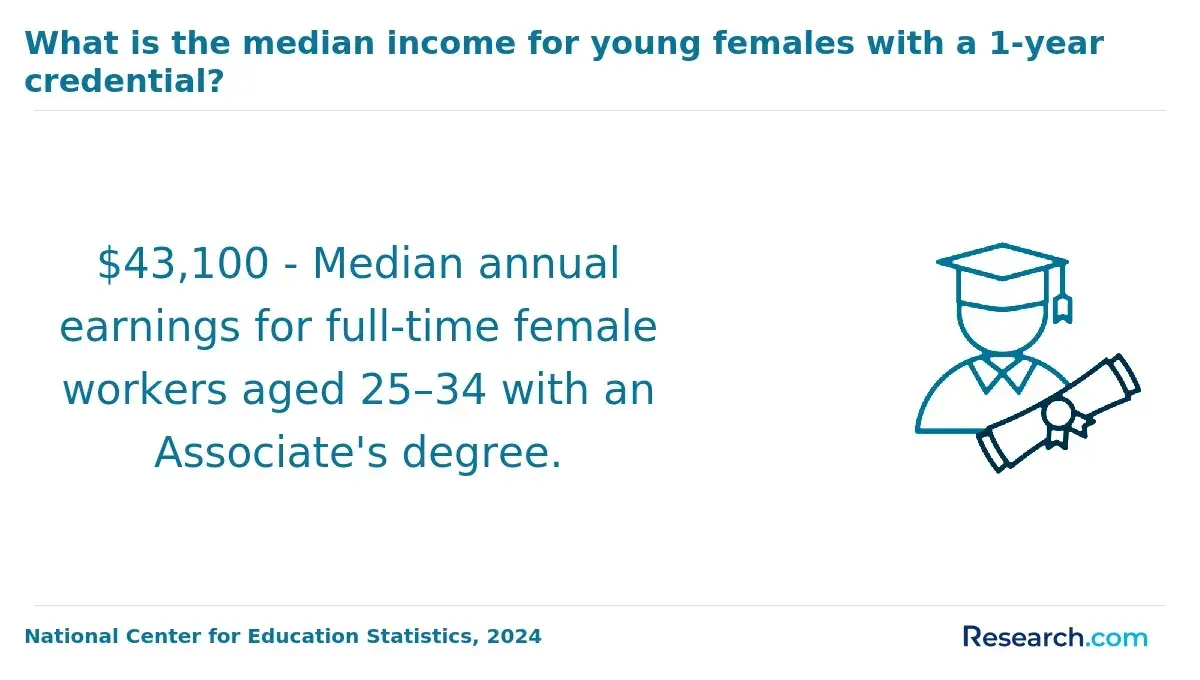
Yes. A forensic accounting degree can affect income outlook, particularly in the early and middle stages of a career. Professionals with a forensic accounting degree generally start with higher salaries than those relying solely on experience or self-teaching, often earning around $65,000 annually compared to about $52,000 for non-degree holders.
The difference can widen as professionals move into senior positions. Degree holders are more likely to access roles such as forensic audit manager or compliance officer, with earnings surpassing $110,000. Those without a degree may face slower growth and a typical income ceiling near $90,000, especially if they lack certifications or specialized investigation experience.
The income potential with forensic accounting education also depends on location, employer type, licensure, industry, and credentials such as Certified Fraud Examiner (CFE). A degree can help with eligibility and preparation, but salary growth usually requires a combination of education, case experience, professional judgment, and the ability to communicate findings clearly.
Students trying to limit debt while preparing for this field can compare the cheapest online accounting degree options before committing to a program, especially if they plan to pursue forensic accounting specialization or certification afterward.
Continuously developing new skills is essential to remaining valuable during economic downturns and organizational changes. Building expertise in specific areas strengthens job security and enhances employability. Key skills include:
How long would it take for Forensic Accounting degree holders to get an ROI on their education?
The average tuition for a forensic accounting bachelor's degree typically ranges between $20,000 and $40,000, depending on the institution. Starting salaries for graduates average around $60,000, meaning it usually takes three to five years post-graduation to see a full return on investment (ROI) in education costs.
Over a decade, individuals with a degree tend to earn about 15% more than those relying solely on experience and self-teaching. That long-term difference is one reason students often view the degree as a career investment rather than only an academic credential.
ROI will vary by tuition, transfer credits, financial aid, program length, living costs, unpaid internship time, and the salary a student could have earned while studying. A lower-cost program, employer tuition support, scholarships, grants, or an accelerated format can shorten the payback period. A high-cost program with limited recruiting support can lengthen it.
Ways to improve ROI
- Choose an accredited and appropriately priced program: Avoid paying more for a degree unless the program provides clear value through faculty, curriculum, career services, or employer recognition.
- Use financial aid strategically: Scholarships, grants, and employer reimbursement can reduce the amount that must be recovered through future earnings.
- Gain experience while enrolled: Internships, part-time accounting work, audit support roles, or compliance projects can make graduates more employable immediately.
- Add a recognized certification: Relevant credentials can strengthen the degree’s market value and improve salary growth.
Are Forensic Accounting degree holders less likely to be displaced by automation and economic downturns?
Forensic accounting is increasingly affected by artificial intelligence, automation, and data analytics tools. Routine tasks such as transaction screening, anomaly detection, and document review can be automated or partially automated. That creates pressure on professionals whose value is limited to repetitive analysis.
Degree holders may be better positioned because formal programs can teach the broader judgment that technology cannot easily replace: interpreting results, questioning assumptions, applying legal and ethical standards, explaining evidence, and connecting financial patterns to real investigative questions. Their education may also include exposure to specialized software, compliance issues, and regulatory frameworks, which can help them adapt as tools change.
Compared to professionals without degrees, forensic accountants with formal qualifications are statistically less prone to layoffs or job loss during economic downturns. Their broader expertise can make them useful in complex investigations, compliance reviews, internal controls, risk assessment, and stakeholder communication. Those responsibilities are harder to automate than simple transaction testing.
That said, a degree does not guarantee protection. Professionals who stop learning may still be vulnerable. The safest path is to combine formal education with current technical skills, including data analytics, fraud technology, cybersecurity awareness, regulatory knowledge, and strong written communication.
A graduate of an online forensic accounting bachelor's program described automation concerns as real but manageable. “Facing automation fears was stressful, but my coursework on AI tools and compliance allowed me to take on new responsibilities others couldn't,” he said. He added that formal training helped him learn emerging technologies faster and reduced his anxiety about layoffs during economic uncertainty.
Will a degree in Forensic Accounting make it easier to pivot into related industries?
Yes. A forensic accounting degree can make it easier to move into related industries because it combines accounting, investigation, data analysis, documentation, ethics, and legal context. Those skills are useful beyond traditional forensic accounting roles. Experience-only professionals may also pivot successfully, but degree holders often have an easier time explaining their transferable knowledge to employers outside their current workplace.
- Corporate Compliance: Degree holders can work as corporate compliance analysts, helping organizations follow laws, regulations, and internal policies. Forensic accounting training supports risk assessment, documentation, and control testing.
- Financial Risk Management: Professionals can use forensic accounting skills to identify vulnerabilities, analyze portfolios, evaluate financial exposure, and detect patterns that may indicate fraud or loss.
- Fraud Examination: Fraud prevention specialists apply investigative methods, transaction analysis, and internal control knowledge to detect and prevent misconduct.
- Legal Consulting: Legal financial consultants help interpret financial records in disputes, investigations, or regulatory matters. A forensic accounting background can make it easier to explain complex financial evidence clearly.
- Regulatory Affairs: Regulatory affairs advisors help organizations navigate compliance and auditing processes. Knowledge of accounting rules, documentation standards, and investigative procedures can be valuable in this work.
The biggest career-transition benefit is credibility. A forensic accounting degree gives employers a clear signal that the candidate has studied both the numbers and the investigative context behind them. To strengthen a pivot, degree holders should translate their experience into employer language: risk, compliance, controls, evidence, reporting, financial integrity, and decision support.
Students comparing interdisciplinary paths should be careful to choose programs that match their target role. For example, affordable online masters counseling programs may suit people moving toward counseling-related careers, but forensic accounting students should prioritize accounting, audit, fraud, compliance, or investigative finance training for the roles discussed here.
What Graduates Say About Their Forensic Accounting Degrees
-
: "Graduating with a forensic accounting degree truly set me apart in a competitive job market. The hands-on training and case study approach made me confident and job-ready from day one. This foundation not only helped me land my first role quickly but has also been key in my steady career advancements and salary increases.
— Nigel"
-
: "Looking back, earning a forensic accounting degree was one of the best decisions I made for my career. The specialized knowledge gave me a clear edge when applying for roles, and the curriculum's focus on practical skills meant I was prepared to handle real-world investigations from the start. Thanks to this degree, I've enjoyed a smoother path to promotion and greater financial rewards.
— Matthias"
-
: "The expertise I gained through my forensic accounting studies has been invaluable throughout my professional journey. It provided a competitive advantage by equipping me with analytical tools and ethical frameworks essential in the field. Beyond that, the degree's reputation helped boost my credibility with employers, positively influencing my employment prospects and compensation.
— Weston"
Other Things You Should Know About Forensic Accounting Degrees
In 2027, formal education in forensic accounting enhances understanding of complex issues, offering a structured approach to case resolution. However, practical experience often complements or substitutes formal training in effectively handling multifaceted forensic accounting challenges.
Self-taught professionals may find it challenging to compete in large firms where formal degrees are often prerequisites for entry or advancement. Large organizations usually prioritize candidates with accredited forensic accounting degrees due to standardized training and proven academic rigor, which supports consistent performance on high-profile cases.
Degree holders generally experience greater long-term career stability as their educational credentials open doors to diverse roles and sectors. Experience alone might limit professionals to niche areas, while formal education broadens opportunities and adaptability in a changing job market.
Employers often prefer candidates who combine a forensic accounting degree with solid practical experience, as this blend indicates both theoretical knowledge and real-world application. This combination enhances credibility and effectiveness in investigative work, leading to better hiring outcomes and career progression.
References
- Preparing to be a Forensic Accountant - Focus on Network Forensics https://www.nescpa.org/cpe/090322mb:preparing-to-be-a-forensic-accountant-focus-on-network-forensics
- Examining Influence of Forensic Accounting Skills and Education on Fraud Detection: Mediating Role of Job Satisfaction | The Arab Journal of Administration https://ajajournal.org/aja/article/view/858
- Why You Should Consider a Career in Fraud & Forensics https://www.bonadio.com/article/why-you-should-consider-a-career-in-fraud-forensics/
- Forensic Accountant Salary, Job Description & Career Outlook https://www.forensicscolleges.com/careers/forensic-accountant
- Innovative Training for Forensic Professionals. https://www.forensicglobal.org/
- Forensic Accounting in the Age of AI: Opportunities and Risks https://caalley.com/news-updates/international-news/forensic-accounting-in-the-age-of-ai-opportunities-and-risks
- You Should Invest in a Forensic Accounting Degree — Here's Why https://learn.neumann.edu/neuperspectives/you-should-invest-in-an-advanced-accounting-degree-heres-why
- Forensic Accounting Careers Are Far from Ordinary https://www.apu.edu/articles/forensic-accounting-careers-are-far-from-ordinary/
- How Studying Accounting Can Begin A Career in Forensic Accounting https://training-link.co.uk/articles/how-studying-accounting-can-begin-a-career-in-forensic-accounting/
- Preparing to be a Forensic Accountant - Focus on Network Forensics https://www.oscpa.com/cpe/149842mb:preparing-to-be-a-forensic-accountant-focus-on-network-forensics


