
2027 Most Flexible Careers You Can Pursue With a Music Business Degree: Remote, Hybrid, and Freelance Paths

Co-Founder and Chief Data Scientist
A music business degree can lead to more than a traditional label, agency, or venue job. Many graduates now look for roles that let them work remotely, combine in-person industry work with home-based tasks, or build an independent freelance portfolio.
The key decision is not simply “What job can I get?” but “Which work model fits my income needs, personality, network, and tolerance for uncertainty?” Flexible careers in music business can offer autonomy, creative variety, and location independence, but they also require strong self-management and a realistic plan for finding clients or employers.
According to industry data, over 40% of music business graduates engage in freelance or contract work within five years of graduation. This guide explains the most flexible career paths for music business graduates, where those jobs are commonly found, what skills they require, how compensation may vary, and how to choose a path that supports both career growth and work-life balance.
Key Benefits of Flexible Careers You Can Pursue With a Music Business Degree
- Remote, hybrid, and freelance roles in music business enable professionals to access global job markets, overcoming geographic limitations common in traditional music industry careers.
- Flexible work arrangements foster improved work-life balance and adaptability, essential in a dynamic industry where project demands and schedules frequently vary.
- Non-traditional paths, including freelance consulting and remote management, can yield competitive earnings and sustained career growth, with 65% of music business graduates pursuing such versatile roles.
What Are the Most Flexible Careers for Music Business Graduates?
The most flexible careers for music business graduates are usually roles built around projects, clients, campaigns, contracts, or digital deliverables. Instead of being tied to one office every day, these jobs often allow graduates to work from home, travel when needed, manage multiple clients, or set schedules around deadlines.
Recent data shows that over 30% of roles in creative and consulting fields now incorporate some form of flexible or remote work arrangement. In music business, that flexibility is strongest in functions such as licensing, digital marketing, artist services, rights administration, event planning, consulting, and content strategy.
Common flexible career structures
| Work structure | How it works | Best fit for graduates who |
| Project-based work | You are hired for a defined campaign, event, licensing project, release plan, or client deliverable. | Like variety, can manage deadlines, and want portfolio-building experience. |
| Remote-enabled roles | Most tasks are completed through digital tools, cloud files, email, analytics platforms, and virtual meetings. | Want location flexibility and are comfortable communicating online. |
| Advisory or consulting work | You provide specialized guidance on music rights, marketing strategy, artist development, or business planning. | Have a clear area of expertise and can explain value to clients. |
| Independent contract work | You manage your own clients, workload, fees, and schedule, often across multiple projects. | Want autonomy and can handle income fluctuation and client acquisition. |
Flexible music business work is not automatically easier than a traditional job. Graduates must be able to document decisions, communicate clearly, meet deadlines without close supervision, and protect professional relationships. The more independent the role, the more important it becomes to understand contracts, scope of work, payment terms, and client expectations.
Graduates considering additional online study should focus on credentials that support their target role rather than collecting unrelated degrees. For comparison, pages such as BCBA online master's programs show how online programs can vary by cost, format, and professional purpose, but music business graduates should evaluate whether any program directly improves their career goal before enrolling.
Which Industries Offer the Most Flexible Jobs for Music Business Graduates?
The industries that offer the most flexible jobs for music business graduates are those where work can be planned, measured, delivered, and reviewed digitally. Remote, hybrid, and freelance work arrangements have become more common, with over 60% of roles in some fields supporting flexible work options.
Music business graduates should look beyond record labels. Flexible roles often appear in adjacent industries that need music knowledge, rights awareness, audience-building skills, and entertainment business judgment.
Industries with strong flexible-work potential
- Digital media: Digital media is one of the strongest fits for remote work because content planning, music marketing, rights tracking, campaign reporting, and audience analysis can often be handled online. Graduates may support artists, media platforms, brands, podcasts, or creator networks.
- Entertainment: Entertainment offers hybrid and freelance options in artist relations, event support, tour coordination, talent services, and promotion. Some work requires being on site, but planning, budgeting, outreach, and follow-up can often be completed remotely.
- Advertising and marketing: Agencies and brand teams hire people who understand music culture, audience behavior, social media, and campaign strategy. These roles can be flexible because much of the work involves digital planning, creative coordination, analytics, and client communication.
- Education: Online workshops, music business courses, coaching programs, and industry training can support remote or hybrid teaching roles. This path may suit graduates who enjoy explaining contracts, marketing, publishing, or career development to artists and students.
- Technology: Music technology companies, streaming tools, royalty platforms, creator services, and software firms often support remote or project-based work. Graduates do not always need to be software developers; they may work in partnerships, customer success, rights operations, marketing, or product support.
The best industry depends on the type of flexibility a graduate wants. Digital media and technology may offer stronger remote potential, while entertainment and live events may offer more hybrid schedules. Advertising and marketing can be a good fit for graduates who want project variety but can handle fast deadlines and client feedback.
When comparing career-aligned online education, music business graduates should separate relevant business, marketing, and entertainment programs from unrelated credentials. For example, CACREP programs may be useful for counseling careers, but they are not a substitute for music industry experience, business training, or rights-management knowledge.
What Remote Jobs Can You Get With a Music Business Degree?
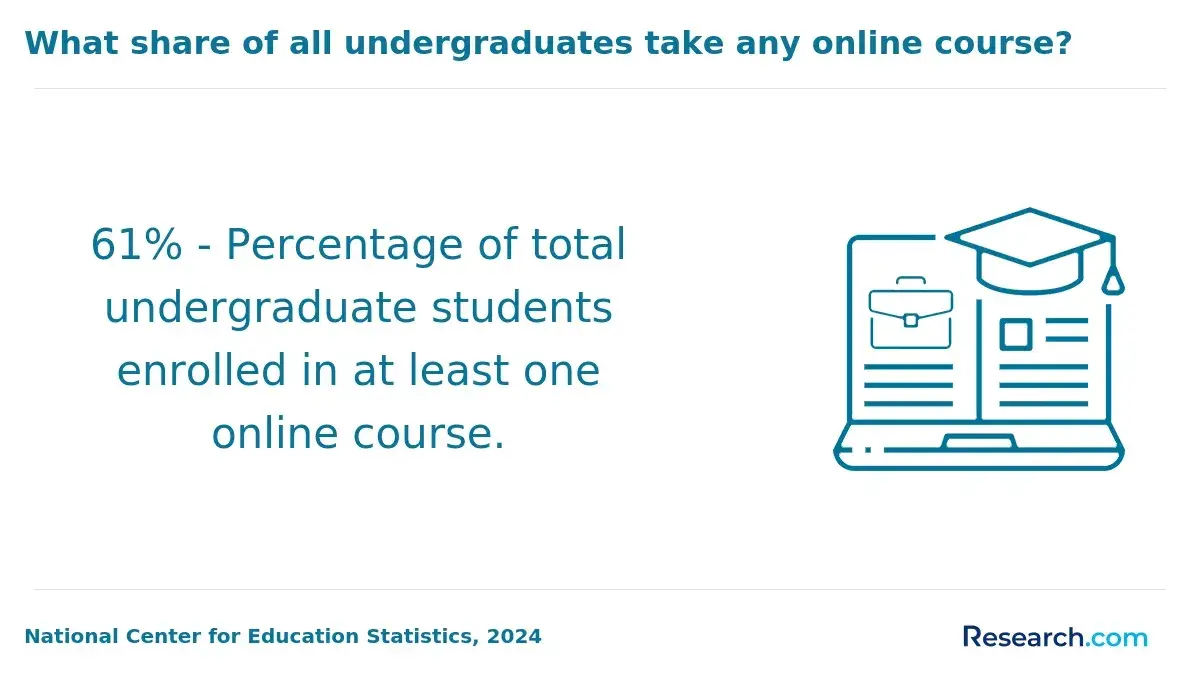
With a music business degree, graduates can pursue remote jobs in licensing, digital marketing, streaming operations, rights analysis, virtual events, content coordination, and artist support. About 58% of professional jobs now include some form of remote work, which has expanded options for graduates whose work can be handled through digital systems and client communication.
Remote music business roles are strongest when the job depends more on research, coordination, documentation, data review, and digital communication than on physical presence at shows, studios, or offices.
Remote jobs that match a music business background
- Music Licensing Coordinator: Supports license requests, tracks agreements, communicates with rights holders, and organizes usage details. This role can work remotely when the employer uses shared files, contract systems, and clear approval workflows.
- Digital Marketing Specialist: Manages social campaigns, release calendars, email marketing, audience engagement, and performance reporting for artists, labels, venues, or entertainment brands. It is a strong remote fit because most tools and metrics are online.
- Streaming Content Manager: Helps maintain playlists, content schedules, artist metadata, performance data, and platform updates. This role requires attention to detail and comfort using analytics and content-management systems.
- Music Rights Analyst: Reviews royalty data, contracts, ownership information, and payment records. Because the work is document-heavy and detail-driven, it can often be completed remotely with secure systems.
- Virtual Event Coordinator: Plans online concerts, webinars, listening sessions, fan events, or industry meetings. Responsibilities may include speaker coordination, platform setup, promotion timelines, rehearsal scheduling, and post-event reporting.
A remote job can be a good fit for graduates who are organized, responsive, and comfortable documenting work in writing. It may be less suitable for graduates who rely heavily on spontaneous in-person collaboration or who want daily access to live shows, studio sessions, or office mentorship.
One music business graduate described remote work as rewarding but demanding: “Staying organized without a physical office means setting clear routines and relying on digital tools more than ever.” That experience reflects a common trade-off. Remote work offers autonomy, but it also requires intentional communication, disciplined scheduling, and regular effort to stay visible within a team or client network.
What Are Hybrid Jobs for Music Business Graduates?
Hybrid jobs for music business graduates combine remote work with scheduled in-person responsibilities. These roles are common in areas where relationship-building, events, studio activity, or live entertainment still matter, but many administrative and planning tasks can be completed from home.
A recent Gartner report highlights that 82% of leaders intend to continue offering hybrid work options post-pandemic. In music business, hybrid work can be especially practical because the industry still depends on trust, networking, and real-time collaboration, while also relying heavily on digital tools for planning and execution.
Examples of hybrid music business roles
- Artist Relations Coordinator: Meets artists, managers, or partners at shows, studios, meetings, or promotional events, while handling scheduling, follow-ups, contracts, and coordination remotely.
- Event Production Manager: Works on site during rehearsals, venue walkthroughs, load-ins, and event days, but may manage budgets, staffing plans, vendor communication, and timelines from home.
- Music Licensing Specialist: Researches rights, prepares deal terms, and communicates with partners remotely, while attending occasional office meetings, industry events, or partner sessions.
- Marketing and Promotions Manager: Builds campaigns, reviews analytics, and coordinates creative assets online, while attending listening events, launches, media appearances, or promotional activations in person.
Hybrid roles can be ideal for graduates who want flexibility but do not want to be fully removed from the industry’s in-person culture. They provide access to networking, mentorship, and live environments while still reducing daily commuting and office time.
The main challenge is schedule unpredictability. A hybrid event or artist-facing role may require nights, weekends, travel, or last-minute changes. Graduates should ask employers how often in-person work is required, whether travel is reimbursed, and how remote days are scheduled.
Students comparing online professional programs should make sure the credential matches their career target. A page such as the easiest online MSW program may help illustrate how online program formats differ, but music business graduates should prioritize business, marketing, entertainment, media, or technology training when those skills align more directly with their goals.
What Freelance Jobs Can You Do With a Music Business Degree?
Freelance jobs are among the most flexible options for music business graduates because they allow professionals to choose clients, projects, rates, and workload. The trade-off is that freelancers must also find work, negotiate terms, manage taxes, handle client communication, and plan for slow periods.
The U.S. freelance workforce has expanded by more than 20% in recent years, reflecting a broader shift toward contract-based roles in creative fields. Music business graduates can use freelancing to build experience, specialize in a niche, or create multiple income streams.
Common freelance roles for music business graduates
- Music Licensing Consultant: Helps artists, brands, media companies, or creators understand copyright, usage permissions, licensing options, and royalty considerations. This work may be project-based or handled through ongoing retainers.
- Artist Manager: Supports independent musicians with strategy, scheduling, release planning, partnerships, negotiations, and career development. Freelance artist management can be rewarding but requires clear boundaries and written agreements.
- Music Publicist: Builds press campaigns for artists, singles, albums, tours, or events. Freelance publicists are often hired for a defined campaign window and judged by outreach quality, media relationships, and campaign execution.
- Event Coordinator: Plans concerts, showcases, pop-up events, listening parties, or festival components. Freelance event work can be highly flexible between projects but intense near event dates.
- Music Supervisor: Selects and licenses music for visual media, advertisements, games, trailers, or branded content. This role requires strong taste, rights knowledge, negotiation ability, and reliable communication with production teams.
Freelancing is best for graduates who can sell their services, maintain a professional network, and tolerate income variation. New freelancers should avoid vague verbal arrangements. A clear scope of work, payment schedule, revision policy, deadline, and cancellation terms can prevent many common disputes.
A freelancer with a music business degree described the path as “creative control with real responsibility.” She noted that early challenges included securing consistent projects and managing uneven workloads, but she valued the ability to shape her schedule and work across different assignments. “It’s rewarding to see how each contract sharpens different skills,” she said.
What Skills Are Required for Remote and Flexible Jobs?
Remote, hybrid, and freelance music business jobs require more than industry interest. Graduates must be able to manage deadlines, communicate clearly, use digital tools, solve problems independently, and maintain professional trust without constant supervision.
Studies indicate that 70% of remote employees attribute their effectiveness to solid communication practices. That is especially important in music business, where delayed responses, unclear approvals, or missing details can affect campaigns, licensing deals, releases, and events.
Core skills for flexible music business work
- Clear communication: Flexible workers need to explain status, risks, decisions, and next steps through email, messaging platforms, shared documents, and video calls. Strong communication reduces confusion and helps teams move quickly.
- Time management: Graduates must organize tasks, prioritize deadlines, and keep work moving without daily in-person supervision. Calendar systems, task lists, and written timelines are essential.
- Self-motivation: Remote and freelance roles reward people who take initiative, ask useful questions, follow up, and deliver without needing constant reminders.
- Technological proficiency: Music business professionals may need to use project-management tools, spreadsheets, royalty systems, social platforms, streaming dashboards, content calendars, contract tools, and virtual meeting platforms.
- Problem solving: Flexible workers often need to handle incomplete information, schedule changes, client revisions, platform issues, or rights questions. The ability to propose solutions is more valuable than simply flagging problems.
Skills that make candidates more competitive
- Contract awareness: Graduates should understand basic deal terms, deliverables, usage rights, payment timing, and confidentiality expectations.
- Data literacy: Marketing, streaming, licensing, and royalty roles increasingly require comfort with spreadsheets, dashboards, and performance metrics.
- Relationship management: Flexible work still depends on trust. Responsive communication, professional follow-through, and respectful negotiation help graduates earn repeat work.
- Portfolio presentation: Freelancers and remote applicants should be able to show campaign examples, writing samples, event plans, playlists, case studies, or measurable project outcomes when appropriate.
What Are the Highest Paying Flexible Jobs With a Music Business Degree?
The highest paying flexible jobs with a music business degree tend to involve specialized knowledge, deal-making responsibility, client management, or measurable revenue impact. Remote or hybrid status alone does not make a role high-paying; compensation usually rises when a graduate can manage rights, negotiate value, lead strategy, or produce results for artists, media companies, brands, or platforms.
Salary ranges can vary by employer, location, experience, client base, commission structure, and whether the role is full-time, contract, or freelance. The figures below reflect the earning ranges stated for flexible music business roles and should be treated as general guidance rather than guaranteed outcomes.
| Role | Flexible work model | Stated earning range | Why it can pay more |
| Music Licensing Manager | Hybrid/Remote | $60,000 and $110,000 annually | Requires rights knowledge, negotiation ability, and careful management of licensing terms. |
| Artist Manager | Freelance/Hybrid | $50,000 to $120,000 or more | Income may grow with artist success, business development, partnerships, and commissions. |
| Music Supervisor | Remote/Hybrid | $70,000 to $130,000 | Combines creative judgment with licensing, production collaboration, and rights clearance. |
| Music Marketing Consultant | Freelance/Remote | about $65,000 to $125,000 | Can command higher fees when campaigns produce measurable audience or revenue outcomes. |
| Audio Licensing Consultant | Remote/Freelance | $55,000 to $100,000 typically | Involves brokering usage deals and advising clients on rights and permissions. |
Graduates who want higher-paying flexible roles should build depth rather than chase every opportunity. Licensing, supervision, marketing strategy, artist management, and consulting all require proof of competence. That proof may come from internships, campaign results, client testimonials, documented projects, or experience with recognized music industry tools and workflows.
What Are the Disadvantages of Flexible Careers for Music Business Graduates?
Flexible careers can provide freedom, but they can also create instability. Music business graduates should weigh the benefits of autonomy against the realities of inconsistent income, limited mentorship, blurred boundaries, and reduced access to informal industry relationships.
A 2023 International Labour Organization study revealed that about 45% of people in flexible employment feel isolated or lack a sense of belonging. In music business, that risk matters because relationships often influence referrals, collaborations, client trust, and long-term advancement.
Key disadvantages to consider
- Inconsistent structure: Without a traditional office rhythm, some graduates struggle to separate work time from personal time. Flexible work requires self-created routines, deadline tracking, and clear expectations.
- Reduced collaboration: Remote and freelance workers may miss informal mentorship, quick feedback, and spontaneous relationship-building. This can slow learning for early-career graduates.
- Unclear career progression: Flexible roles may not offer a standard promotion ladder. Freelancers in particular must define their own growth through higher-value clients, stronger portfolios, better rates, or deeper specialization.
- Variable workload: Freelance and contract work can fluctuate. Busy periods may be intense, while slow periods can create financial pressure. Graduates need budgeting discipline and a plan for maintaining a pipeline of opportunities.
- Boundary problems: Clients or teams may expect fast responses outside normal hours, especially around releases, events, or urgent rights questions. Written availability expectations can help prevent burnout.
Some graduates can reduce these disadvantages by building project-management skills, especially if they expect to coordinate campaigns, events, licensing timelines, or multiple clients. Resources such as project management degree online accredited options can help readers understand how structured online programs present project-based training, although music business graduates should still choose education that fits their specific career plans.
How Do You Find Flexible Jobs After Graduation?
To find flexible jobs after graduation, music business graduates should combine targeted job searching, networking, portfolio building, and direct outreach. Recent data shows that over 58% of professionals now hold at least one remote or hybrid position, so flexible opportunities exist, but they are not always labeled clearly.
Graduates should search by both job title and work model. Useful keywords may include remote, hybrid, freelance, contract, project-based, licensing, digital marketing, artist services, rights administration, streaming, creator partnerships, music supervision, and event coordination.
Practical ways to find flexible music business jobs
- Use online job platforms strategically: Filter for remote, hybrid, part-time, contract, and freelance roles. Save searches and set alerts so you can apply early when relevant postings appear.
- Build industry-specific networking channels: Connect with alumni, internship supervisors, local music organizations, artist managers, producers, venue staff, marketing professionals, and rights administrators. Many flexible roles are shared through referrals before they are posted publicly.
- Check company career portals: Labels, publishers, streaming companies, agencies, festivals, music technology firms, and entertainment brands may state whether a role is remote, hybrid, or location-specific. Read the details carefully because “remote” may still have location restrictions.
- Pursue project-based work: Small release campaigns, local event support, social media calendars, playlist pitching support, or licensing research projects can help graduates build proof of experience while searching for longer-term roles.
- Create a portfolio: Include campaign plans, writing samples, event run-of-show documents, budget examples, analytics summaries, or case studies when you can share them appropriately. A portfolio helps employers and clients assess your ability beyond a resume.
- Send focused outreach: Instead of asking broadly for “any opportunity,” explain the specific problem you can help solve, such as release coordination, social media planning, metadata cleanup, event logistics, or rights research.
Graduates should also stay current through newsletters, professional groups, virtual events, and social media communities where music business roles are discussed. The strongest candidates usually combine formal education with visible initiative, reliable communication, and evidence of completed work.
When considering additional education, compare flexibility, affordability, and career relevance. Some students use unrelated online program pages, such as environmental engineering schools online, to understand how online degree formats are presented, but music business graduates should focus on programs that strengthen business, media, marketing, technology, or entertainment skills. Those comparing broader business education options may also review online business school programs when a business credential fits their long-term music industry goals.
How Should Music Business Graduates Choose the Right Flexible Career Path?
Music business graduates should choose a flexible career path by matching the work model to their skills, income needs, personality, risk tolerance, and desired level of industry interaction. A role that looks flexible on paper may not be sustainable if it conflicts with how a graduate works best.
Nearly 60% of creative professionals report greater job satisfaction in flexible work environments. That satisfaction is most likely when flexibility is paired with realistic expectations about workload, pay, growth, and professional support.
Questions to ask before choosing a path
- Do you want stability or autonomy? Remote full-time roles may offer more predictable income, while freelance roles may offer more control but less certainty.
- How much in-person industry access do you need? If networking, live events, and artist interaction matter to you, hybrid work may be a better fit than fully remote work.
- Can you manage your own schedule? Flexible work rewards people who can create structure, follow through, and communicate progress without being prompted.
- What type of work energizes you? Licensing and rights roles require precision. Marketing roles require creativity and analytics. Event roles require logistics and composure under pressure. Artist management requires relationship-building and business judgment.
- How will you measure growth? In flexible careers, advancement may mean higher rates, better clients, larger projects, stronger credits, more responsibility, or a specialized niche rather than a traditional promotion.
How to compare remote, hybrid, and freelance options
| Career model | Main advantage | Main drawback | Best fit |
| Remote | Location flexibility and fewer commuting demands | Less informal mentorship and possible isolation | Organized graduates who communicate well online |
| Hybrid | Balance of in-person networking and remote productivity | Schedules may shift around events, meetings, or travel | Graduates who want flexibility without losing industry contact |
| Freelance | High autonomy and project variety | Income and workload can be unpredictable | Self-directed graduates who can find clients and manage business details |
The right path may also change over time. A graduate might start with a hybrid coordinator role to build relationships, move into remote rights work for stability, or freelance after developing a strong client base. The goal is not to choose the most flexible option in theory, but the one that supports sustainable progress.
What Graduates Say About Flexible Careers You Can Pursue With a Music Business Degree
- : "Graduating with a music business degree showed me how many directions the field can take. Remote work allowed me to collaborate with artists in different places without relocating, but it also forced me to become more organized and intentional about communication. The flexibility helped me build a career that feels both creative and sustainable. —Paxton"
- : "The hybrid model has been the best fit for me. I can handle planning, emails, and campaign work remotely, then use in-person days for networking, events, and relationship-building. Freelancing also gave me more control over the projects I accept, but I had to learn quickly that flexibility works only when you manage your time well. —Ameer"
- : "My music business degree gave me a foundation I use every day in freelance and hybrid work. I split my time between client meetings, studio-related projects, and business planning. The model gives me room to be creative, but it also requires discipline, clear agreements, and steady communication with clients. —Nathan"
Other Things You Should Know About Music Business Degrees
Yes, obtaining certifications related to digital marketing, audio engineering, or project management can expand opportunities for flexible roles. These credentials often enable graduates to qualify for freelance or remote positions by demonstrating specialized skills valued in the music industry.
Networking is vital for finding freelance and hybrid work in the music business field. Building relationships with industry professionals through social media, online forums, and music conferences increases access to unadvertised or project-based jobs that offer flexible arrangements.
In 2027, technology skills greatly enhance flexibility in music business careers. Proficiency in digital marketing, music production software, and online collaboration tools are invaluable for remote, hybrid, and freelance roles, allowing professionals to effectively manage projects and engage with global networks.
Freelance careers often involve inconsistent income and the need for self-discipline in managing deadlines and client relationships. Graduates must also handle contract negotiations and taxes independently, which requires additional business knowledge beyond music industry expertise.
References
- The Importance of Career Flexibility - Music Consultant https://musicconsultant.com/music-as-a-career/the-importance-of-career-flexibility/
- 8 Ups and Downs of Freelancing • Maestra https://maestramusic.org/blog/eight-ups-and-downs-of-freelancing/
- The 5 pros and cons of remote work and being a freelance designer https://www.process-masterclass.com/the-5-pros-and-cons-of-remote-work-and-being-a-freelancer
- 5 Essential Skills For A Successful Music Business Career - Dark Horse Institute - Audio Engineering & Music Business School https://darkhorseinstitute.com/5-essential-skills-for-music-business-career/
- Benefits of an Online Bachelor of Music for Busy Musicians https://www.mi.edu/in-the-know/benefits-online-bachelor-music-program-busy-musicians/
- Remote Music Jobs | Working Nomads https://www.workingnomads.com/remote-music-jobs
- Top 10 Remote Music Jobs https://www.blog.musiccareers.co/top-10-remote-music-jobs/
- Top Music Jobs: Careers in the Music Industry Explained https://waterbear.org.uk/blog/top-music-jobs-careers-in-the-music-industry-explained/
- Find the Best Music Industry Jobs - MusicCareers https://www.musiccareers.co/


