2027 Fine Arts Degree Programs for Career Changers

Co-Founder and Chief Data Scientist
Many working adults face challenges shifting to creative industries without formal training, hindering their ability to enter fine arts careers. According to the National Endowment for the Arts, 42% of fine arts degree recipients aged 30 and above successfully transition into employment related to their studies within two years, highlighting growing opportunities for career changers.
This article explores how earning a fine arts degree specifically supports adult learners in developing relevant skills, overcoming career obstacles, and positioning themselves for success in artistic professions. Readers will gain insight into program options and strategies tailored to make this career shift efficient and achievable.
Key Things to Know About Fine Arts Degree Programs for Career Changers
- Many programs offer flexible scheduling with evening, weekend, or asynchronous online classes, accommodating the demands of full-time employment and family responsibilities for career changers.
- Hybrid and fully online formats are increasingly common, enabling working adults to pursue fine arts degrees without geographic constraints or commuting challenges.
- Accelerated courses and tailored support services, such as career counseling and portfolio development, help adult students transition quickly into art-related jobs valued by employers.
What Fine Arts Programs Accept Career Changers?
Many fine arts programs are designed to accommodate working adults and professionals seeking a new career path, offering flexible prerequisites and practical curricula that align with previous experience and immediate career goals. Currently, over 40% of graduate students in arts fields are adult learners or career changers, highlighting the appeal of adaptable learning opportunities.
Common fine arts programs welcoming career changers include:
- Visual Arts: This program offers flexible entry options and emphasizes portfolio development, allowing students to build technical and creative skills at their own pace.
- Graphic Design: With a practical, technology-focused curriculum, graphic design programs help career changers acquire relevant skills to thrive in digital media and creative industries.
- Photography: Photography programs provide experiential learning and flexible schedules, enabling individuals to apply previous artistic or technical knowledge while mastering new techniques.
- Studio Art: Studio art encourages creative exploration and skill transfer, often supporting part-time study and tailored resources for nontraditional students.
These programs are especially suitable for career changers exploring fine arts programs accepting nontraditional students, as they blend adaptability with applicable skill-building. For those also interested in emerging educational options, exploring ai degree programs can offer insight into complementary fields enhancing creative tech expertise.
What Fine Arts Specializations Are Best for Career Changers?
Selecting the right fine arts specialization is crucial for career changers, as it impacts the transferability of skills, job opportunities, and long-term professional growth. Recent data shows that fields like graphic design, digital media, and illustration have seen employment growth rates exceeding 10% over the past five years, reflecting strong demand for adaptable professionals.
Below are four top fine arts specializations well-suited for adults seeking a career change.
- Graphic Design: Leverages transferable skills such as creativity and proficiency with technical software, offering diverse job prospects in marketing, advertising, and web design. It suits career changers looking for broad applications and fast integration into new roles.
- Digital Media Arts: Emphasizes multimedia content creation and is accessible to newcomers with basic tech skills. This specialization offers promising career mobility in industries like film, gaming, and online platforms, making it ideal for those exploring a modern digital landscape.
- Illustration: Appeals to those with artistic ability and provides flexible freelancing opportunities, which can accommodate adults balancing professional and personal responsibilities. It supports a smooth transition by building on existing artistic skills.
- Art Therapy: Combines elements of psychology and art, perfect for career changers interested in healthcare and social services. It presents a meaningful path with strong growth potential in therapeutic and clinical environments.
Adult learners interested in expanding their professional options through creative fields might also consider programs that complement fine arts, such as a fast track social work degree online, which can enhance career versatility and open doors in helping professions.
Finding the best fine arts programs for career changers means identifying specializations that not only leverage existing skills but also foster new expertise aligned with current job market trends.
What Are the Admission Requirements for Career Changers Applying to a Fine Arts Program?
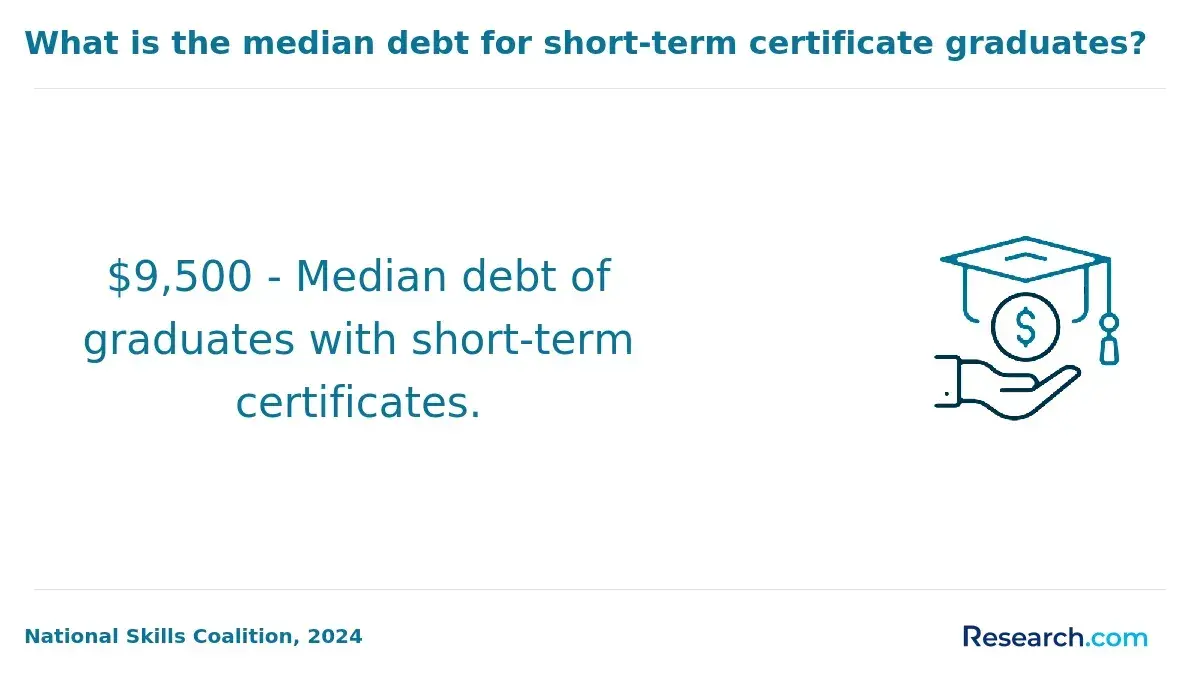
Admission requirements are crucial for career changers seeking to enter a fine arts program, as they clarify how existing experience and skills can be leveraged or supplemented. Enrollment of adult learners in postsecondary programs has risen by over 30% from 2012 to 2022, reflecting increasing opportunities for nontraditional students.
The following outlines common criteria that help clarify prerequisites for career changers entering fine arts degrees:
- Portfolio Submission: A portfolio showcasing artwork or creative projects is essential. It demonstrates both independent and professional artistic development, validating transferable skills.
- Personal Statement: Applicants should explain their motivation for a career change and outline specific artistic goals, reflecting commitment and readiness for creative study.
- Letters of Recommendation: These may come from previous employers, mentors, or collaborators, emphasizing relevant skills and work ethic useful in fine arts disciplines.
- Official Transcripts: Most programs require transcripts from prior academic coursework but often allow flexibility for unrelated degrees, accommodating diverse educational backgrounds.
- Standardized Tests: Many fine arts programs waive standardized testing requirements for adult applicants, recognizing the value of professional experience and alternative qualifications.
Programs increasingly offer flexibility for working professionals through part-time enrollment, evening classes, or online options. Transferable skills such as project management and critical thinking are frequently valued.
Alternative pathways, including foundational art courses or bridge programs, can prepare career changers for successful entry. For those exploring related fields, a library degree may also present unique interdisciplinary opportunities.
For those shifting into the fine arts field from other careers, knowing what the coursework entails clarifies expectations and helps align studies with long-term goals. The curriculum often blends essential concepts with adaptable projects and real-world applications, offering room for customization.
Key elements typically include:
- Foundation Courses: These cover critical subjects such as art history, visual theory, and introductory techniques across mediums like painting or digital art, establishing a broad understanding while accommodating diverse backgrounds.
- Studio Practice: Focused on hands-on creation, studio classes encourage exploration with materials and styles. This segment allows students to modify assignments to reflect their previous experience and personal artistic direction.
- Theory and Criticism: Critical inquiry into aesthetics and contemporary art debates helps students develop analytical frameworks that deepen their engagement with creative work.
- Professional Development: Workshops and courses address portfolio assembly, exhibition organization, and arts administration, providing targeted support for those transitioning into arts careers.
A professional who recently completed an online fine arts degree shared how the program balanced flexibility with rigor, which was vital during a busy career transition. "I appreciated how assignments allowed me to integrate what I already knew while pushing me toward new techniques," he said.
The challenge was managing time between work, study, and practice, but having control over project themes proved encouraging. According to him, "The coursework wasn't just about learning art; it was about discovering how to navigate this new path confidently, which made all the difference."
Choosing the right program format is essential for career changers aiming to pursue a fine arts degree while managing work and personal life. Nearly 40% of undergraduate students in the U.S. are over 25, demonstrating the growing need for flexible study options.
Below are some of the most common formats suited to adult learners transitioning careers.
- Online Degree Programs: These programs offer fully digital coursework and virtual studios, making them ideal for students needing flexibility due to work schedules or location. They provide access to fine arts education without the constraints of commuting or fixed class times.
- Part-Time Study: By taking fewer courses each semester, students can balance their studies with professional and family commitments. Although this extends the duration of the degree, it reduces financial pressure and allows more manageable pacing.
- Evening and Weekend Classes: Designed explicitly for working adults, these in-person sessions fit outside regular business hours, enabling direct interaction with instructors and peers while maintaining daytime job responsibilities.
- Hybrid Programs: Combining online learning with occasional on-campus classes, hybrid formats provide hands-on studio experience essential to fine arts while maintaining the convenience of remote study.
Each format supports adult learners in acquiring fine arts skills without sacrificing their current professional or familial roles.
Skill development is crucial for professionals switching careers, especially as the World Economic Forum highlights that more than 50% of workers will need extensive reskilling by 2025 to stay competitive. Fine arts programs cultivate a range of practical abilities that ease this transition and enhance long-term job prospects.
Here are five essential skills career changers often acquire:
- Innovative Problem-Solving: Fine arts education trains individuals to approach challenges creatively and think outside the box. This ability applies well beyond artistic fields, benefiting roles in marketing, product development, and entrepreneurship.
- Effective Visual Communication: Learning to convey concepts through imagery strengthens one's capacity to deliver compelling messages, valuable in fields like advertising, digital media, and branding.
- Technical Competence: Hands-on experience with various digital tools and materials equips learners with flexible skills suited for technology-focused industries requiring quick adaptation.
- Project Coordination: Guiding complex artistic projects nurtures organization, time management, and collaboration skills vital for leadership and teamwork in diverse work environments.
- Analytical Thinking: Critically evaluating creative works enhances attention to detail and judgment, qualities that carry over into education, curation, and quality control roles.
A career changer who completed a fine arts degree shared her experience with these skill gains. Initially, she found balancing creative freedom with professional expectations daunting, but gradually learned to apply artistic discipline to real-world problems. She told me, "The process helped me develop patience and a strategic outlook I hadn't expected."
Through iterative projects and critiques, she gained confidence addressing ambiguous challenges that once felt overwhelming. This adaptability later proved invaluable when shifting into a managerial role, demonstrating how fine arts training can prepare individuals for new paths by blending creativity with practical skills.
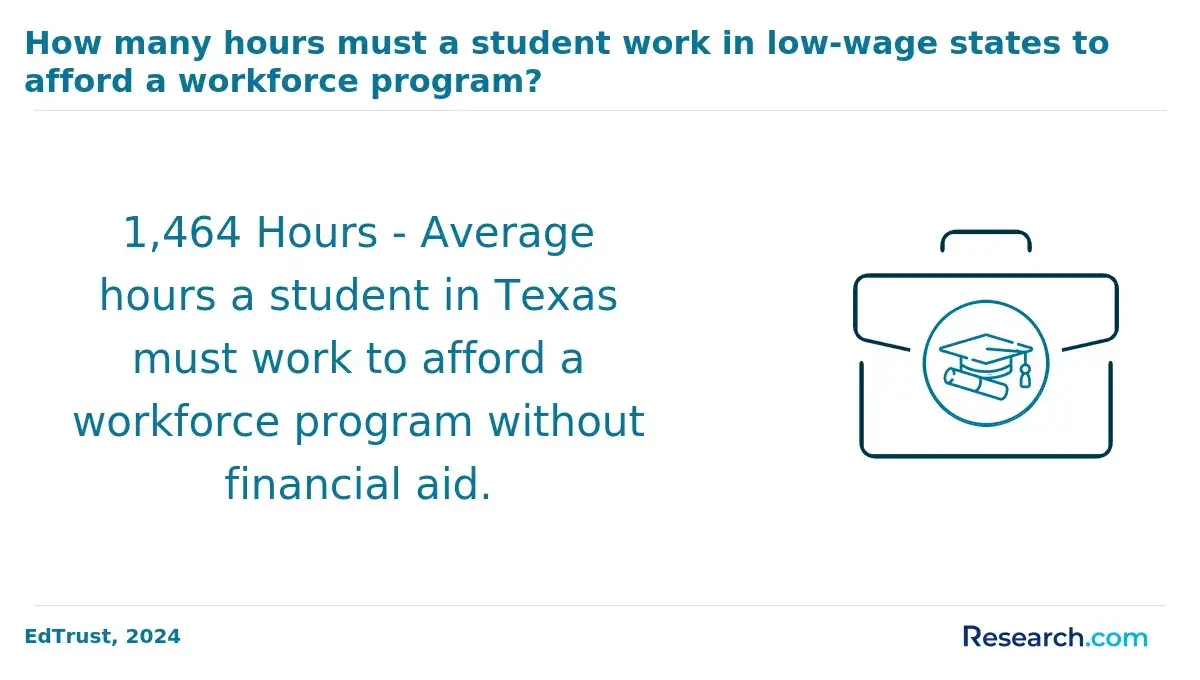
Costs for fine arts degrees can significantly impact career changers who must carefully balance education expenses with existing financial obligations. Graduate education tuition and fees average around $19,000 annually, making it essential to understand all components before committing.
Breaking down these costs clarifies the full financial picture:
- Tuition: Tuition varies widely depending on the institution and program format, generally ranging from $15,000 to $40,000 per year. Online and part-time formats often offer lower costs, especially for working professionals seeking affordable fine arts programs for working professionals to continue earning while studying.
- Fees: Additional fees may cover studio access, technology, and materials, often adding several hundred to a few thousand dollars annually. Some schools also provide flexible payment plans or employer tuition reimbursement programs that can help reduce upfront expenses.
- Supplies: Art supplies such as paints, canvases, and digital tools commonly cost $1,000 or more each year and should be included in budget planning.
- Living Expenses: Depending on whether study is full-time or part-time, students must consider housing, food, and transportation costs, which can vary greatly by location and personal circumstances.
- Time Commitment: Accelerated tracks or credit for prior learning shorten program durations, reducing total expenses and enabling faster entry into new careers.
Career changers evaluating their options should also explore programs aligned with best bachelor degrees to maximize their return on investment while minimizing debt. Careful financial planning, awareness of all cost factors, and leveraging affordable fine arts programs for working professionals allow adult learners to pursue their creative passions without overwhelming financial strain.
Curriculum design is especially important for career changers pursuing a fine arts degree because it must effectively balance foundational knowledge with flexibility to meet diverse prior experiences and time commitments. A well-crafted fine arts curriculum accelerates skill development and enhances employability for adult learners seeking a new professional path.
Key features that support this transition include:
- Applied Learning Opportunities: Emphasizing hands-on projects, programs help students build tangible portfolios applicable to multiple career directions, which is critical for those leveraging skills gained from fine arts degree programs.
- Transferable Skill Development: Courses focus on critical thinking, communication, problem-solving, and creativity, enabling learners to succeed in a broad range of industries beyond traditional art roles.
- Flexible Pacing: Offering part-time and evening classes accommodates working adults who balance education with existing responsibilities, facilitating smoother career transitions.
- Interdisciplinary Coursework: Integrating studies from multiple disciplines broadens perspectives and allows students to tailor their education toward vocational goals relevant to evolving job markets.
- Industry Collaboration: Partnering with professionals and involving real-world projects provides practical insights and networking, essential for career changers entering new fields.
Adults interested in exploring further options may find it helpful to review online degree programs that offer flexible pathways accommodating different lifestyles and career goals.
For career changers, knowing the range of job outcomes connected to a fine arts degree helps align educational choices with market demand. The U.S. Bureau of Labor Statistics forecasts a 4% growth in design-related jobs through 2032, indicating ongoing opportunities for creative professionals.
Below are several career options suited to those transitioning into fine arts fields.
- Graphic Designer: Develops visual materials for branding, advertising, and digital platforms. Transferable skills like creativity and proficiency with digital tools enable career changers to quickly adapt and contribute to dynamic projects.
- Art Director: Manages the visual concept and overall style of media productions. Leadership abilities combined with design knowledge gained from fine arts studies support effective oversight and team collaboration.
- Illustrator: Creates images for publications, marketing, and online content. Artistic talents, including hand-drawing and digital illustration, make this role ideal for those with a strong creative foundation.
- Animator: Produces animations and motion graphics for entertainment and advertising. A background in storytelling and technical skills can help career changers craft compelling visual narratives.
- Art Educator: Instructs students in basic and advanced art techniques within schools or community settings. This role allows career changers to pass on their artistic knowledge while engaging with diverse learners.
Salary expectations play a vital role for career changers pursuing a fine arts degree, as compensation impacts both financial security and long-term job satisfaction. Research indicates that professionals who reskill in creative fields often experience a 10% to 15% salary increase within five years of graduation, highlighting the advantage of combining formal education with prior relevant experience.
Below are common salary ranges and factors for careers tied to a fine arts degree.
- Entry-Level Positions: Typically offer annual salaries between $35,000 and $50,000. Pay varies by industry and location, with those entering the workforce lacking extensive experience often starting at the lower end.
- Graphic Design and Digital Media: Mid-career professionals generally earn from $55,000 to $75,000 per year. Previous skills in project management or marketing can accelerate earning potential in these roles.
- Art Direction and Creative Management: These leadership positions commonly range from $70,000 to $100,000 or more annually. Prior industry expertise and strong communication skills greatly enhance compensation.
- Freelance and Independent Artists: Income is highly variable, influenced by contract frequency, client base, and personal reputation within the market.
- Regional Salary Differences: Geographic demand for specific fine arts skills and cost of living significantly affect pay scales across different areas.
What Graduates Say About Their Fine Arts Degrees for Career Changers
- Danny: "Switching careers to pursue a fine arts degree was a bold step for me, especially considering the average cost of attendance around $30,000. However, the investment was worth it; the program not only refined my skills but also opened doors to a completely new creative industry. I couldn't be happier with how this education transformed my professional life. "
- Jamir: "After years in a corporate role, I chose to enroll in a fine arts degree program to follow a passion I'd set aside. Although the tuition was a significant factor, typically ranging near $30,000, the value gained in personal growth and career possibilities made it a worthwhile expense. Completing the program gave me the confidence and expertise needed for my successful career transition. "
- Ethan: "My decision to pursue a fine arts degree was driven by a desire for more meaningful work. While the financial commitment, averaging about $30,000, was considerable, the curriculum's depth and the professional connections I made were invaluable. This degree was an essential milestone in my career change journey, equipping me with critical skills and new opportunities. "
Other Things You Should Know About Fine Arts Degrees
Most universities require proof of English proficiency, usually an IELTS score of 6.0 to 6.5 overall or a TOEFL iBT score of 80 to 90. Some schools waive this only if the applicant completed a prior degree in English-medium instruction and can provide official documentation.
Most fine arts degree programs focus primarily on artistic skills and academic coursework, so professional experience in unrelated fields rarely counts toward credit. However, some programs offer elective credits or portfolio assessments that might recognize relevant experience in design, media, or creative industries. Career changers should consult with admissions advisors to determine if any prior work or training can be applied toward their degree requirements.
In 2027, many fine arts degree programs require a portfolio for admission, even for career changers. Some institutions may offer alternative submission options or workshops to help develop a suitable portfolio for applicants transitioning from other fields.
The time to complete a fine arts degree varies depending on prior credits, the program format, and enrollment status. Full-time students usually finish bachelor's degrees in four years, but career changers with transferable credits or those enrolled part-time might extend this timeline. Some programs offer accelerated or flexible scheduling designed to accommodate working adults, potentially reducing the time needed to graduate. Prospective students should evaluate program options carefully to align completion time with personal and professional commitments.
- How to make a career transition https://artepreneur.art/en/blog-en/career-transition/
- Career Changers — New York School of Interior Design https://www.nysid.edu/admissions/landing-page/career-changers
- Certificate of Fine Arts | New Zealand Course | Whitecliffe https://www.whitecliffe.ac.nz/qualification/certificate-in-fine-arts/
- Fine Arts Transfer Major, AA Degree - Iowa Lakes Community College https://iowalakes.edu/program/fine-arts-transfer-aa/
- 20 arts jobs to consider for a 2026 career change https://www.artshub.co.uk/news/career-advice/20-arts-jobs-to-consider-for-a-2026-career-change-2627885/
- Career Paths https://www.newschool.edu/parsons/bfa-fine-arts-career-paths/
- Alternate Careers for Art Majors https://www.nec.edu/blog/alternate-careers-for-art-majors
- Fine Arts Degrees: What Coursework is Included in a Typical Fine Arts Program? | Animation Career Review https://www.animationcareerreview.com/articles/fine-arts-degrees-what-coursework-included-typical-fine-arts-program
- 15 High-Paying Creative Careers You Can Pursue with a BFA https://aaft.com/blog/fine-art/what-can-you-do-with-a-bfa-15-high-paying-creative-careers/