2027 Financial Technology Degree Careers That Do Not Require Graduate School
Audited and Verified:
Our Editorial and Data Verification Process
Research.com uses government datasets, official education statistics and primary institutional information to support its career and degree guides. Our review process checks factual accuracy, occupational definitions, source dates and the requirements associated with the credentials discussed.
How This Article Was Fact-Checked
Our editorial team verifies salary estimates, employment projections, education requirements and program information against original data providers and official organizations. Salary figures are checked against the relevant occupational definitions and reporting periods. Information about licensure, accreditation and required in-person training is reviewed separately.
Fact-checked and verified on:

Co-Founder and Chief Data Scientist
A recent financial technology graduate faces a pivotal decision: which career paths allow immediate entry with a bachelor's degree, and which demand graduate education or additional credentials? Industry data shows that roughly 60% of entry-level roles in fintech prioritize practical skills and internships over advanced degrees. This split highlights the challenge of navigating job requirements in a competitive market.
Understanding which roles offer strong growth without graduate school can guide strategic career planning. This article explores those financial technology degree careers that balance accessibility with long-term potential and employability.
Key Things to Know About the Financial Technology Careers That Do Not Require Graduate School
- Many financial technology roles allow graduates to enter the workforce directly with a bachelor's degree, bypassing graduate education while maintaining competitive starting salaries and steady demand.
- Employers typically seek candidates with demonstrated practical skills and relevant internships, valuing hands-on experience over advanced degrees for entry-level financial technology positions.
- Certifications and project experience often outweigh graduate credentials, making skills development essential for immediate career access and long-term growth in financial technology fields.
What Career Paths Can You Pursue with a Financial Technology Degree Without Graduate School?
Graduates with a financial technology degree often find they can enter a wide range of careers immediately after earning a bachelor's degree, though opportunities fluctuate by role and industry needs. About 70% of financial technology bachelor's degree holders obtain relevant employment within six months without pursuing graduate school.
Here are some common career options well-suited for those seeking entry-level financial technology jobs for graduates without additional schooling:
- Financial Analyst: This position frequently requires only a bachelor's degree combined with strong IT and analytical skills. Financial technology graduates are well-prepared to interpret financial data and support decision-making in various organizations.
- Data Analyst: Graduates with financial technology degrees excel in data processing and analytics, enabling them to extract actionable insights for financial institutions without needing advanced credentials.
- Risk Management Specialist: The foundational knowledge gained in financial technology equips graduates to assess and address financial risks, a growing field that offers many entry-level roles.
- Business Analyst: Fintech firms look for candidates who can connect technology and business strategies, making this role accessible to graduates trained in financial technology's interdisciplinary curriculum.
- Compliance Analyst: Regulatory adherence is vital in finance, and financial technology programs prepare students to monitor compliance and support risk mitigation efforts from the start of their careers.
These job types demonstrate the broad applicability of a financial technology education, emphasizing accessible pathways for graduates without immediately needing graduate school. For those interested in further expanding their technical abilities, exploring an AI online degree can also complement career growth in related fields.
What Are the Highest-Paying Jobs for Financial Technology Degree Graduates Without a Graduate Degree?
Financial technology graduates can secure several lucrative careers without the need for graduate school, especially in roles where employers highly value bachelor's degrees combined with specialized skills. Median salaries for these graduates typically fall between $70,000 and $95,000 annually, reflecting strong demand and competitive pay in the sector. These positions leverage finance, programming, and data analysis expertise to deliver substantial business value.
Below are some of the highest-paying job opportunities for financial technology graduates without advanced degrees:
- Financial Analyst: These professionals play a critical role by evaluating investments and financial data that directly impact company profitability, resulting in well-compensated positions due to their influential decision-making responsibilities.
- Data Analyst in Finance: Applying programming and statistical methods to interpret complex financial data, these analysts enable data-driven strategies that optimize performance, offering high pay fueled by their technical and analytical expertise.
- Business Intelligence Analyst: By transforming financial and market data into actionable insights, these analysts contribute to strategic advantage and operational efficiency, which commands strong remuneration for their impactful work.
- Compliance Analyst: Responsible for ensuring firms meet regulatory requirements, these analysts are rewarded with competitive salaries because of the increasing need for risk management in today's regulatory environment.
- Fintech Product Manager (Entry-Level): Managing fintech products that integrate technology and finance, entry-level managers in this role receive considerable starting salaries driven by market demand for skilled leaders in this niche.
What Skills Do You Gain from a Financial Technology Degree That Employers Value?
Financial technology degree programs prepare students with versatile, transferable skills highly sought after by employers, especially for roles that do not require graduate education. A 2023 survey from the National Association of Colleges and Employers found that 89% of employers prefer candidates who demonstrate strong transferable skills, emphasizing their importance in the hiring process. These programs blend finance and technology to develop a well-rounded professional skill set.
Below are key transferable skills cultivated in financial technology degrees that add value to entry-level positions:
- Data Analysis: Students gain experience working with large datasets and analytical tools such as Python and SQL, enabling them to detect patterns and support data-driven decisions. This ability is crucial for enhancing efficiency and accuracy in financial environments.
- Programming Proficiency: Through coursework in coding and software development, graduates build adaptability and technical expertise. These skills help automate processes and innovate within the financial sector.
- Financial Systems Knowledge: A foundational grasp of financial markets, regulations, and systems allows graduates to effectively contribute to areas like compliance and risk management, fostering practical understanding beyond theory.
- Critical Thinking: The interdisciplinary structure encourages analytical problem-solving, enabling graduates to tackle complex challenges with creativity and logic. This mindset is vital for developing innovative financial solutions.
- Communication and Teamwork: Group projects and presentations improve interpersonal skills, helping graduates articulate technical concepts clearly and collaborate effectively across diverse teams.
One financial technology graduate shared that applying programming and data analysis skills in their first job involved quickly adapting to unexpected project changes, which reinforced the importance of flexibility and clear communication when working with non-technical colleagues.
Many financial technology graduates find entry-level jobs readily available, even without prior work experience. Employers frequently create roles suited for recent graduates, allowing them to begin their careers without requiring graduate school. According to industry reports, around 68% of financial technology graduates secure full-time positions within six months of earning their bachelor's degree.
Here are some common entry-level roles accessible to financial technology graduates with no experience:
- Financial Analyst: These positions are often designed for newcomers to the field, offering training to help graduates apply analytical skills in real-world financial data assessments.
- Business Analyst: Junior business analysts commonly assist in communication between finance and technology departments, with many organizations valuing their academic knowledge and project support capabilities.
- Data Analyst: Entry-level data analyst roles frequently attract graduates who use quantitative and programming skills to interpret financial datasets, providing a solid foundation for career growth.
- Risk Analyst: New professionals can enter risk management by supporting evaluations of market and product risks, typically in positions that emphasize regulatory and analytical learning on the job.
Entry-level fintech roles for bachelor's degree holders often do not demand graduate school and can be found through hiring pathways targeting recent graduates. Some employers also consider candidates who have completed internships or relevant project work, broadening access even for those with minimal professional experience. Those interested might also explore 1 year associate degree programs online as a complementary route into the industry.
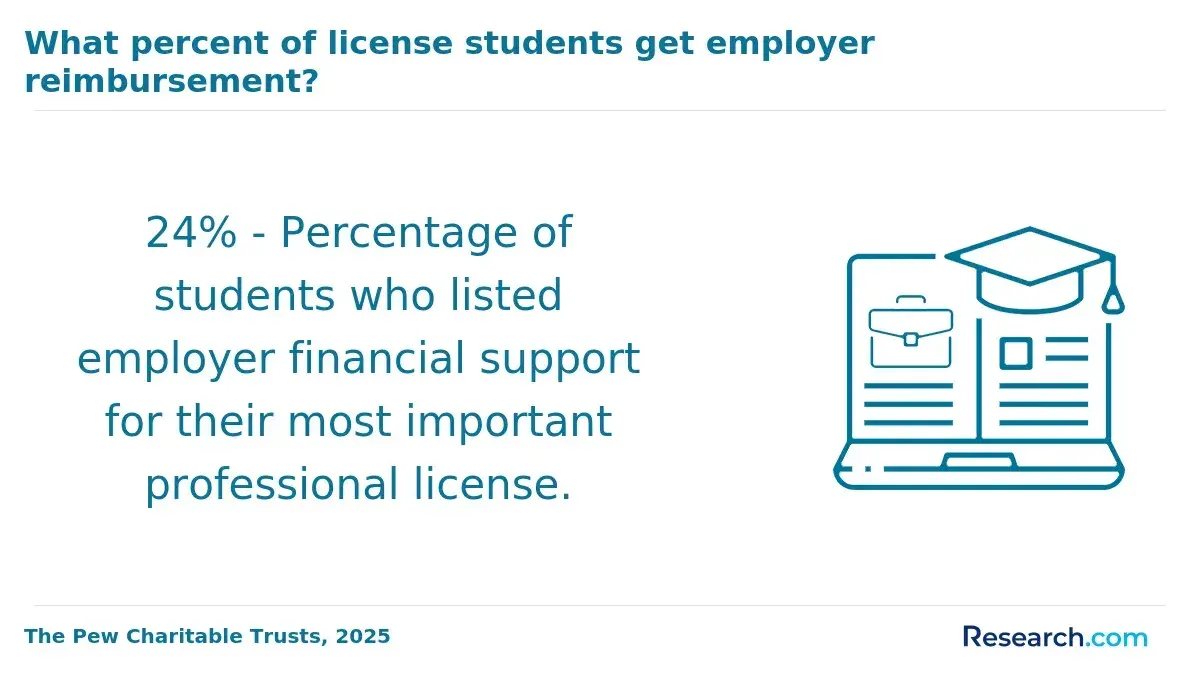
Certifications and short courses offer fintech graduates practical, focused skills that can enhance employability without the need for graduate school. These credentials help demonstrate specialized knowledge to employers and support career progression by emphasizing hands-on expertise. Recent data shows that more than 70% of fintech employers consider certifications and short-term training important in their hiring decisions.
Below are several key credentials that can significantly boost career prospects in financial technology:
- Certified Financial Technology Professional: This certification validates expertise in areas like blockchain, digital payments, and cybersecurity, underscoring capabilities that fintech employers actively seek.
- Certified Blockchain Expert: Emphasizing blockchain technologies and decentralized finance, this credential equips candidates with skills critical to a fast-growing fintech sector.
- Financial Data Analyst Certificate: Focused on financial data examination and visualization, this course improves one's ability to analyze and interpret complex financial datasets effectively.
- Python for Finance Certification: Proficiency in this programming language allows candidates to develop and maintain fintech applications, opening doors to diverse technical roles.
- RegTech Compliance Courses: These short courses provide knowledge on compliance automation tools, a notable focus within many fintech companies.
Opportunities for financial technology graduates without graduate degrees vary significantly across industries. Some sectors are particularly welcoming to bachelor's-level candidates due to their consistent demand for early-career talent and broad hiring needs. In fact, industry data show that about 60% of financial technology bachelor's degree holders secure positions in fields that actively recruit without requiring advanced education.
Key sectors with accessible entry points include the following:
- Banking and Retail Finance: This area regularly hires to support innovations in digital payments, lending, and customer experience, valuing generalist graduates for technology integration and operational roles.
- Payment Processing and Fintech Startups: Rapid expansion in digital payments drives demand for graduates with adaptable skill sets, with startups favoring bachelor's-level professionals capable of meeting evolving challenges.
- Insurance Technology (Insurtech): Automation in underwriting and claims processing fuels growth, creating openings for financial technology graduates to contribute without requiring graduate education.
- Financial Consulting and Advisory Services: Consulting firms frequently recruit entry-level graduates for roles in data analysis, systems implementation, and transformation initiatives across diverse clients.
- Regulatory Technology (Regtech): Increasing regulatory complexity leads to steady demand for bachelor's-level tech professionals to aid compliance software development and analytics.
Non-traditional career structures have broadened access for financial technology graduates by minimizing dependence on formal employment pathways. Digital and independent work models provide flexible options that make it easier for graduates to enter the fintech field without following traditional hiring or educational routes. The rise of freelance and remote work has notably contributed to this shift, with the freelance workforce growing by over 15% in recent years, especially among tech and finance professions.
Several remote, freelance, and non-traditional career paths offer adaptable entry points into financial technology roles. These options emphasize flexibility, digital accessibility, and project-based involvement, making them well-suited for graduates without graduate school credentials.
- Distributed work systems allow fintech graduates to join fully remote or globally dispersed teams working on software development, system integration, or data analysis. This setup eliminates the need for relocation and broadens participation regardless of physical location.
- Digital-first labor markets connect freelancers to fintech projects like blockchain solutions or payment system design through online platforms. These markets enable graduates to select contracts that fit their schedules and areas of interest, bypassing traditional hiring procedures.
- Project-based independent consulting lets professionals serve multiple clients remotely, gaining diverse fintech experience on flexible terms. This model supports portfolio building without formal graduate-level education.
- Remote customer support and technical assistance positions provide accessible entry points that involve virtual help desks and product troubleshooting. These roles foster skill development while allowing full location independence.
- Collaborative innovation hubs and incubators promote virtual participation, inviting fintech graduates to contribute expertise and develop solutions within startup ecosystems-regardless of geographic constraints.
Graduates with a financial technology degree often begin building their careers immediately after earning their bachelor's, capitalizing on the strong demand for finance and technology skills. Entry-level roles in industries like banking, fintech startups, and payment processing provide valuable workplace exposure and hands-on experience needed for career momentum.
About 75% of financial technology graduates secure relevant positions within six months of graduation, demonstrating the practicality of building a fintech career after a bachelor's degree without pursuing graduate school. Early career development is shaped largely by accessible job opportunities and the ability to gain real-world experience that employers prioritize over advanced academic qualifications.
Long-term career progression in this field frequently depends on growing responsibilities and evolving roles within organizations rather than returning to formal education. Many professionals advance into project management, product development, or strategic consulting through continuous learning and internal training programs.
This pathway varies across different functions, allowing individuals to build expertise and leadership skills by leveraging their practical knowledge. Those seeking further educational options while working might explore affordable online EdD programs to complement their career growth in financial technology without sacrificing job experience.
Skipping graduate school is a common pathway in financial technology careers, allowing earlier entry into the job market. This choice can influence long-term professional options, varying with career direction and employer expectations. Notably, about 60% of employers receive far more applications than available positions, making practical experience valuable alongside education.
Below are some key pros and cons of forgoing advanced degrees in financial technology.
- Early Workforce Entry: Graduates with bachelor's degrees can start working sooner, gaining practical industry experience that employers often value. Early exposure can accelerate skill development and career progression without the added time and cost of graduate school.
- Opportunity Costs: Avoiding graduate school reduces educational expenses and lost income during studies, which can be significant. This financial flexibility enables investment in certifications or real-world projects that enhance a resume.
- Long-Term Progression Limits: Some highly selective firms or roles, especially in research and development or specialized consulting, may prefer or require master's degrees. This can limit access to certain positions and affect salary growth trajectories.
- Career Flexibility: Entering the workforce with a bachelor's allows exploring diverse roles within financial technology, helping identify preferred specialties before committing to advanced degrees. This practical exploration can refine career goals effectively.
Understanding Financial Technology career advantages without graduate school helps prospective candidates balance immediate gains with future possibilities. When considering further education, resources like is project management a good degree provide insight into related fields worth exploring.
Bachelor's-level financial technology graduates generally find varied employment opportunities across sectors, reflecting steady workforce demand. Many secure roles in fintech firms, banking technology teams, or payment companies shortly after graduation, with typical salaries ranging from $60,000 to $110,000.
Employment trends suggest that graduates with a financial technology degree experience a broad placement spectrum influenced by evolving industry needs. For those interested in comparisons, resources like the library science degree data illustrate similar labor market participation patterns for specialized fields.
Job market outcomes for financial technology graduates differ based on the complexity of the roles and sector dynamics rather than following a uniform pattern. Some positions demand advanced technical skills or strategic insight, offering higher salaries but requiring competitive selection, while others focus on operational or support functions with more accessible entry points.
These variations underscore the importance of recognizing how broader industry demand and job placement for financial technology degree holders shape career trajectories. Ultimately, opportunities span diverse pathways, shaped by both market conditions and specific role requirements.
What Graduates Say About Financial Technology Careers Even Without Pursuing Graduate School
- Alfonso: "Graduating with a financial technology degree truly opened doors for me in the fintech sector without the need for graduate school. I found that the practical skills I gained-such as programming for financial applications and understanding blockchain-were exactly what employers sought. It was rewarding to transition directly into a role where I could contribute to developing innovative payment solutions right away."
- Eduardo: "Looking back, pursuing a financial technology degree was the best decision for starting my career immediately after college. The curriculum's strong emphasis on data analysis and cybersecurity gave me a competitive edge, and I could quickly apply this knowledge in my first job. I often reflect on how the hands-on projects prepared me more than a theoretical graduate program might have, making my early work experiences much smoother."
- Thiago: "My financial technology education provided a solid foundation that allowed me to enter the workforce confidently without further academic pursuits. The balance of finance, programming, and regulatory knowledge helped me adapt to various roles in a fast-moving industry. I appreciate how the program emphasized real-world case studies, which helped me hit the ground running and grow professionally from day one."
Other Things You Should Know About Financial Technology Degrees
CompTIA Security+ and Certified Ethical Hacker are the most common entry-level certifications for fintech roles. Security+ covers core security controls, while CEH focuses on attack methods and defenses. Many employers also prefer candidates with Python, SQL, and cloud-security skills for analyst or operations jobs.
Yes, financial technology graduates can progress into management roles through demonstrated experience, leadership skills, and project success. Many employers value practical industry knowledge alongside technical expertise, often promoting based on proven results rather than formal advanced degrees. Continuous professional development and obtaining relevant certifications can further support advancement into supervisory or managerial positions.
One common challenge is competing with candidates who hold advanced degrees, especially for highly specialized or research-intensive roles. Additionally, some employers may initially favor graduate-trained applicants, requiring non-graduate degree holders to emphasize practical experience and certifications. Staying current with rapidly evolving technologies and demonstrating problem-solving abilities also remains essential for career progression.
- Three Careers in the Financial Sector Expected to Rise in 2025 https://www.pridestafffinancial.com/blog/three-careers-in-the-financial-sector-expected-to-rise-in-2025/
- Fintech Career Path: Roles, Salaries & Progression https://300hours.com/fintech-career-path/
- What is fintech? A guide to graduate careers in financial technology https://targetjobs.co.uk/careers-advice/accountancy-banking-and-finance/what-fintech-guide-graduate-careers-financial-technology
- From Student to Fintech Innovator: Career Paths in Financial Technology https://www.esilv.fr/en/from-student-to-fintech-innovator-career-paths-in-financial-technology/
- 15 Best & High Paying FinTech Jobs – Careers Path and Opportunities – Techbytes https://do.starweaver.com/techbytes/15-best-high-paying-fintech-jobs-careers-path-and-opportunities
- A Guide to Global Entry-Level Fintech Jobs | Austin Werner https://austinwerner.io/blog/entry-level-fintech-jobs
- Top Remote Entry Level Fintech Jobs https://builtin.com/jobs/remote/entry-level/fintech
- Getting a job in Fintech with little or no industry experience | EC1 Partners https://ec1partners.com/blog/getting-a-job-in-fintech-with-little-or-no-industry-experience/
- Entry-level fintech jobs without experience: where to start | Fintech Careers https://www.fintechcareers.com/blog/entry-level-fintech-jobs-without-experience-where-to-start/
- CFA Institute 2025 Graduate Outlook Survey: Finance Top Career Choice | CFA Institute https://www.cfainstitute.org/about/press-room/2025/graduate-outlook-survey-2025