2027 Financial Advisor vs. Accountant: Explaining the Difference

Co-Founder and Chief Data Scientist
Choosing between becoming a Financial Advisor and becoming an Accountant is not simply a choice between two “money careers.” The work, client relationships, credentials, income patterns, and day-to-day pressure are different. Financial Advisors help people plan for future goals such as investing, retirement, insurance, and wealth management. Accountants focus on financial records, tax preparation, audits, reporting, and compliance.
This distinction matters because both paths can lead to stable, well-paid careers, but they reward different strengths. If you enjoy advising clients, discussing goals, and working with uncertainty in markets, financial advising may fit you better. If you prefer accuracy, structure, tax rules, documentation, and financial controls, accounting may be the stronger match.
Demand is also a major factor. According to the U.S. Bureau of Labor Statistics, the employment of Financial Advisors is projected to grow 16% from 2021 to 2031, reflecting strong demand. This guide compares what each professional does, the skills required, salary expectations, job outlook, career progression, stress level, and how to decide which path aligns with your goals.
Key Points About Pursuing a Career as a Financial Advisor vs. an Accountant
- Financial Advisors typically see a 5% job growth rate through 2030, with median salaries around $94,000, offering client-focused financial planning and investment guidance.
- Accountants enjoy a steadier 7% job growth, median salaries near $77,000, and emphasize tax preparation, auditing, and regulatory compliance roles.
- Financial Advisors impact clients' long-term wealth management, while Accountants ensure accurate financial records and legal adherence, shaping distinct professional rewards and responsibilities.
What does a Financial Advisor do?
A Financial Advisor helps clients make decisions about saving, investing, retirement, insurance, risk management, and long-term wealth planning. The work is forward-looking: advisors assess where a client is today, clarify what the client wants to achieve, and recommend strategies for reaching those goals over time.
Typical responsibilities include reviewing income, expenses, debts, investment accounts, insurance coverage, tax considerations, and retirement expectations. Advisors may create financial plans, recommend investment allocations, monitor portfolios, explain market changes, and meet regularly with clients to adjust plans as life circumstances change.
The role is highly relationship-driven. Many advisors spend significant time building trust, explaining complex topics in plain language, networking for new clients, and maintaining compliance with industry standards. They may work for banks, brokerage firms, insurance agencies, registered investment advisory firms, or independent practices.
What makes financial advising different?
- Client goals drive the work: The advisor’s value often comes from helping clients make better decisions during major life events, market uncertainty, or retirement planning.
- Income can vary: Some advisors earn salaries, while others may receive commissions, fees, or a combination depending on employer and business model.
- Trust is central: Clients often share sensitive details about money, family, risk tolerance, and future plans, so communication and ethics matter as much as technical knowledge.
What does an Accountant do?
An Accountant prepares, reviews, organizes, and interprets financial information. While Financial Advisors usually focus on future planning, Accountants focus heavily on accuracy, documentation, reporting, tax obligations, and compliance. Their work helps individuals, businesses, nonprofits, and government organizations understand financial performance and meet legal requirements.
Common duties include reconciling bank accounts, recording transactions, managing accounts payable and receivable, handling payroll, preparing financial statements, supporting budgets, filing taxes, and helping organizations prepare for audits. Some accountants also oversee retirement plan accounting to confirm proper employer contributions and compliance.
Accountants work in public accounting firms, corporate finance departments, government agencies, nonprofits, and specialized industries such as healthcare, manufacturing, retail, and professional services. Many use tools such as QuickBooks and Excel and may apply GAAP, especially in publicly traded companies or audited organizations.
What makes accounting different?
- Precision is non-negotiable: Small errors can affect tax filings, audits, budgets, and management decisions.
- Deadlines shape the calendar: Tax season, monthly closes, quarterly reporting, and audit cycles can create intense workload periods.
- Specialization matters: Accountants may move into tax, audit, forensic accounting, financial analysis, controllership, or advisory roles.
What skills do you need to become a Financial Advisor vs. an Accountant?
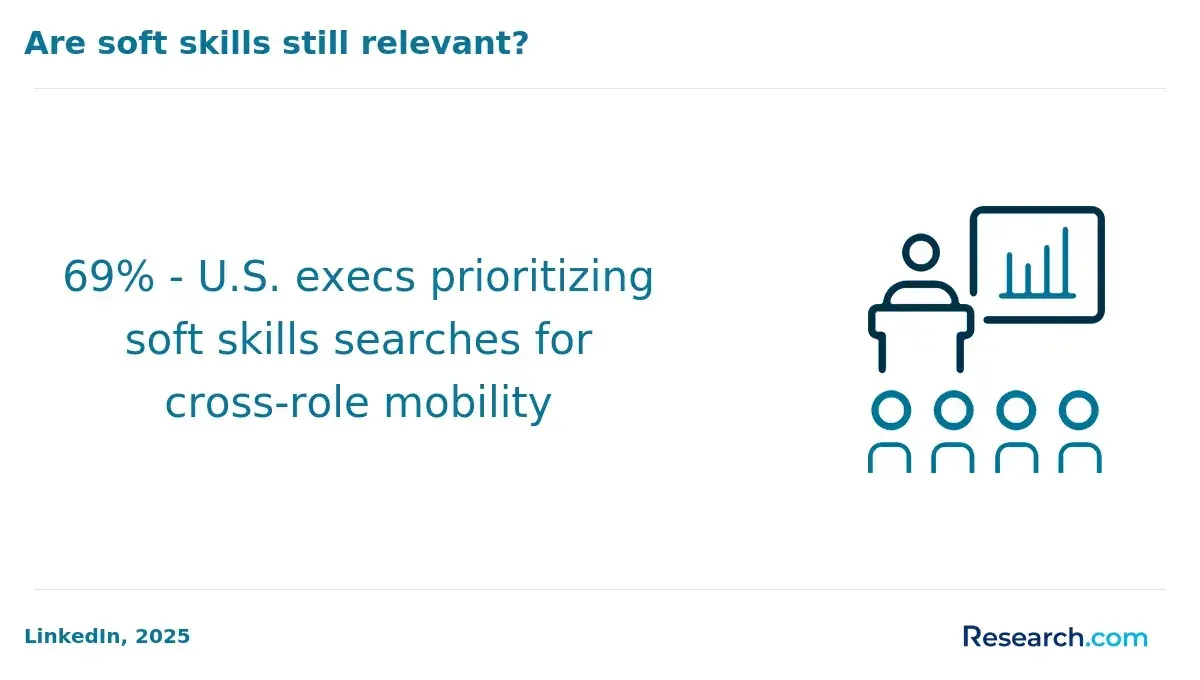
Both careers require financial literacy, ethical judgment, and comfort with numbers. The difference is how those skills are used. Financial Advisors must translate financial choices into client-friendly plans and guide behavior over time. Accountants must produce accurate records, interpret rules, and meet reporting or tax requirements with minimal error.
Skills a Financial Advisor Needs
- Clear communication: Advisors must explain investments, risk, retirement planning, insurance, and trade-offs in language clients can understand.
- Relationship building: Long-term trust is essential because clients rely on advisors during major financial decisions and uncertain markets.
- Sales and business development: Many advisors must attract clients, retain accounts, and communicate the value of their services.
- Analytical thinking: Advisors evaluate financial statements, market trends, goals, time horizons, and risk tolerance to build appropriate strategies.
- Regulatory knowledge: Advisors must understand compliance expectations, disclosures, and ethical obligations tied to financial recommendations.
- Emotional discipline: Clients may panic during downturns or chase trends during market highs; advisors need to keep discussions grounded.
Skills an Accountant Needs
- Attention to detail: Accountants must identify errors, inconsistencies, missing documentation, and incorrect classifications.
- Organization: The work often involves multiple deadlines, accounts, reports, tax forms, and audit requests at the same time.
- Technical proficiency: Accountants need strong spreadsheet skills and familiarity with accounting software and reporting systems.
- Problem-solving: They investigate discrepancies, reconcile accounts, improve processes, and help managers understand financial results.
- Tax and compliance knowledge: Accountants must apply current tax rules, accounting standards, and organizational policies accurately.
- Professional skepticism: Especially in audit, tax, and forensic roles, accountants must verify information rather than assume it is correct.
Best fit by working style
- Choose financial advising if: You like client conversations, long-term planning, persuasion, and helping people make decisions under uncertainty.
- Choose accounting if: You like structure, documentation, rules, accuracy, deadlines, and solving financial puzzles through records.
How much can you earn as a Financial Advisor vs. an Accountant?
Financial Advisor and Accountant salaries differ not only in amount but also in how earnings are structured. Financial Advisors may have more upside when compensation includes commissions, fees, or revenue tied to client assets. Accountants often have more predictable salaries, especially in corporate, government, nonprofit, or public accounting roles.
| Career | Typical salary range | Entry-level pay | Experienced or senior pay | Key salary drivers |
| Financial Advisor | $50,000 to $110,000 annually, with a median salary of about $94,170 | $50,000 to $60,000 | Up to $150,000 | Location, client base, assets managed, commissions, employer type, and advisory specialty |
| Accountant | $40,000 to $120,000 per year | Around $40,000 | Upwards of $100,000 | Industry, specialization, certifications, geographic location, and level of responsibility |
Financial advisors can potentially earn more as they build a strong book of clients or move into wealth management. However, that upside may come with income variability, sales pressure, and performance expectations. Accountants may have steadier income growth, especially when they gain experience, specialize, or move into senior finance roles.
Students comparing majors and long-term earning potential may also find it useful to review college majors in demand, especially if they are still deciding between finance, accounting, business, economics, or related fields.
What is the job outlook for a Financial Advisor vs. an Accountant?
The job outlook is positive for both careers, but Financial Advisors are expected to see faster growth. Accountants remain necessary across industries because organizations must maintain accurate records, prepare taxes, support audits, and comply with reporting rules. Financial Advisors are benefiting from growing demand for retirement planning, investment guidance, and personal financial decision-making.
Employment for Financial Advisors is projected to increase significantly, with a growth rate of about 17% between 2023 and 2033. This surge will result in approximately 55,000 new jobs, primarily driven by the aging population's increasing need for retirement planning and asset management.
Technology is changing the field, but it is not eliminating the need for human advisors. Robo-advisors can automate basic portfolio management, but many clients still want a professional to explain trade-offs, coordinate goals, respond to life changes, and provide guidance during volatile markets.
Accountants face a steadier market, with more modest growth anticipated. While specific figures for accountants alone are not detailed, the broader category including auditors is expected to experience moderate expansion. This demand comes from the continuing need for reliable financial reporting, tax preparation, audit support, and regulatory compliance.
Automation and artificial intelligence are reshaping routine accounting work, especially data entry, reconciliation, and report generation. However, professional judgment, interpretation of tax and accounting rules, fraud awareness, advisory support, and compliance knowledge remain valuable. Accountants who combine technical accounting knowledge with data tools and communication skills may be better positioned for long-term opportunities.
What is the career progression like for a Financial Advisor vs. an Accountant?
Career progression looks different in these two fields. Financial Advisors often advance by earning licenses or credentials, building a client base, increasing assets under management, or moving into specialized planning and leadership. Accountants usually advance through technical experience, certifications, specialization, and responsibility for larger financial processes or teams.
Typical Career Progression for a Financial Advisor
- Entry Level: Learn the industry, pass required licensing exams, support senior advisors, and begin developing client communication and planning skills.
- Associate Advisor: Work with more client accounts, prepare financial plans, assist with portfolio reviews, and deepen knowledge of retirement, insurance, tax, and investment topics.
- Specialist: Focus on areas such as retirement, estate planning, or wealth management, which can increase credibility and earning potential.
- Leadership/Practice Owner: Move into team management, branch leadership, partner-level advisory work, or independent practice ownership.
Typical Career Progression for an Accountant
- Junior Accountant: Handle routine accounting tasks, reconciliations, entries, and reports while building technical knowledge and possibly working toward certifications such as the CPA.
- Senior Accountant: Manage more complex reports, review entries, support audits, and take responsibility for higher-risk accounting areas.
- Specialist: Build expertise in tax, auditing, forensic accounting, financial analysis, or another niche that improves career mobility.
- Leadership Roles: Advance into controller, financial director, or similar positions that oversee financial operations, reporting, compliance, and strategy.
The financial advising industry is projected to grow 17% between 2023 and 2033, driven by an aging population and wealth management needs. Accounting remains stable but faces challenges from automation. In both careers, advancement depends on continuous learning, ethical judgment, and the ability to adapt to changing regulations, tools, and client or employer expectations.
If you are still comparing education pathways before committing to either field, this guide to what is the easiest online degree to get can help you evaluate flexible academic options. However, ease should not be the only factor; accounting and financial advising both require serious preparation if you want long-term career growth.
Can you transition from being a Financial Advisor vs. an Accountant (and vice versa)?
Yes, professionals can move between financial advising and accounting, but the transition is not automatic. The two careers overlap in financial analysis, tax awareness, budgeting, and client communication, yet they require different technical knowledge and credentials.
Moving from Financial Advisor to Accountant
A Financial Advisor who wants to become an Accountant typically needs stronger preparation in accounting principles, financial reporting, auditing, tax compliance, and regulatory standards. A bachelor's degree in accounting or a closely related field may be necessary, depending on the role and employer. For many accounting careers, especially those involving public accounting or audit work, the Certified Public Accountant (CPA) license is an important milestone.
The biggest adjustment is moving from planning-oriented advice to documentation-oriented accuracy. Advisors may already understand taxes, investments, and client goals, but accounting requires deeper command of reporting rules, audit evidence, reconciliations, and compliance procedures.
Moving from Accountant to Financial Advisor
An Accountant moving into financial advising often starts with a strong foundation in taxes, cash flow, financial statements, and analytical thinking. The transition usually requires developing investment knowledge, retirement planning skills, insurance awareness, behavioral coaching, and client relationship management.
Earning the Certified Financial Planner (CFP) credential is highly recommended for those who want to demonstrate broad competency in retirement, estate planning, and personal financial planning. Accountants who already advise clients on tax strategy may find financial planning a natural extension, but they still need to become comfortable with prospective planning, market risk, and ongoing client conversations.
In 2024, the median salary for accountants in the US was $81,680, while personal financial advisors earned $102,140, reflecting the potential for higher earnings as advisors gain experience and credentials.
Advanced degrees are not usually required for a direct move between these professions, but professionals considering research, teaching, executive leadership, or specialized academic paths may compare options such as phd no dissertation online programs as part of a broader education plan.
What are the common challenges that you can face as a Financial Advisor vs. an Accountant?
Both careers can be rewarding, but neither is low-pressure. Financial Advisors must manage client expectations, market uncertainty, business development, and ethical responsibilities. Accountants must manage deadlines, accuracy, compliance, and changing regulations. Both also face cybersecurity concerns because they handle sensitive financial information.
Challenges for a Financial Advisor
- Market Volatility Management: Advisors must help clients stay disciplined during downturns, explain risk clearly, and adjust plans without reacting emotionally to short-term events.
- Fiduciary and Ethical Responsibilities: Advisors need to navigate conflicts of interest, compensation structures, disclosures, and client suitability with care.
- Ongoing Client Engagement: Strong relationships require regular communication, education, follow-up, and trust-building beyond the initial financial plan.
- Client acquisition pressure: Many advisors must continuously network, earn referrals, and prove their value in a competitive market.
Financial advisors also face ongoing education demands. Pursuing certifications such as CFP or CFA can require substantial time while maintaining client responsibilities. The challenge is not only technical knowledge but also credibility, consistency, and ethical decision-making.
Challenges for an Accountant
- Seasonal Workload Spikes: Tax season, audit deadlines, and month-end or year-end closes can create long hours and high pressure.
- Regulatory Compliance Complexity: Accountants must keep up with evolving tax laws, reporting standards, documentation requirements, and organizational policies.
- Talent Shortage Impact: With fewer qualified professionals available, accounting workloads are intensifying.
- Automation pressure: Routine tasks are increasingly handled by software, so accountants must add value through analysis, controls, interpretation, and advisory work.
Before assuming that another credential will solve every career challenge, professionals should match education choices to a clear goal. Some may consider advanced academic options such as a 1 year doctorate, but most day-to-day advancement in these fields depends first on relevant experience, professional credentials, and current technical skills.
Is it more stressful to be a Financial Advisor vs. an Accountant?
Neither career is stress-free, but the stress pattern is different. Financial advising often involves continuous pressure tied to client outcomes, market performance, and business development. Accounting stress is often more cyclical, with intense periods around tax deadlines, audits, reporting cycles, and financial closes.
Financial Advisors may experience stress when markets fall, clients become anxious, sales targets are high, or income depends partly on commissions or client growth. They also carry the emotional weight of advising people on retirement savings, investment risk, and long-term financial security. The pressure can be steady throughout the year because client needs and market conditions do not follow a simple calendar.
Accountants often face deadline-driven stress. Tax season can mean long hours, detailed review, and little room for error. Corporate accountants may feel pressure during month-end close, year-end reporting, audits, or regulatory filings. The work can be demanding, but the intensity may rise and fall more predictably than in financial advising.
Which is more stressful for you?
- Financial advising may feel more stressful if: You dislike sales pressure, market uncertainty, difficult client conversations, or variable income.
- Accounting may feel more stressful if: You dislike repetitive deadlines, detailed documentation, tax complexity, audits, or high-volume work during peak seasons.
How to choose between becoming a Financial Advisor vs. an Accountant?
The better choice depends on how you want to use financial knowledge. If you want to help individuals or families make future-oriented decisions, financial advising may be the better fit. If you want to ensure financial information is accurate, compliant, and useful for reporting or business decisions, accounting may be the stronger path.
- Interpersonal Skills: Financial advisors need strong communication abilities to build client trust and explain complex financial goals, while accountants typically engage less frequently with clients, favoring detail-oriented work.
- Analytical Focus: Financial advisors emphasize future planning and market forecasting, appealing to strategic thinkers; accountants concentrate on accuracy with historical financial data and compliance.
- Compensation Expectations: In 2024, financial advisors earned a median salary of $102,140 versus $81,680 for accountants, but both can achieve six-figure incomes with experience and certifications.
- Certification Requirements: Financial advisors often pursue CFP or CFA credentials, whereas accountants usually must obtain CPA licensure, which involves state-specific exams and ongoing education.
- Daily Responsibilities: Advisors focus on retirement and portfolio management year-round, while accountants handle tax preparation and auditing, so consider which tasks align better with your career goals.
Simple decision rule
- Choose Financial Advisor if: You enjoy client-facing work, long-term planning, investments, persuasion, relationship management, and helping people act on financial goals.
- Choose Accountant if: You prefer structured analysis, accuracy, tax rules, reporting, auditing, internal controls, and work that depends heavily on documentation.
- Consider both if: You are interested in tax-focused financial planning, small business advisory work, or wealth management roles where accounting knowledge can be a major advantage.
If neither path feels right, it may help to compare other practical career routes. This guide on what are three careers that trade school can prepare you for? offers insight into alternatives beyond traditional finance and accounting careers.
What Professionals Say About Being a Financial Advisor vs. an Accountant
- : "Financial advising has given me a career where relationship-building matters as much as technical knowledge. The demand for skilled advisors has made the field feel stable, but the real reward is seeing clients make better decisions about their financial futures. — Orlando"
- : "Accounting keeps me engaged because the rules, systems, and business problems are always changing. The work can be demanding, especially when deadlines are tight, but continuous learning is part of what makes the profession valuable. — Zion"
- : "My financial career advanced faster once I committed to structured training and professional credentials. Those steps helped me move into leadership opportunities and take on more responsibility within the firm. — Wyatt"
Other Things You Should Know About Being a Financial Advisor & an Accountant
In 2027, Financial Advisors typically work in dynamic settings involving client-focused consultations, while Accountants often operate within structured environments emphasizing record-keeping and compliance. Advisors tend to have flexible hours for client meetings, whereas accountants usually follow routine office schedules, especially around tax deadlines.
Financial Advisors usually have degrees in finance, economics, business, or related fields, often complemented by certifications focused on investment and financial planning. Accountants generally hold degrees in accounting, finance, or business administration, with a strong emphasis on accounting principles and practices. While there is overlap, coursework and specialized training reflect their differing professional focuses.
A financial advisor who gives investment advice for compensation usually must register with the SEC or a state securities regulator as an investment adviser representative. If the advisor sells securities, they typically need FINRA Series 7 and Series 66 or Series 65 licenses, depending on the role.
References
- Accountants vs financial advisers: what's the difference? https://www.unbiased.co.uk/discover/tax-business/running-a-business/accountants-vs-financial-advisers-whats-the-difference
- Financial adviser https://www.prospects.ac.uk/job-profiles/financial-adviser
- Accountant Vs Financial Advisor https://www.curveaccountancy.co.uk/post/accountant-vs-financial-advisor-whats-the-difference
- Financial Advisor vs. Accountant: Do You Need a CFP or a CPA? - NerdWallet https://www.nerdwallet.com/article/investing/financial-advisor-vs-accountant
- Accountant and financial advisor: What's the difference? https://trekkadvisory.com.au/information-centre/accountants-and-financial-advisors-whats-the-difference
- Financial Advisor Vs. Accountant: What’s The Difference? | Bankrate https://www.bankrate.com/investing/financial-advisors/financial-advisor-vs-accountant/
- What Does an Accountant Do? | Accounting.com https://www.accounting.com/careers/overview/
- Accounting VS Finance: Which Career Path is Right for You? - MANCOSA https://www.mancosa.co.za/blog/accounting-vs-finance-which-career-path-is-right-for-you/
- The 10 Vital Accountant Duties You Need for Success â Vintti https://www.vintti.com/blog/the-10-accountant-duties-you-need-for-success
- How to Switch Careers from CPA to Financial Advisor | Money Guy https://moneyguy.com/article/how-to-switch-careers-from-cpa-to-financial-advisor/