2027 Entry-Level Jobs With a Psychopharmacology Master's Degree

Co-Founder and Chief Data Scientist
Graduates with a master's degree in psychopharmacology face a complex entry-level job market shaped by specialized clinical standards, regulatory requirements, and evolving interdisciplinary collaboration. Employers increasingly prioritize candidates with hands-on experience in medication management protocols and familiarity with emerging neuropharmacological treatments.
Public and private sector roles often demand certifications beyond the degree, complicating direct career entry. Workforce trends from 2024 highlight growing integration of psychopharmacology practitioners in behavioral health teams, requiring adaptability to diverse care settings. Understanding these hiring dynamics and sector-specific expectations is crucial for navigating the initial phase of a psychopharmacology career.
Key Benefits of Entry-Level Jobs With a Psychopharmacology Master's Degree
- Entry-level roles often demand specialized knowledge of neurochemical interactions, limiting immediate advancement but offering niche expertise valued in pharmaceutical research and clinical trial settings.
- A 2024 workforce analysis shows employers increasingly expect mastery of both psychopharmacology and data analytics, signaling a shift toward interdisciplinary hiring criteria that reshape applicant competitiveness.
- The extended duration and cost of psychopharmacology programs can delay labor market entry, requiring candidates to weigh early-career earning potential against longer-term specialization benefits.
What Entry-Level Jobs Can You Get With a Psychopharmacology Master's Degree?
Entry-level in graduate education rarely equates to basic or superficial responsibilities, especially with a psychopharmacology master's degree. Many graduates begin their careers in roles demanding specialized knowledge of drug mechanisms, neurobiology, and behavioral impacts, alongside practical analytical tasks.
The diversity of entry-level opportunities reflects differences in employer expectations, prior experience, and program focus, ranging from research to clinical support to interdisciplinary collaboration. These positions not only require substantive expertise but also serve as critical stepping stones toward more advanced clinical, research, or leadership roles.
- Research Assistant or Coordinator: Often a first professional role for psychopharmacology master's holders, this position involves managing clinical trial support, data collection, and protocol compliance. These responsibilities leverage a graduate's understanding of psychiatric medications and provide essential experiential grounding in clinical research settings, underpinning long-term progression into study design or principal investigator roles. Labor market projections from the U.S. Bureau of Labor Statistics highlight steady growth in medical and clinical research, underscoring this pathway's relevance.
- Psychiatric or Mental Health Technician: These roles focus on applying drug knowledge to monitor patient responses and support treatment plans in hospitals or outpatient centers. Although considered entry-level, technicians must navigate complex medication effects and patient behaviors, laying the groundwork for future clinical certification or specialized technician tracks. The position's proximity to direct patient care offers meaningful exposure to integrated behavioral health practices, increasingly emphasized in community health fields.
- Pharmaceutical Sales Representative (Psychiatric Focus): This role capitalizes on a graduate's scientific training to communicate psychotropic drug benefits and safety profiles to healthcare providers. It is entry-level in that it combines foundational sales skills with technical expertise, often serving as a springboard into medical affairs, product management, or clinical liaison positions where deeper pharmacological and market knowledge is critical.
- Behavioral Health Specialist or Case Manager: In these community-oriented roles, psychopharmacology knowledge supports collaboration with prescribers and tracking medication adherence within social service environments. Classified as entry-level due to typically requiring supervised practice or credentialing, these positions are pivotal for building experience in integrated care models and can evolve toward clinical coordination or policy-influencing roles. Growing community and mental health service demand reflects shifting healthcare priorities.
For graduates interested in complementary certifications or specialized training, programs such as medical coding and billing certification may also enhance qualifications for administrative or informatics pathways, broadening their employment prospects beyond traditional clinical settings.
What Sectors Have the Strongest Demand for Graduate-Level Talent?
Demand for master's graduates in psychopharmacology is primarily shaped by structural and regulatory complexities within specific industries rather than by degree popularity alone. Sectors requiring advanced clinical insight, regulatory knowledge, and integration of pharmacological science into patient care or product development maintain steady hiring needs.
These industries often face evolving healthcare policies, technological innovations, and demographic shifts that increase reliance on professionals with graduate-level skills to translate research into effective therapies or compliant processes.
- Healthcare Delivery Systems: Hospitals, outpatient centers, and specialty clinics focusing on psychiatric and neurological care consistently seek professionals who can apply psychopharmacology expertise to optimize treatment protocols. The ongoing expansion of neuropsychiatric services and the shift toward personalized medicine demand clinical roles that combine medication management with patient-centered approaches, emphasizing interdisciplinary collaboration and practical drug impact knowledge.
- Pharmaceutical and Biotech Companies: Drug development and regulatory affairs teams require staff adept at bridging clinical pharmacology with compliance and data analysis. Advances in psychotropic medication research and increasing regulatory scrutiny contribute to sustained demand for graduates who understand the molecular and therapeutic complexities of neuropsychiatric drugs, supporting roles that go beyond entry-level lab work into strategic trial design and regulatory submissions.
- Mental Health Services and Community Programs: Private practices and public health organizations depend on staff who can liaise with prescribing psychiatrists and educate patients about medication regimens. This sector's growth reflects broader societal focus on mental health outcomes and integrated care models, emphasizing graduates' skills in communication, education, and therapeutic adherence monitoring.
- Academic and Government Research: While opportunities exist, demand for master's-level graduates in these arenas is limited and often favors doctoral credentials. This sector's niche openings tend to be highly specialized, focusing on foundational research or policy impact analysis, indicating that longer educational commitment is usually necessary for entry and advancement.
A recent psychopharmacology graduate recounted weighing options carefully during a rolling admissions cycle in different sectors. Initially hesitant due to the uncertain timing of interviews and offers, the graduate prioritized internships aligned with the healthcare sector first, recognizing its immediate demand for applied skills.
The slow but steady flow of hiring notifications from pharmaceutical companies later offered strategic leverage, confirming that patience and targeted preparation within high-demand sectors helped mitigate early-career uncertainty and better timing for optimal employment outcomes.
Which Entry-Level Psychopharmacology Careers Have the Highest Starting Salaries?
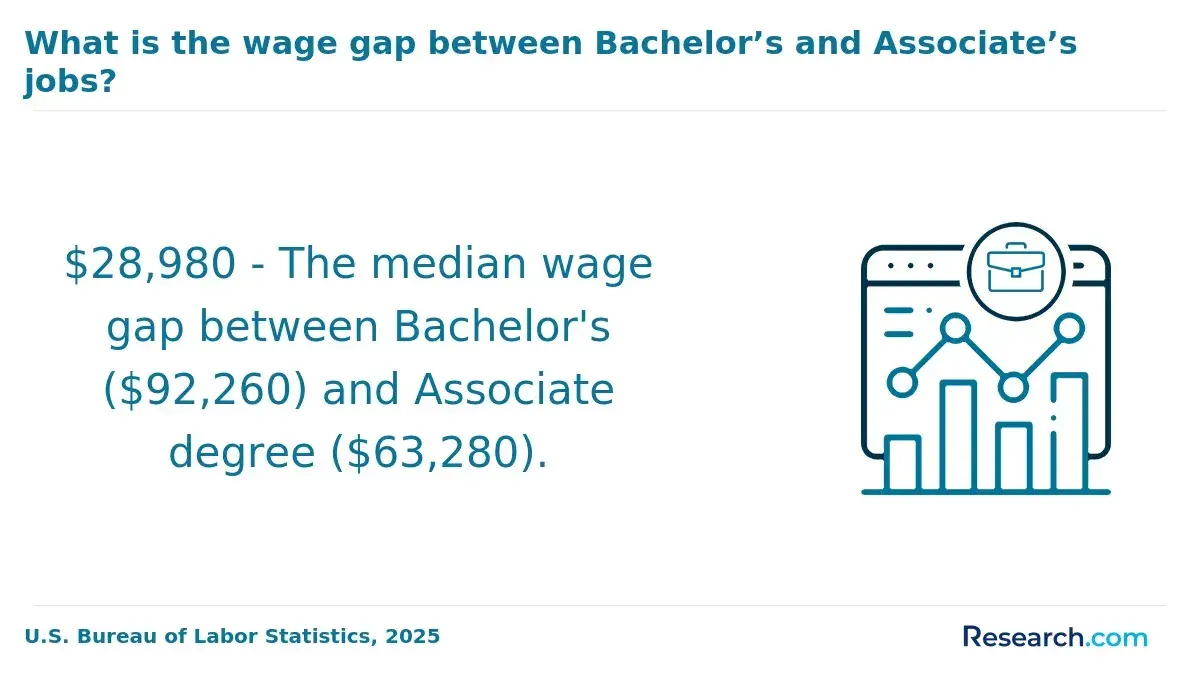
Starting salaries for entry-level psychopharmacology master's graduates reflect a complex interplay of specialized skills, regulatory demands, and industry profitability rather than education alone. Roles commanding higher pay often require technical expertise in drug safety, research protocols, or compliance, alongside marked responsibility for ensuring product efficacy and adherence to healthcare standards.
Market demand for professionals who can navigate these areas efficiently also drives compensation, highlighting the strategic importance of certain positions within pharmaceutical and clinical research organizations.
- Clinical Research Coordinator ($60,000-$75,000): These positions top starting salary charts due to their central role in managing clinical trials, regulatory compliance, and stakeholder communications. Employers value coordinators for their ability to uphold complex protocols and ensure integrity in drug development processes, which directly impact approval timelines and company revenues.
- Pharmacovigilance Analyst ($58,000-$73,000): Analysts earn comparatively high salaries for their expertise in monitoring adverse drug reactions post-market release. The role's focus on drug safety and regulatory reporting is critical for mitigating risk and maintaining market access, reflecting a premium on specialized neuropharmacological knowledge and data evaluation skills.
- Regulatory Affairs Coordinator ($55,000-$70,000): These professionals navigate intricate submission processes and compliance standards that pharmaceutical firms must meet. Their compensation aligns with the demanding nature of regulatory environments and the financial repercussions of approval delays or non-compliance, emphasizing organizational reliance on their precision and regulatory acumen.
- Drug Safety Specialist ($55,000-$70,000): Closely related to pharmacovigilance, this role focuses on documenting safety data and facilitating communication between clinical teams and regulatory bodies. Starting pay reflects the critical responsibility of safeguarding public health and maintaining company credibility in an increasingly scrutinized industry.
- Psychiatric Technician or Behavioral Health Specialist ($40,000-$50,000): Positions involving direct patient care generally offer lower initial salaries, as they demand less technical or regulatory expertise. While they provide valuable clinical exposure, these roles tend to serve as stepping stones toward advanced clinical or administrative opportunities rather than immediate high-earning careers.
Which Industries Pay the Most for Entry-Level Psychopharmacology Master's Graduates?
Entry-level compensation for psychopharmacology master's graduates is less a function of individual credentials alone and more a reflection of the industry's economic structure and strategic priorities. Sectors offering higher starting salaries typically operate in environments characterized by substantial profit margins, intense regulatory oversight, or rapid innovation cycles where specialized knowledge in psychopharmacology directly enhances organizational effectiveness or mitigates risk.
Understanding these dynamics clarifies why certain top sectors hiring psychopharmacology master's degree holders pay premium wages to newcomers despite limited experience.
- Pharmaceutical Industry: This sector consistently offers the highest entry-level pay because of its strong revenue models driven by patented drug sales and global market reach. Employers value psychopharmacology expertise in roles such as clinical research coordinators or drug safety analysts, where understanding drug interactions and regulatory compliance is critical. High regulatory barriers and stringent FDA oversight create demand for rigorous oversight skills, raising initial compensation to attract talent capable of navigating this complex landscape.
- Biotechnology Firms: Biotech companies prioritize innovation in neuropsychiatric drug development and tailored therapeutics, which requires merging laboratory technical skills with psychopharmacological knowledge. Competitive salaries at entry-level reflect the industry's intense focus on rapid product pipelines and the premium placed on candidates who can contribute from day one to drug discovery and clinical trials. This high innovation pressure sustains attractive pay levels despite the early-career status of many hires, as reported by recent data from labor market analytics.
- Government Research Agencies: While generally offering lower pay than private-sector counterparts, government roles benefit from stable funding and significant involvement in policy-oriented research and drug safety monitoring. These positions offer starting salaries that reflect the requirement for psychopharmacology expertise in regulatory science, public health monitoring, and compliance enforcement. Although budgets constrain remuneration, these roles remain competitive within the public sector due to rising demand for evidence-based mental health interventions.
- Healthcare and Mental Health Services: Entry-level salaries here tend to be lower because many positions are tied to clinical support roles and technician duties, which rely less on research capacities and more on practical application of psychopharmacology concepts. However, growing healthcare delivery networks and a heightened focus on mental health treatment are incrementally increasing demand. These sectors prioritize candidates who can integrate psychopharmacological principles within patient care teams, albeit with compensation generally trailing behind pharmaceutical or biotech firms.
These pay disparities reflect a broader labor market trend where the economic value of psychopharmacology expertise correlates with an industry's capacity to monetize innovation, manage regulatory complexity, and address specialized healthcare needs. For students exploring pathways to a career in psychopharmacology, understanding these structural factors is vital when evaluating job markets and weighing long-term career prospects.
For additional context on related healthcare program options and their workforce relevance, prospective students might consider reviewing the health information management degree online landscape, which similarly balances entry-level employability and compensation within allied health fields.
Which Skills Are Most Valuable in Entry-Level Positions?
Entry-level hiring for individuals with a master's degree in psychopharmacology has shifted toward evaluating candidates on their practical ability to apply domain knowledge and analytical skills to real-world challenges rather than on credentials alone. Employers prioritize skills that directly impact workflow efficiency, compliance, and communication within clinical or pharmaceutical settings.
Technical proficiency combined with the capacity to translate complex scientific information into actionable insights often sets candidates apart, driving both initial job offers and early performance assessments.
- Pharmacological Expertise: A deep understanding of drug mechanisms and interactions is foundational, allowing entry-level employees to contribute meaningfully to medication management and clinical trial interpretation. This skill enables precise support for treatment protocols, which is critical for roles like clinical research coordination and assures hiring managers of candidates' immediate technical utility.
- Critical Thinking and Data Analysis: Analytical skills enable new professionals to interpret clinical data accurately and identify relevant patterns. This is essential for assessing trial outcomes or spotting potential safety issues, which directly affects patient safety and research quality. Employers prize this ability as it correlates with reduced errors and more informed decision-making even early in a career.
- Communication Proficiency: Effectively translating complex psychopharmacological concepts to diverse audiences-including clinicians, researchers, and patients-facilitates collaboration and informed consent processes. Strong communication skills often determine how quickly new hires integrate into multidisciplinary teams and influence hiring decisions favoring candidates who can clearly articulate both risks and benefits.
- Regulatory Awareness and Compliance: Mastery of ethical standards and regulatory documentation supports adherence to clinical protocols and reduces organizational risk. Entry-level employees who can reliably manage compliance tasks often enable smoother operations and reflect well on institutional professionalism, making this skill a significant factor in early career evaluations.
- Adaptability and Initiative: The ability to manage multiple tasks, adjust to evolving protocols, and proactively address unexpected challenges is highly valued in dynamic clinical environments. Employers reward candidates who demonstrate flexibility, as this trait enhances team resilience and promotes faster progression within structured career pathways.
Recent labor market analyses show starting salaries for roles integrating these comprehensive skill sets exceed those focused solely on academic knowledge by roughly 12%, underscoring the premium placed on applied competencies by employers.
A graduate shared that during the rolling admissions process, uncertainty about application deadlines and waiting for timely feedback created significant stress. Balancing preparation for potential interviews alongside job search efforts required careful prioritization.
Ultimately, having clarified which competencies were emphasized by prospective employers helped focus their skill development, easing transition anxiety and improving confidence during early interviews.
Do Employers Hire Psychopharmacology Master's Graduates Without Professional Experience?
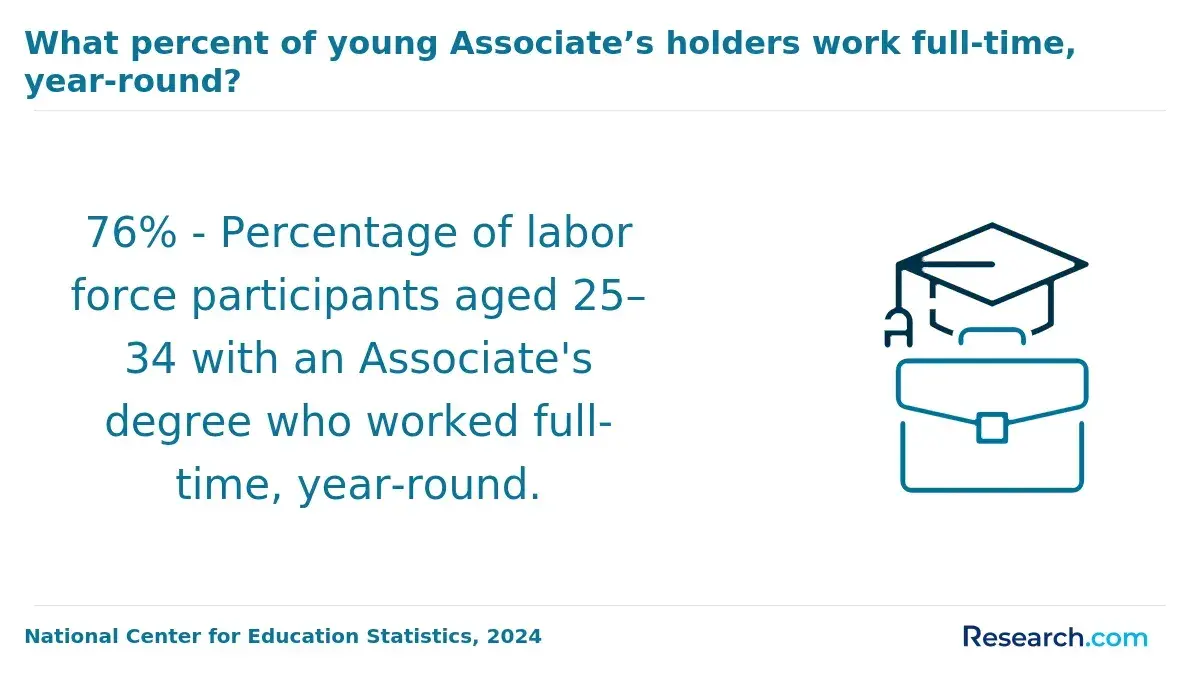
Many employers do hire psychopharmacology master's graduates without prior professional experience, particularly for roles explicitly designed as entry points into the field. Positions such as research assistants, clinical coordinators, or pharmaceutical liaisons often serve as structured early-career opportunities where employers can develop talent pipelines.
These roles generally emphasize foundational knowledge and the capacity to learn on the job over extensive prior experiential credentials, reflecting a labor market that balances academic achievement with practical onboarding. Recent workforce data indicate that while direct clinical practice positions remain largely inaccessible without experience, entry-level jobs tied to research or support functions show increasing demand across healthcare systems.
The willingness of employers to consider graduates without professional backgrounds hinges significantly on compensatory factors that demonstrate applicable skills and commitment. Strong academic performance combined with internships, capstone projects, or certifications aligned with psychopharmacological practice can serve as credible substitutes for work experience.
Technical competencies-such as data analysis or clinical trial process knowledge-and validated aptitude in patient communication strengthen hiring prospects in this demographic. Industry hiring managers increasingly assess candidates for demonstrated competency through practical or academic contexts, highlighting the value of supplementary credentials. For graduates exploring pathways to enhance their employability, exploring best online post master's PMHNP programs may represent a strategic option for specialized skill development.
There is notable variation across sectors within the psychopharmacology field regarding employer expectations for experience. Industries with stronger regulatory oversight and client-facing responsibilities typically require prior immersion to mitigate risk and ensure patient safety, limiting opportunities for those without experience. Conversely, technology-driven and data-centric roles within pharmaceutical or research organizations tend to offer more flexibility, leveraging analytical skills and certification credentials to offset gaps in hands-on practice.
Reflecting this, government employment reports affirm that candidates capable of articulating relevant competencies and practical insights outperform peers relying solely on academic qualifications. For recent graduates seeking entry level psychopharmacology jobs for recent graduates, understanding these sectoral distinctions is crucial for targeting roles with realistic hiring criteria.
Which Certifications Help Entry-Level Psychopharmacology Master's Graduates Get Hired?
Employers hiring entry-level graduates with a master's degree in psychopharmacology often rely on certifications to verify practical competencies that academic programs alone may not fully demonstrate. While the degree supplies foundational scientific knowledge, industry-specific certifications serve as tangible proof of skills such as patient care coordination, medication management, and regulatory compliance. In competitive labor markets, these credentials can function as critical differentiators, signaling readiness to handle applied tasks in clinical or research settings.
- Certified Psychiatric Rehabilitation Practitioner (CPRP) - This certification validates practical expertise in behavioral health rehabilitation, which aligns with common employer expectations for roles in hospital and community mental health environments. By confirming familiarity with patient-centered intervention models, the CPRP credential enhances a graduate's profile where firsthand application of psychopharmacology principles is essential.
- Certified Mental Health Technician (CMHT) - Possessing the CMHT credential demonstrates competence in frontline behavioral health support and medication monitoring. Data from recent workforce analyses suggest that certified mental health technicians see notably higher employment growth rates than uncertified peers, underscoring employer preference for verifiable technical skills in entry-level clinical roles.
- ANCC Psychiatric or Mental Health Nursing Certifications (for graduates with nursing backgrounds) - These certifications validate nursing-specific pharmacological knowledge and clinical judgment under regulatory standards. Their value lies in bridging theoretical psychopharmacology education with direct patient care workflows mandated by healthcare institutions, making candidates more competitive for nursing-driven psychopharmacology positions.
- Clinical Research Coordinator Certification - For those inclined toward pharmaceutical or research career paths, this credential signals familiarity with clinical trial protocols, ethical research standards, and data management. Employers in biopharma and research institutes prioritize such certifications to ensure new hires can efficiently navigate regulatory environments and contribute to evidence-based pharmacological studies early in their careers.
Overall, certifications operate as a market signal confirming applied skills that a psychopharmacology master's degree alone may not guarantee. Their practical value depends on alignment with specific roles and the local demand for credentialed expertise, which increasingly influences hiring decisions in healthcare support and research sectors. Strategic credentialing complemented by relevant clinical experience therefore optimizes early-career employability in this specialized field.
What Remote Jobs Can You Get With a Psychopharmacology Master's Degree?
Remote opportunities for psychopharmacology master's graduates have expanded alongside advances in digital transformation, cloud-based systems, and global talent sourcing. Success in these roles depends not only on job function but also on the extent to which outputs are measurable, digitally deliverable, and require limited synchronous collaboration.
Distributed teams in pharmaceutical, biotech, and telehealth sectors increasingly seek candidates whose work can integrate with virtual workflows and outcome-based performance metrics.
- Clinical Research Coordinator Assistant: In remote settings, these professionals manage and monitor clinical trial data through secure digital platforms, ensuring regulatory compliance while minimizing the need for in-person oversight. Psychopharmacology expertise is critical for interpreting medication effects and coordinating with cross-functional teams using project management tools. Remote work emphasizes accuracy, timely data submission, and adherence to protocol-driven workflows, with clear metrics tracking participant enrollment and data quality.
- Data Analyst in Pharmaceutical or Biotech: This role involves analyzing clinical and pharmacological datasets via cloud computing resources and statistical software. The remote model fits well due to the largely asynchronous nature of data processing and report generation. Master's-level knowledge enables interpretation of pharmacodynamic outcomes relevant to drug development, while performance hinges on delivering actionable insights within specified timelines.
- Medical Writer: Psychopharmacology graduates working as remote medical writers produce scientific documentation, regulatory submissions, and patient education materials, often collaborating across time zones. Writing projects, inherently digital, allow for flexible hours and iterative feedback cycles, requiring strong command of domain knowledge and precision. Quality and compliance with regulatory standards are key performance indicators in this role.
- Pharmacovigilance Specialist: Monitoring post-market drug safety remotely involves analyzing adverse event reports through dedicated software systems. This position is conducive to remote work as it relies on systematically reviewing data and producing risk assessments without the need for constant real-time communication. Master's-level training supports understanding complex drug interactions and regulatory reporting requirements.
- Remote Patient Education Coordinator: Although less common at the master's level without additional certification, some remote roles focus on medication adherence counseling using telehealth platforms. These roles require strong communication skills and the ability to use digital health tools, with productivity measured by outreach frequency and patient engagement outcomes.
How Competitive Is the Entry-Level Job Market for Psychopharmacology Master's Graduates?
The entry-level job market for psychopharmacology master's graduates varies notably depending on industry demand, geographic location, and the degree of specialization within the field. Urban centers and biotech hubs tend to concentrate opportunities, while rural areas often face talent shortages but offer fewer positions.
Demand for specialists in neuropharmacology and medication management is increasing modestly, according to the U.S. Bureau of Labor Statistics, yet this growth coexists with a rising supply of graduates, intensifying competition for the more desirable roles. This uneven distribution shapes how competitive certain psychopharmacology career opportunities can be at the outset.
Employer expectations further heighten competition among recent graduates, with many positions requiring technical skills beyond academic knowledge, including hands-on experience with data analysis, pharmacological theory, and patient communication. Certifications, internships, and applied project work increasingly serve as differentiators in hiring decisions.
The National Association of State Directors of Career Technical Education Consortium noted that around 45% of psychopharmacology master's graduates found employment within six months in 2024, underscoring both competition and opportunity in the job outlook for psychopharmacology master's graduates. Candidates lacking practical exposure often face bottlenecks despite possessing advanced degrees.
To stand out in saturated markets, graduates must strategically leverage cross-disciplinary expertise or seek subfields experiencing talent shortages, where competition is comparatively lower. Supplementing a master's degree with clinical residencies or dual training in areas like neuroscience or clinical psychology broadens employability. Those willing to relocate or target emerging industry niches may find less crowded pathways.
For candidates balancing education with work commitments, exploring accelerated programs such as the shortest RN to BSN program can be analogous in offering focused, time-efficient credentials that enhance practical readiness.
The entry-level landscape necessitates a nuanced approach informed by labor market dynamics, hiring practices, and geographic realities rather than assuming uniform competitiveness across all psychopharmacology career opportunities.
Which Entry-Level Roles Have the Strongest Long-Term Growth Potential?
Long-term career growth in psychopharmacology often depends less on the initial job title and more on the skills, responsibilities, industry exposure, and advancement pathways that entry-level roles provide. Positions offering transferable skills, insight into strategic decision-making, and opportunities to specialize tend to create stronger foundations for sustained professional success.
Employers increasingly value early-career roles that combine clinical and research expertise while allowing individuals to adapt to evolving technologies and methodologies.
- Clinical Trial Coordinator: This role immerses graduates in drug development processes and regulatory compliance, fostering critical project management and cross-disciplinary communication skills. Progression can lead to senior project management or regulatory affairs leadership within pharmaceutical firms or research institutions.
- Pharmaceutical Research Assistant: Hands-on involvement with experimental protocols and data analysis enables strong technical proficiency. Advancing often involves specialization in neuropharmacology or behavioral pharmacology, positioning professionals for roles in clinical research or drug development strategy.
- Psychiatric Technician: While more clinically focused, this role provides valuable patient interaction experience and insight into psychiatric care environments, which supports transitions into case management, clinical research, or behavioral health coordination roles.
- Pharmaceutical Sales Associate: Exposure to market dynamics and product knowledge can open pathways toward sales leadership, medical liaison positions, or strategic roles interfacing between clinical research and commercial teams.
Recent 2024 labor projections confirm these entry-level psychopharmacology jobs with long-term career growth align with sectors showing the strongest advancement potential due to expanding healthcare and pharmaceutical needs. Acquiring specialized certifications and leveraging program resources are essential for maximizing these opportunities. Graduates should assess employer expectations carefully to align early roles with their broader career objectives.
Students weighing a conditional admission offer must consider practical factors like prerequisite completion feasibility and support services, as unmet conditions can delay progress. Program reputation and accreditation bear heavily on employability, so evaluating alumni outcomes and institutional quality is critical. Financial implications and program flexibility also influence success odds, especially when balancing coursework and remedial demands.
Regarding accessible online education resources, those interested may find a comprehensive sociology bachelor degree online helpful for understanding interdisciplinary approaches linked to behavioral sciences within psychopharmacology studies.
What Graduates Say About Entry-Level Jobs With a Psychopharmacology Master's Degree
- Tony: "After completing my psychopharmacology master's, I quickly realized that many entry-level roles favored candidates with demonstrated practical experience over formal licensure. I prioritized internships where I could contribute to medication management projects, which helped build a portfolio that employers noticed. While licensure remains a barrier for some advanced positions, my hands-on experience enabled me to negotiate remote consulting opportunities, giving me early flexibility in the field. The transition wasn't seamless, but being strategic about experience opened doors more than the degree alone."
- Denver: "My path post-psychopharmacology degree was a bit more cautious. The hiring market is competitive, and I found that certifications and supplementary clinical training weigh heavily alongside academic credentials. I took time to pursue specialized workshops related to neuropharmacology, which ultimately differentiated me when applying for roles supporting psychiatric clinics. Salary growth at entry level felt limited without licensure, so I am weighing whether to pursue that step or pivot toward research-focused positions where my degree holds more currency."
- Kai: "I embraced an optimistic but pragmatic approach after graduation. I focused on roles that valued adaptability and practical skills, including telehealth projects and collaborative care teams managing psychotropic treatments. While many positions require extensive experience, I leveraged my willingness to take on varied responsibilities and remote work options, allowing faster workforce entry than expected. It's clear that advancement often hinges on licensure, but in the meantime, developing a broad skill set has kept me advancing steadily within clinical support roles."
Other Things You Should Know About Psychopharmacology Degrees
Work environments differ widely, with academic settings typically offering more autonomy in designing projects but also carrying higher pressure for grant acquisition and publication. Pharmaceutical companies generally expect faster timelines and more collaborative efforts with cross-disciplinary teams, which can constrain individual decision-making but accelerate exposure to applied drug development. Healthcare roles, including hospitals or clinics, usually involve standardized protocols and less flexibility, focusing on patient safety and regulatory compliance. Graduates should weigh the value of autonomy versus structured guidance and workload predictability when selecting entry positions.
Entry-level job descriptions in psychopharmacology often list experience requirements that may exceed what a master's curriculum provides, especially in advanced lab techniques or specific software tools. Graduates face the decision to either seek internships or assistant roles to gain hands-on experience or to invest in supplemental training before applying. Employers tend to value demonstrated practical skills over theoretical knowledge, so prioritizing roles with on-the-job training can accelerate competence and marketability more than applying solely based on academic achievements.
Choosing a highly specialized niche early on can establish expertise that sets candidates apart for focused roles, particularly in subfields like neuropharmacology or psychotropic drug safety. However, such specialization may restrict lateral mobility if interests or market demands shift. Entry-level roles offering a broader range of responsibilities can build versatile skills adaptable to multiple sectors but may delay mastery in any one area. Graduates should evaluate their long-term goals and the current labor market trends to decide whether to deepen expertise quickly or develop a wider skillset before narrowing their career path.
References
- Good News for Psychology Graduate Students Looking for Jobs https://www.psychologycareercenter.org/good-news-for-grads.html
- 10 Fulfilling Mental Health Careers You Can Train for Now | Palo Alto University https://paloaltou.edu/resources/blog/mental-health-careers-you-can-start-now
- 5 Career Paths in Psychopharmacology | The Chicago School https://www.thechicagoschool.edu/insight/career-development/5-career-paths-in-psychopharmacology/
- What Do Psychologists Earn? Highest Paying Psychology Jobs | Walbrook https://www.walbrook.ac.uk/subjects/psychology/psychologist-salaries-highest-paying-jobs/
- Building A Career In Behavioral Health: Navigating Entry-level Mental Health Jobs And Opportunities - Haven Health Management https://havenhealthmgmt.org/building-a-career-in-behavioral-health-navigating-entry-level-mental-health-jobs-and-opportunities/
- Clinical Psychopharmacology MS https://www.fdu.edu/program/ms-clinical-psychopharmacology-post-doctoral/
- What is the Master Psychopharmacology Program? https://www.neiglobal.com/Members/MPP/MPPOverview/tabid/307/Default.aspx
- Jobs With A Master's Degree In Psychology | Psychology.org https://www.psychology.org/resources/jobs-with-a-masters-in-psychology/
- Navigating Entry-Level Psychology Jobs - West Central Behavioral Health https://www.wcbh.org/navigating-entry-level-psychology-jobs/
- Do I Need Work Experience Before Pursuing a Master's in Psychology? https://www.bestpsychologydegrees.com/faq/do-i-need-work-experience-before-pursuing-a-masters-in-psychology/