2027 Entry-Level Jobs With a Biology Master's Degree

Co-Founder and Chief Data Scientist
The job market for individuals holding a master's degree in biology reflects growing specialization and varied employer expectations across sectors. Entry-level roles increasingly demand not only subject expertise but also proficiency in data analysis, regulatory compliance, or technical communication, depending on the subfield.
Public and private employers now prioritize candidates who demonstrate adaptability to evolving industry standards and technological integration. For example, environmental biology graduates face hiring structures shaped by regulatory frameworks and grant-dependent funding models, while those in molecular biology often navigate lab-based roles with defined credential requirements.
This article analyzes common entry-level positions available to biology master's graduates within these dynamic workforce contexts.
Key Benefits of Entry-Level Jobs With a Biology Master's Degree
- Entry-level jobs often emphasize laboratory skills honed during a master's program, yet the extended training can delay workforce entry by 1-2 years, impacting overall career earnings trajectory compared to direct employment.
- Employers increasingly seek candidates with specialized research experience; 2024 workforce data shows a 15% higher interview rate for graduates demonstrating hands-on molecular biology techniques, signaling tighter practical skill demands.
- Master's programs' focused curricula limit job flexibility early on, requiring graduates to strategically align choices with specific industry subsectors to avoid costly pivots or retraining after entering the workforce.
What Entry-Level Jobs Can You Get With a Biology Master's Degree?
Entry-level roles for Biology master's graduates rarely involve purely rudimentary tasks; instead, they often demand significant interpretive skills, technical expertise, and analytic judgment from day one. These positions serve as crucial gateways where advanced academic training is applied to practical challenges, shaping foundational professional capabilities in real-world environments.
The scope and nature of early opportunities can vary widely depending on the sector, prior relevant experience, and the specific technical or research orientation of the graduate's program. Recognizing how this diverse landscape aligns with a Biology master's degree helps clarify why these roles, while entry-level, are far from simplistic or purely supportive.
- Research Assistant: In academic or government laboratory settings, research assistants undertake experimental design support, data interpretation, and maintenance of complex laboratory equipment. Entry-level status here reflects mentorship structures rather than lack of responsibility since these roles require a deep understanding of biological systems and methodologies foundational to progressing toward independent research or coordination positions.
- Biological Technician: Often found in biotechnology and pharmaceutical industries, biological technicians carry out detailed laboratory testing and data analysis. These positions count as entry-level because they focus on applying protocols developed by senior scientists, but mastery of technical instruments and quality control demands provides a basis for advancement into specialized analyst or supervisory roles as indicated by labor statistics projecting steady growth in these roles.
- Environmental Consultant Assistant: This role involves supporting field data collection and ecological assessments for compliance or conservation projects. Although entry-level, graduates use their specialized graduate knowledge to interpret environmental impact data critically, which is key to progression into project management or regulatory advisory positions over time.
- Quality Control Analyst: In pharmaceutical or biotech manufacturing, entry-level quality control analysts rigorously apply standards to ensure product integrity. Such roles require precision and regulatory awareness from the outset, making them springboards for careers in quality assurance leadership or regulatory affairs specialization-areas where additional certification greatly enhances advancement prospects.
For those navigating biology master's degree career opportunities, understanding the operational realities and expectations of these entry-level positions underscores the value of advanced training beyond entry. These roles balance technical execution with growing application of conceptual knowledge, setting the stage for deeper specialization or leadership as experience accumulates.
Graduates should consider aligning early roles with their longer-term professional goals, including obtaining enhanced credentials or interdisciplinary skills that complement core biology expertise. For example, pursuing a complementary affordable healthcare administration degree online can expand leadership prospects in healthcare-related biology careers.
What Sectors Have the Strongest Demand for Graduate-Level Talent?
Employer demand for master's graduates in biology reflects deeper structural and economic dynamics rather than mere degree popularity. Sectors showing sustained interest typically require advanced analytical abilities, specialized scientific knowledge, and rigorous understanding of regulatory environments-capabilities often associated with graduate training.
Workforce shifts related to technological innovation, policy changes, and demographic needs also shape which industries prioritize higher-level expertise in biology fields.
- Healthcare: The healthcare sector relies heavily on master's-trained biologists to support clinical research, laboratory operations, and public health initiatives. Driven by evolving regulatory standards and increased data-driven diagnostics, this sector values candidates proficient in both laboratory techniques and data management. Entry-level roles frequently demand familiarity with compliance protocols and can lead to advancement through certifications or hands-on experience.
- Pharmaceuticals: Pharmaceutical companies hire biology graduates for roles involving drug development, quality assurance, and regulatory affairs under strict guidelines such as Good Laboratory Practice. Growing investment in biotech R&D and complex compliance frameworks means demand for graduates with applied laboratory skills and precise documentation remains strong, often reflected in somewhat higher starting salaries versus healthcare.
- Environmental Science and Conservation: Agencies engaged in environmental protection and sustainability seek biology graduates possessing field research expertise and quantitative analysis skills. This sector prioritizes applied knowledge for tasks like wildlife assessment and ecosystem monitoring, responding to increasing regulatory emphasis on conservation amid climate challenges. Although compensation may be modest, the role's societal impact and specialization potential attract many graduates.
- Biotechnology: Rapid innovation drives demand in biotechnology firms ranging from startups to established corporations. The interdisciplinary nature of biotech work requires adaptability in molecular biology, bioinformatics, and product development. This sector rewards technical ingenuity and offers variable salary structures tied closely to performance and innovation output.
A biology master's graduate recalled navigating graduate program decisions under rolling admissions pressure. Initially hesitant to commit without clear sector data, they delayed applications to refine lab skills and research focus. This cautious timing created a narrow window for acceptance offers, intensifying uncertainty as some preferred programs filled early.
Ultimately, the graduate prioritized programs linked to strong pharmaceutical and biotechnology networks, recognizing these industries' strategic hiring trends and the value of targeted preparation for specialized roles.
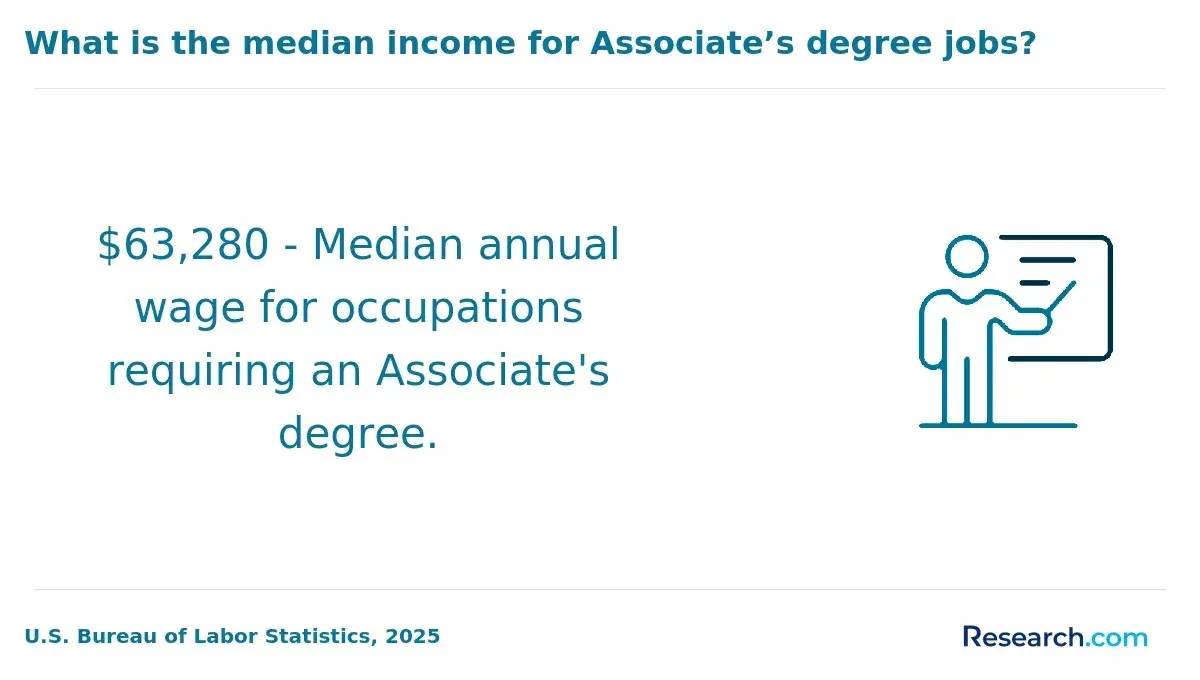
Which Entry-Level Biology Careers Have the Highest Starting Salaries?
Starting salaries for entry-level roles in biology depend on more than just academic credentials. Compensation levels are strongly influenced by the necessity for specialized technical skills, prevailing labor market demand, the profitability of the industry, and regulatory or operational complexities tied to the position.
Positions commanding higher pay often require advanced analytical capabilities, responsibility for critical processes, or expertise in rapidly evolving or high-impact areas within biology.
- Biomedical Researcher/Biotechnologist ($60,000-$80,000): These roles typically offer the highest entry salaries due to the requirement for hands-on experience with advanced laboratory techniques like genetic sequencing and genome editing tools. The combination of technical mastery and compliance with stringent regulatory standards places these professionals at the intersection of innovation and risk management, making them valuable assets particularly in pharmaceutical and personalized medicine sectors.
- Environmental Scientist (Biology Focus) ($55,000-$70,000): Demand in government and private consulting firms focusing on ecological assessments and habitat conservation supports competitive pay for these professionals. Their role merges fieldwork with data analytics addressing environmental risks, which offers a varied skill set and positions them well for mid-career upward mobility in both public and private domains.
- Clinical Laboratory Scientist/Medical Technologist (around $60,000): The healthcare sector's growth sustains stable demand for diagnostic experts. These roles frequently require certification, reflecting a threshold of competency that justifies higher compensation. Employers value these specialists for their critical function in patient care and diagnostic accuracy, signaling a stable, regulated career track with progressive wage potential.
- Research Assistant/Academic Entry-Level Roles ($40,000-$50,000): While these positions are important for gaining foundational experience, they are generally associated with lower starting salaries. They often lack direct revenue impact or advanced technical requirements, aligning more with supporting roles than primary scientific drivers, which is reflected in compensation and slower salary growth trajectories.
Which Industries Pay the Most for Entry-Level Biology Master's Graduates?
Entry-level compensation for biology master's graduates often mirrors the structural and economic characteristics of the industries that employ them rather than just individual credentials. Sectors offering higher starting salaries tend to be those operating within high-margin business models, intense regulatory environments, or innovation-driven markets where specialized biology expertise significantly impacts organizational outcomes or risk management.
These industries face persistent talent scarcity for candidates adept in biology-related technical and analytical skills, which sustains premium pay even at early career stages.
- Pharmaceutical and Biotechnology Companies: These sectors frequently lead in entry-level pay due to their reliance on cutting-edge research and product development. High regulatory scrutiny and the critical nature of drug safety and efficacy elevate the demand for biology graduates capable of navigating complex clinical trials, quality control, and compliance roles. Many companies in this space re-invest substantial revenues into R&D, underscoring the value placed on specialized scientific knowledge at the outset of careers.
- Medical Research Institutions: Institutions focused on advancing medical knowledge pay competitively because they contribute to innovation pipelines in healthcare and disease treatment. Entry-level roles often involve data-intensive research tasks requiring mastery of biology concepts and advanced laboratory skills. According to recent compensation datasets, these roles benefit from steady funding sources such as federal grants, which support above-average wages for early-career scientists.
- Environmental Consulting Firms: These organizations operate within regulatory frameworks enforcing environmental protection, driving demand for biology specialists to conduct impact assessments and compliance monitoring. Given the growing emphasis on sustainability and regulatory risk mitigation, early-career employees with biology master's degrees contribute essential expertise that commands higher pay than many other entry-level environmental roles.
- Government Agencies in Health and Environmental Sectors: Federal and state agencies provide relatively strong starting salaries reflecting the necessity of biological expertise in public health monitoring, regulatory enforcement, and ecological conservation. Budget allocations for health and environment often prioritize staffing skilled in biology to fulfill mandated programs, making these roles financially competitive within the public sector labor market.
- Agricultural and Food Science Companies: These companies value biology masters for roles related to crop improvement, pest management, and food safety testing. While typically offering lower starting salaries than pharmaceuticals or medical research, agriculture-focused firms maintain competitive pay by leveraging biology expertise to sustain productivity and meet regulatory standards in a highly competitive global market.
Given these dynamics, the highest paying industries for entry-level biology master's graduates consistently involve sectors where biology knowledge integrates directly with innovation, product safety, or regulatory compliance. Understanding these economic drivers helps candidates align their job search with industries that not only offer lucrative entry salaries but also provide sustainable demand for biology skills across their career trajectories.
For students concerned about meeting admissions criteria or exploring alternative pathways into biology master's programs, conditional admission can present viable options. These pathways usually require maintaining minimum GPAs, completing prerequisite coursework, or passing language proficiency exams within set timelines.
Candidates should recognize that such programs often include administrative mandates like transcript submissions, advisor approvals, and preparatory orientations that are critical for successful full admission. Navigating these requirements effectively impacts long-term access to the sectors outlined above and ultimately shapes employability.
Those balancing admission hurdles might also evaluate flexible educational options like affordable RN to BSN online programs that can support parallel professional development, especially where careers intersect with healthcare and biological sciences. This multifaceted approach aligns with labor market realities emphasizing both academic credentials and practical experience in biology-related fields.
Which Skills Are Most Valuable in Entry-Level Positions?
Entry-level hiring for master's graduates in biology increasingly centers on demonstrated skills rather than academic credentials alone. Employers prioritize candidates who can directly translate technical knowledge and analytical ability into effective solutions for practical challenges. Even early in their careers, individuals who show proficiency in applying domain-specific expertise tend to outperform peers and access better job opportunities and salary prospects.
- Analytical Thinking: This skill is vital for interpreting data, troubleshooting experiments, and identifying inconsistencies. Employers expect entry-level hires to critically assess results to maintain the integrity of research outcomes, which directly impacts project validity and funding potential.
- Effective Communication: Conveying complex biological concepts clearly to diverse audiences-whether in team meetings, written reports, or grant applications-is essential. Communication skills influence collaboration across departments and often distinguish candidates in competitive hiring situations.
- Laboratory Proficiency and Technological Adaptability: Hands-on experience with fundamental lab techniques and comfort with emerging bioinformatics tools enhance productivity. The ability to quickly master new instrumentation aligns with labor market trends showing growth in molecular biology and computational roles.
- Time Management and Organizational Skills: Managing multiple projects and deadlines efficiently reduces workflow disruptions. Employers look for early-career professionals who demonstrate reliability in meeting timelines, which supports smoother team operations and performance evaluations.
- Understanding of Regulatory and Ethical Standards: Knowledge of laboratory safety protocols and compliance requirements signals professionalism. Hiring managers equate this awareness with a candidate's readiness to operate responsibly in regulated environments, minimizing risks and legal liabilities.
Reflecting on the admission process, one biology master's graduate recalled hesitating during the rolling admissions timeline, uncertain whether to accept an early offer or wait for better program fit options. The delay in decision-making created tension, but thorough preparation on skills most valued by employers had been integral to the application narrative.
By emphasizing analytical and communication aptitude, the candidate ultimately gained confidence that these core abilities would open doors despite initial uncertainties. This experience underscored how skill readiness weighs heavily not only in hiring but also in strategic educational decisions, where timing and skill representation can shape career pathways well before the first entry-level job begins.
Do Employers Hire Biology Master's Graduates Without Professional Experience?
Many employers do hire biology master's graduates without professional experience, especially for structured entry-level roles designed as early-career talent pipelines. These positions, often labeled as laboratory technicians, research associates, or quality control analysts, are commonly found in industries with clear procedural frameworks and training programs.
According to 2024 data from workforce analyses, employers in sectors like biotechnology and environmental science expect these roles to serve as developmental stages where theoretical knowledge is refined through hands-on practice. This dynamic underscores the value of understanding entry-level jobs with a biology master's degree as more than just initial employment but as foundational steps with significant learning curves.
Hiring biology master's graduates without prior experience often depends on supplementary indicators that substitute for formal professional history. Strong academic performance, documented internships, graduate research projects, capstone presentations, and relevant certifications help demonstrate technical competence and analytical ability.
The U.S. Bureau of Labor Statistics highlights that entry-level candidates showing proficiency with industry-standard laboratory techniques and data analysis tools improve their chances of securing roles despite lacking prior employment. Additionally, a growing share of programs coordinate experiential learning tied closely to labor market demands, exemplifying how practical skill verification mitigates employer risk when hiring less experienced graduates.
Industry variation further influences willingness to hire biology master's graduates without experience. Technology-driven, consulting, and data-focused sectors exhibit greater flexibility, leveraging transferable skills and methodological rigor over prior exposure. In contrast, regulated or client-facing fields such as pharmaceutical testing or certain environmental compliance roles remain cautious, often preferring candidates with demonstrated professional backgrounds.
Employment outcomes studies also stress that cultivating networks and engaging in specialized projects during graduate education can compensate for this gap. For those interested in broader interdisciplinary pathways, exploring universities with dual degree programs may enhance adaptability across related fields, expanding entry-level opportunities for biology master's graduates.
Which Certifications Help Entry-Level Biology Master's Graduates Get Hired?
Employers increasingly rely on certifications to verify practical skills that academic programs may only partially develop. For Biology master's graduates, a degree signals foundational theoretical knowledge, but hiring managers often seek evidence of applied competencies that reduce onboarding time and risk. Certifications therefore act as targeted signals of readiness for specific lab techniques, regulatory environments, or data analysis tasks relevant to entry-level roles.
Certifications are most valuable when they directly align with technical tools or industry standards in fields where biology graduates compete, such as research labs, environmental agencies, or clinical settings. These credentials differentiate candidates by demonstrating mastery of protocols, compliance, or software platforms that employers prioritize but may not fully cover in graduate curricula.
However, their return depends on careful selection tied to a graduate's intended sector and skill gaps rather than indiscriminate accumulation.
- Certified Biological Safety Professional (CBSP): Recognized by organizations requiring stringent biosafety practices, this certification validates a candidate's familiarity with safety protocols crucial in lab environments. It signals to employers an ability to manage biological hazards responsibly, which is essential in research institutions and pharmaceutical companies where reducing risk is a hiring priority.
- Clinical Laboratory Improvement Amendments (CLIA) Certification: For graduates targeting clinical labs, CLIA certification confirms compliance knowledge and procedural accuracy under regulatory frameworks. Given the growing demand for diagnostic testing expertise, this credential enhances a candidate's practical credibility and readiness to meet industry-mandated quality standards.
- Project Management Professional (CAPM): Although not biology-specific, CAPM certification demonstrates foundational project management skills. This can be a competitive advantage for biology graduates working in collaborative research or product development teams, emphasizing leadership potential and an understanding of workflow coordination often undervalued in scientific hiring.
- Quality Assurance Certifications Related to GLP or ISO Standards: Certifications focused on Good Laboratory Practice (GLP) or ISO quality systems appeal to employers emphasizing reproducibility and compliance in lab operations. These attest to a candidate's grasp of documentation, standardization, and regulatory audits, all critical in pharmaceutical, biotech, and environmental sectors where data integrity is non-negotiable.
While certifications strengthen hiring signals, they require an investment of time and resources. Labor market studies indicate that well-chosen certifications can improve interview opportunities by roughly 20% soon after graduation, but only when carefully matched to employer expectations in the graduate's targeted niche.
Therefore, biology master's graduates should evaluate which certifications most directly translate into job-ready skills for their specific career trajectories rather than pursue credentials broadly. Employers prioritize applied proficiencies that align closely with their operational needs and reduce training burdens.
What Remote Jobs Can You Get With a Biology Master's Degree?
Remote job opportunities for graduates with a master's degree in biology have broadened notably as digital transformation enables cloud-based workflows and global talent sourcing. However, the fit for remote work hinges largely on how quantifiable, digitally managed, and collaboration-light the tasks are, rather than the biology discipline alone.
Roles emphasizing data interpretation, written communication, and regulated documentation align better with virtual structures where physical presence and hands-on lab work are minimal or unnecessary.
- Scientific Writer or Editor: These roles involve developing content for academic journals, educational websites, or pharmaceutical communications, relying heavily on clear, precise writing. The job naturally suits remote work due to its focus on digital deliverables that team members can review asynchronously, allowing biology graduates to leverage their subject-matter expertise without lab access.
- Regulatory Affairs Associate: This position requires managing compliance documentation and coordinating submission processes for biotech or pharmaceutical companies. Remote settings accommodate this due to heavy reliance on cloud-based regulatory databases and workflow tools, with performance measured by accuracy and timeliness rather than physical presence.
- Biostatistician or Data Analyst: Healthcare and environmental organizations increasingly seek biology graduates to analyze large datasets using statistical software remotely. This data-driven role thrives in distributed teams where digital collaboration platforms facilitate sharing results and iterative review cycles, emphasizing analytical and computational skills over experimental lab work.
- Quality Control Coordinator: In biotech firms, remote QC coordinators monitor data integrity and ensure process documentation compliance, tasks compatible with electronic records and virtual audits. Biology master's skills support understanding complex protocols, while remote structures demand strong self-management and proactive communication.
Employer expectations for these remote roles focus on consistent delivery of measurable outputs, digital proficiency, and effective asynchronous communication.
According to labor market data from sources like the U.S. Bureau of Labor Statistics and Lightcast, positions in regulatory and data-intensive biology fields show faster remote job growth than traditional laboratory roles, indicating a sustained shift in how biology expertise integrates with evolving workforce environments. Understanding these dynamics helps graduates strategically position themselves in remote-friendly segments of the biology labor market.
How Competitive Is the Entry-Level Job Market for Biology Master's Graduates?
Entry-level competitiveness for biology master's graduates fluctuates considerably based on industry demand, geographic labor market conditions, and the specialization level within biology disciplines. Fields such as biotechnology and environmental science may exhibit cyclical hiring patterns influenced by funding and regulatory shifts, while healthcare-related biology roles often see more consistent demand driven by expanding healthcare systems.
Regional differences further affect opportunities, with urban centers typically offering more positions but also attracting a higher volume of qualified candidates. Understanding these structural market factors is critical for interpreting variations in the entry-level job market trends for biology master's degree holders.
Employer expectations significantly heighten competition among entry-level biology graduates by emphasizing applied technical proficiency, completed internships, relevant certifications, and hands-on project experience. Simply holding a master's degree often falls short of signaling readiness in a crowded labor market, pushing candidates to supplement academic credentials with demonstrable skills that align with employer needs.
According to the National Science Foundation's 2024 report, approximately 60% of biology master's graduates secure employment in their field within a year, which reflects moderate absorption but underscores ongoing hiring bottlenecks. This dynamic requires graduates to actively pursue experiences beyond coursework to remain competitive.
Strategic positioning can differentiate candidates in saturated segments by focusing on niche biology subfields or industries with talent shortages, such as bioinformatics or regulatory affairs. Targeted skill development combined with networking within specialized communities may improve access to less competitive roles.
For those balancing immediate workforce entry against further academic specialization, developing adaptable, cross-cutting skills often proves essential. Prospective and recent graduates should also consider broader pathways, including insights from analyses like Capella RN to BSN vs Chamberlain RN to BSN, which demonstrate the importance of aligning educational choices with realistic job market demands and evolving employer priorities.
The entry-level job market for biology master's graduates is notably competitive, shaped by a blend of growing graduate numbers and a limited pool of specialized roles. According to the 2024 report from the National Science Foundation (NSF), roughly 60% of biology master's degree holders secures employment in their field within the first year after graduation, reflecting moderate absorption but ongoing competition.
Several factors drive this landscape. Employers typically seek candidates who combine relevant lab or field experience with strong analytical and technical skills.
As a result, simply holding a master's degree in biology does not guarantee advantage without supplementary experience or internships. The broad nature of biology as a discipline means graduates often find themselves vying for diverse roles in biotech firms, environmental agencies, healthcare labs, and academia-related positions, each with different expectations.
Entry-level roles commonly pursued include research assistant, laboratory technician, environmental consultant, and quality control analyst. Starting salaries tend to vary between $45,000 and $60,000 annually, often influenced by geographic location and sector. In some cases, positions desired by graduates with a master's can demand additional certifications or technical proficiencies, creating barriers for those without targeted preparation.
Key considerations prospective and recent graduates should weigh include:
- The value of pursuing internships or cooperative education to enhance employability
- The importance of networking within specific biology subfields to access niche opportunities
- The potential need to adapt skillsets toward emerging areas like bioinformatics, regulatory affairs, or biomanufacturing
- Tradeoffs between entering the workforce immediately and pursuing further specialization via doctoral studies
Overall, the entry-level market favors those who strategically align their academic background with practical experience and an adaptable skillset. Graduates must navigate a landscape where competition remains steady and employers increasingly emphasize applied capabilities alongside academic credentials.
Which Entry-Level Roles Have the Strongest Long-Term Growth Potential?
When evaluating a conditional admission offer for a biology master's program, students must scrutinize the specific conditions such as required coursework, minimum GPA thresholds, or additional exams, and realistically assess their capacity to fulfill these within deadlines. Such conditions often increase early academic pressure, affecting workload and well-being.
Employment outcomes tied to the program also matter significantly; students should analyze graduate placement data aligned with biology-related entry-level roles like research assistant, laboratory technician, environmental analyst, or regulatory affairs specialist. Notably, jobs in biotechnology and environmental consulting show the strongest long-term growth potential based on 2024 labor market analyses.
Program reputation and industry network integration are equally critical. Conditional admission may limit access to internships or collaborations that expedite progression, so prospective students must confirm transparency regarding these opportunities during conditional status. Financial considerations are vital: conditional admission can delay benefits such as funding eligibility or assistantships, making comparisons with unconditional programs prudent.
- Clarify requirements to remove conditions and assess feasibility
- Analyze employment and salary data for biology-related roles tied to the program
- Investigate networking and internship opportunities available during conditional status
- Consider financial implications and eligibility for financial aid or assistantships
Which entry-level roles have the strongest long-term growth potential in biology careers depends largely on roles offering transferable skills, industry exposure, and increasing responsibility. Beyond job titles, strong early-career positions provide visibility into organizational strategy and development of expertise valuable across evolving sectors.
- Research Assistant: This role builds core technical skills and familiarity with scientific methodologies, creating pathways into specialized research or higher managerial roles within academic or corporate labs. Early exposure to project design and data analysis often leads to leadership in research initiatives.
- Laboratory Technician: Focused on practical lab operations, this position strengthens procedural expertise and regulatory compliance knowledge. These competencies enable progression into supervisory or quality assurance roles, especially within biotechnology firms.
- Environmental Analyst: Offering direct involvement with regulatory frameworks and sustainability projects, this role develops analytical and policy-interface skills essential for advancement into consulting or regulatory affairs leadership.
- Regulatory Affairs Specialist: Early-career immersion in navigating compliance and approval processes fosters a deep understanding of legal and ethical standards, positioning graduates for senior roles that shape industry standards and corporate governance.
Top biology master's degree jobs with highest salary growth reflect labor market demand for roles that combine scientific expertise with managerial or interdisciplinary skills. Many employers prioritize candidates displaying path-driven skill accumulation and adaptability to industry developments. For additional insights on career patterns linked to advanced degrees, refer to athletic director jobs, which illustrate comparable workforce evolution dynamics in leadership career trajectories.
What Graduates Say About Entry-Level Jobs With a Biology Master's Degree
- Raul: "After completing my master's in biology, I quickly realized that employers in entry-level roles value hands-on experience more than licensure. I focused on building a strong portfolio through internships and lab projects, which helped me stand out during the hiring process. Although the starting salary was modest, the ability to work remotely and gain diverse practical knowledge made the trade-off worthwhile. Long term, I'm considering certifications to advance, but initially, practical skills opened the door."
- Elisha: "The transition into an entry-level biology role was more competitive than I expected. Many positions require not just a degree but also specialized experience or certification. I decided to pivot slightly and target roles that emphasize data analysis and research support, which allowed me to enter the workforce faster. While the salary ceiling is somewhat limited without a professional license, this path offered valuable insight into workplace dynamics and helped me plan a clearer career trajectory."
- Michael: "What struck me most entering the biology field was how much emphasis employers placed on flexibility and adaptability. Remote work options are becoming more common, which was a huge benefit for managing both job responsibilities and continued learning. Although some career advancement requires licensure, I found that gaining varied project experience early on helps build credibility. It's a balancing act, but starting with roles that develop broad skills increased my confidence in navigating the realities of this profession."
Other Things You Should Know About Biology Degrees
Lab research experience often distinguishes candidates in entry-level biology jobs, particularly in roles tied to experimental work or biotech firms. Programs emphasizing hands-on lab work generally better prepare graduates for technical tasks and troubleshooting, which employers expect.
Candidates with little practical research exposure may find their job prospects limited or may need additional training on the job, delaying productivity and advancement. Prioritizing programs or internships offering substantial lab time can ease the transition into demanding, technical entry-level positions.
Graduates face a tradeoff between developing broad biological knowledge and deep specialization. While a broad foundation can open diverse entry points across environmental, clinical, or industrial biology, specialized expertise may lead to faster entry-level advancement in niche fields such as genomics or microbiology.
However, overspecialization risks narrowing job options early on. For those uncertain about their long-term path, a balanced approach-specializing in a high-demand area while maintaining versatile skills-is often most practical for early career flexibility and employability.
Geographic factors strongly influence both the availability and type of entry-level biology jobs. Areas with concentrated biotech hubs, research universities, or environmental agencies offer more positions and structured career ladders than more rural or less specialized regions.
However, these locations may also present higher competition and cost of living. Graduates should weigh local job market density against personal priorities and consider geographic flexibility as key to accessing broader opportunities and smoother early career growth.
References
- Top 10 Certifications for a Global Biotech Career – Which Ones Are Worth It? https://www.biotecnika.com/certifications-for-global-biotech-career-and-job-opportunities/
- Top 5 most in-demand Life Sciences Jobs in Europe - Aspire Life Sciences https://aspirelifesciences.com/aspire-insights/top-5-most-in-demand-life-sciences-jobs-in-europe/
- Top 5 In-Demand Certifications for Life Science Professionals in 2025 https://ibri.org.in/blog/life-science-career-certifications-2025
- The Life Sciences Job Market in 2025: Trends, Opportunities, and Career Paths | IntuitionLabs https://intuitionlabs.ai/articles/life-sciences-job-market-2025
- Biology/Biomedical Graduate Jobs | Gradcracker - Careers for STEM Students https://www.gradcracker.com/search/science/biology-biomedical-graduate-jobs
- Top 15 Highest‑Paying Pharmacy Jobs in the UK 2025 (Including Salaries) https://apexlearning.org.uk/highest-paying-biology-degree-jobs-2025-2026/
- Remote Biology Jobs: Work From Home Guide https://outlier.ai/blog/work-remotely-with-biology-degree
- Most In-Demand Biology Career Options for 2026 https://www.careerplanneredufair.com/biology-career-options/