2027 Entertainment Business Degree Jobs That Do Not Require Licensure

Co-Founder and Chief Data Scientist
An entertainment business degree can lead to work in music, film, television, live events, sports media, streaming, talent support, marketing, and venue operations—many of which do not require a professional license. The key decision is not simply “Can I get hired without licensure?” but “Which roles are realistically open, what skills will employers expect, and where could lack of licensure limit advancement?”
Approximately 68% of entertainment business graduates find employment in fields that do not require formal licensure, such as talent management, event coordination, or digital marketing. These careers usually reward industry knowledge, communication, project execution, relationship-building, budgeting, and digital promotion more than regulated credentials.
This guide explains which entertainment business degree jobs typically do not require licensure, where graduates can work, which entry-level and remote roles are most accessible, which non-licensed paths may pay more, and what risks students should consider before deciding not to pursue additional credentials.
Key Benefits of Entertainment Business Degree Jobs That Do Not Require Licensure
- The absence of licensure requirements enables faster workforce entry, often reducing waiting periods by up to 6 months compared to licensed fields in entertainment sectors.
- Entertainment business jobs without licensing barriers span diverse industries, including marketing, event management, and production, increasing employment flexibility and options.
- Non-licensed positions allow graduates to acquire transferable skills and early career experience, fostering long-term growth and adaptability in evolving entertainment markets.
What Jobs Can You Get With a Entertainment Business Degree Without Licensure?
Entertainment business graduates can pursue many roles that are not tied to state licensure, especially in marketing, coordination, production support, business operations, and artist services. Employment in business and financial operations, which often includes entertainment business roles, is expected to grow about 7% from 2022 to 2032, reflecting steady opportunities for graduates who can combine business judgment with entertainment industry awareness.
The best-fit job depends on whether you prefer client-facing work, campaign strategy, live production, digital operations, or administrative coordination. Students comparing this major with a broader business degree should look closely at whether they want general management flexibility or a curriculum more focused on entertainment contracts, media economics, promotion, and audience development.
- Talent Agent or Talent Support Specialist: Talent-focused roles involve helping performers, creators, or athletes secure opportunities, manage schedules, review deal terms, and communicate with studios, venues, brands, or production teams. Some jurisdictions regulate talent agency work, so graduates should verify local rules before directly representing clients; however, many assistant, coordinator, and management-support roles do not require licensure.
- Entertainment Marketing Manager: Marketing roles focus on promoting films, concerts, shows, streaming releases, artists, venues, or media brands. Graduates use audience research, campaign planning, social media strategy, paid media coordination, and brand partnerships to drive awareness and ticket sales or views.
- Event Coordinator: Event coordinators manage schedules, vendors, budgets, guest needs, permits handled by the organization, and day-of logistics for concerts, festivals, screenings, conferences, and promotional events. Licensure is usually not the barrier; proven reliability under deadline pressure is.
- Production Assistant: Production assistants support producers, directors, production managers, and department leads with scheduling, paperwork, transportation coordination, set communication, and general troubleshooting. This is often an entry point for graduates who want hands-on production experience.
- Distribution Supervisor: Distribution roles help manage how media content moves across platforms, territories, windows, or partner channels. Graduates with coursework in media economics, rights management, and business operations can support release planning and platform coordination without needing a professional license.
For most non-licensed entertainment business jobs, hiring decisions come down to internships, portfolio evidence, software skills, references, and proof that the candidate understands how revenue, rights, audiences, and deadlines interact. Readers considering a much longer academic route can review options such as short online doctoral programs, but advanced doctoral study is usually not required for the roles listed above.
Which Industries Hire Entertainment Business Graduates Without Licensure?
Entertainment business graduates are hired across industries where business coordination, promotion, scheduling, rights awareness, and audience engagement matter more than regulated professional licensure. Employment projections from the U.S. Bureau of Labor Statistics indicate a 4% growth in arts, design, entertainment, sports, and media occupations from 2022 to 2032, which supports continued demand for workers who understand both creative products and commercial strategy.
- Media and Broadcasting: Employers in radio, television, streaming, podcasting, and digital media may hire graduates for programming support, content operations, distribution planning, ad sales support, audience research, or partnership coordination. These roles reward knowledge of media markets, contracts, scheduling, and consumer behavior.
- Film and Television Production: Production companies, studios, post-production vendors, and independent producers need coordinators who can help manage budgets, call sheets, vendor communication, releases, crew logistics, and promotional timelines. The work is project-based, so reliability and speed matter.
- Music Industry: Labels, publishers, artist management firms, booking teams, royalty administrators, and music-tech companies hire graduates who understand artist development, rights, publishing basics, touring economics, brand partnerships, and fan engagement.
- Live Events and Entertainment Venues: Concert halls, arenas, theaters, festivals, clubs, convention centers, and cultural organizations hire for event operations, sponsorship activation, ticketing coordination, guest services management, and venue marketing. Many positions do not require licensure, though employers may expect safety awareness and compliance training.
- Digital Marketing and Social Media: Agencies, entertainment brands, influencers, studios, and streaming platforms need workers who can plan content calendars, evaluate engagement data, coordinate launches, and translate entertainment trends into campaigns. Demonstrated results often matter more than formal licensing.
Students should also think beyond the most visible employers. Brand partnerships agencies, sports entertainment companies, gaming studios, creator economy startups, merchandising firms, nonprofit arts organizations, and campus event departments can all provide relevant experience without licensure.
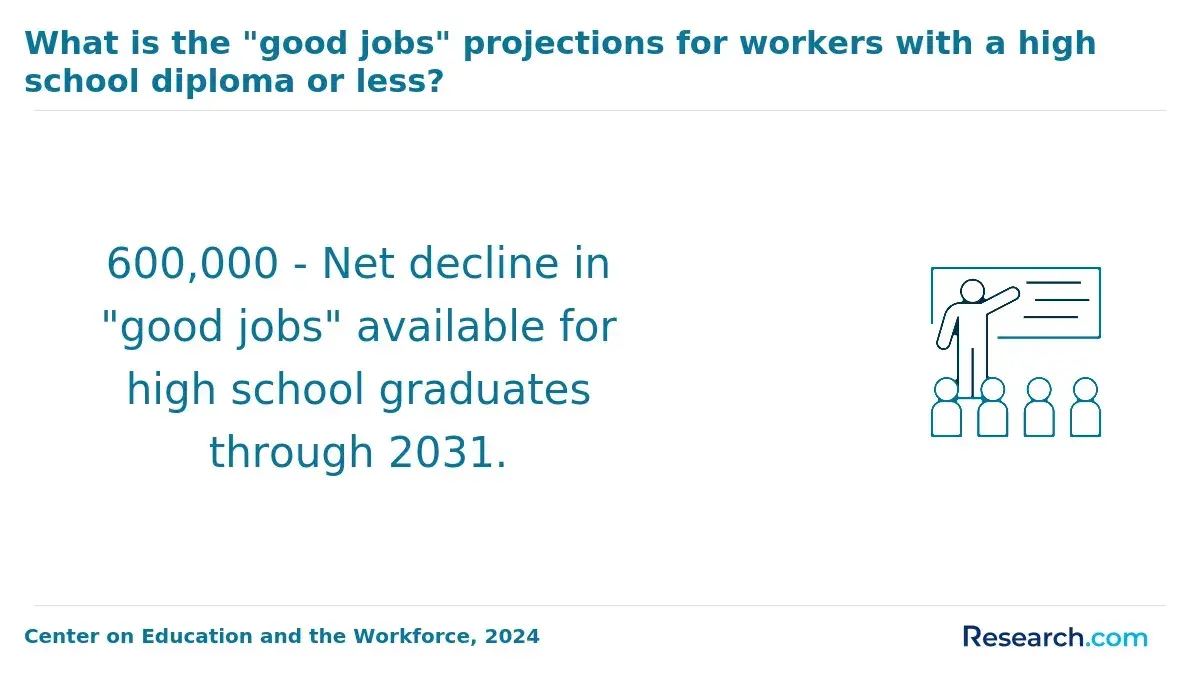
What Entry-Level Jobs Are Available Without Entertainment Business Licensure?
Entry-level entertainment business jobs without licensure are usually coordination, assistant, marketing, and operations roles. Around 54% of entertainment-related graduates secure these positions within the first year after completing their studies. These jobs may not start with high authority, but they can build the contacts, production credits, campaign results, and industry fluency needed for advancement.
- Production Assistant: Production assistants help keep shoots, events, or digital productions moving. Tasks may include distributing schedules, tracking paperwork, supporting crew communication, helping with logistics, and solving small problems before they delay the project. This role is well suited to graduates who are organized, calm under pressure, and willing to learn on site.
- Marketing Coordinator: Marketing coordinators support promotional campaigns for films, concerts, artists, shows, digital content, venues, or entertainment brands. Common duties include drafting social posts, coordinating assets, collecting audience data, assisting with email campaigns, and tracking campaign performance.
- Talent Coordinator: Talent coordinators assist agents, managers, casting teams, or production companies with scheduling, auditions, communications, travel details, client materials, and basic contract tracking. The role requires discretion, responsiveness, and strong written communication.
- Event Coordinator: Entry-level event coordinators help organize festivals, screenings, premieres, fan events, trade shows, and live performances. They may coordinate vendors, guest lists, timelines, floor plans, budgets, and post-event reports. Experience from internships, student events, or campus productions can be especially useful.
One entertainment business graduate described entering the field without a professional license as a process of proving capability rather than waiting for a credential. He said, “I had to learn how to showcase my organizational skills and industry knowledge in interviews rather than relying on credentials.” His experience reflects a common pattern: internships, volunteer production work, campus media, freelance projects, and referrals can help new graduates compete for non-licensed roles.
Which Entertainment Business Jobs Pay the Highest Salaries Without Licensure?
The highest-paying non-licensed entertainment business roles are usually not the first jobs graduates get. They often require several years of experience, a strong network, measurable results, negotiation ability, and responsibility for revenue, budgets, partnerships, or client outcomes. Bachelor's degree holders often see median pay near $65,000, with some positions exceeding six figures.
- Talent Manager: Talent managers help shape an artist’s or creator’s career strategy, evaluate opportunities, coordinate teams, and support negotiations. Earnings typically between $60,000 and $120,000 annually are possible, but income can vary widely because compensation may depend on client success, commissions, reputation, and deal volume. Graduates should distinguish this role from legally regulated talent agency work in jurisdictions where agency licensure applies.
- Production Manager: Production managers oversee budgets, schedules, staffing, vendor coordination, and operational details for entertainment projects. They earn roughly $55,000 to $110,000. This path rewards graduates who can control costs, prevent delays, communicate across departments, and solve problems quickly.
- Marketing Director: Marketing directors lead promotional strategy for artists, releases, venues, festivals, media brands, or entertainment products. Salaries from $70,000 up to $130,000 are associated with roles that require strong campaign judgment, audience research, brand positioning, and leadership of creative and media teams.
- Business Affairs Manager: Business affairs managers support contract workflows, deal administration, rights tracking, payments, and internal coordination between legal, finance, production, and creative teams. They make between $65,000 and $125,000. While this work may involve contracts, it is different from practicing law; legal advice should be handled by licensed attorneys.
Students who want higher earnings should focus early on roles that expose them to budgets, revenue, rights, partnerships, analytics, and negotiations. Related graduate study can be useful for some professionals, though it should match the career goal. For example, accelerated online MSW programs may be relevant for students moving toward community, nonprofit, or advocacy work connected to the arts rather than for most entertainment business salary tracks.
What Skills Help Entertainment Business Graduates Get Hired Without Licensure?
Without licensure, graduates need to make their value visible through skills, experience, and work samples. A 2023 survey by the National Association of Colleges and Employers found that 83% of hiring managers value soft skills such as communication and flexibility more than certifications. In entertainment business, those soft skills must be paired with practical execution.
- Project Management: Entertainment work often runs on tight timelines, shifting priorities, and many stakeholders. Graduates should be able to create schedules, track deliverables, manage budgets, document decisions, and follow up without being reminded.
- Digital Marketing: Employers look for candidates who understand social platforms, content planning, email marketing, paid promotion basics, analytics, and audience segmentation. A graduate who can explain what worked in a campaign—and why—has an advantage.
- Communication Skills: Clear writing, professional email etiquette, concise updates, phone confidence, and the ability to communicate with artists, executives, vendors, crew, and fans are essential. Poor communication can damage relationships and delay projects.
- Analytical Thinking: Graduates should be able to read campaign reports, ticketing data, budget documents, streaming metrics, audience trends, and basic financial information. Employers value people who can connect data to business decisions.
- Adaptability: Entertainment business changes quickly as platforms, formats, fan behavior, and revenue models shift. Graduates who can learn new tools, revise plans, and stay productive during uncertainty are more competitive.
To prove these skills, students should build a simple evidence file: campaign screenshots, event budgets, production schedules, analytics summaries, internship supervisor feedback, writing samples, and short descriptions of measurable project outcomes. This can help compensate for the absence of licensure in screening and interviews.
Can Certifications Replace Licensure in Some Entertainment Business Careers?
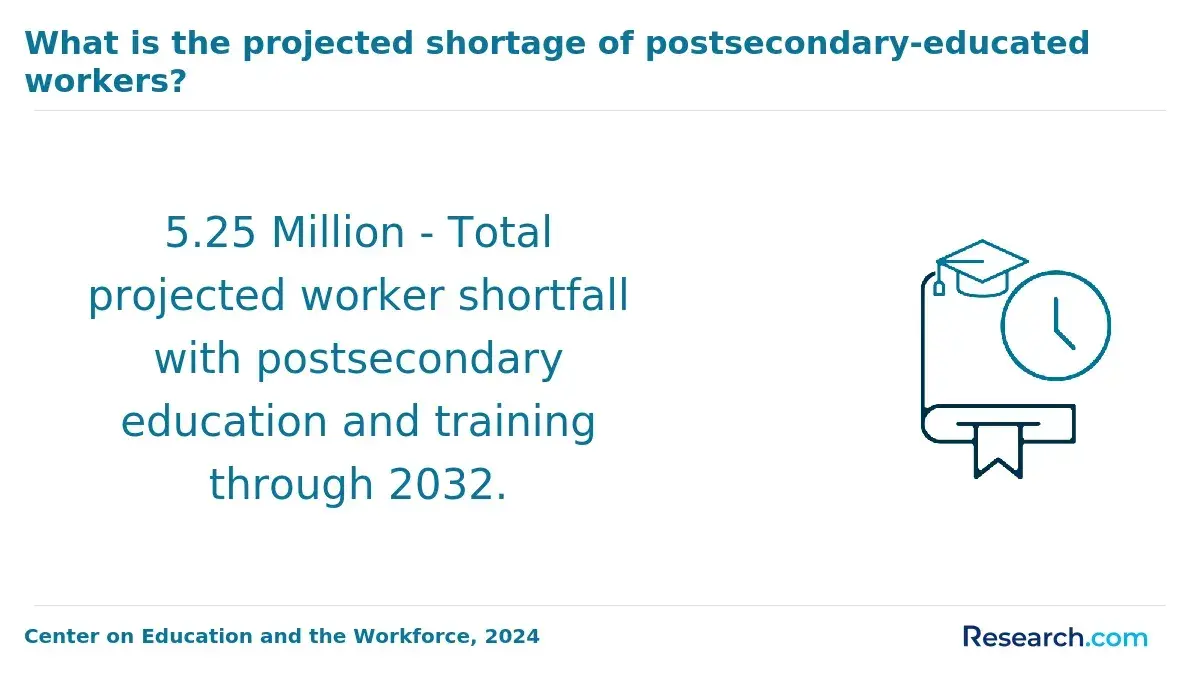
Certifications can strengthen an entertainment business resume, but they do not replace licensure when a license is legally required. Licensure is government authorization to perform regulated work. Certification is usually a professional or industry credential that signals training, skill, or knowledge. Research from the National Association of Colleges and Employers shows that 72% of employers regard certifications as a significant factor when evaluating candidates, particularly for positions where licensure is not mandatory.
In non-licensed entertainment business roles, certifications can be useful in areas such as project management, digital marketing, analytics, event planning, software platforms, and production coordination. Credentials like PMP (Project Management Professional) or digital marketing certifications can help candidates show discipline and job readiness, especially if they lack extensive work experience.
The limitation is important: a certification cannot authorize a graduate to practice law, provide regulated financial services, or perform work that a state or jurisdiction reserves for licensed professionals. Activities involving legal representation of talent or certain compliance responsibilities may require a license or attorney involvement. In those cases, certification may complement the candidate’s profile but cannot substitute for legal authorization.
Students who want additional credentials should choose them based on job postings, not guesswork. Review several postings for the target role and note which tools, platforms, and certifications appear repeatedly. Those considering academic leadership or education-focused roles may also compare graduate pathways such as a doctorate in education online, although that path is not a standard requirement for most entertainment business positions.
What Remote Jobs Can Entertainment Business Graduates Get Without Licensure?
Remote work has expanded the number of entertainment business roles that can be performed without professional licensure. Recent studies show a 159% increase in remote work since 2009, driven by digital collaboration tools, cloud-based production workflows, virtual auditions, online fan communities, and distributed marketing teams.
- Digital Marketing Specialist: Remote digital marketing specialists plan and execute campaigns for artists, shows, film releases, streaming content, podcasts, venues, or entertainment brands. They may handle content calendars, ad coordination, email campaigns, audience engagement, and performance reporting.
- Talent Coordinator: Talent coordinators can often manage calendars, audition details, submissions, client materials, travel coordination, and communication between agents, managers, casting teams, and producers from a remote setting. Responsiveness and confidentiality are critical.
- Production Coordinator: Some production coordination tasks can be remote, especially for digital media, post-production, animation, podcasts, and distributed creative teams. Coordinators track timelines, budgets, assets, approvals, and meeting notes using project management software.
- Content Strategist: Content strategists develop publishing plans, analyze viewer behavior, identify platform opportunities, and align content with audience goals. This role fits graduates who combine entertainment awareness with data interpretation and editorial judgment.
- Social Media Manager: Social media managers create posts, coordinate assets, monitor engagement, report performance, and help shape online voice for artists, production companies, venues, or entertainment media brands. No licensure is typically required, but employers expect platform fluency and consistent judgment.
One professional with an entertainment business degree described remote work as less about credentials and more about trust. She said, “Transitioning from in-person networking to virtual communication was challenging, but it pushed me to develop stronger digital collaboration skills.” Her experience points to a practical reality: remote candidates must over-communicate, document work clearly, meet deadlines, and become comfortable with collaboration platforms.
What Challenges Do Non-Licensed Applicants Face?
Non-licensed applicants can still build strong entertainment business careers, but they may face screening barriers, employer assumptions, and limits in regulated areas. A 2022 survey found that over 60% of employers favored licensure for managerial roles, creating a distinct disadvantage for non-licensed applicants in some hiring processes.
- Employer Bias: Some hiring managers interpret licensure or formal credentials as evidence of seriousness, discipline, or specialized knowledge. Non-licensed applicants must counter that assumption with internships, recommendations, work samples, project outcomes, and clear interview examples.
- Credential Requirements: Job postings may list licensure or certifications as preferred qualifications even when they are not legally required. Applicants should not automatically disqualify themselves from “preferred” postings, but they should be prepared to show equivalent experience or skill.
- Experience Demands: Without licensure, practical experience becomes more important. New graduates may need to start with assistant roles, internships, freelance projects, campus productions, volunteer events, or short-term contracts to build credibility.
- Regulatory Restrictions: Some work involving talent representation, legal services, financial duties, union rules, or regulated business activities may require specific authorization. Graduates should verify requirements before accepting responsibilities that could create legal or compliance risk.
The most common mistake is treating “no licensure required” as “no credential strategy needed.” Even when a license is unnecessary, employers still want evidence of competence. A polished resume is not enough; applicants need proof that they can help a project, campaign, artist, venue, or production run better.
Are There Career Limitations for Non-Licensed Professionals?
Yes, career limitations can exist for non-licensed professionals in entertainment business, especially when a role involves regulated representation, legal authority, financial oversight, union compliance, or employer policies that favor formal credentials. According to the U.S. Bureau of Labor Statistics, about 20% of occupations have licensing or certification requirements that create barriers to entry. These requirements can reduce job options and make career movement harder in certain sectors.
However, the limitation is not universal. Many entertainment business careers remain open without licensure, including marketing, production coordination, event operations, content strategy, social media, venue support, business affairs administration, and distribution support. Advancement in these areas often depends more on experience, relationships, judgment, leadership, and measurable results.
Non-licensed professionals may need to be more strategic about how they build credibility. That can mean pursuing respected certifications, taking roles with budget or client exposure, documenting achievements, learning industry software, and developing strong references. For professionals who want broader management training without a standardized test requirement, options such as a no-GMAT online MBA may help strengthen business credentials, though it should be chosen only if it aligns with the target career path.
What Factors Should Students Consider Before Skipping Licensure?
Students should not skip licensure simply because they want to start work quickly. They should first identify the roles they want, the jurisdictions where they plan to work, and whether those jobs involve regulated responsibilities. Data from the Entertainment Industry Labor Board shows that licensed professionals are 25% more likely to reach senior roles, highlighting the impact credentials can have on career advancement in some paths.
- Career Goals: If the goal is marketing, production coordination, event operations, venue management, or digital strategy, licensure may not be necessary. If the goal involves legal representation, regulated financial services, or certain agency functions, licensure or licensed professional support may matter.
- Industry Requirements: Requirements vary by role, employer, union environment, and location. Students should review job postings, state rules, union guidelines, and employer expectations before assuming a license is unnecessary.
- Long-Term Growth: A non-licensed entry role can be a smart start, but students should consider whether later promotions will require additional credentials. Planning ahead can prevent a career plateau.
- Job Accessibility: In some markets, employers may be comfortable hiring non-licensed coordinators and assistants. In others, credential preferences may be stronger. Local networking and informational interviews can clarify what employers actually require.
- Financial and Time Investment: Licensure, certification, or graduate education can require money, preparation time, and opportunity cost. Students should compare those costs with the likely benefit for their specific career path.
A practical approach is to delay—not ignore—the licensure decision. Graduates can enter non-licensed roles, learn which credentials matter in their sector, and then invest only in licenses or certifications that support a clear advancement goal. Students balancing education, work, service obligations, or family responsibilities may also compare flexible options such as military-friendly online colleges when planning future credential pathways.
What Graduates Say About Entertainment Business Degree Jobs That Do Not Require Licensure
- Dante: "Choosing not to pursue licensure allowed me to dive straight into the entertainment industry without delay. The degree equipped me with practical skills that employers value more than certifications, and I was able to build a robust network early on. Working in entertainment business roles without licensure has been liberating and has opened doors I hadn't anticipated."
- Collin: "Reflecting on my journey, I realized licensure wasn't necessary for the creative and managerial aspects I'm passionate about. Starting a career immediately after graduation gave me crucial real-world experience that shaped my understanding of the industry. Having a career in entertainment business without legal barriers means I focus more on innovation and less on red tape."
- Dylan: "From a professional standpoint, the decision to forgo licensure enabled me to explore diverse roles across production and marketing within the entertainment business. It's clear that many jobs don't require formal credentials, which allowed me flexibility and growth. This path has truly emphasized skill, adaptability, and relationship-building over traditional certification."
Other Things You Should Know About Entertainment Business Degrees
Networking is crucial in the entertainment business, especially for positions that do not require licensure. Building relationships with industry professionals helps graduates learn about job openings, find mentorship, and gain referrals. Many roles are secured through connections rather than formal application processes.
In many cases, relevant work experience can be as valuable as formal education for non-licensed positions. Employers often prioritize candidates who demonstrate practical skills through internships, project work, or freelance involvement. However, a degree still provides foundational knowledge and credibility in the field.
Internships are highly recommended for individuals seeking careers in entertainment business without licensure. They offer hands-on experience, industry insights, and the chance to apply classroom concepts. Completing internships can significantly improve employability and professional networks.
References
- Assistant and Entry Level Jobs https://www.entertainmentcareers.net/jcat.asp
- The Best Entry-Level Film Industry Jobs | Backstage https://www.backstage.com/magazine/article/most-popular-entry-level-jobs-in-film-production-74505/
- 5 High-Paying Entry-Level Careers in Entertainment https://vault.com/blogs/salary-and-benefits/5-high-paying-entry-level-careers-in-entertainment
- 3 entertainment jobs that don't require artistic skill—one pays more than $130,000 a year https://www.cnbc.com/2024/02/11/3-entertainment-jobs-that-dont-require-artistic-skill.html
- Thinking About a Business Degree? Try an Entertainment Business Degree... – The Los Angeles Film School https://www.lafilm.edu/blog/thinking-about-a-business-degree-try-an-entertainment-business-degree/
- 38% of under-represented talent forced to decline jobs due to financial barriers https://creativeaccess.org.uk/financial-barriers-creative-funding/
- Entertainment Business Degree - 5 Things To Consider https://www.dean.edu/news-events/dean-college-blog/story/entertainment-business-degree-5-things-to-consider/
- The 14 high paid jobs without a degree | Digital Coach® https://www.digital-coach.com/high-paid-jobs-without-a-degree/
- Research reveals stark class inequalities in access to the creative industries - The Sutton Trust https://www.suttontrust.com/news-opinion/all-news-opinion/research-reveals-stark-class-inequalities-in-access-to-the-creative-industries/
- 4 Industries Where Certifications Can Help to Boost Careers https://www.professionalacademy.com/blogs/4-industries-where-certifications-can-help-you-advance-your-career/