2027 Energy Policy Degree Programs for Career Changers

Co-Founder and Chief Data Scientist
Mid-career professionals often struggle to pivot into the energy sector due to gaps in specialized knowledge and practical skills. Nearly 40% of adult learners pursuing energy policy degrees report significant career advancement within two years of graduation. This highlights the growing demand for skilled experts who can navigate evolving regulatory frameworks and sustainability initiatives. Energy policy degree programs tailored for career changers address these challenges by blending theory with applied learning. This article explores how these programs equip professionals with the expertise needed to transition efficiently and build rewarding new careers in energy policy fields.
Key Things to Know About Energy Policy Degree Programs for Career Changers
- Many programs offer flexible scheduling and online or hybrid formats, accommodating working adults balancing jobs and family responsibilities while pursuing a degree in energy policy.
- Accelerated degree options enable career changers to complete studies faster, responding to industry demand where energy sector employment is projected to grow 8% through 2032.
- Programs emphasize employer-relevant skills and provide tailored support services, such as career counseling and networking, to enhance job placement success for transitioning professionals.
What Energy Policy Programs Accept Career Changers?
Energy policy degree programs tailored for working adults often feature flexible admission criteria, enabling professionals to transition smoothly into the energy sector. These programs emphasize practical skills and transferable knowledge, which helps career changers adapt efficiently. Adult learners now make up more than 40% of graduate students nationwide, reflecting a strong trend toward advancing or pivoting careers through education.
- Master of Energy Policy: Typically offers interdisciplinary coursework without strict technical prerequisites, making it accessible to those coming from diverse backgrounds. This flexibility supports professionals aiming to acquire energy-specific skills while leveraging their prior experience.
- Master of Public Administration with Energy Focus: Combines policy analysis with leadership training, serving individuals with government or nonprofit experience well. The program's practical orientation assists in translating existing skills into energy policy contexts.
- Master of Environmental Management: Concentrates on sustainable energy policy through practical case studies and adaptable entry requirements. It welcomes students from various academic and professional histories, facilitating skill transfer and career shifts.
- Graduate Certificate in Energy Policy: A focused, shorter option that builds foundational knowledge and allows professionals to explore this field before committing to a full degree. These certificates are suitable for those testing career changes or enhancing their expertise.
For those interested in exploring further academic routes, including quick degree options designed for working professionals, reviewing online doctorate of education programs can provide insight into fast-track educational pathways that complement energy policy studies.
What Energy Policy Specializations Are Best for Career Changers?
Selecting the right energy policy specialization helps career changers leverage existing skills while gaining new expertise essential for successful transitions. Employment in energy-related policy fields is expected to grow 8% through 2030 according to the U.S. Bureau of Labor Statistics, reflecting strong demand for qualified professionals. Here are four top specializations well suited for professionals seeking to pivot into energy policy roles:
- Renewable Energy Policy: Focuses on sustainable energy systems and appeals to individuals with backgrounds in environmental science, engineering, or economics. This specialization's rapid growth supports mobility across green sectors and offers broad applicability for career changers.
- Energy Economics and Finance: Ideal for those with finance or business experience aiming to understand energy markets, regulations, and investment trends. It allows career changers to apply their quantitative and analytical skills in a dynamic sector.
- Energy Regulation and Compliance: Best suited for legal professionals or individuals familiar with policy enforcement. This path provides direct access to government or consultancy roles, emphasizing regulatory frameworks and policy implementation.
- Energy Systems and Infrastructure Planning: Suits planners or engineers interested in the technical and strategic aspects of energy delivery and grid modernization. It supports professionals with project management and technical backgrounds to transition effectively.
Choosing the best master's energy policy concentrations for professionals ensures a targeted approach in building relevant skills and expanding career opportunities. Those seeking additional technical credentials might consider pursuing an online engineering degree to complement their specialization and further enhance their marketability.
What Are the Admission Requirements for Career Changers Applying to a Energy Policy Program?
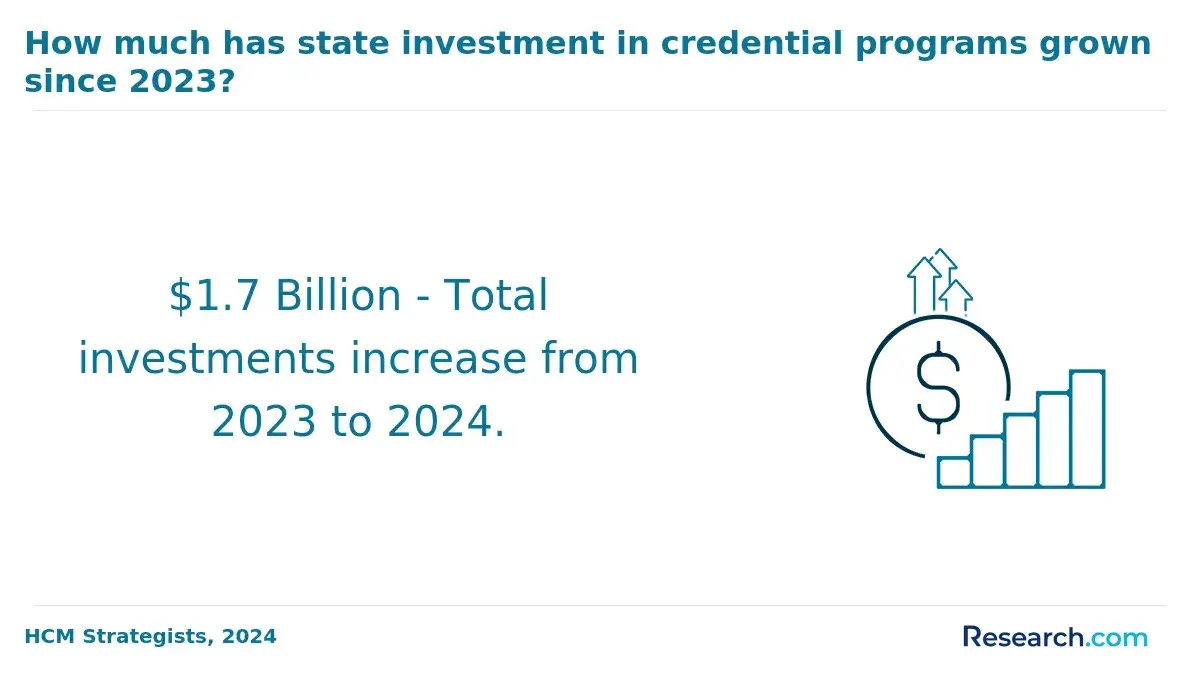
Admission criteria for energy policy career change applicants are especially important because career changers bring diverse professional experiences that must be evaluated alongside academic standards. Adult learners now comprise over 40% of all postsecondary students, underscoring how institutions increasingly provide flexible pathways to support nontraditional applicants. Below are common prerequisites for switching to an energy policy degree that help balance prior experience with program expectations.
- Undergraduate Degree: A completed bachelor's degree from an accredited institution is typically required, often accepting any discipline to accommodate diverse backgrounds and skills.
- Official Transcripts: Submission of academic records helps demonstrate readiness for graduate-level study, enabling admissions committees to assess your previous coursework and performance.
- Statement of Purpose: A personal essay explaining your motivation for career change and interest in energy policy strengthens your application by highlighting how your background enriches your perspective.
- Letters of Recommendation: Recommendations from professionals or academics who can attest to your adaptability and relevant skills are valuable, especially when transitioning fields.
- Standardized Tests: Some programs require GRE or equivalent scores; however, many waive these for experienced professionals or offer alternative evaluation methods.
Many programs offer flexible study options, such as part-time or online formats, designed for working professionals managing employment commitments. Transferable experience like project management or environmental expertise may help fulfill prerequisites through alternative pathways.
Career changers benefit from highlighting their unique qualifications when navigating admission criteria for energy policy career change applicants. For further insights on flexible degree options, consider exploring programs like a mlis that illustrate accessible pathways for adult learners.
For those shifting careers, knowing the coursework in an energy policy degree helps set realistic expectations about the knowledge demands and time involved. Programs often focus on adaptable schedules and hands-on learning to fit the needs of working adults. The main areas typically cover:
- Energy Systems and Technology: This section explores the core concepts of energy generation, spanning renewable and traditional sources, providing a solid technical foundation for understanding policy risks and opportunities.
- Environmental and Regulatory Frameworks: Students study the laws, regulations, and global agreements shaping energy usage, highlighting the legal landscape that influences policymaking.
- Economics of Energy: This topic addresses market dynamics, pricing strategies, and the economic consequences policies have on energy sectors and consumers alike.
- Policy Analysis and Development: Learners engage in evaluating and crafting policies, with emphasis on evidence-based approaches and real-world relevance.
- Research Methods: The program introduces quantitative and qualitative research skills essential for analyzing data and conducting projects related to energy policy.
The flexibility of online or part-time formats allows many to balance study with existing responsibilities while applying course insights immediately in professional contexts. When I spoke to a professional who completed an energy policy degree online to prepare for a career transition, he shared, "The biggest challenge was juggling my work and family commitments alongside the rigorous coursework. At times, it felt overwhelming, but the practical focus kept me motivated. I found the interdisciplinary nature fascinating, though initially, adapting to research methods was daunting. Having accessible professors and peers made a huge difference. Overall, it gave me confidence to move into the energy sector without starting from scratch."
Career changers must evaluate program structures to balance education with current work and life responsibilities. More than 33% of U.S. higher education students are adults attending part-time, highlighting the need for flexible learning options that fit diverse schedules. The following are common program formats for energy policy students seeking adaptability.
- Online Programs: These fully remote courses allow students to learn asynchronously, making them ideal for those managing full-time jobs or other obligations. They provide the freedom to study from any location while maintaining a personalized pace.
- Part-Time Evening or Weekend Classes: Designed for working professionals, these sessions take place outside standard business hours, offering in-person instruction that fits around career commitments without requiring time off.
- Hybrid Programs: Blending online coursework with occasional campus visits, hybrids strike a balance between convenience and direct interaction with faculty and peers, which can enhance learning and networking opportunities.
- Modular or Certificate-to-Degree Programs: These options enable students to earn certificates in focused subject areas that count toward a full degree later. This staged approach helps minimize financial risk and aligns with fluctuating personal and professional demands.
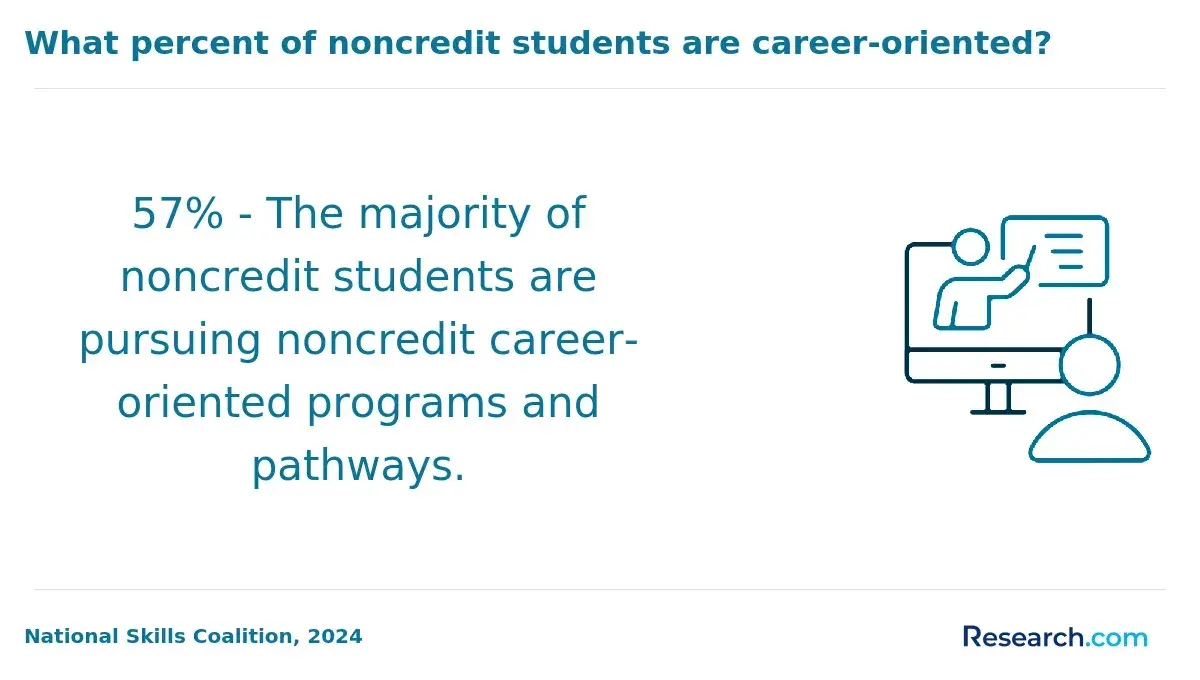
For those switching careers, building new competencies is critical given that 94% of workers anticipate staying in their roles for less than five years, underscoring the necessity for ongoing skill development. Energy policy programs tailor their curricula to help adult learners effectively pivot by cultivating relevant expertise. Below are five core skills career changers typically acquire through such programs.
- Policy Analysis: Learners gain the ability to navigate complex regulatory environments and formulate policies that influence energy markets. This skill supports roles requiring strategic oversight and regulatory compliance across public and private sectors.
- Quantitative Analysis: Training in interpreting data and metrics equips students to assess energy trends and make evidence-based decisions. Mastery of quantitative tools is vital for technical analysis and leadership positions.
- Stakeholder Engagement: Effective communication strategies are emphasized, enabling graduates to interact persuasively with governments, industry partners, and communities. This competence is essential for advocacy and collaborative negotiation.
- Project Management: Coursework often includes planning, implementation, and evaluation techniques, enhancing the capacity to lead initiatives and ensure successful outcomes. These skills translate directly to managing complex energy projects.
- Sustainability Assessment: Students learn to evaluate environmental impacts and promote sustainable practices. This prepares career changers to meet the growing demand for green energy solutions and align with evolving industry priorities.
Reflecting on these areas, a career changer who completed an energy policy degree shared how the program challenged her to reconcile previous work experience with new concepts. She described initially feeling overwhelmed by technical jargon and policy frameworks but found that steadily applying classroom knowledge to real-world scenarios built her confidence. "Understanding how to communicate complicated data in accessible ways was a turning point," she noted.
Additionally, managing team projects taught her to balance diverse viewpoints and deadlines, skills she now draws upon daily. Her journey illustrates how skill acquisition in energy policy can transform uncertainty into purposeful career momentum.
For career changers, managing the total cost of a graduate degree is essential, especially as the average master's degree tuition in the U.S. ranges from $30,000 to over $60,000. A 2023 survey found that 40% of adult learners rely on employer benefits or personal savings instead of student loans, emphasizing the importance of alternative funding strategies. The following outlines the key cost components to consider for an energy policy degree program.
- Tuition and Fees: Tuition varies greatly based on program format-online, part-time, or full-time-and institution type. Typically, costs range from $500 to $1,500 per credit hour. Working professionals should explore flexible payment plans or installment options to spread out expenses.
- Textbooks and Materials: Required books and study materials can add up, sometimes costing several hundred dollars per semester. Many programs offer electronic resources or rental options to reduce expenses.
- Technology Costs: For online or hybrid programs, students may need reliable computers, software, and high-speed internet. These technology expenses are essential investments but vary depending on what the program requires.
- Travel and Accommodation: Some in-person sessions or residencies necessitate travel, lodging, or meals, which can increase total costs. Career changers should factor in these occasional expenses when budgeting.
- Employer Tuition Assistance: Many working professionals benefit from employer tuition reimbursement or assistance programs, which can substantially lower out-of-pocket costs. It is advisable to check eligibility and align coursework with employer goals.
- Accelerated and Certificate Options: Pursuing accelerated degree paths or certificates can shorten completion time, making affordable energy policy programs for working professionals more accessible by reducing tuition and time away from work.
Career changers exploring degree options would benefit from researching the most affordable online colleges to find programs that balance quality education with cost efficiency.
Curriculum design is crucial for career changers in energy policy since it ensures the program delivers practical knowledge and skills directly relevant to the sector. This targeted approach builds transferable competencies and real-world expertise, enabling smoother transitions into new professional roles. Key aspects of such programs include the following:
- Applied Projects: Curriculum often includes projects simulating real-world energy policy challenges, providing hands-on experience that enhances problem-solving skills.
- Transferable Skills: Programs emphasize critical analysis, communication, and data interpretation, which broaden career options across various sectors.
- Flexible Pacing: Designed to accommodate working adults, flexible schedules allow students to balance education with ongoing professional and personal responsibilities.
- Multidisciplinary Integration: Coursework links economics, law, and environmental science to energy policy, helping students connect previous careers with new specialization.
- Industry Connections: Opportunities for internships and networking introduce students to industry practices and professional contacts, crucial for career transitions.
These elements contribute significantly to a successful career change, enabling students to develop skills gained from energy policy programs to support career transitions effectively. For professionals seeking an accelerated path, several 1 year graduate programs offer intensive training tailored to adult learners aiming to enter energy policy roles quickly.
For professionals switching careers, knowing potential job outcomes helps align existing skills with new opportunities, easing the transition. Employment in environmental science and policy-related areas is expected to increase by 8% from 2022 to 2032, highlighting rising employer demand. Here are common career options for individuals with a degree in energy policy:
- Energy Analyst: Focuses on examining energy usage trends and recommending efficiency improvements. Analytical and research abilities from previous roles facilitate quick adaptation to this position.
- Environmental Consultant: Evaluates projects' environmental impacts and ensures legal compliance. Experience in managing projects enhances suitability for this role.
- Policy Advisor: Develops and advocates for energy regulations. Strong communication and stakeholder engagement skills are essential and often transferable from prior positions.
- Renewable Energy Project Manager: Manages sustainable energy projects from inception to completion. Skills in coordination and budgeting support career changers entering this field.
- Regulatory Affairs Specialist: Monitors and enforces adherence to energy laws and policies. Attention to detail and legal understanding improve compatibility with this role.
Salary expectations play a key role for career changers pursuing an energy policy degree, helping set achievable financial goals and evaluate education benefits. Data shows that professionals who reskill in related fields often experience a salary boost of about 9% within two years, highlighting the value of new expertise. Below are typical salary ranges and factors influencing compensation in this sector.
- Entry-Level Salaries: Typically range from $50,000 to $65,000 annually, especially within government and nonprofit sectors where initial responsibilities tend to be narrower.
- Mid-Career Earnings: Usually fall between $70,000 and $95,000, reflecting increased accountability and deeper subject knowledge often required in energy policy roles.
- Senior Positions: Salaries can surpass $100,000 in private industry or consulting, where project management and strategic input are critical.
- Professional Experience: Backgrounds in regulatory affairs or environmental science often enhance compensation, as these skills complement energy policy expertise effectively.
- Geographic Location: Urban centers generally offer higher wages due to elevated living costs and stronger demand for specialists in this field.
What Graduates Say About Their Energy Policy Degrees for Career Changers
- Tobias: "Making the decision to switch careers and pursue an energy policy degree was daunting but necessary for me. The program cost around $25,000, which felt like a big investment, yet it was well worth it considering the doors it opened in sustainability consulting. Completing this degree truly empowered me to contribute meaningfully to environmental solutions and reshape my professional path. "
- Rex: "I spent years in finance before realizing I wanted a career that aligned with my values, which led me to an energy policy degree. Although the average cost was about $30,000, I viewed it as a crucial stepping stone rather than an expense. Reflecting back, the program's blend of policy insight and practical skills was invaluable in making a successful transition into renewable energy advocacy. "
- Arthur: "After careful consideration, I transitioned from engineering into energy policy to have a broader impact on climate action. The cost of the program, typically $20,000 to $35,000, was an investment in my future that paid off both intellectually and professionally. Completing the degree enriched my understanding of regulatory frameworks, significantly aiding my shift to a policy advisory role within the sector. "
Other Things You Should Know About Energy Policy Degrees
Many 2027 energy policy programs are designed to be inclusive for career changers, allowing those without a formal background in energy to enroll. Applicants often need to demonstrate an interest in energy issues or have some relevant professional experience or skills.
Yes, most programs integrate internships, capstone projects, or partnerships with industry stakeholders to provide hands-on experience. These practical components help career changers apply theoretical knowledge, build professional networks, and gain insights necessary for smooth career transitions into the energy sector.
Political science, economics, environmental studies, public policy, engineering, and data science are the most common feeder majors. Many 2027 programs expect applicants to show quantitative coursework, usually at least one statistics or methods class, plus a writing sample or policy-focused statement of purpose.
- How to Shift Your Career from Mining, Coal, Oil & Gas to Renewable Energy | Anávo https://www.anavo.com/learn/how-to-shift-your-career-from-mining-coal-oil-gas-to-renewable-energy/
- Graduate & Career Development Programme https://windenergyireland.com/training-development/graduate-programmes
- Four courses to consider if you’re passionate about sustainable energy | Chevening https://www.chevening.org/news/sustainable-energy-courses/
- Vacancies for "energy policy" | UNjobs https://unjobs.org/skills/energy-policy
- Master of Public Administration (M.P.A) in Energy and Climate Policy - Graham International University https://university.fgjf.org/mpa-energy-climate-policy/
- Transferable skills for switching to the energy sector https://www.wtsenergy.com/transferable-skills-for-switching-to-the-energy-sector/
- St1 Talent Program https://st1.com/about-us/people-and-careers/st1-energy-transition-talent-program-2026
- Energy Policy MSc | Online Masters Course | University of Sussex https://study-online.sussex.ac.uk/online-courses/msc-energy-policy/
- Professional Post-Graduate Certificate Management of Sustainable Energy Transition - UBI Business School - QS Top 20 worldwide https://ubi.edu/programs/professional-post-graduate-certificate-management-of-sustainable-energy-transition/
- Exciting Renewable Energy Jobs: Bright Futures in Green Careers https://enable.green/renewable-energy-jobs/