
2027 Do Employers Pay for Energy Policy Degrees: Tuition Reimbursement and Sponsorship Options

Co-Founder and Chief Data Scientist
Many professionals considering an energy policy degree face the hurdle of high tuition costs, which often exceed $40, 000 annually. With the average student debt in the U. S. surpassing $30, 000, financing advanced education can feel daunting. This financial barrier deters prospective students from enrolling or completing their degrees despite growing industry demand. Understanding whether employers offer tuition reimbursement or sponsorship programs is crucial for mitigating these expenses.
This article, prepared by career planning experts, examines typical employer support options for energy policy students. It explains how tuition assistance programs work and outlines strategies to leverage such benefits, empowering readers to make informed financial decisions regarding their education investment.
Key Benefits of Employers Paying for Energy Policy Degrees
- Employer tuition reimbursement can reduce the average $30,000 energy policy degree cost, easing financial burden and decreasing student debt.
- Sponsorship options often include mentorship and job placement, enhancing career prospects in the competitive energy sector.
- Investing in employee education boosts workplace expertise, benefiting both employees' skills and employers' innovation in energy policy development.
Do Employers Pay for Energy Policy Degrees?
Employer-sponsored education support, including tuition reimbursement and degree sponsorship, is moderately common, with approximately 38% of U.S. employers offering formal tuition reimbursement programs. Companies often invest in employees pursuing energy policy degrees to develop specialized skills that align with sustainability goals, regulatory compliance, and technological innovation.
The strategic investment helps organizations maintain a workforce that is knowledgeable about evolving energy regulations and market trends. For those exploring employer sponsorship options for energy policy degree programs, these benefits can significantly offset education costs and align career growth with industry needs.
Employer payment trends for energy policy degrees vary depending on industry relevance, role alignment, and workforce demands. Sectors such as energy, utilities, government, and consulting are more likely to reimburse tuition for employees in positions related to policy analysis, environmental strategy, and regulatory affairs.
Companies facing critical skill gaps or long-term energy transition plans are especially inclined to support degree programs. Understanding these factors can help prospective students decide if pursuing an energy policy degree is a strategic step, especially when combined with available employer support. For alternatives or complementary fields, interested individuals may also consider exploring AI degrees online as part of their education planning.
What Types of Tuition Assistance Do Employers Offer for Energy Policy Degrees?
Employer-provided tuition support can play a crucial role in helping working professionals pursue an energy policy degree by reducing out-of-pocket expenses and lowering financial risk. These benefits are especially important given the specialized nature and often high cost of energy policy programs.
Evaluating employer tuition reimbursement for energy policy degrees can improve the overall return on investment of advanced studies.
- Tuition reimbursement: This program reimburses employees for a portion of tuition costs after successfully completing courses with satisfactory grades. Coverage limits typically range between $5,000 and $10,000 annually, making it a practical option for energy policy students balancing work and study.
- Tuition sponsorship: Employers may pay educational institutions directly, covering full or partial tuition fees upfront. This option can reduce upfront financial barriers and is highly beneficial for those enrolled in costly energy policy degree sponsorship programs.
- Scholarship and grant programs: Some employers provide merit-based or need-based scholarships specifically targeting energy policy studies. These awards can supplement other tuition assistance and alleviate financial burdens.
- Flexible payment plans: Assistance with structuring tuition payments to align with pay cycles or personal budgets allows employees to better manage tuition expenses over time instead of facing lump-sum payments.
Because employer tuition assistance coverage varies notably, students should review their company's policies carefully. For those interested in accelerated options, exploring programs like a fast track psychology degree online may provide useful strategies for managing time and cost alongside employer support.
Who Is Eligible for Employer Tuition Reimbursement for Energy Policy Degrees?
Employer tuition reimbursement for energy policy degrees can significantly reduce the financial burden of pursuing advanced education, but knowing the eligibility requirements is crucial for maximizing these benefits. These qualifications often influence when you can start your program, which degrees qualify, and ultimately the return on investment (ROI) from your education. Navigating these factors carefully ensures you align your academic goals with your employer's policies.
Common qualifications for employer-sponsored energy policy education typically include:
- Employment status: Most employers require candidates to be full-time employees to qualify for tuition benefits, ensuring the education supports their current workforce.
- Tenure requirements: A minimum employment period, often from six months to one year, is commonly mandated before tuition reimbursement becomes available.
- Job relevance: The degree should directly relate to your current position or a foreseeable role within the company, supporting career advancement and business needs.
- Academic performance standards: Employers often require proof of satisfactory progress or a minimum GPA to continue receiving funding throughout the program.
- Approval process: Prior written consent from management or human resources is usually necessary before enrolling in courses to ensure alignment with company goals.
- Ongoing employment: Maintaining employment during and sometimes after completing your studies is generally expected to retain tuition benefits and demonstrate commitment.
For students pursuing an energy policy degree while working, knowing how employer tuition reimbursement operates can significantly impact financial planning and career development. These programs often involve specific conditions and procedures that must be met to receive funding.
Here's an overview of the typical mechanisms involved.
- Approval process: Employees usually need to secure prior authorization before enrolling. This involves submitting course and program details to verify alignment with job responsibilities or long-term career objectives.
- Payment and reimbursement: Tuition payments are normally made upfront by the employee, with reimbursement following after proof of payment and course completion is provided to the employer.
- Documentation requirements: To claim reimbursement, employees must provide official transcripts or grade reports showing satisfactory academic achievement, often meeting a minimum GPA or grade threshold.
- Reimbursement limits: Employers frequently set caps, which may be a fixed annual dollar amount, a percentage of tuition, or cover select expenses such as fees and textbooks.
- Academic performance: Maintaining good standing is essential; falling below required grades can disqualify employees from receiving funds. Some policies also require employees to stay with the company for a specified period post-graduation to avoid repayment.
Employer support for online energy policy degrees has grown noticeably, although it remains somewhat selective. In the past, many companies were skeptical about the quality and legitimacy of online education, but recent data shows a shift-around 60% of employers now regard accredited online degrees as comparable to traditional ones.
The evolving viewpoint has led more organizations to include online programs in their tuition reimbursement offerings, especially when the coursework clearly enhances relevant skills. Despite this progress, employer sponsorship often depends on whether the program meets certain standards and aligns with both employee growth and company objectives.
When evaluating online energy policy degrees for sponsorship, employers commonly look for accreditation and a curriculum that directly supports the employee's role and the business's strategic goals. They also consider the academic rigor and credentials of faculty to ensure the learning experience is substantive and credible. Demonstrable outcomes, such as practical knowledge that addresses real-world energy sector challenges, play an important role in approval decisions.
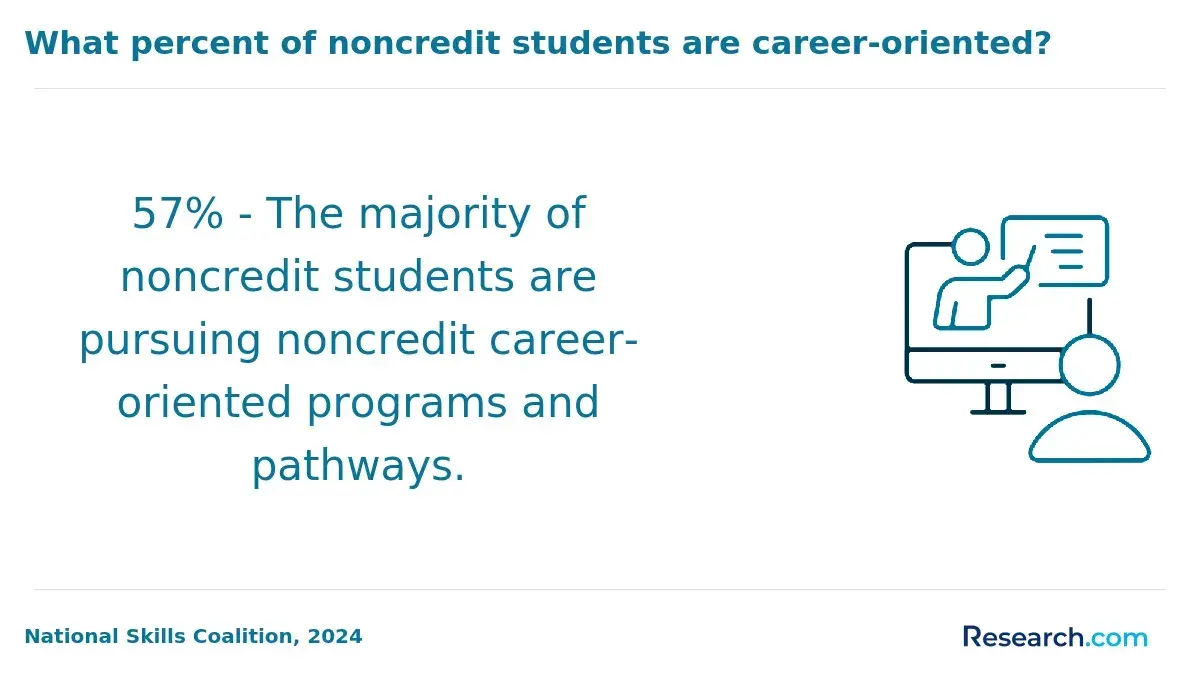
Tuition reimbursement limits play a critical role in determining the affordability and return on investment of pursuing an energy policy degree through employer support. Many workers rely on these benefits to offset education costs, but exceeding employer-set caps means paying out-of-pocket, which can diminish financial gains from the degree. In fact, the National Center for Education Statistics reported that about 55% of U.S. employees had access to tuition assistance in 2022, underscoring its importance as a funding source.
Employers typically set annual reimbursement limits between $5,000 and $10,000, with some capping total lifetime support at $30,000 to $50,000. Support levels often depend on the employee's industry, energy, government, and consulting sectors tend to offer higher amounts-as well as the size of the company and how closely the degree aligns with the employee's role. Additionally, federal tax laws allow up to $5,250 in tax-free tuition assistance yearly, a factor that influences how many employers design their reimbursement plans.
Knowing the potential consequences of leaving an employer-sponsored energy policy degree program early is crucial for employees considering this financial support. Many tuition assistance plans include clauses that require repayment or impose restrictions, making it important to weigh long-term commitments before enrolling. Industry data shows that nearly 60% of these programs have some form of clawback tied to the length of post-degree employment, highlighting how widespread these provisions are.
Below are key penalties to consider.
- Repayment Obligations: Employees often must return all or part of the tuition reimbursed if they depart before a designated period expires after graduation, ensuring employers recover some costs if the investment doesn't benefit them fully.
- Prorated Repayments: Instead of a flat payback amount, many organizations calculate repayment proportionally based on how much time the employee completed after finishing the degree, reducing debt gradually over the commitment period.
- Early Termination Clauses: These specify conditions that trigger repayment, commonly including voluntary resignation or dismissal for cause, while some policies exempt layoffs or terminations not related to performance.
- Impact on Future Benefits: Leaving early can affect eligibility for further tuition aid or professional development funding, with some employers imposing waiting periods before an employee may reapply for education benefits.
Evaluating the impact of employer-sponsored education on career earnings is essential for working professionals considering an energy policy degree. Research shows that employees who complete employer-funded degrees often experience significant financial benefits, including higher salaries and improved job security.
Studies indicate workers with relevant bachelor's degrees can achieve up to 20% greater lifetime earnings than those without such qualifications. The following key factors highlight how employer-paid energy policy degrees can enhance long-term earning potential with tuition reimbursement.
- Increased promotion opportunities: Employer-paid education often positions employees for promotions more rapidly by equipping them with the specialized knowledge valued in the energy sector.
- Faster career progression: Sponsorship facilitates quicker advancement by reducing financial barriers, enabling professionals to focus on developing skills that open doors to leadership roles.
- Access to higher-paying roles: Advanced credentials supported by employers help employees qualify for positions that offer better compensation and responsibilities in energy policy.
- Enhanced skills and qualifications: Tuition reimbursement allows workers to obtain advanced training and expertise, which employers recognize as a valuable investment toward workforce development.
- Return on investment: By reducing out-of-pocket educational expenses, employer sponsorship creates a more favorable financial outcome and motivates ongoing professional growth in energy policy.
Employees interested in pursuing such degrees should also consider options like accelerated online degrees, which can complement employer reimbursement programs and further reduce the time and cost required to earn their credentials.
Overall, understanding the benefits of employer-paid energy policy degree programs helps professionals weigh the long-term earning potential with tuition reimbursement against other career investments.
Proactive communication and thorough preparation are essential when requesting employer tuition reimbursement for energy policy degrees. With 57% of employers offering tuition reimbursement programs in 2022, there is a clear trend supporting further education.
Understanding how to request employer sponsorship for energy policy education can significantly improve your chances of approval by presenting a well-structured and relevant case.
- Research Tuition Policies: Begin by reviewing your company's specific tuition reimbursement policies to understand eligibility requirements, coverage limits, and any commitments you must fulfill. This insight helps tailor your request effectively while ensuring you meet all necessary criteria.
- Prepare a Business Case: Create a compelling argument that connects the energy policy degree to your current job responsibilities or future career growth. Highlight how this advanced education can boost your skills, increase productivity, and align with company goals.
- Schedule a Formal Meeting: Arrange a professional meeting with your manager or HR representative to discuss your request. Present the financial implications, time commitments, and strategies to balance your workload during your studies clearly and confidently.
- Demonstrate Program Relevance: Emphasize how the degree program supports both your professional development and the company's objectives. Providing detailed program outlines and explaining its impact shows your dedication and helps justify the investment.
- Follow Up with Documentation: After your meeting, send a written summary of your proposal and any agreements made to maintain open communication. This reinforces your commitment and increases the likelihood of securing employer support.
For those considering starting with a foundational program, exploring the easiest associate degree to get may offer a practical step before advancing to higher-level energy policy education.
Securing funding for an energy policy degree can be challenging without employer support, especially as graduate education expenses have increased by nearly 25% in the past ten years. To manage these rising costs, students must explore diverse financing options beyond traditional employer sponsorship.
Key approaches include:
- Federal and state financial aid: Completing the Free Application for Federal Student Aid (FAFSA) opens access to grants and low-interest loans that help reduce out-of-pocket expenses.
- Scholarships and grants: Numerous awards target students in energy, environmental, or public policy disciplines; these funds do not require repayment and can significantly offset tuition costs.
- Personal savings and private loans: While these options can cover remaining costs, careful budgeting is essential to avoid excessive debt after graduation.
- Income-share agreements (ISAs): An alternative funding model where students receive upfront tuition financing in exchange for a fixed percentage of future income, eliminating traditional loan repayment burdens.
- Part-time or online programs: Choosing flexible study formats allows learners to spread tuition payments over time and maintain employment, ultimately lowering the financial impact.
By leveraging these strategies, students without employer tuition benefits can more effectively handle the financial demands of pursuing an advanced degree in energy policy.
What Graduates Say About Employers Paying for Their Energy Policy Degrees
- Tony: "Completing my energy policy degree was a game-changer, especially considering the average program cost of over $30,000. Thanks to my employer's tuition assistance, I was able to focus fully on my studies without the burden of financial stress. This support directly contributed to my recent promotion, proving how vital employer sponsorship can be for career growth. "
- Rex: "When I began my energy policy degree, the financial commitment was daunting, but employer tuition sponsorship made it manageable. Covering a significant portion of the typical tuition fees allowed me to concentrate on gaining practical skills rather than worrying about debt. Reflecting on this, I now see how indispensable that support was for advancing in the competitive energy sector. "
- Allison: "Pursuing an energy policy degree was a strategic move for my professional development, though the cost-often exceeding $30,000-was a major consideration. Employer-funded tuition eased this burden considerably, allowing me to complete the program efficiently. This investment not only enhanced my expertise but also strengthened my position within my organization. "
Other Things You Should Know About Energy Policy Degrees
Yes, employer sponsorship for energy policy degrees can enhance career advancement. Companies often view sponsored employees as valuable assets, potentially leading to promotions or expanded roles within the organization. This investment in employee education can also strengthen the company's expertise in energy policy.
Yes. In 2027, employers can exclude up to $5,250 per employee each year under IRS Section 127 for qualified educational assistance, including tuition for an energy policy degree. Amounts above that limit are usually taxable unless the education qualifies as a working condition fringe under IRS rules.
- Energy Policy MSc | Online Masters Course | University of Sussex https://study-online.sussex.ac.uk/online-courses/msc-energy-policy/
- What Do Energy Jobs Pay? 2025 Guide [30+ Careers] https://aiapply.co/blog/what-do-energy-jobs-pay
- Green Jobs in 2025: Discover The 10 Highest-Paying Jobs https://holistiquetraining.com/en/news/10-highest-paying-geen-jobs-in-2025
- The Graduate's Guide to Starting a Career in the Energy Industry https://www.wtsenergy.com/graduates-guide-to-a-career-in-energy-industry/
- What do energy jobs pay in 2025? Top salaries across sectors revealed https://www.airswift.com/blog/what-energy-jobs-pay
- Energy and Sustainability Policy Bachelor's Degree Online - Penn State World Campus https://www.worldcampus.psu.edu/degrees-and-certificates/penn-state-online-energy-and-sustainability-policy-bachelor-of-science-degree
- Careers In Energy https://unity.edu/careers/is-energy-good-career/
- Employer Tuition Assistance for Higher Education - Adult Students - Oklahoma State Regents for Higher Education https://okhighered.org/adult-students/tuition-assistance/
- Supreme Court clarifies contractual penalties for energy consumers https://www.lexology.com/library/detail.aspx


