2027 Easiest Online Architecture Degree Programs That Pay Well: High-Salary Degrees with Simple Admissions

Co-Founder and Chief Data Scientist
Choosing an online architecture program is not just about finding the easiest application. The bigger question is whether the program can help you qualify for credible architecture-related work, manage costs, and move toward licensure or career advancement without unnecessary barriers. For working adults, career changers, and students with uneven academic records, flexible admission policies can make architecture education more accessible—but they should never replace careful checks on accreditation, curriculum quality, and career outcomes.
Demand for licensed architects with online degrees is increasing by 8% annually, reflecting broader acceptance of flexible education options. Still, architecture remains a regulated and skills-intensive field. Students must understand which online pathways lead to professional licensure, which are better suited for related roles such as construction management or urban planning, and which programs offer practical support such as portfolio development, transfer-credit evaluation, and career services.
This guide explains how to identify easy-admission online architecture programs that can still lead to strong earning potential. It covers admission requirements, low-GPA options, accelerated formats, accreditation, tuition, transfer credits, academic support, and high-paying career paths so readers can compare programs with a clearer sense of risk, value, and long-term payoff.
Key Benefits of the Easiest Online Architecture Degree Programs That Pay Well
- Many online architecture degree programs have simplified admissions, requiring only a high school diploma and no standardized test, making access easier for diverse applicants.
- Flexible online formats enable students to balance work and study, supporting a 21% projected growth in online education enrollment through 2028.
- Graduates in architecture report a median annual salary around $80,000, with high demand in urban development driving strong employment opportunities post-degree.
How to Tell If Online Architecture Programs Have Easy Admission Requirements?
An online architecture program is usually considered easier to enter when it reduces common admissions barriers without lowering the academic expectations students face after enrollment. For many applicants, especially working adults and career changers, the most helpful policies are those that recognize prior experience, allow conditional entry, and do not rely heavily on standardized tests.
Look for these signs that a program has flexible or simple admission requirements:
- Minimal prerequisite coursework: Some programs do not require applicants to have completed extensive prior coursework in architecture, studio art, drafting, or design. This is especially useful for students entering from business, construction, engineering technology, liberal arts, or other backgrounds.
- No entrance exams: Programs that waive standardized tests such as the GRE may be more accessible to applicants whose professional experience, portfolio, or recent coursework better reflects their readiness than a test score.
- Holistic or experience-based review: Admissions committees may consider a portfolio, resume, design-related work, military training, construction experience, recommendations, or a personal statement alongside transcripts.
- Provisional acceptance options: Conditional admission can allow students to begin coursework while completing missing prerequisites or proving readiness through early academic performance.
- Clear transfer-credit policies: Easy-entry programs often provide transcript evaluations early, helping students know whether previous credits can reduce time and cost before they commit.
Ease of admission should not be confused with ease of completion. Architecture coursework can include design studios, building systems, history, structures, environmental design, digital modeling, and code-related work. Before applying, compare admission flexibility with accreditation, faculty expertise, software expectations, portfolio requirements, and licensure alignment. Similar growth in flexible admissions has appeared in other online fields, including AI online degree programs, but architecture students should be especially careful because professional recognition depends heavily on program quality and accreditation.
What High-Paying Jobs Can You Get With an Easy Online Architecture Degree?
An easy-admission online architecture degree can support several well-paid career paths, but the exact job options depend on the degree type, accreditation, licensure eligibility, portfolio strength, and prior experience. The Bureau of Labor Statistics projects an 8% growth in architect employment through 2032, which points to steady demand, but not every architecture-related role requires the same credential.
Common high-paying roles connected to architecture training include:
- Architect: Architects design buildings, coordinate with clients and engineers, review plans, and oversee parts of the construction process. Salaries typically range from $82,000 to $100,000 annually. Students who want to become licensed architects should verify that their program supports licensure requirements.
- Urban Planner: Urban planners develop land-use plans, analyze community needs, and support sustainable growth. This role often combines design thinking with policy, zoning, transportation, and environmental planning. Earnings range from $70,000 to $95,000.
- Construction Manager: Construction managers coordinate project schedules, budgets, subcontractors, materials, and site operations. Architecture training can be valuable because it helps managers understand drawings, building systems, and design intent. This role commands $80,000 to $110,000 in salary.
- Building Inspector: Building inspectors evaluate structures for compliance with codes, safety standards, and local regulations. Pay ranges from $60,000 to $85,000, and some positions may require additional certification or field experience.
- Landscape Architect: Landscape architects plan outdoor environments such as parks, campuses, public spaces, and residential landscapes. They typically earn $65,000 to $90,000 annually, with licensure requirements varying by role and jurisdiction.
Students comparing architecture degree programs should connect each program’s curriculum to a specific career target. A professionally oriented architecture degree may support licensure preparation, while a related design, construction, or planning degree may lead more directly to non-licensed roles. Students considering broader people-focused career options may also compare flexible online pathways such as the most affordable online counseling degrees.
Can You Get Into an Online Architecture Program With a Low GPA?
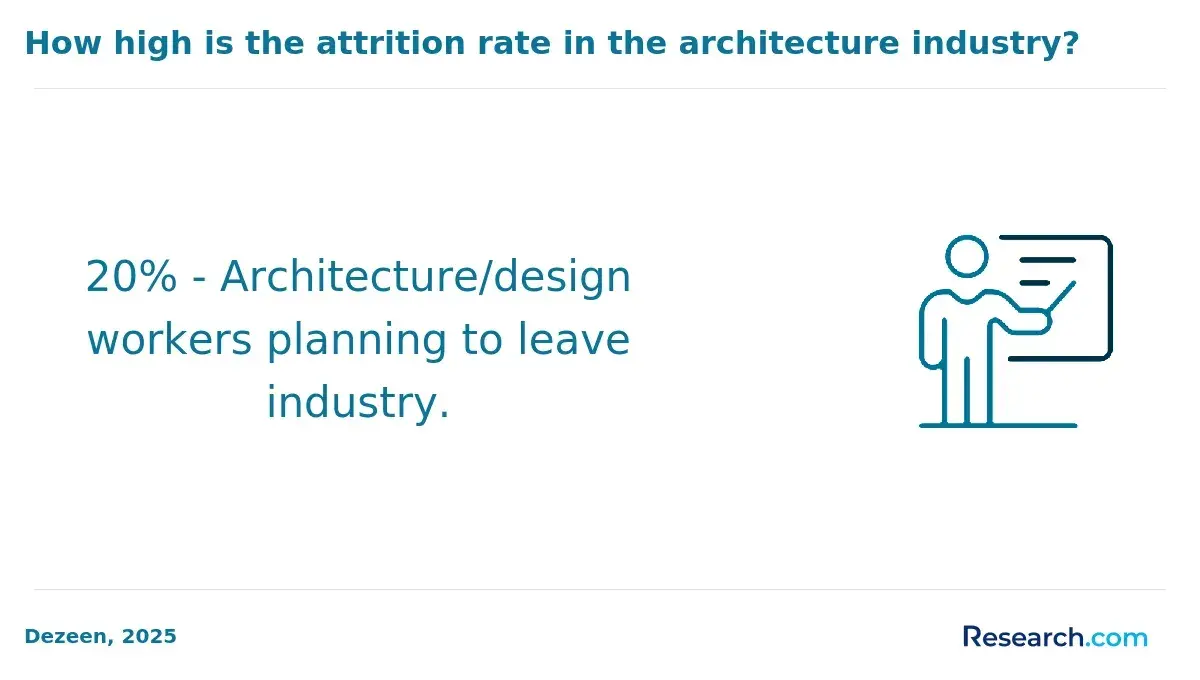
Yes, a low GPA does not automatically prevent admission to an online architecture program. GPA can signal academic readiness, but many schools review applicants more broadly, especially when the applicant has relevant work experience, recent strong coursework, or a portfolio that shows design potential. Recent data shows that approximately 40% of online architecture programs consider portfolios, experience, and recommendations alongside GPA.
If your GPA is below a program’s preferred range, focus on evidence that shows you can handle design, technical, and writing-intensive coursework. Stronger application materials can help admissions teams understand your current readiness rather than relying only on older grades.
- Highlight relevant work experience: Experience in construction, drafting, interior design, real estate development, engineering support, facilities management, or visual arts can show practical familiarity with the built environment.
- Secure strong recommendation letters: Recommendations from supervisors, instructors, architects, designers, or project managers can explain your discipline, problem-solving ability, creativity, and growth since earlier academic struggles.
- Complete prerequisite coursework: Strong grades in recent courses such as design basics, math, CAD, drawing, physics, or composition can demonstrate that you are prepared for current academic expectations.
- Develop a compelling portfolio: A portfolio does not need to be perfect, but it should show visual thinking, process, technical progress, and the ability to revise. Include sketches, models, digital work, construction documentation, or creative projects where appropriate.
- Write a thoughtful personal statement: Address academic weaknesses directly but briefly. Explain what changed, what you learned, and why you are now prepared to succeed in an architecture-focused program.
Applicants with low GPAs should also ask whether the school offers conditional admission, academic probation entry, prerequisite completion pathways, or admission through a certificate that can later apply toward a degree. These routes can provide a realistic second chance while still holding students accountable for performance.
Can Easy Online Architecture Degrees Be Completed in Under a Year?
Most fully accredited architecture degrees cannot be completed in under a year because architecture education typically requires extensive studio work, technical coursework, design review, and broad general education or professional preparation. However, some shorter online credentials, certificates, bridge programs, or transfer-heavy pathways may be completed faster and can help students build foundational skills or advance in related roles.
Students looking for easy online architecture degree programs under one year should distinguish between a full degree and a shorter credential. A short program may improve skills in drafting, CAD, building information modeling, design fundamentals, or construction documentation, but it may not qualify a graduate for the same opportunities as a professional architecture degree.
- Full-time enrollment: Taking a full course load can shorten the timeline compared with part-time study, but it requires enough weekly time for design projects, software work, critiques, reading, and revisions.
- Credit transfer: Prior college credits, completed general education courses, or relevant learning may reduce remaining requirements and help students avoid repeating introductory coursework.
- Flexible scheduling: Self-paced, asynchronous, or intensive courses can help motivated students move faster, especially when they can study outside traditional class hours.
- Simpler admissions and program design: Accelerated online architecture degrees with simple admissions processes and fewer prerequisites may allow students to start quickly instead of waiting through long application cycles.
Although fully accredited architecture degrees usually require more than a year due to demanding studio work and comprehensive curricula, shorter credentials can still be useful. They may help students prepare for entry-level design support work, strengthen a portfolio, qualify for transfer into a degree program, or test whether architecture is the right field before making a larger investment.
Before choosing an accelerated option, confirm what the credential actually leads to. Ask whether credits transfer, whether the program is part of a larger degree pathway, whether software access is included, and whether employers in your target market recognize the credential. Students comparing efficient online learning formats may also review affordable online executive MBA programs for perspective on how accelerated online education is structured in other professional fields.
Are Online Architecture Programs Easier Than On-Campus Ones?
Online architecture programs are usually more flexible than on-campus programs, but they are not automatically easier. The design workload, technical expectations, deadlines, and critique process can still be demanding. Studies indicate that online programs tend to have roughly an 8% lower completion rate than traditional ones, which suggests that convenience does not remove the need for discipline, time management, and strong academic support.
The main difference is how the work is delivered. Online students may avoid commuting and fixed class schedules, but they must manage independent study, digital collaboration, and software-based design work with less in-person structure.
- Self-paced learning: Some online courses allow students to work around jobs and family responsibilities. This can reduce scheduling pressure, but it also means students must set their own weekly routines and avoid falling behind.
- Reduced commuting and scheduling demands: Eliminating travel time can make the program easier to fit into daily life. For working adults, this flexibility may be the difference between enrolling and postponing school.
- Digital resources and collaboration: Online lectures, design software, virtual pin-ups, discussion boards, and video critiques can support learning from anywhere. However, students must be comfortable presenting work digitally and receiving feedback remotely.
- Less immediate studio interaction: On-campus studios often provide spontaneous peer feedback and direct faculty observation. Online students may need to be more proactive about asking questions, scheduling critiques, and seeking peer input.
Online may be easier logistically, while on-campus may feel easier socially and creatively because of studio immersion. The better choice depends on your schedule, learning style, access to technology, and need for in-person feedback.
Are Easy Online Architecture Programs Accredited?
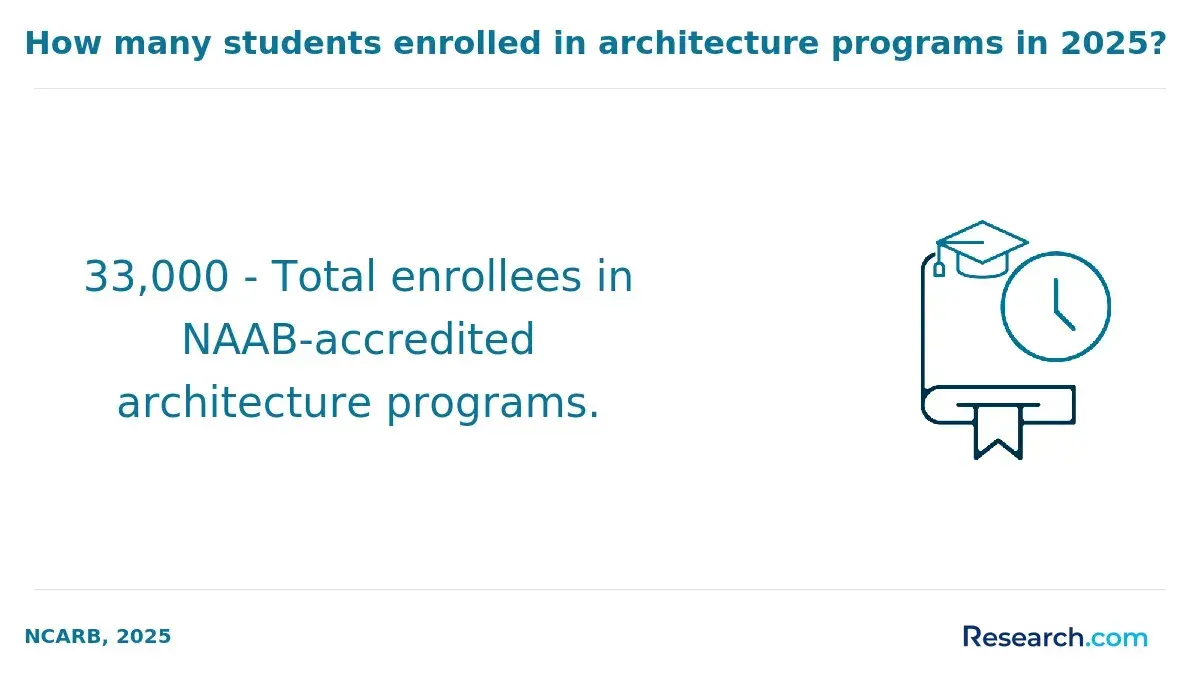
Some easy online architecture programs are accredited, but applicants should verify accreditation before enrolling. Flexible admission does not guarantee professional recognition. In architecture, accreditation can affect transferability, graduate-school options, financial aid eligibility, employer confidence, and licensure pathways. Notably, over 90% of online architecture degrees offering professional credentials hold accreditation from the key national body, signaling increased acceptance of virtual learning in this field.
The most important accreditation categories include:
- NAAB accreditation: The National Architectural Accrediting Board accredits professional architecture degrees. For students who intend to become licensed architects, this is the key programmatic accreditation to check because it is tied to educational standards for the profession and the path toward the Architect Registration Examination.
- Regional accreditation: Regional accreditation applies to the college or university as a whole. It matters for institutional quality, credit transfer, federal financial aid eligibility, and recognition by other schools and employers.
- Programmatic accreditation by other bodies: Related programs in construction management, interior architecture, design, or planning may hold specialized accreditation. These credentials can be valuable, but they do not replace NAAB accreditation for students whose goal is professional architect licensure.
Before applying, search the accreditor’s official database rather than relying only on marketing language. Also ask the program to explain which degree is accredited, whether online students complete the same requirements as on-campus students, and whether any required residencies, studio intensives, internships, or exams are part of the licensure pathway.
What Is the Average Tuition for Easy Online Architecture Programs?
Tuition is one of the most important factors when comparing easy-admission online architecture programs because architecture students may also need software, equipment, materials, studio resources, and possible travel for hybrid requirements. Average tuition for online architecture degrees has seen roughly a 3% annual increase, reflecting growing demand for convenient learning formats.
The average tuition cost for online architecture degrees usually falls between $15,000 and $40,000 for a complete bachelor's degree, depending on the institution and program structure. However, the listed tuition is only part of the full cost. Students should review the total price of attendance and compare it with expected career outcomes.
- Typical tuition range: A complete bachelor's degree commonly falls between $15,000 and $40,000, but costs vary by school type, residency status, transfer credits, and course load.
- Fully online vs. hybrid models: Fully online programs tend to be more affordable, while hybrid options-combining online coursework with some campus visits-may include travel, lodging, facility, or residency fees.
- Program length and credit hours: Architecture degrees often require between 120 and 150 credit hours, so longer programs can cost more even when the per-credit tuition appears reasonable.
- Additional expenses: Budget for specialized software, computer hardware, digital drawing tools, printing, model-making materials, design studio fees, and portfolio preparation.
- Financial aid and transfer value: Compare net price after grants, scholarships, employer tuition assistance, and accepted transfer credits. A higher sticker price may be less expensive if the school accepts more credits or offers stronger aid.
Students who want a broader cost comparison can review affordable online bachelor degree programs while keeping in mind that architecture-related programs may carry additional design and technology costs.
Can Transfer Credits Make an Online Architecture Degree Easier to Complete?
Yes. Transfer credits can make an online architecture degree easier to complete by reducing the number of courses, lowering tuition, and helping students move more quickly into advanced or specialized coursework. Studies indicate that about 40% of transfer applicants in online programs successfully apply previous credits to accelerate their degree progress. Using transfer credits strategically can shorten an online architecture degree by one or two semesters.
Transfer credit is especially valuable for students who have already completed general education courses, design foundations, math, physics, drafting, CAD, art history, or construction-related coursework. However, architecture programs may be selective about accepting studio credits because design sequences often build on specific learning outcomes.
- Reducing total credit hours: Accepted transfer credits lower the number of required courses, which can make the degree more manageable for students balancing school with work or family responsibilities.
- Lowering tuition costs: Applying prior credits toward general education or elective requirements can reduce the number of credits a student must pay for at the new institution.
- Accelerating specialization: Students who transfer applicable foundational credits may reach advanced design, technology, sustainability, planning, or building systems courses sooner.
- Smoother program transition: A clear transfer evaluation helps students understand where they stand academically before committing to enrollment.
Ask each school for a written transfer-credit estimate before enrolling. Also confirm the maximum number of credits accepted, minimum grade requirements, age limits on technical courses, portfolio-review rules for studio placement, and whether transfer credits affect eligibility for scholarships or residency requirements. For students comparing fast routes to career advancement, broader online degree programs can offer additional context on time-saving degree strategies.
What Kind of Academic Support Do Online Architecture Students Receive?
Strong academic support is essential in online architecture programs because students must master both creative and technical skills at a distance. The best programs do not simply upload lectures; they provide structured feedback, software access, advising, and career preparation that help students stay on pace and build a professional portfolio.
Common support services include:
- Tutoring and mentoring: Students may receive help with design concepts, drawing, model development, architectural history, math, structures, environmental systems, or software workflows.
- Academic advising: Advisors help students plan course sequences, evaluate transfer credits, meet prerequisite requirements, and understand how the degree fits long-term career or licensure goals.
- Technical support: Architecture students often rely on CAD, BIM, rendering, presentation, and collaboration platforms. Reliable technology support can prevent software issues from delaying studio work.
- Career services: Career teams may help with resumes, portfolios, internships, interview preparation, employer connections, and job searches in architecture, construction, planning, or design-related fields.
- Studio feedback and critique access: Online students should have regular opportunities to receive instructor and peer critique through video reviews, digital pin-ups, recorded feedback, or live studio sessions.
Research shows that students actively engaged with strong academic support are significantly more likely to complete their degrees. Before enrolling, ask how often students interact with faculty, whether critiques are live or asynchronous, how quickly instructors respond, and whether portfolio reviews are built into the curriculum.
How Do You Choose the Easiest Online Architecture Degree That Pays Well?
The easiest online architecture degree that pays well is not necessarily the program with the fewest requirements. It is the program that removes unnecessary admission barriers while still offering credible accreditation, strong design training, useful support, reasonable cost, and a clear connection to your target career.
Use these factors to compare programs:
- Accreditation: If your goal is to become a licensed architect, prioritize programs aligned with NAAB accreditation and licensure expectations. For related careers, confirm that the institution is properly accredited and that the curriculum matches employer needs.
- Admissions Flexibility: Look for policies such as no GRE requirements, portfolio-based review, conditional admission, transfer-friendly evaluation, or acceptance of applicants from varied academic backgrounds.
- Program Cost and Duration: Compare total tuition, fees, software costs, residency costs, transfer credits, and time to completion. A faster or cheaper program is only valuable if it leads to usable credentials.
- Career Support: Prioritize programs that help students build portfolios, find internships, connect with employers, and prepare for architecture-related roles after graduation.
- Job Market Alignment: Consider programs with coursework in areas such as sustainable design, urban planning, building technology, digital modeling, construction coordination, or code compliance if those match your career goals.
- Learning Format: Decide whether you need fully asynchronous courses, live critiques, hybrid studios, short residencies, or more structured weekly deadlines. Flexibility should support your success, not leave you isolated.
A practical final step is to contact admissions, financial aid, and the program department before applying. Ask the same questions at each school, then compare answers side by side: accreditation status, transfer-credit estimate, total cost, portfolio expectations, licensure relevance, software requirements, and graduate career outcomes.
What Graduates Say About Their Easy Online Architecture Degrees That Pay Well
- Angeluz: "I was looking for a hassle-free way to switch careers and found an easy online architecture degree program that fit my busy schedule perfectly. The total cost was surprisingly affordable, especially compared to traditional programs, which made it accessible without piling on debt. Now, as a licensed architect earning well above the national average, I truly value how that flexible program opened doors for me."
- Antonio: "Choosing an easy online architecture degree felt like the smart choice after researching programs with lower tuition fees, averaging around $15,000. It allowed me to focus deeply on design without unnecessary stress. The degree directly helped me secure a rewarding role in architectural design, proving that a streamlined education can lead to prosperous career outcomes."
- Julian: "Reflecting on my time completing an easy online architecture degree, I appreciate how the program balanced quality with cost efficiency, typically costing less than $20,000. The straightforward curriculum enabled me to enter the workforce quickly and confidently. Today, my architecture career thrives with a salary that surpasses many peers, confirming the value of simplicity and practicality in education."
Other Things You Should Know About Architecture Degrees
Yes, but licensure usually requires a NAAB-accredited professional degree, an Architectural Experience Program record, and passing the Architect Registration Examination. Most states also require approval from the state licensing board, and some ask for additional jurisdiction-specific documentation or experience hours.
In 2027, some of the easiest online architecture degree programs that pay well include Southern New Hampshire University’s Bachelor of Arts in Graphic Design with a concentration in 3D modeling and Utah State University’s Bachelor of Interior Architecture and Design. These programs offer simple admissions and lucrative career prospects post-graduation.
References
- Accreditation https://www.naab.org/accreditation/accredited-programs
- Architecture Assignment Help https://www.researchprospect.com/architecture-assignment-help/
- RIBA Future Architects resources https://www.riba.org/work/insights-and-resources/riba-future-architects-resources/
- Online Architecture Courses https://www.open.edu.au/study-online/architecture-construction/architecture
- 40 Low GPA Grad Schools & Advice to Help You Get In | 2025+ https://www.gradschools.com/degree-guide/attending-grad-schools-with-low-gpa
- Architecture Online Research Programme https://www.immerse.education/architecture-online-courses/online-research-programme/
- Introduction to Architecture for High School Students Online https://cooper.edu/architecture/summer-programs/hs-introduction-architecture
- Learn architecture online | Courses and degrees | edX https://www.edx.org/learn/architecture
- Architecture Learning Platform https://learnarchitecture.online/
- 2025 Most Affordable Online Master's Programs in Architecture https://www.onlineu.com/most-affordable-colleges/architecture-masters-degrees