2027 Does an Online Forensic Accounting Degree Qualify You for Licensure?

Co-Founder and Chief Data Scientist
An online forensic accounting degree can support a path toward licensure or professional certification, but the degree format is not the main issue. Licensing boards and credentialing bodies usually care more about accreditation, accounting credit hours, course content, supervised experience, exam eligibility, and documentation than whether courses were completed online or on campus.
This distinction matters for students choosing a program in a field tied to fraud investigations, litigation support, auditing, and financial crime analysis. With the forensic accounting job market projected to grow 14% between 2022 and 2032, a degree that looks convenient but fails to satisfy licensing or certification requirements can cost graduates time, money, and career momentum.
This guide explains how online forensic accounting programs are evaluated for licensure, which credentials matter most, what accreditation to look for, how state rules differ, and how to verify a program before enrolling.
Key Things to Know About Online Forensic Accounting Degree Licensure Qualifications
- Accreditation by recognized agencies and program approval directly impact whether an online forensic accounting degree satisfies state licensure educational requirements.
- State-specific licensure rules vary widely; some states may restrict eligibility for graduates from online forensic accounting programs lacking regional accreditation.
- Completion of clinical, practicum, or supervised experience components is often mandatory, ensuring hands-on training vital for professional forensic accounting licensure.
Does an Online Forensic Accounting Degree Qualify You for Licensure?
Yes, an online forensic accounting degree can qualify you for licensure if it meets the same academic and professional requirements that apply to campus-based degrees. The delivery method alone usually does not determine eligibility. What matters is whether the institution is properly accredited, whether the curriculum includes the required accounting and business coursework, and whether the program provides the records needed by licensing boards or certification organizations.
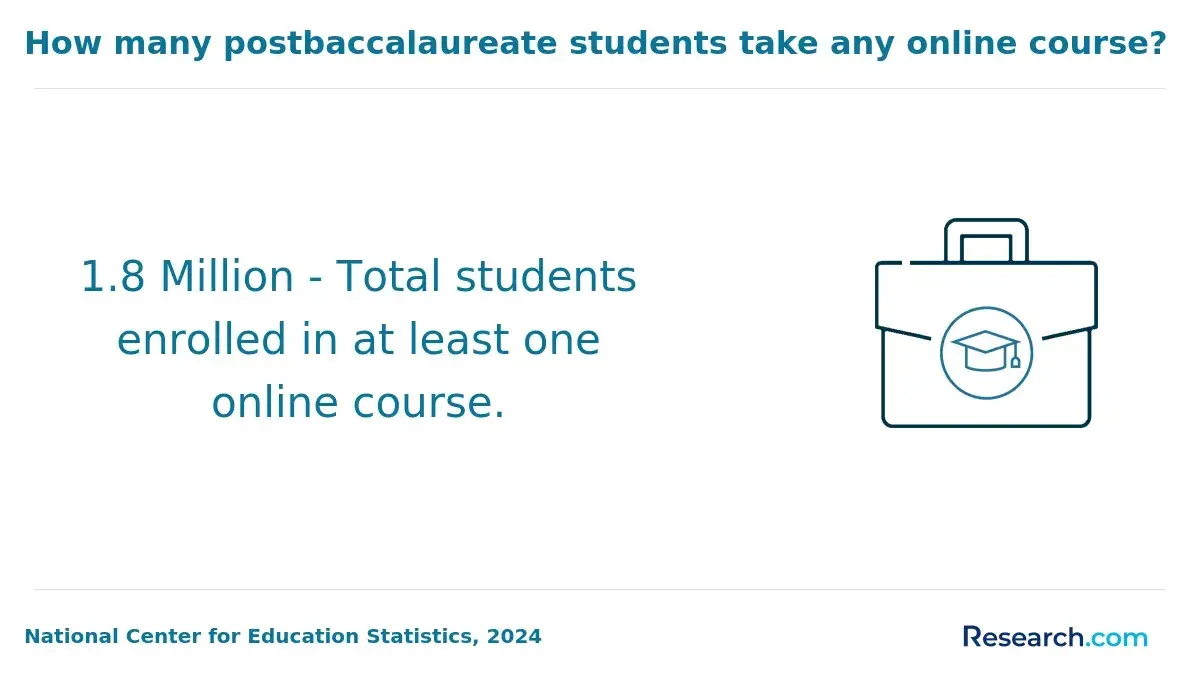
Online education has become a common route for students preparing for regulated professions. Enrollment in online degree programs grew by over 30% between 2018 and 2022, reflecting broader acceptance of digital learning in degree pathways that may lead to exams, credentials, and licensed practice.
For forensic accounting, students should understand that there is typically no single “forensic accounting license” issued in the same way across all states. Many professionals instead pursue credentials such as CPA licensure, the Certified Fraud Examiner credential, or specialized audit and investigation certifications. Each has its own eligibility rules.
What determines whether the degree works for licensure?
- Accreditation: The school should hold recognized institutional accreditation, and accounting-specific accreditation can strengthen acceptance.
- Coursework: The curriculum must match required accounting, auditing, taxation, business law, ethics, and related credit-hour rules when those rules apply.
- Credit totals: Some credentials and state boards require a specific number of total credits and accounting credits beyond the degree title.
- Experience: Licensure may require supervised professional experience in accounting, auditing, fraud examination, or a related area.
- Exam eligibility: Graduates must meet the requirements to sit for the relevant exam, such as the CPA exam or a certification exam.
- Documentation: Boards may request transcripts, syllabi, course descriptions, accreditation proof, and experience verification.
The safest approach is to match the program against the requirements of the state board or certifying body before enrolling, not after graduation. Students comparing career alternatives with strong technical components can also review AI degree programs as part of a broader education search.
Which Forensic Accounting Careers Require Professional Licensure?
Forensic accounting careers do not all require the same license. Some roles are open to graduates with strong accounting and investigative training, while others require or strongly prefer a license or certification because the work involves audits, legal proceedings, expert opinions, or regulated financial reporting. According to the U.S. Bureau of Labor Statistics, around 26% of accountants and auditors hold a CPA license, which shows how important formal credentials remain in accounting-related careers.
The main point for students is to identify the target role first. A fraud analyst in a private company may not need the same credential as a forensic accountant who signs audit reports or serves as an expert witness.
- Certified Public Accountant (CPA): CPA licensure is the most recognized state-issued accounting license. It is especially valuable for forensic accountants who work on litigation support, financial statement fraud, audit-related investigations, tax matters, or expert witness assignments. State boards set the education, exam, and experience requirements.
- Certified Fraud Examiner (CFE): The CFE is a professional certification rather than a state license, but many employers treat it as a preferred or important credential for fraud investigation roles. It signals training in fraud prevention, detection, investigation, and ethics.
- Licensed Financial Auditor: Forensic accountants working in audit-heavy roles may need credentials tied to public accounting, government auditing, internal auditing, or regulated financial reporting. Requirements depend on the employer, jurisdiction, and type of reports the professional is authorized to issue.
- Attorney Specializing in Financial Fraud: Some professionals combine legal licensure with accounting expertise. A licensed attorney with forensic accounting knowledge may represent clients, manage financial fraud litigation, or work on white-collar crime matters.
How to choose the right credential path
If your goal is public accounting, litigation support, or expert testimony, CPA licensure may be the most important credential to plan around. If your goal is fraud investigation, compliance, internal investigations, or corporate risk work, the CFE may be more directly aligned. Some forensic accountants pursue both because the combination can strengthen credibility in complex cases.
A forensic accounting degree graduate described the licensure path as demanding but career-changing: “Balancing study with work was tough, especially knowing that obtaining a CPA or CFE license was essential to advancing my career.” He noted that recognized credentials helped him move into higher-level investigations and court testimony opportunities.
What Accreditation Is Required for Forensic Accounting Licensure?
Accreditation is one of the first items licensing boards, employers, and certification bodies look at when evaluating an online forensic accounting degree. A program’s accreditation does not automatically guarantee licensure, but it can determine whether coursework is accepted toward exam and education requirements. Graduates from programs accredited by top organizations often experience better outcomes, such as up to a 15% higher pass rate on licensure exams.
Students should distinguish between institutional accreditation and specialized business or accounting accreditation. Institutional accreditation confirms that the school meets broad academic quality standards. Specialized accreditation reviews business or accounting programs more directly.
- Association to Advance Collegiate Schools of Business (AACSB): AACSB accreditation is widely recognized in business and accounting education. It signals rigorous curriculum standards, qualified faculty, and structured academic assessment. Some licensing boards and employers view AACSB-accredited accounting programs especially favorably.
- Accrediting Council for Business Schools and Programs (ACBSP): ACBSP accreditation focuses on teaching quality, learning outcomes, and continuous improvement. Many schools with career-focused accounting programs hold this accreditation, and many licensure agencies may accept degrees from ACBSP-accredited institutions when other requirements are met.
- International Accreditation Council for Business Education (IACBE): IACBE accreditation emphasizes outcomes-based business education. For forensic accounting students, this can indicate that the program measures whether graduates develop competencies relevant to accounting, analysis, ethics, and professional practice.
- Regional Accreditors (such as MSCHE): Regional accreditation, including recognition by bodies such as the Middle States Commission on Higher Education, is often a baseline requirement. Even when a program lacks accounting-specific accreditation, institutional accreditation may be essential for transfer credits, financial aid eligibility, graduate admission, and licensure review.
What to verify before applying
- Confirm the school’s accreditation through the accreditor, not only through the school’s marketing materials.
- Ask whether the program’s accounting courses satisfy CPA education requirements in your intended state.
- Request a list of required and elective accounting courses, including credit hours.
- Check whether online courses appear differently on transcripts; in many cases, they do not, but this varies by institution.
- Ask whether graduates have successfully qualified for CPA, CFE, or related credentials.
Do Licensure Requirements Vary by State for Forensic Accounting Careers?
Yes. Licensure requirements can vary substantially by state, especially for CPA licensure. State regulations affect how accounting credits are counted, what types of business courses qualify, how experience must be supervised, and whether additional documentation is required for online coursework. About 35% of states impose specific constraints on online education acceptance, which makes early verification especially important for distance learners.
This variation can affect students who plan to move, work remotely across state lines, or pursue employment with firms that serve clients in multiple jurisdictions. A degree accepted in one state may require additional coursework or documentation in another.
Common areas where state rules differ
- Total credit hours: Some states require a minimum number of total postsecondary credits for CPA licensure, often beyond a bachelor’s degree.
- Accounting course requirements: States may specify required coursework in auditing, financial accounting, taxation, business law, ethics, or related subjects.
- Institutional accreditation: Some boards require coursework from regionally accredited institutions or institutions recognized by specific accreditors.
- Online course review: A state may ask for syllabi, course descriptions, or proof that online classes are equivalent to campus classes.
- Experience rules: Requirements may differ on who can supervise experience, what type of accounting work qualifies, and how experience is documented.
- Mobility and reciprocity: Professionals licensed in one state may still need to meet additional rules before practicing in another.
Before enrolling, students should identify the state where they expect to seek licensure and compare that board’s requirements with the online program’s curriculum. If a student is unsure where they will live or work, the better strategy is to choose a program with broad accreditation, strong accounting coursework, and clear licensure disclosures.
Students comparing online pathways in other licensed fields can also look at an online masters in marriage and family therapy to see how state-by-state licensure rules affect program selection in another profession.
What Online Courses Are Required for Forensic Accounting Licensure?
Required courses depend on the credential and state, but online forensic accounting students should expect to complete a strong accounting core plus specialized training in fraud, auditing, ethics, and investigation. With approximately 40% of accounting students opting for online learning, many programs now build licensure-oriented curricula for students who need flexibility without sacrificing required content.
The course title alone is not enough. Licensing boards may review credit hours, course descriptions, level of instruction, and whether the course is classified as accounting, business, law, or general education.
- Foundational Theory: Courses in financial accounting, managerial accounting, auditing, cost accounting, taxation, and accounting information systems help students build the technical base required for forensic work and many licensing pathways.
- Applied Practice: Fraud examination, forensic accounting, financial statement analysis, litigation support, internal controls, and investigative accounting courses teach students how to identify irregularities, trace transactions, analyze records, and support legal or organizational decision-making.
- Ethics: Accounting ethics and professional responsibility are especially important because forensic accountants handle sensitive financial evidence, potential misconduct, and reports that may be used in legal proceedings.
- Research Methods: Research and evidence-based analysis courses prepare students to gather records, test assumptions, document findings, and explain conclusions clearly to non-accounting audiences.
Courses that often matter for CPA-aligned plans
- Auditing and assurance services
- Intermediate and advanced financial accounting
- Federal taxation
- Business law
- Accounting ethics
- Accounting information systems
- Fraud examination or forensic accounting electives
A professional with a forensic accounting degree said the online format required discipline, especially in technical courses, but the ability to revisit lectures helped her master difficult material. “The ethics and research classes really stood out,” she reflected, “because they showed me how to apply knowledge responsibly and transparently.” She also noted that applied practice courses helped connect exam preparation with real investigative work.
Do Online Forensic Accounting Programs Require Internships for Licensure?
Some online forensic accounting programs require internships, while others offer optional internships, virtual projects, practicums, simulations, or capstone investigations. Whether an internship is necessary for licensure depends less on the degree format and more on the credential being pursued. Studies show that around 70% of students in online or hybrid programs engage in experiential learning such as internships or project-based assignments.
For CPA licensure, students should pay close attention to supervised work experience rules. A program internship may be useful, but it may not automatically satisfy state experience requirements unless the work, supervisor, documentation, and timing meet board standards. For the CFE and similar credentials, professional experience may also play an important role in eligibility or advancement.
What counts as useful practical experience?
- Fraud investigation support: Reviewing records, documenting suspicious transactions, and assisting with case preparation.
- Audit or internal controls work: Testing procedures, reviewing controls, and identifying weaknesses that could enable fraud.
- Litigation support: Organizing financial evidence, preparing schedules, and assisting with damages or loss calculations.
- Compliance or risk work: Supporting anti-fraud programs, regulatory reviews, or financial monitoring.
- Capstone projects: Completing structured case analyses that simulate forensic accounting assignments.
Questions to ask an online program
- Is an internship required, optional, or replaced by a capstone?
- Can online students complete internships in their local area?
- Does the school help students find placements?
- Will the internship supervisor meet licensing board requirements?
- Does the program provide documentation that boards or certification bodies may request?
Internships are not just résumé builders. For students pursuing licensure or certification, they can provide evidence of applied skill, professional judgment, and supervised experience. However, students should not assume that every internship will count toward licensure without written confirmation from the relevant board or credentialing organization.
How Do Licensing Exams Work for Online Forensic Accounting Graduates?
Licensing and certification exams generally work the same way for online forensic accounting graduates as they do for campus graduates. Candidates must first meet eligibility requirements, submit documentation, receive approval when required, schedule the exam, and pass the required sections or assessment. The exam does not become easier or harder because the degree was earned online.
Preparation matters. Candidates who engage in structured review programs tend to have pass rates approximately 60-70% higher than those without such preparation. For online graduates, structured review can be especially helpful because it creates a study schedule, identifies weak areas, and translates broad coursework into exam-specific practice.
- Eligibility Requirements: Candidates must meet educational prerequisites determined by licensing authorities, typically requiring a bachelor's or master's degree in forensic accounting or a related field, whether the degree was earned online or in person.
- Exam Content: Exams may cover financial accounting, auditing, fraud examination, legal principles, ethics, investigative techniques, documentation, and professional standards, depending on the credential.
- Preparation Expectations: Candidates should plan for sustained review, practice questions, simulations, and topic-by-topic remediation. Board exam review courses can help organize the process.
- Testing Administration: Exams are usually administered in secure testing centers or via remote proctoring platforms, allowing online graduates to test under controlled conditions while maintaining exam security and integrity.
Practical exam planning steps
- Confirm that your transcript satisfies the education requirement before applying.
- Request official transcripts early, especially if transfer credits are involved.
- Identify any missing accounting or ethics credits before graduation.
- Choose a review plan that matches the exam timeline.
- Keep copies of approvals, score reports, and experience forms.
Students should treat exam eligibility as a milestone to verify during enrollment, not a final step after the degree is complete. If a board finds a credit deficiency late in the process, the candidate may need additional coursework before testing or licensure.
How Do You Verify an Online Forensic Accounting Program's Licensure Status?
To verify whether an online forensic accounting program supports licensure, students should compare the program’s curriculum and accreditation against the requirements of the specific state board or credentialing body they intend to use. Research shows nearly 30% of prospective students mistakenly enroll in programs that do not qualify them for licensure, so verification should happen before submitting an application or deposit.
- Official Program Disclosures: Review the program’s licensure disclosures, accreditation page, catalog, and admissions materials. Strong programs clearly state whether they meet, do not meet, or have not determined requirements for specific states.
- Institutional Recognition: Confirm that the school holds recognized institutional accreditation. Do not rely only on logos or promotional language; check the accreditor’s database when possible.
- Licensing Board Guidelines: Compare required credits, subject areas, degree level, experience rules, and exam prerequisites against the program’s plan of study.
- Program Outcomes: Look for transparent reporting on graduate credentialing outcomes, exam preparation, employer relationships, and alumni pathways into forensic accounting, auditing, or fraud examination.
Documents to request from the school
- Full curriculum sheet with course numbers and credit hours
- Course descriptions and syllabi for accounting and forensic courses
- Accreditation documentation
- Licensure disclosure by state, if available
- Internship or experience documentation policies
- Information on CPA, CFE, or related exam preparation support
Cost should be part of the verification process as well. Before committing to a program, compare tuition, fees, transfer-credit policies, and the likely accounting degree cost against the additional coursework you may need for licensure.
Students should prioritize how to verify online forensic accounting program accreditation early in their research to avoid costly mistakes. Those considering broader leadership-focused credentials can also compare options such as a doctorate in organizational leadership when evaluating alternative advanced education routes.
What Challenges Do Online Forensic Accounting Students Face With Licensure?
Online forensic accounting students can qualify for licensure, but they may face extra complexity when boards request additional proof that their coursework, credits, or supervised experience meet requirements. A 2021 survey indicated that nearly 30% of candidates with online degrees experienced additional documentation requests or delays compared to traditional degree holders.
The most common challenges are administrative rather than academic. In many cases, students are not rejected because the degree was online; they struggle because the program did not align cleanly with state rules or because documentation was incomplete.
- Inconsistent Acceptance: Accreditation and acceptance of online forensic accounting degrees vary significantly across jurisdictions, creating uncertainty about whether a specific program meets all educational requirements.
- Varied Program Expectations: State licensure requirements for online forensic accounting degrees can differ in coursework, credit totals, ethics requirements, and experience rules.
- Documentation Demands: Boards may request detailed transcripts, syllabi, course descriptions, transfer-credit records, and proof of accreditation. This can delay approval if the school does not provide documents quickly.
- Program Alignment: Some programs market themselves as forensic accounting degrees but may not include enough accounting coursework for CPA-oriented students.
- Complex Eligibility: Licensure can combine education, exam, experience, ethics, and residency or mobility rules, making it difficult to evaluate without a checklist.
Common mistakes to avoid
- Assuming any forensic accounting degree automatically prepares students for CPA licensure
- Ignoring state-specific accounting credit requirements
- Choosing a program based only on convenience or speed
- Failing to verify accreditation with the accreditor
- Waiting until graduation to request a licensure review
- Overlooking supervised experience requirements
Students exploring accelerated options, such as a 6 month masters degree, should be especially careful. Faster programs may be useful for some goals, but licensure-focused students must confirm that the pace and curriculum still satisfy board requirements.
Are Online Forensic Accounting Degrees Respected in Licensed Professions?
Online forensic accounting degrees are increasingly respected when they come from accredited institutions with rigorous accounting curricula and credible outcomes. A 2021 survey revealed that 78% of employers now acknowledge online degrees earned from reputable institutions, which reflects a broad shift away from judging a degree solely by delivery format.
In licensed professions, respect depends on evidence. Employers, boards, law firms, government agencies, and clients want to know whether the graduate can analyze financial records, apply accounting standards, document findings, communicate clearly, and follow ethical rules. A well-designed online program can develop those abilities, but a weak program can create problems regardless of format.
What makes an online degree credible?
- Recognized accreditation: The institution and, when applicable, the business or accounting program meet accepted quality standards.
- Strong accounting core: The degree includes enough technical accounting, auditing, taxation, ethics, and forensic coursework.
- Qualified faculty: Instructors have relevant academic, accounting, audit, fraud investigation, or legal experience.
- Applied learning: Students complete case studies, investigations, audit simulations, internships, or capstones.
- Licensure transparency: The program clearly explains where it meets or does not meet requirements.
- Graduate outcomes: Alumni move into accounting, auditing, compliance, fraud examination, or investigative roles.
Students should also be realistic. A degree from an unknown or poorly documented online provider may raise questions. A degree from an accredited institution with a clear licensure pathway is more likely to be taken seriously. Prospective students who need flexible admissions options can also review low GPA colleges while still prioritizing accreditation and licensure fit.
What Graduates Say About Online Forensic Accounting Degree Licensure Qualifications
- Nigel: "Choosing to pursue my forensic accounting degree online was a strategic decision that balanced my full-time job and family life. I discovered early on that not all online programs meet the coursework requirements for licensure, so I had to be very selective. Ultimately, obtaining licensure with my online degree has opened doors professionally, allowing me to take on more complex fraud investigations with confidence."
- Matthias: "Reflecting on my journey, I found that securing licensure with an online forensic accounting degree was challenging but achievable with the right program. The flexibility helped me stay consistent, and I learned that state boards often require specific accredited courses regardless of delivery format. Having the licensure has profoundly impacted my career, elevating my credibility and expanding opportunities in forensic consulting."
- Weston: "From a professional standpoint, pursuing licensure after earning my forensic accounting degree online required careful planning to ensure all board prerequisites were met. I appreciated how online programs can be rigorous and legitimate, but I advise prospective students to confirm their degree's acceptance for licensure early on. Being licensed has significantly boosted my career prospects, especially when working with law enforcement and legal teams."
Other Things You Should Know About Forensic Accounting Degrees
Online forensic accounting degrees can fulfill the educational requirements for CPA licensure if the program is accredited by a recognized agency and meets the specific coursework mandates set by state boards. Students must ensure the degree offers the necessary credit hours in accounting and business-related subjects that align with their state's CPA education criteria.
Yes, most licensure paths for forensic accountants, such as becoming a Certified Public Accountant (CPA) or a Certified Fraud Examiner (CFE), require passing specific exams and meeting experience requirements beyond just earning an online forensic accounting degree. The degree provides foundational knowledge but is typically only one component of the overall licensure process.
In 2027, an online forensic accounting degree can contribute towards meeting licensure requirements. However, licensure often mandates fulfilling additional criteria, such as passing the CPA exam and obtaining specific work experience. Verify requirements with your local licensing board.
Most forensic accounting licensure programs require applicants to demonstrate relevant professional experience, often under the supervision of a licensed accountant. An online degree alone is insufficient; candidates must complement their education with practical work experience to satisfy licensure prerequisites.
References
- Online Courses https://www.forensicglobal.org/courses.html
- CRFAC® – Certified Forensic Accountant® Credentialing Program - American Board of Forensic Accounting https://abfa.us/certifications-designations/crfac-certified-forensic-accountant-credentialing-program/
- Best Forensic Accounting Degrees Online | Accounting.com https://www.accounting.com/degrees/forensic-accounting/bachelors/best-online-programs/
- Current Views on Issues and Technology Development in Forensic Accounting Education of Indonesia - Advances in Science, Technology and Engineering Systems Journal https://www.astesj.com/v06/i01/p09/
- Forensic Accounting Course | Forensic Accounting Certification | Forensic Accounting Certificate https://www.bolc.co.uk/forensic-accounting-courses/forensic-accounting-course
- Best of 2025: Online Master’s Programs in Forensic Accounting https://www.onlinemastersdegrees.org/best-programs/business/accounting/forensic-accounting/
- Forensic Accounting Career Paths, Skills & Salary Guide https://online.ewu.edu/degrees/business/mba/accounting/career-paths-salary-guide/
- Online Graduate Certificate Programs in Forensic Accounting https://www.forensicscolleges.com/online/certificate-in-forensic-accounting
- Auditing and Forensic Accounting Graduate Certificate https://www.etamu.edu/programs/auditing-and-forensic-accounting-graduate-certificate/
- Forensic Accounting Certificate Online https://www.snhu.edu/online-degrees/certificates/graduate-forensic-accounting-and-fraud-examination