2027 Cheapest Accelerated Forensic Accounting Degree Programs Online

Co-Founder and Chief Data Scientist
An accelerated online forensic accounting degree can be a practical route for working adults, transfer students, military-affiliated learners, and career changers who need a faster path into accounting, fraud examination, auditing, or financial investigation roles. The key decision is not simply finding the lowest tuition. Students also need to confirm accreditation, transfer-credit rules, course pacing, financial aid eligibility, and whether the curriculum supports their long-term goals, including possible CPA preparation or graduate study.
Cost and time matter because many nontraditional students are balancing employment, family responsibilities, and limited financial flexibility. At the same time, the field has strong career appeal: the U. S. Bureau of Labor Statistics projects a 10% growth in forensic accounting jobs over the next decade, and median salaries exceed $70,000 annually. This guide explains how to compare the cheapest accelerated forensic accounting degree programs online, what affects total cost, which formats can shorten completion time, and how to avoid programs that look inexpensive but create problems later.
Key Things to Know About the Cheapest Accelerated Forensic Accounting Degree Programs Online
- Accelerated online forensic accounting programs cut time and tuition costs through flexible scheduling, fast-track formats, and accepting transfer credits, aiding nontraditional students with busy schedules.
- Comparing accreditation, total costs, financial aid, and hidden fees is vital for assessing true affordability and program value before enrollment.
- Students must confirm transfer policies, pacing, residency requirements, and career or licensure outcomes to ensure low-cost programs meet professional and educational goals.
What Are the Cheapest Accelerated Forensic Accounting Degree Programs Online?
The cheapest accelerated online forensic accounting degree programs are usually found at accredited public regional universities, transfer-friendly nonprofit institutions, competency-based programs, and community college-to-university pathways. These options lower cost by reducing per-credit tuition, shortening enrollment time, accepting more transfer credit, or allowing students to complete more coursework in less time.
According to the National Center for Education Statistics, online degree programs can reduce overall costs by cutting transportation and housing expenses. However, the lowest advertised tuition is not always the lowest total cost. Students should compare the full degree price after transfer credits, fees, textbooks, residency requirements, and financial aid.
| Low-Cost Pathway | Why It Can Be Affordable | Best Fit |
| Public regional universities | State-supported tuition, online rates, and accelerated terms can keep costs lower than many private options. | Students who want a traditional degree structure with strong employer recognition. |
| Competency-based programs | Students may move through familiar material faster by demonstrating mastery instead of following a fixed semester pace. | Experienced accounting, bookkeeping, auditing, finance, or business professionals. |
| Transfer-friendly private nonprofit schools | Some accept up to 90 semester hours, reducing the number of remaining courses and the final tuition bill. | Students with previous college credits who need a flexible completion program. |
| Two-year articulation pathways | Students complete lower-cost general education and business courses at a community college before transferring. | Cost-conscious students starting from little or no prior college credit. |
When comparing affordable online forensic accounting degree accelerated options, prioritize accredited schools that publish clear tuition, transfer, and graduation requirements. A program that costs slightly more per credit may still be cheaper overall if it accepts more prior coursework, offers year-round enrollment, or has fewer hidden fees.
Students planning a long academic path may also want to understand how undergraduate choices affect future graduate study, including an online doctorate in a related field.
How Much Does an Accelerated Online Forensic Accounting Degree Cost?
The cost of an accelerated online forensic accounting degree depends on tuition model, transfer-credit acceptance, enrollment pace, fees, and financial aid. Public universities often provide the most predictable low-cost option, while competency-based and flat-rate programs can be cheaper for students who can move quickly through courses.
Recent data shows that many accelerated degrees offer affordable options that reduce overall student debt by enabling faster completion. Still, students should calculate total program cost instead of relying only on per-credit tuition.
- Public universities: In-state rates are often between $150 and $350 per credit hour. Some public institutions also offer competitive online tuition to out-of-state students, but policies vary by school.
- Flat-rate tuition: Some accredited schools charge one term price regardless of course load. This can reward students who can handle heavier schedules, but it may not save money for those who need to study part time.
- Competency-based pricing: Competency-based programs usually charge by term instead of by credit. Students with strong prior knowledge may complete more requirements in fewer terms and reduce total tuition.
- Transfer-friendly policies: Generous transfer credit and prior learning assessment can potentially cut total tuition by 25-50% by eliminating repeated coursework.
Costs students should check before enrolling
- Technology, online learning, graduation, transcript, and proctoring fees
- Textbook, software, accounting platform, or exam-preparation costs
- Minimum residency credits that must be completed at the school
- Whether scholarships apply to accelerated, online, or part-time enrollment
- Whether federal financial aid eligibility changes with self-paced or competency-based formats
For students comparing broader fast-track options before choosing a forensic accounting concentration, this online bachelor's degree resource can help clarify how accelerated undergraduate programs are structured.
Are Cheap Accelerated Forensic Accounting Degree Programs Accredited and Legitimate?
Cheap accelerated forensic accounting degrees can be legitimate, but only if the school is properly accredited, authorized to enroll online students, transparent about costs, and clear about academic requirements. Low tuition alone is not a warning sign. The risk comes from programs that are vague about accreditation, promise unrealistic completion times, or avoid publishing outcomes and policies.
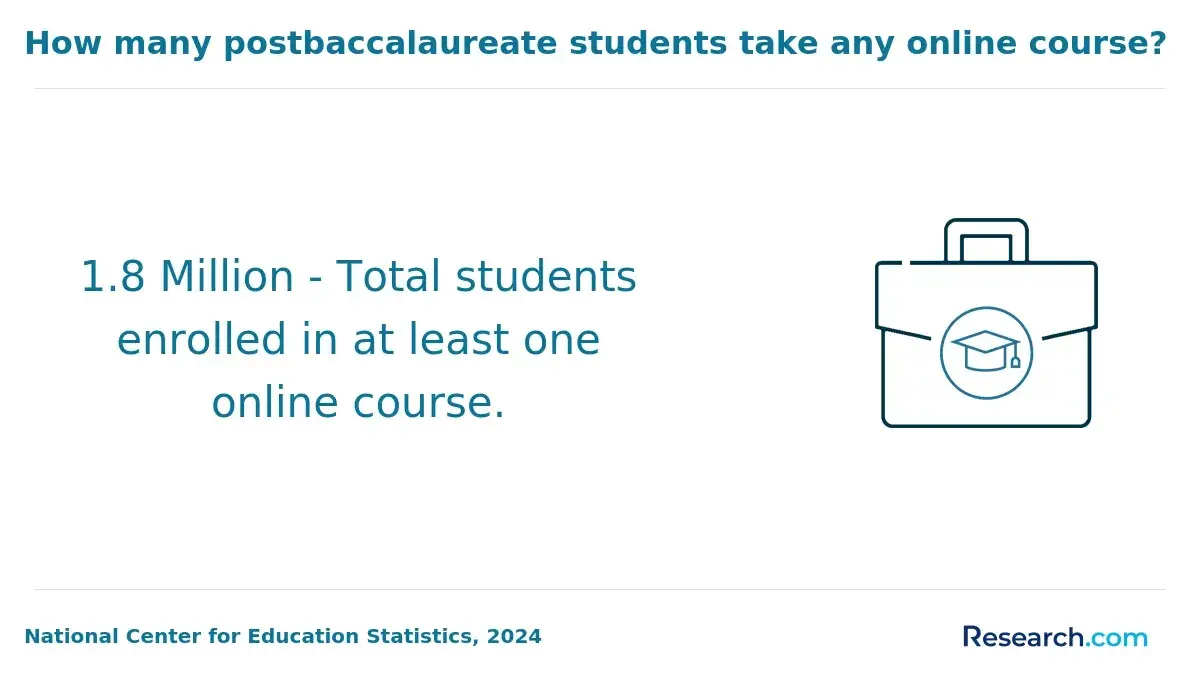
More than 45% of U.S. higher education students now take at least one online course, which makes quality assurance especially important. Online delivery is common and accepted, but students still need to verify institutional credibility.
- Regional accreditation: Regional accreditation remains a key indicator of institutional quality in the United States. It helps protect transferability, graduate-school eligibility, employer recognition, and access to federal financial aid.
- Program relevance: A legitimate forensic accounting program should include accounting foundations, auditing, fraud examination, financial investigation, ethics, analytics, and business law or related coursework. A degree title alone is not enough.
- For-profit vs. nonprofit: Nonprofit status does not automatically guarantee quality, and for-profit status does not automatically mean a program is poor. Still, students should examine completion rates, costs, accreditation, complaints, and employment support carefully.
- Credit transferability: Accreditation can make transfer easier, but every school sets its own transfer rules. Ask for a written transfer evaluation before committing.
- State authorization: Online programs must be authorized to serve students in applicable states. This can affect enrollment eligibility, complaint processes, and access to financial aid.
Red flags to avoid
- Claims that a bachelor’s degree can be completed with little coursework and no transfer credit
- Accreditation from an agency not recognized by appropriate higher education authorities
- Pressure to enroll immediately before receiving a full cost estimate
- No clear faculty information, curriculum map, or student support contacts
- Promises of employment, licensure, or certification that the degree alone cannot guarantee
Students interested in CPA eligibility should be especially careful. A forensic accounting degree may support accounting career goals, but CPA education requirements are set by state boards and may require specific accounting and business credits beyond the degree plan.
What Are the Fastest Online Forensic Accounting Degree Programs?
The fastest online forensic accounting degree programs combine accelerated terms, year-round enrollment, generous transfer-credit policies, and flexible pacing. Some students complete degrees in nearly half the traditional time, but the realistic timeline depends on how many credits they already have, how many courses they can take at once, and whether the school grants credit for prior learning.
- Competency-Based Education: Competency-based programs allow students to progress by proving mastery of course outcomes. Motivated learners with prior accounting knowledge or professional experience may complete degrees in as little as 18 to 24 months.
- Transfer-Credit-Optimized Pathways: Programs that accept substantial prior college credit can reduce the remaining degree load. Associate degree holders, career changers with business credits, and returning students may cut completion times to under two years.
- Year-Round 8-Week Courses: Many accelerated programs use 8-week courses and multiple start dates. This format lets students complete more courses per year, although it can feel intense if several classes overlap.
- Prior Learning Assessments: Prior learning assessment may award credit for work experience, military training, certifications, or portfolios. When combined with online delivery, this can help experienced professionals finish within two years.
Fastest does not always mean best
Students should avoid choosing a program based only on the shortest advertised timeline. Forensic accounting involves technical accounting, evidence handling, fraud analysis, auditing judgment, ethics, and communication. A program that moves too quickly without support can increase the risk of poor grades, repeated courses, or withdrawal.
A good fast-track program should provide clear weekly expectations, accessible faculty, online tutoring, advising, career support, and a realistic course sequence. Students exploring flexible programs in other fields can also review resources on the easiest social work programs to get into.
Which Online Forensic Accounting Degree Programs Are Best for Working Adults?
The best online forensic accounting degree programs for working adults are flexible, transfer-friendly, well-supported, and transparent about weekly workload. Nearly 40% of online college students are adults seeking flexible options to complete degrees faster, so strong programs are designed around the realities of employment, caregiving, and returning to school after time away.
- Asynchronous learning: Asynchronous courses allow students to view lectures, complete assignments, and participate in discussions without scheduled class meetings. This is often the best fit for shift workers, parents, and students with unpredictable schedules.
- Competency-based pathways: Competency-based education can be useful for adults who already understand accounting, bookkeeping, compliance, payroll, taxation, or auditing concepts and do not want to repeat material they have mastered.
- Transfer-friendly colleges: Programs that accept extensive transfer credits help adults avoid paying twice for previous learning. Students should request an official or preliminary transfer review before enrolling.
- Part-time flexible formats: Not every working adult can handle full-time accelerated enrollment. A strong program should allow steady part-time progress without forcing students to choose between school and employment.
- Career-aligned support: Working adults benefit from resume help, internship alternatives, career coaching, accounting software exposure, and guidance on credentials such as fraud examination or CPA-related pathways.
Adults should ask how many hours per week each course typically requires, whether group projects require live meetings, and how quickly instructors respond to questions. These details often matter more than the program’s marketing language.
What Flexible Scheduling Options Are Available in Accelerated Forensic Accounting Programs?
Accelerated online forensic accounting programs commonly offer asynchronous classes, evening or weekend live sessions, rolling start dates, condensed terms, and competency-based progression. Flexible scheduling draws nearly 70% of adult learners to accelerated online forensic accounting programs because it allows students to continue working while completing a degree.
- Asynchronous learning: Students access course materials on their own schedule. Deadlines still apply, but there are usually no required weekly live meetings.
- Synchronous evening and weekend sessions: Live sessions outside traditional business hours can support interaction with instructors and classmates. They work best for students who can commit to predictable meeting times.
- Competency-based progression: Students advance by demonstrating mastery instead of waiting for a traditional academic calendar. This can shorten completion time for students with prior knowledge.
- Rolling enrollment: Multiple start dates throughout the year reduce waiting time between terms and help students begin when they are ready.
- Condensed terms: Short, intensive 8-week courses help students complete more classes in a year. The trade-off is a faster weekly pace and less time to recover from missed assignments.
How to choose the right schedule
Students working full time should estimate weekly study time before selecting the most aggressive pace. Accelerated courses can be efficient, but they compress reading, assignments, exams, and projects into shorter windows. A sustainable schedule is usually better than an unrealistic schedule that leads to dropped courses or extra tuition.
Which Accelerated Forensic Accounting Degree Programs Accept the Most Transfer Credits?
The accelerated forensic accounting programs that accept the most transfer credits are usually adult-completion programs, public universities with community college articulation agreements, military-friendly institutions, and schools with formal prior learning assessment policies. Statistics show that prior-learning assessments and credit transfers can cut degree completion time by up to 50%, making transfer policy one of the most important affordability factors.
- Community college articulation: Many universities have statewide or regional agreements that make it easier to transfer general education, business, and introductory accounting credits. Some frameworks often accept up to 90 semester hours.
- Military-friendly programs: Schools serving military and veteran learners may evaluate military training, CLEP and DSST exams, and professional credentials for academic credit. Policies vary, so students should request a written evaluation.
- Competency-based models: Adult-focused programs may recognize prior knowledge through assessments, portfolios, or demonstrated competencies. This can reduce repeated coursework for experienced professionals.
- Digital transfer evaluation: Some schools provide online tools that estimate transfer credit quickly. These tools are useful for planning, but students should still confirm the result with an official evaluation.
Questions to ask before transferring
- What is the maximum number of transfer credits allowed?
- How many credits must be completed through the degree-granting institution?
- Do accounting, business, or forensic accounting courses expire after a certain period?
- Are credits from nationally accredited, international, military, or exam-based sources accepted?
- Will transferred courses satisfy major requirements or only general electives?
Students comparing accounting pathways more broadly may also want to review the best online accounting program options before deciding whether a specialized forensic accounting track is the right fit.
Can Prior Learning or Work Experience Reduce the Time and Cost of a Forensic Accounting Degree?
Yes. Prior learning, previous college coursework, military training, professional certifications, and relevant work experience can reduce both time and cost if the school has clear policies for awarding credit. Nearly 70% of adult learners leverage some form of prior learning assessment or transfer credit to accelerate earning their degrees.
The most common options include:
- Transfer credit: Credits from accredited colleges may apply to general education, business core, accounting prerequisites, or electives. Students should confirm how credits apply, not just how many are accepted.
- Competency-Based Education (CBE): CBE allows students to demonstrate mastery through assessments, projects, or performance tasks. This is most useful for learners with prior exposure to accounting systems, fraud review, compliance, or financial analysis.
- Examinations: CLEP or DSST exams may provide credit for foundational subjects. These exams can be cost-effective when they replace required courses, but schools decide which exams they accept.
- Military training and certifications: Evaluations by bodies like the American Council on Education (ACE) can convert eligible military learning into academic credit. Some certifications that pay well may also translate into course credits depending on the institution.
How to maximize credit for prior learning
- Collect transcripts from every college attended, even if the coursework is old.
- Gather military records, certification documentation, job descriptions, training records, and continuing education proof.
- Ask each school for a preliminary credit review before applying or enrolling.
- Confirm residency requirements and limits on transfer or prior learning credit.
- Compare the remaining courses and total cost after credit is applied.
Prior learning credit can be valuable, but it is not automatic. Policies vary widely, and some schools limit how much experiential credit can count toward major requirements.
What Financial Aid Options Are Available for Online Forensic Accounting Students?
Online forensic accounting students may qualify for federal aid, employer tuition assistance, institutional scholarships, state programs, workforce retraining funds, military benefits, and private scholarships. Nearly 70% of online students rely on some form of financial assistance, with employer tuition assistance and federal grants leading in support.
- Federal grants and loans: Students should complete the FAFSA to determine eligibility for Pell Grants and Direct Subsidized Loans. Grants do not require repayment, while loans must be repaid with applicable terms.
- Employer tuition assistance: Some employers reimburse tuition for coursework related to accounting, compliance, auditing, finance, or fraud investigation. Students should ask whether reimbursement requires a minimum grade or continued employment.
- Institutional scholarships: Accredited online programs may offer merit-based, need-based, transfer, military, adult learner, or program-specific awards. Scholarship rules can differ for accelerated and online formats.
- Workforce retraining and state aid: State-supported grants and retraining initiatives may support adult learners entering high-demand areas like forensic accounting.
- Military and veteran education benefits: Eligible students should confirm how benefits apply to online, accelerated, or competency-based enrollment before registering.
Financial aid mistakes to avoid
- Assuming the cheapest tuition automatically produces the lowest net cost
- Ignoring fees that are charged every term or every course
- Enrolling before confirming whether the program is eligible for federal aid
- Taking more accelerated courses than financial aid or work schedules can realistically support
- Borrowing based on the full sticker price without applying for scholarships first
Students who want a lower-cost starting point may consider an online associate's degree before transferring into a bachelor’s program.
What Should Students Look for When Choosing an Affordable Accelerated Forensic Accounting Program?
Students should choose an affordable accelerated forensic accounting program by comparing accreditation, total net cost, transfer credit, course pacing, curriculum quality, student support, and career alignment. Nearly 40% of students use transfer credits to finish degrees faster, so the best program is often the one that gives the most legitimate credit for prior learning while still delivering a respected accounting education.
- Accreditation status: Choose a school with recognized institutional accreditation. This affects transfer credit, financial aid, employer recognition, and future graduate study.
- Total tuition and fees: Review the full cost of attendance, not only tuition per credit. Ask for a degree plan showing remaining credits, fees, and estimated total cost after transfer evaluation.
- Transfer credit policies: Look for programs that accept prior college coursework, exams, military training, or relevant work experience where appropriate.
- Flexible accelerated formats: Compare condensed terms, asynchronous coursework, competency-based pacing, and part-time options. The right pace should be fast but manageable.
- Curriculum fit: A strong forensic accounting program should cover accounting principles, auditing, fraud examination, internal controls, ethics, financial reporting, and investigative analysis.
- Student support services: Online advising, tutoring, writing support, technical help, library access, and career guidance can make a major difference in accelerated programs.
- Career and credential planning: If CPA eligibility, fraud examiner credentials, or graduate school are part of the plan, confirm that the coursework supports those goals. Requirements can vary by state, employer, and credentialing body.
Before enrolling, students should request a written program plan, confirm financial aid eligibility, compare at least several schools, and ask how many courses can realistically be taken while working. A good affordable program should make costs and expectations clear before the student commits.
What Do Students Say About Cheap Accelerated Online Forensic Accounting Degree Programs?
- : "The flexibility offered by the accelerated programs made all the difference for me as a working adult. Being able to tailor my study hours around my job meant I could progress without sacrificing my income. Plus, I found several programs that provided financial aid specifically for online students, which really helped keep costs manageable. — Baker"
- : "Switching careers felt overwhelming at first, but focusing on affordable, accelerated forensic accounting programs helped me stay motivated and financially sane. I carefully evaluated programs based on tuition and available scholarships, making sure to choose one that balanced cost and reputation. The quick pace of these programs matched my eagerness to enter the job market sooner. — Matthias"
- : "As a nontraditional student, I prioritized programs with both affordable tuition and accelerated formats to minimize my time commitment. I appreciated that many schools offered financial aid packages tailored to online learners, which alleviated much of my concern about funding. Being able to study on my own schedule truly made pursuing forensic accounting feasible in my busy life. — Wesley"
Student feedback often highlights the same trade-off: affordable accelerated programs can be worthwhile when they are flexible, accredited, and transparent, but they require strong time management. Prospective students should treat testimonials as one input, then verify cost, accreditation, transfer credit, workload, and career support directly with each school.
Other Things You Should Know About Forensic Accounting Degrees
Students should be prepared for a rigorous workload in accelerated forensic accounting online programs. These programs often compress the content of traditional courses into shorter periods, demanding strong time management skills. Expect intensive coursework, including case studies and practical exercises, designed to quickly build expertise in forensic accounting.
Accelerated forensic accounting programs often incorporate coursework aligned with certification requirements like the Certified Fraud Examiner (CFE) or Certified Forensic Accountant (Cr.FA) exams. The focused curriculum covers critical topics such as fraud prevention, investigative techniques, and financial analysis to enhance exam readiness within a condensed timeframe.
Yes, many affordable accelerated forensic accounting programs emphasize technology skills essential for the field, including proficiency with data analytics software, accounting databases, and digital forensic tools. These technical competencies enable students to efficiently analyze electronic financial records and detect irregularities.
References
- Top Online Forensic Accounting Programs https://www.forensicscolleges.com/blog/resources/10-top-online-forensic-accounting-programs
- Most Affordable Master's In Forensic Accounting Online | GradSchoolHub https://www.gradschoolhub.com/affordable/online/masters/forensic-accounting/
- Forensic Accounting Degree Online https://www.snhu.edu/online-degrees/bachelors/bs-in-accounting/forensic-accounting-and-fraud-examination
- Online Master's in Forensic Accounting & Fraud | Carlow https://online.carlow.edu/programs/masters-fraud-forensics/
- Public vs. Private Accounting: Choosing Your Career Path https://blog.surgentcpe.com/public-vs-private-accounting
- Forensic Accounting Careers Are Far from Ordinary https://www.apu.edu/articles/forensic-accounting-careers-are-far-from-ordinary/
- Forensic Accounting | Forensic Accounting Courses https://www.oxfordhomestudy.com/forensic-accounting
- Exploring Careers in Accounting: From Public to Private https://auctus.co.nz/blog/exploring-careers-accounting-public-to-private/
- 15 Best Forensic Accounting courses abroad 2026 https://www.hotcoursesabroad.com/study/training-degrees/international/forensic-accounting-courses/cgory/ak.66-4/sin/ct/programs.html
- Best Forensic Accounting Degrees Online | Accounting.com https://www.accounting.com/degrees/forensic-accounting/bachelors/best-online-programs/