2027 Does an Addiction Psychology Degree Require Internships or Clinical Hours?

Co-Founder and Chief Data Scientist
Students pursuing an addiction psychology degree often face uncertainty about whether internships or clinical hours are mandatory. This confusion can delay graduation and complicate licensure. According to the National Association of Addiction Professionals, over 70% of accredited addiction psychology programs include supervised clinical experience to meet state licensure requirements. These hands-on hours provide critical exposure to real-world treatment settings, enhancing job readiness in a competitive field.
This article explains the typical requirements for internships and clinical hours in addiction psychology programs, clarifying their impact on time commitment and career preparation to help prospective students plan effectively.
Key Things to Know About Addiction Psychology Degree Internships or Clinical Hours
- Internships or clinical hours are typically mandatory for addiction psychology degrees to ensure hands-on experience vital for graduation and state licensure requirements, often totaling 500-1,000 hours.
- Online programs arrange local placements for clinical hours, while campus-based programs often integrate on-site clinics, affecting accessibility and supervision intensity for students.
- These practical requirements increase time commitment but enhance career readiness and improve employment rates, with 75% of graduates securing relevant roles within six months.
Does a Addiction Psychology Degree Require Internships or Clinical Hours?
An addiction psychology degree often includes internships or clinical hours, though requirements depend on the specific program and degree level. For bachelor's programs, internships may be optional but highly encouraged to strengthen practical skills. Master's and doctoral programs typically require a set number of clinical hours to meet academic standards and state licensure. These experiences provide essential hands-on training that bridges classroom knowledge with real-world client assessment and treatment, making addiction psychology degree internship requirements a crucial factor for students to consider.
Clinical hours usually occur in the later stages of a program after foundational courses are completed, often taking place in hospitals, rehab centers, or specialized community agencies. These placements are supervised by licensed professionals and range between 300 to 1,000 hours depending on licensure goals. This structure supports skill development in therapeutic interventions and ethical practice, which improves job readiness and certification success. Because of their impact on program duration, scheduling, and workload, clinical hours needed for addiction psychology programs are an important consideration for prospective students exploring options, including cheapest online slp programs.
Are Internships Paid or Unpaid in Addiction Psychology Programs?
Internships in addiction psychology programs can be either paid or unpaid, and this varies widely depending on the institution and clinical setting. This distinction is important for students to consider when planning program costs and career preparation, as unpaid clinical hours addiction psychology internships may require additional financial planning.
Recent data shows that about 40% of psychology-related internships offer some form of payment, but this number is lower in specialized areas like addiction psychology. The following points summarize key factors affecting whether internships are paid or unpaid:
- Typical payment structures: Some programs provide stipends or hourly wages, especially in private clinics or certain healthcare organizations, but many internships remain unpaid, particularly those in nonprofits or government-funded sites.
- Influencing factors: Payment depends on budget constraints at clinical sites, the length and intensity of the internship, and if the training counts for academic credit, which can sometimes substitute for compensation.
- Value of unpaid internships: Unpaid internships still offer valuable hands-on experience, professional networking, and often meet graduation or certification requirements, crucial for career development despite the lack of direct payment.
- Financial considerations: Students should carefully weigh the cost of unpaid clinical hours addiction psychology internships against the career benefits they provide. Some may explore financial aid options or choose programs offering paid opportunities.
For those interested in related fields, exploring msw accelerated programs may expand options for advanced social work education alongside addiction psychology internships.

What Is the Difference Between Internships or Clinical Hours in Addiction Psychology Degree Levels?
Choosing the right addiction psychology program requires awareness of how internship and clinical hour demands differ by degree level. These distinctions influence the program structure, time commitment, and readiness for various career steps. Below is a breakdown that clarifies these expectations.
Undergraduate: Internships at this level typically involve 100 to 300 hours focused on observation and basic support tasks. Students gain exposure within addiction treatment settings with limited direct client contact and close supervision, making this a foundational experience.
Master's: The clinical hours needed for addiction psychology programs at this stage increase significantly, generally requiring 600 to 1,000 hours. Students engage more directly with clients, developing skills in counseling and assessment under supervised conditions, and preparing for licensure or specialized certifications.
Doctoral: Doctoral candidates must complete over 1,500 clinical hours that include comprehensive assessments, evidence-based interventions, and sometimes supervisory roles. These hours are closely overseen by licensed professionals and emphasize integration of research with advanced clinical competencies.
Key differences reflect duration, complexity, supervision level, and intended professional outcomes across internships or clinical experiences.
- addiction psychology internships requirements by degree
- clinical hours needed for addiction psychology programs
Those pursuing a master's degree might explore options offered through a masters in psychology online program to fulfill these clinical requirements with flexibility.
Accelerated addiction psychology programs incorporate internships or clinical hours within a shortened timeframe by blending hands-on training with rigorous academic schedules. Often, students complete supervised clinical practice simultaneously with intensive coursework rather than afterward, demanding exceptional organizational skills. Programs may offer flexible placements, including evening or weekend slots, or concentrate clinical hours into immersive, full-time sessions during select terms. These strategies help students fulfill licensure requirements without extending their study duration.
Balancing direct experience with accelerated coursework requires proactive planning by students and program coordinators to maintain professional standards. Many accelerated tracks emphasize compliance with certification norms while adapting schedules to accommodate students' academic and personal commitments. According to a recent survey, about 60% of students in such programs finish their internship components within one year, underlining the widespread adoption of these flexible, efficient approaches. This balance ensures graduates enter the workforce fully prepared to meet clinical demands.
A graduate of an accelerated addiction psychology degree shared that managing clinical hours alongside coursework felt overwhelming at times, especially when deadlines coincided. "There were moments I questioned if I could keep up," he admitted, recalling weeks packed with both client sessions and exams. Yet, the experience also pushed him to develop stronger time-management habits and adaptability. He noted that consistent communication with supervisors and professors was key to navigating the intense pace, ultimately helping him feel ready for professional challenges despite the program's fast track.
Internship and clinical hour requirements for online and on-campus addiction psychology programs are largely the same. Both formats demand a set number of supervised clinical hours to support skill development and meet professional licensing criteria. Enrollment in online addiction-related programs has risen by 20%, reflecting growing acceptance of remote study when combined with hands-on experience. These programs maintain consistent expectations for learning outcomes and professional standards regardless of delivery method.
However, there are notable differences in how students fulfill these requirements. Online learners often benefit from greater flexibility in selecting internship sites closer to their homes, which helps address geographic challenges. Their schedules tend to be more adaptable, allowing a better balance between clinical hours and personal commitments. Supervision is arranged either remotely or through local licensed professionals, ensuring oversight quality remains steady across different settings.
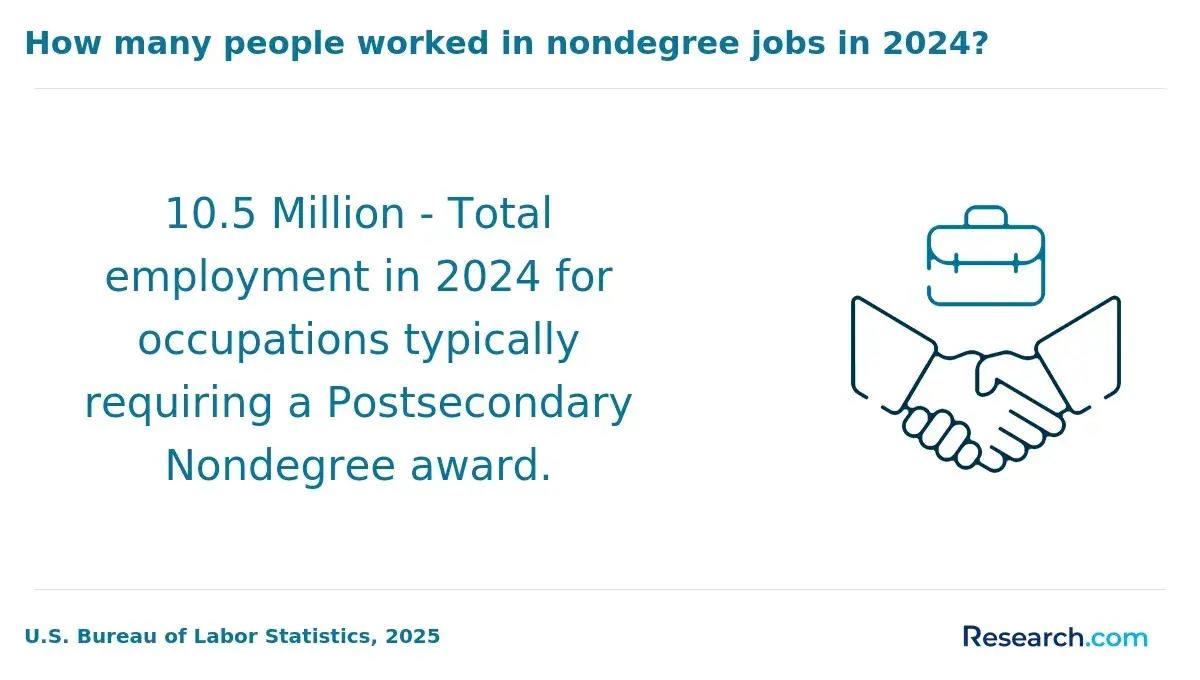
Specialization choices within an addiction psychology degree significantly shape internship requirements because each focus area addresses different populations and treatment methods. Approximately 72% of addiction psychology students participate in supervised clinical experiences, reflecting the importance of hands-on training adapted to specialization needs. For instance, those concentrating on adolescent addiction treatment might complete internships in school-based or community programs, while students focused on adult substance abuse tend to fulfill clinical hours in hospital or rehabilitation settings. Such variation in settings and population focus means that internship intensity and type will differ according to the specialization, directly influencing practical training experiences.
These differences in internship demands impact students' scheduling and workload, as more intensive clinical hours may extend program duration or require part-time study options. Specialization-driven internship variations also affect career preparation by immersing students in specific treatment environments, enhancing networking opportunities and skill development relevant to their chosen field. Prospective students assessing addiction psychology degree internship requirements should factor in how specialization selection influences time commitments and workload to effectively balance academic and professional goals.
Those interested in exploring affordable pathways to these careers may find valuable information on most affordable online colleges.
Breakdown of Private Fully Online Nonprofit Schools

Work experience can sometimes substitute for internship requirements in addiction psychology degree programs, though this varies widely depending on the school and level of study. This option is particularly relevant for working students who want to minimize additional training time while leveraging their existing roles in related fields. Programs often consider prior or ongoing work experience if it aligns with addiction psychology, covers a substantial timeframe, is validated by supervisors, and meets the program's accreditation criteria.
For instance, professionals with significant clinical backgrounds in behavioral health or substance use treatment may receive credit toward internship hours. Similarly, programs with applied focus areas might offer more flexibility in recognizing hands-on experience. Conversely, many institutions maintain strict internship requirements for early-career students to ensure comprehensive supervised clinical training. Because policies differ widely, prospective students should engage early with program advisors to understand eligibility and required documentation for substituting work experience.
I spoke with a graduate of an addiction psychology degree who shared her perspective on this: "Navigating whether my previous job could count toward internship hours was overwhelming at first. It required detailed documentation and multiple conversations with my program coordinator to validate the relevance and quality of my work. Although some of my experience was accepted, I still needed to complete additional supervised hours to meet accreditation standards. In the end, this process deepened my understanding of clinical practice and strengthened my readiness for the field. It was challenging but ultimately rewarding to integrate my career experience with formal training." Her story highlights the importance of clear communication and flexibility while meeting educational requirements.
In addiction psychology degree programs, completing 600 to 1,200 supervised clinical hours is a common requirement to ensure students gain essential hands-on experience. Duration varies but meeting these benchmarks is crucial for readiness in certification and professional practice. The following outlines typical timelines for internships and clinical rotations.
- Short-term intensive internships: These are often summer programs designed to accumulate required clinical hours within a condensed period, suitable for students seeking a fast track or working professionals who need flexible scheduling.
- Semester-long rotations: Typically lasting 12 to 16 weeks, these rotations occur during academic terms and provide steady, structured clinical exposure embedded within the curriculum.
- Extended fieldwork: Some programs demand clinical experience spanning multiple consecutive semesters or an entire academic year, aligning with strict accreditation standards and offering deeper immersion into diverse client cases.
The specific length of internships or rotations often depends on factors such as whether the program is full-time or part-time, the emphasis on particular specializations like adolescent addiction or co-occurring disorders, and accreditation requirements. Increasingly, programs offer modular or remote clinical components, providing greater flexibility without compromising on the quality of supervised experience.
Job placement outcomes are a top concern for prospective students pursuing an addiction psychology degree, as employment rates significantly influence career decisions. A 2023 survey by the National Association of Colleges and Employers found that 65% of employers prefer candidates with relevant internship experience, highlighting the impact of practical training on employability. Below are key reasons why internships or clinical hours play a crucial role in improving job placement.
- Employer preferences: Many employers prioritize internship experience as evidence of practical skills and workplace preparedness, making graduates more competitive in the job market.
- Professional networking: Internships help students forge valuable connections in the addiction psychology field, which can lead to job referrals or even direct employment offers.
- Skill development: Hands-on clinical hours allow students to strengthen essential competencies such as assessment, counseling, and case management that are vital for addiction psychology roles.
- Conversion to full-time roles: Some internships effectively serve as extended interviews, where successful candidates are often offered full-time positions at the host organization.
While not universally required across all programs, inclusion of internships or clinical hours in addiction psychology curricula is common because these experiential components enhance training quality and improve post-degree employment prospects. When considering degree options, students should weigh these factors alongside program duration and flexibility, including fast online degrees that offer opportunities to efficiently complete required clinical hours while balancing other commitments.
Practical experience such as internships and clinical hours often leads to higher starting salaries for addiction psychology graduates, with surveys indicating an 8-12% increase compared to those lacking such experience. This trend reflects employer preferences and industry expectations that reward hands-on learning. Several key factors explain why experiential learning can enhance compensation offers:
- Employer preference for experience: Hiring managers value candidates who demonstrate client interaction skills and treatment planning abilities gained through direct practice, seeing them as more ready to contribute immediately.
- Negotiation leverage: Graduates with supervised clinical hours often negotiate stronger starting salaries, especially in competitive job markets where practical experience distinguishes applicants from their peers.
- Industry licensure requirements: Many counseling and therapy roles require supervised clinical hours for certification or licensure, so those closer to fulfilling these prerequisites tend to command better compensation.
- Program specialization and format: Clinical therapy or counseling graduates who complete extensive hands-on rotations generally receive higher pay than those focused on research or policy roles, where experiential demands and salary scales differ. Programs integrating internships as core components often better prepare students and lead to improved initial wages compared to programs emphasizing purely academic coursework.
What Graduates Say About Their Addiction Psychology Degree Internships or Clinical Hours
- Major: "The internship component of my online addiction psychology degree was intense but incredibly rewarding. Although the cost added a surprising layer to my budget-it was definitely an investment worth making, considering the hands-on experience I gained. This practical exposure has been a key factor in landing my current role as a counselor. "
- Dina: "Reflecting on my internship during the addiction psychology program, I appreciated how the affordable fees didn't compromise the quality of my clinical experience. The balance between cost and valuable real-world application helped me transition smoothly into the mental health sector, strengthening both my confidence and competence as a professional."
- Elaine: "Completing the internship requirement within my online addiction psychology degree was a rigorous yet indispensable step in my career development. Though the tuition and related fees were not insignificant, the experiential learning opened doors I hadn't anticipated and set me apart in a competitive job market. It's been central to my growth in therapeutic practices."
Other Things You Should Know About Addiction Psychology Degrees
No. Most bachelor’s programs in addiction psychology do not require practicum hours for graduation. Clinical placements are usually added at the master’s or doctoral level, where accredited programs may include supervised fieldwork, often 600 to 1,000 hours, to meet counseling or licensure standards.
In 2027, most Addiction Psychology degree programs require students to complete internships or clinical hours. These practical experiences are essential for skill development in real-world settings, providing students with hands-on experience to apply theoretical knowledge and meet licensure requirements.
Yes, many addiction psychology internships are conducted in community-based settings such as rehabilitation centers, outpatient clinics, and support organizations. These environments provide exposure to diverse patient populations and practical experience with real-world treatment challenges. Such placements help students understand systemic factors impacting addiction and recovery.
- Psychology Placement Opportunities for Year 12 Students https://studymind.co.uk/ucas-guide/year-12-guide-to-gaining-psychology-work-experience/
- How to Become an Addiction Counselor [A Complete Guide] https://beal.edu/how-to-become-an-addiction-counselor/
- Psychology Internships That Can Make a Difference | MHS https://www.mhs-dbt.com/blog/psychology-internships-that-can-make-a-difference/
- Internships at Behavioral Health Network https://www.bhnworks.org/-internships
- Students and Early Career Psychologists in Addiction https://addictionpsychology.org/education-training/students-and-early-career
- Addiction Psychotherapy - KUL with accreditation https://www.kul.pl/addiction-psychotherapy-kul-with-accreditation,art_104835.html
- APA-Accredited Psychology Internship Program https://www.cooperhealth.edu/post-graduate-programs/post-graduate-program/behavioral-medicine/APA-psychology-internship
- Internships and Clinical Experiences https://www.stcloudstate.edu/behavioralhealth/student/internships.aspx
- When Mental Health and Counseling Internships and Practicums are Unpaid: 15 Non-Monetary Ways that Field Placement Sites Can Compensate Trainees https://www.mojozy.org/blog/when-mental-health-and-counseling-internships-and-practicums-are-unpaid-15-non-monetary-ways-that-field-placement-sites-can-compensate-trainees
- Turning Point educational internship leads to jobs for three new NAMHSU research assistants. | Turning Point https://www.turningpoint.org.au/about-us/news/Turning-Point-educational-internship