2027 DNP Psychiatric-Mental Health NP Programs for Nurses in Hawaii: BSN and MSN Entry Routes and Clinical Training
Audited and Verified:
Our Editorial and Data Verification Process
Research.com uses government datasets, official education statistics and primary institutional information to support its career and degree guides. Our review process checks factual accuracy, occupational definitions, source dates and the requirements associated with the credentials discussed.
How This Article Was Fact-Checked
Our editorial team verifies salary estimates, employment projections, education requirements and program information against original data providers and official organizations. Salary figures are checked against the relevant occupational definitions and reporting periods. Information about licensure, accreditation and required in-person training is reviewed separately.
Fact-checked and verified on:

Co-Founder and Chief Data Scientist
A Hawaii nurse seeking psychiatric-mental health nurse practitioner (PMHNP) preparation needs to confirm more than the DNP degree title. The program must provide the right advanced practice population focus, supervised clinical experiences, and a viable route to certification and Hawaii practice.
This guide compares BSN and MSN entry, identifies Hawaii schools worth investigating, and explains the clinical, financial, and regulatory questions to resolve before applying. It is especially useful if you already hold an MSN: your next step depends on whether that degree prepared you as a PMHNP, another APRN, or a non-APRN nurse.
Key Things You Should Know
- Look for a DNP track that explicitly prepares graduates for PMHNP certification; a general DNP does not qualify an RN as a nurse practitioner.
- A post-master's DNP may advance an existing PMHNP's education without teaching a new specialty. Nurses changing population focus need a program-approved assessment of missing coursework and supervised care.
- ANCC's PMHNP certification pathway specifies at least 500 faculty-supervised clinical hours; DNP programs also commonly work toward 1,000 post-baccalaureate practice hours. Confirm how the school counts each requirement.
What are DNP psychiatric-mental health nurse practitioner programs in Hawaii?
A Doctor of Nursing Practice (DNP) PMHNP program combines practice-focused doctoral study with graduate preparation to assess, diagnose, and manage psychiatric and mental health conditions across the lifespan. The relevant track, determines whether coursework and supervised care support eligibility for the Psychiatric-Mental Health Nurse Practitioner (Across the Lifespan) certification examination.
For a BSN-prepared RN, that usually means completing both NP specialty preparation and doctoral requirements. For an MSN-prepared nurse, it may mean specialty preparation, doctoral study, or both. A nurse who is not yet an RN needs an initial licensure pathway first; entry-level nursing degree comparisons address that separate decision.
Hawaii adds a practical constraint: a program must be able to approve appropriate psychiatric clinical experiences where the student can actually complete them. An online classroom does not remove requirements for supervised patient care, faculty oversight, or any scheduled campus activities.
Which Hawaii DNP PMHNP programs offer BSN and MSN entry routes?
Do not assume that one school offers both routes, or that its post-master's DNP admits nurses seeking initial PMHNP preparation. The University of Hawaiʻi at Mānoa is a starting point for investigating Hawaii-based DNP nurse practitioner options.
Hawaiʻi Pacific University is another school to ask about graduate psychiatric nursing and doctoral offerings. Neither a school-wide DNP listing nor an MSN PMHNP listing establishes that a BSN-to-DNP PMHNP or MSN-to-DNP PMHNP entry route is open for your intended term.
The distinction below is more useful than treating all advertised doctoral tracks as equivalent. Ask each school for its current catalog page and written confirmation of the award, entry credential, specialty track, and certification outcome.
| Route to verify | Appropriate applicant | Essential program confirmation |
| BSN-to-DNP PMHNP | Licensed RN with a BSN seeking initial PMHNP preparation | Does this specific track prepare graduates for ANCC PMHNP certification? |
| MSN-to-DNP with PMHNP preparation | MSN-prepared nurse who is not yet a PMHNP | Are specialty courses and supervised PMHNP experiences included or assigned through a formal gap analysis? |
| Post-master's DNP without new NP preparation | Typically an already-prepared APRN seeking a practice doctorate | Is the degree limited to doctoral study rather than a new NP population focus? |
If a local route does not match your background, compare out-of-state options carefully. Lists of shorter online DNP programs can generate leads, but a short post-master's doctorate is not a shortcut to initial PMHNP eligibility. Obtain written confirmation of Hawaii enrollment authorization and clinical-placement rules before applying.
What are the admission requirements for Hawaii DNP PMHNP programs?
Expect a school to assess your nursing degree, RN license, transcripts, academic record, professional references, and readiness for graduate clinical work. It may also request a résumé, statement of purpose, interview, or evidence of nursing experience.
Minimum grades, statistics coursework, license jurisdiction, deadlines, and experience requirements are school- and cohort-specific; they should not be inferred from another NP track.
For MSN applicants, the decisive documents are often more detailed: prior specialty and advanced-practice course syllabi, supervised clinical-hour records, population-focus competencies, and any existing APRN certification. A non-APRN MSN in education or leadership does not by itself satisfy PMHNP specialty requirements. An APRN certified in another population focus likewise needs the receiving program to determine what PMHNP preparation remains.
These are postlicensure routes. If you still need an RN license, investigate prelicensure admission separately, including whether a school requires an entrance test; alternatives to HESI-based nursing admission concern that earlier step, not DNP admission. Before paying an application fee, ask the DNP program to confirm your entry category and clinical eligibility in writing.
Online delivery generally describes where didactic instruction occurs, not where PMHNP clinical care takes place. A campus-based or hybrid program may simplify access to faculty and scheduled simulation, while an out-of-state online program may reduce routine travel but require live sessions, residencies, or trips to its campus. Neither format guarantees a Hawaii clinical placement.
Compare programs using your actual work and caregiving schedule: Which classes meet live, when are clinical days available, who finds and approves preceptors, and can a neighbor-island student use local sites? Also ask whether telehealth encounters are permitted within the program's clinical rules and how faculty assess them. For working nurses, a placement that requires weekday availability can matter more than asynchronous lectures.
Cost comparisons across online NP pathways are a useful screening tool, but compare only programs that offer the required PMHNP preparation and can enroll and place you in Hawaii.
PMHNP preparation generally builds on advanced health assessment, pathophysiology, and pharmacology, then develops psychiatric assessment, diagnostic reasoning, psychotherapy approaches, psychopharmacology, and care across the lifespan. DNP study adds evidence appraisal, systems leadership, quality improvement, and a practice-focused scholarly project. A DNP project is not a substitute for supervised PMHNP patient care.
Clinical experiences should expose students to appropriate patients and settings under school-approved supervision. In Hawaii, ask how the program supports placements across islands and obtains sufficient experiences with children, adults, and older adults.
Your RN job, simulation hours, or independently arranged preceptor does not automatically count. The school must determine which encounters and hours meet its curriculum and certification documentation requirements.
Different NP specialties cannot share eligibility merely because both involve advanced practice. For example, planning a one-year FNP pathway addresses family primary care, not the psychiatric population-focus preparation required of a PMHNP. Before enrollment, request the clinical-hour plan, site-approval process, preceptor criteria, and a sample of the program's assessment expectations.
BSN-to-DNP study usually takes longer than a post-master's DNP because it must include graduate NP preparation as well as doctoral work. An MSN applicant's timeline depends on whether prior coursework and supervised experiences satisfy the receiving program's requirements. Part-time enrollment, course sequencing, and clinical-site availability can extend either route; do not treat an advertised minimum completion time as a guaranteed graduation date.
No single Hawaii DNP PMHNP price is reliable without a specific school, entry route, tuition schedule, and credit evaluation. To compare offers fairly, request an individualized estimate covering the following charges and constraints:
- Tuition by required credit or term, mandatory university and nursing fees, and any differential tuition.
- Clinical compliance costs, books, technology, certification examination fees, and Hawaii licensing expenses.
- Travel or lodging for campus visits, clinical commutes, and potential reduced earnings during supervised placements.
- Charges for added terms if a placement or doctoral project takes longer than planned.
PMHNP programs compared by tuition can help identify alternatives, but published tuition alone does not show the cost of a DNP, Hawaii-based clinical training, or time away from work. If a PMHNP credential , not a doctorate, is your immediate goal, compare an eligible MSN or post-graduate certificate before committing to the DNP's additional requirements.
Check three separate matters: the institution's accreditation, the nursing program's accreditation and scope, and whether the specific PMHNP pathway meets applicable certification and Hawaii practice requirements.
Nursing program accreditation may be through the Commission on Collegiate Nursing Education or the Accreditation Commission for Education in Nursing, depending on the school and degree. A general claim that a university is accredited does not answer whether its PMHNP track provides qualifying specialty education.
Ask the school for its nursing accreditor, the degrees covered, the status of the PMHNP track, and evidence that graduates of your entry route can pursue ANCC certification. Then verify directly with the relevant accreditor and the Hawaii Board of Nursing rather than relying on a marketing summary. Published certification results can inform your comparison, but ask for the reporting period and number of graduates before interpreting a pass rate.
Scope matters especially when comparing a specialty track with advanced nursing leadership doctorates online. A leadership-focused doctorate may suit an existing APRN's goals, but it should not be mistaken for initial PMHNP clinical preparation.
Graduation, national certification, and state authorization are distinct steps. A graduate of a qualifying PMHNP pathway applies to the American Nurses Credentialing Center (ANCC) for its PMHNP-BC examination and must satisfy ANCC's applicable education, coursework, and faculty-supervised clinical requirements. Passing the examination establishes national certification; it does not itself grant authority to practice as a Hawaii APRN.
The graduate must then meet the Hawaii Board of Nursing's requirements for APRN recognition and maintain the underlying nursing license as required. Confirm the board's current application, certification, and practice requirements before graduation, particularly if your RN license or program is based outside Hawaii. Employer credentialing and any applicable prescribing or controlled-substance requirements are additional matters; the DNP title does not waive them.
Population focus remains important after graduation. Even an experienced PMHNP cannot acquire another NP specialty solely through doctoral study; shorter online post-master's FNP certificates illustrate a separate, family-primary-care preparation route rather than an extension of PMHNP certification.
With appropriate certification and Hawaii APRN authorization, PMHNPs may work in outpatient psychiatry, integrated primary care, community behavioral health, hospitals, or other settings that offer suitable roles and support.
Duties can include psychiatric assessment, treatment planning, medication management within authorized scope, and coordination with therapists, primary care clinicians, and community services. A DNP can also support practice improvement or leadership responsibilities, but it does not guarantee a management position.
The U.S. Bureau of Labor Statistics reports wages for the broader nurse practitioner occupation, not a Hawaii DNP PMHNP graduating class. An occupation-wide median therefore cannot predict an individual offer.
For a useful local comparison, examine an offer's base pay alongside call duties, patient volume, administrative time, benefits, supervision and consultation resources, and whether the employer expects prior psychiatric experience.
For someone drawn to this career but not yet licensed as an RN, accelerated direct-entry nursing master's pathways concern entry into nursing; they should not be assumed to confer PMHNP preparation or immediate APRN authority. The route to a psychiatric NP role still depends on the exact licensure and specialty sequence.
What is the job outlook for psychiatric-mental health nurse practitioners in Hawaii?
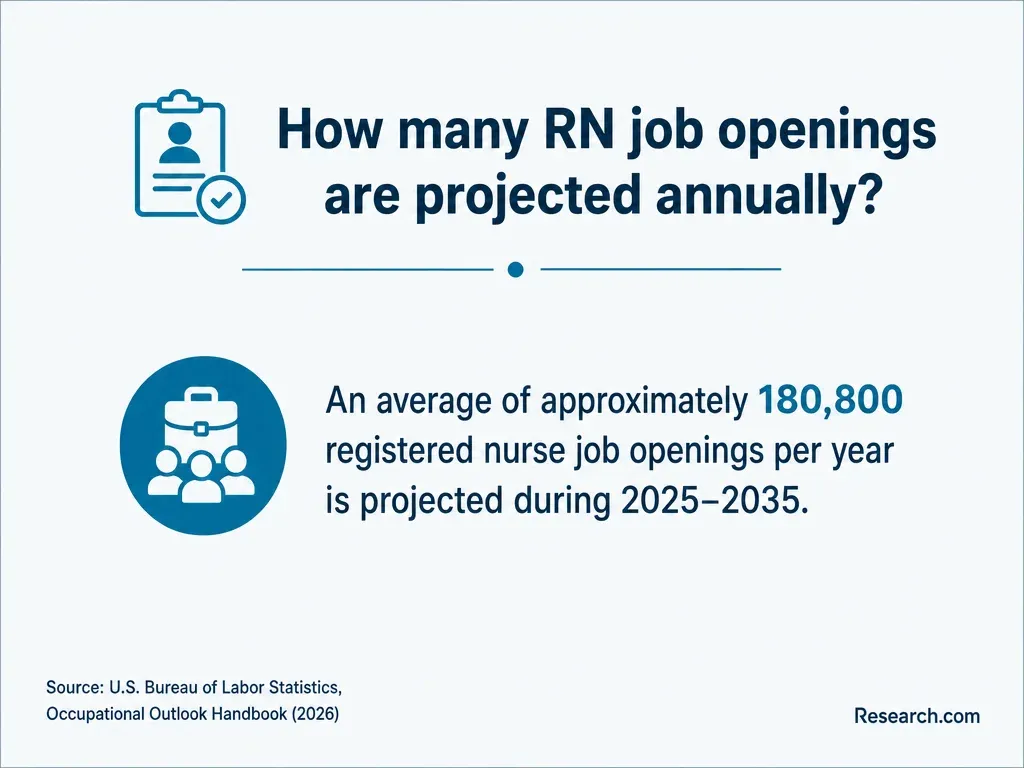
National Bureau of Labor Statistics projections for nurse practitioners indicate strong occupational growth, but they do not isolate PMHNP positions in Hawaii or guarantee openings on a particular island.
Hawaii applicants should distinguish statewide demand from accessible jobs: an opening may require a commute, telehealth arrangements that comply with applicable rules, a particular patient population, or experience beyond graduation.
To test the market before choosing a route, review current Hawaii PMHNP postings and ask prospective employers about certification, experience, schedule, and doctoral-degree preferences. Compare those requirements with the extra time and expense of a DNP.
If employers accept MSN-prepared PMHNPs for the role you want, BSN-to-MSN tuition comparisons may help frame a less costly alternative, provided the specific program actually offers qualifying PMHNP preparation.
Other Things You Should Know About Nursing Programs
Some programs may admit RNs without a psychiatric nursing background; others prefer or require relevant experience. Check the school's admission policy and consider how you will prepare for advanced psychiatric clinical work.
Possibly, if the program can approve suitable sites, preceptors, supervision, and any required travel. Get the placement arrangement confirmed before enrollment.
Not automatically. The program must approve the experience, supervision, learning objectives, and documentation; ordinary paid work is not presumed to meet specialty clinical requirements.
A DNP is not inherently required solely because the role is PMHNP. The nurse needs qualifying specialty education, national certification, and Hawaii APRN authorization; confirm the applicable requirements with ANCC and the Hawaii Board of Nursing.
- Advanced Registered Nurse Practitioner (ARNP) License | Washington State Board of Nursing https://nursing.wa.gov/licensing/licensure-requirements/arnp-license
- Nurse Practitioner Residency Programs | Veterans Affairs https://www.va.gov/pacific-islands-health-care/programs/nurse-practitioner-residency-programs/
- Application Forms and Publications - DCCA Hawaii https://cca.hawaii.gov/pvl/boards/nursing/application_publications/
- Psychiatric Mental Health Nurse Practitioner Advanced Certificate | Mercy University https://mercy.edu/academics/programs/psychiatric-mental-health-nurse-practitioner-advanced-certificate-details
- Online BSN to DNP - PMHNP | Mental Health Specialization | HPU Online https://online.hpu.edu/nursing/doctors-nursing-practice/bsn-to-dnp/pmhnp
- Tuition and Fees | Frontier Nursing University https://frontier.edu/tuition/
- Doctor of Nursing Practice (DNP) | University of Hawaiʻi at Mānoa Outreach College https://www.outreach.hawaii.edu/programs/doctor-of-nursing-practice-dnp/
- Certificate in Psychiatric Mental Health Nurse Practitioner | ouhsc.edu https://nursing.ouhsc.edu/Programs-Academics/Post-Graduate-Certificates/Psychiatric-Mental-Health-Nurse-Practitioner
- DNP Preceptors | University of Hawaii at Manoa https://nursing.hawaii.edu/join-us/dnp-preceptors/
- How to Become a Psychiatric Nurse Practitioner: BSN to PMHNP | Nevada State University https://nevadastate.edu/son/rn-bsn/how-to-become-a-psychiatric-nurse-practitioner-from-bsn-to-pmhnp/