2027 Different Types of Physical Education Bachelor's Degrees: Specializations, Careers, and Salaries

Co-Founder and Chief Data Scientist
Imagine a student passionate about health and fitness but uncertain which physical education bachelor's degree specialization aligns best with their career goals. With over 320,000 professionals employed in various physical education roles nationwide, selecting the right focus can significantly impact job opportunities and salary potential.
Graduates often face confusion distinguishing between exercise science, athletic training, and general physical education programs. This uncertainty can delay career entry or lead to underemployment. This article clarifies the different physical education bachelor's degree specializations, explores related careers, and highlights salary expectations to guide readers toward informed decisions and successful professional outcomes.
Key Things to Know About Different Types of Physical Education Bachelor's Degrees
- Bachelor's degrees in physical education often specialize in kinesiology, sports management, or health promotion, each addressing different skills and knowledge areas.
- Typical careers include physical education teacher, athletic trainer, or wellness coordinator, with roles varying by specialization and certification requirements.
- Salary ranges generally fall between $40,000 and $60,000 annually, influenced by location, experience, and degree focus within the physical education field.
What Are the Different Types of Physical Education Bachelor's Degrees?
Physical education bachelor's degrees are offered in several program formats that vary in structure, pacing, and delivery to accommodate different student needs. Nearly 30% of students now choose online or hybrid formats, highlighting the growing demand for flexible and accessible learning options. These options reflect how physical education bachelor's degrees online can meet diverse preferences and life circumstances.
Common program formats include:
- Traditional Programs: These follow a full-time, on-campus schedule spanning four years, featuring in-person classes, labs, and fieldwork to provide comprehensive training.
- Accelerated Programs: Designed for students eager to finish quickly, these programs often require heavier course loads or continuous study, sometimes completing the degree in three years or less.
- Online Programs: Delivered completely remotely, these programs offer maximum flexibility, ideal for students balancing work, family, or geographic constraints. They are a popular choice for those seeking physical education bachelor's degrees online.
- Hybrid Programs: Combining online coursework with face-to-face sessions, hybrid formats balance hands-on learning with digital convenience, supporting varied learning styles.
- Part-Time Programs: Tailored for working adults, part-time options extend study timelines and offer evening or weekend classes to fit professional schedules.
Physical education bachelor's degree programs cover different specializations to prepare students for diverse career paths and outcomes. For students interested in accelerated healthcare degrees, some options like rn to bsn no practicum programs also illustrate flexible study formats that avoid clinical hours, aligning with this trend toward adaptable education pathways.
What Specializations Are Available in a Physical Education Bachelor's Degree?
Physical education bachelor's degree programs often provide a variety of specializations that allow students to concentrate on areas aligned with their interests and career aspirations. Data shows that about 60% of students pursuing this degree elect to follow a specialized track, underscoring the value of focused expertise. For those exploring admission, including requirements for non-majors in physical education master's degrees, understanding these specializations can be important.
Popular specializations include:
- Sports Coaching: This specialization centers on developing skills in coaching methods, athlete development, and team leadership. Students gain the tools necessary to manage and inspire competitive sports programs effectively.
- Exercise Science: Focused on the scientific aspects of human movement, this track covers physiology, kinesiology, and fitness evaluation, preparing students to assess and improve physical performance.
- Health and Wellness Education: Emphasizing health promotion, nutrition, and wellness program development, this area often integrates a public health perspective to encourage lifelong healthy habits.
- Adapted Physical Education: Designed to equip students to work with individuals with disabilities, this specialization teaches adaptations and techniques to promote inclusive physical activity environments.
- Recreational Therapy: Concentrating on therapeutic recreational activities, students learn how to create and implement programs that support rehabilitation of physical and mental health.
Students considering advanced study may also investigate the admission criteria for an online physical education master's program to further enhance their qualifications. For those interested in related health fields, information on an online nurse practitioner program may be useful as a complementary career path to physical education specialties.
2026 Update: Certification and Fieldwork Checks for Physical Education Majors
For this 2026 refresh, we added a practical lens on credentials and hands-on requirements, since the right physical education track often depends on where and how students plan to work after graduation.
- Confirm whether the program prepares students for state physical education teacher licensure.
- Check if student teaching, school placements, internships, or practicums are built into the degree plan.
- Ask whether CPR, first aid, coaching, or strength and conditioning credentials are supported or required.
- Review whether credits meet prerequisites for graduate study in athletic training, physical therapy, or exercise science.
- Find out if field placements match your goal, such as K–12 schools, fitness centers, recreation programs, or sports organizations.
- Verify how easily licensure or endorsements transfer if you plan to work in another state.
Checking these details early helps students choose a specialization that supports both graduation requirements and real career readiness.
A bachelor's degree in physical education opens the door to various entry-level positions that focus on promoting fitness, wellness, and active lifestyles. Recent figures reveal that approximately 65% of graduates secure roles in education, sports, or health sectors within a year of completing their degree. Below are some common jobs for those starting out in this field.
- Teacher Assistant: Supporting certified physical education teachers by managing classrooms, aiding with lesson planning, and overseeing student activities. This role helps build communication skills and offers firsthand experience in educational settings.
- Fitness Trainer: Designing and leading workout routines for individuals or groups, assessing clients' physical conditions, and motivating them to reach their goals. It lays a foundation for careers in personal training and wellness coaching.
- Recreation Coordinator: Organizing community sports events, fitness programs, and recreational activities. This position refines abilities in event planning and public engagement, valuable for roles in parks, recreation centers, or community outreach.
- Health Educator: Creating informative materials and delivering presentations to encourage healthy habits and physical activity in schools or local organizations. This job enhances skills in research, communication, and public health awareness.
- Sports Coach: Training amateur athletes in fundamental techniques, teamwork, and sportsmanship, while honing leadership and strategic skills relevant to athletic development.
When asked about entry-level career prospects, a professional with a physical education bachelor's degree shared that navigating the job market felt overwhelming at first. "I wasn't sure which path would fit me best," he explained, "but gaining experience as a teacher assistant really clarified my strengths." He recalled the challenge of balancing practical responsibilities with learning new skills, and how gradually, real-world exposure helped him gain confidence. "It taught me the value of patience and adaptability," he said, emphasizing that early roles often shape long-term career directions in unexpected ways.
Physical education graduate salary by industry can vary widely, with some sectors offering notably higher earnings. Recent industry reports highlight that roles in healthcare and sports management often surpass traditional education salaries. These top-paying industries for physical education majors reward specialized expertise and distinct skill sets. Below are three key fields where compensation tends to be most competitive.
- Healthcare: Graduates commonly serve as rehabilitation specialists or physical therapy assistants, focusing on anatomy, kinesiology, and therapeutic exercise. Their work aids patient recovery and mobility improvement, making healthcare one of the more lucrative sectors.
- Sports Management: This field includes positions like athletic trainers, coaches, and sports facility managers. Success here depends on leadership and organizational skills combined with sports science knowledge, with salaries often bolstered by the commercial nature of professional sports.
- Corporate Wellness: Companies investing in employee health offer roles centered on program design and health promotion. Graduates develop fitness initiatives and lead wellness workshops, applying motivational techniques to enhance workforce productivity.
Prospective students aiming to maximize their return on a physical education degree might explore opportunities through accredited self-paced online colleges to further develop relevant skills and improve career flexibility.
Salaries for graduates with a bachelor's degree in physical education vary widely, influenced by factors such as industry sector, years of experience, and area of specialization. Entry-level positions often start around $40,000 to $50,000 annually, depending on location and funding availability. These amounts can shift significantly over time based on several professional and geographical factors.
- Industry Impact: Compensation varies among public schools, private institutions, and community recreation organizations, each with distinct budget priorities that affect wages.
- Experience Growth: Professionals typically see a clear salary increase after five to ten years of work, as expertise and responsibilities expand.
- Specialization Effects: Pursuing areas like coaching, athletic training, or wellness promotion can lead to different earning potentials and job opportunities.
- Geographic Influence: Urban areas with higher living costs tend to offer better pay compared to rural districts, reflecting regional economic differences.
- Career Advancement: Additional certifications and graduate degrees can unlock leadership or administrative roles with higher salary brackets.
A professional with a physical education bachelor's degree shared that early in her career, navigating salary expectations was challenging, especially balancing passion for teaching with financial realities. She recalled starting at a modest wage but emphasized that gaining specialized certifications helped her secure roles with better compensation. "It wasn't just about the number on my paycheck," she reflected, "but also feeling valued as I advanced in my career." Her experience highlights how commitment to ongoing education and adapting to opportunities can positively affect long-term earnings in this field.
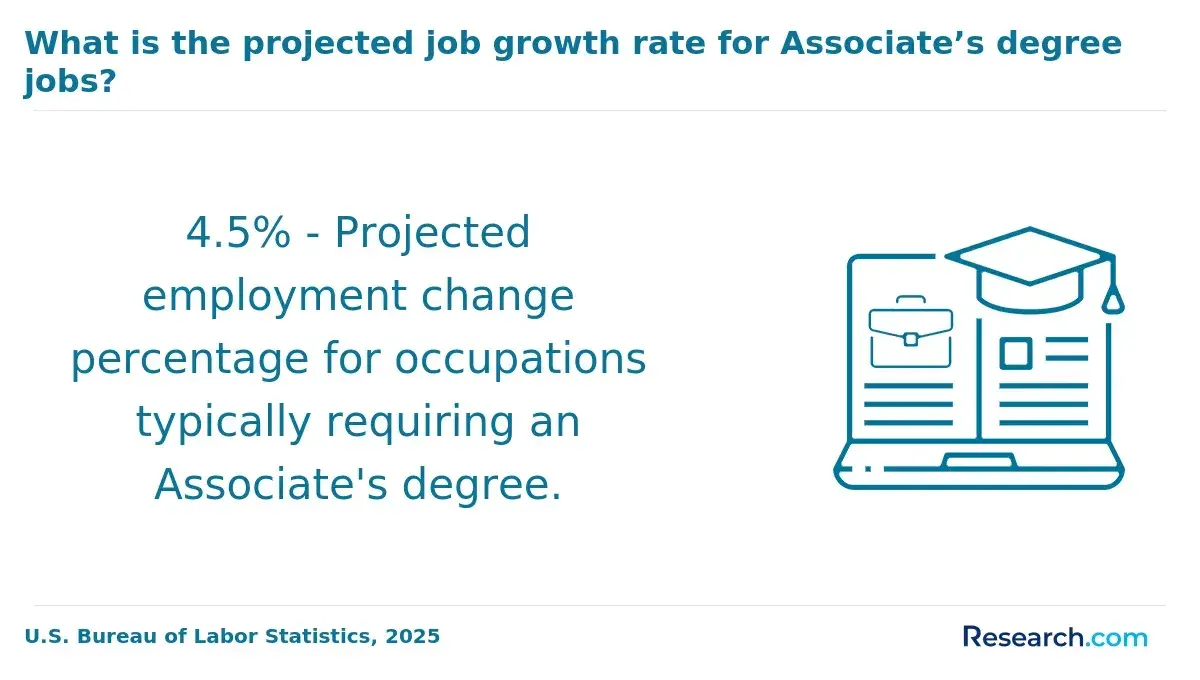
Earnings within physical education careers vary widely according to the chosen specialization. For instance, athletic trainers often report median wages near $49,860 annually, while physical education teachers at various school levels typically earn between $50,000 and $60,000. Those focused on sports management or health promotion may experience salaries ranging from $45,000 up to $70,000, with compensation influenced by job roles and industry sectors. Such disparities illustrate how specialization impacts financial outcomes in physical education-related fields.
Several elements drive these salary variations, including the level of expertise and certifications required. Specializations demanding clinical skills, like athletic training, usually command higher pay. Industry demand also plays a major role, as positions in professional or collegiate sports organizations often offer increased salaries due to commercial factors. Additionally, the work environment influences compensation; public school educators tend to earn steadier, though sometimes limited, wages compared to those working in private or commercial sports settings where income can fluctuate more significantly.
Graduates holding a physical education bachelor's degree earned online or on-campus typically acquire similar skills and complete comparable coursework, including kinesiology, anatomy, exercise physiology, and teaching methods. Accreditation standards ensure consistency in academic content across delivery formats. Employers generally recognize the equivalency of these qualifications, though some view on-campus graduates as having an advantage due to enhanced access to hands-on opportunities such as internships and laboratory work. According to a survey by the National Association for Physical Education Professionals, graduates with strong practical experience tend to earn higher starting salaries regardless of learning format.
Salary differences often hinge on factors beyond the mode of education, including professional networking, mentorship, geographic demand for physical education professionals, and individual certifications. Access to real-world experience during the program can significantly influence earning potential, as can the ability to build industry connections that facilitate career advancement. Students should prioritize programs that emphasize applied learning and opportunities for engagement within the physical education field, as these elements typically matter more than whether the degree was completed online or on-campus.
Tuition and fees for physical education bachelor degree programs can vary widely depending on several elements. On average, public four-year universities charge around $10,000 annually for in-state students, whereas private nonprofit colleges may charge about $35,000 per year. These differences reflect a variety of factors influencing program costs.
Factors contributing to physical education bachelor degree program tuition differences include:
- Institution Type: Public universities typically offer lower tuition for residents, while private colleges have higher but more uniform rates regardless of state residency.
- Program Format: Online degrees may feature reduced tuition or fees due to lower operational costs, although some programs add subscription expenses for digital platforms, slightly increasing total cost.
- Program Length: While most degrees require about 120 credits, some specialized physical education programs require extra credits for certifications or practicums, extending study time and raising expenses.
- Geographic Location: Colleges in urban areas often have higher fees and living costs, which affect overall program pricing, whereas rural institutions may be more affordable.
- Additional Components: Opportunities such as internships, specialty courses, or study abroad can add supplementary fees that impact the total cost of the program.
When comparing costs, a cost comparison of physical education bachelor's degrees can help prospective students make informed decisions. Understanding these tuition differences is important for exploring degree options and anticipating potential expenses.
Students interested in related career paths and salary information may also explore high paying jobs with a biology degree to broaden their career prospects.
Students pursuing a physical education bachelor's degree have access to a variety of financial aid resources to help cover tuition and related expenses. The National Center for Education Statistics reports that approximately 85% of undergraduate students receive some type of financial aid, demonstrating the broad availability of support. These options can make earning a physical education degree more affordable and manageable for many.
Federal Grants: Need-based grants like the Pell Grant provide funding that does not need to be repaid. These grants are a crucial form of aid for many physical education students, helping to reduce the financial burden without adding debt.
Student Loans: Federal student loans offer borrowing opportunities with low-interest rates and flexible repayment terms. While these loans require repayment after graduation, they can ease immediate financial pressures during the degree program.
Scholarships: Scholarships for physical education students come from sports, health, and education organizations and are based on academic performance, athletic participation, or leadership skills. Seeking scholarships can significantly offset education costs.
Work-Study Programs: These programs allow students to work part-time, often on campus, earning income that supports their educational expenses while gaining practical experience in related fields.
State and Private Grants: Some states and private groups offer grants or scholarships specifically aimed at those pursuing careers in physical education and related disciplines.
For students considering diverse educational paths, including those interested in a fast track nutrition degree, financial aid can similarly be accessed to support their studies and career goals.
Choosing a physical education bachelor's degree requires careful consideration of several academic and personal factors to ensure the program fits your goals. Data indicates that nearly 60% of students emphasize the availability of specialization tracks when selecting their degree paths. Below are essential points to keep in mind during your decision-making process.
- Academic Interests: Identify which areas within physical education motivate you most, such as kinesiology, coaching, health promotion, or fitness instruction. Aligning your studies with your passions will enhance your engagement and success.
- Specialization Options: Look for programs offering diverse concentrations like adaptive physical education, athletic training, or biomechanics. Your choice of specialization can significantly influence your expertise and future career opportunities.
- Program Format: Consider whether you prefer in-person classes, online learning, or a hybrid model. Matching the program's delivery style with your learning preferences and schedule will support your academic performance.
- Career Alignment: Evaluate how each specialization correlates with potential job roles, including teaching, therapy, sports management, or wellness coaching. Understanding these links helps ensure your education leads to meaningful employment.
- Long-Term Goals: Reflect on how the degree can facilitate your aspirations, whether that involves advanced certifications, graduate school, or leadership in health and fitness industries.
What Graduates Say About Different Types of Physical Education Bachelor's Degrees
- Armando: "Choosing a physical education bachelor's degree specialization in sports science was a game-changer for me. It provided a solid foundation in anatomy and training methodologies, which was crucial when I started coaching professionally. The degree not only opened doors to my initial job but also positively impacted my salary trajectory as I moved into senior coaching roles."
- Damien: "I pursued a physical education bachelor's degree because I wanted to merge my passion for health and teaching. The program's focus on inclusive fitness education helped me secure a role in community wellness initiatives shortly after graduation. Reflecting on my career progression, this degree has significantly enhanced both my job stability and earning potential."
- Aiden: "My decision to specialize in kinesiology within my physical education bachelor's degree was motivated by a desire to work in rehabilitation therapy. The comprehensive curriculum equipped me with practical skills that employers value, which jumpstarted my career in a highly competitive industry. Over time, having this degree has been instrumental in advancing my salary and professional development."
Other Things You Should Know About Physical Education Degrees
In 2027, physical education graduates can enhance their careers by obtaining certifications such as Certified Strength and Conditioning Specialist (CSCS), American Council on Exercise (ACE), and Specialized Health and Physical Education Coach. These certifications can improve job prospects and are often required for specialized roles in fitness training and sports management.
A physical education bachelor's program should be regionally accredited, and if it prepares teachers, the education unit should hold CAEP accreditation. State licensure boards and employers usually look for those credentials, plus fieldwork and a student-teaching placement of at least 12 weeks.
Internship experience is highly valuable for physical education students. It provides practical exposure to real-world environments such as schools, sports teams, or recreational facilities. This experience can enhance skills, build professional networks, and improve employability after graduation by demonstrating hands-on competency.
- Physical Education https://www.ualberta.ca/en/undergraduate-programs/bachelor-of-science-physical-education.html
- Online Physical Education Degree Programs - Edu Larism https://edularism.com/online-physical-education-degree-programs/
- Bachelors Degrees in Physical Education - University Directory - page 2 https://www.university-directory.eu/js/createpage.php
- Bachelor of Science in Physical Education University of Alberta https://www.hotcoursesabroad.com/india/course/canada/bachelor-of-science-physical-education/56089918/program.html
- Bachelor of Arts in Physical Education From St. Andrews University https://unischolars.com/universities/usa/st-andrews-university/courses/bachelor-arts-physical-education
- Physical Education https://scsu.edu/academics/programs/physical-education/index.php
- Physical Education Salary (Actual 2026 | Projected 2027) https://www.velvetjobs.com/salaries/physical-education-salary
- Health and Physical Education / Fitness Vocational Programs and Concentration https://www.collegetuitioncompare.com/amp/career/health-and-physical-education-fitness/sub-programs-and-related-jobs/
- Bs In Physical Education https://www.gotouniversity.com/programs/bachelors/united-states-of-america/education/physical-or-health-or-fitness-education/missouri-state-university/bs-in-physical-education
- Undergraduate Degrees, Minors & Licensures in Physical Education https://www.bridgew.edu/academics/majors-minors-undergraduate/physical-education