2027 Is 40 Too Late to Earn a Physical Education Bachelor's Degree?

Co-Founder and Chief Data Scientist
Facing the choice to return to school around age 40 often brings a mix of doubt and determination, especially when balancing family responsibilities and established routines.
Many adults eyeing a bachelor's degree in physical education seek not only career change but also personal fulfillment. With 28% of physical education graduates employed in roles requiring adaptive skills, understanding modern learning formats can ease the transition.
Prior experience in health or sports fields may provide an advantage, yet the question remains: is 40 too late to earn a physical education bachelor's degree? This article explores key factors influencing that decision and offers guidance for prospective students navigating this path.
Key Things to Know About Whether 40 Is Too Late to Earn a Physical Education Bachelor's Degree
- Earning a physical education bachelor's degree at 40 aligns with midlife career transitions, supported by data showing increasing adult enrollment in health-related fields.
- Modern programs offer flexible online and part-time options, accommodating work and family commitments common among mature students.
- Long-term benefits include enhanced job stability, potential for leadership roles, and improved personal health knowledge, contributing to sustained career satisfaction.
Can You Start a Physical Education Bachelor's Degree at 40?
Beginning a physical education bachelor's degree at age 40 is a practical and accessible option for many adult learners. Higher education has increasingly opened doors to individuals of all ages, ensuring that age does not restrict enrollment in undergraduate programs.
The development of diverse academic pathways reflects a commitment to lifelong learning and inclusion. Those interested in flexible physical education degree programs for adult learners can find many institutions eager to accommodate their unique needs and experiences.
Institutions supporting adult students often feature inclusive academic structures that acknowledge prior knowledge and life experience. These frameworks create welcoming environments that foster peer interaction and respect diverse backgrounds.
Dedicated services, such as academic advising and counseling, further assist non-traditional students along their journeys. For those exploring opportunities similar to a RN to BSN program without clinicals, many physical education programs also emphasize accessibility and support tailored for adult learners.
What Are the Biggest Challenges of Going Back to College at 40?
Returning to college at 40 to pursue a physical education bachelor's degree often involves navigating several demanding challenges. According to recent data, nearly 40% of adult learners find balancing academic and personal life particularly tough. Recognizing these hurdles early can help those returning to school manage expectations and plan effectively.
- Time Management: Allocating adequate time for studying, attending classes, and completing assignments proves difficult when balancing family and personal commitments. Effective time management is critical to stay on track without becoming overwhelmed.
- Balancing Work and Family: Many adult learners at this stage juggle childcare, eldercare, and household duties, which can limit available energy for academic work. Establishing clear boundaries and seeking support from family members helps manage these responsibilities.
- Financial Concerns: The financial pressures of earning a physical education degree later in life can be significant. Managing tuition, books, and other expenses while maintaining a budget requires careful planning. Exploring scholarships or financial aid opportunities can ease these worries.
- Adapting to Technology: Returning students may face difficulties adapting to modern classrooms, which increasingly rely on digital tools and online platforms. Learning new technologies demands extra effort but is essential for academic success.
- Overcoming Self-Doubt: Many feel anxious about their academic abilities after a long break. Building a strong network of peers and focusing on steady progress boosts confidence and motivation.
For those considering health-related fields, exploring a health administration degree online can also offer flexible pathways tailored to adult learners.
Can You Work Full-Time While Earning a Physical Education Degree at 40?
Balancing full-time work with earning a physical education degree at 40 is challenging but achievable through focused time management and clear prioritization. Successfully managing both commitments illustrates that age is not a barrier to educational advancement and can even enhance skills like discipline and organization.
Mature students often bring valuable life experience that supports persistence and effective learning, which are critical when juggling professional and academic responsibilities. With the right mindset, working while studying can be a rewarding process that cultivates personal growth and resilience.
A professional over 40 currently pursuing a physical education degree shared that maintaining a full-time job alongside studies has tested his endurance and scheduling skills. He described moments of fatigue and occasional frustration, especially when balancing practical coursework with work deadlines, but emphasized that support from family and colleagues helps sustain his motivation.
"It's not just about managing time; it's also about staying mentally flexible and reminding myself why I started," he said. This experience has taught him the importance of setting realistic expectations and celebrating small victories along the way, affirming that continuing education at this stage is difficult but certainly within reach.
Flexibility is vital for adult learners juggling family, work, and personal commitments while pursuing a physical education degree. Programs tailored to diverse schedules make finishing a bachelor's degree at 40 or beyond more attainable and less stressful.
Key flexible pathways include:
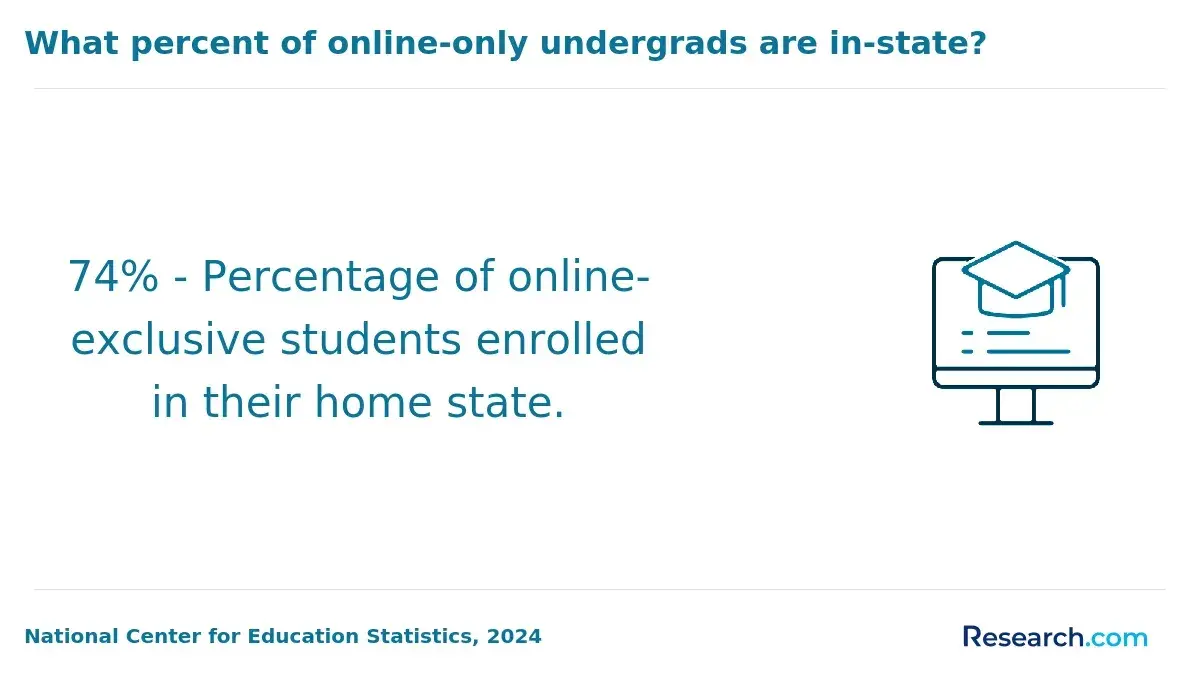
- Online Learning: Fully online physical education degrees for adult learners allow attending classes and completing coursework remotely, providing convenience without geographic constraints.
- Part-time Enrollment: Part-time physical education bachelor's programs for mature students reduce course loads each term, helping them maintain balance between studies and other life responsibilities.
- Evening and Weekend Classes: Scheduling classes outside typical work hours accommodates those with full-time jobs or caregiving duties, enabling study without disrupting daily routines.
- Self-Paced Study: Programs offering self-paced options empower students to progress according to personal availability, ideal for those needing to adapt learning speed to changing schedules.
These flexible options support sustained engagement and effective learning while managing existing commitments. For those seeking greater flexibility in health-related education, exploring affordable online MHA programs may also provide valuable pathways.
Completing a physical education bachelor's degree at age 40 can differ significantly based on individual situations and commitments. While a traditional full-time degree typically spans about four years, adult learners may experience variations depending on their approach and circumstances.
Several factors commonly influence how long it takes to finish the program at this stage in life.
- Course Load: Many students around 40 opt for part-time enrollment due to jobs, family, or other responsibilities. This usually extends the duration, sometimes doubling the time compared to full-time study schedules.
- Prior Learning: Credits from earlier college courses or relevant professional experience can reduce the required coursework. Transferring credits or earning recognition for prior learning often accelerates the path to graduation.
- Life Responsibilities: Balancing work, caregiving, and other obligations may require reduced course loads or temporary breaks. Such interruptions influence the overall time to degree completion but reflect real-world demands.
- Motivation and Commitment: Individual dedication and time management skills play a critical role. Learners who can consistently prioritize their studies tend to progress more swiftly, regardless of other challenges.
An adult learner who returned to college at 40 shared that finishing her physical education degree took nearly five years. She recalled juggling late-night study sessions while managing a family and full-time job. "It wasn't always easy," she said, "but seeing each completed course motivated me to keep going."
She highlighted how prior experience shortened some requirements, but the biggest challenge was sustaining focus amid life's constant demands. Her story reflects that although the timeline may be longer than the traditional path, perseverance makes earning the degree entirely possible at this stage in life.
The average cost for a bachelor's degree in physical education across the United States ranges widely but can approach $40,000 to $60,000 depending on factors like school type and location. These expenses combine tuition, fees, and other academic costs that adult learners should evaluate carefully when planning their education journey at 40.
- Tuition Variability: Tuition rates differ significantly between public in-state, out-of-state, and private institutions. In-state public schools generally provide the most affordable option, but the overall cost depends on credit load and the specific program's pricing structure.
- Learning Materials: Required textbooks, digital resources, and course fees add to total expenditures. Though access to online materials or libraries may lower these costs, budgeting for continual academic supplies is essential over the program's duration.
- Enrollment Intensity: Full-time enrollment often means higher upfront costs per semester but allows for quicker degree completion, potentially reducing indirect expenses. Part-time study distributes tuition and fees across a longer timeline, which might ease immediate financial strain but prolong material and ancillary costs.
- Additional Fees: Expenses such as technology access, laboratory usage, and registration fees vary across schools and can accumulate, making it important to account for these charges beyond tuition alone.
- Credit Transfers and Assessments: Adult learners with prior relevant coursework may reduce total costs by transferring credits or earning credit through assessments, shortening the program length and lowering tuition requirements.
Returning to college at 40 to pursue a physical education bachelor's degree can present unique challenges that require careful consideration.
Adult learners often face complex demands on their time and energy, balancing academics with existing personal and professional responsibilities. Awareness of these risks helps prospective students prepare for success in their educational journey.
Key considerations include:
- Workload Demands: Managing the extensive coursework of a physical education program alongside family and job commitments can be overwhelming. This often requires disciplined time management to stay on track without burnout.
- Academic Adjustment: Returning to a structured learning environment after years away may involve adapting to new technologies and pedagogical styles. Older students might feel isolated or out of place among younger peers, affecting motivation.
- Balancing Responsibilities: Adults often juggle practical components such as fitness labs or internships with daily life obligations, which can limit available study time and increase stress.
- Support Accessibility: Campus resources and support services are frequently geared toward traditional-age students, making it more challenging for older learners to find tailored assistance.
- Emotional Challenges: Re-entering a competitive academic environment can trigger self-doubt or anxiety, which may impact engagement and performance.
Despite these challenges, many 40-plus learners successfully manage risks through strategic planning and by building supportive networks. Recognizing these hurdles allows students to approach their physical education degree with realistic expectations and confidence.
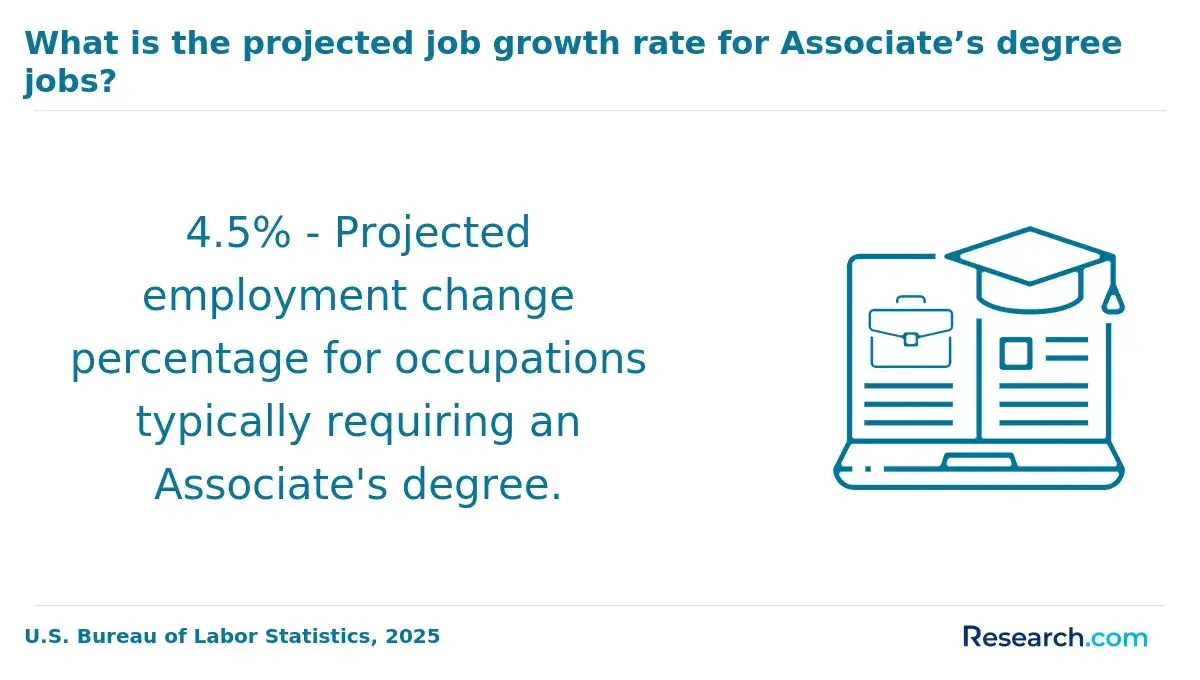
Starting a new career at 40 with a physical education bachelor's degree is a realistic option that opens diverse career change opportunities with a physical education degree at 40. This degree provides valuable skills in health, fitness, and instructional methods that can be applied in roles such as coaching, wellness coaching, and education.
The knowledge gained signals dedication to growth and can appeal to employers seeking candidates with maturity and adaptability. Job prospects for physical education graduates over 40 are increasingly favorable as more industries value life experience alongside formal qualifications.
Workforce trends demonstrate growing support for adult learners pursuing career shifts later in life, reflecting a shift toward flexible and inclusive pathways. Educational programs and employers now recognize the importance of lifelong learning, making it easier to leverage degrees like physical education to access new roles or advance existing careers.
This evolution reduces age-related barriers and broadens access to professional growth, helping adult learners stay relevant in dynamic job markets. For those interested in further specialization, options such as the cheapest online master's in nutrition also complement a physical education background well.
Employers generally value physical education bachelor's degrees earned at age 40, especially when paired with relevant life and work experience. These degrees often reflect a combination of formal education and practical insights gained over years, which can be highly applicable in teaching and coaching roles.
According to the National Center for Education Statistics, over 40% of undergraduate degree recipients are aged 25 or older, indicating a significant presence of adult learners in today's workforce.
When examining employer perceptions of physical education degrees for adult learners, several key perspectives often come into focus:
- Skill Relevance: Employers seek candidates with up-to-date expertise in fitness, health sciences, and pedagogy to ensure they can effectively meet current educational standards and student needs.
- Professional Experience Integration: Combining hands-on work or life experience with academic knowledge enhances a candidate's ability to relate to diverse student groups and solve practical challenges.
- Continuous Learning: Earning a degree later in life signals adaptability and a sustained motivation to grow professionally, which are qualities valued in education and coaching fields.
- Leadership and Communication: Adult learners often bring refined interpersonal skills and leadership potential from past career stages or personal growth, adding depth to their educational roles.
- Adaptability: Employers appreciate those who can blend new research and methodologies with proven practices, demonstrating flexibility in a constantly evolving physical education environment.
For adult learners interested in advancing their education, options like a 1 year PMHNP program online reflect how accelerated pathways can support career changes and growth without long-term interruptions.
Preparing to enroll in a physical education bachelor's program requires thoughtful planning to boost academic success and informed choices. Nearly 40% of students delaying post-high school enrollment report needing further preparation to thrive in college-level courses. Early readiness helps adult learners balance life commitments and educational goals effectively.
Consider these essential steps before submitting your application:
- Review Academic Background: Examine your past coursework and grades, focusing on biology, health sciences, or related subjects. Identifying knowledge gaps early allows you to strengthen areas before starting the program.
- Understand Program Requirements: Research admission criteria and required prerequisites carefully, as they can differ widely among schools. Being familiar with these ensures you meet expectations and avoid surprises later.
- Evaluate Learning Formats: Decide if you prefer in-person classes, online options, or hybrid models. Many adult learners benefit from flexible schedules that accommodate work and family responsibilities.
- Prepare Documentation: Collect academic transcripts, recommendation letters, and evidence of relevant experience like coaching or fitness instruction. Organized paperwork streamlines your application and supports your candidacy.
What Graduates Say About Earning a Physical Education Bachelor's Degree at 40
- Armando: "Going back to college at 42 was a leap of faith, but choosing a physical education bachelor's degree felt like a natural extension of my lifelong passion for wellness. Many think it's too late to start, but the real motivation for me was to blend my practical experience with formal education. Earning this degree has not only revitalized my career but also opened doors to coaching and mentoring roles I never thought possible."
- Dalton: "At 45, I returned to school driven by a desire for a meaningful career change. Choosing a physical education bachelor's degree was deliberate-it's a field that aligns with my values of health and community impact. The degree has given me the confidence and credentials to lead programs that make a real difference, proving that it's never too late to pursue your professional goals."
- Felice: "Deciding to earn a physical education bachelor's degree at 40 was a very calculated step in advancing my role within sports administration. I sought this path to deepen my understanding of the field's scientific aspects, which traditional experience alone hadn't provided. The degree has transformed how I approach my work, making me a more credible and effective leader in a competitive industry."
Other Things You Should Know About Physical Education Degrees
Many physical education bachelor's programs acknowledge the diverse backgrounds of their students and offer resources specifically for adult learners. These supports can include academic advising tailored to older students, flexible scheduling options, and access to peer networks or mentorship programs. Such accommodations help mature students balance coursework with other responsibilities effectively.
No, earning a physical education degree at 40 in 2027 does not generally affect your ability to obtain certification or licensure. Requirements remain consistent, focusing on completing accredited coursework and necessary exams. Each state may have different guidelines, so it's important to check with the relevant state education department.
Most programs require a criminal background check and, in many states, a fingerprint-based check before school placements begin. Districts may also require tuberculosis screening, proof of immunizations, and child-abuse prevention training before a student is allowed to teach or observe in K–12 settings.
- Top 6 Low-Cost Online Bachelor's in Physical Education https://www.greatvaluecolleges.net/rankings/online-bachelors-physical-education/
- Career Paths You Can Take with a Physical Education Degree https://www.apu.edu/articles/career-paths-you-can-take-with-a-physical-education-degree/
- Making the Right Moves: A Guide to Majoring in Physical Education - UNCF https://uncf.org/the-latest/making-moves-as-a-physical-education-major
- Is 40 Too Late For A Bachelor's Degree? https://ftp.bills.com.au/lunar-tips/is-40-too-late-for-a-bachelors-degree-1764816620
- Secondary Education - Physical Education, B.S. in Ed. (WNC) https://catalog.unr.edu/preview_program.php