2027 Data Quality Engineering in an Online Data Science Master's: Courses, Projects, and Program Selection

Co-Founder and Chief Data Scientist
An online data science master's can teach sophisticated modeling while giving little attention to whether the underlying data is trustworthy. For prospective students interested in data quality engineering, that difference matters more than a program's title.
This guide explains what to look for in course descriptions, project requirements, and program policies so you can choose a degree that builds engineering evidence, not just familiarity with data cleaning.
Key Things You Should Know
- Prioritize programs that connect databases and data pipelines with validation, testing, monitoring, and governance. A single unit on cleaning datasets is not equivalent to sustained engineering practice.
- Look for a project that tests a changing data pipeline, documents failures, and shows how users would detect and resolve them.
- Compare total cost and scheduling against the work you can actually produce. The $120,230 median wage for data scientists in May 2025 is not a salary estimate for data quality engineers or a promised return on a degree.
What Is Data Quality Engineering in Data Science?
Data quality engineering is the work of making data dependable for analysis, reporting, and machine learning. It goes beyond correcting errors in a finished dataset: engineers define what valid data looks like, test data as it moves between systems, investigate failures, and make those failures visible to the people who rely on the data.
In a data science workflow, that might mean checking whether source records are complete, whether identifiers remain unique after a transformation, or whether an incoming distribution has changed enough to make a model's results unreliable. The work overlaps with data engineering, analytics engineering, governance, and machine learning operations. Job titles vary, so evaluate the duties in a posting rather than assuming every employer defines "data quality engineer" the same way.
A master's built mainly around statistical analysis may still be a good fit if it offers substantial pipeline and systems work. If your interests lean more toward reporting and decision support than production data infrastructure, you can also explore master's degrees in data analytics. The deciding question is whether the curriculum lets you prevent and diagnose bad data, not merely analyze a cleaned extract.
What Courses Do Online Data Science Master's Programs Offer?
Relevant courses may appear under databases, data engineering, distributed computing, software engineering, machine learning operations, or information governance. Titles alone are weak evidence: read descriptions and assignments to see whether students build and test systems or only discuss data quality as a concept.
The distinctions below show how related coursework can contribute to data quality engineering. A strong program need not have a course bearing that exact name, but students should have a route to sustained practice across several areas.
| Course area | Relevant graduate-level work | Limit if studied alone |
| Databases and data modeling | Designing schemas, constraints, and transformations that preserve consistent records | A well-designed database does not reveal every upstream or downstream failure |
| Data engineering | Building pipelines with repeatable transformations, orchestration, and failure handling | A pipeline can run successfully while producing inaccurate data |
| Statistics and machine learning | Assessing missingness, distribution changes, and consequences for analytical results | Model evaluation alone may not address source-system reliability |
| Software engineering and governance | Using tests, version control, documentation, lineage, and access controls | Policies and tests require implementation in real workflows |
A passing mention of data cleaning is less valuable than a graded pipeline assignment; a dedicated course offers more concentrated depth, but only substantial project work demonstrates that students can integrate the pieces.
If you want quality checks for AI systems as well as conventional analytics, examine programs combining AI study and data engineering and verify that engineering is assessed through hands-on work.
How Do Data Quality Projects Prepare Students for Engineering Careers?
A useful project shows what happens when data is wrong, not just what happens when a model is trained. Ideally, it takes data through ingestion, transformation, validation, and delivery to a report or model. The student should be able to explain who uses the output, which errors matter most, and what happens when a check fails.
When reviewing project options or planning a portfolio piece, look for evidence of the following work:
- Define measurable expectations, such as required fields, valid ranges, unique keys, or acceptable delays, based on the data's intended use.
- Introduce or identify realistic failures, including duplicates, schema changes, missing records, and unexpected shifts in values.
- Run reproducible checks in the pipeline and record which failures block delivery, trigger investigation, or require an exception.
- Document the source, transformations, test results, limitations, and a process for notifying and correcting affected users.
A strong submission includes code, tests, sample results, and a concise explanation of decisions. For sensitive data, a public portfolio may use authorized, de-identified, or synthetic examples instead of exposing employer or customer records.
Ask whether the online program allows a student-selected capstone, supplies suitable data, and provides feedback on implementation. Do not assume every capstone can be devoted to data quality.
What Skills Do You Need for a Data Quality Engineering Career?
The technical foundation is SQL, programming for repeatable data processing, database design, and enough statistics to recognize when data defects distort conclusions. Engineering depth adds automated testing, version control, pipeline debugging, documentation, and monitoring. Communication matters too: a quality rule is useful only when its owner, purpose, and response to failure are clear.
Prioritize your gaps against the work you want to do. Someone already building data pipelines may need more statistical reasoning and stakeholder-facing quality definitions; an analyst comfortable with SQL may need more software testing and production workflow experience. For each program, check whether you can demonstrate these skills in assessed assignments rather than merely encounter their terminology in lectures.
How Do Online and Campus Data Science Master's Programs Compare?
Delivery format does not determine technical depth. An online program can support rigorous collaborative engineering projects, while a campus program can offer limited pipeline coursework. The practical difference is how you will access instruction, teammates, computing resources, and project feedback.
For a working student, online study may make continued employment easier, especially when lectures and assignments are asynchronous. Confirm whether live meetings, group projects, proctored exams, or a campus visit still impose fixed times.
Campus study may be more suitable if you value regular in-person collaboration or access to a particular lab or employer partnership, but verify that those opportunities are open to master's students in your program.
Choose the format in which you can consistently complete substantial technical work. Ask both online and campus programs how students obtain datasets and computing access, how code is reviewed, and whether project collaboration fits your schedule. Flexibility has limited value if the assignments you need for your career goal are unavailable.
What Are the Admission Requirements for an Online Data Science Master's?
Requirements vary by institution. Programs may ask for a bachelor's degree, transcripts, evidence of quantitative preparation, programming experience, recommendations, or a statement of purpose. Some specify prerequisite courses; others assess readiness more broadly.
Check the current admissions page for each program rather than treating a recommended skill as a formal requirement or assuming professional experience automatically replaces one.
For data quality engineering, preparation in programming, SQL, and basic statistics is especially useful because coursework may combine systems and analytical reasoning. If one area is weak, ask admissions whether a preparatory course can satisfy a stated prerequisite and ask the department what knowledge students need on day one. Independent projects can demonstrate ability, but they do not necessarily fulfill a transcript-based requirement.
Applicants comparing data science with AI-focused degrees may find artificial intelligence graduate study for non-CS students useful for identifying preparation questions. Whatever the degree label, confirm that the admissions pathway and eventual coursework both fit your background.
How Much Does an Online Data Science Master's Cost and Take?
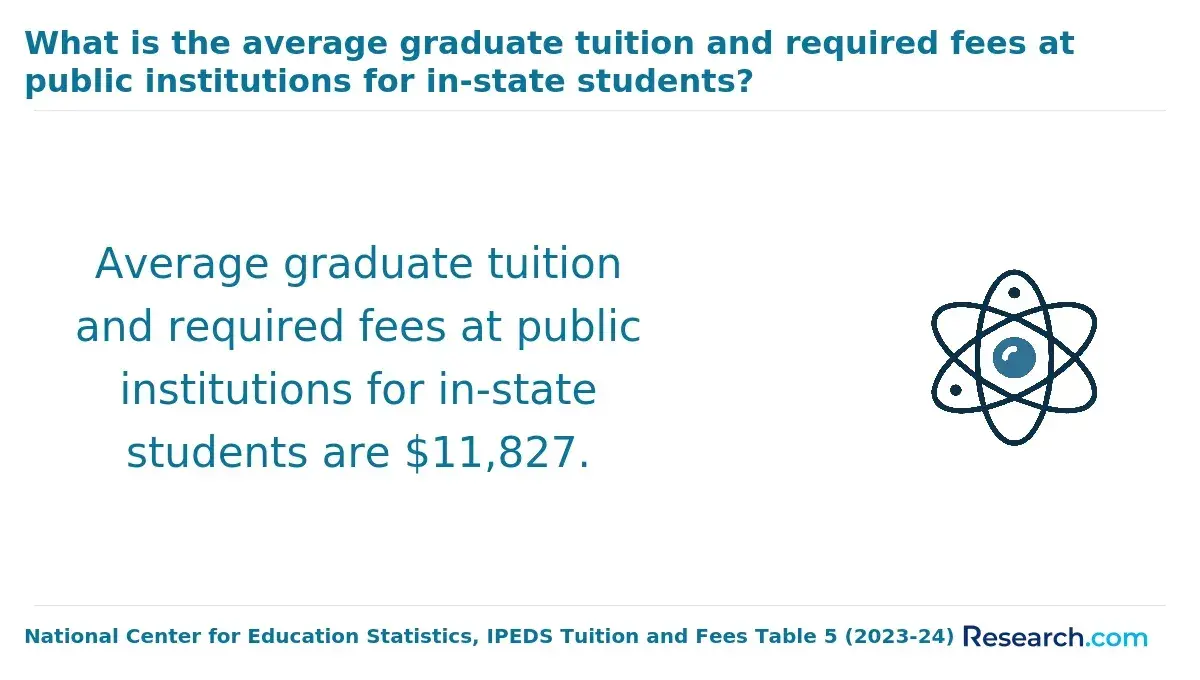
There is no reliable single price or completion time for an online data science master's: credit requirements, tuition policies, fees, and course schedules differ. Request the current tuition and mandatory fee schedule from each institution, then calculate the cost for the credits you would actually need.
Add required software or materials, any travel, and financing costs where applicable. Employer assistance or scholarships may reduce your cost, but confirm eligibility and conditions before relying on them.
Time to completion depends on course availability as well as how many classes you take at once. A program that looks short on paper may take longer if a required engineering elective runs infrequently or prerequisites must be completed in sequence. Ask for a sample plan at your intended pace, including when the project or capstone can be taken.
If you are weighing an AI degree as an alternative, artificial intelligence master's completion time comparisons can help frame the scheduling question. Do not choose a faster route solely on its advertised duration if it leaves out the pipeline and testing work your target role requires.
How Can You Verify Online Data Science Program Accreditation?
Verify the institution's current accreditation through the U.S. Department of Education's accreditation database or the recognized accreditor's directory, then confirm that the online master's is offered by that institution. Institutional accreditation and any separate program-level accreditation are different claims; do not assume the latter exists or is required for this career.
Accreditation is a baseline check, not proof of data quality engineering depth. Also confirm that the institution can enroll students residing in your state, that the program's current curriculum includes the courses you need, and that any financial aid you plan to use applies to your enrollment. A ranking or a prominent university name should not substitute for those checks.
What Jobs and Salaries Can Data Quality Engineers Expect?
Relevant openings may be titled data quality engineer, data engineer, analytics engineer, data reliability engineer, or data governance specialist. Responsibilities vary: one job may center on pipeline tests and incident response, while another emphasizes standards, documentation, and coordination across teams. Compare job descriptions with your project evidence before choosing electives.
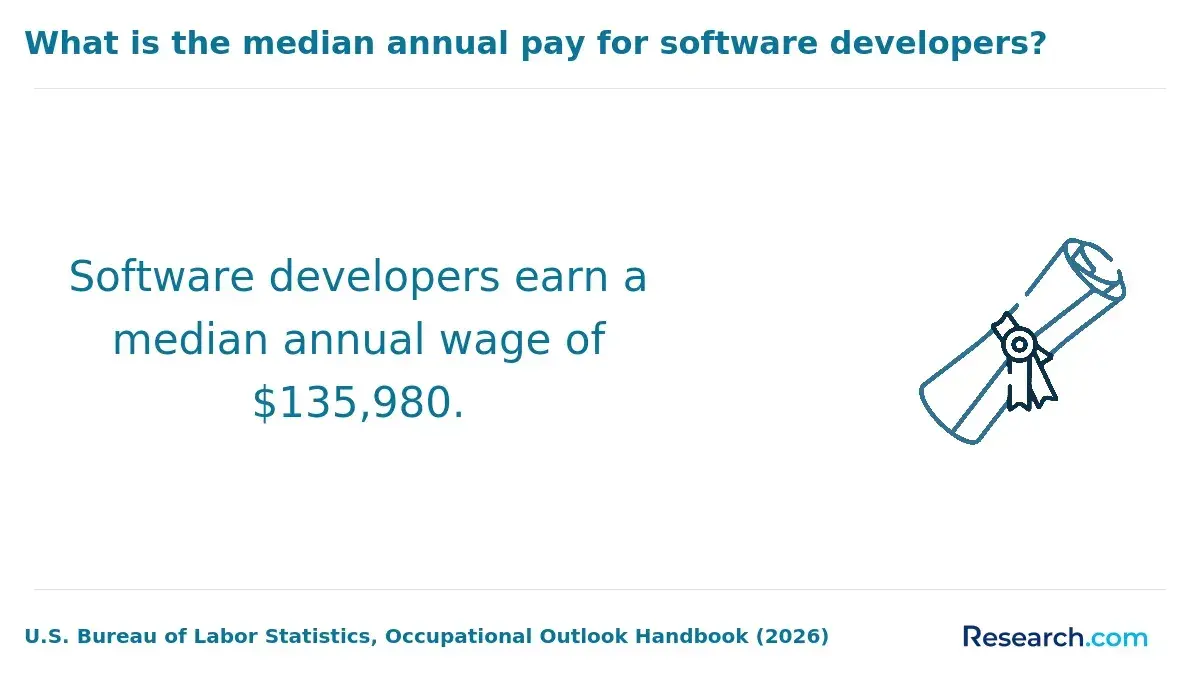
The U.S. Bureau of Labor Statistics reports a median annual wage of $120,230 for data scientists in May 2025. That is a national figure for a broader occupation, not a verified wage for data quality engineers or an expected salary after graduation. Pay for a particular position depends on its duties, location, employer, and your prior experience. For additional context on how compensation differs by business setting, see data science salaries across different business sectors.
For a realistic career decision, collect current postings in your target market. Note which roles require production pipeline experience, which accept analytical project work, and whether a master's is required or merely preferred. A degree is most valuable when its coursework and projects close a documented gap between your present experience and those requirements.
Which Certifications Support Data Quality Engineering Careers?
A certification can support a targeted skill gap, but it is not a substitute for building and explaining a dependable data workflow. Cloud and data-platform credentials may be useful when target employers name those platforms.
Governance or quality credentials may be more relevant to roles centered on standards and stewardship. Requirements, exam content, and renewal rules change, so verify them with the issuing organization before paying.
Choose a certification after reviewing job postings and your degree's coursework. If a program already gives you substantial assessed pipeline work, another general credential may add less value than a documented project. If postings consistently ask for a platform you have never used, focused training and a project on that platform may make a clearer case for your readiness.
Other Things You Should Know About Data Science Programs
A quality check tests a defined expectation, such as whether an identifier is unique. Data observability helps teams see changes and failures across a data system. They work together: visibility helps locate a problem, while explicit expectations help determine whether the data is fit for use.
Yes, if the project states how the data was created and includes realistic defects and clear tests. Synthetic data cannot prove that you handled every complication of a live system, so describe that limitation honestly.
Yes. An error is important because it affects a specific decision or process. Domain knowledge helps you define meaningful checks, identify the right data owners, and judge whether an exception is acceptable.
It can help draft code or suggest edge cases, but the person responsible for the workflow must verify the rules, test the implementation, and review results. Plausible-looking tests are not evidence that the underlying business expectations are correct.
References
- Online Master of Data Science Admission Requirements at Rice https://csweb.rice.edu/academics/graduate-programs/online-mds/admissions
- Profiling data scientists in the digital labour market | sciencedirect.com https://www.sciencedirect.com/science/article/pii/S0263237322000810
- MSDS Course Requirements | ucsd.edu https://datascience.ucsd.edu/msds-course-requirements/
- Online Master of Science in Data Science and Engineering | UMaine Online https://online.umaine.edu/online-master-of-science-in-data-science-and-engineering/
- Online Master's in Data Science and Analytics | OU Online https://online.ou.edu/program/ms-in-data-science-and-analytics/
- Master's in Data Science | utexas.edu https://cdso.utexas.edu/msds
- M.S. in Data Science, Online | virginia.edu https://datascience.virginia.edu/degrees/msds-online
- Master's in Data Science - University of Notre Dame https://datascience.nd.edu/masters/
- What is Data Engineering? Key Skills & Career Paths | jhu.edu https://ep.jhu.edu/news/what-is-data-engineering/