2027 Child Development Degree vs Bootcamp vs Certificate: Which Path Leads to Better Career Outcomes?

Co-Founder and Chief Data Scientist
Choosing between a child development degree, a bootcamp, or a certificate poses a critical dilemma for aspiring professionals seeking the best career outcomes. Each path offers unique advantages-salary prospects, employer preferences, job placement rates, return on investment, networking potential, and long-term growth differ significantly.
Recent studies show that degree holders in child development earn on average 20% more than those with certificates or bootcamp training. This raises questions about how each credential aligns with individual learner profiles, career goals, and industry demands. This article explores these factors in detail, offering an evidence-based comparison to guide informed career decisions across educational pathways.
Key Things to Know About Which Path Leads to Better Career Outcomes: Child Development Degree, Bootcamp, or Certificate
- Degree holders in child development often earn 15-25% higher salaries-employers prefer formal credentials for leadership roles and long-term career advancement.
- Bootcamps offer faster job placement and a strong return on investment-ideal for career changers needing practical skills over academic depth.
- Certificates provide networking access and foundational knowledge-best suited for working professionals seeking flexible, affordable upskilling without committing to full degrees.
How Does Child Development Degree Compare to Bootcamps and Certificates in Total Program Cost and Time to Completion?
Prospective students aiming for a career in child development face a genuine choice between committing to a multi-year degree or pursuing faster, lower-cost alternatives such as bootcamps or professional certificates-none of which is inherently the right answer for every learner. A traditional child development degree typically involves associate's or bachelor's programs lasting two to four years when taken full-time. According to the National Center for Education Statistics (NCES), average total costs for public in-state bachelor's degrees hover between $20,000 and $30,000, with private institutions often charging more. Part-time options can extend the duration but offer flexibility.
The second pathway is the child development bootcamp-an intensive training program lasting roughly 8 to 26 weeks. Bootcamps focus on practical skill acquisition with costs ranging from about $3,000 to $12,000, based on aggregated data from platforms like SwitchUp and Course Report. They appeal to learners seeking rapid entry or career shifts and may provide full- or part-time tracks.
Professional certificates form the third option. These courses, often self-paced or instructor-led on platforms like Coursera or offered by industry associations, typically take from a few weeks to several months. Certificates generally cost from a few hundred to a few thousand dollars, presenting a highly flexible, lower-cost option for skill enhancement without the greater time or financial commitments of degree programs.
- Time to Completion: Degrees require multiple years (2-4 years full-time); bootcamps condense learning into weeks (8-26 weeks); certificates typically take less than a year with varied pacing.
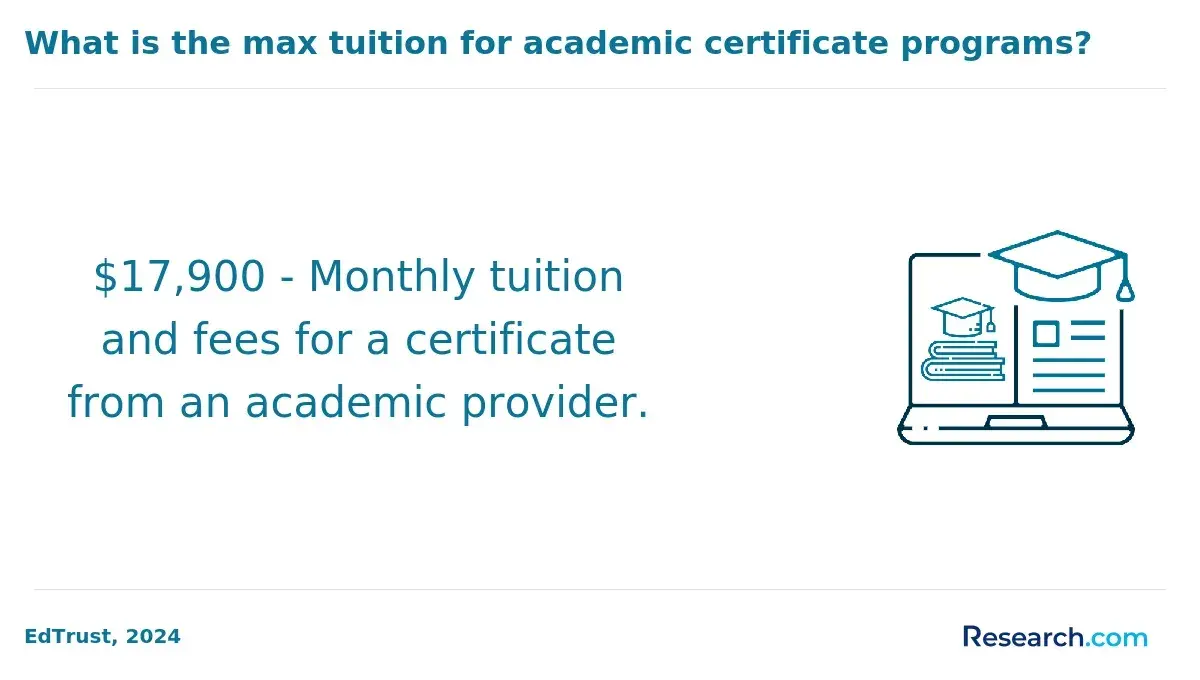
- Total Cost: Degrees have higher aggregate costs ($20K+); bootcamps are mid-range ($3K-$12K); certificates are the most affordable, ranging from hundreds to a few thousand dollars.
- Program Format: Degrees deliver comprehensive, theory-driven education; bootcamps emphasize intensive practical skill-building; certificates focus on targeted competencies.
- Flexibility: Part-time degree options extend duration; bootcamps may offer full- or part-time schedules but often require concentrated effort; certificates excel at accommodating diverse learner schedules.
Cost and duration, while essential for evaluating the total cost and duration of child development programs, are only part of the picture. Factors like salary outcomes, employer credential preferences, job placement rates, networking opportunities, and long-term career advancement critically influence the best educational fit for each individual. Adult learners, recent graduates, and professionals considering a career change can benefit from exploring these trade-offs thoroughly. For example, accelerated certified medical assistant programs provide alternative models of swift skill acquisition that some aspiring child development professionals may find insightful when weighing their options.
What Career Outcomes Can Child Development Degree Graduates Expect Compared to Bootcamp and Certificate Completers?
Graduates of child development degree programs generally experience stronger career outcomes compared to those completing bootcamps or certificate courses, though the gaps vary by role and employer preference. Data from the Bureau of Labor Statistics (BLS), National Association of Colleges and Employers (NACE), and Course Report illuminate differences in employment rates, median starting salaries, and job title levels at first placement.
Employment Rate: Degree holders tend to achieve employment within six months at rates exceeding 75%, reflecting employer preferences for comprehensive academic preparation. Bootcamp and certificate completers generally have lower placement rates-between 60% and 70%-though some focused programs show better outcomes in competitive urban markets. This nuance is essential when considering employer preferences for child development credentials in career advancement.
Median Starting Salary: Degree graduates typically command median starting salaries 10% to 20% higher than those with certificates or bootcamp training-often mid-$40,000 versus $35,000 to $38,000. Salary gaps shrink in roles emphasizing technical or specialized skills that bootcamp completers develop during training.
Job Title Level: Those with degrees frequently secure higher-level roles such as early childhood program coordinator or developmental specialist. Non-degree completers often start in assistant or support positions, reflecting the continued premium employers place on degrees for supervisory potential and deeper expertise.
Outcome Gaps and Trends: Outcome differences are moderate and field-dependent. Increasingly, skills-based hiring allows bootcamp and certificate graduates to gain ground when demonstrating relevant competencies. Still, degree credentials often provide a meaningful edge in competitive applicant pools, particularly for leadership roles.
Data Reliability: Outcome data for bootcamps is often self-reported and subject to survivorship bias or selective disclosure. Prospective students should seek independently audited data or third-party verified reports via organizations such as the Council on Integrity in Results Reporting (CIRR).
Contextual Factors: Career success is shaped by portfolio quality, networking, geographic location, and target industry alongside credentials. For those exploring options-including the cheapest FNP programs online-this overview helps frame informed questions rather than premature conclusions about which educational pathway guarantees success.
Which Child Development Pathway - Degree, Bootcamp, or Certificate - Offers the Highest Starting Salary for Graduates?
Starting salaries for graduates in child development differ significantly depending on the educational route taken. Data from BLS, LinkedIn Salary Insights, Glassdoor, and NACE indicate that those holding associate or bachelor's degrees typically earn between $35,000 and $45,000 initially, with early mid-career wages rising to $50,000-$65,000. Individuals completing bootcamps focused on child development fundamentals often see entry wages ranging from $30,000 to $40,000 but may find advancement restricted in organizations favoring formal degrees. Certificate holders generally start with salaries between $28,000 and $38,000, and their income growth tends to be slower as certifications are usually supplementary rather than standalone qualifications.
- Employer Type: Large educational institutions and healthcare providers prioritize degree credentials-raising salary potential-while startups and nonprofits may offer more competitive pay to bootcamp or certificate earners due to flexibility in credential requirements.
- Job Role: Specialized roles like child development specialists or case managers require degrees and typically command higher pay, whereas entry-level positions such as teacher aides often attract bootcamp or certificate holders at lower salary tiers.
- Geography: Urban areas with elevated living costs provide higher wages across all educational backgrounds, reflecting market demand and cost of living variations.
- Career Progression: Degree graduates usually experience faster promotion into supervisory or specialized jobs, influenced by formal educational prerequisites, whereas bootcamp and certificate holders advance more slowly without further qualifications.
Salary figures represent median values and vary widely by individual experience, program quality, specialization, and regional demand. Prospective professionals are encouraged to review ROI considerations for a detailed picture that weighs costs against long-term salary outcomes.
A professional who earned a child development degree shared their experience, highlighting both the challenges and rewards of the journey. They described navigating rigorous coursework alongside part-time jobs, noting how the network built through campus connections opened doors to higher-paying positions. Reflecting on their path, they emphasized that the degree's recognized credibility in the job market was crucial to securing roles aligned with their career goals, which bootcamp or certificate options alone might not have offered. "The commitment was tough, but the structured education and support made it worthwhile," they recalled, underlining how the comprehensive preparation translated into stronger career prospects.
Employers in child development broadly favor formal degrees-especially in regulated segments like healthcare, government programs, and large educational institutions where licensing and accreditation enforce strict hiring standards. According to SHRM surveys and labor economics research, positions in public preschools, early intervention, and government-funded initiatives typically require at least a bachelor's degree in child development or a related area. This preference reflects a longstanding credential screening practice in these sectors.
Yet, there is an evolving shift toward skills-based hiring, fueled by initiatives from major tech firms and some government agencies. These programs emphasize portfolios, certifications, and demonstrated competencies, enabling candidates from bootcamps and certificate programs to compete more effectively, notably in startups, consulting, and nonprofit settings. LinkedIn Talent Insights indicate that hands-on skills and relevant experience can sometimes compensate for the absence of formal degrees in these environments, influencing the broader child development employer credential preferences in the United States.
Sector Preferences:
- Large Enterprises & Government: Degree credentials remain mandatory or highly preferred due to compliance and quality demands.
- Startups & Consulting: Practical skills, certificates, and portfolios frequently balance or outweigh formal degrees.
- Competency demonstrations via portfolios and certificates are encouraged, but degree holders still hold an edge for senior or specialist roles.
- Non-degree holders improve prospects when combining certifications with applicable work experience.
- Career path choices should align with target employer demands rather than broad assumptions.
- Formal degrees support longer-term advancement, whereas bootcamps and certificates offer faster entry, especially when paired with networking and practical application.
For more insights on occupational outcomes, review the medical coding job outlook as a comparative example of credential impacts in related professional fields.
GPA and Academic Records: Accredited child development degree programs generally demand a minimum high school GPA-often between 2.5 and 3.0-and comprehensive transcripts. This academic benchmark helps maintain consistent standards and filters candidates based on sustained scholastic achievement.
- Prerequisite Coursework: Applicants usually need foundational classes in subjects like biology, psychology, or education either before starting or during early semesters to build essential background knowledge.
- Standardized Tests: Many programs require SAT or ACT scores as part of admission, though some institutions are moving toward test-optional policies, reducing the weight of this criterion.
- Letters of Recommendation and Essays: Degree applications often involve submitting multiple recommendation letters and personal essays, providing insight into motivation, communication skills, and program fit.
- Application Timelines and Selectivity: Structured admissions with fixed deadlines and limited cohort sizes add competitive pressure and serve as quality signals to employers.
- Bootcamps and Certificates Admission: These alternatives usually offer open enrollment or only minimal requirements like a high school diploma, avoiding prerequisites, testing, or recommendation letters, making access much easier.
- Quality Signals Beyond Selectivity: Without selective admission, bootcamps and certificate programs rely on curriculum strength, instructor qualifications, job placement results, and sometimes accreditation to establish credibility.
- Access for Non-Traditional Learners: Lower entry barriers help career changers, working adults, and underrepresented individuals overcome financial, geographic, or personal constraints that limit traditional degree enrollment.
- Personal Assessment: Prospective students should honestly evaluate their academic history and life circumstances to choose between the recognized rigor and signaling of degree programs or the flexibility and quicker workforce entry of bootcamps and certificates.
A professional who started their career after completing a child development degree shared that navigating admissions was daunting but ultimately rewarding. She recalled balancing demanding prerequisite courses, assembling recommendation letters, and managing strict deadlines-all steps that felt like a rigorous filter but gave her confidence in her preparedness. Reflecting on her experience, she emphasized that while bootcamps' easier access is appealing, the structured academic journey and selective nature of her degree program helped her develop deeper knowledge and a credential employers recognized as a mark of quality.
Degree Programs: These programs feature a comprehensive curriculum structure combining general education, core major classes, electives, and often research or thesis projects. This design ensures students gain extensive knowledge in psychology, education theories, and developmental milestones. The curriculum balances theory with real-world application, helping learners link academic principles to practical child development issues. Capstone projects or theses enhance analytical abilities and encourage original research, cultivating versatile skills valuable for a wide range of careers or advanced studies. While degree programs typically span four years-delaying immediate job entry-they offer greater long-term adaptability and qualifications for leadership or policy positions.
Bootcamps: Bootcamps deliver an accelerated, highly focused curriculum emphasizing hands-on, project-based training. They concentrate on essential child development skills needed for quick workforce entry, such as intervention strategies, early education techniques, and assessment methods. Practical experience is prioritized early through simulated workplace tasks. However, these programs often exclude broader theoretical or research elements common in degree pathways. Bootcamps efficiently prepare participants for immediate employment within months, though this streamlined approach may limit deeper understanding in areas like developmental psychology or policy-making, potentially restricting career growth over time.
Certificate Programs: Certificates vary from entry-level courses offered by online platforms to advanced professional certifications granted by recognized bodies. Entry-level certificates generally cover basic concepts and skills suitable for beginners or those supplementing other education. Advanced certifications focus on specialized competencies-such as behavioral analysis or special needs education-aimed at niche roles or ongoing professional development. Employers' acceptance of certificates depends significantly on job requirements and prior experience; some view them as evidence of job readiness, while others consider them insufficient for high-level positions.
Return on investment (ROI) for child development education pathways varies widely depending on total costs, time commitment, and individual circumstances. A critical but often overlooked factor is opportunity cost-the salary forgone while enrolled in a program. For example, pursuing a two- or four-year degree involves not just tuition payments but also lost income during study-significantly affecting true ROI compared to shorter programs.
Considering three learner profiles highlights these differences:
- Degree: High upfront costs including tuition plus several years of foregone salary can lower five-year ROI, especially for mid-career changers leaving a $50,000 annual job. Over ten years, degrees tend to deliver the highest cumulative salary premium-particularly valuable for advanced roles or specialized credentials.
- Bootcamp: Lower tuition and shorter duration minimize opportunity cost, resulting in the fastest short-term ROI. However, salary gains tend to plateau earlier and may not match degree holders' long-term earnings.
- Certificate: Least costly pathway with minimal opportunity cost-especially accessible part-time-often producing a positive ROI within five years but generally offering a smaller salary boost than degrees or bootcamps.
Part-time learners who maintain employment while studying experience substantially reduced opportunity costs, improving ROI across all pathways and particularly for degrees. ROI calculations draw on NCES cost data, NACE salary benchmarks, and bootcamp outcome reports to capture cumulative salary premiums adjusted for program expenses and forgone income over five- and ten-year horizons.
While ROI is an essential financial metric, it should not be the sole decision factor. Some learners may accept a lower five-year ROI to meet employer credentialing requirements, gain deeper expertise, or pursue specializations exclusive to degree programs. Balancing financial outcomes with professional goals ensures the best fit for each individual.
When comparing job placement rates among child development bootcamps, certificate programs, and degree programs, it's important to consider differences in how these outcomes are reported and what "placement" actually means. Many bootcamps share self-reported job placement data, which may lack independent verification. Programs reporting to the Council on Integrity in Results Reporting (CIRR) provide more trustworthy figures, but not all child development bootcamps participate, causing variability in data quality.
- Reporting Sources: Degree programs typically publish placement data through established channels such as the Integrated Postsecondary Education Data System (IPEDS) and institutional career services reports-these sources often include independently audited information covering graduate employment outcomes and verification.
- Definition of Placement: Placement criteria vary widely. Some bootcamps count employment in broadly related fields as placement-even if the role doesn't require specific child development skills-whereas degree programs usually track positions directly related to the major, offering a more precise picture of relevant job outcomes.
- Career Services Influence: Robust career services, including employer partnerships, resume workshops, mock interviews, and alumni networks, significantly boost placement rates in both degree and bootcamp settings. Evaluating this support infrastructure is essential when choosing a program.
- Evaluating Program Claims: Prospective students should request placement data broken down by job role, salary, and time to placement rather than relying on aggregate rates that often mask important variations.
- Industry Benchmarks: Placement rates in child development degree programs usually range from 70-85% for related employment within six months after graduation. Bootcamp and certificate program outcomes vary widely-from below 50% to above 80%-depending on program quality and transparency.
Students seeking to advance in this field can also explore flexible learning formats such as online ASN programs, which may complement their chosen pathway. By critically assessing job placement data and career support, learners can better navigate certificate programs versus degree job placement outcomes and identify the pathway best suited to their goals.
Networking benefits of child development degree programs extend far beyond the classroom-these programs typically offer well-established infrastructures that connect graduates to a wide professional community. Degree programs feature alumni associations, campus career fairs, and faculty with deep industry ties. Many colleges also support Greek and professional organizations centered on child development, fostering sustained community engagement. Long-standing employer relationships held by prestigious universities improve internship and job placement opportunities by expanding graduates' access to influential practitioners nationwide. The geographic reach and reputation of the degree-granting institution play a crucial role in amplifying career prospects through these expansive networks.
- Degree Programs: These pathways provide extensive access to alumni networks, faculty connections, and employer partnerships. This broad networking ecosystem frequently leads to higher return on investment and better long-term career growth, making them especially valuable for learners seeking comprehensive professional support.
- Bootcamps: Bootcamps typically involve smaller, tighter cohort communities that encourage collaboration and peer support. Though younger and less expansive than degree program networks, some child development bootcamps-especially those integrated with technology or educational tools-have cultivated strong referral and hiring partnerships. This creates effective networking benefits for learners aiming to quickly enter specialized roles, supported by alumni connections.
- Certificate Programs: These rely heavily on the provider's professional network, such as Google Career Certificates or Salesforce Trailhead, which offer online communities and mentorships. While direct access to hiring managers is less common, peer groups and industry events occasionally support ongoing development. Ultimately, the networking advantages from certificate programs depend significantly on the learner's initiative to engage, making the benefits less comprehensive than those found in degree or bootcamp pathways.
Across all pathways, professional network development remains one of the most durable assets a learner can acquire, often surpassing formal instruction in value for senior career advancement. Access to alumni connections in child development bootcamps and certificates varies considerably but remains an important factor when mapping job placement and growth. For those exploring educational options, considering these networking dynamics alongside salary outcomes and employer preferences can illuminate the best fit for individual goals. Adult learners and working professionals might also weigh part-time study options-for example, exploring the easiest RN to BSN program-to align academic progress with career development demands.
Geographic factors strongly influence the career prospects tied to different child development educational pathways-degree programs, bootcamps, and certificates-due to varying employer familiarity and job market structures. In metropolitan hubs like New York or San Francisco, degrees often hold more weight for advanced roles because of long-established academic standards, yet local bootcamps benefit from concentrated employer networks, leading to solid placement rates for those who stay nearby. Remote work has widened possibilities in these cities, enabling graduates of all credentials to compete for high-paying roles aligned with urban salary scales, though this also heightens competition by expanding candidate pools nationwide.
In mid-sized regional markets, employers typically favor degrees and certificates over bootcamp credentials, which are less understood or available locally. Graduates relocating into these cities for bootcamps may lose the advantage of proximity to hiring networks, lowering their job placement chances. Smaller or rural markets present added challenges, as fewer employers and fragmented recognition often make degrees more advantageous. Bootcamps and certificates designed for remote learners can help bridge this gap, but candidates face stiff competition for these limited remote roles.
Bootcamp graduates who remain in their program's home market can achieve up to 25% higher employment rates compared to those who move away, underscoring the critical role of employer connections.
Remote positions allow child development professionals from any credential to access top-tier market salaries but increase applicant competition. Evaluating employer density, credential acceptance, and remote opportunity in one's intended location is essential before choosing a pathway, as outcomes vary substantially by geography.
Hiring practices for child development professionals vary notably by employer type. Large corporations and government agencies typically require a bachelor's degree as a baseline qualification, using formal degrees as strict initial screening criteria. Certifications and alternative credentials are generally viewed as supplementary rather than replacements.
Smaller organizations-such as startups, nonprofits, and specialized agencies-tend to emphasize candidates' demonstrable skills and real-world results over formal education. These employers often assess portfolios, technical evaluations, and evidence of successful projects to gauge suitability, regardless of whether the candidate completed a degree, bootcamp, or certificate program. Indeed's research supports this flexible, skills-first hiring methodology.
Since 2020, many major employers have removed explicit degree requirements from job listings. Nonetheless, this shift has not yet dramatically changed the makeup of credential types among recent hires. Degree holders still predominate in large enterprise hiring, though non-degree credentials are gaining limited traction where practical skills are clearly proven.
For job seekers, published hiring preferences offer only part of the picture. Experts advise conducting informational interviews with hiring managers and closely analyzing LinkedIn profiles of recently hired child development professionals. These steps reveal the nuanced balance of degrees, bootcamps, and certificates that lead to successful employment. Understanding an organization's size, culture, and actual hiring patterns provides the most accurate insight into credential value.
What Graduates Say About Which Path Leads to Better Career Outcomes: Child Development Degree, Bootcamp, or Certificate
- Kaysen: "Choosing the child development degree was a game-changer for me-employers consistently cited the credential as a key factor in my job offers, reflecting its strong industry recognition. While the upfront investment was significant, the degree's higher salary outcomes and robust networking opportunities made it well worth the cost. I appreciate how this path also opens doors for long-term career growth, especially for those ready to commit fully to their education."
- Jalen: "My experience with the child development bootcamp was eye-opening-I found it offered a faster pathway to job placement than traditional degrees, and employers valued the practical skills it emphasized. The return on investment was clear, given the shorter duration and lower cost, making it ideal for career changers or those wanting to test the waters. However, I did notice that salaries can start lower, though the bootcamp alumni network provided crucial support for advancing over time."
- Beau: "Opting for the child development certificate gave me flexibility I needed as a working professional-it fit my schedule perfectly and quickly boosted my credentials. In my view, certificates are well-suited for learners who want targeted skills without the commitment of a full degree, though they come with more modest salary gains initially. Still, employers respect the certificate for its focused training, and many appreciate the continuous learning attitude it reflects."
Other Things You Should Know About Child Development Degrees
A child development degree usually includes supervised fieldwork, often 100 to 600 hours, plus a practicum in child observation or classroom management. Certificates and bootcamps often skip licensure-level placements and instead use short internships, portfolios, or project-based assessments set by the provider.
Recent high school graduates benefit from pursuing a child development degree as it provides comprehensive training, essential for entry into professional roles. Career changers may prefer bootcamps or certificates for faster skill acquisition and flexible schedules. Bootcamps and certificates also allow working adults to upskill without the time and cost commitment of traditional degrees.
During economic downturns, degree holders often retain a competitive edge due to stronger credentials and greater employer recognition. Bootcamps and certificates offer less job security as employers may prioritize candidates with formal degrees. That said, shorter training programs can help displaced workers quickly reenter the workforce in evolving child development roles.
- 10 Career Paths You Can Pursue with an Early Childhood Education (ECE) Diploma - Oxford International Career Colleges https://oicolleges.com/2025/12/03/10-career-paths-you-can-pursue-with-an-early-childhood-education-ece-diploma/
- Beyond graduation: The critical role of institution-owned alumni networks in higher education https://hivebrite.io/blog/institutions-role-in-alumni-networks/
- The Main Difference Between BootCamps and Courses | Sprints https://sprints.ai/en/blog/The-Main-Difference-Between-BootCamps-and-Courses
- Coding Bootcamp vs Degree: Which Path Fits Your Tech Goals? https://sdgku.edu/blog/coding-bootcamp-vs-degree-which-is-right-for-you/
- How a geographic environment shapes a child’s learning – The Mail & Guardian https://mg.co.za/thought-leader/opinion/2025-07-17-how-a-geographic-environment-shapes-a-childs-learning/
- Cybersecurity Bootcamp vs Degree: Complete Comparison 2026 https://unihackers.com/compare/bootcamp-vs-degree
- Career Pathway - The Pennsylvania Key https://www.pakeys.org/career-pathway/
- The Highest Paying Early Childhood Education Jobs | Arizona Early Childhood https://azearlychildhood.org/resources/articles/the-highest-paying-early-childhood-education-jobs/
- College Degree vs Bootcamp ROI Showdown https://oboe.com/learn/college-degree-vs-bootcamp-roi-showdown-17hqq6s/exploring-career-progression-college-degree-vs-bootcamp-roi-showdown-5
- How childhood migration shapes educational outcomes | VoxDev https://voxdev.org/topic/migration-urbanisation/how-childhood-migration-shapes-educational-outcomes