2027 Cheapest Online Neurodiagnostic Technology Associate Degree Programs That Pay Well: Tuition, Duration, and Career Outcomes

Co-Founder and Chief Data Scientist
Choosing a cheap online neurodiagnostic technology associate degree is really a cost-versus-career-outcome decision. Neurodiagnostic technologists help record brain, nerve, and sleep activity, and O*NET wage data using 2024 labor-market information places EEG technologists near a $48,790 U. S. median wage. This guide is for students comparing low-cost online or hybrid programs, especially those who need clinical training near home. You will learn how to compare tuition, duration, accreditation, certification readiness, transfer value, and realistic career outcomes before enrolling.
Key Things You Should Know
- The cheapest practical options are usually public community-college AAS programs with online didactic courses and required in-person clinical rotations; fully online neurodiagnostic associate degrees are uncommon because EEG, sleep, and nerve-conduction skills require supervised hands-on practice.
- Cost should be measured as total program cost, not advertised tuition: a 60- to 70-credit associate degree can look inexpensive per credit but become costly after lab fees, background checks, immunizations, travel to clinical sites, books, technology, and certification exam costs are included.
- ROI depends on accreditation, clinical placement, certification preparation, and local wages; O*NET's 2024 wage data for EEG technologists is around $48,790 at the median, but entry-level pay may be lower and higher-paying roles often require experience, credentials, or specialized training.
Which Are the Cheapest Online Neurodiagnostic Technology Associate Degree Programs That Lead to Well-Paying Careers?
The cheapest online neurodiagnostic technology associate degree programs are typically not "online only." They are usually hybrid Associate of Applied Science programs that deliver lectures online while requiring local or campus-based labs and clinical rotations in hospitals, sleep centers, epilepsy monitoring units, or neurophysiology departments.
Because published tuition, residency rates, and clinical availability change, students should treat the following as affordable program types to verify rather than a guaranteed national price ranking. The strongest low-cost choices tend to combine community-college tuition, CAAHEP-accredited or accreditation-aligned training, strong clinical placement support, and preparation for registry exams.
| Program type or example to research | Typical format | Why it may be affordable | Career value to verify |
| Public community college AAS in Neurodiagnostic Technology | Online lectures plus required labs and clinical rotations | Often lower tuition for in-district or in-state students | EEG, long-term monitoring, and entry-level neurodiagnostic technologist preparation |
| Alvin Community College-style public AAS pathway | Hybrid or distance-supported coursework with clinical requirements | Community-college tuition structure may reduce total cost for eligible residents | Clinical-site access, registry exam preparation, and graduate placement should be confirmed |
| Catawba Valley Community College-style public AAS pathway | Online or hybrid didactic courses with supervised clinical education | Public two-year pricing can be favorable compared with private college tuition | Best for students who can meet clinical requirements within the school's approved service area |
| GateWay Community College-style health sciences AAS pathway | Hybrid health science coursework with in-person skill training | May offer lower tuition for county or state residents | Useful if the program maintains employer relationships and recognized clinical sites |
| Regional public technical college AAS in electroneurodiagnostic or neurodiagnostic technology | Online theory with local clinical rotations when approved | Can be cost-effective if transfer credits reduce general education requirements | Value depends heavily on accreditation, board-exam eligibility, and local job demand |
The best low-cost program is usually the one that places you in a legitimate clinical site without requiring expensive relocation. A slightly higher tuition program may produce better value if it offers stronger clinical coordination, better certification preparation, or a faster path to completion.
Students comparing health care programs should also consider whether neurodiagnostic technology is the right fit compared with administrative health pathways. For example, medical billing and coding may be cheaper and more fully online, but it leads to different work, different credentials, and generally less hands-on patient testing.
How Much Does an Online Neurodiagnostic Technology Associate Degree Cost?
An online neurodiagnostic technology associate degree usually costs less at a public two-year college than at a private institution, but the final price depends on residency, transfer credits, required clinical fees, and how long you take to finish. College Board's 2024 Trends in College Pricing reported average published tuition and fees of about $4,050 for in-district students at public two-year colleges, which shows why community colleges often anchor the low-cost end of the market.
The table below shows the main cost components students should calculate before comparing programs. This matters because a program with low tuition can still become expensive if it requires travel, extra semesters, or paid certification preparation.
| Cost category | What to check | Why it affects affordability |
| Tuition per credit | In-district, in-state, out-of-state, and online rates | Residency rules can make the same program cheap for one student and expensive for another |
| Required credits | Total credits for the AAS, AS, or transfer pathway | A lower per-credit rate may not save money if the program requires more credits |
| Program fees | Lab, simulation, clinical tracking, testing, liability insurance, and graduation fees | Health science fees can add meaningful cost beyond tuition |
| Clinical costs | Background check, drug screen, immunizations, uniforms, parking, and travel | Online students may still have recurring in-person expenses |
| Books and technology | Textbooks, online platforms, computer requirements, webcam, and internet access | Distance learning can shift some equipment costs to the student |
| Certification preparation | Exam review materials and registry exam fees | Certification readiness can affect employability after graduation |
To estimate total tuition, multiply the school's per-credit rate by the number of credits you still need after transfer evaluation. Then add all required fees and clinical expenses; this gives a more accurate education-cost figure than tuition alone.
- Ask the program for a full cost sheet covering tuition, health science fees, technology fees, books, clinical compliance, and graduation costs.
- Confirm whether online students pay the same tuition as campus students or a separate distance-learning rate.
- Request a transfer-credit evaluation before enrolling, especially if you already completed English, anatomy and physiology, psychology, math, or medical terminology.
- Estimate travel costs for labs and clinical rotations, including fuel, parking, lodging if needed, and lost work hours.
- Ask whether certification exam fees are included, optional, or paid separately after graduation.
The cheapest program on paper is not always the cheapest to complete. A low-tuition program that delays clinical placement by a semester can cost more in lost wages and extended enrollment than a slightly more expensive program with predictable scheduling.

How Long Does It Take to Complete an Online Neurodiagnostic Technology Associate Degree?
Most neurodiagnostic technology associate degrees require about two years of full-time study after prerequisites are planned into the schedule. Part-time students often need longer because clinical courses must follow a sequence and may be offered only once per year.
The table below compares common completion patterns. It can help you decide whether faster graduation, lower semester-by-semester cost, or work-life balance should drive your choice.
| Enrollment pace | Typical completion pattern | Best fit | ROI consideration |
| Full-time | About four to five semesters when prerequisites are included efficiently | Students who can reduce work hours and attend clinical rotations on schedule | May lead to earlier employment but requires more time availability |
| Part-time | Often three years or more depending on course sequencing | Working adults, caregivers, and students paying out of pocket each term | Lower short-term financial pressure but delayed earnings |
| Accelerated with transfer credits | Potentially shorter if general education and prerequisites are accepted | Students with prior college credits or allied health coursework | Can improve ROI by reducing credits, fees, and time out of the workforce |
| Cohort-based hybrid | Fixed sequence with limited start dates | Students who want structured progression and clinical coordination | Predictable scheduling can support completion, but missed courses may cause delays |
Program length is especially important in neurodiagnostic technology because clinical placements control the timeline. Even if lecture courses are online, you may need to complete EEG labs, patient-care competencies, and supervised testing hours on a fixed schedule.
Before choosing a program, ask these timing questions because they directly affect cost and completion risk:
- Are neurodiagnostic courses offered every semester or only once per academic year?
- Can general education courses be completed before the professional sequence begins?
- Does the school guarantee or coordinate clinical placement, or must students find their own site?
- Are evening, weekend, or block clinical options available for working adults?
- What happens if a student fails or withdraws from a sequenced clinical course?
If your goal is the fastest route to paid employment, a full-time or transfer-credit pathway may provide the best return. If your goal is minimizing borrowing, a part-time plan may be more realistic, but only if the extended timeline does not create extra fees or delay required clinical access.
An associate degree in neurodiagnostic technology most directly prepares students for EEG and related neurodiagnostic roles, but salaries vary by setting, credential, shift, region, and specialization. O*NET's 2024 wage data for EEG technologists places the U.S. median near $48,790, which is a useful benchmark but not a promise of starting pay.
The table below separates direct entry roles from advancement-oriented roles. This helps students avoid the common mistake of assuming every high-paying neurodiagnostic job is available immediately after an associate degree.
| Career path | Typical role | Associate degree fit | Salary outlook context |
| EEG technologist | Records brain-wave activity for seizure, brain injury, sleep, and neurological evaluations | Strong fit when the program includes EEG clinical competencies | Often the core entry-level target for neurodiagnostic associate graduates |
| Long-term monitoring technologist | Monitors patients over extended periods, often in epilepsy units | Possible after EEG training, clinical experience, and employer-specific preparation | May pay more than basic EEG roles in some hospitals due to specialization and shift coverage |
| Polysomnographic technologist | Conducts sleep studies and monitors breathing, oxygen levels, and sleep stages | Good fit if the program includes sleep technology or supports sleep credentialing | Pay depends on sleep-lab demand, night shifts, and credential expectations |
| Intraoperative neuromonitoring assistant or trainee | Supports nerve and brain monitoring during surgery under supervision | Possible but often requires additional training, experience, and credentials | Can be a higher-paying track, but it is not usually an immediate associate-degree-only outcome |
| Neurodiagnostic lead or supervisor | Coordinates testing workflow, staff, quality control, and training | Typically requires experience after entry-level employment | Higher earnings usually reflect experience, leadership, and specialized credentials |
Students should compare these roles with other health care education paths before committing. A patient-facing testing career is very different from records-focused pathways such as health information management degree online options, even though both can lead to stable health care employment.
The highest-paying outcomes usually require more than the cheapest degree. Employers may value ABRET-related credentials, sleep credentials, BLS certification, strong clinical evaluations, and experience with hospital equipment, electronic medical records, infection control, and patient safety.
The best ROI usually comes from an affordable accredited or accreditation-aligned program that students can complete on time, with minimal borrowing, strong clinical placement, and eligibility for recognized credentials. A program is not high-ROI simply because its tuition is low.
A practical ROI comparison should weigh four factors: total education cost, completion time, entry-level job access, and long-term advancement. The table below shows how to interpret common affordability scenarios.
| Scenario | Likely ROI strength | Why | What to verify |
| Low tuition, accredited or recognized program, local clinical site | Strong | Lower cost combines with realistic employment preparation | Registry eligibility, placement support, and employer relationships |
| Low tuition but uncertain clinical placement | Weak to moderate | Students may face delays, travel costs, or inability to complete competencies | Written clinical placement policy before enrollment |
| Moderate tuition with excellent clinical access and high completion support | Potentially strong | Faster completion and better preparation may offset higher tuition | Graduation, credentialing, and job-placement information |
| Very low advertised tuition but many hidden fees | Uncertain | Total cost may exceed a program with clearer pricing | Full program cost sheet and fee schedule |
| Cheap nontransferable program with limited credential value | Weak | May restrict advancement or require repeating credits later | Accreditation, transfer agreements, and employer recognition |
Students can run a simple tuition-to-earnings check without overcomplicating the decision. Use a conservative expected entry wage from local job postings, not only a national median, and compare it with total program cost.
- Calculate your total program cost after transfer credits, grants, and required fees.
- Look up entry-level neurodiagnostic, EEG, sleep technologist, or trainee roles within commuting distance.
- Use the lower end of local posted pay ranges when estimating first-year earnings.
- Compare the total program cost with expected first-year gross income to see whether the debt burden feels reasonable.
- Repeat the comparison for a higher-cost program if it offers faster completion, stronger clinical placement, or better credential preparation.
Common ROI mistakes include confusing median wages with starting wages, ignoring unpaid travel time to clinical sites, assuming certification is automatic, and choosing the shortest program without checking whether employers recognize it. For many students, the best financial value is not the lowest tuition; it is the lowest total cost for a program that reliably leads to clinical completion and entry-level eligibility.
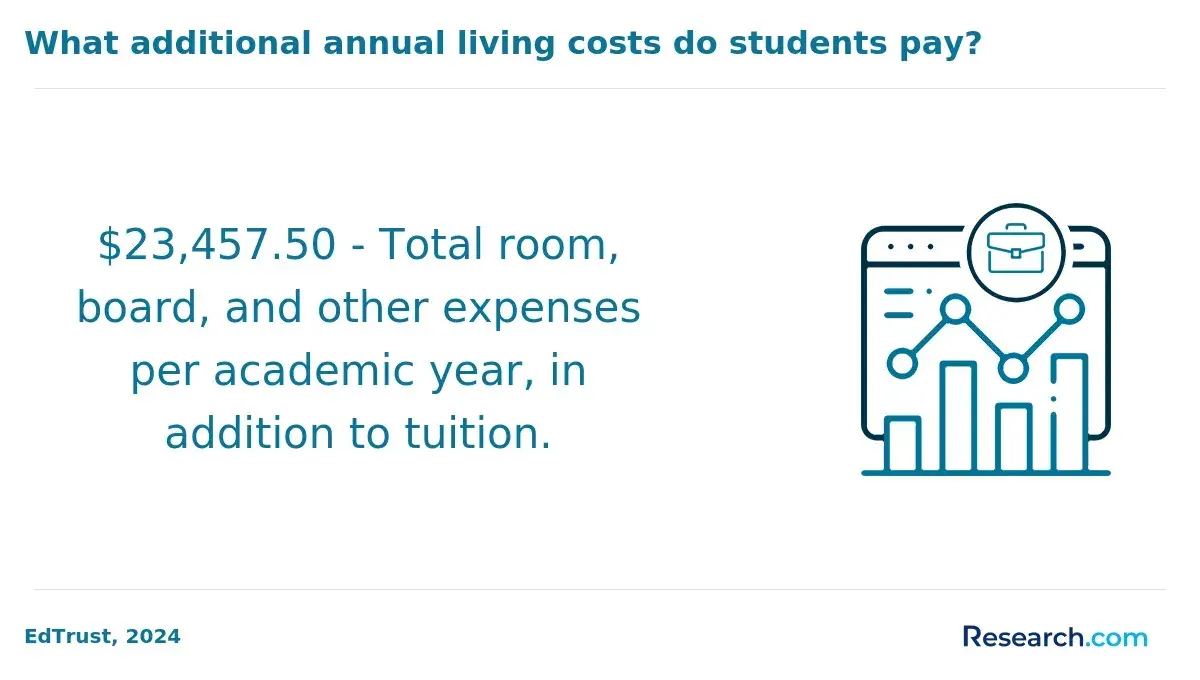
Financial aid can make a low-cost neurodiagnostic technology program substantially more affordable, especially at public colleges. The maximum Federal Pell Grant for the 2024-25 award year is $7,395, which can cover a large share of tuition at many community colleges when a student qualifies.
Students should prioritize aid that does not need to be repaid before turning to loans. The most useful funding sources for an online or hybrid associate degree include federal, state, institutional, employer, and workforce-based options.
- Federal Pell Grants for eligible undergraduate students with financial need.
- Federal Supplemental Educational Opportunity Grants when offered by the college.
- State grants or promise programs for community-college students.
- Institutional scholarships for allied health, first-generation, adult learner, or high-demand workforce students.
- Workforce development funds through local job centers or health care training initiatives.
- Employer tuition assistance from hospitals, sleep labs, neurology practices, or health systems.
- Federal Direct Loans used cautiously after grants, scholarships, and payment plans are considered.
Students comparing aid-heavy programs should confirm that the school is eligible for federal aid and that the neurodiagnostic program itself qualifies. If affordability is your top concern, it may also be useful to compare health care programs with clear aid pathways, including accredited medical billing and coding schools online with financial aid, before deciding which credential best matches your income goals and work preferences.
Ask the financial aid office to provide a net price estimate by term, not just an annual aid award. Clinical programs sometimes have uneven costs because uniforms, compliance fees, books, or testing expenses may cluster in specific semesters.
Accreditation is one of the biggest value factors in neurodiagnostic technology because it affects transferability, employer confidence, financial aid access, and sometimes certification eligibility. Students should check both institutional accreditation and programmatic recognition before enrolling.
Institutional accreditation applies to the college as a whole. Programmatic accreditation, often associated with allied health review bodies such as CAAHEP for many health science programs, focuses on whether a specific program meets professional education standards. Neurodiagnostic students should confirm current status directly with the accreditor and the school because program listings can change.
The table below shows what quality signals matter most when comparing cheap programs. These signals are often better predictors of value than tuition alone.
| Quality factor | What it tells you | Why it matters |
| Institutional accreditation | The college meets recognized academic and administrative standards | Important for federal aid, transfer, and employer confidence |
| Programmatic accreditation or recognized approval | The neurodiagnostic curriculum is reviewed against field expectations | Can support certification preparation and employer recognition |
| Clinical placement structure | How students complete supervised hands-on competencies | Essential because online coursework alone cannot replace patient testing experience |
| Credential exam preparation | Whether coursework aligns with EEG, sleep, or other registry expectations | Credentials can influence hiring and advancement |
| Faculty experience | Whether instructors have relevant clinical and credentialed expertise | Experienced faculty can connect theory with real testing scenarios |
| Student outcomes | Graduation, certification, and placement information when available | Helps evaluate whether students complete the program and move into the field |
Students interested in data, records, compliance, and informatics may also want to compare neurodiagnostic accreditation with standards in adjacent fields, such as the best online CAHIIM accredited health information management degree programs. The comparison is useful because different health care fields rely on different accrediting bodies and credentialing expectations.
A major red flag is a program that advertises fast completion but cannot clearly explain clinical placement, credential eligibility, accreditation status, or employer partnerships. If a school avoids direct answers on these points, low tuition should not be enough reason to enroll.
Flexible and accelerated neurodiagnostic associate programs usually serve students who already have general education credits, health care experience, or access to an approved clinical site. The professional courses may still follow a lockstep sequence because EEG and neurophysiology skills build progressively.
The most flexible options typically include online theory courses, asynchronous assignments, local clinical rotations when approved, and transfer-friendly general education policies. However, flexibility should not be confused with unlimited scheduling freedom; clinical hours often occur when hospitals or labs can supervise students.
| Flexibility feature | What it helps with | Limitation to check |
| Asynchronous online lectures | Allows students to study around work or caregiving responsibilities | Exams, labs, or competency checkoffs may still be scheduled |
| Transfer credit for general education | Can shorten time to completion and reduce tuition | Science courses may have age limits or minimum grade requirements |
| Local clinical placement option | May reduce relocation and commuting costs | Students may need school approval before using a local site |
| Part-time pathway | Helps students manage work and tuition payments | Course sequencing can extend the program by a year or more |
| Prior learning or health care experience review | May support placement or waive limited requirements | Clinical competencies usually cannot be waived entirely |
Students seeking the fastest route should first complete prerequisites such as anatomy and physiology, medical terminology, English composition, psychology, and basic math if the program permits. This can make the professional phase more manageable and reduce the risk of taking too many demanding courses during clinical semesters.
Before choosing an accelerated option, ask whether the school publishes a semester-by-semester plan. A fast schedule is only valuable if you can realistically complete labs, clinical shifts, assignments, and exam preparation without dropping courses or extending the timeline.
Yes, but the pathway depends on the degree type, transfer agreements, accreditation, and employer requirements. An Associate of Applied Science is usually designed for direct employment, while an Associate of Science or transfer-oriented pathway may carry more general education credits toward a bachelor's degree.
Students should understand the difference before enrolling because the cheapest AAS may not be the cheapest long-term option if many credits do not transfer. This matters for students who eventually want supervisory, education, clinical management, health informatics, or broader allied health roles.
| Associate degree type | Primary purpose | Best for | Transfer caution |
| AAS in Neurodiagnostic Technology | Career preparation for entry-level technical roles | Students who want to work as soon as possible after graduation | Some technical credits may transfer only as electives |
| AS with health science emphasis | Transfer preparation with science and general education coursework | Students planning a bachelor's degree in health science or related fields | May require separate clinical training for neurodiagnostic employment |
| AA with general education focus | Broad transfer foundation | Students still deciding among health care majors | Usually not enough by itself for neurodiagnostic technologist roles |
| AAS plus bachelor's completion pathway | Employment first, advancement later | Working technologists who want leadership, education, or health administration options | Requires written articulation or transfer evaluation |
Career advancement may involve specialized credentials, cross-training in sleep technology or intraoperative monitoring, lead technologist roles, clinical education, or management. Some students later move into broader health care data or administration programs, including a health information management degree online, if they prefer systems, records, compliance, or informatics over direct testing.
Before enrolling, ask the associate program which bachelor's completion programs have accepted its credits. A written articulation agreement is stronger than a general statement that credits "may transfer."
How Should Students Choose the Cheapest Online Neurodiagnostic Technology Associate Degree for Their Career Goals?
Students should choose the cheapest online neurodiagnostic technology associate degree that meets four conditions: it is credible, clinically workable, financially realistic, and aligned with the job they actually want. The best decision is not based on tuition alone.
Use the following step-by-step process to compare programs in a way that protects both your budget and your career options:
- Define your target role first, such as EEG technologist, sleep technologist, long-term monitoring trainee, or future intraoperative monitoring pathway.
- Verify whether that role in your state or region commonly requires certification, registry eligibility, or specific clinical competencies.
- Confirm institutional accreditation and current programmatic accreditation or recognized approval status.
- Request a total program cost estimate that includes tuition, fees, books, clinical compliance, travel, technology, and exam-related costs.
- Ask how clinical placements are arranged and whether students outside the local area can complete clinical hours near home.
- Compare full-time and part-time plans based on total completion time, not just term-by-term affordability.
- Check local job postings to see which credentials, shifts, and experience levels employers request.
- Ask whether credits transfer to bachelor's programs if you may want management, education, or broader health care advancement later.
- Speak with admissions, financial aid, and the program director before making a deposit.
- Avoid enrolling until you have written answers about cost, clinical placement, accreditation, transfer, and graduation requirements.
Students should avoid choosing an associate degree primarily because it is inexpensive if they cannot attend required clinical hours, if the program lacks clear credential preparation, or if local employers prefer graduates from recognized programs. Low tuition is valuable only when the degree can be completed and used.
An online format may provide strong financial value for students who need to stay employed, avoid relocation, or complete theory courses from home. A campus-based or local hybrid program may be a better value if it provides easier lab access, stronger clinical coordination, and lower travel costs.
The final question is simple: will this program get you from your current situation to a realistic entry-level neurodiagnostic role at a cost and timeline you can manage? If the answer is uncertain, compare another program before committing.
Other Things You Should Know About Neurodiagnostic Technology
It can be. Technologists may stand for long periods, move equipment, prepare patients, apply electrodes, and work in hospital units. The work is less physically intense than some bedside nursing roles, but it still requires stamina and careful patient interaction.
Some do, especially in hospitals, epilepsy monitoring units, sleep labs, and emergency settings. Sleep technology roles may involve overnight shifts, while routine outpatient EEG jobs may offer more daytime scheduling.
Successful students are usually detail-oriented, calm with patients, comfortable with technology, and able to follow precise testing procedures. Communication skills matter because patients may be anxious, tired, injured, or neurologically impaired.
No. Neurodiagnostic technology is an allied health testing field focused on recording and monitoring nervous system activity. Neuroscience is a broader scientific field that may involve research, biology, psychology, medicine, or graduate-level study.
- EEG Tech Salary Insights: What You Can Expect Across Different States - Neuro Pathway https://myneuropathway.com/blog/eeg-tech-salary-insights-what-you-can-expect-across-different-states/
- Neurodiagnostic Tech Certification & Licensure Guide â Trusted Health https://www.trustedhealth.com/allied-career-guide/neurodiagnostic-tech/certification-guide
- Program Information https://orangecoastcollege.edu/academics/consumer-health/allied-health/neurodiagnostic-technology/program-information.html
- Neurodiagnostic Technologist - Salary, How to Become, Job Description & Best Schools https://www.onlinedegree.com/careers/medical-healthcare/neurodiagnostic-technologist/
- ASSOCIATE OF SCIENCE IN NEURODIAGNOSTIC TECHNOLOGY - Procirca https://www.procirca.com/associate-of-science-in-neurodiagnostic-technology/