2027 Cheapest Accredited Online Information Technology Management Degree Programs That Accept FAFSA

Co-Founder and Chief Data Scientist
Key Things You Should Know
- The federal Pell Grant maximum for the 2024-25 award year is $7,395, but FAFSA eligibility does not automatically mean a student receives enough grant aid to cover an entire online IT management degree.
- Some of the lowest published online undergraduate tuition rates for accredited FAFSA-participating IT-related programs fall near $150 to $375 per credit before fees, books, technology costs, and transfer-credit savings.
- For ROI, total borrowing matters more than sticker tuition; BLS' 2024 outlook shows computer and information systems managers at a median salary of $169,510, but many graduates start in analyst, support, systems, or project coordination roles before moving into management.
Which Are the Cheapest Accredited Online Information Technology Management Degree Programs That Accept FAFSA?
The table below summarizes affordable online programs to check first. Published tuition can change, and some schools charge different rates by residency, course type, or term, so use these figures as a screening tool rather than a final bill.
| School | Online IT management-related degree | Accreditation | FAFSA participation | Published tuition structure to verify | Why it may be affordable |
| Middle Georgia State University | B.S. in Information Technology | SACSCOC | Yes | Low online per-credit pricing commonly near the lower end of public online tuition | Strong option for students seeking a public university price and a full online IT pathway |
| Kennesaw State University | B.S. in Information Technology | SACSCOC | Yes | Competitive Georgia online undergraduate tuition for many online courses | Good fit for students comparing public online IT programs with applied technical coursework |
| Fort Hays State University | B.S. in Information Networking and Telecommunications | HLC | Yes | Online undergraduate tuition commonly published around the mid-$200s per credit | Often attractive to out-of-state online students because tuition is not always tied to high nonresident campus rates |
| Western Governors University | B.S. Business Administration, IT Management | NWCCU | Yes | Flat tuition per six-month term rather than standard per-credit billing | Can be especially affordable for self-paced students who complete more courses per term |
| Florida International University Online | B.S. in Information Technology | SACSCOC | Yes | Lower in-state online tuition; higher nonresident pricing may apply | Best value is usually for Florida residents or students eligible for favorable tuition treatment |
| Colorado State University Global | B.S. in Management Information Systems and Business Analytics | HLC | Yes | Flat online tuition commonly published in the mid-$300s per credit | Useful for students who want business analytics, systems, and IT management content in one program |
| Bellevue University | B.S. in Information Technology or related IT leadership pathways | HLC | Yes | Private nonprofit online tuition generally higher than the lowest public options but transfer-friendly | May be worth comparing if prior credits, employer partnerships, or cohort formats reduce completion time |
| University of Massachusetts Lowell | B.S. in Information Technology | NECHE | Yes | Online per-credit tuition commonly above the cheapest public options | Can offer value for students prioritizing a public university brand and established online delivery |
The lowest sticker price is not always the lowest final cost. A school charging more per credit can cost less overall if it accepts more transfer credits, offers better grant aid, lets you accelerate, or has fewer hidden fees.
How Does FAFSA Eligibility Work for Online Information Technology Management Degree Programs?
FAFSA eligibility means the institution participates in federal student aid programs and the student may be considered for federal grants, work-study, and federal loans. It does not mean every online program, enrollment pattern, or student will receive the same aid package.
For online IT management degrees, FAFSA eligibility usually depends on three layers: the school, the program, and the student. The school must be eligible for Title IV federal aid, the degree must be an eligible program, and the student must meet federal rules such as citizenship or eligible noncitizen status, satisfactory academic progress, and enrollment requirements.
Use this checklist before you apply or deposit, because it separates true FAFSA eligibility from marketing language:
- Confirm the school appears as a federal student aid-participating institution and has a valid school code for the FAFSA.
- Ask financial aid whether the specific online IT management degree, concentration, or completion pathway is Title IV eligible.
- Verify the minimum credit load needed for Pell Grants, federal loans, scholarships, and work-study consideration.
- Ask whether accelerated, competency-based, eight-week, or subscription-style terms affect aid disbursement timing.
- Request an estimated aid package based on your transfer credits, enrollment status, dependency status, and expected start term.
The FAFSA process changed with the Student Aid Index replacing the older Expected Family Contribution formula. That matters because two students in the same online IT program can receive very different aid offers even when published tuition is identical.
Students comparing online degrees across different fields may notice that aid rules are institution-specific rather than major-specific; for example, someone researching 1 year online masters programs should still confirm that the exact program and enrollment format qualify for the aid they plan to use.
How Much Does an Online Information Technology Management Degree Cost After Financial Aid?
The cost of an online IT management degree after financial aid is the published cost of attendance minus grants, scholarships, employer aid, military education benefits, and any other non-loan assistance. Loans can make a program payable now, but they do not reduce the true price because they must be repaid with interest.
For context, the federal Pell Grant maximum is $7,395 for the 2024-25 award year. A student who qualifies for the maximum Pell award at a low-tuition public online program may reduce borrowing substantially, while a student with no grant eligibility may need scholarships, employer support, payment plans, or federal loans to close the gap.
This table shows how the same annual tuition can produce very different out-of-pocket costs depending on grant aid. The figures are illustrative, not a promise of aid, because actual awards depend on FAFSA results, enrollment intensity, school policies, and remaining eligibility.
| Annual online tuition scenario | Illustrative grant aid | Estimated amount before loans | What it means for the student |
| $7,500 | $7,395 Pell Grant | $105 | A very low-tuition program can become close to tuition-covered for a maximum Pell recipient, though fees and books may remain. |
| $10,500 | $3,500 in grants or scholarships | $7,000 | Moderate aid can help, but the student still needs a plan for the remaining balance. |
| $15,000 | $0 in grants | $15,000 | FAFSA may still provide loan access, but the student should evaluate debt carefully before enrolling. |
Common costs to include are tuition, mandatory fees, online course fees, textbooks or subscriptions, certification exam vouchers, laptop or software requirements, graduation fees, and any in-person residency costs. A program that advertises "low tuition" but adds high technology or proctoring fees may not be the cheapest net option.
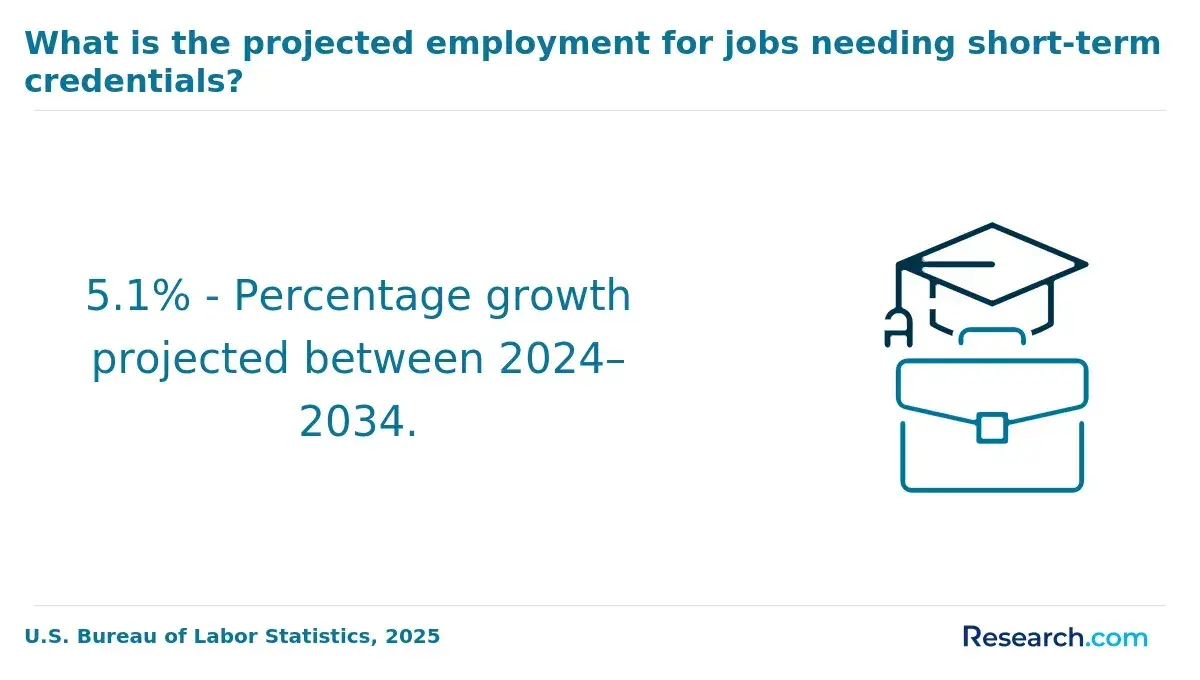
Students considering shorter career credentials should compare total price, transferability, and career target. For example, a paralegal certificate online may be cheaper and faster for legal support roles, but it does not prepare students for the same IT management, systems, or technology operations pathways as a bachelor's degree.
Which Affordable Online Information Technology Management Degree Programs Offer the Best Value?
The best-value affordable online IT management degree is the one that minimizes unnecessary debt while still offering recognized accreditation, relevant coursework, flexible scheduling, strong transfer credit acceptance, and credible career alignment. The cheapest program on paper can be a poor value if it delays graduation, rejects prior credits, or lacks the technical and business courses employers expect.
The table below compares affordability factors that matter more than tuition alone. Use it to decide whether a low-cost program is genuinely practical for your situation.
| Value factor | Why it affects real cost | Best fit | Possible red flag |
| Low per-credit tuition | Reduces the baseline price before aid | Students starting with few transfer credits | Fees or nonresident rates erase the savings |
| High transfer-credit acceptance | Can remove semesters of tuition | Community college graduates, military students, adult learners | The school accepts credits as electives but not toward major requirements |
| Flat-rate or competency-based tuition | Rewards students who can complete more courses quickly | Self-directed learners with work or prior IT knowledge | Students move slowly and pay for extra terms |
| Strong financial aid packaging | May reduce borrowing through grants and institutional scholarships | Pell-eligible and scholarship-eligible students | The aid offer relies mostly on loans |
| Career-relevant curriculum | Improves alignment with IT support, systems, security, analytics, and project roles | Students seeking advancement or management pathways | The program is business-heavy with minimal technical depth, or technical-heavy with little management training |
A more expensive program can be worth choosing when it accepts significantly more transfer credits, includes industry-aligned coursework, offers better advising, or has a format that helps you finish while working full time. A cheaper program may be better when it is accredited, transparent about fees, transfer-friendly enough for your background, and aligned with your career goals.
Are the Cheapest Online Information Technology Management Degree Programs Properly Accredited?
The cheapest online IT management degree should be institutionally accredited by an agency recognized for federal student aid purposes. Institutional accreditation is the baseline requirement most students need for FAFSA access, credit transfer, graduate school consideration, and employer recognition.
Programmatic accreditation, such as ABET accreditation for certain computing programs, can be valuable in some technical fields but is not always required for IT management degrees. For many students, the more important question is whether the institution is properly accredited, the degree is legitimate, and the curriculum matches the roles they want.
Before enrolling, verify accreditation through multiple steps rather than relying only on an admissions page:
- Check the school's official accreditation page and identify the accrediting agency.
- Confirm that the institution is recognized by the U.S. Department of Education or listed through the Council for Higher Education Accreditation database.
- Ask whether the online degree is offered by the same accredited institution that appears on the transcript.
- Confirm that credits can transfer to other accredited institutions, especially if you may pursue graduate school later.
- Be cautious if a school pressures you to enroll quickly, avoids disclosing total cost, or uses vague language such as "internationally approved" instead of recognized institutional accreditation.
The same accreditation discipline applies across academic fields. Students who compare rankings such as the best library schools should still verify each institution's accreditation, aid participation, and degree requirements before making a cost-based decision.
What FAFSA Grants and Federal Aid Can Pay for an Online Information Technology Management Degree?
FAFSA can connect eligible students to several types of federal aid, but the most affordable packages usually contain more grants and scholarships than loans. Grants reduce the net price; loans improve cash flow but increase long-term cost.
These are the main federal aid types online IT management students may encounter, depending on eligibility and school participation:
- Federal Pell Grant: need-based grant aid for eligible undergraduate students that does not have to be repaid unless enrollment or eligibility changes create an overpayment.
- Federal Supplemental Educational Opportunity Grant: campus-based grant aid for students with exceptional financial need, available only at participating schools with limited funds.
- Federal Work-Study: part-time work funding through participating institutions, though online students should ask whether remote or local placements are available.
- Direct Subsidized Loans: need-based undergraduate loans where the government pays interest during qualifying in-school and deferment periods.
- Direct Unsubsidized Loans: federal loans not based on financial need, with interest accruing from disbursement.
- Parent PLUS Loans: federal loans for eligible parents of dependent undergraduate students, often used after other aid is exhausted.
For federal undergraduate loans, annual borrowing limits vary by year in school and dependency status, commonly ranging from $5,500 to $12,500. That range matters because students in higher-cost programs may hit borrowing limits before covering the full cost of attendance.
Students should also look beyond federal aid. State grants, institutional scholarships, employer tuition reimbursement, military education benefits, workforce development funding, and professional association scholarships can all lower the amount borrowed for an online IT management degree.
How Do Transfer Credits Lower the Cost of an Online Information Technology Management Degree?
Transfer credits can be the biggest cost reducer in an online IT management degree because they lower the number of credits you must pay for at the new school. A student transferring 60 accepted credits into a 120-credit bachelor's program may cut the remaining tuition roughly in half before aid, but only if those credits apply to degree requirements.
Not all transfer credit is equally valuable. The most useful credits satisfy general education, lower-division IT requirements, business core courses, math requirements, or electives that would otherwise cost you time and money.
Use this process before choosing between a cheaper school and a more transfer-friendly school:
- Request an unofficial transfer review before applying if the school offers one.
- Ask how many credits will apply to the degree, not just how many credits will be accepted by the university.
- Separate general education credits, elective credits, major credits, and upper-division requirements.
- Ask whether certifications, military training, CLEP, DSST, prior learning assessment, or portfolio credit can reduce the remaining credit load.
- Compare the cost of completion, not the cost per credit, after the transfer evaluation.
Acceleration is also part of affordability. Just as students researching an accelerated psychology bachelor's degree should confirm transfer and pacing rules, IT management students should ask whether shorter terms, competency-based courses, or year-round enrollment actually reduce total cost.
Which Students Benefit Most From a Low-Cost Online Information Technology Management Degree With FAFSA?
A low-cost online IT management degree with FAFSA is most beneficial for students who need flexibility, recognized credentials, and a path into technology-adjacent leadership without taking on unnecessary debt. It is especially useful for students who already have credits, work experience, or entry-level IT knowledge.
These student profiles often gain the most from a FAFSA-eligible low-cost online IT management pathway:
- Community college transfer students who can apply associate degree credits toward a bachelor's degree.
- Working adults who need asynchronous courses and cannot pause employment to attend campus full time.
- IT support, help desk, network, or systems employees who want business, project management, or supervisory skills.
- Military-affiliated students who can combine federal aid, transfer credit, and education benefits.
- Pell-eligible students who choose a low-tuition school where grant aid covers a meaningful share of annual tuition.
This type of program may not be the best fit for students who want highly specialized computer science theory, engineering licensure pathways, or hands-on lab environments that require extensive campus resources. It may also be a poor fit for students who need intensive academic support but choose a program only because it is cheap.
Career direction matters. If your long-term goal is technology operations, systems coordination, cybersecurity management, analytics, or IT project work, IT management can be a practical fit; if your goal is clinical or community service leadership, comparing options such as master of social work programs may make more sense after the appropriate undergraduate preparation.
How Does the Cost of an Online Information Technology Management Degree Affect Career ROI?
Cost affects ROI because every unnecessary dollar borrowed raises the salary threshold needed to make the degree feel financially worthwhile. In IT management, the strongest ROI usually comes from combining low net cost, relevant experience, transferable skills, and a realistic first job target.
The BLS 2024 outlook reports a median salary of $169,510 for computer and information systems managers, but that figure generally reflects experienced management roles rather than immediate outcomes for every bachelor's graduate. Many students start in roles such as IT support specialist, business systems analyst, junior project coordinator, systems administrator, technical account specialist, or operations analyst before moving into management.
Use ROI as a decision framework rather than a single salary number. A student who graduates with low debt can afford a broader range of entry-level roles, while a student who borrows heavily may need faster promotion, employer tuition support, or a higher-paying market to justify the total cost.
AI and automation are also changing the value equation. Employers increasingly expect IT professionals to understand cloud platforms, cybersecurity risk, data tools, vendor systems, automation workflows, and business communication. A low-cost degree with outdated coursework may not be a good investment, while an affordable program that teaches current systems thinking, project coordination, and technology governance can support long-term mobility.
Some students later add graduate credentials after gaining experience, especially if they move toward leadership, analytics, cybersecurity management, or enterprise systems. When that time comes, comparing options such as 1 year online masters programs can help determine whether another credential adds enough value to justify the additional cost.
How Should Students Choose the Cheapest FAFSA-Eligible Online Information Technology Management Degree?
To choose the cheapest FAFSA-eligible online IT management degree wisely, compare total completion cost rather than advertised tuition. The right program should be accredited, aid-eligible, transfer-friendly, academically realistic, and aligned with the type of IT career you want.
Before committing, ask each school for the same information so you can compare offers fairly:
- What is the total estimated cost to finish the degree after my transfer credits are evaluated?
- Is this exact online degree eligible for federal student aid, and what enrollment level is required?
- How much of my aid offer is grants or scholarships, and how much is loans?
- What fees are not included in advertised tuition?
- How many credits must be completed at the institution to graduate?
- Are courses asynchronous, synchronous, competency-based, or term-based?
- What technical, business, project management, cybersecurity, analytics, or cloud courses are included?
- What academic support, career services, internship guidance, or employer partnerships are available to online students?
- What happens to my aid if I drop a course, take a break, or change enrollment intensity?
- Can the school provide a written degree plan showing remaining courses, estimated terms, and expected cost?
A practical final rule is to compare at least three schools: one with the lowest tuition, one with the best transfer-credit result, and one with the strongest career fit. The best choice is often the program with the lowest realistic debt at graduation, not the one with the lowest advertised rate.
Other Things You Should Know About Information Technology Management
Usually, no. Most accredited universities issue the same diploma for online and campus students, though policies vary. Ask the registrar if the transcript or diploma identifies delivery format.
Many are fully online, but some programs may require proctored exams, synchronous sessions, internships, labs, or optional residencies. Confirm requirements before enrolling, especially if travel would add cost.
Often, yes. Eligible students may combine federal student aid with GI Bill benefits, tuition assistance, or other military education benefits, but coordination rules can vary by benefit type and school.
Most bachelor's programs do not require certifications for admission. However, certifications such as CompTIA, Cisco, Microsoft, AWS, or Google credentials may help with placement, transfer credit, or career readiness depending on the school.
References
- Online IT Degree: How to Choose the Right Program in 2026 https://cybersecurityusa.org/blog/online-it-degree
- Making College Affordable by Improving Aid Policy https://issues.org/long-2/
- Do Online Colleges Accept FAFSA? | Ascent Funding https://www.ascentfunding.com/blog/do-online-colleges-accept-fafsa/
- Guide to Financial Aid for Online Students https://www.onlineu.com/resources/financial-planning/financial-aid
- 2025's Best Online Master’s Programs in Information Technology https://www.onlinemastersdegrees.org/best-programs/information-technology/
- Information Technology, Bachelor's Degree https://www.metropolia.fi/en/study-at-metropolia/bachelors-degrees/information-technology
- Information Technology Techniques - Vistula University https://vistula.edu.pl/en/major/information-technology-techniques
- Financial Aid for Online Programs | Illinois College https://www.ic.edu/online/tuition/financial-aid
- IT Schools Online | Information Technology Careers | OEDb https://www.oedb.org/rankings/online-it-programs/
- Best Online Bachelor’s in Information Technology Programs (2026) https://www.collegetransitions.com/blog/best-online-bachelors-in-information-technology-programs/