2027 Can You Study Forensic Accounting Master's Programs Part-Time? Options & Duration

Co-Founder and Chief Data Scientist
Enrollment trends in forensic accounting master's programs increasingly reveal diverse part-time structures that extend beyond simple scheduling flexibility. Program duration, course sequencing, cohort cohesiveness, and practicum timing vary widely, directly influencing time-to-degree and access to key learning resources. Balancing professional duties, employer expectations, and licensure demands requires careful consideration of how part-time formats affect progression and credential readiness.
Students must weigh trade-offs around internship availability and research commitments, as these factors impact practical experience and employability. This analysis explores these programmatic nuances and offers a framework for prospective students to assess part-time options against their career objectives and personal constraints.
Key Benefits of Studying Forensic Accounting Master's Programs Part-Time
- Part-time forensic accounting programs often extend completion time by several semesters, reflecting a tradeoff between workload balance and prolonged entry into advanced roles, which can affect career trajectory timing.
- Employers increasingly value demonstrated expertise over time-to-degree; part-time students might gain relevant workplace experience simultaneously, enhancing practical skills but risking slower academic networking opportunities.
- According to a 2024 workforce trend analysis, 42% of forensic accounting graduate students opt for part-time studies, indicating growing demand for accessible education that accommodates ongoing professional commitments without full financial aid benefits.
Can You Study a Forensic Accounting Master's Program Part-Time?
Part-time study in forensic accounting master's programs proves most viable when the program structure explicitly accommodates extended timelines through modular course sequencing and flexible scheduling. Students balancing employment or familial obligations find that evening, weekend, or hybrid course formats provide critical breathing room to manage workload without compromising professional responsibilities. However, the practicality of part-time enrollment varies widely among programs, especially where extensive project-based coursework, clinical requirements, or internships are prerequisites. Programs with tightly integrated cohort models or rigorous research expectations may limit part-time feasibility, meaning students must carefully assess how their commitments align with these operational demands to sustain steady progression while benefiting from flexible forensic accounting graduate study options.
Choosing part-time enrollment entails notable tradeoffs, chiefly an elongation of time-to-completion that can delay skill acquisition and postpone eligibility for roles requiring advanced credentials. While spreading coursework relieves short-term pressure, the protracted pace may restrict networking opportunities and reduce immersion in evolving forensic accounting practices, which are crucial for staying current with shifting regulatory landscapes and employer expectations. Employers often value candidates who demonstrate applied knowledge gained swiftly, so a longer program run time can dampen returns on investment if industry demands shift or new competencies emerge before graduation. Consequently, working professionals must weigh the value of schedule flexibility against potential impacts on career trajectory and skill development velocity when considering part-time study.
Those most positioned to benefit from part-time forensic accounting master's programs are experienced professionals seeking incremental credential advancement without career interruption or individuals with significant personal commitments restricting full-time study. Career changers or recent graduates aiming for rapid immersion might face disadvantages pursuing part-time options due to slower skill integration and limited cohort interaction. Moreover, a growing share of programs track part-time student graduation rates and impression management differently, emphasizing the importance of reviewing institutional support mechanisms and potential financial aid implications tied to course load. For students navigating these complex considerations, exploring options including the cheapest doctorate degree pathways can provide additional context on how flexible graduate study can align with long-term educational and workforce goals.
How Long Does It Take to Complete a Part-Time Forensic Accounting Master's Degree?
Completion times for part-time forensic accounting master's programs generally fall between two and four years, but this range is far from fixed. Variability stems largely from how many courses students take each term and differences in program design, such as the balance between synchronous and asynchronous classes or weekend offerings. While some students progress steadily by taking one to two courses per semester, institutional requirements like thesis options or capstones can push the timeline beyond standard pacing models. According to a 2024 survey by the National Association of Forensic Accountants, about 65% of part-time students graduate within three years, indicating that most maintain a moderate but extended pace relative to full-time cohorts.
Structural elements such as course sequencing, prerequisite chains, and the availability of required classes each semester influence how quickly students can move through the curriculum. Programs demanding internships or practicum experiences also add scheduling complexity, especially for those balancing full-time jobs and family obligations. Students working full-time often face additional delays due to limited time for coursework, making flexible course delivery critical but also creating potential gaps that extend study duration. Effective time management and institutional support therefore become decisive factors in navigating these overlaps between academic requirements and personal responsibilities.
Extended study periods carry strategic tradeoffs: protracted timelines might delay skill acquisition relevant to forensic accounting advancements and postpone eligibility for higher-level roles tied to the degree. This can affect earnings trajectories and financial planning, especially when tuition costs and lost opportunity costs accumulate. Conversely, the flexibility inherent in longer programs accommodates complex life circumstances but requires deliberate pacing and clear goals to prevent loss of momentum or employer skepticism about prolonged completion times.
One part-time student recalled hesitating before enrolling due to rolling admissions that complicated timing decisions. Balancing current job demands with the desire to start quickly, they weighed options between campuses offering different term start dates. The uncertainty in admission timing meant delaying application to avoid losing a steady income, which ultimately added months before beginning the program. When finally enrolled, this student found that upfront planning around course sequencing was crucial to avoid extra semesters and maintain steady progress despite earlier setbacks.
How Are Part-Time Forensic Accounting Master's Courses Structured?
Part-time Forensic Accounting master's programs are deliberately structured to balance flexibility with academic rigor, recognizing the diverse demands on working professionals. While designs vary among institutions, these structural choices significantly affect how students manage workload, engage with material, and apply skills in practice.
- Extended Program Duration: Stretching over two to three years, part-time formats reduce semester course loads-typically to one or two classes-allowing deeper focus per subject while accommodating external commitments. This pacing mitigates burnout risk but requires sustained motivation over a longer period compared to full-time tracks.
- Hybrid Learning Models: A blend of asynchronous activities like recorded lectures and readings combined with synchronous live discussions provides both convenience and interactive support. This balance is critical for mastering complex Forensic Accounting concepts, with recent data indicating about 65% of part-time master's students prefer such hybrid formats, highlighting its role in maintaining engagement without sacrificing flexibility.
- Applied, Case-Based Coursework: Programs often integrate simulations, case studies, and project-driven assessments to emphasize practical skills essential for fraud detection and legal compliance. This hands-on approach improves problem-solving capabilities but demands consistent effort and time investment outside of scheduled sessions, challenging students juggling professional responsibilities.
- Rigorous Academic Expectations: Despite part-time status, students face high standards reflecting employer demands for both technical competency and analytical thinking. The sustained intensity requires disciplined time management and prioritization to meet expectations without compromising work or personal life.
- Time Management as a Core Skill: The combination of longer timelines and complex deliverables means success hinges on effective scheduling and balancing multiple roles. Students who develop these organizational skills not only complete programs but also enhance their professional capacity to handle multifaceted forensic accounting tasks post-graduation.
Can Students Work Full-Time While Earning a Part-Time Forensic Accounting Master's Degree?
Maintaining full-time employment while enrolled in a part-time forensic accounting master's program can be feasible under specific conditions. Programs offering asynchronous learning modalities, predictable course schedules, and a mix of evening, weekend, or hybrid classes provide essential flexibility that helps accommodate professional commitments. Students with relevant work experience may find some coursework more manageable, reducing learning friction and enabling completion alongside job responsibilities. According to the National Center for Education Statistics, nearly half of part-time graduate students work full-time while studying, illustrating the practical demand for balancing both roles effectively.
Despite these accommodations, the dual burden of working full-time while pursuing a part-time forensic accounting degree often entails significant tradeoffs. Cognitive overload and time constraints can limit engagement in networking opportunities, which are critical for career growth in forensic fields. Academic progress may slow due to restricted course loads, and periods with high work demands can clash with intensive academic deadlines, increasing burnout risk. Working professionals must evaluate these factors alongside institutional support and personal stamina to realistically assess if balancing a full-time job with a part-time forensic accounting degree aligns with their goals and capacities. Those interested might also consider exploring accredited masters in counseling programs for comparative flexibility in related graduate education fields.
Which Universities Offer the Best Part-Time Forensic Accounting Master's Programs?
Choosing a part-time forensic accounting master's program requires evaluating institutional strengths beyond marketing or convenience, as these decisions shape employability, salary progression, and professional versatility. The definition of "best" fluctuates with a learner's career phase, available time, and desired forensic specialization, demanding a tailored approach focused on substantive quality indicators.
- Curriculum Alignment and Depth: Programs must integrate advanced quantitative analysis, forensic audit techniques, legal frameworks, and fraud examination with practical case studies. This ensures graduates develop actionable skills rather than theoretical knowledge, directly improving readiness for complex investigations and litigation support roles.
- Faculty Professional Engagement: Instructor expertise grounded in current forensic accounting practice and research enriches learning relevance and network access. Faculty actively consulting or publishing in forensic domains better prepare students for evolving industry requirements and employer expectations.
- Program Flexibility and Duration: Genuine part-time pacing with options to extend or accelerate coursework accommodates working professionals balancing job and personal commitments. Flexible formats reduce dropout risk and allow tailored progression without compromising rigor, which sustains learning momentum and knowledge retention.
- Applied Learning Opportunities: Access to internships, simulated forensic projects, or partnerships with fraud examination agencies bridges theory and practice. These experiences enhance job market competitiveness by demonstrating an ability to navigate real-world complexities employers prioritize.
- Accreditation and Institutional Credibility: AACSB or ACBSP accreditation signals adherence to rigorous educational standards, influencing employer trust and credential value. Selectivity here correlates with graduate employment outcomes and professional licensure eligibility.
- Graduate Outcomes and Industry Integration: High placement rates in specialized forensic accounting roles and measurable salary growth reflect program efficacy. Programs actively tracking alumni trajectories provide meaningful benchmarks for prospective students evaluating return on investment.
One graduate recalled the challenge of selecting a program amid rolling admissions, balancing uncertainty with urgency. After a strong initial application, delays in receiving official acceptance forced reevaluation of timing against job responsibilities. They appreciated a program whose admissions advisor communicated transparently about wait times and possible start dates, allowing an informed decision that avoided stress and preserved work-study balance. This experience highlighted how admissions processes and communication quality also factor into the pragmatic assessment of part-time forensic accounting master's programs.
How Much Does a Part-Time Forensic Accounting Master's Degree Cost?
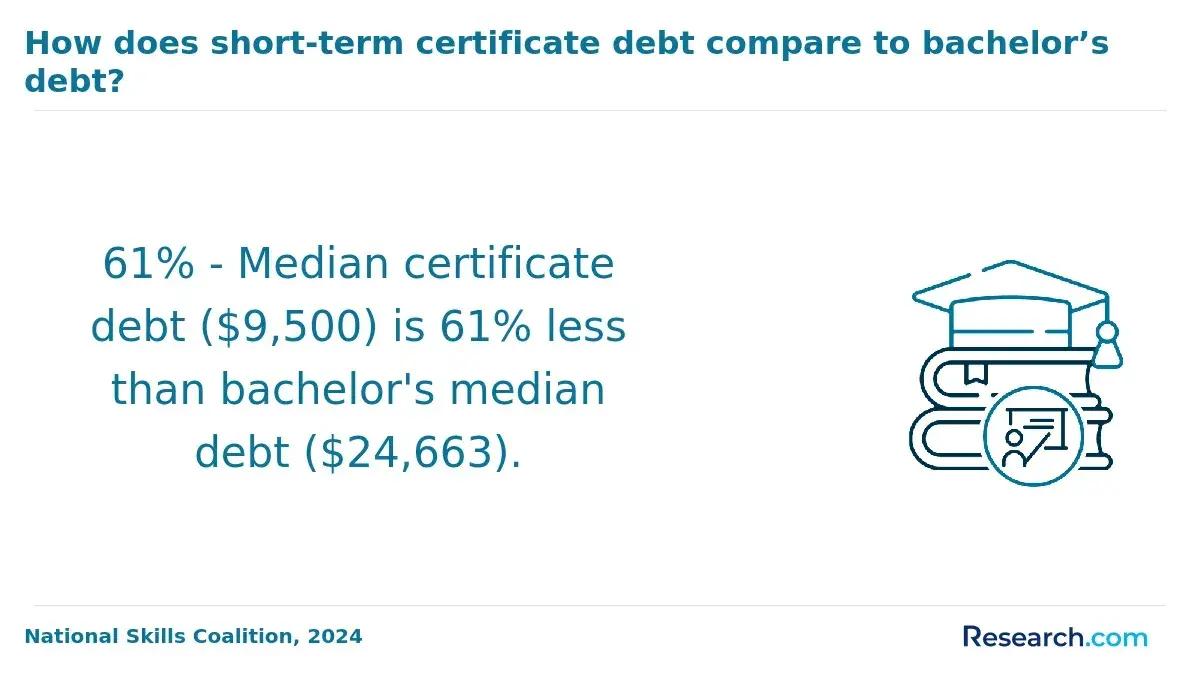
Part-time forensic accounting master's programs are typically priced on a per-credit-hour basis, with tuition rates in 2024 generally ranging from $800 to $1,800 per credit. This means that a full program requiring 30 to 36 credit hours can cost between $24,000 and $64,800, reflecting variation in institutional pricing disclosed through financial aid offices and workforce education analyses. Public universities often provide more affordable in-state tuition options, while private institutions usually have higher rates but may offer increased scheduling flexibility. Such costs align with broader patterns observed across graduate programs, including those documented for related fields like the online master data science, where tuition also fluctuates widely based on institutional factors.
The wide variability in price is influenced by multiple factors beyond base tuition. Part-time students are frequently charged per credit hour, but total cost depends on residency status, program prestige, and whether courses are delivered fully online, hybrid, or on-campus. Extended program duration typical for part-time enrollment-often spanning two to four years-adds complexity, as fees for technology, administration, and course materials accumulate over time. These structural and operational elements shape how affordable forensic accounting master's degree options really are, especially when balancing sticker price against quality and flexibility to fit working professionals' lives.
Financially, spreading tuition payments alongside ongoing employment can ease short-term burden but might increase overall cost exposure due to longer enrollment and additional fees. Employer tuition assistance programs occasionally help mitigate expenses but vary by industry and organization, making prospective students' due diligence essential. Understanding these dynamics is critical for assessing part-time forensic accounting master's program tuition costs in a practical context addressing real-world financial tradeoffs.
Do Programs Help Arrange Flexible Clinical Placements for Part-Time Students?
Programs supporting part-time forensic accounting master's students frequently establish partnerships with industry stakeholders and maintain networks of clinical placement sites designed to accommodate varying schedules. These arrangements often rely on dedicated placement coordinators who negotiate with employers to allow for evening, weekend, or hybrid practicum formats that integrate remote components where possible. The degree of scheduling flexibility is closely tied to institutional resources and the program's structure, with some schools investing more heavily in personalized placement support and flexible practicum models tailored to working professionals. This adaptability reflects awareness of conflicts between traditional daytime placements and the full-time employment many part-time students maintain.
Despite such efforts, substantial constraints persist that limit true flexibility. Site availability remains finite, and many placements require strict adherence to minimum hourly commitments or regulatory standards that restrict scheduling options. Geographic limitations and employer preferences for consistent, reliable attendance often reduce the feasibility of fully remote or highly customizable placements. Even with advertised flexibility, accreditation and professional licensing requirements frequently impose fixed practicum timelines or in-person obligations that restrict how placements can be arranged.
To navigate these challenges, part-time students benefit from early planning and proactive communication with both their program and potential employers. Leveraging existing professional relationships to secure employer-based practicums or seeking out programs with proven clinical pipelines enhances the likelihood of workable placement schedules. According to data from the 2024 National Association of Forensic Accountants survey, about 68% of forensic accounting master's programs report active assistance in arranging flexible practicums, underscoring the increasing but still uneven availability of accommodation for working students balancing education with other commitments.
What Challenges Do Students Face in Part-Time Forensic Accounting Master's Programs?
Part-time forensic accounting master's programs offer flexible pathways but impose distinct academic and logistical pressures that differ significantly from full-time study. The extent of these challenges largely depends on program design, course intensity, and the student's simultaneous professional and personal commitments. Recognizing these specific difficulties is crucial for candidates weighing the practical viability of part-time enrollment.
- Time Management Constraints: Balancing full-time employment with coursework often challenges students to meet deadlines and engage fully in collaborative assignments. According to the National Center for Education Statistics, over 70% of part-time master's students cite managing job responsibilities alongside academic demands as their principal obstacle.
- Extended Program Duration and Academic Retention: Stretching over three to six years, part-time study risks fragmenting knowledge acquisition and reducing sustained engagement. Longer timelines can impede skill mastery and lower motivation, which undermines the immersive learning depth present in full-time forensic accounting programs.
- Limited Practical Experience: Employers expect hands-on proficiency with current forensic technologies and investigative methods. Part-time students frequently face fewer internship or project opportunities due to competing job demands, which can restrict practical skill development and affect employability after graduation.
- Reduced Networking Opportunities: Career events and seminars often occur during traditional work hours, limiting part-time students' access to essential professional connections. This diminished network accessibility can decrease job search effectiveness within forensic accounting sectors.
- Mental and Physical Fatigue: Sustained juggling of educational, work, and personal roles leads to elevated stress and exhaustion. Such cognitive overload threatens academic performance and long-term well-being, requiring careful consideration when committing to part-time study.
Which Careers Benefit Most From Part-Time Graduate Education?
Part-time graduate education in forensic accounting serves as a strategic lever for accelerating careers where professional experience, credentialing, and ongoing skill development converge tightly in promotion criteria. Its highest value manifests in roles where practitioners must balance current workplace demands with advanced competencies that open doors to leadership or specialized niches. Such programs allow working professionals to deepen expertise without severing employment ties, sustaining income while building career capital.
- Internal Auditors and Compliance Officers: These professionals benefit from part-time study by integrating updated regulatory knowledge and fraud detection techniques directly into their roles, enhancing job performance and increasing promotion prospects. Data from the Association of Certified Fraud Examiners (2024) shows those obtaining forensic accounting credentials part-time are 30% more likely to reach leadership within five years, reflecting the synergy between continuous education and real-time application.
- Financial Investigators and Fraud Analysts: Working within government or private sectors, these roles rely heavily on timely application of evolving financial crime theories and legal frameworks. Part-time forensic accounting master's programs career benefits emerge here by allowing learners to immediately implement academic insights in investigations, optimizing outcomes without employment interruptions or skill gaps.
- Corporate Risk Managers and Consultants: Driven by the growing complexity of compliance landscapes, part-time education supports these professionals in refreshing and expanding forensic methodologies crucial for risk mitigation. The U.S. Bureau of Labor Statistics projects a 22% increase in forensic accounting-related consulting roles by 2027, underlining the practical relevance of flexible graduate education options for forensic accounting professionals seeking to stay competitive and promotion-ready.
Balancing study and work demands disciplined time management; most part-time programs extend from three to five years, reflecting realistic pacing for knowledge integration. Choosing a program should consider how employer-supported learning factors into advancement opportunities, not just flexible scheduling.
For those exploring interdisciplinary pathways, resources on an online architecture degree highlight how part-time graduate education in diverse fields accommodates professional commitments while advancing specialized careers.
What Factors Matter Most When Comparing Program Flexibility?
Program flexibility in part-time forensic accounting master's options is a complex, multi-dimensional feature that goes well beyond the simple availability of remote or evening classes. Perceptions of flexibility vary significantly based on how course sequencing, pacing, and administrative frameworks align with an individual's personal and professional demands. Understanding these nuances is crucial for those balancing work and graduate study in forensic accounting while aiming to maintain steady progress and academic success.
- Course Scheduling Structure: Whether courses follow fixed semester timelines or allow rolling enrollment directly impacts a student's ability to manage workload and adapt to unpredictable job or family obligations. Programs with rigid schedules can disrupt career continuity, while more modular timelines typically ease time-to-completion concerns.
- Asynchronous Versus Synchronous Delivery: Access to fully asynchronous classes offers significant accessibility advantages, enabling learners to engage with materials when it fits their schedule. In contrast, rigid synchronous requirements can complicate balancing full-time employment and exacerbate stress for working professionals.
- Credit Load Adaptability: The option to vary credit intensity per term allows students to modulate their academic commitments in response to shifting external demands. Programs that compel fixed credit loads each term may force undesirable trade-offs between progress and personal responsibilities.
- Pacing Options and Time Limits: Some programs permit extended time frames for degree completion without penalty, which safeguards learners' ability to accommodate career transitions or family care. Others impose strict completion windows that can pressure students and potentially increase dropout risk.
- Experiential Learning and Practicum Requirements: Integration of case studies, internships, or simulations must be thoughtfully scheduled to not undermine the flexibility of theoretical coursework. Unrealistic practicum timelines disproportionately burden part-time students tied to ongoing employment.
- Administrative Responsiveness and Support Services: Ready access to academic advising and technical support outside traditional business hours is vital for non-traditional students who study asynchronously or part-time. Low responsiveness can restrict timely course registration and extension approvals, impeding progression.
Such factors significantly influence how well students can juggle complex responsibilities without sacrificing educational quality. A 2024 report from the National Center for Education Statistics found that 68% of graduate students prioritize part-time or asynchronous formats, underscoring the real-world demands these programs must address. When comparing programs' flexibility, a critical eye toward these structural and logistical dimensions will better inform whether a given offering aligns with professional commitments and long-term career goals.
Core curricula in forensic accounting commonly include fraud examination, financial statement analysis, and legal aspects, but depth and practical exposure vary across programs. Specializations like cybersecurity forensics or litigation support further impact career trajectories and should be weighed alongside curriculum clarity and credit transfer policies. Students benefit from comparing electives and specializations that accommodate evolving industry needs without locking them into narrow paths.
For working professionals managing complex schedules, programs promising flexibility yet requiring rigid synchronous attendance or limited electives risk undermining progress. Prospective students aiming to find a sustainable balance will also find it valuable to review research on the best online college for military spouses, which often highlights flexible learning models applicable to diverse student populations.
What Graduates Say About Studying Forensic Accounting Master's Programs Part-Time
- Nathanael: "Completing the part-time forensic accounting master's gave me a solid foundation, but entering the job market revealed just how much employers value hands-on experience. I found that internships and forensic portfolios I developed during the program played a bigger role in interviews than my degree alone. It was a challenge balancing work and study, but that real-world exposure made the difference when competing for roles focused on fraud examination."
- Russell: "My biggest takeaway was the flexibility the part-time forensic accounting program offered, which allowed me to keep my full-time job while upgrading my skills. After graduating, I transitioned fairly quickly into a remote forensic analyst role, though I realized salary growth without licensure can be slow. It helped me pivot into a career that suited my need for work-life balance, even if that meant fewer opportunities for rapid advancement."
- Janelle: "After finishing the master's, I struggled with the reality that many forensic accounting positions prioritize certifications and relevant investigations experience over academic credentials. I took time to build a portfolio through volunteer cases and mock audits, which eventually opened doors. The program prepared me academically, but the hiring process taught me that persistence and networking are equally essential in this field."
Other Things You Should Know About Forensic Accounting Degrees
In 2027, part-time enrollment may extend the duration of a forensic accounting master's program, allowing students more time to deepen their specialization. However, the program overview should be reviewed to ensure that part-time options do not limit access to certain specialized courses or experiences.
Part-time students frequently have less synchronous interaction with peers and faculty, reducing organic networking chances vital for forensic accounting careers. Given the profession's reliance on trusted relationships and referrals, limited access to mentorship and collaborative projects may hinder professional growth. Choosing programs with structured networking events or virtual mentorship initiatives can partially offset reduced face-time but may still require additional proactive effort from the student.
Balancing job responsibilities with graduate coursework demands careful consideration of course intensity and scheduling flexibility. Forensic accounting programs incorporating complex case studies and hands-on assignments can significantly increase time commitment despite part-time status. Professionals should honestly assess peak work periods and personal responsibilities, opting for programs that explicitly accommodate their availability without sacrificing academic rigor or graduate-level learning outcomes.
Part-time study extends the credentialing period, which may delay eligibility for certain roles requiring a master's degree or related certifications. Employers in forensic accounting often value practical experience over academic speed, but lengthy completion can slow momentum in competitive job markets. Prioritizing program acceleration options or integrating credential preparation alongside coursework can help mitigate timing disadvantages while preserving educational quality.
References
- I have completed part-time studies, can I obtain a permit to look for a job? https://en.migrant.wsc.mazowieckie.pl/pl/faq/I-have-completed-part-time-studies%2C-can-I-obtain-a-permit-to-look-for-a-job%3F
- GRIN - Bridging the Gap. Why Forensic Accounting Education Must Evolve to Combat Modern Financial Crime https://www.grin.com/document/1577599
- The Most Affordable Online Masters in Forensic Accounting https://www.bestcollegesonline.org/most-affordable/masters-forensic-accounting-online/
- MSc Forensic Audit and Accounting - University of South Wales https://www.southwales.ac.uk/courses/msc-forensic-audit-and-accounting/
- Top Master's in Forensic Accounting Degrees | Accounting.com https://www.accounting.com/degrees/forensic-accounting/masters/
- The 5 Most Promising Career Opportunities in Accounting and Finance https://becky.works/en/blog/career-opportunities-in-accounting/
- Forensic Accounting: Types, Careers & Future Trends https://www.mileseducation.com/blog/accounting/power-and-applications-of-forensic-accounting
- Top Online Forensic Accounting Programs https://www.forensicscolleges.com/blog/resources/10-top-online-forensic-accounting-programs
- MSc in Fraud Auditing & Forensic Accounting - GBU-Europe https://gbubvi.com/masters/msc-in-fraud-auditing-forensic-accounting/
- MSc in Forensic Accounting (Distance Learning) - NUP https://www.nup.ac.cy/msc-in-forensic-accounting-distance-learning/