2027 Can You Get a Forensic Science Bachelor's Degree After 30?

Co-Founder and Chief Data Scientist
Consider an adult over 30 seeking a forensic science bachelor's degree after years in unrelated fields or personal commitments. Balancing family, work, and study raises unique challenges, from flexible scheduling to accelerated courses. According to the National Center for Education Statistics, nearly 40% of bachelor's degree recipients today are aged 25 and older, reflecting a growing trend in adult learners pursuing second careers or credentials.
This article explores the pathways, obstacles, and strategies for adults entering forensic science programs-helping readers understand program options, timeframes, financing, and credit transfer possibilities to make informed, confident decisions about their education journey.
Key Things to Know About Getting a Forensic Science Bachelor's Degree After 30
- Admission often requires prior college credits or relevant experience-many programs accept transfer and military credits to shorten time-to-degree.
- Financial aid, employer tuition assistance, and scholarships for adult learners can ease costs-budgeting with family commitments is essential for success.
- Graduates typically see increased earnings over time-industry demand and specialized skills support long-term career growth even when starting after 30.
Can You Really Get a Forensic Science Bachelor's Degree After 30?
Enrollment of adult learners aged 25 and older in bachelor's programs has steadily increased, according to data from the National Center for Education Statistics (NCES). Many of these students are choosing forensic science bachelor's degree options for adults over 30, reflecting a notable shift toward midlife career changes and skill upgrades. Returning to college after 30 is not only feasible but has become an increasingly common path, with numerous institutions redesigning curricula and formats to better suit adult students' needs. This article examines key factors such as time commitments, financial planning, career impact, program types, and support systems, all critical for adult learners pursuing a forensic science bachelor's degree as an adult learner.
- Enrollment Trends: Adult learner enrollment in bachelor's degrees has grown substantially, especially in science and technology fields like forensic science. This growth underscores the increasing value placed on lifelong education and specialized skills in today's job market.
- Program Flexibility: Colleges offer tailored forensic science degree programs that include online courses, evening classes, and accelerated options to accommodate working adults, parents, and veterans seeking the fastest credentialed pathway.
- Financial Considerations: Multiple funding options exist, such as scholarships for adult learners, military veterans, tuition reimbursement programs, and financial aid-which all help make returning to school financially viable. Prospective students may also consult resources like cheapest online colleges that accept fafsa to explore affordable pathways.
- Career Impact: Earning a forensic science degree later in life can open new professional avenues or support career advancement. Employers often appreciate the maturity and real-world experience adult students bring alongside their academic credentials.
- Support Systems: Many universities provide specialized resources such as academic advising, tutoring, and peer networks designed specifically for adult learners, aiding their success throughout their academic journey.
While balancing studies with family and work can present challenges, millions of adults complete bachelor's degrees each year. For those committed to entering forensic science, pursuing a degree after 30 remains an achievable and rewarding goal.
Why Are More Adults Over 30 Pursuing a Forensic Science Bachelor's Degree?
More adults over 30 are returning to college to pursue bachelor's credentials, including in forensic science-related fields, reflecting shifting career goals and labor market demands. Research from the Lumina Foundation, the National Center for Education Statistics (NCES), and the American Council on Education (ACE) shows a consistent increase in adult learners seeking new qualifications. This growing trend highlights how forensic science degrees appeal to diverse adult learners-career changers, military veterans, transfer students, and parents balancing family and work.
Key drivers fueling this rise include:
- Career Transitions: Many adults pursue a forensic science bachelor's to move into a respected, in-demand sector after years in other fields.
- Employer Tuition Benefits: Increasingly common tuition assistance and reimbursement programs make completing degrees financially viable while working.
- Layoffs and Economic Shifts: Post-pandemic workforce disruptions have prompted learners to reskill in stable fields like forensic science.
- Increased Online Program Availability: The expansion of fully online and hybrid programs enables adults to fit study around existing commitments.
- Wage Premiums: A forensic science degree often leads to higher-paying roles, making the investment worthwhile.
The increased accessibility and steady demand for forensic science make it an excellent choice for adult learners seeking a credential that fits their life stage and career ambitions. Educational institutions now offer accelerated pathways, credit for prior learning, and supportive services specifically for adults. For those considering this path, resources such as an affordable online master's in psychology illustrate the growing availability of flexible degree options for adult learners pursuing forensic science degrees.
What Are the Most Common Challenges Adults Over 30 Face When Pursuing a Forensic Science Degree?
Adults over 30 pursuing a forensic science bachelor's degree face several intertwined hurdles supported by research from the Bill & Melinda Gates Foundation and Complete College America.
- Time Constraints: Balancing work, family responsibilities, and academic demands can cause slowed progress or stop-outs.
- Financial Pressures: Adults must juggle tuition payments with other existing financial obligations, raising stress levels.
- Technology Gaps: Adapting to evolving educational technologies requires extra effort to stay on par with digital-native peers.
- Imposter Syndrome: Feelings of inadequacy in academic settings can dampen motivation but are often overcome with support.
- Academic Bureaucracy: Navigating enrollment, aid, and credit transfer processes is often frustrating without proper guidance.
Most adult forensic science students simultaneously face two or more of these obstacles. Recognizing this commonality helps reduce feelings of isolation and self-blame, encouraging persistence and tailored solutions.
A professional who embarked on his forensic science degree after age 30 shared how managing full-time work alongside studies felt overwhelming at first. "The toughest part wasn't just the coursework-it was fitting it all in around family and job hours," he explained. He also recalled moments of doubt about whether he belonged among younger students but found that building relationships and seeking academic counseling made a difference. He described becoming comfortable with online tools gradually, noting, "It wasn't natural at first, but once I got the hang of the platforms, things improved." His experience highlights that while challenges are many, persistence and available resources pave the path to completion.
Fully Online: Offering ultimate flexibility, fully online forensic science bachelor's degree programs allow students to complete coursework remotely without regular campus visits. This setup supports adults balancing work and family, with institutions like WGU and SNHU providing strong online resources and support tailored for adult learners pursuing the best forensic science degrees for students over 30.
- Hybrid: Blending online and in-person classes, hybrid programs reduce time on campus while maintaining valuable face-to-face instruction. Sessions are often scheduled during evenings or weekends to accommodate working professionals needing direct faculty interaction and lab access.
- Evening and Weekend On-Campus: These formats offer classes outside typical business hours, ideal for adults seeking hands-on learning and in-person engagement but constrained by daytime responsibilities.
- Competency-Based Education (CBE): CBE lets learners advance by proving mastery instead of following fixed class hours. Accelerated and self-paced, this approach benefits experienced students-such as military veterans or career changers-who can leverage prior knowledge to shorten their time to degree completion.
- Accelerated Cohort Models: Designed for swift progress, accelerated cohorts move students through structured, compact terms with peer support. This path suits those who desire a steady pace and community while aiming for faster credentialing.
Considering the variety of formats available in forensic science bachelor's degree programs for adult learners, identifying one that aligns with personal schedules and learning style is essential. For those seeking alternatives to traditional timelines, exploring pathways linked to the shortest associate degree program can provide insights into efficient degree completion strategies.
Completing a forensic science bachelor's degree as an adult over 30 can vary widely depending on enrollment status, prior credit, and program format. Full-time students often graduate within four years, while part-time learners might take six or more years due to work and family demands. Leveraging prior learning assessment (PLA)-including CLEP exams, military training credits, and past college coursework-can reduce completion time by up to 40%, allowing some to finish in as little as two to three years.
Many programs tailored for adult learners offer accelerated terms and online classes year-round, providing flexibility that helps balance education with personal obligations. Building a manageable timeline involves evaluating transferred credits, weekly study hours, and graduation goals. For example, an adult learner with 30 credits transferred and dedicating 15 study hours weekly could realistically complete their degree in about three years, whereas starting without prior credits typically extends the timeline closer to four years.
Adult enrollment in STEM bachelor's programs has risen 15% over the past five years, illustrating growing interest in fields like forensic science among nontraditional students seeking career shifts or advancement.
- Enrollment Intensity: Full-time students generally finish in four years; part-time learners often require six or more years due to external commitments.
- Prior Credit Recognition: PLA, CLEP, and military credits substantially shorten the time-to-degree, benefiting veterans and transfer students significantly.
- Program Flexibility: Accelerated and online courses enable adult learners to progress faster by accommodating diverse schedules.
- Personalized Planning: Estimating completion time depends on current credits, study availability, and target graduation dates.
- Rising Enrollment: A 15% increase in adult STEM enrollments reflects heightened demand for forensic science credentials later in life.
One professional who earned her forensic science bachelor's after 30 shared how juggling family and a full-time job initially felt overwhelming. She found that utilizing her military experience credits significantly eased the academic load. "It wasn't just about speeding things up," she explained, "it gave me confidence that my past learning mattered." The availability of online classes allowed her to study during off-hours, making steady progress without sacrificing family time. Reflecting on the journey, she emphasized the importance of realistic goal-setting and flexibility, noting that pacing herself ultimately led to a fulfilling career transition.
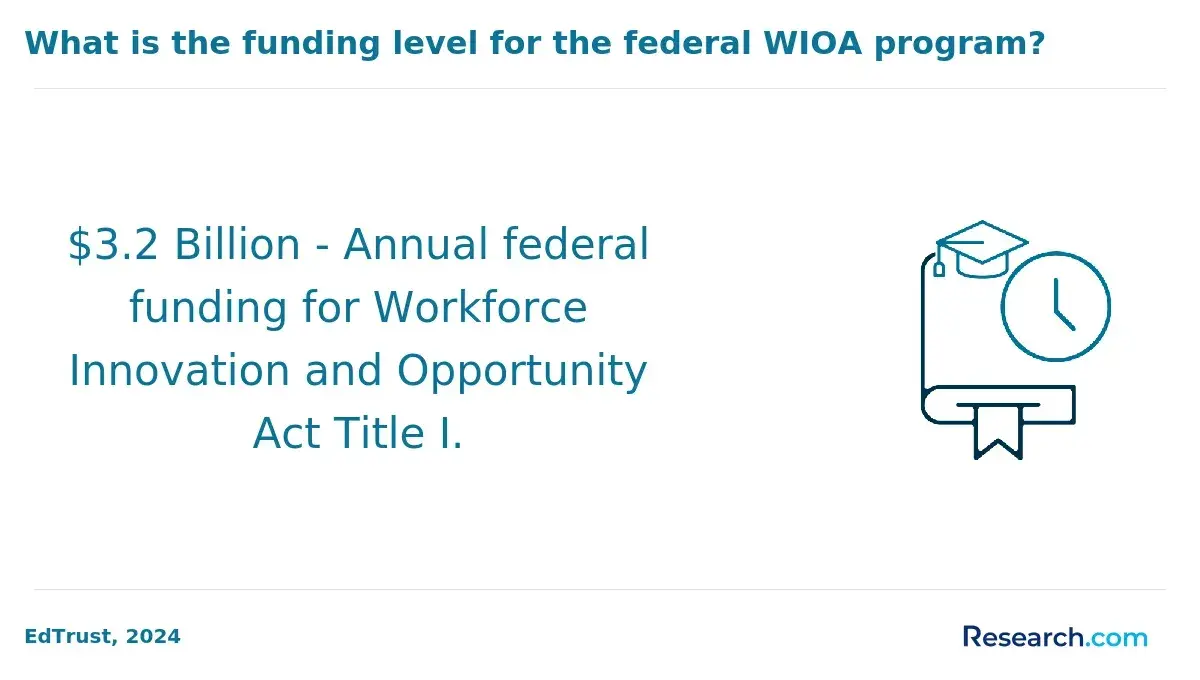
Contrary to popular belief, federal financial aid-including Pell Grants and both subsidized and unsubsidized loans-is available to adults returning to school, not just recent high school graduates. The Federal Student Aid office confirms that FAFSA eligibility is open to students of all ages who meet enrollment and citizenship criteria, making early FAFSA submission essential to secure maximum benefits.
Federal Financial Aid: These remain the primary funding sources for many adult learners pursuing forensic science degrees. Timely FAFSA filing each year is critical to accessing this support.
Employer Tuition Assistance: Workers should explore tuition reimbursement programs offered by employers, which may cover part or all tuition expenses. These programs often prioritize degrees connected to the employee's current role, and HR departments are the best resource for eligibility details.
State Adult Learner Grants: Numerous states allocate grants specifically to adult learners returning to higher education, particularly for in-demand fields like forensic science. Requirements usually include residency proofs and enrollment status.
Professional Association Scholarships: Associations such as the American Academy of Forensic Sciences provide scholarships targeting students transitioning careers into forensic science. These awards may be merit- or need-based and are geared toward adult learners.
Income-Share Agreements: A growing number of institutions offer ISAs, which allow students to pay tuition as a share of future income instead of upfront fees. While attractive for reducing immediate costs, these require careful contract review.
When comparing costs, adults should note that online programs and public institutions usually offer lower tuition than private or on-campus options, delivering affordable pathways without compromising quality.
Before committing to loans, adult students should: submit FAFSA early, investigate employer assistance, seek state grants, apply for professional scholarships, and analyze program fees. Following this strategy helps minimize debt and optimize financial aid.
Recent statistics reveal that students aged 25 and older comprise over 40% of the college population nationwide, underscoring the increasing presence of adult learners in higher education.
Employers consistently value a regionally accredited forensic science bachelor's degree regardless of the graduate's age or time taken to complete it. Data from the National Association of Colleges and Employers (NACE) and LinkedIn Workforce Insights confirm that hiring managers prioritize the quality and relevance of the credential over the candidate's age, supporting adult learners who earn their degrees after 30.
- Professional Maturity: Adult learners often bring enhanced reliability, critical thinking, and workplace communication skills shaped by life experience, which employers see as assets.
- Real-World Experience: Many returning students leverage prior careers or military service, providing practical knowledge that complements academic learning and differentiates them from younger peers.
- Perseverance: Completing a forensic science bachelor's later in life demonstrates dedication-a trait highly valued in forensic science roles by employers looking for committed candidates.
- Industry Requirements: Sectors such as crime labs, law enforcement, and government forensic departments require a bachelor's degree as a strict baseline credential, making the age at completion irrelevant.
- Credential Verification: Employers verify degrees through background checks where the credential itself matters-ages or timelines are not visible on resumes or certificates.
- Recent Statistic: LinkedIn Workforce Insights reports a 24% increase in employers recruiting adult learners over 30 for STEM-related roles, including forensic science positions, reflecting a growing recognition of diverse educational backgrounds.
Prior work experience plays an essential role for adults pursuing a forensic science bachelor's degree after age 30, especially for those with a professional background related to this field. Many universities recognize that mature students bring valuable skills gained outside traditional classrooms and offer structured ways to translate this experience into academic credit, which helps reduce both time and cost of degree completion. This impact of professional background on forensic science bachelor's completion after 30 is increasingly acknowledged by institutions with flexible credit-awarding policies.
Key mechanisms for converting professional experience into college credit include:
- Prior Learning Assessment (PLA): This evaluates real-world skills through portfolios, interviews, or challenge exams. Forensic science programs with robust PLA processes allow students to document relevant work-such as crime lab technician or law enforcement experience-to earn credit for foundational courses.
- Portfolio Evaluation: Students compile work samples, certifications, and reflective essays demonstrating applied competencies. Academic committees then assess alignment with course outcomes to potentially award credit toward degree requirements.
- CLEP and DSST Exams: Accepted broadly by accredited institutions, these standardized tests cover general education and technical topics, enabling forensic-adjacent professionals to bypass introductory classes and advance to specialized subjects.
- ACE-Recommended Credit: The American Council on Education endorses professional certifications for credit transfer. Certifications in forensic biology or crime scene investigation may qualify based on ACE's credit recommendations.
According to the Council for Adult and Experiential Learning (CAEL), adult learners typically earn between 15 and 30 semester hours of credit through PLA-equivalent to one or two full semesters-substantially shortening degree paths for those balancing family and work. Admissions offices often have dedicated staff to evaluate non-traditional applicants, considering career accomplishments, military service, and professional training alongside academic records. Adult forensic science students should clearly connect their work history to forensic science competencies, provide strong documentation, and seek recommendations that highlight relevant skills to present experience as an academic asset rather than a gap.
Institutions known for accommodating adult learners realize that years of practical experience-whether directly in forensic science or related fields such as criminal justice or laboratory work-can significantly streamline progression toward a bachelor's degree. For example, adults exploring career shifts similar to a teacher to speech pathologist transition find that recognition of prior experience is crucial in making informed decisions about degree pathways.
Admission requirements for forensic science bachelor's programs vary but generally include these key elements for adult learners over 30:
- Minimum GPA: Most programs expect a minimum GPA from prior college coursework, typically between 2.5 and 3.0 on a 4.0 scale. This standard may be more flexible in institutions focused on adult learners, accommodating those with diverse academic histories.
- Standardized Test Waivers: Applicants over 25 often benefit from waived SAT or ACT requirements, reducing barriers by recognizing that standardized tests may not reflect current skills or experience.
- Letters of Recommendation: Usually one or two letters from employers, instructors, or professionals familiar with the applicant's work ethic and potential in forensic science are requested to demonstrate non-academic strengths.
- Personal Statements: A personal essay explaining motivation, addressing educational gaps, and highlighting relevant life or work experience is commonly required.
- Residency and Transfer Credit Policies: Many programs accept transfer credits to shorten time-to-degree and have flexible residency requirements beneficial to transfer students and those returning to complete their degree.
When facing a low GPA from previous college attempts, adult applicants should consider forensic science programs offering academic renewal policies or grade forgiveness. Some schools provide conditional admission tracks allowing students to demonstrate their readiness during a probationary period. Programs with open or rolling admissions-especially those catering to adults-tend to weigh practical experience and life circumstances alongside academic history, differing from more selective traditional programs.
Prospective students must honestly assess their admissibility and seek programs aligned with their academic profile. For those concerned about credential acceptance, resources that discuss if will grad schools accept low gpa can offer valuable guidance. This approach empowers working adults, military veterans, and parents reentering the workforce to navigate the application process efficiently and select a forensic science program that supports their return to college.
Balancing caregiving duties such as parenting or eldercare alongside a forensic science bachelor's degree often reduces the time adult learners can dedicate to studies. Full-time jobs provide needed income but create scheduling challenges that may extend the time required to graduate. Data from the Institute for Women's Policy Research and Pell Institute reveal these pressures contribute to stress and increase the likelihood of delaying or pausing academic progress for adult students.
Many adult learners successfully manage their commitments by adopting focused time management methods. Techniques like the Pomodoro Technique and block scheduling help carve out consistent study periods, often during evenings or weekends, allowing for sustained concentration without burnout. Programs combining online classes with occasional on-campus labs also allow flexibility while maintaining hands-on experience.
Support networks are crucial for persistence. Workplace accommodations-such as flexible hours or remote options-greatly assist students. Family and spousal encouragement provide both emotional and practical support. Campus offerings like childcare services and emergency financial aid significantly ease obstacles. Prospective students should carefully evaluate their personal and institutional support arrangements before starting and maintain regular contact with their institution's adult learner services for tailored guidance and resources.
- Caregiving Impact: Responsibilities reduce available study time, requiring adaptable schedules that reflect shifting family needs.
- Employment Challenges: Full-time work secures income but demands flexible job arrangements to accommodate coursework.
- Time Management: Proven methods like Pomodoro and block scheduling promote focused, manageable study routines.
- Support Systems: Employer flexibility, family involvement, and campus support are critical for reducing stress and encouraging degree completion.
- Institutional Resources: Proactive communication with adult learner offices connects students to programs and aid designed for adult needs.
Adult learners pursuing a forensic science degree face unique challenges that targeted campus and online resources can effectively address, increasing their chances of success. Research from Complete College America underscores how heightened advising correlates with improved completion rates among adult students. When assessing forensic science programs, consider this checklist of critical support services proven to benefit non-traditional learners:
- Dedicated Adult Learner Advisors: Advisors with expertise in adult education offer customized assistance, helping students balance academic requirements with work and family duties through course planning and problem-solving support.
- Prior Learning Assessment Offices: These offices assess and award credit for relevant professional, military, or life experience, enabling students to shorten their time to degree and lower overall costs.
- Evening and Weekend Tutoring: Flexible tutoring schedules accommodate the busy lives of adult students, ensuring academic help is available outside traditional classroom hours.
- Virtual Library Access: Online research tools and academic resources allow learners to study remotely, improving convenience and time efficiency.
- Career Services for Career Changers: Specialized counseling guides students in aligning their forensic science studies with new career objectives, including resume development and job search support.
- Peer Networks for Non-Traditional Students: Support groups and mentorship programs connect adult learners with peers who share similar experiences, fostering motivation and reducing feelings of isolation.
Data from the National Student Clearinghouse confirms institutions offering these robust supports significantly increase adult completion rates. Prospective forensic science students should inquire about the availability and extent of such services before enrolling to ensure their educational journey is supported throughout.
What Graduates Say About Getting a Forensic Science Bachelor's Degree After 30
- Alfred: "Returning to school after 30 felt daunting, but the financial support options available made the decision much easier. I truly appreciated how the program's accreditation assured me that my degree would be respected by employers. This confidence helped me transition smoothly into a professional career in forensic science, where practical experience and credentials matter deeply."
- Erika: "Enrolling in the forensic science bachelor's program in my early thirties brought unique challenges, but the program's strong accreditation gave me peace of mind about the value of my education. The financial aid opportunities reduced my stress and allowed me to focus fully on my studies. Narrowing down my career path within forensic science was easier thanks to the program's comprehensive curriculum and real-world applications."
- Landon: "My time in the forensic science program was transformative-especially balancing studies with family life after 30. I found the financial support options essential to managing expenses without sacrificing quality, and knowing the program was accredited reinforced my confidence in the degree. Graduating opened doors to exciting professional roles, proving that age isn't a barrier to entering the forensic science field."
Other Things You Should Know About Forensic Science Degrees
Earning a forensic science bachelor's degree after 30 can positively impact long-term earning potential by opening doors to specialized roles that require formal education. Professionals entering the field later may start with salaries comparable to recent graduates but often benefit from previous work experience that can accelerate career advancement. Over time, obtaining the degree supports qualifications for higher-paying forensic analyst or lab management positions, improving income stability.
Yes, several accredited programs offer accelerated tracks and credit-for-experience options designed for adult learners over 30. These programs recognize prior college credits, professional certifications, or relevant work experience, allowing students to complete their degrees faster. Flexible scheduling and online course availability further accommodate the unique time demands of adult learners balancing education with other responsibilities.
Many programs require a criminal background check and, for lab placements, a drug screen before admission or before clinical work. These checks are based on program and agency rules, not age. Some internships or evidence-handling sites also require fingerprinting, especially when students work with law-enforcement partners.
- A Forensic Scientist's Path: What a Long, Rewarding Trip It's Been - AWIS https://awis.org/resource/a-forensic-scientists-path-what-a-long-rewarding-trip-its-been/
- High School Summer Forensic CSI Program https://www.nslcleaders.org/youth-leadership-programs/forensic-science/
- Forensic Science Academy https://hs.sas.upenn.edu/summer-programs/academies/2-week/forensic-science-academy
- Bachelor of Forensic Science Bachelor of Law (Integrated Degree) https://www.newportuniversity.eu/programs/bachelor-degree/bachelor-of-forensic-science-bachelor-of-law/
- Client Challenge https://www.aafs.org/article/importance-work-life-balance
- Harsh Reality of Forensic Work-Life Balance • Gap Science https://gapscience.com/reality-of-forensic-work-life-balance/
- Bachelor's Degree Programs in Forensic Science - Online & On-campus https://www.forensicscolleges.com/programs/forensic-science/bachelors
- Question: What challenges do forensic scientists face, and what is the hardest challenge you've face and did you overcome that challenge and how? https://archive.imascientist.org.uk/forensics-zone/question/what-challenges-do-forensic-scientists-face-and-what-is-the-hardest-challenge-youve-face-and-did-you-overcome-that/index.html
- How an Online Forensic Science Master’s Program Can Accelerate Your Career https://www.stevenson.edu/online/about-us/news/how-an-online-forensic-science-masters-program-can-accelerate-your-career/
- Internships https://ncdoj.gov/crime-lab/internships/