2027 Can a Sports Science Degree Lead to Remote Jobs?

Co-Founder and Chief Data Scientist
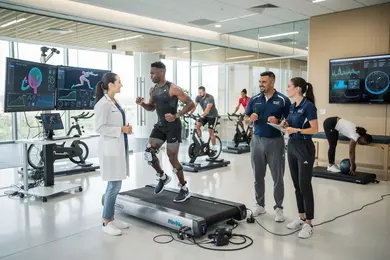
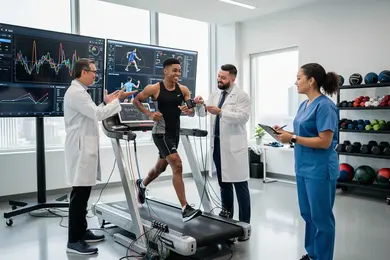
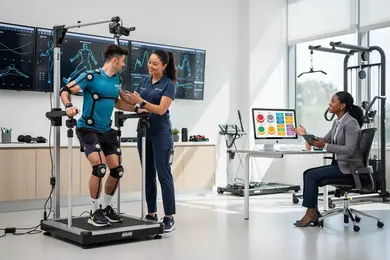
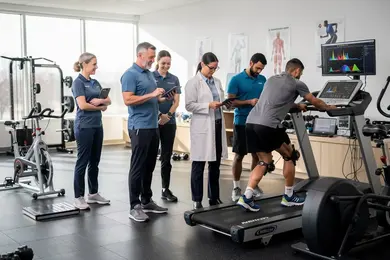
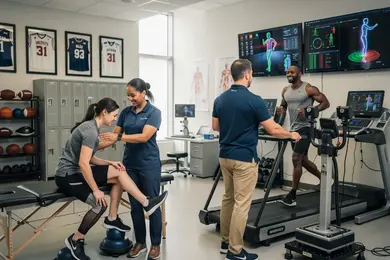
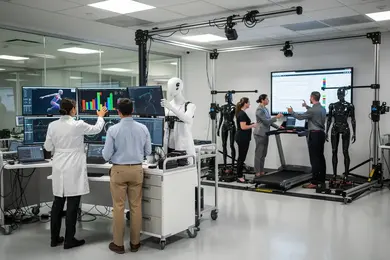
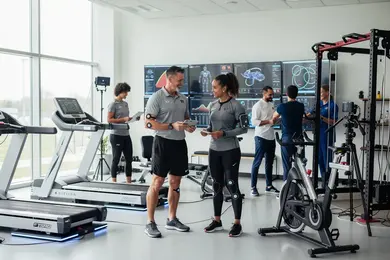
The rise of hybrid and fully remote roles within the Sports Science sector reflects a subtle but significant shift in workforce dynamics. Programs increasingly integrate digital tools like motion analysis software, biomechanical simulation platforms, and cloud-based data management systems, equipping graduates with practical skills crucial for distributed collaboration.
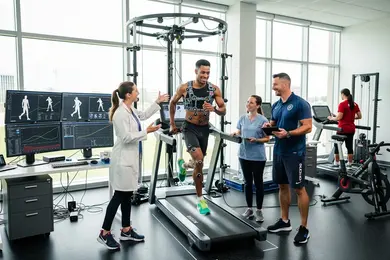
However, hands-on components, such as licensing-mandated clinical hours or athlete testing protocols, often require local presence, complicating purely remote employment. Recent labor reports from the U. S. Bureau of Labor Statistics indicate a 12% growth in telecommuting opportunities for exercise physiologists and related professionals since 2023, underscoring emerging remote pathways while highlighting career trade-offs.
This article examines if remote Sports Science jobs suit varied career motives and educational backgrounds.
Key Points About Sports Science Degrees That Lead to Remote Jobs
- Remote roles in exercise physiology and wellness coaching demand certifications beyond a sports science degree, creating a timing tradeoff between advanced credentialing and early workforce entry.
- Employment growth in telehealth fitness guidance reflects employer preference for interdisciplinary skills, making practical experience in digital health platforms crucial for remote candidate competitiveness.
- Wider adoption of online education, with adult learner enrollment rising, improves access to specialized courses but requires careful cost-benefit analysis on certificate investments versus job market outcomes.
Is it possible for Sports Science graduates to work remotely?
Opportunities for sports science graduates to work fully remotely remain limited due to the inherently physical and interactive nature of many roles. Jobs involving direct athlete assessment, hands-on coaching, or rehabilitation generally require presence on-site, making remote arrangements less feasible.
That said, a number of positions now blend remote and in-person responsibilities, reflecting a gradual shift toward hybrid work models in this field.
Remote or hybrid roles tend to focus on areas like sports analytics, research coordination, health consultancy, and virtual coaching platforms where digital tools facilitate performance analysis and training plan development. These positions allow graduates to contribute through data interpretation, virtual consultations, or content creation.
Enhancing skills in software applications, digital communication, and remote health management can improve eligibility for such roles, though candidates should remain mindful that substantial portions of sports science work still rely on physical interaction and on-site engagement.
What are the typical entry-level remote positions for new Sports Science graduates?
Entry-level remote jobs are available for new sports science graduates, though roles often emphasize proficiency with digital communication and independent workflow management. These positions generally mesh well with remote or hybrid arrangements, reflecting a shift in how organizations in health, fitness, and research sectors allocate entry-level responsibilities.
Below are common remote roles suited for sports science degree holders entering the workforce.
- Remote Fitness Coach: Responsible for creating individualized workout programs and delivering coaching sessions via video platforms or fitness apps, allowing for nearly full remote interaction. This role demands strong communication skills and familiarity with virtual client management tools.
- Sports Data Analyst Intern: Focuses on data interpretation, performance reporting, and supporting research or coaching staff remotely. Candidates must demonstrate competence with statistical software and spreadsheet analytics, enabling independent contribution without onsite presence.
- Health and Wellness Content Creator: Involves producing educational materials such as articles, videos, or social media posts centered on fitness and nutrition topics. As content production and distribution are digital processes, this position is often fully remote or hybrid, fitting those with strong writing or multimedia skills.
- Rehabilitation Support Assistant: Supports clinical teams remotely by handling administrative workflows, patient follow-ups, and distributing educational resources. Although occasional in-person contact may be required, the bulk of this role's duties accommodate remote execution.
- Exercise Science Research Coordinator: Assists with study planning, participant communication, and early-stage data entry, frequently for clinical trials utilizing wearable technology. This background work typically occurs online, highlighting organizational and communication capabilities in a digital setting.
These typical entry-level remote jobs for sports science graduates demonstrate the field's expanding embrace of flexible work arrangements that rely heavily on data handling and virtual interaction.
Graduates should weigh the tradeoffs between autonomy and collaborative demands while assessing employers' increasing preference for digital literacy alongside domain expertise.
For those navigating workforce entry, understanding nuances like nursing school acceptance rate trends and related healthcare education dynamics may illuminate comparable labor market selectivity and remote career opportunities for new sports science degree holders.
Are there senior-level remote positions for Sports Science professionals?
Senior-level remote positions for sports science professionals exist but are generally more accessible to those with significant experience rather than new graduates. Employers typically reserve these roles for individuals who demonstrate strong data analysis capabilities, leadership, and interdisciplinary collaboration skills.
Below are five senior roles that are commonly offered in remote or hybrid formats within the sports science sector.
- Sports Science Director: Responsible for managing research initiatives and performance strategy development. This role frequently operates remote because oversight tasks, data review, and cross-team coordination can be effectively handled through virtual platforms without necessitating onsite presence.
- Performance Analyst Manager: Focuses on interpreting athlete data to fine-tune training and recovery processes. The reliance on computer modeling and video analysis enables a remote workflow, facilitating collaboration with stakeholders across different locations.
- Senior Clinical Exercise Physiologist: Designs and monitors rehabilitation and chronic disease protocols, often using telehealth tools for remote patient assessments and consultations. This role supports remote engagement but may require periodic in-person evaluations depending on the client's needs.
- Research Scientist in Sports Physiology: Manages experimental studies and project partnerships with academic or private institutions. Since much of the work involves data analysis, grant proposal writing, and publication efforts, this position can function effectively in a remote or hybrid arrangement.
- Lead Sports Nutritionist: Develops dietary and wellness strategies for elite athletes via virtual consults and remote tracking software. Their role is suited to remote settings where physical interaction is less critical, provided they maintain strong digital communication channels.
Recognizing the scope of remote career opportunities for experienced sports science graduates requires balancing technological skillsets with practical demands of physical presence, especially in roles tied closely to hands-on evaluation or intervention.
Some may complement sports science expertise with credentials like a healthcare management certificate to improve leadership and administrative prospects in remote environments.
Which industries hire the most remote workers with Sports Science degrees?
Remote roles for sports science graduates exist across several sectors, each with distinct expectations and operational models. These industries leverage the flexible nature of digital tools to integrate remote expertise into their workflows.
Below are five primary industries employing remote sports science professionals.
- Healthcare: Remote positions often focus on tele-rehabilitation and virtual patient monitoring, where sports science graduates develop exercise prescriptions and recovery plans. While many roles emphasize client interaction online, some hybrid work is usually necessary to support in-person assessments.
- Digital Fitness and Wellness: Companies creating app-based training or wellness content employ graduates to design programs, conduct online coaching, and analyze user data remotely. This industry tends to support fully distributed teams, allowing professionals to collaborate without geographic constraints.
- Corporate Wellness: Organizations in this space use virtual platforms to roll out employee health initiatives and ergonomic evaluations. Remote work is common, though some roles require occasional onsite visits to implement or refine wellness programs effectively in workplace settings.
- Research and Data Analytics: With advancements in wearable technology and cloud computing, sports science professionals analyze performance data and contribute to evidence-based training remotely, enabling work detached from physical lab environments or field sites.
- Education and Coaching: Online learning and virtual coaching clinics allow graduates to deliver instructional content and lead webinars via video conferencing. While practical skill training may demand some face-to-face interaction, much of the theoretical and programmatic coaching work can be managed remotely.
How do salaries differ for remote vs on-site roles in Sports Science?
Remote salaries for sports science professionals typically lag behind on-site wages, reflecting a consistent pattern of geographic pay adjustments. While annual earnings for in-person roles often range between $60,000 and $70,000, remote positions usually offer 5% to 15% less, depending on the employer's policies and the worker's location.
This pay disparity stems from many employers prioritizing cost-of-living differences rather than uniform compensation regardless of work setting.
Employers commonly apply geographic tiering to remote sports science wages, reducing pay for workers in lower-cost regions while maintaining or slightly adjusting salaries for employees in higher-cost areas.
However, exceptions exist for specialized roles such as sports data analysts or remote clinical consultants, where talent scarcity drives competitive salaries that may match or exceed those for on-site jobs.
For students and graduates weighing remote opportunities, analyzing these variations alongside a comparison of on-site and remote sports science wages is essential for setting realistic expectations. Exploring self paced college courses that emphasize applicable skills can also influence employability in this evolving landscape.
What are the common challenges of working remotely with a Sports Science degree?
Remote work in sports science encounters specific operational and professional hurdles that differ markedly from other fields due to the discipline's emphasis on physical assessment and real-time data collection. Below is an outline of the primary challenges this presents, alongside practical considerations for managing them.
- Hands-On Data Collection Restrictions: The need for direct physical testing and intervention is fundamental to sports science, making remote replication difficult. Professionals must rely heavily on local facilities or personnel, which can compromise the quality and immediacy of data.
- Dependency on Local Collaboration: Accuracy in remote projects often depends on trustworthy and skilled local assistants to implement protocols. This reliance can introduce inconsistencies and delays if communication or training is inadequate.
- Communication and Interaction Barriers: Remote settings limit spontaneous dialogue essential for clarifying complex findings or troubleshooting experimental procedures, which can slow project timelines and disrupt collaborative problem-solving.
- Data Security and Privacy Challenges: Handling sensitive health and performance data remotely requires stringent cybersecurity measures. Ensuring compliance with regulations adds layers of complexity not typically encountered in on-site scenarios.
- Visibility and Career Recognition Issues: Remote sports science workers often face proximity bias, leading to reduced acknowledgment from managers and fewer opportunities despite comparable or higher productivity.
When discussing these realities with a sports science professional who graduated from an online bachelor's program, he highlighted how remote roles demanded constant coordination with on-site teams to verify testing protocols, often through multiple video calls and detailed reporting.
He noted feeling disconnected from the day-to-day flow of activities and expressed concerns that remote work made it harder to demonstrate initiative or earn merit-based recognition. He described being "caught between needing autonomy and requiring hands-on support" and emphasized that developing strong digital communication skills and building trust with local collaborators became critical to navigating these challenges effectively.
Are there certifications that can improve remote hiring outcomes for Sports Science graduates?
Certifications can significantly enhance remote hiring outcomes for sports science graduates by validating specialized skills that employers prioritize in virtual environments. Below are five key certifications that align with best online courses to improve remote job prospects in sports science:
- Certified Strength and Conditioning Specialist (CSCS): This credential, offered by the National Strength and Conditioning Association, focuses on strength training and athletic performance. It supports remote roles that involve virtual coaching and program design, typically requiring a bachelor's degree and successful completion of a rigorous exam.
- Certified Exercise Physiologist (CEP): Provided by the American College of Sports Medicine, the CEP certifies expertise in exercise testing and prescription. It is relevant for remote clinical or wellness positions and usually requires a degree in exercise science or a related field along with documented practical experience.
- Precision Nutrition Level 1 Certification: This nutrition coaching certificate enhances a graduate's ability to deliver remote dietary guidance and behavior change interventions. It demands completion of a comprehensive online course and is prized for its practical application in health coaching.
- NASM Certified Personal Trainer: Recognized by the National Academy of Sports Medicine, this certification covers foundational training principles ideal for remote fitness instruction. It requires passing the NASM exam and is valued for targeting client-specific goals in virtual settings.
- Functional Movement Screen (FMS) Certification: FMS certification evaluates movement patterns to prevent injury and optimize performance, useful for remote assessment and rehabilitation coaching. Candidates generally need prior fitness credentials or experience to enroll.
Global organizations such as NSCA, ACSM, ISSN, and NASM set rigorous standards that employers trust, making certifications from these bodies particularly impactful.
Graduates balancing costs and study time should prioritize credentials with proven remote applicability and employer recognition. Remote work often demands adaptability not only in technical knowledge but also in virtual client management and data interpretation.
For sports science students exploring options beyond conventional classroom settings, pairing degree study with targeted certifications can differentiate candidates in a competitive market.
This approach parallels strategies found in other healthcare fields, as evidenced by resources on the top online MHA programs, where credentialing complements academic foundation for remote opportunities.
How can Sports Science degree students increase the chances of landing remote roles?
Students with a sports science degree seeking remote roles face distinct challenges that require focused strategies to improve their employability in virtual workspaces. Below are five crucial approaches that can increase the likelihood of securing remote positions within this competitive field.
- Develop Specialized Digital Skills: Tailor your skill set to the technical demands of remote sports science roles by emphasizing data analysis, virtual training program design, and remote monitoring tools. Demonstrating proficiency in these areas signals your ability to operate independently and manage digital platforms utilized by employers.
- Build a Diverse Portfolio of Case Studies: Compile detailed projects showcasing athlete performance analysis, remote fitness programming, or injury prevention initiatives with measurable outcomes. Such portfolios help hiring managers assess your problem-solving skills and capacity for autonomous work critical in remote environments.
- Engage with Remote-Focused Communities: Actively participate in online groups and forums targeted at remote health and fitness professionals. Networking within these niche spaces exposes you to job openings and peer insights, enhancing your visibility among employers specifically recruiting for remote sports science roles.
- Practice Asynchronous Task Completion: Prepare for hiring processes by simulating remote trial assignments such as data interpretation challenges or client programming exercises delivered without real-time supervision. Excelling in these reflects readiness for self-directed work, a key expectation in virtual hiring scenarios.
- Leverage Remote Job Boards Strategically: Use platforms like We Work Remotely or Remote.co alongside specific fitness-oriented sites to track relevant listings. Efficiently targeting remote job boards streamlines your search and aligns your applications with employers valuing specialized digital competencies.
Incorporating such targeted efforts and effective networking strategies for sports science students seeking remote work can significantly improve competitiveness in an evolving job market.
For additional guidance on career pathways intersecting with healthcare and allied health, students may also explore options like the best RN to BSN programs, which align with workforce trends demanding digital readiness and flexible practitioner roles.
How do remote Sports Science roles impact long-term career trajectory and promotions?
Remote sports science positions shift the dynamics of career progression by prioritizing documented performance over informal, in-person interactions that traditionally influence promotions. Without physical presence, workers rely on objective measures such as project outcomes, communication clarity in virtual meetings, and adherence to deadlines to demonstrate leadership and collaboration.
This demands stronger written communication and consistent engagement through asynchronous tools, including project management platforms and performance tracking dashboards.
Building visibility remotely requires intentional strategies like proactive one-on-one discussions with supervisors and active participation in team forums to maintain influence and align with organizational goals.
Unlike on-site roles where spontaneous networking can open opportunities, remote environments depend heavily on digital records and peer feedback for evaluating contributions and readiness for advancement.
The promotional timeline may not follow conventional patterns, so professionals must adapt by developing proficiency with remote work technologies and sustaining regular, measurable contributions to their teams.
While this mode can equalize some advancement chances, it also rewards those who effectively translate leadership into measurable outcomes without relying on physical presence or informal social capital.
Is a remote career in Sports Science sustainable for the next decade?
Remote careers in sports science face a nuanced path over the coming decade. Technological advances such as wearable sensors, telehealth platforms, and AI-driven biomechanical assessments are expanding the scope for performance monitoring and rehabilitation work outside conventional settings.
These innovations enable more data-driven, personalized interventions without requiring an on-site presence, aligning well with corporate shifts toward flexible and dispersed teams in health and wellness sectors.
However, not all roles in sports science translate easily to remote formats; practical, hands-on tasks and certain clinical positions often necessitate physical proximity, limiting purely remote prospects.
Economic pressures and evolving employer expectations also influence how sustainable remote jobs will be. Companies increasingly demand professionals who can integrate technical proficiency with adaptability to fast-changing tools and collaboration technologies.
Graduates leveraging cross-disciplinary skills in data analytics and telecommunication typically find greater longevity in remote roles compared to those focused solely on traditional methods. Continued upskilling, networking within specialized communities, and staying current with emerging digital tools are critical for maintaining competitive advantage and career resilience in this shifting landscape.
When I spoke with a sports science professional who earned his degree online, he highlighted early frustrations adapting to virtual client consultations and mastering complex analytics software without direct mentorship. "The learning curve was steep because the remote setting limits spontaneous feedback," he explained.
Despite these challenges, he noted that building a network through online forums and professional groups was pivotal. "It took deliberate effort to find remote internships and projects that helped me prove my skills, which reassured employers I was ready for remote work long term."
What Graduates Say About Sports Science Degrees That Lead to Remote Jobs
- Margaret: "Graduating with a degree in sports science opened doors for me, but it wasn't a straightforward path. Landing my remote role in athletic data analysis came down to building a strong portfolio during internships rather than relying solely on licensure. Working remotely has offered flexibility to collaborate with teams across time zones, yet it demands disciplined communication to ensure project clarity."
- Peter: "Having a sports science background helped me pivot into remote injury prevention consulting, a niche that values practical certifications and client outcomes over traditional licenses. The remote aspect has accelerated my entry into the workforce and provided unique opportunities to tailor programs individually. That said, I've noticed some salary growth trade-offs compared to peers working on-site with licensure, requiring strategic career planning."
- Andrew: "My degree in sports science was essential for securing a remote role designing rehabilitation protocols, but the hiring landscape remains competitive. Employers prioritize hands-on experience and demonstrated results, so I focused heavily on real-world projects during my studies. While remote work grants significant autonomy, it also requires adaptability and self-motivation to navigate less structured workflows and maintain professional development."
Other Things You Should Know About Sports Science Degrees
The practical, often lab-based nature of many sports science degrees means that not all programs equally prepare students for remote work. Programs with a strong emphasis on virtual simulations, data analysis, or remote wellness coaching modules typically offer better preparation for remote positions. Prospective students should prioritize programs that integrate online project work and digital tools, as these experiences align more closely with the expectations of employers seeking candidates capable of effective remote collaboration and independent work.
Specialized degrees focusing on niche areas like biomechanics or sports psychology may limit remote job options due to the need for in-person assessments or equipment, while broader degrees incorporating health promotion and data analytics can open up more diverse remote opportunities. Graduates should weigh the appeal of specialized expertise against potential flexibility benefits from broader programs. For those prioritizing remote work, choosing programs that develop transferable skills in technology and communication tends to enhance employability in remote environments.
In remote sports science work, demonstrated practical experience with relevant technology and remote client interaction generally outweighs academic credentials alone. While degrees are necessary, they rarely distinguish candidates in isolation. Students should invest time in remote internships, telehealth projects, or digital fitness coaching to build a portfolio evidencing their capacity to apply knowledge in remote settings. Employers typically favor those who can show hands-on experience adapting techniques and communication for remote delivery over those with solely strong academic records.
References
- The Current State of the Sport Science Field and Careers – Integration, Data, and Professional Pathways https://www.nsca.com/education/articles/nsca-coach/sport-science-field-and-careers/
- Workplace Ergonomics & Remote Work Challenges — Pitt Meadows Physiotherapy Clinic https://www.pittmeadowsphysio.ca/blogs/workplace-ergonomics-amp-remote-work-challenges
- What Jobs Can You Do With Sports Science? | Oxford College https://www.oxfordcollege.ac/news/what-jobs-can-you-do-with-sports-science/
- Sports Jobs https://www.teamworkonline.com/jobs-in-sports
- 8 Rewarding Careers for Aspiring Exercise and Sport Scientists https://www.sacredheart.edu/news-room/news-listing/8-rewarding-careers-for-aspiring-exercise-and-sport-scientists/
- Sports Management Qualifications for Jobs in Sport https://etacollege.com/key-certifications-and-degrees-you-need-for-a-career-in-sports-science-and-sports-management/