2026 Can a Geoscience Degree Lead to Remote Jobs?

Co-Founder and Chief Data Scientist
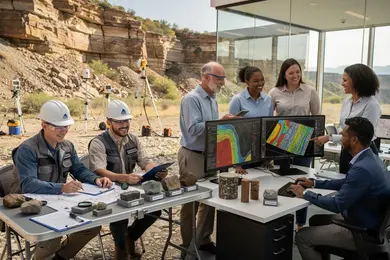
Remote work opportunities within Geoscience have expanded alongside growing reliance on digital platforms for data analysis and modeling. Core competencies in software such as ArcGIS, Petrel, and MATLAB, regularly embedded in curricula, equip graduates to contribute effectively in distributed teams. Many programs incorporate virtual labs and simulation tools, replicating field data collection and processing, which are crucial as remote roles demand strong technical autonomy.
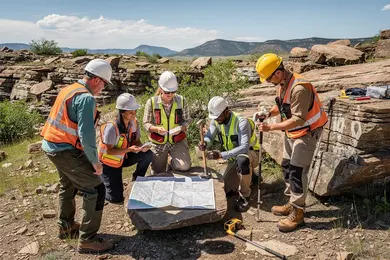
However, licenses and fieldwork requirements often mandate intermittent on-site participation, indicating a hybrid model prevalence. According to a U.S. Bureau of Labor Statistics report, about 28% of geoscientists engage in remote or hybrid roles, reflecting a shift toward flexible employment structures. This article examines how these factors influence the viability of remote Geoscience careers and aids readers in assessing alignment with their professional objectives.
Key Points About Geoscience Degrees That Lead to Remote Jobs
- Emerging remote roles in geoscience analytics rely heavily on proficiency with GIS and data modeling software, meaning certification in these tools improves employability but may increase upfront training costs.
- As employers shift to hybrid teams, remote geoscience roles often require demonstrated experience managing projects virtually, reflecting a workforce trend prioritizing digital communication and cross-functional collaboration skills.
- Online degree growth reported by the National Center for Education Statistics highlights greater access yet longer completion times, so students must weigh the tradeoff between flexible pacing and delayed workforce entry in remote geoscience careers.
Is it possible for Geoscience graduates to work remotely?
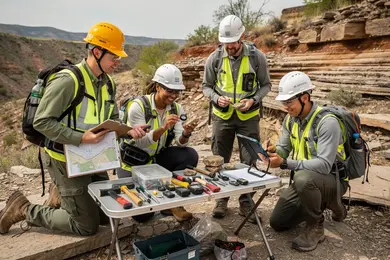
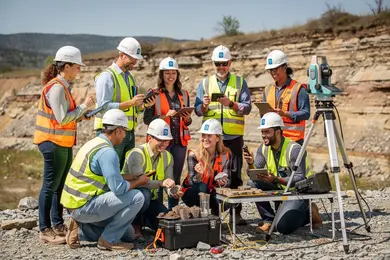
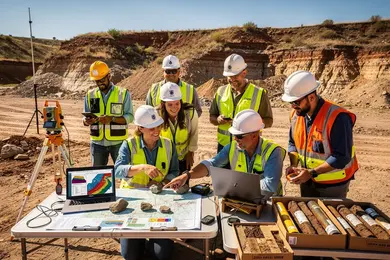
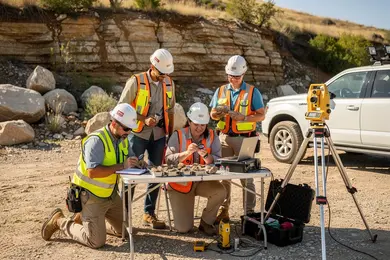
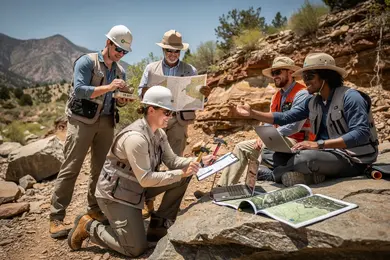
Remote work possibilities for geoscience graduates are uneven across roles due to the hands-on nature of much field-based work. While traditional duties like site visits, sampling, and equipment operation demand physical presence, digital transformation has opened pathways to remote or hybrid setups. Positions such as geospatial analysts using GIS platforms, data modelers, and environmental consultants focused on report writing and analysis are among those more suited to virtual environments.
Employers expect remote geoscience professionals to combine solid technical expertise with robust digital communication skills, enabling effective collaboration despite distance. Graduates who cultivate adaptability to remote technologies while maintaining core field skills are better positioned to access hybrid roles, though this balance may limit direct field experience and networking opportunities.
What are the typical entry-level remote positions for new Geoscience graduates?
New graduates with a geoscience degree can find various entry-level remote positions, although the availability often depends on the employer's technology adoption and project requirements. These roles typically emphasize data analysis, technical software skills, and written communication, lending themselves well to remote or hybrid work setups.
Below are common entry-level remote geoscience roles for recent graduates.
- Environmental Data Analyst: This position centers on processing large environmental datasets and using modeling tools to support regulatory compliance and planning efforts. It often allows for remote work since much of the data analysis can be conducted offsite using cloud platforms and specialized software.
- Geospatial Technician: Focused on Geographic Information Systems (GIS), this role involves creating digital maps and spatial models. Most tasks, including data processing and map generation, are software-based and suitable for remote execution.
- Remote Sensing Analyst: Analysts interpret aerial or satellite imagery for applications such as natural resource management or hazard monitoring. Since these images and tools are accessible via remote servers, entry-level analysts can perform much of their work from a distance, with occasional on-site verification.
- Energy Sector Research Assistant: Supporting exploration teams, this role requires analyzing geological and geophysical data, preparing reports, and maintaining project databases. The digital nature of the data permits remote collaboration, although some field visits may be necessary.
- Technical Report Writer: Clear documentation of findings and fieldwork is critical. Graduates with strong writing skills help draft and edit technical reports based on data received from field personnel, a job well-matched to remote work environments.
These remote geoscience roles tend to demand proficiency with relevant software and the ability to communicate effectively across virtual teams. While remote work suits many of these functions, flexibility for occasional in-person meetings or site visits remains important.
For graduates navigating entry-level remote geoscience jobs, prioritizing technical competencies alongside self-management and virtual collaboration skills offers the strongest positioning for sustainable employment. Resources like the most affordable online MBA programs can provide insights into advanced qualifications that support career diversification beyond strictly technical roles.

Are there senior-level remote positions for Geoscience professionals?
Senior-level remote positions for geoscience professionals are available but remain limited compared to more digitally focused fields. For new graduates, senior remote roles are uncommon without substantial experience, though some positions become suitable for remote or hybrid setups as professionals take on leadership, strategic, and analytical tasks.
Below are five senior geoscience roles that often offer some level of remote work flexibility:
- Senior Geospatial Analyst: This role involves analyzing geographic information systems and remote sensing data, which can be accessed remotely. Senior analysts focus on interpreting spatial data to assist with resource management and environmental planning, making remote work relatively feasible.
- Principal Geoscientist: Often responsible for leading exploration or environmental projects, principal geoscientists coordinate teams and oversee data interpretation. Their reliance on digital tools and strategic oversight allows for hybrid or remote arrangements in many cases.
- Environmental Consultant Manager: These managers balance client communications, regulatory compliance, and field data analysis. The role's mix of team coordination and report generation lends itself to remote project oversight, though periodic field input is typically necessary.
- Petroleum Geology Advisor: Focusing on strategic decisions about resource extraction, this role mainly involves synthesizing complex data and advising projects. Once field data collection is complete, much of this job can be conducted remotely, supporting hybrid work models.
- Geoscience Data Scientist Lead: Handling large geoscience datasets, model development, and algorithm design, this position is analysis-centric and doesn't require physical field presence, making remote work particularly practical and efficient.
The increasing presence of remote and hybrid roles in geoscience senior positions reflects broader shifts toward data-driven and strategic functions that reduce dependency on continuous fieldwork. Nevertheless, many employers expect geoscience professionals to maintain a balance between remote collaboration and on-site tasks.
For those exploring remote senior geoscience job opportunities in the US, gaining skills in digital data management and remote sensing technologies improves employability. Meanwhile, those considering alternative educational pathways should examine options like accelerated social work programs for timely career transitions aligned with workforce demands.
Which industries hire the most remote workers with Geoscience degrees?
Remote work options for geoscience graduates exist across several industries, though the availability and nature of these roles vary significantly. Below are five key sectors that commonly offer remote positions suited to the skills of geoscience professionals.
- Environmental consulting: This field frequently hires remotely for tasks centered on data evaluation, regulatory compliance reports, and impact assessments. Geoscientists often work from home, analyzing environmental samples and coordinating with onsite teams.
- Energy and mining exploration: Though fieldwork remains essential during certain project phases, many roles now focus on geospatial data processing, resource estimation, and remote sensing that can be completed off-site. Hybrid work arrangements are increasingly common.
- Government agencies: Federal and state entities provide remote work through assignments such as GIS analysis, data management, and policy development. Site inspections still require in-person attendance, limiting full-time remote potential.
- Research and academia: Universities and research centers with computational geoscience projects enable remote engagement in tasks like modeling, data simulations, and academic publishing. Virtual collaboration tools support ongoing teamwork.
- Geospatial and satellite data firms: Companies specializing in remote sensing, GIS mapping, and Earth observation depend heavily on digital technologies. This reliance facilitates distributed teams and remote work focused on data interpretation and software applications.
While fully remote roles are less common where extensive fieldwork is involved, industries are adjusting to accommodate remote contributions in analytical and technical capacities. Graduates skilled in data science, programming, and geospatial tools are particularly positioned to benefit from these evolving work models, though occasional onsite visits remain a practical expectation.
How do salaries differ for remote vs on-site roles in Geoscience?
On-site geoscience roles in the US typically command higher average salaries than remote positions, largely due to the premium placed on physical presence, fieldwork, and location-specific duties. Employers often adjust pay for remote geoscience jobs through geographic tiering, reducing salaries for employees based in lower-cost areas compared to those at urban centers where living expenses are higher.
Specialized roles such as reservoir modeling or geophysical data interpretation, which face talent shortages, usually maintain competitive salaries regardless of remote status. Many top-tier firms implement these pay structures to balance cost efficiency with retaining niche expertise.
For graduates assessing remote opportunities, recognizing how employers structure compensation based on both location and specialized skills is essential. This practical understanding helps in setting realistic expectations within the evolving workforce landscape, rather than depending on standard pay scales or generic guidelines.
Students and professionals exploring alternative pathways might consider resources like a 2-year construction management degree online, which exemplifies streamlined programs designed for specific industry roles, illustrating how targeted education can complement geoscience careers, especially when remote work options vary. Navigating these salary dynamics requires nuanced awareness of both the geoscience job market and the evolving models of remote employment.

What are the common challenges of working remotely with a Geoscience degree?
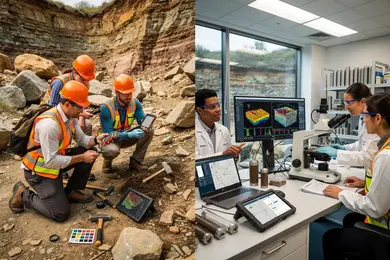
Working remotely with a Geoscience degree can be challenging because many tasks often require fieldwork, laboratory analysis, and on-site data collection. Geoscience professionals may also face difficulties accessing specialized equipment, collaborating with research teams, and interpreting data effectively from a remote setting. These challenges can impact productivity, communication, and the accuracy of scientific work.
Common remote work challenges include:
- Access to Specialized Software and Data: Geoscience relies heavily on large datasets and complex modeling software that demand secure, high-performance computing environments. Remote access often suffers from latency and security restrictions, which slow workflows. Professionals can mitigate this by advocating for cloud-based platforms and virtual desktops tailored to heavy geoscience applications.
- Data Security and Compliance Risks: Geological data often includes sensitive environmental or proprietary information. Remote setups increase vulnerability to breaches if rigorous cybersecurity protocols are not in place, adding pressure to maintain compliance standards. Investing in VPNs and multi-factor authentication protocols is critical for remote workers.
- Delayed Communication Impacting Decision-Making: Remote teams lack spontaneous interactions crucial for troubleshooting complex, multidisciplinary geoscience projects. This can stall timely decisions and compound problems. Developing structured communication routines and using collaborative digital tools helps bridge these gaps.
- Visibility and Proximity Bias: Remote professionals can be overlooked during performance evaluations and project assignments due to limited physical presence. To counter this, consistent documentation of contributions and proactive engagement with supervisors are essential.
- Dependence on Digital Literacy and Self-Management: Success remotely demands strong digital skills and disciplined time management to navigate technical platforms and coordinate across teams. Upskilling in these areas improves adaptability and productivity.
When discussing these issues with a geoscience professional who completed an online bachelor's degree, he emphasized the challenge of feeling isolated from core project dynamics. "You're often the last to hear updates or changes because a lot of key discussions happen in person," he shared.
He also noted the struggle of "making sure my remote work is visible and valued," which led him to develop detailed weekly reports and scheduled calls with project leads. Despite technical barriers, he found that persistence in communication and mastering remote collaboration tools gradually improved his inclusion and effectiveness in the team.
Are there certifications that can improve remote hiring outcomes for Geoscience graduates?
Certifications play a distinguishable role in improving remote hiring outcomes for geoscience graduates by signaling specialized expertise and compliance with industry standards. Employers evaluating remote candidates often emphasize credentials that verify technical mastery and project capabilities.
Below are five key certifications that frequently enhance prospects in remote geoscience careers.
- Professional Geologist (PG) Licensure: This state-regulated credential confirms proficiency and ethical standards for practicing geology professionally. Achieving PG status requires passing rigorous exams and meeting experience criteria, which reassures employers about a candidate's reliability in remote consulting or field analysis roles.
- Certified Petroleum Geologist (CPG): Offered by the American Association of Petroleum Geologists, the CPG designation validates expertise in petroleum geology, fostering trust in remote roles connected to energy sector projects. Applicants must demonstrate relevant education and work history alongside an exam.
- Project Management Professional (PMP): Although not exclusive to geoscience, PMP certification is highly regarded for enhancing management skills necessary in remote environments, including cross-team coordination and digital workflow oversight. Eligibility involves experience in project leadership and passing a standardized exam, making it a valuable complement for geoscience graduates pursuing remote positions with management responsibilities. More information about relevant degrees in project management supports this pathway.
- Geographic Information Systems Professional (GISP): The GISP certification recognizes advanced proficiency in spatial data analysis, a critical skill set for remotely managing geoscience information systems. Candidates must document education, experience, and ethical adherence to qualify.
- Environmental Site Assessor (ESA) Certification: This credential targets specialists performing environmental risk assessments, important in niche remote consulting roles. It typically requires specific coursework and examination, signaling targeted knowledge valuable for environmental impact projects conducted remotely.
Identifying the right combination of these certifications can provide a strategic advantage by demonstrating versatility and commitment, which are highly valued in remote geoscience hiring decisions. Balancing generalist project and spatial skills with technical geological qualifications aligns closely with employer expectations and market realities for remote geoscience careers.
How can Geoscience degree students increase the chances of landing remote roles?
Securing remote roles with a Geoscience degree requires deliberate strategies that align with the unique demands of distributed work in scientific fields. Success hinges not just on technical expertise but on adaptability to virtual collaboration and demonstrating initiative in independent projects.
The following approaches can improve the prospects for geoscience degree students seeking remote positions:
- Developing a detailed, project-focused portfolio: Showcase case studies highlighting fieldwork, data analysis, and modeling work that emphasize problem-solving skills and remote collaboration experience. Including code repositories like GIS scripts or data visualization projects hosted on platforms such as GitHub demonstrates sought-after technical proficiency.
- Targeting specialized remote job boards: Utilize platforms focused on technical and scientific jobs, like We Work Remotely, Remote OK, or industry-specific sites such as EarthWorks and the AAPG Career Center, which sometimes list remote geoscience roles beyond conventional channels.
- Participating in professional networks online: Engage in Slack communities and LinkedIn groups centered on geoscience and environmental consulting to access informal remote job postings and expand relevant connections.
- Preparing for asynchronous evaluations: Recruiters often assess candidates through take-home tasks that test autonomous data interpretation and written communication. Developing clear documentation skills and concise presentation of findings in writing or video format is crucial.
- Aligning portfolio and communication for virtual work: Emphasize readiness for remote collaboration by curating work samples and experiences that reflect self-motivation and effective use of digital tools, increasing trust among employers for distributed roles.
These approaches reflect practical realities and competitive expectations in the evolving job market for geoscience graduates looking for remote work. For additional context on interdisciplinary education options that can support such career paths, reviewing online interdisciplinary studies admissions and costs may provide useful insights.
How do remote Geoscience roles impact long-term career trajectory and promotions?
Remote geoscience roles reshape traditional career trajectories by emphasizing documented results over informal visibility. Without daily face-to-face interaction, employees must rely on clear deliverables and asynchronous communication to demonstrate their value. This shift requires consistent, transparent updates through virtual meetings and project management platforms rather than spontaneous office conversations or in-person networking.
Employers assess remote geoscientists primarily on output quality, deadline adherence, and effective collaboration using digital tools like Slack or Microsoft Teams. Showing initiative in organizing remote workflows and mentoring remotely can also distinguish those ready for advancement. Leadership in virtual settings carries greater weight since it compensates for the lack of physical presence.
To navigate promotions remotely, geoscientists need to proactively maintain communication with supervisors and peers, seek regular feedback aligned with evolving expectations, and develop expertise in remote data analysis and collaboration technologies. Taking visible roles in cross-functional projects or online professional groups helps build credibility despite geographic separation.
Overall, success in remote geoscience positions hinges on adapting to workflow innovations that prioritize measurable contributions rather than physical presence, requiring an intentional approach to documenting and communicating professional impact.
Is a remote career in Geoscience sustainable for the next decade?
The sustainability of remote careers in geoscience is tied closely to how technological advances reshape the field and employer expectations evolve. Automation through artificial intelligence and machine learning is streamlining data-heavy tasks such as modeling and satellite image interpretation, enabling more work to be done off-site.
Enhanced remote sensing technologies, like improved drone data collection, support richer datasets accessible from anywhere, while virtual and augmented reality tools are beginning to facilitate immersive geological analysis without the need for physical presence. Despite these advances, inherent constraints remain. Many geoscience roles demand fieldwork and direct site engagement that cannot be fully replicated remotely, limiting fully virtual positions primarily to data analysis, modeling, and remote monitoring specialties.
Economic pressures and corporate preferences for hybrid models suggest that maintaining some level of physical field experience will remain essential. Professionals who continuously develop technical skills, adapt to evolving tools, and cultivate networks across both remote and onsite environments stand the best chance of sustaining long-term career viability.
When asked about the outlook on remote geoscience careers, a Geoscience professional who completed an online bachelor's program shared that transitioning to remote work "felt less straightforward than expected." He noted the challenge of "navigating limited remote opportunities that still require significant field involvement."
He also stressed the importance of "building technical expertise to handle specialized software while staying connected with industry peers." His experience highlighted that while remote roles exist, balancing virtual work with sporadic site visits requires flexibility and proactive career management to remain competitive over time.
What Graduates Say About Geoscience Degrees That Lead to Remote Jobs
- Kaysen: "After completing my degree in geoscience, I found that building a strong portfolio of practical projects and internships was more crucial than licensure for landing a remote role. My current position involves analyzing geological data for mineral exploration, all from home, which requires continuous self-directed learning and adapting to new software tools. Remote work offers flexibility, but it also means you have to be very proactive in communicating and proving your value without in-person interactions."
- Jalen: "Graduating with a geoscience degree opened the door to a fully remote environmental consulting job, largely because the company valued my certifications and field experience over traditional credentials. Working remotely in this industry demands disciplined time management since fieldwork is minimal, but the trade-off is a faster entry into the workforce with steady salary growth, even if upward mobility can be slower without professional licensure. It's been a balancing act, but rewarding to contribute without relocating."
- Beau: "My path into a remote role in geoscience wasn't straightforward; I initially struggled to compete for on-site jobs, so I pivoted toward data analysis within the industry. The degree gave me the foundational knowledge, but gaining proficiency in specific analytics software was what really landed me the remote position. While remote roles may sometimes limit face-to-face mentorship, the broader access to projects and clients nationwide has expanded my career horizons in ways I didn't expect."
Other Things You Should Know About Geoscience Degrees
Programs that emphasize extensive hands-on fieldwork often prepare students for roles requiring frequent onsite presence, which can limit immediate remote job eligibility. If your goal is a remote career, prioritize programs that integrate digital modeling, GIS, and data analysis skills alongside or instead of intensive fieldwork. This balance influences your employability in roles adaptable to remote settings and signals to employers your readiness for independent, tech-driven tasks.
Yes, specialization can be a critical factor. Concentrations like geoinformatics, remote sensing, or hydrogeology tend to have more structured remote workflows because they rely heavily on data interpretation and software tools. Selecting a specialty aligned with digital technologies increases your likelihood of finding remote roles and reduces dependence on physical site access, making it a strategic choice if remote work is a priority.
Geoscience roles that support remote work often demand strong communication and self-management abilities beyond technical proficiency. Employers expect remote workers to independently coordinate data collection, analysis, and reporting with minimal oversight. Students should therefore develop project management and virtual collaboration skills during their studies, as neglecting these can sharply reduce remote job competitiveness, regardless of technical expertise.
Larger universities may offer cutting-edge tools and diverse research projects, but smaller programs often provide more personalized mentorship and flexibility to pursue applied, remote-compatible skills. If remote employment is a key goal, weigh whether you benefit more from tailored guidance toward niche remote roles or from broad research opportunities that might prioritize onsite engagement. Prioritizing program structure and faculty focus over prestige can more directly influence your remote career trajectory.
References
- Onsite vs Remote vs Hybrid Jobs: Salary, Pros & Cons | Blog https://www.ttecjobs.com/en/onsite-vs-remote-vs-hybrid-jobs-salary-differences-pros-and-cons
- Geoscience Employment Sees Slight Decline in January 2025 https://www.americangeosciences.org/news/press-releases/geoscience-employment-january-2025/
- Remote vs Onsite Jobs in Germany: Key Pros & Cons by Talents2Germany https://talents2germany.de/remote-vs-onsite-jobs-in-germany/
- Out of Office, Out of Luck? The Impact of Remote Work on Career Advancement - Alliance Resource Group https://www.allianceresourcegroup.com/2024/02/27/out-of-office-out-of-luck-the-impact-of-remote-work-on-career-advancement/
- GEOXPERT HUB | Exploration Geology Job Vacancies and Internships https://www.geoxperthub.com/employment/job-vacancies/exploration-geology.php
- Certifications https://www.grow-geocareers.com/certifications
- Remote Work Challenges & Solutions | Hire Overseas Guide https://www.hireoverseas.com/blogs/remote-work-challenges
- Get Hired for the Best Fully Remote Jobs https://www.workingnomads.com/remote-geoscience-jobs
- What Jobs Can I Get with a Geoscience Degree? https://thinkonward.com/resources/content-hub/what-jobs-can-i-get-with-a-geoscience-degree
- Remote Jobs vs Onsite Pay Comparison Guide 2025 Pro https://aciano.net/blog/remote-onsite-pay/