2026 Best Online Geoscience Degrees for Jobs

Co-Founder and Chief Data Scientist
Choosing an online geoscience degree can be overwhelming-programs vary widely in accreditation, curriculum rigor, and cost, all of which directly impact career outcomes. Many students struggle to find programs offering practical experience and strong student support crucial for workforce readiness. With the U. S. Bureau of Labor Statistics projecting a 6% job growth in earth science occupations through 2032, selecting the right program is vital for return on investment.
This article evaluates top online geoscience degrees through a data-informed lens, assessing accreditation, curriculum, cost, career success, hands-on requirements, and support to guide prospective students toward smart, career-focused choices.
Key Things to Know About the Best Online Geoscience Degrees for Jobs
- Accreditation ensures programs meet industry standards-ABET-accredited geoscience degrees correlate with 85% higher employment rates within six months of graduation.
- Curriculum rigor impacts job readiness-programs integrating advanced GIS, remote sensing, and data analysis better prepare graduates for technical roles.
- Cost versus return on investment matters-median starting salaries for online geoscience graduates are $55,000, making affordability and financial aid critical factors in program choice.
What Is a Geoscience Degree, and What Can It Do for Your Career?
A geoscience degree provides specialized education centered on Earth's materials, dynamic processes, and long history. Recognized by institutions like the American Geosciences Institute and leading universities, geoscience integrates geology, environmental science, meteorology, oceanography, and geophysics. This multidisciplinary foundation distinguishes geoscience from general environmental studies or broader natural sciences by focusing deeply on Earth's physical structure and systems.
Key knowledge domains in these programs include:
- Foundational Knowledge: Rock and mineral identification, plate tectonics, sedimentology, and climate science.
- Theoretical Frameworks: Models explaining Earth's formation, natural hazards, and resource distribution.
- Applied Competencies: Geographic information systems (GIS), data analysis, field research, and environmental impact assessment.
Academic credentials in geoscience vary by level-each suiting distinct career goals and industry requirements, helping students advance with best online geoscience degree programs for career advancement:
- Associate's Degree: Entry-level roles such as environmental monitoring and technician positions.
- Bachelor's Degree: Core qualification for roles including geologist, environmental consultant, and resource analyst.
- Master's Degree: Advanced specialization in fields like hydrogeology or geophysics, typically needed for research and managerial jobs.
- Doctoral Degree: Focused on original research, ideal for academic careers and leadership in scientific organizations.
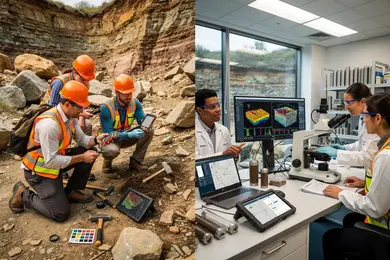
Practical experience is essential in many top online geoscience degrees with practical experience requirements, ensuring students gain real-world skills through fieldwork or internships. This article focuses on the online degree pathway-offering flexibility for recent high school graduates, working adults, military veterans using education benefits, and professionals seeking advancement. Programs are evaluated based on accreditation, curriculum rigor, cost efficiency, career outcomes, and student support. For those comparing paths across disciplines, resources like online SLP programs exemplify the range of quality educational opportunities now available online.
How Do Online Geoscience Degree Programs Compare to Traditional Campus Programs?
The comparison of online geoscience degree programs versus traditional campus programs reveals essential factors that impact career outcomes for online and campus geoscience degrees. Both formats consistently meet accreditation standards, ensuring comparable curriculum depth and rigor. Leading online programs align closely with their campus counterparts-covering topics like earth systems, mineralogy, and environmental geology-while offering increased flexibility through modular learning.
- Faculty Qualifications: Accredited online geoscience programs employ faculty with academic credentials and industry experience that parallel traditional programs. Professors engage students synchronously and asynchronously, fostering expertise despite distance.
- Student-Faculty Interaction: Campus programs benefit from face-to-face mentoring, but online programs use video conferencing, discussion boards, and virtual office hours to maintain strong engagement. While spontaneous peer exchanges are less common online, top programs ensure robust interaction.
- Peer Collaboration: Traditional settings encourage collaboration through labs and study groups. Online programs compensate with cohort models, digital group projects, and scheduled virtual meetups to build community and teamwork skills.
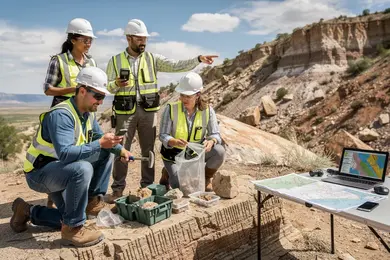
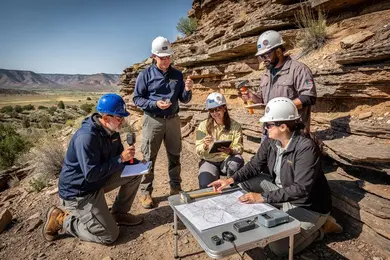
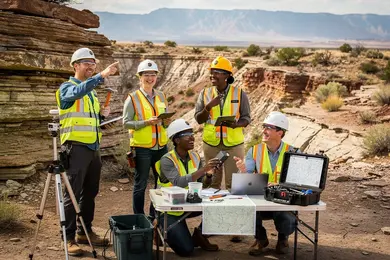
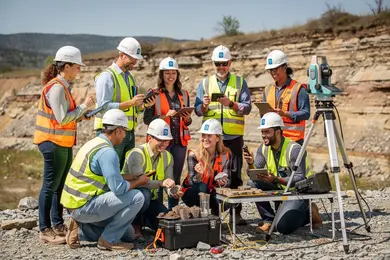
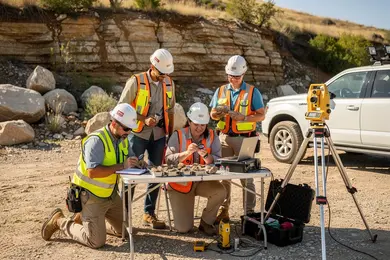
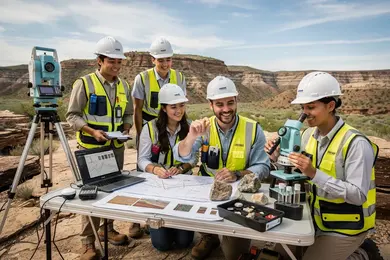
- Practicum and Field Experience: Providing fieldwork is a challenge for online students. Many accredited programs now integrate short on-campus residencies, regional field trips, or partnerships with local organizations to fulfill practicum requirements, ensuring essential hands-on learning.
- Employer Perception: Surveys and graduate outcomes indicate growing employer acceptance of online geoscience degrees from reputable institutions. Practical skills and internships remain pivotal to employability, often outweighing the mode of study.
- Structural Advantages for Specific Learners: Online geoscience degrees offer real benefits for working adults, caregivers, military veterans, and remote learners-groups balancing complex schedules or living far from campuses gain access to quality education without relocation. This flexibility often improves completion rates.
- Limitations and Technological Solutions: Despite progress, online programs face limitations in spontaneous lab experiences and field immersion. Innovations like virtual labs, augmented reality, and hybrid models combining online coursework with required in-person sessions sustain educational quality without sacrificing accessibility.
Prospective students evaluating programs should consider these factors alongside cost and return on investment to make informed decisions aligned with their career goals. For those exploring related fields, flexible options such as an LMFT program online illustrate how online education can enhance professional development across industries.

What Are the Accreditation Standards That Define a Reputable Online Geoscience Degree?
Accreditation is a critical measure of quality for online geoscience programs, serving as an assurance that a degree meets rigorous academic and professional criteria recognized by employers and graduate schools. Regional accreditors-such as the Middle States Commission on Higher Education, the Higher Learning Commission, and the Southern Association of Colleges and Schools Commission on Colleges-hold the highest esteem by evaluating whole institutions to verify academic integrity and institutional soundness. These accreditors carry substantial weight with hiring managers and graduate admission committees.
Beyond regional accreditation, program-specific accreditors enhance a geoscience degree's credibility. Notably:
- ABET: Known for accrediting applied science, engineering, and computing programs, ABET ensures curriculum relevance to industry standards.
- American Geosciences Institute (AGI): While not an accreditor, AGI offers benchmarks and resources that help programs align with professional competencies vital in geoscience careers.
Choosing an unaccredited or low-quality online geoscience program can hinder professional licensing eligibility, restrict credit transfer options, and diminish recognition by employers-which may affect job prospects and career growth.
Prospective students should verify accreditation through authoritative sources such as the U.S. Department of Education's Database of Accredited Postsecondary Institutions and Programs or the Council for Higher Education Accreditation (CHEA) directory. These platforms provide updated listings for legitimate regional and programmatic accreditors.
Accreditation must remain a fundamental criterion when assessing online geoscience degrees, trumping cost or scheduling convenience to protect educational value and future professional opportunities.
When asked about accreditation standards, a professional who completed an online geoscience degree shared that navigating the accreditation landscape initially felt overwhelming. He explained, "I spent countless hours confirming my program's standing with regional and programmatic accreditors because I knew my career depended on it. It wasn't just about earning credits-it was about earning a credential respected by employers and professional boards. Knowing my degree came from an institution with solid accreditation gave me confidence at every step, from applying for jobs to pursuing certifications." His experience underscores how essential accreditation is to success beyond graduation.
Which Types of Geoscience Degrees Are Available Online-Bachelor's, Master's, or Doctoral?
Associate's Degrees: These two-year programs cater to recent high school graduates and those just starting in geoscience-offering foundational knowledge suitable for entry-level jobs or as a pathway to four-year degrees. Salaries are generally lower here, reflecting the shorter training and limited specialization.
Bachelor's Completion Programs: Designed for working adults or veterans with some college credits or associate degrees, these programs allow completion of an online bachelor's degree in geoscience within 1 to 3 years. They enhance career advancement opportunities and earnings potential for those focused on online bachelor's degrees in geoscience for career advancement.
Master's Degrees: Typically lasting 1.5 to 3 years, these degrees require a bachelor's in geoscience or related STEM field and target professionals looking to deepen expertise or access leadership roles. Graduates often find opportunities in research, environmental consulting, or academia with higher median salaries. Prospective students can explore low cost masters degree online options to optimize investment.
Doctoral Programs: Less common online, these 3 to 6-year programs suit research scientists and academics holding a master's degree. They involve intensive dissertation work and open doors to university positions and advanced research careers, fitting professionals pursuing affordable online master's and doctoral geoscience programs.
Post-Baccalaureate Certificates: Allow professionals to gain targeted skills without committing to a full degree; these stackable credentials can often transfer credits toward master's programs. This flexible approach supports continuous learning pathways, enabling progression from certificates to bachelor's and then master's degrees while maximizing time and financial investment.
IPEDS data indicate that program completion times vary based on enrollment status and student support services-online bachelor's and master's programs with strong support tend to show higher retention and graduation rates, a key consideration for those balancing work and study demands.
What Is the Typical Cost of an Online Geoscience Degree, and How Can You Finance It?
Tuition Costs: Online geoscience degree expenses vary widely by institution. Public in-state tuition typically ranges from $5,000 to $15,000 annually. Students from out-of-state public universities may pay between $20,000 and $40,000 per year. Private nonprofit schools usually charge between $20,000 and $50,000 yearly, reflecting their elevated operating costs. For-profit institutions, while often the most costly, frequently provide flexible financing options to support working adults.
Additional Fees: Beyond tuition, students should budget for mandatory institutional fees, technology requirements for online platforms, and any on-campus residencies or fieldwork that may be required. These extra costs can add several thousand dollars to overall program expenses.
Federal Financial Aid: Support is available through various federal sources. Pell Grants offer need-based funds that don't require repayment. Subsidized federal loans cover interest while students are enrolled and must meet financial need criteria. Unsubsidized loans accrue interest immediately but are available without demonstrating need. Military veterans and active service members can utilize the GI Bill and other veterans' education benefits to substantially offset costs.
Scholarships: Numerous opportunities exist from professional geoscience organizations, state workforce development offices, and individual colleges. These awards-whether merit- or need-based-can significantly reduce out-of-pocket expenditures for qualified students.
Cost Assessment Tools: It's critical to evaluate the total cost of completing a degree rather than focusing solely on per-credit prices. Tools like the College Scorecard's net price calculator allow prospective students to estimate actual expenses after accounting for scholarships and aid-helping them make well-informed program comparisons.
Reflecting on the cost and financing journey, a professional who built her career following her online geoscience degree shared that managing expenses was initially daunting. She emphasized how crucial meticulous planning and leveraging all possible aid options were to her success. "I remember juggling grant applications while working full-time," she said, highlighting the importance of persistence. Despite initial uncertainties, accessing scholarships through her university and veteran benefits made a tangible difference-allowing her to focus on studies without overwhelming financial stress. Her experience underscores that a strategic approach to funding can transform challenges into manageable steps toward a rewarding geoscience career.

How Long Does It Take to Complete an Online Geoscience Degree Program?
Completion times for online geoscience degrees vary significantly by level and personal circumstances. Associate's degrees generally require about two years full-time, though part-time paths may stretch to three or four years. Bachelor's degrees typically take four years full-time, with some students accelerating to three years through year-round courses or transfer credits. Part-time enrollment usually extends bachelor's programs to five or six years. Master's programs often last two years full-time, but accelerated formats enable finishing in as little as 12 to 18 months; part-time learners may need three to four years. Doctoral degrees span three to six years, influenced by research requirements and dissertation progress, with some institutions enforcing maximum time limits around seven to eight years to ensure financial aid eligibility and satisfactory academic progress.
- Transfer Credits: Recognizing prior college coursework, military training, or certifications can notably reduce degree length, particularly for associate's and bachelor's levels.
- Enrollment Status: Full-time study speeds completion, while part-time offers flexibility but extends timelines.
- Pacing Options: Competency-based models allow learners to progress as they demonstrate mastery, benefiting experienced students and potentially shortening program duration.
- Accelerated and Year-Round Formats: Continuous or condensed course offerings enable motivated students to finish earlier than traditional schedules.
- Prior Learning Assessment (PLA): Credit for work experience or certifications can significantly reduce study time for professionals entering geoscience fields.
- Program Length Limits and Financial Aid: Institutions typically enforce minimum enrollment and maximum completion times to maintain student status and financial aid. Exceeding these can jeopardize funding and extend time to degree.
Data from accredited programs indicate part-time bachelor's students average about five years to graduate, while full-time students finish closer to four years. Master's students generally complete degrees in two to three years regardless of format due to research obligations. Associate's degrees often follow a two-year timeline for full-time students but vary with credit transfers and flexibility. Doctoral candidates should anticipate a multi-year commitment, especially for research and dissertation phases.
What Core Curriculum and Coursework Should a Quality Online Geoscience Program Include?
High-quality online geoscience programs center their curriculum on core sciences and specialized topics aligned with standards from bodies like the American Geosciences Institute (AGI) and the Geological Society of America (GSA). These programs integrate essential courses in geology, mineralogy, petrology, geophysics, and geomorphology with applied techniques such as GIS and remote sensing.
- Core Disciplines: Comprehensive coverage of physical geology, earth materials, structural geology, sedimentology, and stratigraphy ensures a deep understanding of earth processes.
- Mathematics and Computing: Calculus, statistics, and programming courses are crucial for precise geoscience data analysis-skills highly valued in research and industry.
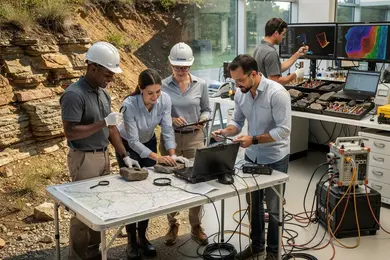
- Practical Applications: Even virtual or simulated field methods and laboratory work bridge theoretical knowledge with hands-on experience critical for career readiness.
- Capstone and Integrative Experiences: Senior projects or comprehensive capstones allow students to apply theory to complex real-world geoscience challenges, reinforcing measurable learning outcomes.
- Learning Outcomes: Graduates demonstrate proficiency in critical thinking, technical communication, data interpretation, and industry-standard software use-competencies directly transferable to workplace effectiveness.
- Curriculum Currency: Leading programs review and update curricula every 3-5 years, engaging industry advisory boards to keep pace with technology, environmental regulations, and market needs.
- Industry Alignment: Incorporation of emerging methods such as machine learning for geological modeling and adherence to updated safety standards ensures graduates remain competitive.
A recent AGI survey found that 85% of employers prefer graduates with integrative projects and applied technical skills, emphasizing the value of active, current coursework. Prospective students should request detailed course sequences, syllabi, and learning outcomes maps from programs they consider-avoiding reliance on marketing materials alone. This practice enables informed evaluation of academic rigor and program value based on recognized competencies sought by geoscience employers.
Which Online Geoscience Programs Offer the Best Return on Investment for Working Adults?
Choosing a top online geoscience program with the highest ROI requires analyzing multiple key factors-program costs, employment rates, graduate salaries, and loan default data from reliable sources such as the College Scorecard and institutional outcome reports. Public universities with moderate tuition and robust industry connections often yield the best value for working adults pursuing career advancement in this field. These institutions balance affordability and strong post-graduation earnings, making their online geoscience degrees favorable investments.
- Cost-Efficiency: Public universities generally offer lower tuition, especially for in-state students, and some states participate in reciprocity agreements that extend reduced rates to out-of-state learners-factors that boost accessibility and maximize return on investment for professionals.
- Employment Outcomes: Programs embedded within regional industries frequently report higher graduate employment rates and competitive salaries. Graduates often secure roles in environmental consulting, energy, and natural resource management within a year, supporting sustained career growth.
- Financial Support: Employer tuition reimbursement programs and scholarships significantly lower the financial burden on working adults-an important consideration when evaluating the highest ROI online geoscience degrees for professionals.
- Program-Specific Data: Prospective students should prioritize median earnings six and ten years after enrollment rather than institutional rankings alone, providing a clearer view of career elevation over time.
- Accreditation and Curriculum Quality: Rigorous programs with proper accreditation cultivate skills valued by employers, improving salary prospects and reinforcing positive ROI.
- Student Support Services: Comprehensive advising, career counseling, and internship placement services enhance employability in competitive geoscience sectors and contribute to long-term success.
Working adults can further explore career-focused options by comparing these factors with offers from other fields-such as marriage and family therapy programs online-to find the best fit for their goals and financial situation. Ultimately, evaluating these elements will empower students to identify top online geoscience programs for career advancement that balance cost with meaningful professional outcomes.
What Admissions Requirements Do the Top Online Geoscience Programs Typically Require?
Admissions requirements for top online geoscience programs vary widely depending on the institution's selectivity, degree level, and delivery format. Applicants to highly competitive graduate programs at research universities typically face more rigorous criteria than those applying to open-enrollment community colleges or less selective bachelor's degree programs. For undergraduate admissions requirements for online geoscience degrees, open-enrollment institutions often admit students with a high school diploma or equivalent, focusing primarily on foundational skill-building rather than stringent academic records.
Most selective programs list the following as standard admissions criteria:
- Minimum GPA: Competitive programs generally require a minimum undergraduate GPA ranging from 3.0 to 3.5 on a 4.0 scale, though some flexibility may exist based on other qualifications.
- Standardized Tests: Many graduate programs have shifted to test-optional policies, especially concerning the GRE. Nonetheless, some still require GRE scores-particularly the quantitative or science sections-while undergraduate admissions may consider SAT or ACT scores but increasingly offer test-optional paths.
- Letters of Recommendation: Typically, two or three letters are requested from academic instructors, employers, or professionals who can attest to the applicant's abilities and preparedness for graduate-level work.
- Personal Statement or Statement of Purpose: Applicants need to clearly express their research interests, career goals, and motivation for pursuing geoscience to demonstrate focused educational objectives.
- Professional Experience: Although not always mandatory, relevant work or research experience can significantly enhance applications-especially for graduate candidates targeting specialized tracks such as environmental or petroleum geology.
- Prerequisite Coursework: Candidates without an academic background in geoscience or related fields often must complete foundational courses in geology, chemistry, physics, and math before or alongside their graduate studies.
Graduate program prerequisites for online geoscience degrees reflect these expectations, emphasizing academic preparation and clarity of purpose. Given the dynamic nature of admissions policies-including variations in test requirements, GPA minimums, and prerequisites-prospective students should contact admissions advisors directly for the most current information. Direct communication helps applicants tailor their preparations for competitive submission.
For professionals and working adults juggling education with other commitments, exploring options like 6 week courses online can provide flexibility while maintaining rigorous academic standards.
What Career Paths and Job Titles Are Available to Online Geoscience Degree Graduates?
Graduates of online geoscience degree programs can embark on diverse career journeys across multiple industries-a testament to the field's adaptability and expanding relevance. For those starting out with a bachelor's degree, entry-level opportunities provide essential hands-on experience and technical grounding.
- Environmental Technician: Involves field investigations, data gathering, and environmental compliance monitoring.
- Geological Technician: Supports geologists by collecting samples, creating maps, and assisting in laboratory analyses within settings like mining, oil and gas, or infrastructure development.
- Hydrologist (Junior Level): Assists in studying water resources, contamination issues, and groundwater tracking, usually under experienced supervision.
Advancement often requires progressive education, professional certifications, or accumulated practical experience, enabling graduates to assume more specialized or leadership roles.
- Geologist: Conducts comprehensive surveys and resource assessments, frequently progressing into management, consulting, or project leadership roles.
- Environmental Scientist: Oversees projects involving pollution mitigation, ecological restoration, and regulatory adherence within agencies or private firms.
- Hydrogeologist: Specializes in groundwater dynamics and quality control, often employed by consulting firms or water resource authorities.
- Geophysicist: Applies physics to explore Earth's subsurface, typically requiring advanced degrees and involvement in research or energy sector exploration.
Online geoscience degrees also serve as strategic gateways for professionals from related fields-such as biology, chemistry, or engineering-seeking to pivot with focused certification and upskilling, moving into roles like environmental compliance manager or geological analyst.
- Academic and Research Roles: Usually reserved for those with graduate qualifications, including university instructors, research scientists, or policy advisors concentrating on Earth systems science.
- Natural Resource Manager: Combines technical expertise with management to oversee sustainable use of land and resources.
- Energy Sector Specialist: Encompasses roles in both renewable and fossil fuel industries, focusing on exploration, optimizing production, and environmental impact studies.
Career growth in geoscience often follows a trajectory from technical expertise to supervisory and project leadership positions, with lateral transitions across sectors such as environmental consulting, government agencies, or industry-a flexibility that underscores the strong value proposition of online geoscience education over the medium term.
What Is the Salary Outlook for Professionals with an Online Geoscience Degree?
Median salaries for professionals with an online Geoscience degree span a broad range influenced by education, experience, industry, location, and specialization. Entry-level geoscientists with a bachelor's degree typically earn around $65,000 annually, while those holding master's or doctoral degrees often exceed $90,000-reflecting the premium placed on advanced knowledge and skills.
- Degree Level: Higher degrees generally lead to increased earnings, with graduate-level credentials and research expertise opening doors to top-tier positions and compensation packages.
- Experience: Salary growth correlates strongly with experience, as early-career professionals may start lower, but veterans with five to ten years or more can expect wages surpassing $120,000, especially in leadership or specialized roles.
- Industry Sector: Compensation differs across fields-petroleum and mining companies often pay more than environmental consulting or academia, while government agencies offer stable remuneration with benefits.
- Geographic Market: Regional demand and living costs affect pay, with states like Texas, California, and Alaska providing premium salaries due to active resource extraction industries.
- Specialization: Fields such as hydrogeology, geophysics, and remote sensing can command higher wages depending on market trends and funding availability.
- Professional Certifications: Credentials like Certified Petroleum Geologist and Professional Geologist are linked to higher salaries. Online graduates can obtain these after completing requisite experience and exams, accelerating career advancement.
- Salary Projections: The geoscience sector anticipates moderate salary increases driven by ongoing energy and environmental projects, signaling steady labor market growth.
- Data Verification: Given economic fluctuations and industry shifts, prospective graduates should regularly consult updated Bureau of Labor Statistics and salary survey data to ensure accurate, current information.
What Graduates Say About the Best Online Geoscience Degrees for Jobs
- Kevin: "Choosing an online geoscience degree with strong accreditation standards gave me confidence that my education met industry benchmarks-this credential opened doors I hadn't anticipated. The curriculum rigor was intense but rewarding, pushing me to master complex concepts at my own pace. I found the cost manageable relative to the solid return on investment once I landed my first role in environmental consulting."
- Jameson: "I truly appreciate how the program's practical experience requirements prepared me for real-world challenges-fieldwork components and labs made a huge difference. The student support infrastructure was outstanding, with advisors and tutors readily available to guide me through tricky topics. Reflecting on my journey, the blend of hands-on learning and personalized support made this online geoscience degree stand out from the rest."
- Robbie: "From a professional standpoint, the career outcomes for graduates from this online geoscience program impressed me the most-many of my peers secured positions at top firms shortly after graduating. The curriculum was well-designed and current, equipping me with relevant skills for today's job market. Although the tuition was on the higher side, the career advancement opportunities justified the investment in my education."
Other Things You Should Know About Geoscience Degrees
The top online geoscience programs focus on developing strong analytical skills, proficiency in geographic information systems (GIS), and an understanding of earth processes such as mineralogy, hydrology, and geophysics. They also emphasize field data collection techniques and the ability to interpret geological maps and models, essential for both research and practical applications in environmental consulting, energy, and natural resource management.
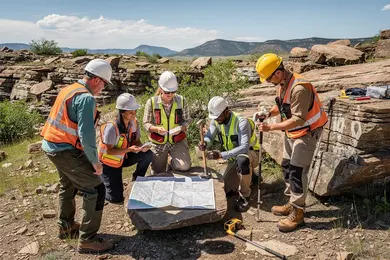
Most reputable online geoscience programs incorporate mandatory field experiences or internships to provide practical exposure. These placements are often arranged locally to accommodate students' locations, or through partnerships with industry organizations. This hands-on component is critical for bridging theoretical knowledge with real-world application and is a key factor employers look for in candidates.
Effective online programs offer dedicated academic advising, career services, and access to virtual labs or simulation software tailored to geoscience study. Additionally, many provide online forums, student chapters of professional geoscience societies, and networking events to help students build industry connections despite the remote format. These services support career readiness and professional development.
Employers generally value accredited online geoscience degrees equally to traditional degrees, especially when the program includes strong experiential components such as internships or fieldwork. The key factor is often the reputation of the institution and the rigor of the curriculum rather than the mode of delivery. Employers prioritize candidates with proven practical skills and relevant experience gained during their studies.
References
- WHAT - Translation from English into Polish https://en.pons.com/translate/english-polish/what
- The Geological Society - Accredited Degrees listed by Study Type https://www.geolsoc.org.uk/education-and-resources/universities/university-degree-accreditation/accredited-degrees-listed-by-study-type/
- Career Paths You Can Take With a Geology Degree https://career360.snhu.edu/resources/career-paths-you-can-take-with-a-geology-degree/
- World's Largest platform as University Common Application https://www.planstudyabroad.uniagents.com/course-details.php
- WHAT - Translation in Polish - bab.la https://en.bab.la/dictionary/english-polish/what
- Best Online Degrees for Working Adults in 2026 https://straighterline.com/blog/degreecompletion-best-online-degrees-for-working-adults-in-2026
- What Geoscience Courses Should I Take? https://thinkonward.com/resources/content-hub/what-geoscience-courses-should-i-take
- Geology Careers https://geology.wwu.edu/geocareerinfo
- ThisIsGeoscience - Geoscience Salaries https://www.thisisgeoscience.com/the-resources/geoscience-salaries
- Geology - ABET https://www.abet.org/accreditation/new-and-developing-program-areas/geology/