2027 Can a BS in Business Administration Prepare You for a ERP Business Analyst Role? Skills and Entry Requirements
Audited and Verified:
Our Editorial and Data Verification Process
Research.com uses government datasets, official education statistics and primary institutional information to support its career and degree guides. Our review process checks factual accuracy, occupational definitions, source dates and the requirements associated with the credentials discussed.
How This Article Was Fact-Checked
Our editorial team verifies salary estimates, employment projections, education requirements and program information against original data providers and official organizations. Salary figures are checked against the relevant occupational definitions and reporting periods. Information about licensure, accreditation and required in-person training is reviewed separately.
Fact-checked and verified on:

Co-Founder and Chief Data Scientist
A BS in Business Administration can teach you how purchasing, finance, inventory, and other functions work together - but an ERP business analyst must also understand how those processes operate inside software.
That distinction matters if you are choosing a degree, planning electives, or trying to enter the field from another business role. This guide explains what ERP analysts do, where a business degree helps, which technical and practical skills you may still need, and how to judge whether this education path fits your starting point.
Key Things You Should Know
- Yes, a BS in Business Administration can be a route into ERP analysis, particularly when paired with information systems coursework and hands-on process or software experience; the degree alone is not an ERP qualification.
- Hiring depends heavily on evidence of applied skills: mapping workflows, defining requirements, testing changes, interpreting data, and communicating with both business users and technical teams.
- Use salary figures cautiously: the related management analyst occupation had a $101,860 median annual wage in May 2025, but that is an occupation-wide figure - not an entry-level ERP analyst salary.
What Is an ERP Business Analyst, and What Do They Do?
Enterprise resource planning, or ERP, software connects business activities such as purchasing, inventory, accounting, and order fulfillment. An ERP business analyst helps an organization understand its workflows and translate its needs into system requirements. The role sits between people who use the system and those who configure, maintain, or develop it.
For example, an analyst might document how a purchase request becomes an approved order, identify where information is entered twice, specify a proposed change, and help users test whether the revised workflow works. Depending on the employer, the job may also involve reporting, data migration checks, training materials, or support after a system change.
An ERP analyst is not necessarily the person who writes software or manages the entire implementation. If your preferred work is owning schedules, budgets, and delivery across a project, investigate project-management roles instead; students considering that route can compare project management bachelor's credit transfer rules before choosing a different degree.
Can a Business Administration Degree Lead to an ERP Analyst Career?
Yes - but the strongest path combines business knowledge with systems experience. A BS in Business Administration can provide useful grounding in accounting, operations, supply chains, and organizational decision-making. Those subjects help an analyst understand why a workflow exists and what a proposed system change could affect.
Entry routes vary. A student might move from an internship or junior business analyst role into ERP work. An employee who already uses an ERP system may move from purchasing, accounting operations, or inventory control into a business-systems role. That second route can be especially effective because it supplies firsthand knowledge of users' problems. Neither route makes graduation an automatic qualification for a specialist position.
Choose the degree around the work you want to do. A business administration program with relevant systems electives can suit a process-focused analyst; an information systems degree may provide more technical depth. If your goal is managing HR practices rather than analyzing cross-functional ERP workflows, explore the costs of an HR degree as a separate comparison rather than treating the two paths as interchangeable.
What Skills Does an ERP Business Analyst Need?
The central skill is turning an operational problem into a change that users and a technical team can evaluate. Employers may describe that work differently, so compare job postings by tasks rather than title alone.
These skill groups provide a practical way to assess your readiness:
- Process and business knowledge: trace transactions across departments and recognize accounting, purchasing, inventory, or other relevant controls.
- Analysis and communication: interview users, map current and proposed workflows, write clear requirements, and explain trade-offs to stakeholders.
- Systems and data literacy: work confidently with spreadsheets, reports, data definitions, and the ERP platform relevant to the employer.
- Testing and judgment: develop test cases, check results against requirements, document defects, and handle company and personal data appropriately.
Project coordination can help, but it is not the same skill set as ERP business analysis. If managing projects is the stronger career goal, project management degree tuition comparisons may be more useful than paying for a program chiefly because it mentions ERP.
Look beyond the degree title to the actual course catalog. Operations and supply chain courses can explain how work moves through an organization; accounting can clarify transactions and controls; statistics and analytics can build data-interpretation skills. Information systems, database, and business process courses are especially relevant when available.
The best assignments let you demonstrate a task an ERP analyst performs. A process map, a requirements document for a hypothetical change, or a set of test cases is more informative than a course title alone. Label classroom work honestly, and do not use employer records or system screenshots in a portfolio without permission.
Check prerequisites and course availability before choosing electives. Business degree options with shorter sessions may change when you can take a course, but a faster calendar does not help if a needed information systems class is unavailable or must be taken after another course.
Technical experience is valuable; a specific certification is not a universal entry requirement. Some employers want experience with their ERP platform, reporting tools, configuration, or SQL. Others hire for strong functional knowledge and train analysts on the system. Read postings carefully to distinguish required experience from preferred credentials.
A practical starting point is supervised experience using a business system: resolving user issues, improving a report, participating in user acceptance testing, or documenting a workflow. If access to a live ERP system is unavailable, a clearly identified classroom case can demonstrate your method, though it cannot replace production experience. Platform training or certification may help when it matches target employers, but confirm its prerequisites and value before paying for it.
If a bachelor's degree is the main qualification you lack, bachelor's programs for faster completion may be worth comparing. They do not remove the need to build ERP-specific evidence.
Admission rules depend on the institution and on whether you are applying as a first-year student, transfer student, or returning student. Schools commonly review prior academic records, while admission to a business major may involve additional coursework or academic-standing requirements. Do not assume that acceptance to a university automatically satisfies requirements for its business program.
Before applying, ask the program which mathematics, accounting, statistics, or introductory business courses are required for admission and which can be completed afterward. If you have prior college credit, request an evaluation showing not only what transfers but what fulfills the business core, electives, and graduation requirements. The institution makes the final credit decision.
Application charges are one cost you can check early: compare no-fee college applications, then verify each school's current admission and business-major policies directly.
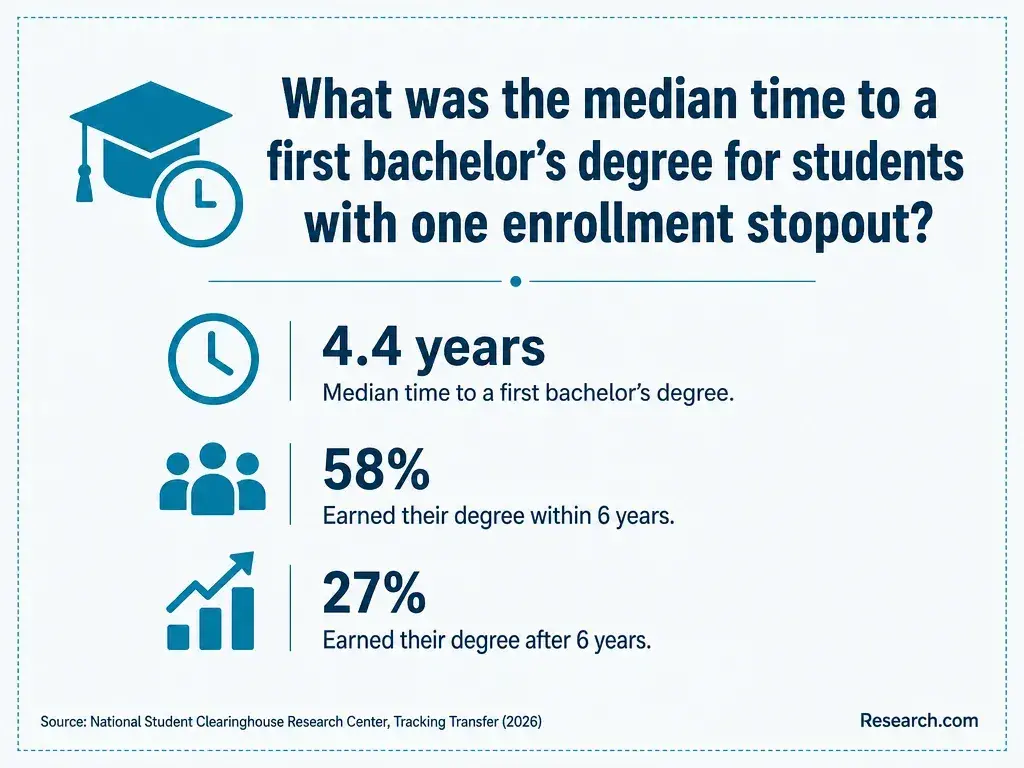
A bachelor's degree is generally planned as a multiyear course of study, but your remaining time depends on accepted credits, how those credits apply to requirements, enrollment pace, and when required courses are offered. A transfer estimate is not a graduation timeline until the school has evaluated your record against the degree requirements.
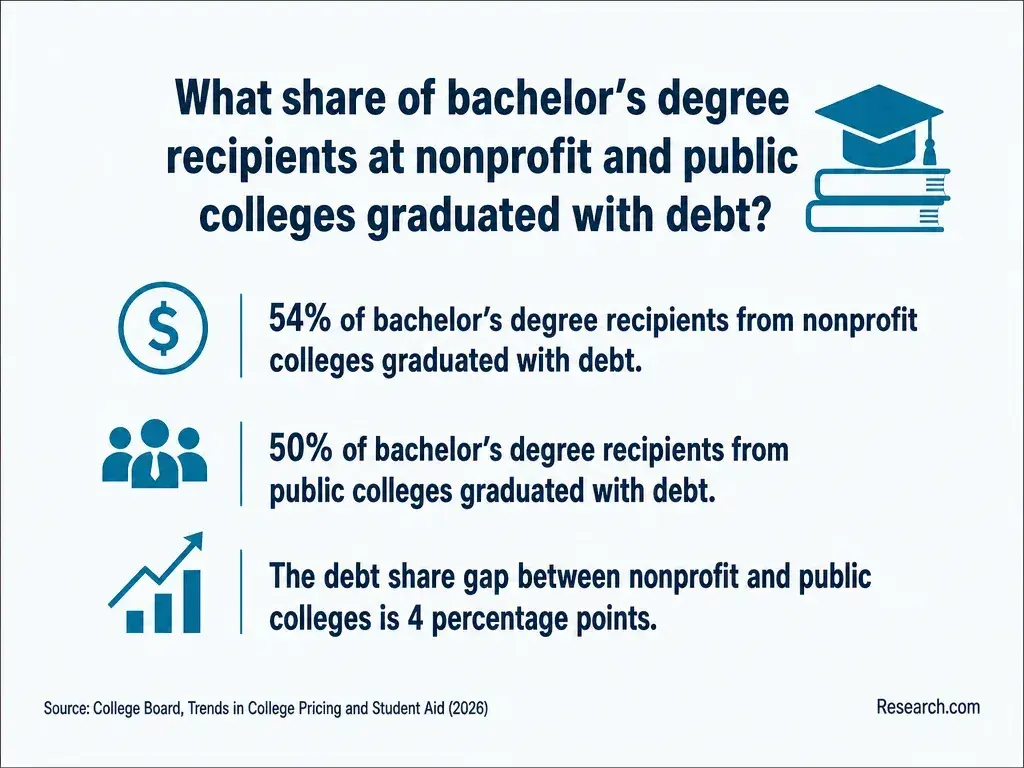
For a useful cost comparison, request each school's estimate of remaining tuition and required fees. Add books, software, possible campus visits, and the income or work time you might give up. Compare the same enrollment pace at each school, and check how financial aid or employer reimbursement would affect what you must pay upfront.
Cost-effective paths to a business degree are best judged by the cost of your remaining requirements, not an advertised tuition figure alone. An inexpensive program that applies fewer of your existing credits may cost more to finish.
They can be, provided the program offers relevant coursework and opportunities to practice analysis. Online delivery does not inherently prevent you from learning process mapping, requirements writing, spreadsheets, or systems concepts. The harder question is how you will gain feedback and credible hands-on experience.
Ask whether relevant electives run regularly, whether projects involve teams or live meetings, what software students can access, and whether internships or capstones can be completed remotely. If you work full time, confirm deadlines and group-work expectations rather than assuming "online" means self-paced.
For employees building ERP experience at work while studying, career advancement study options in business administration may offer a useful comparison. Check whether a proposed workplace project needs faculty approval and whether your employer permits its data to be used.
There is no single Bureau of Labor Statistics wage category for "ERP business analyst." Job titles and duties span business-process analysis, systems analysis, and implementation support, so a related occupation is only a benchmark. For management analysts, the U.S. median annual wage was $101,860 in May 2025. That figure covers workers across experience levels and industries; it is not the expected pay for a new graduate or for every ERP position.
Compare actual openings by location, responsibilities, platform requirements, and experience level before making an education investment. If you are weighing earnings against tuition, budget-conscious online business administration education can inform the cost side of the decision - but no degree price or occupation-wide median establishes your personal return.
What Is the Job Outlook for ERP Business Analysts?
The BLS does not publish a separate employment projection for ERP business analysts. It projects 10% growth for management analysts from 2025 to 2035, compared with approximately 3.5% across all occupations. That supports interest in related analytical work, but it cannot predict openings for a particular ERP platform, employer, or entry-level applicant.
Your next step is to sample local or remote postings and record recurring requirements: business function, software, testing responsibilities, and expected experience. Use that evidence to choose courses and projects. A shorter degree schedule may appeal if it lets you apply sooner; compare American fast-paced business bachelor's degrees against course availability and opportunities to gain relevant experience, not projected growth alone.
Other Things You Should Know About Business Administration
Yes, particularly if you have documented recurring problems, explained procedures, or worked with support systems. Pair those examples with evidence that you understand business workflows and requirements.
Prepare a concise example showing the problem, stakeholders, information gathered, proposed requirement, and how you would test it. Use an authorized or fictionalized example if workplace details are confidential.
Some positions allow remote work, but availability depends on the employer, implementation phase, and need to meet users or access systems. Check each posting's location and travel expectations.
No. Analysts primarily define and validate business needs; developers primarily build technical changes. Responsibilities can overlap, so use the job description rather than the title to understand a position.
- Becoming a business analyst in 2026 and beyond | Cornell SC Johnson College of Business https://business.cornell.edu/news/2026/03/20/how-to-become-a-business-analyst/
- What Is a Business Analyst? Roles, Skills, and Career Outlook | Florida National University (FNU) https://www.fnu.edu/what-does-a-business-analyst-do/
- ERP Business Analyst Career and Salary Profile | Florida Tech https://online.fit.edu/degrees/graduate/business/mba/it-management/erp-business-analyst-career-and-salary-profile/
- ERP Supply Chain Management Guide: Systems, Modules & Best Tips | Arkansas State University Online https://degree.astate.edu/online-programs/business/mba/supply-chain-management/erp-modules-explained/
- ERP Requirements Gathering: 7-Step Process | ERP Research https://www.erpresearch.com/en-us/erp-requirements-gathering
- ERP Business Analyst Job Description and Salary (Updated for 2027) | Robert Half https://www.roberthalf.com/us/en/job-details/erp-business-analyst
- Stakeholder Roles in Requirements Management | specinnovations.com https://specinnovations.com/blog/stakeholder-roles-in-requirements-management
- What Is an ERP Analyst, and How Do I Become One? | Coursera https://www.coursera.org/articles/erp-analyst
- Business Analyst Career Path: Key Skills and Qualifications | investopedia.com https://www.investopedia.com/articles/professionals/120915/business-analyst-career-path-and-qualifications.asp
- What is ERP? The Essential Guide | SAP https://www.sap.com/resources/what-is-erp