2027 BS in Business Administration and Accounting: How to Compare Internship and Capstone Requirements
Audited and Verified:
Our Editorial and Data Verification Process
Research.com uses government datasets, official education statistics and primary institutional information to support its career and degree guides. Our review process checks factual accuracy, occupational definitions, source dates and the requirements associated with the credentials discussed.
How This Article Was Fact-Checked
Our editorial team verifies salary estimates, employment projections, education requirements and program information against original data providers and official organizations. Salary figures are checked against the relevant occupational definitions and reporting periods. Information about licensure, accreditation and required in-person training is reviewed separately.
Fact-checked and verified on:

Co-Founder and Chief Data Scientist
Two bachelor's programs can list the same degree length yet demand very different work outside class. One may require a supervised accounting internship; another may let you complete a business strategy capstone using public data. Those differences matter if you work, need a remote placement, or hope to qualify for CPA licensure.
This guide shows prospective business administration and accounting students how to compare the actual requirements, identify hidden scheduling and approval constraints, and choose the program whose applied work supports their career goal.
Key Things You Should Know
- Check the catalog and internship handbook separately: a listed internship may be required, optional, or one of several ways to earn experiential credit.
- Compare approval, supervision, hours, data access, and final deliverables - not just whether each program advertises an internship or capstone.
- A bachelor's degree often requires about 120 semester credits, but internship and capstone credits may or may not add to the credits needed for graduation or CPA eligibility.
What Is a BS in Business Administration and Accounting?
A BS in Business Administration provides a broad business core that may include accounting, finance, marketing, operations, and management. Some schools offer an accounting concentration within that degree; others award a separate BS in Accounting. These are not interchangeable labels. A concentration may leave less room for upper-level accounting courses than a dedicated accounting major.
For this comparison, the most important distinction is what the student must do to graduate. A business administration program may assess broad decision-making through a strategy project, while an accounting program may require technical analysis of reporting, audit, or tax issues. Either might require an internship, offer one as an elective, or use a different applied-learning requirement.
When reviewing US online business education program comparisons, start with the exact degree title and catalog year, then open the major requirements. A program's marketing description is not a substitute for its graduation checklist.
How Do Internship Requirements Compare Across Business and Accounting Programs?
Neither degree type has a universal internship requirement. Business internships may accept work in operations, sales, HR, finance, or another approved function. Accounting internships usually need duties relevant to accounting learning outcomes, such as reconciliations, reporting support, tax preparation support, or audit support. An employer's accounting-department name alone does not establish that a role qualifies.
The comparison below separates common program designs from questions only the school can answer. Treat the examples as possibilities, not promises about a particular institution.
| Feature to compare | Business administration | Accounting | Decision implication |
| Eligible work | May allow a range of approved business functions | May require accounting-specific tasks | Match the placement to the skills you need to demonstrate. |
| Workplace oversight | Usually requires an approved site and supervisor if taken for credit | May also specify the supervisor's accounting responsibilities | Confirm who can supervise before accepting an offer. |
| Assessment | May use learning logs, a presentation, or a business analysis | May use a technical reflection or competency assessment | Ask what evidence you can submit without disclosing employer records. |
| Timing | May run during a regular term or summer | Placement availability can depend on employer work cycles | Check course registration and placement deadlines early. |
Ask the internship coordinator whether the experience is mandatory, how many approved hours it requires, whether it must be paid, and whether a current job or remote role is eligible. Get written approval before counting on the work for credit. Prior employment, experiential-credit awards, and a newly supervised internship are different academic arrangements.
If you are transferring and considering HR rather than accounting, compare the applied-work rules of online HR degrees for transfer students as well. A relevant existing job may make one pathway easier to schedule, but it does not automatically satisfy its internship requirement.
What Capstone Projects Are Required in Business Administration and Accounting?
A capstone is a culminating course or project used to assess learning across a major. A business administration capstone may ask students to analyze an organization's strategy, operating problem, or proposed venture. An accounting capstone may emphasize financial-reporting judgments, controls, audit issues, tax analysis, or an integrated case. Some programs substitute a simulation or portfolio; others require both an internship and a capstone.
Project format matters as much as topic. A case based on supplied information is feasible without employer access. A workplace project may be more relevant to your career but can require employer permission, faculty approval, usable data, and time for feedback. A proposal is not evidence that an organization adopted the recommendation.
Before enrollment, request the capstone syllabus or assignment brief. Confirm whether you work individually or in a team; whether meetings, presentations, or outside clients are required; which courses are prerequisites; and whether the capstone is offered in your planned final term. For a portfolio, ask whether you may show a redacted version publicly. Never assume that removing a company name makes confidential financial or customer information safe to share.
If your preferred deliverable is a project schedule or operational improvement plan rather than accounting analysis, online project management programs for smaller budgets offer another curriculum to compare. Choose by required coursework and project access, not by the capstone title alone.
An online course does not necessarily make its applied requirements asynchronous. Online students may still need a locally approved internship site, scheduled supervisor meetings, live team presentations, or a capstone completed in a fixed term. Campus students may have easier access to local recruiting events, but they must also meet the same program-specific approval and assessment rules.
For either format, map the required activity onto your calendar: placement search, employer onboarding, weekly work hours, faculty check-ins, and final presentation. Ask whether the school helps locate placements outside its home region and whether remote work qualifies. If you already work full time, determine whether the internship permits your existing role and whether capstone meetings conflict with work hours.
Students comparing online colleges with accelerated business programs should check when the internship and capstone are offered. Shorter courses do not shorten an employer's approval process or guarantee that a required project fits into the next term.
Both paths commonly include introductory financial and managerial accounting alongside economics, statistics, and business communication. A business administration major typically adds broader work in management, marketing, finance, and operations. A dedicated accounting major typically devotes more upper-level study to subjects such as intermediate accounting, auditing, tax, and accounting information systems. Exact course lists and prerequisites vary.
Use the curriculum to judge whether the applied requirement is achievable. An accounting internship involving audit support is more useful after relevant accounting courses; a business capstone involving financial forecasts depends on sound accounting and spreadsheet preparation. Ask an adviser to show the prerequisite chain and the term in which each required course runs. Accepted transfer credit may fill elective space without replacing an upper-level major requirement.
If your intended work is leading projects rather than preparing accounting analyses, compare the specialized curriculum before choosing a few business electives. Students considering that separate route can review federal aid for undergraduate project management study when weighing the cost of a different degree.
First, verify the institution's recognized accreditation and that it applies to the school awarding the degree. Then check whether any advertised business accreditation - such as AACSB, ACBSP, or IACBE - covers the relevant school or program. These are separate questions: institutional accreditation is not the same designation as business accreditation, and a business accreditation claim should not be assumed to cover every degree on offer.
Accreditation can inform a quality check, but it does not tell you whether a particular internship coordinator will approve your job or whether an accounting capstone uses current, meaningful assignments. Request the catalog, internship handbook, capstone syllabus, and recent course schedule. Compare those documents alongside advising access and total cost when considering value-focused online business college choices.
Applicants generally need an accepted secondary-school credential or qualifying prior college work, but admission to a university does not always mean admission to its business or accounting major. A program may set a separate GPA threshold or require introductory accounting, economics, mathematics, or statistics before upper-level courses. Requirements for transfer and first-year applicants can differ.
Ask admissions which rules apply to your applicant status, then ask a business adviser how prior courses apply to the major. For an accounting pathway, also check whether earlier coursework meets the prerequisites for the internship and capstone on your intended schedule. Business administration admissions eligibility rules are useful background, but the receiving school's evaluation and catalog control your plan.
Many US bachelor's degrees are designed around approximately 120 semester credits and four years of full-time study, but transfer applicability, part-time enrollment, prerequisites, and course availability change an individual timeline. An internship may occupy credits already required for the major or may be optional. A capstone may have no additional tuition beyond its course credits yet still impose substantial time demands.
Compare the remaining degree requirements rather than advertised program length. Include tuition and mandatory fees, books or software, internship travel, potential unpaid work, and any delay caused by a placement or capstone offered only in certain terms. A lower per-credit price is not necessarily a lower completion cost if more courses remain. Economical online business administration college programs are a starting point; request a degree audit and written cost estimate for your own credits.
Business administration graduates may pursue entry-level coordination or specialist work across business functions; accounting graduates may seek accounting, audit, or tax roles. Hiring depends on the employer's requirements and the applicant's technical skills and experience. An internship with documented, relevant responsibilities can help demonstrate readiness more clearly than a degree title alone. Neither degree automatically qualifies a new graduate to manage a team or practice as a licensed CPA.
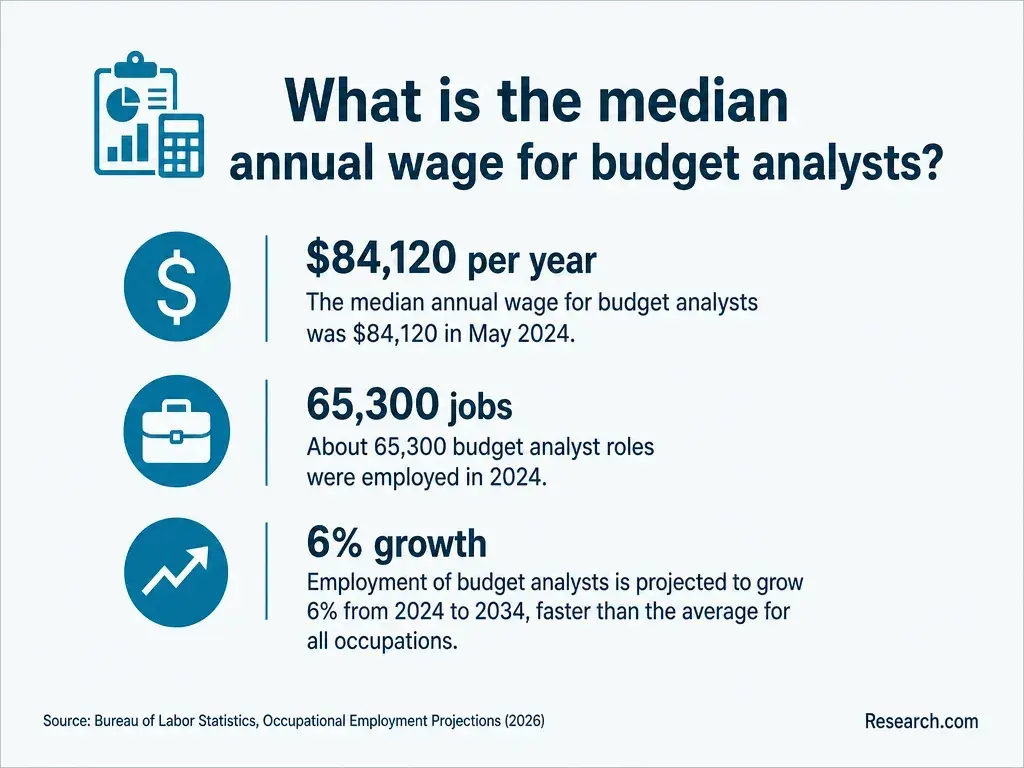
The US Bureau of Labor Statistics reports a $83,680 median annual wage for accountants and auditors in May 2025 and projects 5% employment growth from 2025 to 2035. That median covers workers across experience levels, not starting salaries or outcomes for graduates of a particular program. Use it to understand the occupation, then examine local job postings for the coursework, software skills, and experience your target employers seek.
If speed to graduation is a career priority, compare US fast-track undergraduate business degree options against internship access. Finishing sooner may be less useful if the schedule prevents you from gaining relevant experience.
Can This Degree Meet CPA Education and Certification Requirements?
Possibly, but the degree name is not proof of CPA eligibility. State boards of accountancy set education, examination, experience, and licensure rules. A business administration degree with an accounting concentration may meet some requirements yet lack enough accounting coursework; a BS in Accounting may also need supplemental credits or specific courses. Requirements and pathways vary by jurisdiction and can change.
Choose the state where you expect to seek licensure, obtain its board's education requirements, and map every required accounting and business course against the program's catalog. Ask the school for a course-by-course review, but confirm eligibility with the board or its designated evaluator. An internship can provide valuable experience without necessarily meeting the board's supervised-experience rules; a capstone does not replace required coursework.
If additional credits are necessary, compare their cost and sequencing before selecting accelerated online degree programs. A faster academic calendar does not waive a state board's course or experience requirements.
Other Things You Should Know About Business Administration
Only if your employer's rules and any agreements permit it. Ask about a redacted or independently recreated version, and obtain approval before sharing internal data or work product.
Contact the internship coordinator immediately. Ask whether another approved placement, a later term, or an allowed alternative will preserve your graduation plan; do not assume one is available.
Sometimes. Prerequisites, minimum standing, and course scheduling determine eligibility, so confirm the first term you can enroll rather than relying on the course number.
Not without checking what the promise means. Distinguish placement assistance from a guaranteed position, and ask who secures the site, approves it, and resolves problems during the experience.
- Fact Sheet #71: Internship Programs Under The Fair Labor Standards Act | dol.gov https://www.dol.gov/agencies/whd/fact-sheets/71-flsa-internships
- Academic Credit for Internships - Career Center - UNC Charlotte https://career.charlotte.edu/experience/academic-credit
- Capstone via Externship | Experiential Learning for Business and Science https://externship.rutgers.edu/capstone-via-externship/
- Capstone Substitution Proposal | New Mexico State University https://honors.nmsu.edu/for-students/capstone-options/capstone-substitution-proposal.html
- Internship and Independent Study Registration | American University https://www.american.edu/provost/registrar/studentservices/internship-and-independent-study-registration.cfm
- What Is a Capstone Project? Types, Examples, and Tips | SCU https://www.scu.edu/business/blog/business-concepts/what-is-a-capstone-project/
- Capstone Requirement - Undergraduate Studies - Mizzou https://undergraduatestudies.missouri.edu/students/academics/capstone-requirement/
- Internships - Policies - Registrar's Office - University of Richmond https://registrar.richmond.edu/services/policies/internships.html
- Capstone Eligibility | Student Portal - NYU Wagner https://wagner.nyu.edu/portal/students/academics/capstone/eligibility
- Internship | Dakota State University https://dsu.edu/policy/internship.html