2027 Best Online Two-Year Degrees With 6-Week Courses

Co-Founder and Chief Data Scientist
A six-week course can make college easier to fit around work, but it does not make an entire associate degree a six-week commitment. The distinction matters when comparing online programs: the best fit depends on whether short courses are offered throughout the major, how many credits you need, and whether labs or clinical work require in-person attendance. Cost matters, too. The College Board reported average published tuition and fees of $4,050 for in-district students at public two-year colleges in 2024-25. This guide compares degree fields and shows you what to verify before enrolling.
Key Things You Should Know
- Best starting points: Business and information technology often have fewer in-person requirements to investigate; nursing and some healthcare programs require especially careful checks of clinical schedules.
- Six weeks describes a course, not a degree: Many associate programs require around 60 credits, and completion depends on course load, sequencing, and accepted transfer credit.
- Compare total cost: Average published in-district tuition and fees at public two-year colleges were $4,050 in 2024-25, but your price may differ substantially by school and residency.
Top 10 Best Online Two-Year Degrees With 6-Week Courses
Business Programs
An online Associate of Arts (AA), Associate of Science (AS), or Associate of Applied Science (AAS) in business can suit students interested in office operations, accounting support, or a later bachelor's degree. Business is a useful field to investigate for six-week courses because many classes do not require a lab or clinical placement. Check the actual schedule for accounting, math, and major requirements - not just general education electives. Choose a transfer-oriented curriculum if a bachelor's is your goal; an AAS may emphasize immediate workplace skills instead.
Healthcare Programs
Healthcare administration and medical billing or coding associate programs may offer online coursework suited to short terms. Clinical programs are different: laboratory practice, externships, or supervised patient care may determine the schedule even when lectures are online. An AAS can prepare students for particular support roles, while an AS in health science may be designed for transfer. Check whether the curriculum meets the eligibility rules for any certification you want. A healthcare-themed degree alone does not confer a professional credential.
Information Technology Programs
IT associate programs may focus on technical support, networking, cybersecurity fundamentals, or software development. Six-week online classes can work well for self-directed students, but compressed programming and networking courses still require substantial practice each week. An AAS may prioritize job-ready projects; an AS may better support transfer, depending on the school. Compare lab access, instructor support, and opportunities to build a portfolio. Industry certifications may help with some jobs, but a degree does not automatically award them.
Nursing / Pre-Nursing Programs
A pre-nursing AA or AS may offer six-week online general education courses, but it is not a nursing license. An Associate Degree in Nursing (ADN) combines academic study with supervised clinical training; admission is often selective, and clinical schedules may be fixed and in person. Ask whether nursing-major courses - not only prerequisites - use six-week terms. To practice as a registered nurse, graduates must meet state requirements and pass the licensing examination. Check the nursing program's approval and the state where you plan to work.
Criminal Justice Programs
Criminal justice AA, AS, and AAS programs commonly cover law, courts, corrections, and public safety. Online six-week courses may appeal to students balancing work with study, provided required classes are offered frequently enough to avoid delays. A transfer-oriented degree can lead toward a bachelor's; a career-focused program may emphasize workplace procedures. Confirm qualifications for your target job separately: law enforcement and corrections roles can have agency-specific hiring, academy, age, and background requirements beyond an associate degree.
Psychology / Counseling Programs
An online psychology AA or AS is usually a foundation for bachelor's study, not a shortcut into licensed counseling. Short courses may help students progress through introductory psychology, statistics, and general education requirements, but transfer alignment matters more than course speed. Some programs also introduce human services and community support work. If your goal is professional counseling, map the full education and state licensure path before enrolling; an associate degree alone does not qualify someone to practice as a licensed counselor.
What Are Online Two-Year Degrees With Six-Week Courses?
Online two-year degrees with six-week courses are associate programs in which at least some classes run in compressed, six-week terms and deliver instruction online. The credential may be an AA, AS, AAS, or another associate degree. "Two-year" describes a common full-time planning horizon, not a guaranteed finish date, and "online" does not necessarily mean self-paced.
Many associate degrees require around 60 credits, including general education and major coursework. A school might offer six-week classes consecutively, simultaneously, or only in selected subjects. Prerequisites, enrollment intensity, transfer evaluations, and the availability of required courses determine how quickly an individual student can finish.
Which Online Two-Year Degrees Offer Six-Week Courses?
Business, IT, healthcare support, criminal justice, psychology, and pre-nursing are fields worth investigating. These are degree types to compare, not claims that every school offers every required course in a six-week format. If you are still weighing fields, exploring good majors in college can help clarify whether you want a direct workforce route or a foundation for further study.
This comparison shows where short online terms may fit - and which requirement is most likely to affect the timeline.
| Degree field | Likely degree goal | Key scheduling question |
| Business | Transfer or workplace preparation | Do required accounting and math classes use short terms? |
| Information technology | Technical preparation or transfer | Are required labs and advanced courses offered regularly? |
| Healthcare support | Role-specific preparation | Is an externship required, and when can it be completed? |
| Pre-nursing or nursing | Preparation for nursing admission or licensure | Which prerequisites, nursing classes, and clinicals follow fixed schedules? |
| Criminal justice or psychology | Transfer or introductory career preparation | Will the required courses apply to the intended next degree? |
Request a term-by-term plan for your intended major. A catalog that advertises six-week courses is not enough if a required class runs only in a longer term or is offered infrequently.
Are Online Two-Year Degrees With Six-Week Courses Accredited?
Some are, but course length does not establish accreditation. Verify that the institution holds recognized institutional accreditation; this matters for academic oversight and may affect federal financial aid and transfer opportunities. Then check whether your chosen field has additional program-level approval or accreditation requirements.
For nursing, confirm state board approval and ask how the program supports eligibility for licensure in the state where you intend to practice. For other regulated healthcare paths, check the relevant credentialing body's rules. Even at an accredited college, another institution decides which credits it will accept and whether they count toward your intended major.
What Are the Admission Requirements for These Online Degrees?
Associate-degree applicants generally need a high school diploma or equivalent and must complete the college's application and placement process. A particular major can impose additional prerequisites, minimum grades, background checks, or competitive selection - especially in nursing and some healthcare fields. Ask whether admission to the college also means admission to the major.
Students with prior college, military, or workplace learning should request an evaluation before relying on a completion estimate. Schools decide whether that learning earns credit and whether it satisfies specific degree requirements. For service members comparing options, military friendly universities online can provide a starting point; the decisive question is how a particular college evaluates your record.
How Do Six-Week Online Courses Compare With Campus Programs?
Six-week online classes cover course material in less calendar time than a conventional term, so weekly reading, assignments, and deadlines can be more concentrated. Campus classes may offer easier access to in-person labs and scheduled support. Neither format is inherently faster for the whole degree: required-course availability and how many classes you can manage matter more.
Check whether online classes are asynchronous or require live attendance, and whether exams, orientations, labs, or clinical placements are scheduled in person. For families comparing mobility and scheduling needs, resources on online colleges for military spouses may help frame the search, but the program's actual timetable should settle the decision.
What Do Students Learn in These Two-Year Degree Programs?
Most programs combine writing, math, communication, and other general education with major courses. Business students might study accounting and management; IT students may practice troubleshooting and networking; criminal justice students examine legal systems. Healthcare and nursing pathways may add science labs, supervised experience, or clinical training that cannot be replaced by online lectures.
Match the curriculum to your next step. Psychology and pre-nursing students often need carefully chosen transfer credits rather than the fastest available electives. Counseling typically requires education beyond an associate degree and eventual licensure; considering the cost of a low cost masters degree online may help with long-range planning, though any eventual program must meet applicable licensing requirements.
How Much Do Online Two-Year Degrees With Six-Week Courses Cost?
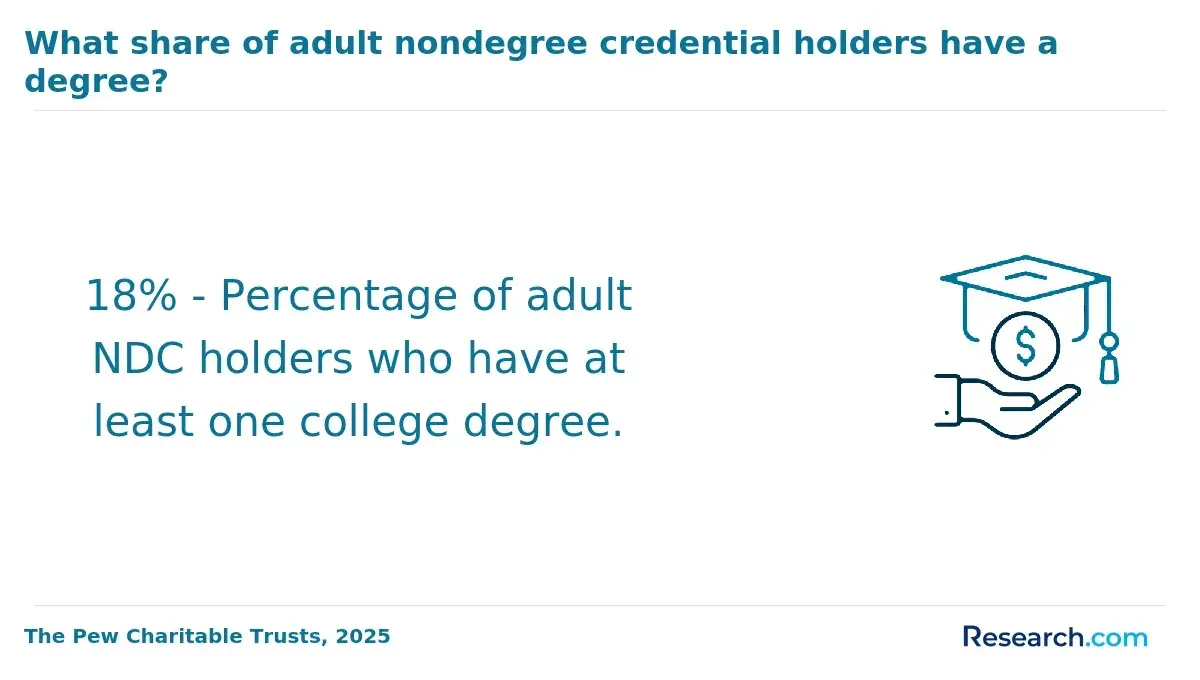
Published tuition is a starting point, not the price of completing a degree. The College Board's 2024-25 national average below covers tuition and fees for in-district students at public two-year colleges; it is not a quote for a particular online program.
- $4,050: Average published annual tuition and fees for in-district students at public two-year colleges in 2024-25.
For a usable estimate, ask each school for the tuition rate that applies to your residency, mandatory online and course fees, books or software, and any travel or clinical expenses. Multiply the applicable charges by your remaining required credits rather than assuming that two years of advertised tuition equals your final bill. Compare financial aid eligibility, scholarships, employer assistance, and the school's transfer-credit evaluation before judging which option costs less.
What Careers and Salaries Can These Two-Year Degrees Lead To?
Career options differ sharply by field. Business and IT degrees may support applications for entry-level office or technical roles, but employers can also require particular skills or experience. Healthcare support jobs may require certification, while licensed nursing has a distinct education and examination pathway. Psychology and pre-nursing degrees are often most useful as steps toward further education.
For context, the U.S. Bureau of Labor Statistics reported a 2024 median annual wage of $93,600 for registered nurses. That is an occupational wage across registered nurses - not the expected pay of new ADN graduates. An associate nursing program can be one route toward eligibility, but graduates must satisfy state licensing rules and pass the required exam. Use occupational wages to evaluate a career goal, not as a promise attached to a degree.
How Should Students Choose a Reputable Online Degree Program?
The best program is one whose complete course sequence fits your schedule, budget, and next step. Before applying, request a degree audit or sample plan that identifies each required course's length, start frequency, delivery format, and prerequisites. Then confirm institutional accreditation, any field-specific approval, and whether completed credits will apply to your intended transfer degree or credential.
A common mistake is choosing a school because its homepage says "six-week courses," only to find that the major's capstone, lab, or clinical work follows another schedule. Another is comparing tuition while overlooking fees or assuming an AAS will transfer into a bachelor's major without lost credits. Ask for written answers about total remaining credits, required in-person attendance, estimated charges, and career or licensure eligibility before committing.
Other Things You Should Know About
No. Six weeks describes the length of an individual course. Completing the degree requires all applicable credits and other requirements; prior accepted credits may shorten an individual student's remaining path.
Sometimes. School policies and course schedules vary, and overlapping compressed classes can create a heavy weekly workload. Ask an advisor to map a manageable term-by-term plan.
Not always. A program may teach academic courses online while requiring scheduled labs, clinical placements, externships, or other in-person activities. Verify requirements for the exact major.
Course length does not determine transferability. The receiving institution decides which credits it accepts and which meet your intended bachelor's requirements; check an articulation agreement or obtain a transfer evaluation.
References
- Employer-offered educational assistance programs can help pay for college | Internal Revenue Service https://www.irs.gov/newsroom/employer-offered-educational-assistance-programs-can-help-pay-for-college
- DAPIP | Homepage - Office of Postsecondary Education (OPE) https://ope.ed.gov/dapip/
- What are the different ways to pay for college or graduate school? | Consumer Financial Protection Bureau https://www.consumerfinance.gov/ask-cfpb/what-are-the-different-ways-to-pay-for-college-or-graduate-school-en-545/
- College Credit for Military Training & Experiences | dantes.mil https://www.dantes.mil/credit4training/
- Academic Years, Academic Calendars, Payment Periods, and Disbursements | 2024-2025 Federal Student Aid Handbook https://fsapartners.ed.gov/knowledge-center/fsa-handbook/2024-2025/vol3/ch1-academic-years-academic-calendars-payment-periods-and-disbursements
- Accreditation matters in higher ed: Here's why | cmich.edu https://www.cmich.edu/blog/all-things-higher-ed/accreditation-matters-in-higher-ed-here-s-why
- How Many Credits Do You Need to Graduate from College? | Digital Crafts https://www.trident.edu/how-many-credits-to-graduate-college
- Estimated Degree & Program Costs - Illinois Online https://online.illinois.edu/student-services/online-degrees-and-certificates-program-costs/
- Online Associate Degrees | National University https://www.nu.edu/online-degrees/associate/
- Tuition in Detail - One Stop Student Services https://onestop.utk.edu/billing-payments/tuition-detail/