2027 Best Online Social Work Leadership Doctorate Programs for Nonprofit, Policy, and Community Leadership Careers

Co-Founder and Chief Data Scientist
Choosing an online social work leadership doctorate is really a career-design decision: nonprofit executive work, policy leadership, and community systems change require different training. The timing matters because the U. S. Bureau of Labor Statistics projects 8% growth for social and community service managers from 2023 to 2033, faster than average.
This guide is for experienced human services, social work, advocacy, and public-sector professionals comparing online doctorates. You will learn how to judge program quality, specialization fit, curriculum, cost, accreditation, and career alignment before investing time and money.
Key Things You Should Know
- The best online doctorate for nonprofit, policy, or community leadership is usually an applied DSW-style program if your goal is executive practice, organizational change, program innovation, or advocacy leadership rather than a tenure-track research career.
- Program cost should be evaluated against total price, not tuition alone; NCES data published in 2024 shows average graduate tuition and required fees were $12,596 at public institutions and $29,931 at private nonprofit institutions for 2022-23.
- Strong programs combine regional institutional accreditation, faculty with sector-relevant expertise, leadership coursework, applied research methods, measurable field-based projects, and transparent residency or synchronous attendance requirements.
Which Online Social Work Leadership Doctorate Programs Are Best for Nonprofit, Policy, and Community Leadership?
The "best" online social work leadership doctorate is not one universal ranking. For nonprofit, policy, and community leadership careers, the best program is the one whose degree type, faculty expertise, field-based learning, and doctoral project match the leadership problem you want to solve.
Most working professionals should start by comparing applied DSW programs, because these programs are commonly designed for advanced practitioners who want to lead agencies, design interventions, influence policy, manage systems, or improve community outcomes. A PhD can still be the better fit if your main goal is academic research, research leadership, or university teaching.
The table below summarizes the main types of online doctorate options and when each is most useful for nonprofit, policy, and community-focused careers.
| Program type | Best fit | Typical doctoral product | Use caution if |
| Online DSW in social work leadership | Experienced MSW-level practitioners moving into executive, clinical-administrative, nonprofit, or systems leadership roles | Applied capstone, practice innovation project, or dissertation-in-practice | You want a traditional research faculty career as your primary goal |
| Online PhD in social work or social welfare | Professionals focused on research, policy analysis, higher education, or evidence generation | Traditional dissertation based on original research | You need a highly practice-oriented leadership curriculum with immediate workplace application |
| Doctorate in human services or organizational leadership with social impact focus | Cross-sector leaders in nonprofits, community agencies, public programs, or philanthropy | Applied research project or organizational change study | You need a degree explicitly rooted in social work theory, ethics, or MSW-level practice |
| Public policy or public administration doctorate | Professionals targeting government, policy analysis, public finance, or regulatory leadership | Policy dissertation, applied policy analysis, or administrative research project | Your goals are centered on social work practice leadership or community-based service delivery |
For nonprofit leadership, prioritize programs with coursework in governance, finance, supervision, grant strategy, program evaluation, trauma-informed leadership, and organizational change. For policy careers, look for policy analysis, implementation science, advocacy, data interpretation, and legislative or regulatory systems. For community leadership, examine whether the program teaches participatory research, coalition building, community needs assessment, equity-centered practice, and cross-sector collaboration.
A common mistake is choosing the most recognizable university name without confirming whether the curriculum fits your sector. A well-known program can still be a poor match if its faculty, capstone options, or residencies do not support the career outcomes you want.
Which Social Work Leadership Doctorate Specializations Best Align With Nonprofit, Policy, and Community Leadership?
Specialization fit matters because nonprofit executives, policy leaders, and community systems leaders use overlapping but different skill sets. The right concentration should connect your doctoral assignments, faculty mentorship, and final project to the problems you already handle at work.
Applicants coming from broader social science pathways may also compare the best online bachelors in sociology programs earlier in their education journey, but doctoral-level specialization decisions should be tied to advanced leadership goals rather than general interest alone.
The table below shows how common social work leadership specializations align with practical career directions.
| Specialization or emphasis | Strongest career alignment | Skills to look for in the curriculum | Best-fit doctoral project example |
| Nonprofit leadership and management | Executive director, chief program officer, development leader, agency administrator | Strategic planning, budgeting, board relations, supervision, grants, outcomes measurement | Designing an agency-wide performance dashboard for family services programs |
| Social policy and advocacy | Policy director, legislative advocate, public affairs leader, research-to-policy strategist | Policy analysis, advocacy strategy, regulatory systems, data translation, coalition campaigns | Evaluating barriers to state-level implementation of housing support policy |
| Community practice and community leadership | Community organizer, coalition director, public health partnership leader, neighborhood initiative director | Participatory methods, community needs assessment, equity frameworks, stakeholder engagement | Building a community-led intervention to improve access to behavioral health services |
| Clinical leadership and integrated services | Behavioral health administrator, integrated care director, clinical operations leader | Quality improvement, supervision, ethics, care coordination, implementation science | Improving referral pathways between a clinic and community-based social services |
| Child, family, aging, or health systems leadership | Program director in a specialized service area | Population-specific policy, service delivery models, interagency coordination, evaluation | Testing a service coordination model for older adults or family support programs |
Use specialization labels carefully. A concentration called "leadership" may be broad, while a program without a formal concentration may still offer excellent alignment through electives, faculty research, and capstone flexibility. Ask whether you can tailor major assignments to your workplace or target sector.
Red flags include vague concentration descriptions, no listed electives, no examples of student projects, and faculty profiles that do not show nonprofit, policy, community, or systems-level experience.
What Curriculum Should a Social Work Leadership Doctorate Offer for Mission-Driven Leadership?
A strong social work leadership doctorate should move beyond advanced clinical knowledge and teach students how to lead organizations, influence systems, evaluate programs, and use evidence in complex social environments. Mission-driven leadership requires both values-based decision-making and practical management skill.
The curriculum should help you build an integrated leadership toolkit. When reviewing program plans, look for these components and connect each one to your intended role.
- Leadership and organizational change: Courses should address supervision, decision-making, team culture, conflict, strategic planning, and change management in human services settings.
- Policy and advocacy: Strong programs teach how laws, regulations, budgets, and political environments affect service delivery and community outcomes.
- Program evaluation and applied research: Students should learn to assess interventions, measure outcomes, interpret data, and communicate findings to boards, funders, policymakers, and community partners.
- Finance, resource development, and grants: Nonprofit and public-sector leaders need practical knowledge of budgets, grant writing, sustainability, and performance reporting.
- Equity, ethics, and community engagement: Doctoral coursework should prepare leaders to share power, address structural inequities, and engage communities respectfully.
- Technology, data, and AI awareness: Programs should help leaders evaluate digital tools, protect client privacy, and use analytics responsibly without replacing professional judgment.
One current trend is the growth of data-informed leadership. Agencies increasingly need leaders who can translate dashboards, evaluation findings, and community data into better programs, but social work leaders must also understand bias, privacy, and ethical risk. A useful doctoral curriculum treats technology as a governance and equity issue, not just an efficiency tool.
Before enrolling, ask whether the doctoral project can focus on a real organizational or community problem. If every assignment is theoretical and disconnected from practice, the program may be less useful for professionals seeking leadership impact while employed.
Accreditation should be non-negotiable, but doctoral social work accreditation can be confusing. In the United States, students should first confirm that the university is institutionally accredited by a recognized regional or national accreditor approved for federal financial aid purposes.
Professional accreditation works differently by degree level. The Council on Social Work Education accredits BSW and MSW programs, not DSW or PhD programs in the same way. If you are still deciding whether to complete graduate professional preparation before a doctorate, comparing the best online MSW programs can help clarify the accredited MSW pathway that many doctoral applicants already have.
Use this checklist when evaluating accreditation and credibility. It can help you avoid programs that sound legitimate but may not support licensure, employment, or financial aid goals.
- Confirm institutional accreditation on the university's official accreditation page and through the accreditor's public directory.
- Check whether the school participates in federal financial aid if you plan to use federal loans.
- Verify whether an MSW prerequisite must come from a CSWE-accredited program, especially for DSW programs.
- Ask whether the doctorate is designed for licensure advancement, leadership development, academic research, or another purpose.
- Review state licensing board rules if you expect the doctorate to affect clinical scope, supervision, or title use.
- Avoid programs that imply a doctorate automatically creates new licensure rights without explaining state-specific requirements.
Institutional accreditation does not guarantee a program is the right fit, but lack of recognized accreditation is a serious red flag. It may affect credit transfer, employer reimbursement, federal aid eligibility, and the credibility of your credential.
How Should You Evaluate Career Outcomes and ROI When Choosing an Online Social Work Leadership Doctorate?
ROI for an online social work leadership doctorate should be measured in more than salary. The degree may support advancement into executive leadership, policy influence, consulting, teaching, research translation, or agency innovation, but outcomes depend on your experience, location, employer, licensure, and sector.
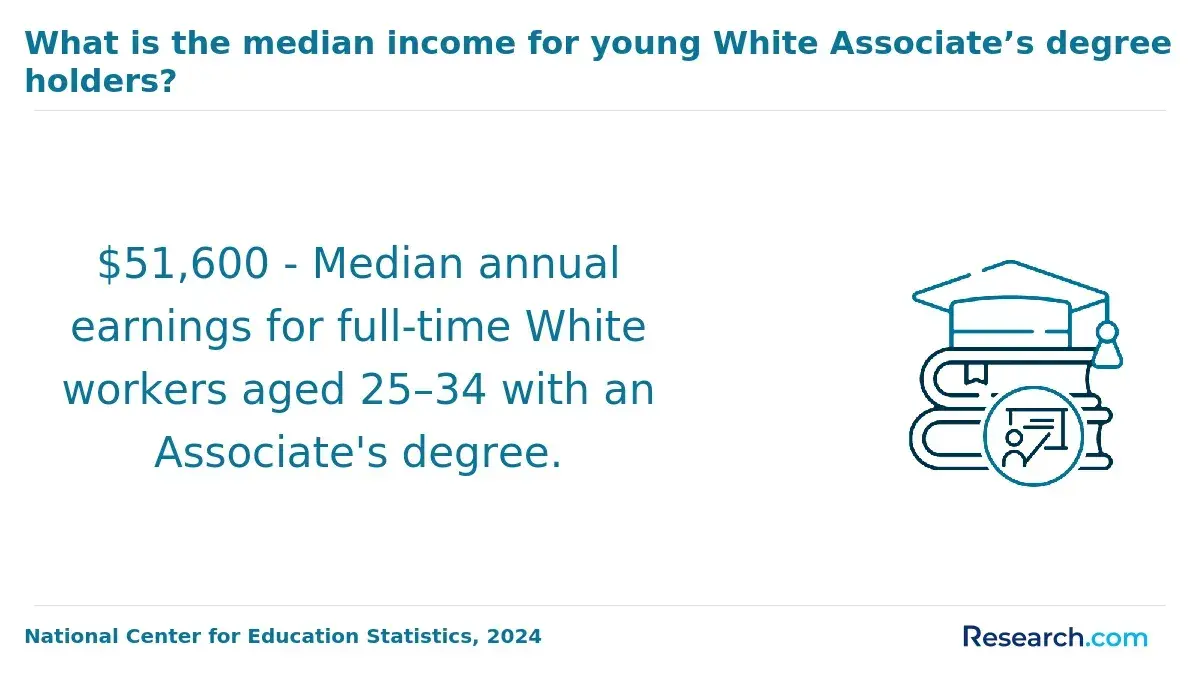
The BLS reported a 2024 median annual wage of $78,240 for social and community service managers. Use that figure as a labor-market reference point, not a promise; doctorate holders may pursue roles above or outside that category, while some mission-driven roles pay less but offer strategic influence or public value.
The table below helps you compare ROI factors by leadership goal. It is designed to show what to evaluate beyond rankings.
| Leadership goal | Primary ROI indicators | Program features that matter most | Potential limitation |
| Nonprofit executive leadership | Eligibility for senior roles, board credibility, budget responsibility, organizational impact | Finance, governance, supervision, evaluation, grants, strategic leadership | Some nonprofits may value experience more than the doctorate itself |
| Policy and advocacy leadership | Ability to analyze policy, influence systems, publish briefs, lead coalitions | Policy analysis, research methods, advocacy, data communication, public systems coursework | Policy roles may require geographic proximity to government or advocacy hubs |
| Community leadership | Coalition outcomes, community trust, program sustainability, equity impact | Community-based research, participatory methods, ethics, partnership development | Impact may be difficult to measure in short-term salary gains |
| Teaching or research-adjacent work | Adjunct eligibility, research leadership, publications, curriculum development | Methods depth, writing support, faculty mentorship, presentation opportunities | A PhD may be preferred for tenure-track research faculty roles |
Before choosing a program, complete a simple decision sequence. This keeps the process grounded in your actual career target rather than brand recognition alone.
- Write down the exact role or leadership function you want within three to five years of graduation.
- Identify the sector you want to influence: nonprofit agency, government, philanthropy, health system, school system, advocacy organization, or community coalition.
- Match that goal to the degree type, specialization, and final project model.
- Compare total cost, time to completion, residencies, and lost work flexibility.
- Ask for student outcome examples that resemble your goal, not just general graduation claims.
- Choose the program that offers the strongest combination of fit, credibility, support, and manageable cost.
The best ROI comes from alignment. A doctorate is more likely to be worth it when your current experience, target role, doctoral project, faculty mentorship, and employer or community context all point in the same direction.
Other Things You Should Know About Social Work Leadership
Usually not by itself. Clinical social work licensure is state-regulated and typically depends on a CSWE-accredited MSW, supervised clinical hours, exams, and state-specific requirements. A doctorate may support leadership or advanced expertise, but it does not automatically replace licensure steps.
It can be useful if your next goal requires deeper social work ethics, community practice, human services systems knowledge, or applied research in social programs. If your main gap is general management, finance, or public administration, another doctorate may not be necessary.
Many employers focus more on leadership experience, sector expertise, project results, and institutional credibility than on the exact doctoral title. However, PhD programs are often more recognized for research roles, while DSW programs are commonly better aligned with advanced practice and systems leadership.
In many cases, yes. Employer support can help with tuition assistance, schedule flexibility, data access, project approval, and leadership opportunities. If you plan to use your workplace for a capstone or dissertation-in-practice, early approval is especially important.
- Doctorate in Social Work (DSW) Programs Online https://www.onlinemswprograms.com/online-social-work-degrees/online-dsw/
- Doctor of Social Work | UNE Online https://online.une.edu/program/doctorate-in-social-work/
- Schools with Exceptional Social Work Faculty https://www.onlineeducation.com/features/exceptional-social-work-faculty
- Doctorate of Social Work (DSW) Degree Programs Online https://socialworklicensemap.com/social-work-degrees/doctorate-in-social-work/