
2027 Best Online Nursing Leadership Doctorate Programs for Career Advancement Beyond a Master's Degree

Co-Founder and Chief Data Scientist
Advancing beyond a master's degree in nursing often means choosing between staying in advanced practice, moving into executive leadership, or building a path into academia, policy, or health systems strategy. The timing matters: the U. S. Bureau of Labor Statistics projects 29% growth for medical and health services managers from 2023 to 2033, much faster than average. This guide helps master's-prepared nurses compare online nursing leadership doctorate programs, understand career and salary trade-offs, and decide whether a DNP, PhD, or related doctorate is the right next step.
Key Things You Should Know
- The strongest online nursing leadership doctorate for career advancement is usually an accredited DNP with executive leadership, systems leadership, health policy, informatics, or education coursework; a PhD is better when the target role centers on research, faculty scholarship, or funded investigation.
- Doctoral value is highest when the target job rewards executive, academic, policy, or systems-level expertise; BLS reports a 2024 median annual wage of $117,960 for medical and health services managers, but pay varies widely by employer, region, responsibility, and prior experience.
- Most working nurses should compare total tuition, clinical or project requirements, employer tuition support, time to completion, and promotion pathways before enrolling because a doctorate can strengthen candidacy but does not automatically produce a raise or executive role.
Which Online Nursing Leadership Doctorate Programs Best Support Career Advancement Beyond a Master's Degree?
The best online nursing leadership doctorate is the one that matches the role you want after graduation, not simply the one with the broadest name recognition. For most master's-prepared nurses seeking advancement into administration, executive leadership, quality, policy, or systems improvement, an accredited online Doctor of Nursing Practice program with a leadership-focused track is usually the most practical option.
A nursing leadership doctorate is a terminal graduate degree that prepares nurses to influence care delivery beyond individual patient encounters. Instead of focusing only on bedside practice or one clinical population, these programs emphasize organizational leadership, evidence-based practice, finance, workforce management, quality improvement, policy, and measurable system outcomes.
The main doctoral options differ in purpose. The table below compares the program types most relevant to nurses who already hold an MSN or another nursing master's degree and want to move beyond master's-level roles.
| Program type | Best fit | Typical career advancement value | Common final requirement |
| Online DNP in Executive Leadership or Nursing Leadership | MSN-prepared nurses targeting director, chief nursing officer, service-line, quality, or operational leadership roles | Strongest fit for applied leadership, healthcare operations, and executive decision-making | Practice-focused doctoral project or capstone |
| Online DNP in Health Systems Leadership | Nurses interested in system redesign, population outcomes, care delivery models, and interprofessional leadership | Useful for roles in hospitals, health systems, accountable care organizations, and consulting | Systems improvement project |
| Online DNP in Health Policy | Nurses pursuing policy, advocacy, regulatory, government, association, or public health leadership roles | Valuable when career goals involve legislative analysis, regulation, reimbursement, or population-level policy | Policy-focused applied project |
| Online PhD in Nursing | Nurses who want research-intensive faculty, scientist, or evidence-generation roles | Best for scholarship, tenure-track academia, funded research, and methodological expertise | Dissertation |
| Online EdD or DNP in Nursing Education | Nurses aiming for academic leadership, curriculum design, faculty development, or clinical education administration | Strong fit for teaching leadership, simulation, program assessment, and academic operations | Dissertation, applied dissertation, or education project |
For nurses whose leadership plans remain clinical, doctoral study may not be the only option. Some professionals are better served by comparing online nurse practitioner programs if they want to change patient population focus, expand clinical scope, or qualify for APRN roles rather than move into executive or systems leadership.
A common mistake is assuming that every doctorate has the same market value. A PhD in nursing may be excellent for research advancement but less directly aligned with a hospital operations role, while a DNP in executive leadership may be highly relevant for administration but less appropriate for a tenure-track research agenda. Match the degree structure to the job description you want to compete for.
Which Career Paths Become More Accessible With an Online Nursing Leadership Doctorate?
An online nursing leadership doctorate can make senior roles more accessible when employers are looking for evidence of advanced leadership preparation, cross-functional decision-making, and the ability to translate evidence into organizational results. It is most useful for roles where a master's degree qualifies you, but a doctorate helps distinguish you in competitive applicant pools.
The career paths below are not all doctorate-required, but many may prefer or strongly reward doctoral preparation, especially in large health systems, academic medical centers, universities, public agencies, and organizations with complex regulatory or quality responsibilities.
| Career path | Doctorate value | Typical responsibilities | Doctorate usually required? |
| Chief nursing officer or senior nursing executive | Helps demonstrate executive-level preparation in finance, workforce strategy, quality, and governance | Oversees nursing operations, safety, staffing, budgets, patient outcomes, and strategic planning | Often preferred, not universally required |
| Director of nursing, clinical operations, or service line | Strengthens readiness for multi-unit leadership and system redesign | Manages departments, performance metrics, staffing models, quality initiatives, and operational change | Usually optional but increasingly competitive |
| Quality, safety, or performance improvement leader | Aligns well with DNP training in evidence-based practice and outcome measurement | Leads safety programs, quality dashboards, regulatory readiness, and improvement projects | Often preferred for senior roles |
| Nursing faculty or academic program leader | Supports teaching, curriculum leadership, accreditation work, and academic administration | Teaches, evaluates programs, mentors students, supports accreditation, and leads academic initiatives | Often required or preferred depending on institution and rank |
| Health policy or advocacy leader | Builds credibility in policy analysis, systems thinking, and population outcomes | Analyzes regulation, develops policy positions, supports advocacy, and works with stakeholders | Usually optional but valuable |
| Healthcare consultant or clinical transformation leader | Signals advanced expertise in change management and outcomes improvement | Advises organizations on workflow redesign, care models, workforce planning, and quality strategy | Optional, but can improve credibility |
Day-to-day work at the doctoral leadership level is usually less about direct care and more about decisions that affect many clinicians and patients at once. That may include leading a workforce redesign, presenting quality data to executives, negotiating budgets, managing regulatory risk, mentoring nurse managers, or implementing an evidence-based practice change across multiple units.
The degree is less likely to pay off if your desired role is already fully accessible with your current license, certification, and experience. For example, a nurse manager in a smaller facility may advance through performance and leadership experience alone, while an academic health system may place more weight on doctoral preparation for executive or faculty tracks.
How Does an Online Nursing Leadership Doctorate Increase Earning Potential After a Master's Degree?
An online nursing leadership doctorate can increase earning potential indirectly by positioning a master's-prepared nurse for higher-scope roles, larger departments, academic leadership, consulting, or executive-level responsibility. The degree itself is not a salary guarantee; compensation depends on role, employer size, geography, prior leadership record, budget authority, and whether the organization rewards doctoral credentials.
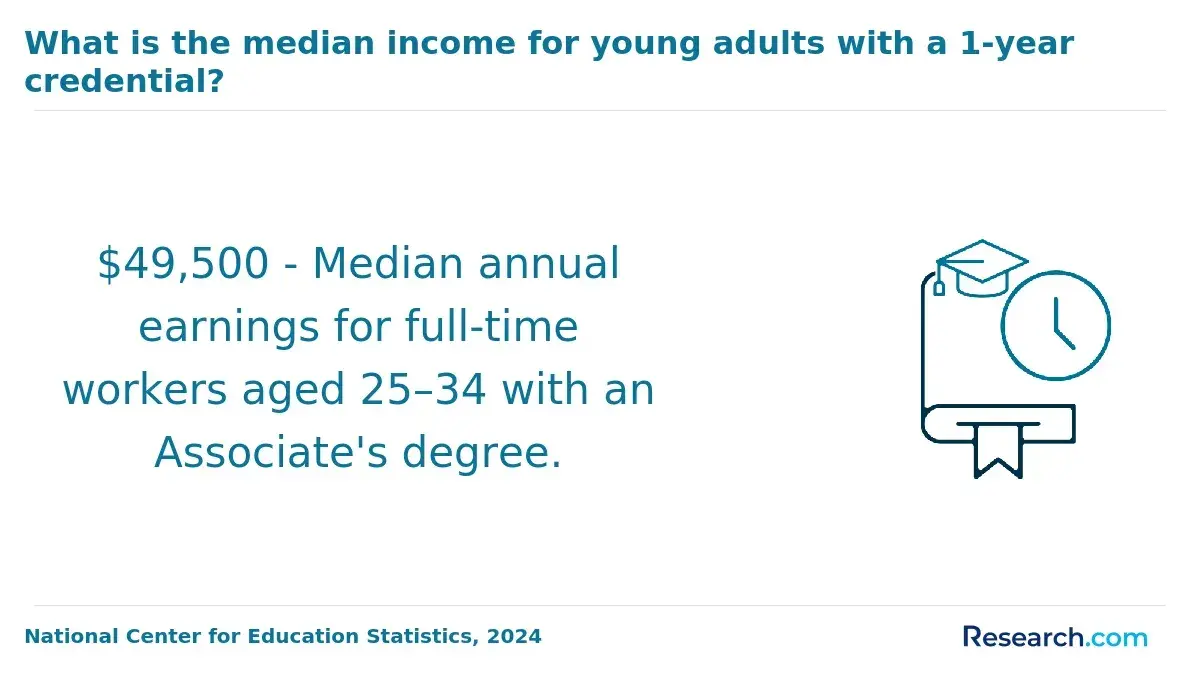
BLS reported a 2024 median annual wage of $117,960 for medical and health services managers. For nurses considering leadership tracks, that figure is useful because many doctoral leadership roles overlap with healthcare management, but it should not be read as a guaranteed nursing doctorate salary.
The table below shows how earning potential typically changes by career direction rather than by degree title alone. Use it to compare whether the doctorate helps you move into a higher-paying category or simply adds a credential to a role you already hold.
| Career direction | How a doctorate may affect earning potential | Salary limitation to consider |
| Executive nursing leadership | May support promotion into roles with broader budget, staffing, and strategy responsibility | Pay depends heavily on facility size, region, and executive scope |
| Quality and safety leadership | Can support advancement into system-level improvement and regulatory leadership roles | Some roles value certifications and project outcomes as much as the degree |
| Academic nursing leadership | May qualify nurses for faculty rank, program director, or dean-track opportunities | Academic salaries may trail some clinical leadership salaries |
| Consulting and transformation roles | Can strengthen credibility when advising organizations on evidence-based change | Income may fluctuate based on contracts, niche, and business development |
| Advanced clinical practice leadership | May add leadership value to APRN roles, especially in program development or service-line management | Clinical specialty and certification often drive pay more than leadership coursework alone |
Nurses comparing leadership and clinical specialty routes should also examine specialty salary data before assuming administration is always the highest-paying path. For example, reviewing psychiatric nurse practitioner salary information can help clarify whether a clinical APRN pathway, a leadership doctorate, or a combined clinical-leadership strategy is more aligned with your financial goals.
The most realistic salary strategy is to identify three to five target job postings, note whether a doctorate is required or preferred, and compare the pay range to your current compensation. If employers in your market rarely mention doctoral preparation for the roles you want, the financial return may depend more on leadership achievements than on the credential alone.
An online nursing leadership doctorate helps professionals qualify for leadership roles by filling gaps that are often not covered deeply in master's-level clinical preparation. These gaps include executive communication, healthcare finance, implementation science, population outcomes, informatics, regulatory strategy, and leading change across complex organizations.
Employers evaluating senior nursing candidates typically look for evidence that the applicant can lead beyond a unit or specialty. A strong doctoral program helps you build that evidence through coursework and an applied project that produces measurable organizational value.
For career advancement, the most important doctoral competencies usually include the following areas. These are the skills that help translate the degree into promotion-ready evidence.
- Strategic leadership: Setting priorities, aligning nursing goals with organizational strategy, and communicating decisions to executives and frontline teams.
- Financial and operational management: Interpreting budgets, staffing models, productivity measures, reimbursement pressures, and resource trade-offs.
- Quality and safety improvement: Using evidence, data, and implementation methods to improve patient outcomes and reduce variation.
- Policy and regulatory awareness: Understanding how accreditation, licensure, reimbursement, and public policy shape nursing practice and organizational risk.
- Technology and informatics fluency: Leading decisions involving electronic health records, analytics dashboards, remote care, AI-enabled tools, and workflow automation.
- Interprofessional influence: Working across medicine, finance, human resources, compliance, information technology, and community partners.
AI and automation are becoming more relevant to nursing leadership because workforce planning, documentation review, predictive analytics, and patient-flow tools increasingly influence operations.
A doctorate with informatics, data interpretation, or technology leadership content may be especially useful for nurses who want to lead digital transformation rather than simply adapt to it.
A red flag is choosing a program where the final project is disconnected from your workplace or target career. If you want to become a quality executive, a project on systemwide fall reduction, throughput, medication safety, or workforce retention may be more useful than a topic that does not produce leadership evidence.
The strongest specialization depends on where you want authority after graduation. A specialization should help you become more competitive for a defined role, not simply repeat what you already studied in your MSN.
The table below compares common doctoral specializations by the type of advancement they tend to support. This is useful if you are deciding whether to pursue broad executive leadership or a narrower niche such as informatics, education, or health policy.
| Specialization | Best career fit | Why it can support advancement | When it may not be ideal |
| Executive nursing leadership | CNO, director, administrator, service-line leader | Directly aligns with staffing, finance, governance, operations, and executive decision-making | Less focused on research careers or narrow clinical specialization |
| Health systems leadership | System redesign, population health, clinical transformation | Builds skills for leading change across departments, settings, and patient populations | May be too broad if your goal is a highly specialized APRN role |
| Quality and patient safety | Quality director, safety officer, regulatory readiness leader | Connects well to measurable outcomes and organizational performance metrics | May need pairing with certifications or strong project experience |
| Nursing informatics leadership | Clinical informatics leader, digital health strategist, EHR optimization leader | Supports technology adoption, analytics, workflow redesign, and data-driven operations | May not fit if you dislike data systems or technology governance |
| Health policy | Policy analyst, advocacy leader, public health or association leadership | Strengthens understanding of regulation, reimbursement, access, and population outcomes | May offer less direct preparation for hospital operations roles |
| Nursing education leadership | Faculty, program director, clinical education leader, academic administrator | Supports curriculum, assessment, accreditation, simulation, and student success leadership | Academic salaries and promotion systems vary widely by institution |
A practical way to choose is to reverse-engineer your next job. If your target postings repeatedly mention budget ownership, nursing operations, and executive communication, choose executive leadership. If they mention dashboards, workflow build, analytics, and technology adoption, informatics leadership may provide a stronger signal.
Do not choose a specialization only because it sounds prestigious. The better question is whether it adds a missing layer to your current profile. An MSN nurse educator may benefit from education leadership or academic administration, while an experienced nurse director may gain more from systems leadership, finance, or quality improvement.
Employers generally value an online nursing leadership doctorate when it comes from an accredited institution, aligns with the role, and is backed by leadership accomplishments. The online format itself is usually less important than accreditation, rigor, clinical or practice applicability, and whether the graduate can demonstrate measurable results.
The employer view is increasingly practical: healthcare organizations need leaders who can manage cost pressures, staffing constraints, quality expectations, regulatory scrutiny, and technology change. A doctorate helps most when it signals readiness for those responsibilities rather than simply adding letters after a name.
When evaluating employer value, consider how different organizations use doctoral credentials. This table summarizes the likely importance of the doctorate by workplace type.
| Employer type | How the doctorate is often viewed | What strengthens the credential |
| Large hospitals and health systems | Often preferred for senior nursing leadership, quality, and transformation roles | Executive project results, budget experience, quality metrics, and staff leadership |
| Academic medical centers | Highly valued because clinical leadership, education, research, and scholarship often intersect | Publication, teaching, evidence-based practice projects, and interprofessional leadership |
| Universities and nursing schools | Frequently required or preferred for faculty and academic leadership roles | Teaching experience, curriculum work, accreditation experience, and scholarship |
| Public health agencies and associations | Valued when the role involves policy, systems, equity, or population health | Policy analysis, coalition work, public health projects, and advocacy outcomes |
| Smaller healthcare organizations | May be valued, but experience and operational versatility can matter more | Hands-on leadership record, broad management capability, and local reputation |
Accreditation matters because employers and academic institutions often use it as a quality screen. For nursing doctoral programs, look for institutional accreditation and appropriate nursing program accreditation, commonly through CCNE or ACEN, depending on the program type and school.
One common mistake is assuming that "online" means "less respected" or, conversely, that every online doctorate will be treated equally. Employers are more likely to respect an online doctorate when the school is properly accredited, admissions standards are clear, faculty have relevant expertise, and the program includes meaningful applied leadership work.
Most master's-to-doctorate online nursing leadership pathways take about two to four years, depending on enrollment pace, transfer credits, project requirements, and whether the student continues working full time. Part-time study is common because many students are already nurse managers, APRNs, educators, or administrators.
The timeline is not just about coursework. Advancement often requires building a leadership portfolio while enrolled, completing a project that demonstrates measurable impact, and positioning yourself for promotion before graduation.
The table below compares common timeline patterns for master's-prepared nurses. Use it to decide whether speed, flexibility, or project depth matters most for your career stage.
| Pathway | Typical pace | Best for | Main trade-off |
| Accelerated post-master's DNP | Often around two years if taken continuously | Nurses with clear goals, strong employer support, and manageable work demands | Heavy workload and less flexibility |
| Part-time post-master's DNP | Often three to four years | Working leaders balancing job, family, and project responsibilities | Longer time before credential completion |
| Online PhD in nursing | Often longer than practice doctorates because of research and dissertation requirements | Nurses targeting research, tenure-track faculty, or scientist roles | More intensive research commitment |
| EdD or education-focused doctorate | Varies by dissertation or applied project structure | Nurse educators seeking academic leadership or curriculum roles | May be less aligned with hospital executive operations |
Before enrolling, ask whether previous graduate credits can reduce the number of required credits. Some post-master's DNP programs are designed specifically for MSN-prepared nurses, while others require additional bridge coursework if your master's degree did not include certain leadership, informatics, statistics, or advanced practice components.
Use a simple planning sequence before committing to a timeline. This helps avoid underestimating the workload while working full time.
- Confirm your target role and whether the doctorate is required, preferred, or optional in current job postings.
- Ask each school how many credits you must complete after transcript review, not just the catalog maximum.
- Compare synchronous class times, practicum or project expectations, campus visits, and project-site requirements.
- Discuss workload and project access with your employer before your first term.
- Set a career milestone for each year of study, such as committee participation, quality project leadership, publication, presentation, or promotion application.
The ROI of an online nursing leadership doctorate depends on whether the degree helps you move into a role with greater pay, authority, stability, or long-term career mobility. The financial return can be strong when the doctorate is tied to executive advancement, faculty qualification, consulting credibility, or a higher-paying leadership position, but weak when the degree does not change your job prospects.
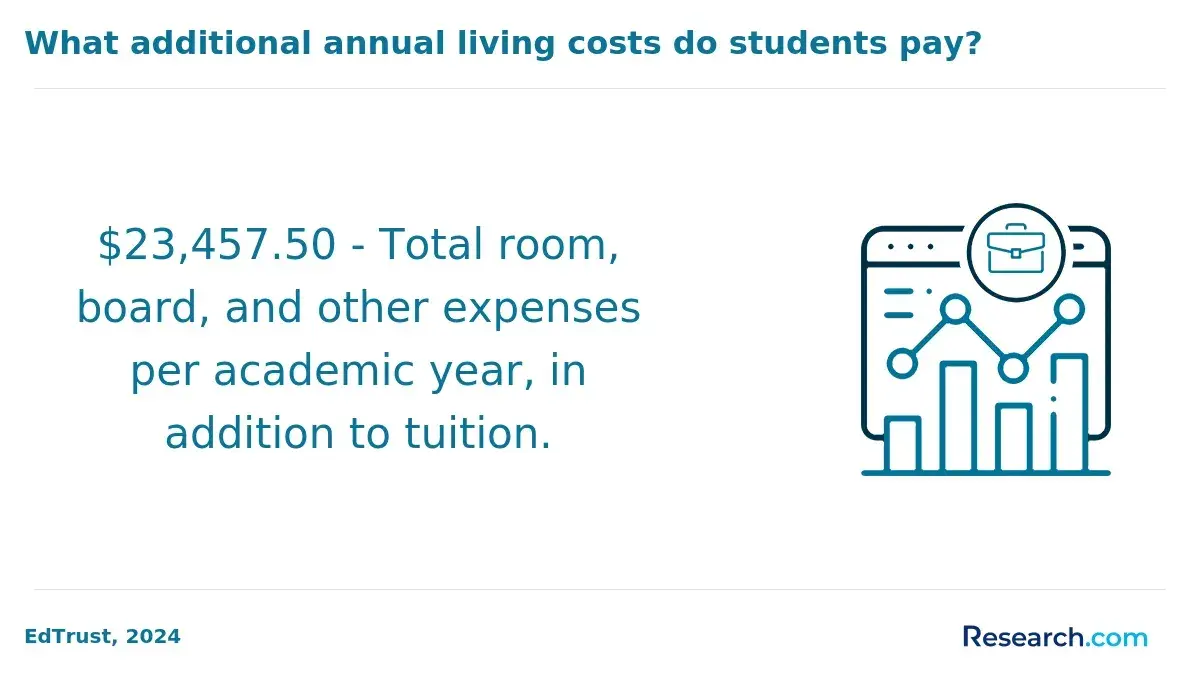
The most important cost metric is total net cost, not advertised tuition. Federal Student Aid currently lists the annual federal Direct Unsubsidized Loan limit for graduate or professional students at $20,500, which means many doctoral students must combine savings, employer support, scholarships, payment plans, or Grad PLUS loans if costs exceed that amount.
ROI should include both financial and career factors. The table below summarizes the main variables that influence whether a nursing leadership doctorate is likely to be worth it after a master's degree.
| ROI factor | Why it matters | Positive signal | Warning sign |
| Total tuition and fees | Higher costs require stronger career upside to justify the investment | Transparent per-credit pricing and limited hidden fees | Unclear total cost or frequent fee surprises |
| Employer tuition support | Reduces debt and improves payback timeline | Tuition reimbursement, release time, or project support | No employer support and no clear promotion pathway |
| Promotion probability | The degree pays off faster if it unlocks realistic advancement | Target employer prefers or rewards doctorates | Target roles rarely mention doctoral preparation |
| Opportunity cost | Time spent studying may reduce overtime, consulting, or family flexibility | Part-time format fits workload and career goals | Program intensity threatens job performance or wellbeing |
| Final project value | A strong project can become promotion evidence | Project aligns with employer priorities and measurable outcomes | Project is generic or disconnected from career goals |
If cost is the biggest barrier and your goal is research or academic advancement, comparing cheapest online nursing PhD programs can help you identify lower-cost doctoral routes. Just be careful not to choose a PhD solely for affordability if your actual goal is executive practice leadership, where a DNP may align better.
A doctorate may not be worth it right now if you do not have a specific role target, your employer does not reward the credential, you already qualify for your desired advancement path, or taking on debt would limit your flexibility.
In those cases, a certification, leadership fellowship, quality improvement credential, finance course, or employer-sponsored management program may deliver better short-term value.
The professionals who benefit most are experienced nurses who already have graduate preparation and want to lead systems, not only deliver or supervise care. The doctorate is most valuable when it complements a strong track record rather than trying to substitute for one.
An online nursing leadership doctorate tends to be a good fit for the following professionals because their next career step often requires broader authority, stronger evidence of expertise, or doctoral-level credibility.
- MSN-prepared nurse managers or directors seeking executive roles such as chief nursing officer, associate chief nurse, or system-level director.
- Advanced practice registered nurses who want to move into service-line leadership, quality leadership, population health, or clinical program administration.
- Nurse educators who want faculty rank, curriculum leadership, accreditation responsibilities, or academic administration roles.
- Quality, safety, informatics, or population health nurses who want to lead organization-wide transformation rather than unit-level projects.
- Nurses interested in policy, advocacy, public health leadership, professional associations, or regulatory work.
- Experienced clinicians who want to build a consulting, change management, or healthcare innovation niche.
However, not every master's-prepared nurse needs a doctorate. If your main goal is to enter direct advanced clinical practice, change APRN population focus, or find the fastest path to a new clinical credential, a doctorate in leadership may be less efficient than a targeted certificate or APRN program.
Some nurses searching for the easiest NP program are really trying to reduce time and workload, but that goal should be separated from leadership-doctorate decisions. Nursing leadership doctorates are not designed to be shortcuts; they are designed to build advanced competence for complex organizational responsibility.
The degree is usually a poor fit for professionals who dislike administrative work, do not want to manage conflict or budgets, prefer direct patient care exclusively, or have no interest in data-driven improvement. It is also risky for students who enroll mainly because they feel pressured to "get the terminal degree" without knowing how they will use it.
How Should Professionals Choose an Online Nursing Leadership Doctorate for Career Advancement?
Choosing an online nursing leadership doctorate should start with your target outcome, then move to accreditation, curriculum, cost, flexibility, faculty expertise, and career evidence. A program that is excellent for one nurse may be a poor fit for another if it does not match the intended career path.
Use the following steps to compare programs in a way that protects your time, money, and career momentum. These steps are especially important for working professionals who cannot afford to pause their careers for a poorly matched program.
- Define your next role before choosing a degree type: decide whether you are targeting executive leadership, quality, informatics, policy, academia, research, or consulting.
- Verify institutional and nursing program accreditation, and confirm whether the degree type is accepted for your target academic, employer, or licensing context.
- Compare DNP, PhD, and EdD structures carefully; choose a DNP for applied practice leadership, a PhD for research, and an education-focused doctorate for teaching or academic leadership when appropriate.
- Ask for a personalized credit evaluation if you already hold an MSN, because post-master's requirements can vary by prior coursework and clinical background.
- Review final project or dissertation expectations and ask whether you can complete the work in your current organization or professional setting.
- Calculate total net cost after employer reimbursement, scholarships, fees, travel, technology costs, and potential loan interest.
- Ask schools for career outcome information, alumni roles, employer partnerships, project examples, faculty expertise, and student support for working professionals.
- Check whether the online format includes synchronous meetings, campus intensives, practicum hours, project-site requirements, or scheduled residencies that could affect your job schedule.
Strong programs are transparent about admissions, costs, faculty qualifications, project requirements, and student support. They should also be able to explain how the curriculum prepares graduates for leadership outcomes, not just list courses.
Be cautious of programs that market speed heavily but provide little information about project quality, student support, accreditation, or graduate outcomes. Also avoid choosing based only on rankings, prestige, or convenience. For career advancement, the best program is the one that helps you build credible evidence for the role you want next.
A final decision rule can help: if you can name the role, identify employers that value the doctorate, estimate the net cost, and design a project that supports your advancement, the program is more likely to be a smart investment. If those pieces are missing, pause and clarify your plan before enrolling.
Other Things You Should Know About Nursing Leadership
Some do, and some do not. Fully online programs may still require virtual live sessions, local project work, or short residencies. Always ask whether travel, intensives, or in-person project activities are required before estimating cost and scheduling feasibility.
Many students do, especially in part-time post-master's DNP programs. The bigger question is whether your work schedule allows time for reading, group work, data collection, leadership projects, and writing. Employer support can make a major difference.
Usually no. A leadership doctorate does not automatically create a new license or expand clinical scope. Licensure and certification depend on state boards, APRN preparation, national certification rules, and the specific role you intend to practice.
It depends on the degree. PhD programs usually require a dissertation, while DNP programs typically require an applied doctoral project or capstone. EdD programs may require a dissertation or applied dissertation, depending on the school.
- Financial Aid for Nursing Students https://www.coloradotech.edu/degrees/studies/nursing/articles/nursing-financial-aid
- DNP Educational Leadership Online https://www.chamberlain.edu/academics/nursing-school/doctor-of-nursing-practice/educational-leadership
- How Long Does It Take to Get a PhD After a Master's Degree? https://streamlinedai.app/blog/how-long-phd-after-masters
- Is Financial Assistance Available to Earn a DNP? https://www.doctorofnursingpracticednp.org/is-financial-assistance-available-to-earn-a-dnp/
- Career Goals https://doctorsofnursingpractice.org/forums/topic/career-goals/
- Can You Earn a DNP Online? | All Nursing Schools https://www.allnursingschools.com/dnp/online-or-on-campus/
- Nursing Leadership | Online DNP Program | Bradley University Online https://onlinedegrees.bradley.edu/nursing/dnp/leadership
- 50 Great Scholarships for Nursing Students - Healthcare Administration Degree Programs https://www.healthcare-administration-degree.net/50-great-nursing-scholarships/
- Advancing Your Nursing Career With a DNP https://www.saintmarys.edu/graduate-studies/nursing/nursing-practice/dnp-article
- Careers with a Doctor of Nursing Practice Degree | Neumann https://learn.neumann.edu/neuperspectives/careers-with-a-doctor-of-nursing-practice-degree


