2027 Best Online Nurse Leadership Doctorate Programs for Government and Public Sector Careers

Co-Founder and Chief Data Scientist
Choosing an online nurse leadership doctorate is a major career and financial decision, especially if your goal is public service leadership. The stakes are high: the BLS reports medical and health services managers had a median wage of $117,960 in May 2024, with much faster-than-average projected growth.
This guide is for nurses considering DNP, PhD, or related leadership doctorates for federal, state, local, VA, public health, academic, or nonprofit roles. You will learn how accreditation, cost, flexibility, curriculum, and public sector relevance affect program value.
Key Things You Should Know
- The strongest online nurse leadership doctorate programs for public sector careers are accredited, designed for working nurses, and connected to health systems, policy, quality improvement, public health, or government-facing leadership projects.
- A DNP usually fits practice, administration, quality, and systems leadership roles, while a PhD is usually better for research, policy analysis, faculty, and evidence-generation careers; the best choice depends on whether you want to lead implementation or produce research.
- Cost comparison matters because federal graduate Direct Unsubsidized Loans are capped at $20,500 per academic year, so students should compare total program cost, employer tuition benefits, public service loan strategies, and required travel before enrolling.
What Are the Best Online Nurse Leadership Doctorate Programs for Government and Public Sector Careers?
The best online nurse leadership doctorate program is not always the highest-ranked or fastest program. For government and public sector careers, the best fit is usually the program that combines recognized accreditation, leadership-focused doctoral work, realistic online delivery, transparent costs, and a curriculum that prepares you to solve large-scale health system problems.
Most prospective students compare three main doctorate pathways. A leadership-focused DNP is the most direct route for nurses who want executive, administrative, quality, or systems-level practice roles.
A nursing PhD is better for research, policy scholarship, data analysis, faculty work, and evidence development. A related doctorate, such as a Doctor of Health Administration or EdD with a nursing leadership focus, may fit nurses moving into public administration, workforce development, or higher education leadership.
The table below summarizes how each doctorate type tends to align with public sector goals. Use it as a starting point, then verify each school's accreditation, faculty expertise, practicum expectations, and graduate outcomes.
| Doctorate option | Best public sector fit | Typical scholarly project | When it makes sense |
| DNP in Executive Leadership or Nursing Leadership | VA leadership, public hospital administration, state health systems, quality improvement, clinical operations | Practice-based capstone or DNP project | You want to improve systems, lead teams, manage care delivery, or translate evidence into practice |
| PhD in Nursing with leadership, health systems, or policy interests | Research agencies, academic nursing, policy institutes, public university faculty, health services research | Dissertation based on original research | You want to generate evidence, publish research, teach doctoral students, or influence policy through scholarship |
| Doctorate in health administration, education, or public health with nursing leadership relevance | Public health departments, workforce development, emergency preparedness, academic administration, nonprofit health leadership | Applied dissertation, capstone, or research project | You want broader administrative, education, or population health leadership beyond traditional nursing roles |
A strong "best programs" shortlist should include more than one type of doctorate if you are still deciding between public health leadership, health system administration, policy, and academic leadership. Nurses focused on affordability can also compare cheapest online nursing PhD programs if research training is a better match than a practice-focused DNP.
Common red flags include programs that do not clearly identify nursing accreditation, programs that market "leadership" without health policy or systems content, and programs that require residencies or practicum placements that are unrealistic for working government employees.
A better approach is to ask every school how recent students used their doctoral project, dissertation, or practicum in public hospitals, public health agencies, the VA, correctional health, military health, or state health systems.
How Should You Compare Online Nurse Leadership Doctorate Programs for Your Public Sector Career Goals?
To compare online nurse leadership doctorate programs well, start with your target public sector role and work backward. A nurse who wants to become a chief nursing officer in a county hospital needs different evidence of program quality than a nurse aiming for federal health policy, a public university faculty role, or a state quality director position.
The comparison process below helps you separate true career alignment from general online-program marketing. Use it before speaking with admissions teams so you can ask more specific questions.
- Define your target sector: federal, state, local, tribal, VA, public hospital, public health, military health, correctional health, public university, or nonprofit health organization.
- Choose the doctorate type that matches your goal: DNP for implementation and executive practice, PhD for research and academic scholarship, or a related applied doctorate for administration, education, or population health leadership.
- Verify institutional and nursing accreditation before evaluating rankings, cost, or speed.
- Review the curriculum for public finance, health policy, epidemiology, quality improvement, informatics, workforce leadership, ethics, and population health content.
- Ask whether doctoral projects, dissertations, practicums, or residencies can be completed in a government or public sector workplace.
- Compare total cost, not just tuition, including fees, travel, software, background checks, clinical documentation systems, and unpaid practicum time.
- Evaluate faculty and alumni networks in public health, VA systems, public universities, policy organizations, and government-funded health systems.
The table below shows common decision trade-offs. It can help you decide which program feature matters most for your situation instead of assuming one format is best for everyone.
| Decision point | Better fit for public sector advancement | Trade-off to consider |
| DNP vs. PhD | DNP for operational leadership; PhD for research, policy scholarship, and faculty careers | DNP projects usually solve practice problems; PhD dissertations require deeper research preparation |
| Public university vs. private university | Public universities may offer stronger government familiarity or lower in-state tuition; private universities may offer cohort flexibility | Costs, residency expectations, and public sector networks vary widely by school |
| Online vs. hybrid | Online works best for working professionals; hybrid may provide stronger networking and faculty access | Residency travel can add cost and scheduling pressure |
| Accelerated vs. part-time | Accelerated works for students with flexible jobs; part-time works better for senior nurses with demanding public sector schedules | Shorter timelines can increase weekly workload and burnout risk |
| Low tuition vs. high support | Lower tuition improves ROI; stronger advising can improve completion support | The cheapest option is not always best if advising, project placement, or faculty access is weak |
One mistake is choosing a doctorate mainly because it is fast. Government advancement often depends on experience, competitive hiring processes, veteran preference rules, civil service classifications, budget cycles, and leadership record. A doctorate can strengthen your profile, but it should be paired with measurable leadership projects, supervisory experience, policy exposure, and a clear career strategy.
Are Online Nurse Leadership Doctorate Programs Accredited and Respected by Government Employers?
Online nurse leadership doctorates can be respected by government employers when the university is properly accredited and the degree aligns with the job's requirements. Federal, state, and local employers generally care more about institutional legitimacy, licensure, experience, specialized skills, and whether the degree supports the position than whether coursework was completed online.
For nursing doctorates, accreditation checks should happen in two layers. Institutional accreditation confirms the university meets broad academic standards, while programmatic nursing accreditation helps show that the nursing program follows recognized expectations for graduate nursing education.
- Institutional accreditation: Look for accreditation from an agency recognized by the U.S. Department of Education or the Council for Higher Education Accreditation.
- Programmatic nursing accreditation: For DNP and many graduate nursing programs, look for recognized nursing accreditors such as CCNE, ACEN, or CNEA when applicable.
- State authorization: Confirm that the school can enroll students in your state, especially if fieldwork, practicum activity, or licensure-related requirements are involved.
- Employer recognition: Ask HR or hiring managers whether the specific degree title, institution, and delivery format meet minimum qualifications for your target classification.
- Doctoral project standards: For DNP programs, review whether the project reflects current professional expectations for systems-level practice, quality, leadership, or policy impact.
A useful accreditation question is not simply "Is this online program accredited?" Instead, ask whether the exact program, degree level, and delivery format are covered under the school's accreditation status. If the admissions office cannot provide a clear answer, treat that as a warning sign.
Government employers may also require active RN licensure, advanced practice licensure for some roles, security clearances, supervisory experience, or specialized public health credentials. Accreditation opens the door, but it does not replace job-specific qualifications.
Admission requirements vary by school and doctorate type, but most online nurse leadership doctorate programs expect applicants to show graduate-level readiness, professional nursing experience, and a clear reason for pursuing doctoral study. Competitive applicants usually connect their leadership goals to a specific system problem, such as workforce retention, care quality, veterans' health access, emergency preparedness, or health equity.
Students comparing graduate nursing options should understand how doctoral admissions differ from master's-level or practice-entry pathways. Those still deciding whether they need a doctorate or an advanced practice route can also compare online nurse practitioner programs before committing to a leadership doctorate.
Most schools ask for a combination of academic, professional, and goal-focused materials. The list below highlights requirements that are especially relevant for public sector-focused applicants.
- Active, unencumbered RN license, and sometimes APRN certification depending on the program track.
- BSN, MSN, or related graduate degree, with some programs offering BSN-to-DNP or post-master's DNP pathways.
- Minimum graduate GPA, often with review of statistics, research, or evidence-based practice preparation.
- Professional resume showing leadership, quality improvement, precepting, committee work, public health experience, or management responsibility.
- Statement of purpose explaining why the doctorate fits your career goal and what public sector problem you want to address.
- Letters of recommendation from supervisors, faculty, executives, or public sector leaders who can speak to your leadership potential.
- Interview, writing sample, scholarly project proposal, or evidence of graduate-level writing ability.
A common mistake is applying with a broad goal such as "I want to be a leader." A stronger application explains the population, system, or agency context you want to improve. For example, you might focus on reducing readmissions in a public hospital, improving behavioral health access in a county system, strengthening infection prevention in correctional health, or developing retention strategies for rural public health nurses.
The best curriculum for government and public sector careers teaches nurses how to lead beyond the unit level. Look for courses that build skill in policy, finance, data, population health, interprofessional leadership, regulatory compliance, and organizational change.
A leadership doctorate should also help you produce work that can be shown to employers. In public sector hiring, a strong capstone, dissertation, policy brief, quality dashboard, or workforce improvement project can be more persuasive than a transcript alone.
The table below connects common curriculum areas to public sector uses. This can help you read course catalogs with a practical career lens.
| Curriculum area | Why it matters in government or public sector work | Relevant career direction |
| Health policy and regulation | Prepares nurses to understand public programs, compliance, reimbursement, and rulemaking environments | Policy advisor, public health administrator, government affairs leader |
| Quality improvement and patient safety | Supports systems-level improvement in public hospitals, VA facilities, and publicly funded health systems | Quality director, chief nursing officer, patient safety executive |
| Population health and epidemiology | Connects nursing leadership to prevention, surveillance, community health, and health equity priorities | Public health leader, community health executive, emergency preparedness coordinator |
| Finance and public budgeting | Helps leaders manage constrained resources, grant-funded programs, staffing models, and accountability requirements | Health system administrator, program director, operations executive |
| Informatics and data analytics | Supports performance measurement, digital transformation, reporting, and evidence-based decision-making | Clinical informatics leader, quality analytics manager, systems transformation director |
| Leadership, ethics, and workforce strategy | Builds capacity to manage teams, labor challenges, equity issues, succession planning, and organizational culture | Nursing executive, workforce development leader, academic administrator |
Specializations can be helpful, but the name of the specialization matters less than the skills and project opportunities behind it. A "nurse executive" track with strong policy, finance, and analytics content may be more useful for public sector leadership than a broader track with limited applied work.
Do not choose a program only because it appears easier. If your goal is public sector leadership, rigor matters because you may be expected to defend budgets, lead interprofessional teams, analyze outcomes, and communicate with policymakers. If you are comparing difficulty across nursing pathways, use resources such as an easiest NP program guide only to understand workload and fit, not as the main basis for a leadership doctorate decision.
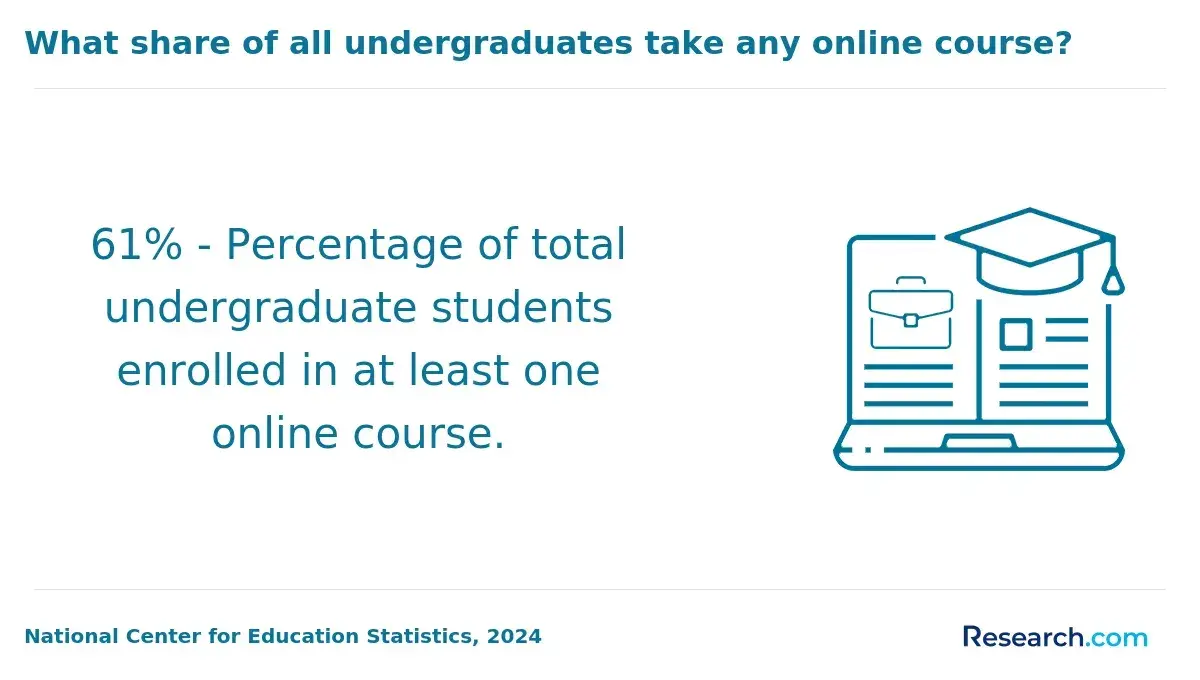
Online nurse leadership doctorate programs usually combine asynchronous coursework, live virtual sessions, faculty advising, applied projects, and limited in-person or virtual residencies. The key question is not whether the program is online; it is whether the online structure supports doctoral-level feedback, professional networking, and project completion.
Residency and project formats vary, so ask direct questions before enrolling. The following features can significantly affect your schedule, budget, and ability to use your current public sector workplace as a learning site.
- Course delivery: Asynchronous courses provide more flexibility, while synchronous sessions may offer stronger discussion and accountability.
- Residencies: Some programs require campus visits, executive intensives, simulation experiences, research seminars, or virtual immersions.
- Practicum or field hours: DNP programs may require documented practice hours tied to leadership, systems improvement, or advanced nursing practice competencies.
- Capstone or DNP project: Practice doctorates usually require an applied project that translates evidence into measurable improvement.
- Dissertation: PhD programs usually require original research, proposal defense, data collection, analysis, and final defense.
- Committee support: Strong programs assign faculty who understand your topic area, methods, and practice setting.
For working public sector nurses, the best project is often one that benefits both the student and the employer. Examples include a staffing model evaluation, a public health outreach intervention, a quality improvement protocol, a veterans' care coordination project, or a policy implementation analysis.
A frequent red flag is a school that tells students to "find your own site" without explaining approval criteria, faculty oversight, data-use rules, or agency permissions. Government workplaces may have privacy, union, compliance, IRB, procurement, or security rules that affect doctoral work. Clarify these requirements early so your capstone or dissertation does not stall.
Most working nurses should expect an online nurse leadership doctorate to take several years, with the exact timeline depending on entry point, transfer credits, enrollment intensity, project design, and dissertation or capstone progress. Post-master's DNP programs are often shorter than BSN-to-DNP or PhD programs, while PhD timelines can lengthen if research approvals, data access, or dissertation revisions take longer than expected.
The table below outlines common timeline patterns. It is not a guarantee, but it can help you judge whether a program's advertised pace is realistic for your workload.
| Program pathway | Typical student profile | Work-friendly pacing considerations | Public sector planning issue |
| Post-master's DNP in leadership | Experienced MSN-prepared nurse or APRN | Often designed for part-time working professionals | Best if you can complete applied work in your current agency or health system |
| BSN-to-DNP leadership pathway | BSN-prepared nurse seeking graduate and doctoral preparation together | Longer and more demanding because graduate core and doctoral work are combined | May be challenging for nurses in high-demand government schedules |
| PhD in nursing | Nurse pursuing research, policy scholarship, or faculty roles | Requires sustained research time and close faculty mentorship | Data access, IRB review, and dissertation scope can affect completion time |
| Applied doctorate in health administration, education, or public health | Nurse moving into broader leadership, education, or population health roles | May offer flexible applied projects but varies by school | Confirm whether the degree title fits your target civil service or academic job classification |
Working full time while studying is possible, but it requires realistic planning. The safest approach is to assume that doctoral study will create sustained weekly commitments rather than short bursts of work.
Students in demanding public sector roles can improve completion odds by taking these steps before the first term begins.
- Map your work calendar, budget cycles, accreditation surveys, legislative sessions, or emergency response periods against the academic calendar.
- Ask your supervisor whether your doctoral project can align with department priorities and whether data access is possible.
- Choose a topic narrow enough to complete but meaningful enough to support promotion, publication, or policy discussion.
- Build a support plan for residencies, intensive writing periods, and project implementation phases.
- Avoid overloading the first year until you understand the program's reading, writing, and group-project expectations.
Online nurse leadership doctorate costs vary widely because programs differ in credit requirements, tuition model, fees, residency travel, project expenses, and whether students enter with a BSN or MSN. The most useful number is total cost to completion, not tuition per credit.
Federal financial aid rules also shape affordability. Graduate and professional students can borrow up to $20,500 per academic year through Direct Unsubsidized Loans, while Graduate PLUS Loans may cover additional approved cost of attendance for eligible borrowers. That makes careful borrowing especially important for nurses who plan to stay in public service roles.
When comparing program costs, ask schools to provide a complete written estimate. The following cost categories are the ones most likely to surprise students.
- Tuition for all required credits, including doctoral project, dissertation, continuation, or research credits.
- University fees, technology fees, graduation fees, clinical tracking fees, and distance-learning fees.
- Residency costs, including travel, lodging, meals, parking, and time away from work.
- Books, software, statistical tools, transcription, survey platforms, or data analysis support.
- Practicum or project-related costs, including background checks, immunization documentation, site onboarding, or agency compliance requirements.
- Lost income or reduced overtime if coursework or residencies conflict with work schedules.
Funding can come from several sources, but availability depends on employer policies, school aid, and federal rules. Public sector nurses should pay special attention to employer tuition assistance, union education benefits, military or VA education benefits, HRSA-related opportunities when applicable, scholarships from nursing organizations, and Public Service Loan Forgiveness eligibility for qualifying employment and loans.
Do not assume that the lowest tuition automatically creates the best ROI. A slightly more expensive program may be worth considering if it offers stronger advising, better public sector faculty connections, a feasible project pathway, or employer-recognized leadership preparation. Conversely, a costly program with unclear outcomes, heavy travel, or weak accreditation transparency is a poor fit no matter how polished its marketing appears.
An online nurse leadership doctorate can support several government and public sector pathways, but it should be viewed as an advanced credential that complements experience, not a replacement for it. Hiring still depends on job classifications, supervisory history, licensure, budget authority, policy expertise, and competitive selection processes.
The BLS reported a May 2024 median wage of $117,960 for medical and health services managers. This figure is useful because many nurse leadership doctorate graduates target management or executive roles, but it is not specific to doctorate holders and does not guarantee individual compensation.
The table below connects common public sector career paths with relevant doctorate preparation. Use it to identify the kind of program evidence you should look for.
| Career path | Possible public sector settings | Relevant doctorate preparation | Typical responsibilities |
| Nurse executive or chief nursing officer | Public hospitals, VA facilities, state health systems, correctional health systems | DNP in executive leadership, health systems leadership, quality improvement | Lead nursing strategy, staffing, quality, compliance, patient safety, and workforce initiatives |
| Public health nursing leader | County health departments, state health agencies, community health programs | DNP, DrPH-related work, population health, epidemiology, policy coursework | Manage programs, coordinate prevention initiatives, oversee community health teams, evaluate outcomes |
| Health policy or program advisor | Federal or state agencies, legislative offices, policy institutes, nonprofit public sector partners | PhD, DNP with policy focus, health policy specialization | Analyze evidence, support rulemaking or program design, write briefs, evaluate health system impact |
| Quality, safety, or informatics director | Government-funded health systems, VA, public hospitals, Medicaid-related programs | DNP with quality, analytics, informatics, and systems leadership preparation | Improve performance measures, lead data-informed initiatives, reduce risk, manage reporting |
| Nursing faculty or academic administrator | Public universities, community colleges, state nursing programs | PhD for tenure-track research roles; DNP for practice-focused faculty and leadership roles | Teach, mentor, conduct scholarship, lead programs, support workforce development |
Some nurses considering a doctorate also compare leadership roles with advanced practice clinical pathways. For example, salary and role expectations for psychiatric mental health practice differ substantially from public sector administration, so reviewing psychiatric nurse practitioner salary data can help clarify whether your long-term goal is clinical specialization or systems leadership.
Who should pursue this degree? It is a strong fit for experienced nurses who already influence teams, programs, policy, quality, education, or operations and want doctoral-level tools to lead broader change. Who should consider a different path? Nurses who primarily want direct patient care expansion may be better served by an APRN program, while nurses who want a faster promotion may benefit first from supervisory experience, certification, or a targeted master's degree.
Which Online Nurse Leadership Doctorate Programs Offer the Best Public Sector Career Support and Professional Networks?
The best public sector career support usually comes from programs that understand government hiring, public health systems, public hospitals, VA structures, health policy, academic nursing, and grant-funded work. Generic career services are helpful, but doctorate students need more targeted support: faculty mentorship, project access, executive networks, research guidance, and alumni connections.
Look for evidence that a program can help you build public sector credibility while you study. The following features are especially valuable for nurses who want to move into leadership, policy, research, or administration.
- Faculty with experience in public health, VA systems, public hospitals, policy, health services research, workforce development, or government-funded care.
- Doctoral project or dissertation examples involving public sector settings, underserved populations, rural systems, veterans' health, Medicaid populations, emergency preparedness, or health equity.
- Advising that helps students connect coursework to promotion portfolios, executive interviews, academic applications, or policy work.
- Partnerships with public hospitals, health departments, academic medical centers, community agencies, or government-funded research initiatives.
- Alumni in leadership roles across federal, state, local, academic, nonprofit, and public health organizations.
- Support for conference presentations, publications, quality reports, policy briefs, or executive leadership portfolios.
Before enrolling, ask admissions and faculty specific questions that test whether the program's public sector alignment is real. Good questions include: "Can I complete my doctoral project in a government workplace?" "Which faculty mentor students in health policy or public health systems?" "Where have recent graduates worked?" "How does the program help students navigate IRB, data-sharing, or agency approvals?"
Relying only on rankings is a common mistake. Rankings may reflect reputation, research volume, or general academic quality, but they may not tell you whether a program fits your agency, schedule, budget, or career target. For public sector nurses, the best program is the one that helps you produce credible doctoral work, maintain employment, and build a stronger leadership profile in the setting where you want to serve.
Other Things You Should Know About Nurse Leadership
Yes, graduates of accredited doctoral programs may generally use the title in academic and professional contexts, but workplace rules vary. In clinical settings, be clear that you are a nurse with a doctorate, not a physician, to avoid patient confusion.
Usually no, but certifications such as nurse executive, quality, informatics, or public health credentials can strengthen an application and show commitment to leadership. Some students earn certification during or after the doctorate, depending on career goals.
Yes, especially if the program supports systems leadership, quality improvement, veterans' health, population health, policy, or workforce development. Military and VA nurses should confirm tuition benefits, project approval rules, and any service-specific education requirements before enrolling.
Not always. Many nurse manager roles require a BSN or MSN plus leadership experience. A doctorate is more useful for senior executive, policy, research, academic, quality, or systemwide leadership goals where doctoral preparation adds clear value.
- 35 Best Online Masters in Nursing Administration - Healthcare Administration Degree Programs https://www.healthcare-administration-degree.net/best/online-masters-in-nursing-administration/
- Online DNP Program - Doctor of Nursing Practice | Aspen University https://www.aspen.edu/nursing/dnp/
- Doctor of Nursing Practice (DNP) Programs/ DNP Degrees — NP Reasoning https://www.npreasoning.com/practice-management/dnp-in-nursing-doctor-of-nursing-practice
- Scholarships & Financial Aid https://www.aacnnursing.org/students/scholarships-financial-aid
- How a DNP Shapes Policy and Improves Healthcare Systems https://blog.methodistcollege.edu/dnp-policy-improves-healthcare-systems
- Types of Nursing Degrees—Which One Is Yours? https://www.allnursingschools.com/how-to-get-into-nursing-school/degree-options/
- 2025 Best Online DNP Nursing Education Programs https://www.nurseeducator.com/degrees/dnp/
- Online Doctor of Nursing Practice DNP Degree Programs https://teach.com/online-ed/healthcare-degrees/online-doctor-of-nursing-practice-programs/
- The Best Value DNP Degree Programs for 2025 https://www.doctorofnursingpracticednp.org/the-best-value-dnp-degree-programs/
- EdAssist | Scholarships and grants for nursing students https://www.brighthorizons.com/resources/blog/edassist/scholarships-and-grants-for-nursing-students