2027 Best Online Literacy Education Doctorate Programs for Government and Public Sector Careers

Co-Founder and Chief Data Scientist
Choosing an online literacy education doctorate is a high-stakes decision if your goal is public service leadership, not just a new credential. NCES reported in its 2024 release of PIAAC adult-skills data that 28% of U. S. adults scored at or below the lowest literacy levels, underscoring why literacy policy, assessment, and program leadership matter.
This guide is for educators, agency staff, curriculum leaders, and nonprofit professionals comparing online doctoral options. You will learn how accreditation, cost, flexibility, dissertation format, and government career alignment affect the value of each program.
Key Things You Should Know
- The best online literacy education doctorates for public sector careers are regionally accredited EdD or PhD programs with strong literacy research, assessment, policy, curriculum leadership, and applied improvement coursework.
- Public sector fit matters: BLS May 2024 data lists a $74,720 median wage for instructional coordinators, while K-12 education administrators had median pay above $100,000, but advancement still depends on role, experience, licensure, and agency structure.
- Total cost can vary widely, so compare tuition, fees, residency travel, dissertation support, employer tuition benefits, and federal graduate loan limits such as the $20,500 annual Direct Unsubsidized Loan cap.
What Are the Best Online Literacy Education Doctorate Programs for Government and Public Sector Careers?
The best online literacy education doctorate is the one that matches the public problem you want to solve: reading achievement, adult literacy, multilingual literacy access, curriculum equity, special education literacy support, teacher professional development, or statewide literacy policy. Most strong options fall into two degree types: the Doctor of Education, usually designed for applied leadership, and the Doctor of Philosophy, usually designed for research-intensive academic, evaluation, or policy work.
Because program names differ across universities, you may see relevant degrees listed as literacy education, reading education, language and literacy, curriculum and instruction with a literacy concentration, or educational leadership with literacy-focused electives. Students who already hold an education specialist credential may also compare EDS to EdD programs if they want a shorter pathway into doctoral study without starting over.
This comparison table summarizes the program models that tend to work best for government and public sector career goals. Use it as a filter before reviewing individual universities, because the most recognizable school is not always the best professional fit.
| Program model | Best public sector fit | What to look for | Possible trade-off |
| Online EdD in Literacy Education | District literacy director, state reading initiative leader, instructional systems leader | Applied research, literacy assessment, implementation science, leadership coursework | May be less theory-heavy than a PhD |
| Online PhD in Literacy, Language, or Reading Education | Policy researcher, program evaluator, higher education faculty, research agency specialist | Advanced methods, publication support, faculty research alignment | Often longer and more dissertation-intensive |
| Online EdD in Curriculum and Instruction with Literacy Concentration | Curriculum supervisor, professional learning director, standards implementation leader | Curriculum design, teacher coaching, literacy intervention systems | Literacy specialization may be narrower than a dedicated literacy doctorate |
| Online EdD in Educational Leadership with Literacy Focus | School system administrator, agency program director, public education executive | Leadership, finance, policy, organizational change, literacy electives | May require intentional selection of literacy-focused dissertation or capstone topic |
| Hybrid Literacy Doctorate | Professionals who want online flexibility but value campus networks | Short residencies, research seminars, public sector partnerships | Travel costs and time away from work can increase total cost |
The strongest programs usually share several characteristics: recognized institutional accreditation, faculty who publish or consult in literacy, coursework in data-driven decision-making, support for working professionals, and doctoral projects that can be completed in a school district, state agency, library system, correctional education program, community college, or nonprofit setting. A program is weaker for public sector goals if it treats literacy only as classroom instruction and does not address policy, systems, budgets, implementation, or evaluation.
A practical shortlist should include no more than five to seven programs. For each one, verify whether the literacy concentration is currently offered online, whether any campus visits are mandatory, and whether the dissertation or capstone can be tied to a real public sector problem in your workplace or target agency.
How Should You Compare Online Literacy Education Doctorate Programs for Your Public Sector Career Goals?
Start with your target role, then work backward. A doctoral program that is excellent for teacher education faculty may not be the best fit for someone aiming for a state department of education job, and a leadership-focused EdD may not provide enough research preparation for a federal evaluation or policy analyst role.
Use the following criteria to compare programs in a decision-focused way rather than relying only on rankings or tuition. These factors help determine whether the degree can support public sector leadership, research, or administration.
- Define your target setting: federal agency, state education department, local school district, community college, public library system, correctional education program, military education office, or publicly funded nonprofit.
- Match the degree type to the role: choose an EdD for applied leadership and organizational change, and consider a PhD if you want intensive research, policy analysis, or faculty roles.
- Review the curriculum for public sector relevance, including policy, assessment, equity, literacy intervention systems, budgeting, program evaluation, and data use.
- Check whether faculty have experience with public schools, state initiatives, adult education, multilingual education, special education, or government-funded research.
- Compare total cost, not just tuition, by adding fees, books, software, travel, residency expenses, and possible lost income from reduced work hours.
- Ask how doctoral projects are supervised and whether students can study real problems from their own district, agency, or public service organization.
- Look for career support that includes public sector networks, alumni in government roles, grant-writing support, and help translating academic work into policy or leadership language.
A common mistake is assuming that the "best" program is always the most selective or the most expensive. For government and public sector careers, the better question is whether the program helps you build evidence of leadership: needs assessments, literacy audits, intervention evaluations, policy briefs, grant proposals, and defensible recommendations that can be used in public decision-making.
The table below shows how different doctoral choices align with common professional goals. It can help you identify the format that fits your next career move instead of choosing based on degree title alone.
| Your goal | Best-fit doctorate option | Why it fits | What to verify |
| Lead district reading initiatives | EdD in Literacy Education or Curriculum and Instruction | Emphasizes implementation, coaching, assessment, and system improvement | State licensure rules for administrator or reading specialist roles |
| Work in a state education agency | EdD or PhD with policy, assessment, and evaluation coursework | Supports standards work, grant monitoring, statewide initiatives, and data interpretation | Experience with public policy and large-scale program evaluation |
| Conduct literacy research | PhD in Literacy, Language, or Reading Education | Provides deeper preparation in research design, statistics, qualitative methods, and publication | Faculty alignment and dissertation committee availability |
| Move into senior public education administration | EdD in Educational Leadership with literacy focus | Combines literacy expertise with finance, HR, law, and organizational leadership | Whether the program includes enough literacy-specific coursework |
| Support adult literacy or workforce programs | EdD or PhD with adult education, language, or community literacy options | Connects literacy to workforce development, civic participation, and community services | Availability of adult literacy research or practicum opportunities |
Who should pursue this degree? It is most appropriate for experienced educators and public service professionals who already have a strong foundation in teaching, curriculum, assessment, or program leadership and now need doctoral-level research and systems skills. Who should consider a different path? If your main goal is classroom licensure, a salary lane change, or entry-level reading specialist work, a master's degree, certificate, or state-approved endorsement may be faster and less expensive.
Are Online Literacy Education Doctorate Programs Accredited and Respected by Government Employers?
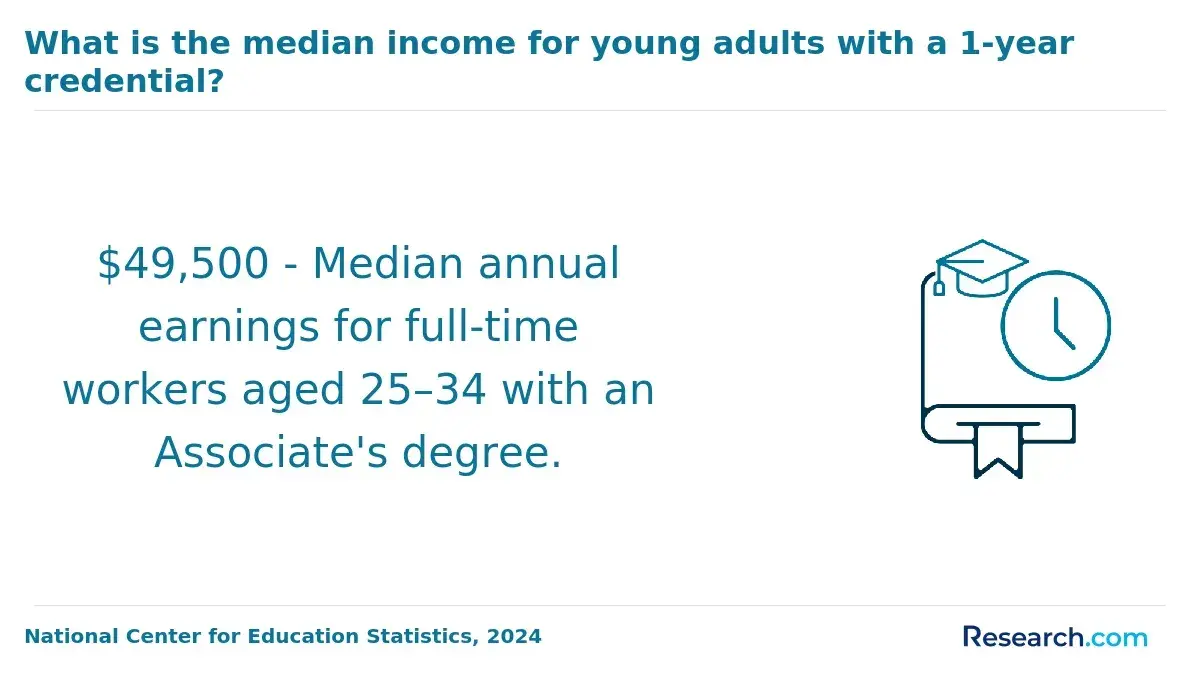
Online literacy education doctorates can be respected by government employers when they are offered by appropriately accredited institutions and meet the same academic standards as campus-based programs. Most public sector employers care less about whether coursework was online and more about whether the university is legitimate, the degree is relevant, and the candidate can show credible leadership or research accomplishments.
The most important baseline is institutional accreditation from an accreditor recognized by the U.S. Department of Education or the Council for Higher Education Accreditation. Programmatic accreditation may also matter in educator preparation, but requirements vary by state and role. For example, specialized accreditation is central in some education fields, and students comparing adjacent credentials can review how recognition works in areas such as school psychology programs online accredited by NASP to understand why field-specific standards may matter.
Before enrolling, verify accreditation and employer acceptance through official channels. This is especially important if you plan to use the doctorate for public school advancement, state licensure, federal hiring, or tuition reimbursement.
- Confirm the university's institutional accreditation on the U.S. Department of Education accreditation database or the accreditor's own website.
- Ask the program whether the online doctorate appears differently from the campus degree on transcripts or diplomas.
- Check state education agency rules if your target role requires superintendent, principal, reading specialist, or curriculum supervisor licensure.
- Ask your HR office whether the degree qualifies for tuition reimbursement, pay scale movement, or leadership eligibility.
- Review dissertation titles, faculty publications, and alumni roles to see whether the program is taken seriously in literacy leadership and policy settings.
A red flag is a school that makes vague accreditation claims, promises quick doctoral completion without explaining academic requirements, or avoids questions about dissertation supervision. Another warning sign is a program that uses the word "literacy" in marketing but has few literacy faculty, limited reading research coursework, or no doctoral projects connected to literacy outcomes.
Government employers may also evaluate your degree through the lens of job classification. A doctorate can strengthen your qualifications, but many public roles still require specific experience, certifications, clearances, or civil service eligibility. Treat the degree as one part of a broader professional portfolio, not as a stand-alone guarantee of promotion.
Admission requirements vary, but online literacy education doctorate programs usually expect applicants to have graduate-level preparation, professional education experience, and a clear reason for pursuing doctoral study. Many programs are built for working educators, so committees often value leadership experience, writing ability, and research fit as much as standardized metrics.
Most applicants should prepare the following materials. Each item helps the admissions committee judge whether you are ready for doctoral-level research, reading scholarship, and public sector leadership work.
- Master's degree from an accredited institution, commonly in education, literacy, reading, curriculum and instruction, educational leadership, special education, TESOL, or a related field.
- Official transcripts showing graduate academic performance; some programs list a minimum GPA, often around 3.0, but competitive expectations may be higher.
- Professional résumé documenting teaching, coaching, curriculum, administrative, assessment, nonprofit, public agency, or education policy experience.
- Statement of purpose explaining your literacy interests, public sector career goals, research questions, and reasons for choosing the program.
- Writing sample, which may be a scholarly paper, policy memo, action research report, curriculum analysis, or published professional work.
- Letters of recommendation from supervisors, faculty, or public sector leaders who can speak to your leadership, research readiness, and ethical judgment.
- Interview, if required, to assess fit with faculty expertise, online learning expectations, and dissertation or capstone feasibility.
- Proof of educator licensure or relevant professional credentials, when required by the program or tied to a state-approved pathway.
GRE requirements have become less common in many education doctorates, but policies differ by university. If a program is test-optional, do not assume admission is easier; committees may place more weight on your writing sample, recommendations, research focus, and professional track record.
Applicants with public sector experience outside K-12 teaching, such as adult education, library services, corrections education, workforce development, tribal education, or nonprofit literacy programs, should highlight how their work connects to literacy access and public outcomes. The strongest applications show a specific problem of practice, such as improving early literacy implementation across schools or evaluating adult literacy services across a county system.
Common admissions mistakes include applying with a vague goal, choosing faculty who do not match your interests, underestimating the writing load, and failing to explain why an online format fits your work schedule. A stronger approach is to contact admissions and faculty before applying, ask about current doctoral research areas, and make sure your intended topic can be supported by the program.
The most public-sector-relevant curriculum goes beyond reading instruction. It prepares students to diagnose literacy needs, evaluate interventions, interpret policy, manage change, support diverse learners, and communicate evidence to decision-makers who control funding, staffing, and standards.
For government and public sector careers, the strongest literacy doctorate curriculum usually includes the following components. These areas build the bridge between doctoral study and real public service responsibilities.
- Literacy theory and research, including reading development, language acquisition, disciplinary literacy, writing instruction, and sociocultural approaches to literacy.
- Assessment and data use, including screening, diagnostic assessment, progress monitoring, large-scale assessment interpretation, and ethical use of student data.
- Program evaluation and research methods, including qualitative methods, quantitative methods, mixed methods, improvement science, and evaluation design.
- Policy and systems leadership, including education law, literacy legislation, standards implementation, organizational change, budgeting, and grant-funded program administration.
- Equity-focused literacy practice, including multilingual learners, disability and literacy, rural education, culturally responsive pedagogy, and access for historically underserved communities.
- Professional learning and instructional coaching, including adult learning theory, teacher development, implementation fidelity, and sustainable school improvement.
- Technology and digital literacy, including online learning design, AI-supported assessment considerations, digital reading tools, and accessibility.
Digital transformation is becoming more important in public education agencies and school systems. If your work involves statewide training, remote professional development, or literacy technology implementation, you may also compare adjacent graduate pathways such as the best online instructional design master's programs before committing to a doctorate, especially if your immediate goal is learning design rather than doctoral research.
The table below connects common specializations with public sector outcomes. It is useful because "literacy education" can mean different things depending on whether the program emphasizes classroom reading, leadership, language, research, or policy.
| Curriculum focus | Public sector roles it supports | Best evidence to request from the school |
| Reading science and intervention | Reading initiative coordinator, MTSS leader, curriculum specialist | Sample syllabi, intervention coursework, assessment training, faculty expertise |
| Language, bilingual, or multilingual literacy | English learner program leader, state language access specialist, district equity officer | Coursework in multilingual literacy, language policy, and culturally responsive assessment |
| Adult and community literacy | Adult education administrator, workforce literacy program director, library literacy coordinator | Adult education faculty, community-based research examples, public partnership opportunities |
| Literacy policy and evaluation | State agency specialist, policy analyst, grant evaluator, nonprofit research director | Advanced methods courses, policy coursework, evaluation project examples |
| Educational leadership with literacy emphasis | District administrator, superintendent-track leader, public education executive | Leadership coursework, finance, law, HR, and opportunities to focus the doctoral project on literacy |
AI is another curriculum issue to watch. Programs do not need to promise flashy AI credentials, but they should help doctoral students think critically about machine scoring, adaptive literacy platforms, data privacy, bias, accessibility, and how educators should evaluate technology claims before spending public funds.
If you are comparing programs, ask for recent dissertation or capstone titles. A program that regularly supports topics such as early literacy implementation, reading intervention evaluation, literacy policy, rural literacy access, multilingual family engagement, or adult literacy outcomes is more likely to fit public sector goals than a program with little evidence of applied literacy work.
Online doctorate programs are not all structured the same way. Some are fully online and asynchronous, some use live evening classes, and others require short residencies for orientation, research seminars, proposal defense, or dissertation support. The format affects cost, work-life balance, and your ability to build relationships with faculty and peers.
Most online literacy education doctorates include a sequence of coursework, research training, comprehensive exams or portfolio reviews, and a final doctoral project. The final project may be a traditional dissertation, a dissertation-in-practice, or an applied capstone, depending on the degree and university.
The following format details deserve close attention before you enroll. They often determine whether the program is realistic for a full-time public sector professional.
- Synchronous requirements: Ask whether classes meet live and whether sessions occur after typical school or agency work hours.
- Asynchronous workload: Confirm how many weekly readings, discussions, research tasks, and writing assignments are expected.
- Residencies: Ask how often campus visits are required, how long they last, and whether travel expenses are included in cost estimates.
- Dissertation model: Determine whether the program requires original research, an applied dissertation-in-practice, or a capstone tied to workplace improvement.
- Committee support: Ask when students are assigned advisors, how dissertation chairs are selected, and how often students meet with faculty.
- Field-based research approval: Confirm whether you can conduct research in your district, agency, nonprofit, library, or adult education setting.
- Technology requirements: Check required software, video platforms, statistical tools, learning management systems, and accessibility support.
Students who want an applied doctorate but are concerned about the traditional dissertation should compare dissertation-in-practice and capstone options carefully. Some programs marketed as online EdD programs no dissertation still require a rigorous final project, portfolio, or applied research study, so the key is not "less work" but a format better aligned with professional practice.
A dissertation is often best if you want to publish, teach at the university level, conduct formal research, or compete for policy research roles. A capstone or dissertation-in-practice may be better if your goal is to improve a literacy system, evaluate an intervention, implement a coaching model, or produce recommendations for a public agency.
Do not underestimate the residency question. A program with two short campus visits may be manageable and valuable for networking, while a program with repeated in-person requirements may be difficult for teachers, administrators, military-affiliated students, rural professionals, or public employees with limited travel budgets.
Most working professionals should expect an online literacy education doctorate to take about three to five years, although timelines vary by credit load, dissertation pace, transfer credits, and whether the program uses cohorts. A shorter advertised timeline may be realistic for some students, but only if the course sequence is fixed, the research topic is focused early, and the student can protect weekly writing time.
The biggest timeline risk is not usually coursework; it is the dissertation or capstone stage. Public sector professionals often choose meaningful workplace topics, but those topics can require district approval, agency data agreements, institutional review board review, and coordination with supervisors.
This table summarizes typical timeline patterns. It can help you decide whether an accelerated, standard, or slower part-time pace is realistic with your job and family responsibilities.
| Study pace | Typical completion pattern | Best for | Main risk |
| Accelerated full-time online | About 3 years when the program is tightly sequenced | Students with flexible work schedules, strong research focus, and major support at home | Burnout or rushed dissertation planning |
| Part-time cohort model | About 4 years for many working professionals | Teachers, district staff, and agency employees who need predictable scheduling | Limited flexibility if you need to pause or change pace |
| Flexible part-time model | About 4 to 6 years depending on dissertation progress | Administrators, parents, rural professionals, or public employees with seasonal workloads | Loss of momentum without strong advising |
| Post-master's or EdS-to-EdD pathway | Potentially shorter if credits transfer or advanced standing applies | Students with recent specialist-level coursework in education | Transfer policies may be restrictive |
To stay on track while working full time, treat the doctorate as a long-term professional project rather than a collection of classes. The following steps can reduce delays during the most demanding stages.
- Choose a research topic connected to your current or target public sector work, but narrow it enough to complete with available data.
- Ask about institutional review board timelines before selecting a topic involving minors, school records, or vulnerable populations.
- Build a weekly writing schedule before coursework becomes overwhelming.
- Save major assignments that can become pieces of a literature review, policy analysis, needs assessment, or dissertation proposal.
- Meet with your advisor early to identify possible committee members and realistic research sites.
- Discuss workload expectations with your supervisor if you plan to use your workplace as a research setting.
A doctorate may not be the right immediate step if you are entering a new leadership job, moving states, completing a licensure program, or managing unusually heavy personal responsibilities. In those cases, delaying enrollment for one cycle may lead to a stronger application and a more sustainable doctoral experience.
Online literacy education doctorate costs depend on tuition rate, credit total, fees, residency travel, books, research software, and how long the dissertation stage lasts. Public universities may offer lower in-state or online rates, while private universities may charge one rate for all students. The lowest advertised tuition is not always the lowest total cost.
When comparing costs, request a full program estimate rather than calculating only cost per credit. Federal Student Aid sets the annual Direct Unsubsidized Loan limit for graduate and professional students at $20,500, and some students use Grad PLUS loans for remaining approved costs; this makes borrowing capacity available, but it does not make a program affordable by itself.
Use this cost checklist when speaking with admissions and financial aid offices. It helps uncover expenses that are easy to miss in online doctoral programs.
- Tuition per credit and total required credits for the exact literacy education doctorate or concentration.
- Mandatory university fees, online learning fees, technology fees, graduation fees, and dissertation continuation fees.
- Residency expenses, including travel, lodging, meals, parking, and time away from paid work.
- Books, research databases, statistical software, transcription services, assessment tools, and required devices.
- Tuition changes during multi-year enrollment and whether the university offers tuition guarantees.
- Transfer credit policies that may reduce cost for students with an EdS, post-master's credits, or recent doctoral coursework.
- Employer tuition assistance, union education benefits, state agency reimbursement, military benefits, scholarships, assistantships, and payment plans.
Common funding sources for working public sector professionals include employer reimbursement, district professional development funds, state agency tuition support, federal student loans, veterans benefits, scholarships for educators, and sometimes grant-funded assistantships. Assistantships are less common in fully online professional doctorates than in campus PhD programs, but some universities offer research, teaching, or dissertation fellowships.
Here is a practical way to compare affordability across programs without reducing the decision to sticker price alone.
| Cost factor | Why it matters | Better question to ask |
| Tuition per credit | It is the easiest number to compare but not the full cost | What is the estimated total tuition for my degree plan? |
| Fees | Online, technology, and dissertation fees can add up | Which fees are mandatory every term? |
| Residencies | Travel can make a "low tuition" program more expensive | How many in-person visits are required through graduation? |
| Time to completion | Extra semesters can add continuation fees and opportunity costs | What is the median or typical completion time for recent doctoral students? |
| Employer support | Public sector tuition benefits can lower out-of-pocket costs | Will my employer reimburse this specific online doctorate? |
| Career alignment | A cheap program with weak public sector relevance may have poor practical value | How does the curriculum support my target government role? |
ROI should be evaluated carefully. A doctorate can support advancement into leadership, policy, research, or administration, but public sector pay scales are often structured by role, contract, step, grade, or civil service classification. Before borrowing heavily, compare program cost with realistic promotion pathways, local salary schedules, federal or state job classifications, and the nonfinancial value of the degree, such as influence, research capability, and eligibility for senior roles.
An online literacy education doctorate can support careers across public education, state agencies, federal programs, community colleges, libraries, correctional education, and publicly funded nonprofits. It is most valuable for roles that require advanced judgment about literacy systems, program evaluation, leadership, policy, or research.
BLS May 2024 wage data offers useful context, but not a guarantee. Instructional coordinators had a median annual wage of $74,720, and education administrator roles often reported higher median pay depending on level and setting. These figures help frame the labor market, but actual public sector compensation depends on contracts, state budgets, locality pay, credentials, seniority, and job classification.
The table below connects doctorate preparation to potential public sector roles. It is designed to help you evaluate whether the degree matches the responsibilities you want, not to imply that a doctorate is required for every role.
| Career path | Typical responsibilities | Doctorate value | Additional requirements may include |
| District literacy director | Lead reading initiatives, analyze achievement data, coordinate interventions, support principals and coaches | Advanced literacy expertise, research interpretation, system leadership | Administrator licensure, teaching experience, district leadership experience |
| State education agency literacy specialist | Support statewide literacy policy, grants, standards, technical assistance, and implementation monitoring | Policy analysis, program evaluation, evidence-based recommendations | Public sector experience, knowledge of state law, grant management skills |
| Instructional coordinator or curriculum supervisor | Review curriculum, train educators, evaluate materials, align instruction to standards | Curriculum research, assessment literacy, professional learning leadership | Teaching license or administrative credential in some districts |
| Adult education or workforce literacy director | Manage adult literacy, GED, workforce readiness, or community education programs | Adult literacy research, evaluation, partnership development | Grant administration, community partnerships, workforce program experience |
| Public library literacy or outreach leader | Coordinate family literacy, digital literacy, adult learning, and community engagement initiatives | Community literacy expertise, program design, outcomes evaluation | Library experience or MLIS for some roles |
| Correctional education literacy administrator | Oversee reading, reentry, and adult basic education programs in correctional settings | Program evaluation, adult learning, equity-focused literacy leadership | Background checks, correctional education experience, agency-specific training |
| Education policy researcher or evaluator | Study literacy initiatives, prepare reports, analyze outcomes, advise agencies or nonprofits | Advanced methods, dissertation research, evidence communication | Strong quantitative, qualitative, or mixed-methods portfolio |
| Community college developmental education leader | Lead reading, writing, academic support, and student success initiatives | Literacy theory, adult learning, institutional improvement | Higher education experience, administrative experience, sometimes faculty credentials |
Federal roles may be available in education-related agencies, military education systems, research offices, workforce programs, or grant administration, but hiring is usually tied to occupational series, experience, and specialized skills. A doctorate can help demonstrate expertise, yet candidates still need to meet the posted qualifications and often benefit from experience with grants, statistics, policy writing, procurement, or interagency collaboration.
For state and local roles, the doctorate may be most useful when paired with practical leadership evidence. Examples include leading a literacy initiative, evaluating an intervention, building a professional learning model, managing a grant, presenting to a school board, or producing a policy brief that influences decision-making.
Professionals should also consider alternatives. If the target job is classroom reading specialist, a state-approved endorsement may be enough. If the target job is public administration, an MPA, EdD in leadership, or policy doctorate may be more direct. If the target job is data science or evaluation, a graduate certificate in statistics or program evaluation may complement or even precede doctoral study.
Which Online Literacy Education Doctorate Programs Offer the Best Public Sector Career Support and Professional Networks?
The best career support for public sector goals is not generic résumé review. It includes faculty mentorship, applied research opportunities, alumni in relevant agencies, support for conference presentations, grant-writing exposure, and help translating doctoral work into policy, leadership, and program evaluation language.
Before enrolling, ask schools for concrete evidence of public sector networks. Strong programs should be able to describe where alumni work, what kinds of dissertations or capstones students complete, and how the university supports working professionals who want leadership or policy roles.
- Ask whether alumni work in school districts, state education agencies, public universities, libraries, adult education systems, federal contractors, nonprofits, or policy organizations.
- Request examples of dissertation or capstone projects completed in public school systems, public agencies, or community literacy organizations.
- Find out whether faculty have served on state literacy panels, federal grants, curriculum commissions, assessment projects, or public school improvement initiatives.
- Ask whether the program supports conference presentations, practitioner publications, policy briefs, grant proposals, or research-to-practice dissemination.
- Check whether online students receive the same career services, library access, research consultation, writing support, and alumni networking as campus students.
- Look for cohort structures, doctoral writing groups, research labs, or professional communities that reduce isolation in online study.
- Ask how the program helps students frame doctoral work for public sector interviews, promotion files, civil service applications, and leadership portfolios.
A major red flag is a program that can discuss admissions and tuition but cannot explain career outcomes or professional networks. Another is a program that treats online doctoral students as separate from the university's research, faculty mentorship, and alumni community.
The best public sector career support helps you leave with more than a diploma. Ideally, you should graduate with a portfolio that includes a focused research agenda, a completed evaluation or improvement project, stronger data interpretation skills, policy writing samples, professional references, and a network of people who understand literacy systems and public service leadership.
Other Things You Should Know About Literacy Education
Yes, if the program supports your setting. Adult education, public libraries, workforce development, correctional education, community colleges, and nonprofits all involve literacy access, but you should choose a program with faculty and coursework relevant to those populations.
It depends on your goal. A literacy doctorate is stronger for reading research, literacy policy, assessment, and intervention leadership. An educational leadership doctorate may be better for broad administrative roles if it includes finance, law, personnel, and organizational leadership.
Some programs require teaching experience or licensure, but others admit professionals from related education, nonprofit, policy, or public service backgrounds. Always check program and state requirements if your target role involves public school licensure.
Ask whether the topic is feasible with your available data, whether your workplace will approve the study, whether faculty can supervise it, and whether the project will support your intended public sector career path.
- PhD Programs In Reading And Literacy Online https://www.learnhowtobecome.org/best-online-phd-in-reading-literacy-degree-programs/
- Literacy https://www.albany.edu/education/programs/phd-literacy
- Inside Online Master’s Programs in Reading Literacy https://www.onlinemastersdegrees.org/best-programs/education/reading-literacy/
- Is An Ed.D. Worth It? Pros, Cons, and Considerations https://www.eddprograms.org/resources/is-an-edd-worth-it/
- The Top 15 Accredited Online Special Education Doctoral Degree Programs of 2026 | Special Education Degrees https://www.special-education-degree.net/the-top-accredited-online-special-education-doctoral-degree-programs/
- Ed.D. in Literacy | ACE https://ace.edu/degree-programs/doctoral-degrees/doctoral-education/edd-literacy/
- Online EdD Programs in Education Policy - Doctor of Education https://www.onlineeddprograms.com/specializations/education-policy
- Tips for Applying to Doctoral Programs | AASL Knowledge Quest https://knowledgequest.aasl.org/tips-for-applying-to-doctoral-programs/
- Explore Doctorates In Reading And Literacy Online (2024) https://www.gradschoolhub.com/affordable/online/doctorate/reading-literacy/
- The Role of Professional Doctorates in Bridging Academia ... https://jies.cultechpub.com/index.php/jies/article/download/16/11/94