2027 Best Online Health Services Administration Doctorate Programs for Government and Public Sector Careers

Co-Founder and Chief Data Scientist
Choosing an online Health Services Administration doctorate is a high-stakes decision for public servants who need leadership credibility without leaving work. The field is timely: the U. S. Bureau of Labor Statistics reports a May 2024 median wage of $117,960 for medical and health services managers, with strong projected demand.
This guide is for federal, state, local, nonprofit, and public health professionals comparing flexible doctoral options. You will learn how accreditation, cost, curriculum, residency rules, employer recognition, and public-sector relevance should shape your choice.
Key Things You Should Know
- The strongest online Health Services Administration doctorate programs for public sector careers are regionally accredited, built for working professionals, and offer coursework in health policy, finance, quality improvement, population health, data governance, and public administration.
- For career outcomes, use the degree as a leadership and specialization tool rather than a salary guarantee; BLS reported a May 2024 median wage of $117,960 for medical and health services managers, while pay varies by agency, grade level, location, and role.
- Before enrolling, compare total cost, dissertation or capstone format, residency requirements, faculty public-sector experience, and whether the curriculum aligns with government roles such as VA administration, Medicaid operations, public health leadership, emergency preparedness, and health policy analysis.
What Are the Best Online Health Services Administration Doctorate Programs for Government and Public Sector Careers?
The best online Health Services Administration doctorate for a government or public sector career is not always the highest-ranked or fastest program. It is the program that matches your intended role: executive leadership, policy implementation, applied research, public health administration, healthcare finance, or systems improvement.
Health Services Administration is the study of how healthcare organizations, public health agencies, insurance programs, hospitals, and health systems are managed. At the doctoral level, students usually choose among professional and research-oriented degrees. The table below compares common doctoral pathways and how they fit public sector goals.
| Doctoral option | Best public sector fit | Typical emphasis | When it makes sense |
| DHA or Doctor of Health Administration | Government healthcare leadership, VA health systems, state health agencies, public hospital systems | Executive decision-making, operations, quality, finance, policy implementation | You want a practice-focused doctorate for senior administrative or system leadership roles. |
| DrPH with health administration or policy focus | Public health departments, emergency preparedness, population health, federal health programs | Population health, epidemiology, health equity, policy, public health leadership | You want to lead public health programs or health policy initiatives rather than hospital operations alone. |
| PhD in Health Services, Health Policy, or Healthcare Administration | Policy research, academic roles, government research offices, think tanks | Research methods, theory, statistics, dissertation scholarship | You want to produce original research or pursue research-intensive public sector roles. |
| DBA in Healthcare Management | Public-private partnerships, healthcare contracting, agency operations, consulting | Organizational strategy, management, applied analytics, business problem-solving | You want a business-oriented doctorate that can transfer across healthcare, government contractors, and nonprofit systems. |
The strongest programs usually share several traits. They are offered by institutionally accredited universities, disclose total tuition and fees, support part-time enrollment, provide applied doctoral projects connected to workplace problems, and have faculty with experience in government, public health, healthcare finance, regulation, or large health systems.
For public sector professionals, "best" also depends on employer context. A federal employee seeking advancement in healthcare operations may need a different curriculum than a county health director focused on population health, or a Medicaid analyst preparing for policy leadership. Students who mainly need a management credential may find a master's degree sufficient, while those seeking executive, research, teaching, or high-level policy influence may benefit more from doctoral study.
How Should You Compare Online Health Services Administration Doctorate Programs for Your Public Sector Career Goals?
Start by defining the government problem you want to solve. Online doctorate programs can look similar in brochures, but they differ sharply in research expectations, quantitative depth, residency requirements, public policy coverage, and access to faculty networks.
Use the following comparison sequence before requesting admissions calls. It keeps the decision focused on career alignment instead of marketing claims.
- Identify your target setting: federal agency, state health department, local public health office, public hospital, nonprofit, military health system, or government contractor.
- Choose the degree type that fits your work: DHA for executive administration, DrPH for public health leadership, PhD for research and academic pathways, or DBA for strategy and organizational management.
- Verify institutional accreditation before reviewing rankings, tuition discounts, or time-to-completion promises.
- Compare the curriculum against public sector responsibilities such as budgeting, compliance, procurement, quality reporting, health equity, data privacy, workforce planning, and interagency coordination.
- Ask whether the dissertation or capstone can use de-identified workplace data, agency-approved quality improvement projects, or policy implementation problems from your current role.
- Calculate the total cost, including tuition, doctoral fees, residencies, travel, software, dissertation continuation credits, and lost work time.
- Review career support for experienced professionals, not just entry-level job placement.
If your goal is a faster or less expensive path into healthcare leadership, compare doctorate options with a master's in healthcare administration. For many public sector roles, especially mid-level program management and analyst positions, a strong MHA plus government experience may be more practical than a doctorate.
Common mistakes include choosing a program only because it is inexpensive, assuming "online" always means no campus visits, ignoring dissertation support, or selecting a private-sector management curriculum that lacks public finance, regulation, and policy content. A better approach is to create a short list of programs that match your agency type, preferred doctoral project format, and schedule constraints.
Are Online Health Services Administration Doctorate Programs Accredited and Respected by Government Employers?
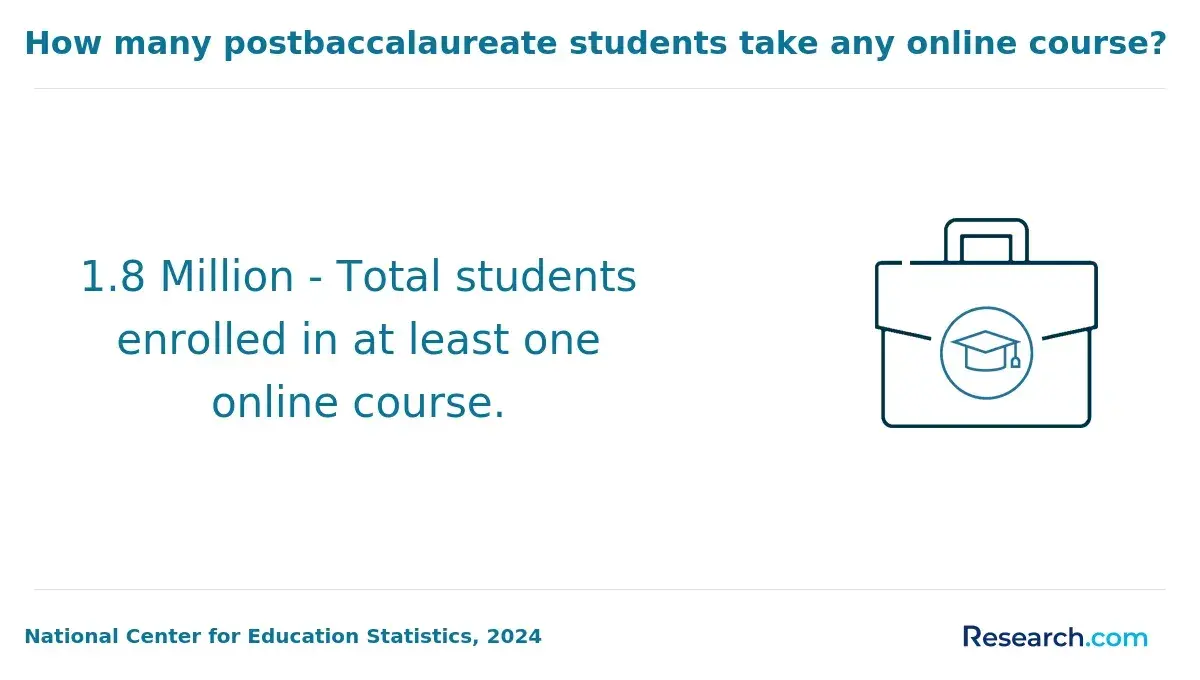
Yes, online Health Services Administration doctorate programs can be accredited and respected by government employers when they are offered by properly accredited institutions and meet the employer's education requirements. Government hiring systems generally focus on recognized accreditation, relevant experience, competencies, and whether the degree supports the specialized work of the position.
The first credential to verify is institutional accreditation from an accreditor recognized by the U.S. Department of Education or the Council for Higher Education Accreditation. Programmatic accreditation is more nuanced. Some healthcare administration programs may have specialized recognition at the master's level, while doctoral programs often rely primarily on institutional accreditation and the reputation of the school, faculty, and curriculum.
The table below shows what accreditation and quality signals mean in practice for public sector applicants and employees.
| Quality signal | Why it matters | What to check |
| Institutional accreditation | It is the baseline requirement for federal financial aid eligibility, transfer credibility, and employer recognition. | Confirm the university's accreditor through official accreditation databases, not only the school website. |
| Public-sector curriculum | Government healthcare work often involves policy, compliance, procurement, equity, and public accountability. | Review course descriptions for health policy, public finance, law, ethics, population health, and analytics. |
| Doctoral project quality | Public employers value applied evidence, measurable improvement, and sound research methods. | Ask for examples of approved dissertation or capstone topics, especially from government or nonprofit settings. |
| Faculty expertise | Faculty with public health, VA, Medicaid, regulatory, or public hospital experience can strengthen mentorship. | Read faculty bios for agency leadership, funded research, policy work, or public sector consulting. |
| Online delivery transparency | Residencies and synchronous sessions can affect work schedules and travel budgets. | Confirm required campus visits, weekend intensives, live class times, and technology expectations. |
Public sector respect also depends on how you use the degree. A doctorate from an accredited online program is more persuasive when paired with progressive leadership experience, measurable program outcomes, supervisory responsibility, policy knowledge, and evidence-based decision-making skills. It is less persuasive if the program lacks academic rigor or if the applicant cannot connect the doctorate to the agency's mission.
Admission requirements vary by university and degree type, but most online Health Services Administration doctorate programs are designed for experienced professionals rather than recent bachelor's graduates. Many expect applicants to hold a master's degree in healthcare administration, public health, nursing, business, public administration, health informatics, or a related field.
Applicants commonly need to prepare several materials. These requirements help schools judge whether a student can complete advanced coursework, manage independent research, and contribute professional insight to an online cohort.
- Master's degree from an accredited institution, often with a minimum graduate GPA set by the program.
- Professional resume showing healthcare, public health, government, military, nonprofit, or administrative leadership experience.
- Statement of purpose explaining doctoral goals, public sector interests, and possible research or capstone topics.
- Graduate transcripts and, in some cases, prerequisite coursework in statistics, research methods, finance, or healthcare management.
- Letters of recommendation from supervisors, faculty, executives, or public sector leaders who can evaluate leadership and academic readiness.
- Writing sample, interview, or research concept paper, especially for PhD and dissertation-heavy programs.
- English proficiency documentation for applicants educated in non-English-language institutions, when required by the university.
GRE or GMAT requirements are less common than they once were in professional healthcare doctorates, but some research-focused programs may still require or recommend standardized tests. Applicants should not assume a test waiver means the program is less rigorous; many schools now emphasize professional record, graduate GPA, writing ability, and research fit.
If you do not yet have a graduate degree, an online master's healthcare management program may be the better next step. It can build the finance, operations, analytics, and leadership foundation that doctoral admissions committees expect.
The best curriculum for a public sector career combines healthcare administration with public accountability. Government health leaders rarely work only on internal operations; they must manage budgets, regulations, data, equity goals, public communication, contractors, workforce shortages, and political oversight.
The table below connects common doctoral curriculum areas with public sector uses. Use it to check whether a program's course list supports your actual career goals.
| Curriculum area | Public sector application | Best fit for |
| Health policy and law | Interpreting regulations, implementing federal or state mandates, advising executives | Policy analysts, agency administrators, compliance leaders |
| Healthcare finance and budgeting | Managing public funds, grants, reimbursement models, procurement, and cost controls | Program directors, finance managers, public hospital leaders |
| Quality improvement and patient safety | Improving outcomes in VA facilities, public hospitals, correctional health, and community clinics | Clinical operations leaders, quality directors, system improvement teams |
| Population health and health equity | Designing interventions for underserved communities and evaluating disparities | Public health directors, nonprofit executives, Medicaid and community health leaders |
| Research methods and analytics | Evaluating programs, interpreting administrative data, supporting evidence-based policy | Research administrators, policy evaluators, PhD-oriented students |
| Leadership, ethics, and governance | Leading teams under public scrutiny and balancing legal, ethical, and mission-driven priorities | Senior administrators, department heads, executives |
Current trends make curriculum fit even more important. Government health agencies and public hospitals are investing in digital transformation, data interoperability, cybersecurity, AI governance, telehealth policy, and value-based care oversight. A strong doctorate should not treat technology as a side topic; it should teach students how to evaluate digital tools, protect patient data, manage risk, and use analytics responsibly.
Students interested in federal or state leadership should look for courses in public budgeting, health law, administrative leadership, and program evaluation. Students interested in local public health should prioritize population health, emergency preparedness, community assessment, epidemiology basics, and health equity. Students interested in research or teaching should choose programs with deeper statistics, qualitative methods, mixed methods, and dissertation mentorship.
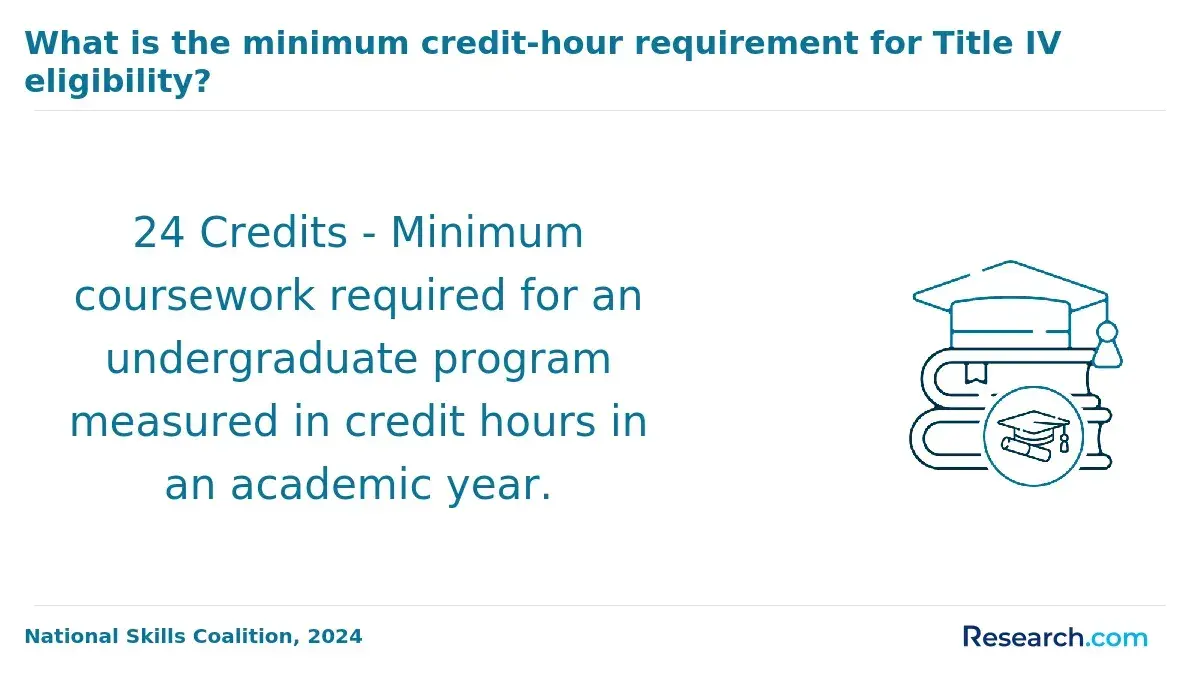
Online doctoral programs are usually built around asynchronous coursework, scheduled live sessions, virtual collaboration, and independent research. However, "online" does not always mean fully remote. Some programs require campus residencies, doctoral seminars, dissertation defenses, in-person intensives, or applied projects that require workplace access.
Before enrolling, clarify exactly how the program works. These questions help working public sector professionals avoid schedule conflicts and unexpected travel costs.
- Are courses asynchronous, synchronous, or a mix of both, and are live sessions scheduled outside standard work hours?
- How many residencies are required, where are they held, and what travel costs should students expect?
- Does the program require a traditional dissertation, applied dissertation, doctoral capstone, or consulting-style project?
- Can the doctoral project address a problem from a government agency, public hospital, nonprofit, or public health department?
- What approvals are required if the project uses workplace data, human subjects, employee interviews, patient records, or agency documents?
- How are dissertation chairs assigned, and what happens if a faculty mentor leaves the university?
- Are students required to maintain continuous enrollment while completing the dissertation or capstone?
A dissertation is usually best for students who want research, teaching, policy analysis, or scholarly credibility. A capstone or applied doctoral project may be better for experienced administrators who want to solve a practical system problem, such as reducing wait times, improving care coordination, strengthening emergency response workflows, or evaluating a public health intervention.
The biggest red flag is vague language about doctoral completion. If a school cannot explain dissertation milestones, committee expectations, review timelines, or project approval processes, students may face delays after finishing coursework. Strong programs provide structured milestones, writing support, methods support, and transparent continuation policies.
Most working professionals should expect an online Health Services Administration doctorate to take about three to six years, depending on transfer credits, enrollment intensity, dissertation progress, and whether the program uses a cohort model. Accelerated professional doctorates may move faster, but the trade-off is heavier weekly workload and less flexibility during demanding work periods.
The table below summarizes common pacing options. It can help you decide whether speed, flexibility, or research depth should drive your program choice.
| Enrollment path | Typical fit | Main advantage | Main trade-off |
| Full-time online doctorate | Students with flexible jobs, sabbatical options, or strong employer support | Faster coursework and stronger cohort momentum | Harder to balance with senior government responsibilities or unpredictable public service schedules |
| Part-time online doctorate | Full-time employees, caregivers, agency managers, military and public health professionals | More sustainable workload and easier budget planning | Longer time to completion and possible continuation fees |
| Accelerated professional doctorate | Experienced leaders with clear project ideas and strong time-management capacity | Shorter academic calendar and focused progression | Less room for job disruptions, agency emergencies, or project delays |
| Research-intensive PhD path | Students targeting research, academia, or policy evaluation roles | Stronger methods training and scholarly preparation | Usually requires more time for dissertation design, data collection, and publication-quality work |
Working full time changes the calculation. A student in a demanding public health, hospital, emergency management, or agency leadership role should ask how many hours per week the program expects during coursework and the dissertation phase. The best schedule is the one you can sustain through budget cycles, audits, grant deadlines, legislative sessions, public health emergencies, and family obligations.
If your main goal is to finish a healthcare administration credential quickly, compare doctoral timelines with accelerated healthcare programs. A faster bachelor's or master's pathway may provide enough mobility for some public sector roles without the time demands of doctoral research.
Online Health Services Administration doctorate costs vary widely because schools charge different tuition rates, fees, residency costs, and dissertation continuation charges. Public universities may offer lower tuition for in-state students, while private nonprofit universities may offer predictable per-credit pricing but higher total costs. Always compare total program cost rather than per-credit tuition alone.
Because schools use different credit structures, the most useful cost estimate is a full program budget. Include the following categories when comparing programs.
- Per-credit or per-term tuition for all required doctoral coursework.
- Mandatory university, technology, library, graduation, and doctoral program fees.
- Residency travel, lodging, meals, parking, and time away from work if campus visits are required.
- Books, statistical software, transcription, data tools, and research-related expenses.
- Dissertation or capstone continuation credits if the project extends beyond the standard course sequence.
- Loan interest, employer reimbursement limits, payment plan fees, and possible tax implications of tuition assistance.
Federal student aid may be available for eligible students enrolled at accredited institutions, but borrowing should be conservative. The U.S. Department of Education has continued to report high national student loan balances in recent federal portfolio updates, which means doctoral students should evaluate debt carefully against realistic public sector compensation, pension value, loan repayment options, and promotion likelihood.
Funding sources can include employer tuition assistance, agency professional development funds, veterans benefits, federal student loans, scholarships, assistantships in research-oriented programs, and public service loan strategies for eligible borrowers. Public employees should confirm whether their employer requires a service commitment after tuition reimbursement.
If cost is your primary constraint, compare doctoral tuition with the cheapest online healthcare administration degree options at earlier degree levels. In some cases, an affordable master's or certificate plus targeted experience can produce a better return than a costly doctorate.
An online Health Services Administration doctorate can support advancement in government and public sector healthcare, but it should be viewed as an advanced leadership credential rather than an automatic promotion. Employers still weigh specialized experience, supervisory history, technical skills, veterans preference where applicable, budget responsibility, and the requirements of the specific job announcement.
The BLS projected much faster-than-average growth for medical and health services managers for 2023 to 2033, reflecting demand for leaders who can manage complex care systems, regulations, technology, and population needs. For public sector readers, this signals opportunity, but competition for senior government roles remains experience-driven.
The table below connects doctoral preparation to public sector career directions. Titles vary by agency and jurisdiction, so use these as role families rather than guaranteed job titles.
| Career pathway | Typical responsibilities | Relevant doctoral preparation |
| Federal healthcare administrator | Managing programs, facilities, budgets, quality initiatives, contracts, and strategic operations | DHA coursework in executive leadership, finance, quality improvement, and health policy |
| State health agency leader | Overseeing public health programs, Medicaid-related operations, grants, compliance, and stakeholder coordination | DrPH or DHA coursework in policy, population health, finance, and program evaluation |
| Local public health director or senior manager | Leading community health programs, emergency response, disease prevention, partnerships, and workforce planning | DrPH-style training in population health, health equity, epidemiology, and public administration |
| Public hospital or safety-net system executive | Improving operations, access, quality, patient safety, and financial sustainability | DHA or DBA coursework in operations, leadership, finance, analytics, and quality systems |
| Health policy analyst or program evaluator | Analyzing regulations, evaluating outcomes, preparing reports, and advising decision-makers | PhD, DrPH, or research-heavy DHA coursework in methods, statistics, policy, and evaluation |
| Government healthcare contractor or nonprofit executive | Supporting agencies through consulting, implementation, data analysis, program management, or advocacy | DBA, DHA, or DrPH training in strategy, analytics, governance, and applied leadership |
Doctoral graduates may also move into teaching, consulting, board service, accreditation work, emergency preparedness leadership, health informatics governance, or organizational transformation roles. The best candidates can show a clear connection between doctoral work and measurable public value, such as improved access, better quality metrics, stronger fiscal stewardship, or more equitable service delivery.
Students should consider a different path if they are seeking entry-level healthcare administration jobs, if they are not ready for independent research or writing, or if their desired role only requires a master's degree and experience. A doctorate is most useful when it deepens expertise that the student is already applying in a complex healthcare or public service environment.
Which Online Health Services Administration Doctorate Programs Offer the Best Public Sector Career Support and Professional Networks?
The best public sector career support for doctoral students is specialized, not generic. Experienced professionals usually do not need basic resume workshops as much as they need executive positioning, federal or state application guidance, policy networks, research visibility, alumni connections, and mentorship from people who understand public service careers.
When comparing programs, ask admissions and faculty teams for concrete examples. The following features are especially valuable for government and public sector advancement.
- Faculty with backgrounds in public health departments, federal health agencies, VA systems, Medicaid administration, public hospitals, military health, health policy, or nonprofit leadership.
- Applied project options that allow students to study real administrative, policy, quality, or population health problems in public sector settings.
- Alumni working in government, public health, healthcare regulation, safety-net systems, policy organizations, and public service consulting.
- Career coaching for experienced professionals, including executive resumes, federal resume formats, interview preparation, and leadership branding.
- Research and presentation opportunities through conferences, doctoral symposia, policy briefs, publications, or agency-facing projects.
- Flexible networking formats for online students, including virtual colloquia, faculty roundtables, professional association partnerships, and cohort-based collaboration.
A useful way to test career support is to ask, "What have students in public sector roles done with their dissertation or capstone projects?" Strong answers might include program evaluations, health equity initiatives, quality improvement projects, workforce analyses, emergency preparedness plans, or policy implementation studies. Weak answers are vague claims about leadership without examples.
Also look for warning signs. Be cautious if a program cannot describe graduate outcomes, avoids questions about doctoral completion, has little faculty presence in healthcare administration or public health, or markets the doctorate mainly as a prestige credential. For public sector careers, the degree should strengthen practical judgment, evidence use, ethical leadership, and mission impact.
Other Things You Should Know About Health Services Administration
Neither is automatically better. A DHA usually fits healthcare administration, operations, and executive leadership, while a DrPH is often stronger for population health, public health departments, emergency preparedness, and health equity leadership.
Possibly, but you may need employer approval, institutional review board review, data-use agreements, privacy safeguards, and de-identification. Ask programs how they handle projects involving agency or patient-related data before enrolling.
Most Health Services Administration doctorates do not directly lead to licensure. Some roles, such as nursing home administrator positions, may have state-specific licensure rules, so verify requirements with the relevant state board.
No. List the accredited university, degree name, graduation date or expected date, and relevant dissertation or capstone topic. Government resumes should emphasize how the degree supports specialized experience, leadership results, and job requirements.
- Health and Human Services: Campus & Online Degrees and Careers https://www.publichealthonline.org/human-services/online-degree-programs/
- Paying for a Healthcare Graduate Degree: Your Options https://www.baypath.edu/news/bay-path-university-blogs/post/paying-for-a-healthcare-graduate-degree-your-options/
- Future Students https://www.aupha.org/resourcecenter/futurestudents
- Top 30 Healthcare Management Degree Options - Healthcare Management Degree Guide https://www.healthcare-management-degree.net/top-healthcare-management-degree-options/
- Top 10 DHA Online Programs 2020 - Healthcare Administration Degree Programs https://www.healthcare-administration-degree.net/best/best-dha-online-programs/
- Healthcare Administration Scholarships https://www.healthadministrationdegrees.com/healthcare-administration-scholarships/
- Leadership at Scale: Exploring Doctoral Paths in Health Administration https://www.scuhs.edu/drwhl-article/leadership-at-scale-exploring-doctoral-paths-in-health-administration/
- High School Graduation https://odphp.health.gov/healthypeople/priority-areas/social-determinants-health/literature-summaries/high-school-graduation
- 25 Best Doctor of Public Health Programs - MPH Online https://www.mphonline.org/top-public-health-phd-programs/
- Exploring PhD Completion Rates: How Many Finish on Time? https://wallyboston.com/phd-completion-rates/