2027 Best Online Degree Programs With Payment Plans

Co-Founder and Chief Data Scientist
A tuition payment plan can make an online degree's bill manageable without making the degree itself cheaper. That distinction matters if you are balancing classes with work or comparing programs that charge very different fees. The U.S. Bureau of Labor Statistics reports a 2024 median annual wage of $93,600 for registered nurses, but a nursing degree alone does not guarantee that income - or even licensure.
This guide compares online degree fields, with particular attention to master's programs, and shows how to check payment terms, total costs, accreditation, and career requirements before committing.
Key Things You Should Know
- The best option is a degree program that fits your goal and offers a payment schedule you can meet; installments change when you pay, not necessarily how much you pay.
- A dependent first-year undergraduate may have a federal Direct Loan limit of $5,500, subject to eligibility. Compare aid with the bill that remains, rather than assuming a payment plan covers it.
- Before enrolling, verify the exact online program, its accreditation and any licensing requirements, plus the plan's enrollment fee, due dates, and late-payment rules.
Top 10 Best Online Degree Programs With Payment Plans
Business Programs
Online MBA and specialized master's programs in accounting, finance, or analytics suit professionals seeking broader management skills or a defined specialty. An MBA may require professional experience or foundation courses; accounting applicants should check prerequisites and state CPA education rules. Compare per-course charges with flat term charges, since taking fewer courses can change the value of either. A payment plan is useful only if its installments align with your pay schedule and the program's actual billing terms.
Healthcare Programs
Online master's programs in healthcare administration or public health generally prepare students for organizational, policy, or population-health work - not clinical licensure. Check whether an MPH has Council on Education for Public Health accreditation if relevant to your goals. Internships or applied projects can affect scheduling and cost even when classes are online. Healthcare administration may fit experienced workers seeking leadership preparation; someone seeking direct patient care needs to investigate a clinical credential instead.
Information Technology Programs
An online master's in information technology may cover systems, cybersecurity, cloud infrastructure, or IT management. Programs vary in how much programming and networking knowledge they expect at admission. A professional, project-based degree can fit someone advancing in IT, while a research-focused path may better suit academic goals. Compare lab software charges, certification-exam costs if applicable, and whether required group work involves scheduled meetings before choosing an installment plan.
Computer Science Programs
Online computer science master's programs typically go deeper into algorithms, software systems, or artificial intelligence than general IT degrees. Some require prior computing coursework; others offer preparatory courses that add time and expense. Check whether a thesis, capstone, or fixed course sequence affects how many terms you will pay for. Choose this path for technical depth, not because an online format or a payment plan promises a software job.
Nursing Programs
Online MSN programs usually require an active registered nurse license and an eligible nursing degree. Clinical tracks may also require specific experience, supervised placements, and state approval; coursework being online does not make clinical training remote. Leadership or education tracks have different outcomes from nurse practitioner tracks. Ask how clinical fees, placement costs, and additional terms affect both the total bill and the availability of installments.
Psychology Programs
An online master's in psychology can support research, workplace, or further academic study, but it generally does not, by itself, qualify graduates to practice as licensed psychologists. Counseling-oriented programs are distinct and may involve supervised fieldwork and state-specific licensure requirements. Check the exact credential before comparing prices. A lower installment may reflect slower enrollment and more billing periods, not a lower-cost degree.
Education Programs
Online master's programs in curriculum, instructional design, or educational leadership often serve working educators, but admission and career requirements differ. A program intended for initial teacher licensure may require student teaching and state approval; a leadership credential may require teaching experience. Verify that the program serves your state and whether school-based activities fit your work schedule. Employer tuition assistance may reduce what you must put on a payment plan.
Criminal Justice Programs
An online criminal justice master's may focus on policy, administration, or research. It can be relevant to experienced public-safety professionals, but many entry-level justice roles do not require a master's degree. Compare the program's applied projects and employer tuition benefits with its total cost before financing the balance through installments. Check agency-specific hiring or promotion requirements rather than assuming the credential brings advancement.
Engineering Programs
Online engineering master's programs often target engineers seeking a technical specialty or management preparation. Admission may require an engineering or closely related bachelor's degree, and some programs include labs, projects, or campus sessions. If professional engineer licensure is your goal, check state board requirements; earning a master's does not replace required examinations or experience. Compare specialized course fees and any travel expenses alongside the payment schedule.
Social Work Programs
An online MSW is a practice-oriented option for aspiring social workers, but field placements normally take place in person. Seek a Council on Social Work Education-accredited program and check state licensing rules. Advanced-standing entry, where offered, is generally restricted to applicants with a qualifying social work bachelor's degree; it is not a shortcut available to everyone. Ask whether placement timing or part-time enrollment changes when tuition installments come due.
What are the best accredited online degree programs with payment plans?
There is no single best program for everyone, and a school offering installments does not necessarily offer them for every online degree or every type of charge. The strongest candidate is one whose specific program meets your academic or licensing goal, whose institution holds recognized accreditation, and whose published billing terms fit your budget. Without checking current program and bursar policies, it would be misleading to rank individual schools as confirmed payment-plan options.
This comparison shows which program families merit a closer look for different goals. It is a decision guide, not a claim that every program in a field offers a payment plan.
| Program family | Best fit | Critical check before comparing installments |
| Business or IT master's | Advancement or a defined professional specialty | Prerequisites, course scheduling, and program fees |
| Computer science master's | Deeper technical study | Required computing background and preparatory courses |
| Nursing or social work master's | Practice-oriented preparation | Licensure eligibility and in-person placements |
| Education master's | Teaching, leadership, or instructional-design goals | Whether the track leads to the credential your state requires |
Still choosing a field? Compare top degrees in demand for the future with the work you actually want to do, then evaluate individual online programs and their current billing policies.
How do online college payment plans work for tuition and fees?
A school-run payment plan generally divides an eligible term balance into installments due during that term. It is not the same as a scholarship, a tuition discount, or necessarily a loan. Some schools charge an enrollment fee or require a down payment; policies for late payments, dropped classes, and summer terms vary. A third-party financing offer may instead be credit with different terms.
Request the plan agreement for your exact program and term. Confirm which charges are included, when each installment is due, what happens if financial aid changes, and whether missing a payment blocks registration. If your employer reimburses tuition after a course ends, check whether the final installment comes due before that reimbursement arrives.
Can online degree students use financial aid with payment plans?
Often, yes. Eligible students at participating institutions can use federal aid for an eligible online degree, and a payment plan may spread the balance left after aid is applied. Complete the FAFSA and ask the financial aid office how enrollment intensity and disbursement dates affect your account. Federal loan limits differ by undergraduate year and dependency status; graduate borrowing follows different rules.
Do not build a schedule around an expected award until the school confirms your aid package and bill. Grants, scholarships, employer assistance, and accepted transfer credits may reduce the balance, while a withdrawal or reduced course load may change aid eligibility. Ask the bursar to show the installments based on your remaining balance, not just the published tuition.
How can you verify online degree accreditation and transferability?
Confirm the institution's accreditation through the U.S. Department of Education or Council for Higher Education Accreditation directories. For fields with specialized standards, check the applicable programmatic accreditor and the status of the specific program. Accreditation matters for quality review and aid eligibility, but it does not guarantee that another school will accept your credits or that a licensing board will approve your degree.
For previous coursework, request a written evaluation showing what applies to general education, the major, electives, and any remaining residency or capstone requirements. Graduate transfer rules may be more restrictive than undergraduate rules. If licensure is involved, check with the state board where you intend to practice before paying an enrollment deposit.
What online degree formats and programs fit working adults?
Asynchronous courses let students access lessons without attending every class live, but they can still have fixed deadlines. Scheduled online classes offer real-time discussion but require predictable availability. Part-time study can make installments smaller while extending the number of terms - and potentially the total fees - you pay. Clinical placements, labs, and student teaching may remain in person regardless of course format.
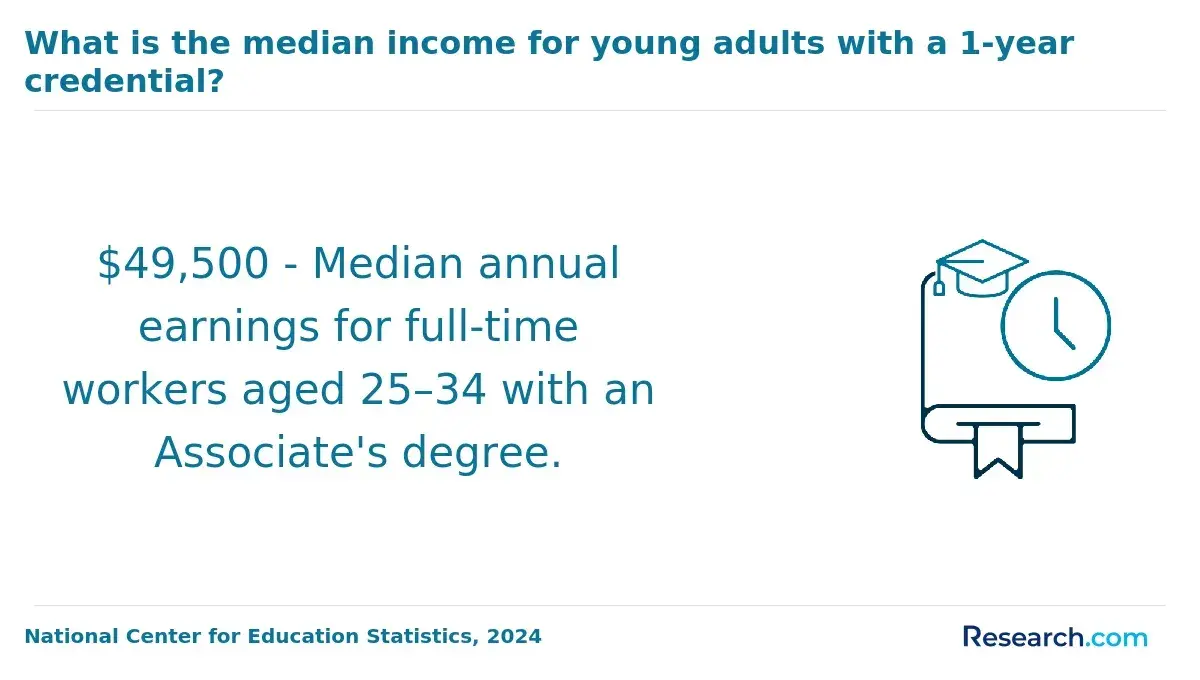
If a master's is not necessary for your next step, an online associate degree may offer a different starting point. For any credential, ask for a course schedule showing how often required classes run; a format that fits your weekly calendar will not help if a required course is unavailable when you need it.
What are the admission requirements for online degree programs?
Requirements depend on the credential. Bachelor's applicants generally need a high school diploma or equivalent; master's applicants need a bachelor's degree and may face minimum GPA, prerequisite, portfolio, experience, or licensing requirements. A university's general admission policy may not apply to a selective nursing, engineering, or other professional program. Test policies also vary by program and applicant.
Before applying, compare prerequisites with your transcript and request a transfer evaluation if you have prior college credit. If your main concern is academic accessibility, an easiest bachelor's degree to get comparison can help frame the question - but confirm each program's actual admission and graduation requirements rather than relying on its label.
How much do online degrees with payment plans cost?
There is no reliable universal price: degree level, required credits, enrollment pace, residency rules, and program-specific fees all change the bill. Calculate total expected cost, not just the installment amount. Tuition plus mandatory and program fees, books or software, required travel or placements, and payment-plan fees can make a low advertised per-credit rate less attractive. Subtract confirmed grants and employer benefits to estimate what you must fund yourself.
A payment plan improves cash flow only when its due dates match income and other obligations. Ask schools for a term-by-term cost estimate based on your expected course load and accepted credits. Compare that with borrowing costs and your likely time to completion; do not assume a smaller monthly payment means a cheaper program.
What careers and salaries can online degree programs lead to?
Match the credential to an occupation's actual entry and licensing requirements. Business, IT, and computer science programs may support a range of roles, while nursing and social work practice require appropriate licenses. Education credentials may be subject to state rules. Occupational wages vary by role, location, and experience; they are not predicted earnings for graduates of a particular online program.
For example, the Bureau of Labor Statistics' 2024 median annual wage for registered nurses was $93,600. That figure describes employed nurses across experience levels, not the expected salary of a new MSN graduate. If earnings are a major reason for enrolling, compare best bachelor's degrees with the additional cost and career access a graduate credential would actually provide.
How do you choose a reputable online degree program?
Start with your target role and work backward to the credential, required experience, and any state authorization or license. Then compare programs on accredited status, documented online requirements, remaining credits, realistic completion time, and the full bill after confirmed aid. Treat rankings as a starting point, not proof that a program fits you.
Get the following answers from the program and billing offices before accepting an offer; they expose the most common costly assumptions.
- Ask which required activities involve live attendance, travel, or a local placement, and who arranges that placement.
- Request written confirmation of accepted credits, remaining requirements, and the courses available each term.
- Ask for an itemized cost estimate and the payment-plan agreement, including fees, deadlines, refunds, and late-payment consequences.
- If your goal is regulated practice, confirm eligibility with the relevant state board rather than relying on a general career description.
Be cautious if a school cannot explain its accreditation, offers only a monthly figure without a total cost, or implies that enrollment guarantees a license, job, or salary. Compare written answers from more than one program before paying a deposit.
Other Things You Should Know About
A school-run installment plan may be interest-free, but it can have enrollment or late fees. Third-party financing may charge interest. Read the agreement for your specific term.
Often, plans are set up separately for each term, but availability and deadlines vary. Ask whether you must reenroll and make a new down payment.
Not necessarily. Plans commonly apply to eligible charges on your student account; separately purchased materials, travel, and placement expenses may be excluded.
A payment plan is a billing arrangement, not a different credential. Evaluate the institution, specific program, and any professional requirements on their own merits.
References
- What are the different ways to pay for college or graduate school? | Consumer Financial Protection Bureau https://www.consumerfinance.gov/ask-cfpb/what-are-the-different-ways-to-pay-for-college-or-graduate-school-en-545/
- Eligibility Requirements | Federal Student Aid https://studentaid.gov/understand-aid/eligibility/requirements
- Cost of Attendance (Budget) | 2025-2026 Federal Student Aid Handbook https://fsapartners.ed.gov/knowledge-center/fsa-handbook/2025-2026/vol3/ch2-cost-attendance-budget
- Accreditation in the U.S. | ed.gov http://www.ed.gov/laws-and-policy/higher-education-laws-and-policy/college-accreditation/accreditation-in-the-us
- 20 USC 1091: Student eligibility | house.gov https://uscode.house.gov/view.xhtml
- Qualified Ed expenses | Internal Revenue Service https://www.irs.gov/credits-deductions/individuals/qualified-ed-expenses
- Payment Plan | WLAC https://www.wlac.edu/cost-tuition/payment-plan
- Financial aid and education benefits | umn.edu https://onestop.crk.umn.edu/finances/veteran-education-benefits/financial-aid-and-education-benefits
- Undergraduate and Graduate Tuition and Fees | Purdue Global https://www.purdueglobal.edu/tuition-financial-aid/undergraduate-graduate-tuition-and-fees/
- Tuition Refund When Dropping Units | sandiego.edu https://usdkb.sandiego.edu/s/article/Tuition-Refund-when-dropping-units