2027 Best Online Clinical Mental Health Counseling Master's Programs for Residents of Portland, OR

Co-Founder and Chief Data Scientist
For a Portland resident, the best online counseling master's program is one that can lead to Oregon licensure and accommodate local clinical training, not simply one with remote classes. The U.S. Bureau of Labor Statistics projects 17% national employment growth for substance abuse, behavioral disorder, and mental health counselors from 2024 to 2034; that projection does not describe Portland hiring specifically.
This guide compares programs worth investigating, explains Oregon's licensing pathway, and shows how to check placements, travel, and total cost before enrolling.
Key Things You Should Know
- Portland residents can investigate online programs offered outside Oregon, but must confirm Oregon enrollment eligibility, clinical placement approval, and preparation for Oregon's licensed professional counselor (LPC) credential.
- Under the 2024 CACREP standards, accredited counseling programs include at least 100 practicum hours and 600 internship hours. These are graduate training hours, not a substitute for Oregon's post-degree supervised experience.
- Compare Portland-based campus options with out-of-state online options on fieldwork support and total cost, not advertised tuition or an "online" label alone.
What Are the Clinical Mental Health Counseling Licensure Requirements for Portland, OR Residents?
Portland does not issue a separate professional counseling license. Residents intending to practice as LPCs apply under Oregon statewide requirements administered by the Oregon Board of Licensed Professional Counselors and Therapists. An LPC is a state-licensed clinician; a master's degree alone does not authorize independent practice.
Oregon's pathway includes a qualifying graduate counseling degree and coursework, supervised clinical training during the degree, a board-approved examination, and supervised experience after graduation before independent licensure. The board evaluates an applicant's education and experience, so a school's statement that its degree "prepares students for licensure" is not an Oregon eligibility determination.
CACREP accreditation is programmatic accreditation specific to counseling programs; it is different from an institution's accreditation. It can make a curriculum easier to assess against recognized counseling standards, but applicants should still compare the program's current coursework and clinical documentation with Oregon board rules. Requirements can change between enrollment and application.
Can Portland, OR Residents Complete Clinical Mental Health Counseling Practicum Hours Locally?
Potentially, residents can complete their practicum locally. Online programs commonly permit approved in-person clinical training near a student's residence, but permission to use a Portland site depends on the school's placement policies, the site's capacity, and supervisor qualifications. Living near a hospital, community mental health provider, or group practice does not guarantee a placement there.
Portland applicants can investigate settings such as community behavioral health agencies, integrated-care clinics, substance-use treatment providers, and nonprofit counseling services within the city. A site elsewhere in the Portland metropolitan area may also be practical, but it is not a Portland-based placement and may add a substantial commute. Ask whether the program already has Oregon site agreements or requires students to establish a new one.
Before accepting an offer, obtain written answers about who finds sites, who approves supervisors, whether evening or weekend hours are feasible, and what happens if a proposed Portland placement falls through. An online program without workable local fieldwork is not a practical online option for that student.
Can Portland, OR Residents Earn an Online Counseling Master's Degree From Another State and Become Licensed Locally?
An out-of-state degree can be a route to Oregon licensure, but online enrollment eligibility and professional licensure eligibility are separate questions. A school must accept students residing in Oregon and be able to deliver its program there. Its curriculum and supervised training must also satisfy the requirements applicable when the graduate seeks an Oregon LPC.
The following are programs to investigate, not a verified ranking or a guarantee of current Oregon admission or licensure eligibility. Each institution is outside Portland; online access does not make its campus a Portland campus.
| Institution and location | Online counseling option to investigate | Portland resident's key check |
| Wake Forest University, North Carolina | Online master's in clinical mental health counseling | Confirm Oregon enrollment, residency or campus-visit requirements, and approval of Oregon field sites. |
| William & Mary, Virginia | Online counseling master's with a clinical mental health counseling track | Verify the track's current accreditation status and Oregon-specific professional licensure disclosure. |
| Northwestern University, Illinois | Online master's in counseling | Confirm that the available curriculum, clinical placements, and any in-person requirements fit an Oregon LPC plan. |
Ask each university for its current Oregon professional licensure disclosure, state enrollment policy, programmatic accreditation status, and written field-placement rules.
If a disclosure says the program has not determined whether it meets Oregon requirements, treat that as an unresolved issue rather than an approval. Contact the Oregon board when the school cannot explain how a course or placement meets a specific requirement.
What Jobs Can You Get With an Online Clinical Mental Health Counseling Master's Degree in Portland, OR?
A qualifying degree can support applications for supervised counseling positions and, after the required steps, Oregon LPC roles.
Potential Portland practice settings include community mental health, outpatient counseling, integrated medical care, crisis services, and substance-use treatment. Job titles and permitted duties depend on the employer and the graduate's license or supervised status; a degree does not confer an LPC automatically.
Portland-specific openings should be assessed separately from broader Portland-area labor statistics. The national growth projection cited above signals demand across the United States, not a promise of vacancies or pay in the city.
When reviewing a Portland posting, check whether it accepts graduates working toward licensure, provides qualifying supervision, and requires skills, such as crisis response or substance-use assessment, that your program teaches. For a wider view of roles, see graduate mental health counseling career options.
How Many Practicum and Internship Hours Do Online Counseling Students in Portland, OR Need to Complete?
For programs operating under the 2024 CACREP standards, the minimum is 100 hours of supervised practicum and 600 hours of supervised internship.
Those are programmatic training standards, not a universal hour count for every counseling master's program. Schools may set additional requirements, and Oregon separately evaluates education and post-degree supervised experience for LPC applicants.
Even when coursework is remote, these clinical hours generally involve direct work with clients at an approved site and scheduled supervision. The calendar matters as much as the total: a Portland student working full time may need to reduce paid work or change shifts during internship.
Request the school's current fieldwork handbook and map its weekly schedule against a realistic site commute. For help anticipating supervision and placement logistics, consult supervised internship planning for counseling students explained.
How Much Does an Online Clinical Mental Health Counseling Master's Degree Cost for Students in Portland, OR?
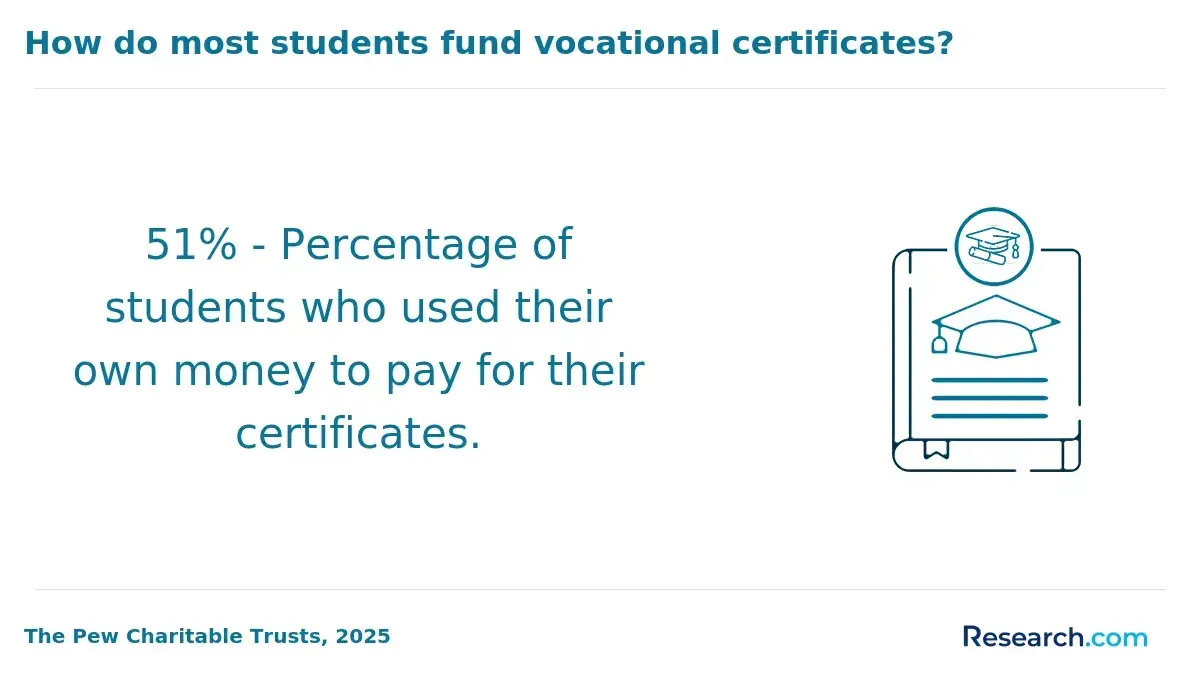
There is no single reliable Portland-resident price: schools set tuition by program, and an out-of-state online program may use one online rate or a rate affected by residency. A Portland address does not automatically qualify a student for reduced tuition at a school outside Oregon. Published per-credit prices also omit expenses that can change which offer is cheaper.
To compare offers fairly, request an itemized estimate for the entire degree, including required credits, mandatory fees, technology charges, background checks, books, campus visits, travel, and any extra terms needed for internship. Ask what tuition rate applies specifically to an Oregon resident and whether it can change.
Unpaid or reduced-work clinical terms may create a larger financial constraint than a modest difference in tuition. Budget-friendly CACREP-accredited counseling options can supply comparison candidates, but verify each program's current charges and Oregon eligibility directly.
For financial aid, confirm institutional eligibility and ask the aid office for a program-specific borrowing estimate rather than assuming all fees or travel can be covered. The lowest advertised tuition is a poor bargain if required travel or delayed fieldwork extends enrollment.
Which Clinical Mental Health Counseling Specializations Are Most Relevant to Careers in Portland, OR?
Choose a specialization by the clients and settings you hope to serve, not by an assumption that one concentration is required throughout Portland.
Substance-use counseling, crisis and trauma-informed care, child and adolescent counseling, and integrated behavioral health can each align with types of services offered by Portland-area providers. A concentration may offer relevant coursework and placements, but it does not replace Oregon LPC requirements or create a separate license automatically.
Compare actual electives, faculty supervision expertise, and access to suitable Portland clinical sites. For example, an integrated-care interest is more actionable if the school permits placements in Oregon medical settings and can approve an appropriate supervisor. A specialization listed in a catalog is less useful if its required courses are rarely offered online.
What Do Mental Health Employers in Portland, OR Look for in Clinical Counseling Graduates?
Requirements differ by posting, but employers commonly need applicants whose credential or supervised status fits the role and who can document clinical experience with the populations served.
Portland applicants should examine postings for required Oregon credentials, supervisor arrangements, documentation skills, crisis duties, and experience in the relevant treatment setting. Do not assume a national employer's requirements represent every Portland clinic.
Clinical training can also demonstrate practical abilities that a transcript cannot: assessment, treatment planning, ethical decision-making, collaboration, and appropriate use of telehealth. If you intend to work with a particular Portland provider after graduation, compare its current job descriptions with a prospective program's courses and placement opportunities before paying an enrollment deposit.
Should Portland, OR Residents Choose an Online or Campus-Based Clinical Mental Health Counseling Master's Program?
Online study may suit a Portland resident who needs flexible coursework and has a credible plan for Oregon fieldwork.
Campus-based study may be preferable when regular in-person instruction, local faculty connections, or school-supported regional placements outweigh schedule flexibility. Hybrid and limited-residency programs fall between those options, but required visits can make a seemingly convenient program expensive or difficult to attend.
Portland State University and Lewis & Clark College are institutions physically located in Portland with counseling education to investigate as local comparisons. Verify each relevant program's current degree title, delivery format, and accreditation rather than assuming it is fully online. Out-of-state online universities in the comparison above are alternatives available to investigate from Portland, not institutions located in Portland.
Compare weekly class times, required travel, part-time availability, transfer-credit rules, and when fieldwork begins. These can affect the time to graduation more than an advertised "fast" track. A guide to length of graduate clinical counseling study can help frame that comparison. Neither delivery format eliminates the supervised experience required after the degree.
How Should Portland, OR Residents Choose an Online Clinical Mental Health Counseling Master's Program for Licensure?
Start with the state where you intend to practice, Oregon, if the goal is an Oregon LPC, then compare at least two or three programs against the same evidence. The following sequence helps catch problems before an admissions deadline or deposit.
- Confirm that the specific counseling track is currently offered online, accepts students residing in Oregon, and discloses whether it meets Oregon professional licensure education requirements.
- Check institutional accreditation and the specific program's current CACREP status separately; obtain a course plan to compare with Oregon board requirements.
- Request the clinical handbook and ask who identifies Portland-area placements, approves Oregon supervisors, and resolves unsuccessful site searches.
- Calculate full-program tuition and mandatory costs, including travel for residencies and reduced working hours during fieldwork.
- Check synchronous classes, part-time terms, transfer policies, and the expected timeline from coursework through internship; ask the Oregon board about any unresolved licensure issue before enrolling.
Admission requirements deserve a separate check if references are difficult to obtain. Online mental health counseling degrees with no recommendations may offer leads, but a simpler application should never outweigh Oregon licensure fit.
The most consequential mistakes are assuming every online school accepts Oregon residents, treating institutional accreditation as CACREP accreditation, or waiting until after enrollment to look for a local internship.
Other Things You Should Know About Clinical Mental Health Counseling Programs
Not necessarily. Counseling programs set their own prerequisite and admissions rules; some accept applicants from other majors. Check required introductory courses and any conditions attached to an offer.
An Oregon license alone should not be assumed to authorize services to a client located in Washington. Check Washington's applicable rules and any current interstate practice provisions before providing care across state lines.
No. These degrees can lead to different professional licenses and educational requirements. Choose the credential first, then evaluate programs designed for that pathway.
Often, particularly during coursework, but clinical terms may require daytime client appointments and fixed supervision meetings. Ask for a typical internship schedule before committing to a full-time work plan.
References
- Board of Licensed Professional Counselors and Therapists | oregon.gov https://www.oregon.gov/oblpct/pages/experience.aspx
- Licensure - Office of the Provost - University of Oregon https://provost.uoregon.edu/licensure
- Admissions - California State University, Los Angeles https://ecatalog.calstatela.edu/content.php
- Top student questions regarding practicum and internships | Xavier University https://www.xavier.edu/counseling/clinical-mental-health/top-student-questions-regarding-practicum-and-internships
- Online Master's in Clinical Mental Health Counseling (MS) | Eastern Oregon University https://online.eou.edu/programs/ms-masters-clinical-mental-health-counseling/
- Clinical Mental Health Counseling Graduate Major (M. Coun) | Curriculum Management https://curriculummanagement.oregonstate.edu/licensure/clinical-mental-health-counseling-graduate-major-mcoun
- How to Become a Counselor (LPC) in Oregon | George Fox University https://www.georgefox.edu/counseling-programs/licensure/lpc.html
- Master's Degree in Professional Mental Health Counseling | Lewis & Clark Graduate School, Portland, Oregon https://graduate.lclark.edu/departments/counseling_psychology/mental_health/
- What's the Difference Between Asynchronous and Synchronous Learning? | Ohio State Online https://online.osu.edu/content-hub/blogs/whats-the-difference-between-asynchronous-and-synchronous-learning/
- M.A. in Clinical Mental Health Counseling | Bushnell University https://bushnell.edu/programs/m-a-clinical-mental-health-counseling/