2027 Is an Online Nursing Doctorate Worth It? ROI, Salary Growth, and Career Impact

Co-Founder and Chief Data Scientist
An online nursing doctorate can open doors to advanced practice, leadership, faculty, policy, and research roles, but it is not automatically a strong financial investment. The U. S. Bureau of Labor Statistics reported a May 2024 median annual wage of $132,050 for nurse anesthetists, nurse midwives, and nurse practitioners, compared with $93,600 for registered nurses, showing why many nurses consider doctoral education.
This guide is for nurses weighing cost, time, debt, salary growth, and career impact so they can decide whether a doctorate supports their specific goals.
Key Things You Should Know
- An online nursing doctorate is most likely to be worth it when it is tied to a specific outcome, such as advanced practice authority, executive leadership, faculty eligibility, research work, or a higher-level clinical role.
- Using May 2024 BLS data, the financial upside is clearest when the doctorate helps move a nurse from RN-level compensation toward advanced practice or leadership roles, where median pay can exceed $117,000.
- The weakest ROI usually comes from choosing a high-cost program without employer tuition support, entering a role that does not reward the doctorate, or overlooking fees, clinical placement costs, debt interest, and completion time.
What Is the ROI of an Online Nursing Doctorate?
The return on investment, or ROI, of an online nursing doctorate is the value you receive after accounting for tuition, fees, time, debt, and career outcomes. In nursing, ROI is not only about salary. It can also include expanded clinical authority, eligibility for executive roles, research credibility, faculty appointments, policy influence, and long-term career flexibility.
The key question is not whether a doctorate is prestigious. The better question is whether the specific doctorate you choose helps you enter or advance in a role that rewards doctoral preparation. A Doctor of Nursing Practice, or DNP, is usually practice-focused and often supports advanced clinical practice, systems leadership, quality improvement, and executive roles. A PhD in Nursing is research-focused and better suited for academic research, scholarship, grant-funded work, and tenure-track faculty paths.
Use this table to separate the main ROI factors before comparing programs. It shows why two nurses can earn the same degree but experience very different returns.
| ROI factor | Why it matters | How it affects the decision |
| Total program cost | Tuition is only one part of the investment. | Fees, travel, books, technology, clinical requirements, and debt interest can change the break-even point. |
| Current role and salary | ROI depends on the gap between current earnings and realistic post-doctorate opportunities. | A nurse already earning a high salary may need a leadership or specialty move to see meaningful financial return. |
| Target career path | Some roles require or strongly prefer doctoral education, while others do not. | The degree is more valuable when employers clearly reward the credential. |
| Program format | Online programs may allow nurses to keep working while enrolled. | Maintaining income can improve ROI by reducing opportunity cost. |
| Employer support | Tuition reimbursement, scholarships, or loan repayment can reduce personal cost. | A lower out-of-pocket cost can make a doctorate financially viable even when salary growth is gradual. |
A practical ROI calculation starts with this formula: total additional earnings and career benefits minus total degree cost and opportunity cost. The result should be compared with alternatives, such as a post-master's certificate, leadership certification, nurse practitioner specialization, or job change. The doctorate is most financially defensible when it is the most direct route to a career outcome that a lower-cost credential cannot reasonably provide.
How Much Can Salaries Increase After an Online Nursing Doctorate?
Salary growth after an online nursing doctorate varies widely because the degree does not create one single career outcome. A DNP-prepared nurse practitioner, a chief nursing officer, a nurse educator, and a nurse scientist may all hold doctorates, but they work in different labor markets with different pay structures.
The clearest way to estimate salary growth is to compare your current role with your target role, not simply to compare degree levels. The table below uses May 2024 BLS wage data to show how common nursing doctorate-related career categories compare with registered nursing.
| Role or career category | May 2024 median annual wage | How a doctorate may affect access |
| Registered nurses | $93,600 | A doctorate is not required for standard RN roles, so salary growth usually depends more on specialty, location, overtime, and leadership responsibility. |
| Nurse anesthetists, nurse midwives, and nurse practitioners | $132,050 | Doctoral preparation may support advanced practice, especially as employers and professional standards increasingly value DNP-level education. |
| Medical and health services managers | $117,960 | A doctorate may strengthen candidacy for senior leadership, quality, operations, and executive roles, but experience is still critical. |
| Nursing instructors and teachers, postsecondary | $86,530 | A doctorate can be important for faculty roles, especially full-time, research-oriented, or tenure-track positions, though pay may be lower than clinical practice. |
These figures do not mean a doctorate automatically raises pay. Location, specialization, employer type, union contracts, state scope-of-practice laws, years of experience, and willingness to change jobs can matter as much as the credential. For example, a nurse moving into an advanced practice role may see a clearer salary change than a nurse who earns a doctorate but stays in the same staff RN position.
A common mistake is comparing the highest reported salaries for doctoral-prepared nurses with the median salary of all RNs. That exaggerates ROI. A more realistic approach is to compare your current compensation with salaries in the exact roles you plan to pursue in your state or metro area.
Which Career Paths Offer the Strongest Financial Return With an Online Nursing Doctorate?
The strongest financial return usually comes from career paths where doctoral education connects directly to higher compensation, expanded responsibility, or eligibility for roles that would be difficult to access otherwise. The degree tends to be less financially powerful when it is used only as a general resume upgrade.
The table below summarizes common doctorate-linked nursing paths and how they typically perform from an ROI perspective. Use it as a starting point, then verify requirements and pay in your state and target employer market.
| Career path | Typical doctorate fit | Financial return potential | Important limitation |
| Advanced practice registered nurse | DNP | Often strong when the doctorate supports nurse practitioner, nurse midwife, or nurse anesthetist advancement. | Licensure, certification, clinical hours, and state scope-of-practice rules determine actual practice authority. |
| Nurse executive or health system leader | DNP, PhD, or related doctorate | Can be strong for nurses moving into director, chief nursing officer, quality, or population health leadership roles. | Employers usually weigh leadership experience heavily, so the doctorate alone may not be enough. |
| Nursing faculty | PhD, DNP, or EdD depending on institution | Can be strong for mission fit and career stability, but not always the highest-paying path. | Academic salaries may lag advanced clinical and executive roles. |
| Nurse researcher or scientist | PhD | Can be strong for research-intensive careers, grants, policy work, and academic leadership. | The path may require publication history, mentorship, grants, and postdoctoral training. |
| Consulting, policy, informatics, or quality improvement | DNP or PhD | Can be strong when paired with specialized experience in data, operations, health policy, or technology. | ROI depends heavily on marketable skills beyond the degree. |
Technology is also changing which doctoral skills carry the most value. Nurses who can lead quality improvement, interpret clinical data, evaluate AI-enabled workflows, manage population health initiatives, and translate evidence into practice may be better positioned than those who rely on the credential alone.
The strongest paths usually share several features. Before enrolling, look for evidence that your intended role truly values doctoral education:
- Job postings in your target market list a doctorate as required or preferred for the roles you want.
- Your employer offers salary differentials, promotion pathways, or tuition support for doctoral-prepared nurses.
- The program includes applied projects, clinical leadership, research, informatics, or policy work that matches your career plan.
- Graduates enter roles similar to your target outcome, not just broadly defined "leadership" positions.
How Does an Online Nursing Doctorate Affect Career Advancement?
An online nursing doctorate can help with career advancement by signaling advanced expertise, leadership ability, evidence-based practice skills, and readiness for complex decision-making. However, advancement depends on how well the program, your experience, and your target role fit together.
For DNP students, advancement often centers on clinical leadership, advanced practice, systems improvement, population health, patient safety, informatics, and executive decision-making. For PhD students, advancement usually centers on research design, theory development, scholarship, teaching, publishing, and academic leadership.
Doctoral education can improve career mobility in several practical ways when it is used strategically:
- It can support promotion into advanced practice, executive, faculty, research, or policy positions that prefer doctoral preparation.
- It can strengthen credibility when leading interdisciplinary teams, quality initiatives, evidence-based practice projects, or organizational change.
- It can expand professional networks through faculty mentorship, clinical partners, research collaborators, and doctoral cohorts.
- It can help nurses move from bedside or unit-level roles into system-wide responsibilities.
Still, the degree is not a substitute for experience. A nurse seeking executive leadership usually needs management accomplishments, budget exposure, staff development experience, and measurable operational results. A nurse seeking faculty or research roles needs teaching, scholarship, publications, or project experience. The doctorate works best when it amplifies a career trajectory already moving in the desired direction.
How Much Does an Online Nursing Doctorate Cost Compared With Its Potential Benefits?
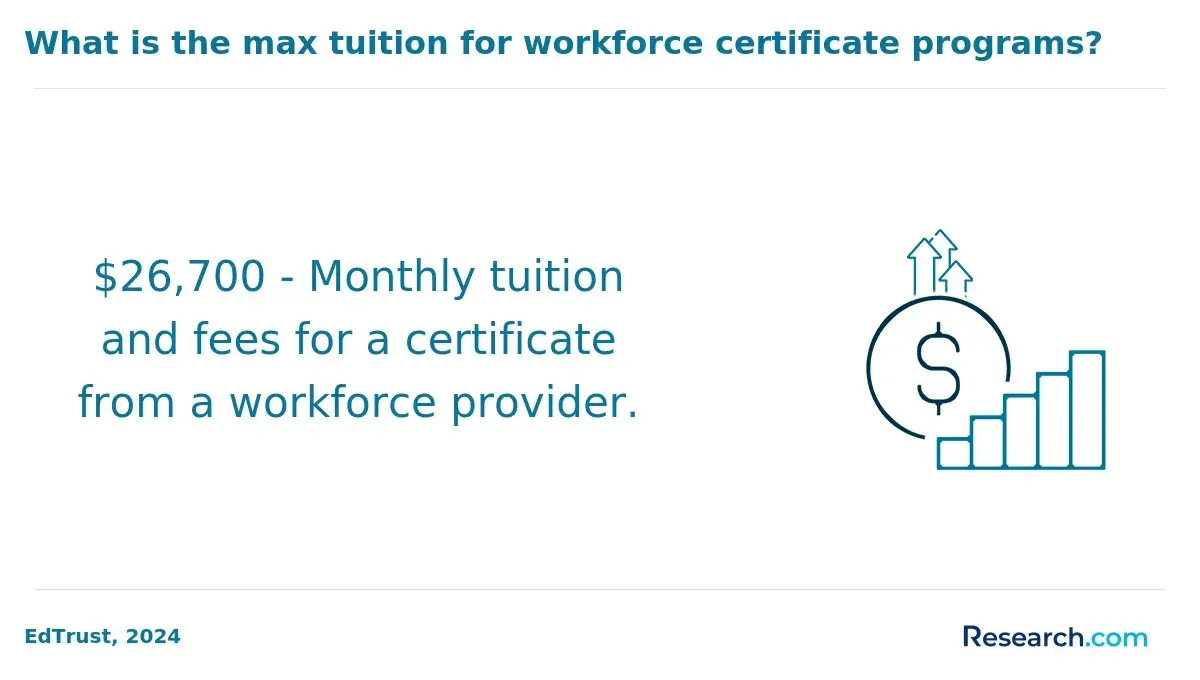
The cost of an online nursing doctorate depends on tuition rate, credit requirements, residency requirements, clinical placement support, technology fees, books, travel, and whether the student attends full time or part time. NCES data published in 2024 shows that graduate tuition and required fees vary substantially by institution type, which is why published per-credit tuition alone is not enough to judge affordability.
Students comparing programs should look beyond the sticker price and calculate the full cost to completion. If affordability is the main concern, reviewing cheapest online nursing PhD programs can be a useful starting point, especially for students considering research-focused doctoral pathways.
The table below shows the major cost categories that affect doctoral ROI. These are the expenses to request from each school before applying or borrowing.
| Cost category | What to check | Why it affects ROI |
| Tuition | Per-credit rate, total credits, and whether tuition differs for in-state and out-of-state students. | Tuition is usually the largest direct cost and strongly affects break-even time. |
| Fees | Technology, graduation, clinical, course, simulation, and university fees. | Fees can make a lower advertised tuition less affordable than it appears. |
| Residencies or intensives | Required campus visits, travel, lodging, and time away from work. | Online does not always mean fully remote, and travel can increase total cost. |
| Clinical or project expenses | Preceptor requirements, background checks, immunizations, software, and placement support. | Students may face extra costs or delays if clinical placement is not well supported. |
| Financing costs | Loan interest, repayment timeline, employer reimbursement, scholarships, and assistantships. | Borrowing can raise the real cost of the degree beyond the billed charges. |
The benefits side should be just as specific. Estimate whether the degree helps you qualify for a higher-paying job, a promotion, a career transition, greater schedule flexibility, or long-term professional influence. Nonfinancial benefits can matter, but they should not be used to ignore debt risk.
One red flag is a program that markets broad "leadership opportunities" without publishing clear curriculum details, clinical expectations, accreditation status, or career support. Another is choosing the fastest or most prestigious option without checking whether your employer, licensing board, or target graduate program recognizes the credential.
How Does the Time Required for an Online Nursing Doctorate Affect Its ROI?
Time is one of the most overlooked parts of doctoral ROI. Many online nursing doctorates are designed for working nurses, which can protect income during enrollment. However, part-time study can extend the period before salary gains, promotions, or role changes become available.
A BSN-to-DNP pathway usually takes longer than a post-master's DNP because it combines graduate-level advanced practice or leadership preparation with doctoral coursework. A PhD in Nursing may also require research methods, dissertation work, faculty mentorship, and scholarly productivity that can extend the timeline. Completion pace matters because every extra term may add tuition, fees, and delayed earnings.
To evaluate time-related ROI, students should work through the following steps before enrolling:
- Confirm the expected time to completion for your entry point, such as BSN-to-DNP, MSN-to-DNP, BSN-to-PhD, or MSN-to-PhD.
- Ask whether the program is lockstep or flexible, because course sequencing can delay graduation if you pause or drop a course.
- Estimate how many hours per week you can realistically study while maintaining work, family, and clinical obligations.
- Identify any required campus visits, practicum hours, immersion experiences, dissertation milestones, or DNP project deadlines.
- Calculate whether extending the program by additional terms would increase tuition, fees, loan interest, or lost promotion opportunities.
The fastest program is not always the best value. A shorter program with weak support, poor clinical placement assistance, or misaligned curriculum can create delays that damage ROI. The best timeline is the one you can complete without unnecessary debt, burnout, or professional disruption.
Does an Online Nursing Doctorate Have the Same Career Value as a Campus-Based Degree?
An online nursing doctorate can have similar career value to a campus-based degree when it is properly accredited, academically rigorous, aligned with licensure or certification needs, and offered by an institution that employers recognize. For many working nurses, the online format can improve ROI because it allows them to stay employed while completing advanced coursework.
The value of the degree depends less on whether classes are online and more on program quality. Employers and licensing bodies generally care about accreditation, clinical preparation, faculty expertise, graduate outcomes, and whether the program meets professional standards. For nursing doctorates, students should pay close attention to institutional accreditation and nursing program accreditation, such as accreditation from CCNE or ACEN when applicable.
This comparison highlights where online and campus-based formats differ most from an ROI perspective.
| Factor | Online nursing doctorate | Campus-based nursing doctorate |
| Work continuity | Often easier to keep working while enrolled. | May require more schedule flexibility or relocation. |
| Networking | Can be strong if the program includes live sessions, cohorts, residencies, and faculty mentorship. | May offer more frequent in-person networking and campus research access. |
| Clinical or project placement | Requires careful review because support varies by school and state. | May have stronger local placement relationships near campus. |
| Cost structure | May reduce relocation and commuting costs but can still include fees and residencies. | May involve commuting, relocation, parking, or reduced work hours. |
| Employer perception | Strong when the school is accredited and reputable. | Strong when the school is accredited and reputable. |
One mistake is assuming "online" means easier. A credible online doctorate should still involve advanced writing, evidence appraisal, clinical or research work, faculty feedback, and a substantial final project or dissertation. If a program appears to minimize rigor or makes unrealistic completion promises, treat that as a warning sign.
How Does an Online Nursing Doctorate Compare With Other Career Advancement Options?
An online nursing doctorate is only one route to advancement. In some cases, a master's degree, post-master's certificate, specialty certification, leadership training, or targeted job move may produce a faster or less expensive return. The right choice depends on the role you want, the credential employers require, and how much risk you are willing to take on.
For nurses still comparing earlier-stage education options, affordable online nursing programs may be more appropriate than jumping directly into doctoral planning. A doctorate usually makes the most sense after the nurse has a defined graduate-level direction.
The table below compares doctoral study with common alternatives. It is designed to help you identify whether a doctorate is necessary or whether a lower-cost option can meet the same goal.
| Option | Best fit | ROI profile | When it may be better than a doctorate |
| Specialty certification | Nurses seeking credibility in areas such as critical care, informatics, case management, or leadership. | Often lower cost and faster than a degree. | When the target role values certification more than doctoral education. |
| Post-master's certificate | Master's-prepared nurses adding an APRN population focus or specialization. | Can be strong if it leads directly to a compensated role change. | When a new specialty is the goal and a doctorate is not required. |
| MSN | BSN-prepared nurses seeking advanced practice, education, leadership, or informatics roles. | May offer a strong balance of cost, time, and advancement. | When employers accept the MSN for the desired role. |
| DNP | Nurses pursuing advanced practice leadership, systems improvement, executive roles, or doctoral clinical expertise. | Strongest when the role rewards doctoral practice preparation. | When doctoral-level practice leadership is clearly linked to the career outcome. |
| PhD in Nursing | Nurses pursuing research, scholarship, faculty roles, or academic leadership. | Strong for research and academic credibility, but salary return varies. | When the goal is knowledge generation rather than advanced clinical practice. |
The biggest mistake is using the doctorate to compensate for an unclear career plan. If you cannot name the role, employer type, credential requirement, and expected advancement path, it may be smarter to pause and explore lower-cost credentials first.
Which Professionals Are Most Likely to Benefit From an Online Nursing Doctorate?
The professionals most likely to benefit are experienced nurses with a clear career target that values doctoral education. The degree is often a strong fit for nurses who already hold leadership responsibilities, advanced clinical preparation, teaching experience, research interests, or a specialty direction that can be strengthened through doctoral study.
An online doctorate may be especially worthwhile for the following groups:
- Advanced practice nurses who want to deepen clinical leadership, quality improvement, policy, or systems-level expertise.
- Nurse leaders aiming for director, executive, chief nursing officer, population health, or healthcare operations roles.
- Nurse educators seeking stronger eligibility for full-time faculty, curriculum leadership, or academic administration.
- Research-oriented nurses who want to pursue scholarship, grants, evidence generation, or a PhD pathway.
- Experienced nurses whose employers provide tuition assistance, promotion pathways, or salary incentives for doctoral preparation.
The degree may be a weaker fit for nurses who mainly want a quick salary increase, are uncertain about their specialty, cannot reduce borrowing risk, or work in settings where employers do not differentiate pay by degree level. It may also be premature for students still trying to gain entry to the profession; those applicants may first need to compare admissions options such as the easiest nursing schools to get into before planning doctoral education.
Personal fit matters too. Doctoral study requires sustained writing, research or project work, self-direction, and comfort with ambiguity. Students who enjoy solving complex practice problems, leading teams, analyzing evidence, and building long-term expertise are more likely to benefit than students who want a credential with minimal disruption.
How Can Students Determine Whether an Online Nursing Doctorate Is Worth It?
The most reliable way to decide is to build a personal ROI case before applying. That means comparing total cost, realistic salary movement, time to completion, employer support, licensing requirements, and alternatives. A doctorate can be worth it, but only if the expected career value is strong enough to justify the investment.
Students should use a structured decision process rather than relying on rankings, prestige, or general claims about leadership. Before enrolling, take these steps:
- Define the exact role you want after graduation, such as nurse practitioner, chief nursing officer, faculty member, researcher, informatics leader, or quality executive.
- Review job postings in your target state and employer market to see whether a doctorate is required, preferred, or rarely mentioned.
- Ask your current employer whether the degree affects pay, promotion eligibility, tuition reimbursement, or internal leadership pathways.
- Request a full cost-of-attendance estimate from each school, including tuition, fees, residencies, clinical expenses, and expected program length.
- Confirm accreditation, state authorization, clinical placement expectations, licensure alignment, certification exam eligibility, and any campus requirements.
- Compare the doctorate with lower-cost alternatives, including an MSN, post-master's certificate, specialty certification, or leadership credential.
- Estimate your break-even point by comparing total out-of-pocket cost with realistic annual compensation growth from your target role.
Applicants who are still completing prerequisites or searching for entry pathways should not skip earlier admissions research. For example, some prospective students may first need to compare nursing programs that don't require TEAS test before they are ready to evaluate doctoral ROI.
A good final test is simple: if the doctorate disappeared from your plan, would your target career still be reachable through a cheaper or faster route? If the answer is yes, the doctorate may not be the best financial move right now. If the answer is no, and the program is affordable, accredited, and aligned with your target role, an online nursing doctorate can be a smart long-term investment.
Other Things You Should Know About Nursing
Many do, especially DNP and advanced practice pathways. Requirements vary by program, entry point, specialty, and state rules, so students should confirm clinical hour expectations and placement support before enrolling.
Yes. Accreditation affects employer recognition, transferability, financial aid eligibility, and, in some cases, certification or licensure pathways. Students should verify both institutional accreditation and applicable nursing program accreditation.
Many students do, but it depends on course load, clinical requirements, project demands, and personal responsibilities. Part-time enrollment may be more manageable, though it can extend the time before career benefits appear.
Common requirements include an active RN license, prior nursing degree, transcripts, professional resume, recommendations, statement of goals, and sometimes a graduate GPA minimum, interview, writing sample, or proof of clinical experience.
References
- Is College Worth it? | Return on Investment Analysis of College Degree https://educationdata.org/college-degree-roi
- How Much More Can I Earn with a DNP? https://www.doctorofnursingpracticednp.org/how-much-more-can-i-earn-with-a-dnp/
- Difference Between DNP & PHD: Salary, Career, Skill | Maryville Nursing https://nursing.maryville.edu/blog/dnp-vs-phd-difference
- Can You Earn a DNP Online? | All Nursing Schools https://www.allnursingschools.com/dnp/online-or-on-campus/
- Your Guide to Online PhD Nursing Programs: What They Are, What to Expect, and How to Choose the Right One – FRESHRN https://www.freshrn.com/online-phd-nursing-programs/
- DNP & Me: Five Reasons to Pursue a Nursing Doctorate - Working Nurse https://www.workingnurse.com/articles/dnp-me-five-reasons-to-pursue-a-nursing-doctorate/
- Online Doctor of Nursing Practice (DNP) Degree | WCU https://westcoastuniversity.edu/online-programs/doctor-nursing-practice
- How Do Nurses Navigate Career Advancement? | NursingEducation https://nursingeducation.org/insights/career-advancement/
- Nursing Jobs Beyond the Bedside (Pt. 2): Advance Your Degree, Advance Your Career - Trusted Health https://www.trustedhealth.com/blog/nursing-jobs-beyond-the-bedside-advance-your-degree-advance-your-career
- Five ways a doctoral degree in nursing can transform your career https://onlinedegrees.bradley.edu/blog/five-ways-a-doctoral-degree-in-nursing-can-transform-your-career