2027 Best Online Clinical Mental Health Counseling Master's Programs for Residents of Minneapolis, MN

Co-Founder and Chief Data Scientist
For Minneapolis residents, the best online clinical mental health counseling master's program is one that fits both their schedule and Minnesota's licensing rules. The stakes are practical: the U.S. Bureau of Labor Statistics reported a $59,190 national median annual wage for substance abuse, behavioral disorder, and mental health counselors in May 2024, but a degree alone does not qualify someone to practice independently.
This guide compares realistic program options, explains local clinical-training constraints, and shows how to check costs and licensure eligibility before enrolling.
Key Things You Should Know
- Compare online offerings from Minneapolis-associated institutions such as Capella and Walden with out-of-state options; confirm each program's current Minnesota enrollment eligibility and accreditation rather than assuming its location settles either question.
- Minnesota's licensed professional clinical counselor (LPCC) pathway requires a qualifying graduate education and supervised experience beyond the degree; an online format does not remove in-person clinical training.
- Budget for more than tuition: a program's required clinical placement, residency travel, fees, and ability to accommodate your work schedule can change its real cost.
What Are the Clinical Mental Health Counseling Licensure Requirements for Minneapolis, MN Residents?
Counselors practicing in Minneapolis are regulated by the Minnesota Board of Behavioral Health and Therapy, not a city licensing office. Residents aiming for independent clinical counseling practice should evaluate programs against Minnesota's LPCC requirements, including graduate coursework, supervised field experience, examination, and post-degree supervised practice. Minnesota also has a licensed professional counselor (LPC) credential; the two pathways should not be treated as interchangeable.
Minnesota's LPCC educational pathway calls for a qualifying master's or doctoral degree with at least 60 semester credits and specified counseling content. The state requires supervised clinical experience as part of the qualifying education and additional supervised professional practice for LPCC licensure. Because rules and board interpretations can change, obtain the current requirements directly from the board before committing to a program - particularly if the school is outside Minnesota.
Accreditation has two distinct meanings: institutional accreditation applies to the university, while Council for Accreditation of Counseling and Related Educational Programs (CACREP) accreditation applies to a particular counseling program. CACREP status can make curriculum comparison easier, but applicants must still confirm that their specific degree and coursework satisfy Minnesota's current rules. A school's statement that graduates may pursue licensure is not a board determination.
Can Minneapolis, MN Residents Complete Clinical Mental Health Counseling Practicum Hours Locally?
An online student may be able to train at an approved Minneapolis counseling clinic, health system, community mental health provider, or other qualifying site. Availability is not guaranteed: the site must accept trainees, offer appropriate client contact and supervision, and meet both the university's and Minnesota's requirements. A site elsewhere in the Twin Cities metropolitan area may be workable, but it is not a Minneapolis site and could change your commute considerably.
Placement support is a decisive program difference. Ask whether the school finds sites, supplies leads, or expects students to secure their own placement; whether supervisors need particular credentials; and how far in advance affiliation agreements must be signed. Students who cannot reduce paid work hours during daytime clinical shifts should ask prospective sites about actual schedules before relying on an advertised "flexible" degree.
Can Minneapolis, MN Residents Earn an Online Counseling Master's Degree From Another State and Become Licensed Locally?
An out-of-state university can be a viable choice, but online admission and Minnesota licensure eligibility are separate questions. The university must permit enrollment by a student residing in Minnesota, and its degree must meet the educational standards for the Minnesota credential the student intends to seek. State authorization to teach a Minnesota resident does not, by itself, establish professional licensure eligibility.
Request the school's current professional-licensure disclosure for Minnesota, a course-by-course curriculum, and written confirmation that Minneapolis-area placements are permitted. If the disclosure says the program has not determined whether it meets Minnesota requirements, treat that as an unresolved risk - not an approval. Students who may later practice outside Minnesota should check that state separately rather than assuming Minnesota eligibility transfers automatically.
What Jobs Can You Get With an Online Clinical Mental Health Counseling Master's Degree in Minneapolis, MN?
Relevant settings in Minneapolis include community mental health agencies, outpatient practices, hospitals, integrated-care teams, and substance-use treatment organizations. Possible roles depend on the employer, the graduate's experience, and whether the position requires a license, permits practice under supervision, or requires a different credential. A master's degree is not itself permission to practice independently as an LPCC.
The national May 2024 median wage of $59,190 for the broad Bureau of Labor Statistics counselor occupation provides a reference point, not a Minneapolis salary estimate. It combines multiple counselor roles and locations; use local job postings to assess pay and credential requirements for the specific position you want. For a broader view of roles and settings, see understanding graduate mental health counseling career options.
How Many Practicum and Internship Hours Do Online Counseling Students in Minneapolis, MN Need to Complete?
Clinical hours come from two different sources of requirements: the degree program's supervised practicum and internship, and Minnesota's licensing rules. Under CACREP's 2024 standards, entry-level counseling programs include at least a 100-hour supervised practicum and a 600-hour supervised internship. That is a useful comparison point, not a promise that every online program uses identical schedules or that completing those hours alone fulfills every Minnesota requirement.
Ask each school for its total hours, direct-client-contact expectations, supervision rules, and policy on counting hours at a prospective Minneapolis site. Then compare its answer with the Minnesota board's current LPCC educational and post-degree supervision requirements. Hours earned as a student should not be casually added to post-degree supervised practice; they serve different stages of licensure. See mental health counseling clinical hour requirements explained for help interpreting the categories.
How Much Does an Online Clinical Mental Health Counseling Master's Degree Cost for Students in Minneapolis, MN?
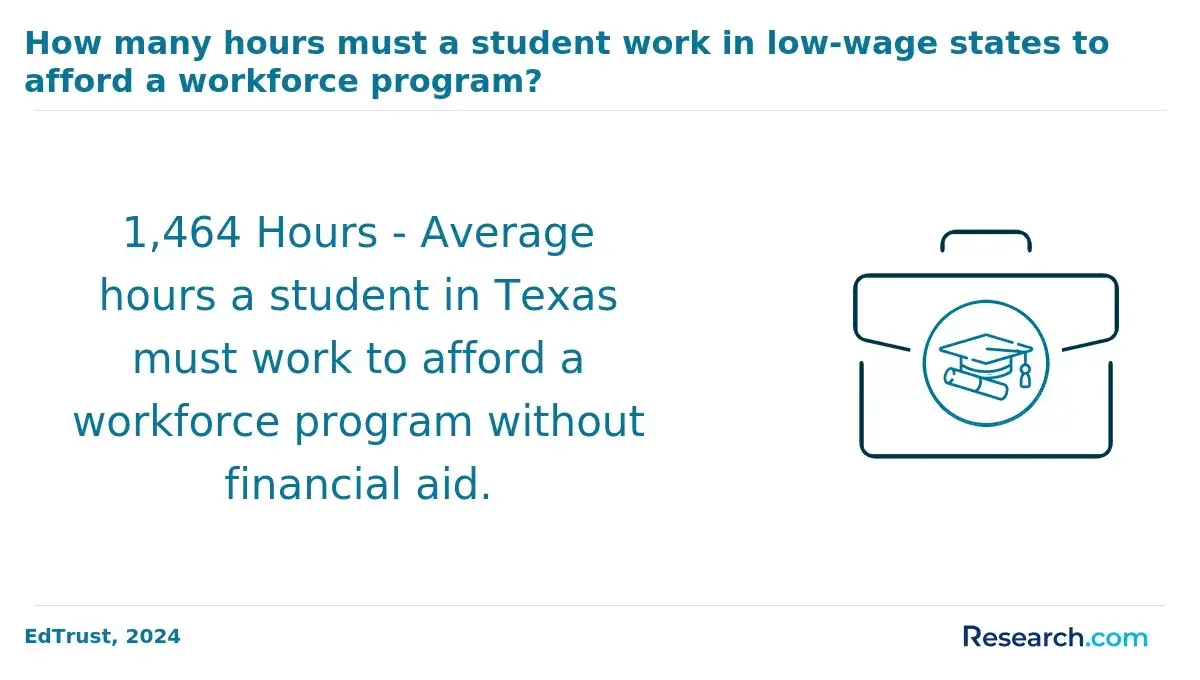
There is no single Minneapolis-resident price. Online universities may use a common online tuition rate, while others vary charges by residency, course load, or term. Published tuition can also change before enrollment; obtain a current, individualized estimate rather than relying on a comparison-page figure.
For an accurate comparison, calculate credits required × tuition per credit, then add mandatory university and program fees, background checks or other placement expenses, books, and any required travel or lodging. Ask whether internship courses carry regular tuition and whether part-time enrollment changes the total. An out-of-state program that appears cheaper per credit may cost more if it requires repeated campus visits. Budget-friendly CACREP-accredited counseling options explained can help build a shortlist, but verify each school's current charges and Minnesota suitability yourself.
Which Clinical Mental Health Counseling Specializations Are Most Relevant to Careers in Minneapolis, MN?
Choose a concentration by the clients and setting you hope to serve, not by the appeal of its title. Training in substance-use counseling, trauma-informed care, child and adolescent counseling, or integrated behavioral health may be relevant to Minneapolis-area providers. However, a concentration is not a separate Minnesota license, and an elective cannot substitute for required core coursework.
Compare specific electives, faculty expertise, and available clinical sites. For example, an applicant interested in integrated care should ask whether the curriculum covers collaboration with medical teams and whether a suitable placement is feasible. A program with a compelling specialty but no realistic qualifying placement may be a worse fit than a broader program with stronger local clinical support.
What Do Mental Health Employers in Minneapolis, MN Look for in Clinical Counseling Graduates?
Requirements depend on the position, but Minneapolis employers commonly need applicants who can document the appropriate license or supervision status, provide clinical services within their scope, maintain records, and work with clients from varied backgrounds. A job advertised for an LPCC should not be treated as an entry-level position open solely because an applicant has finished a master's degree.
Use current Minneapolis job descriptions as a curriculum check: note recurring requirements for assessment, treatment planning, crisis response, electronic records, or interdisciplinary work, then ask programs where those skills are taught and practiced. For telehealth positions, also check where clients are located; an employer's Minneapolis address does not remove licensing rules that apply where a client receives care.
Should Minneapolis, MN Residents Choose an Online or Campus-Based Clinical Mental Health Counseling Master's Program?
Online study may suit a working resident who needs to attend classes from home, while a campus-based option may offer a more convenient route to in-person faculty contact or an established local placement network. Neither format makes clinical training optional. A hybrid or limited-residency program can combine remote coursework with scheduled travel, so "online" should never be read as "no campus visits."
The comparison below describes delivery trade-offs, not a ranking of Minneapolis institutions. Actual schedules and placement assistance vary by program.
| Format | Potential advantage for a Minneapolis resident | Constraint to verify |
| Online coursework | Less routine travel for classes | Local placement approval and any synchronous meetings |
| Hybrid or limited residency | Some face-to-face skills training | Frequency, location, and cost of required visits |
| Campus-based in Minneapolis | Regular in-person access to classes and faculty | Class commute, schedule, and whether the specific degree meets LPCC requirements |
Part-time pacing can improve work-life fit but may delay the degree and subsequent supervised practice. For scheduling questions to raise with schools, see understanding time to complete a mental health counseling master's.
How Should Minneapolis, MN Residents Choose an Online Clinical Mental Health Counseling Master's Program for Licensure?
Start with a shortlist that distinguishes the institution's location from where you will study and train. Capella University and Walden University are associated with Minneapolis and offer online clinical mental health counseling master's options; that does not mean a student attends counseling classes at a Minneapolis campus. The University of North Dakota is an example of an institution outside Minnesota to investigate as an online alternative. Confirm each specific program's current format, admissions eligibility, accreditation status, and Minnesota licensure disclosure before treating it as an option.
The comparison highlights the geographic question each example raises; it does not rank the programs or assert that their current offerings have identical features.
| Institution to investigate | Institutional location distinction | Key check for a Minneapolis resident |
| Capella University | Minneapolis-associated institution; online study is distinct from campus attendance | Current program-specific CACREP status, required residencies, and local placement support |
| Walden University | Minneapolis-associated institution; confirm any physical instructional location | Minnesota LPCC disclosure, clinical-site approval, and full program cost |
| University of North Dakota | Institution outside Minnesota; online availability is not a Minneapolis campus | Current online track, Minnesota enrollment eligibility, and licensure alignment |
Use the same decision process for at least two or three programs. This prevents a low advertised tuition rate or a familiar institution name from overshadowing a licensure or placement problem.
- Tell each program that you reside in Minnesota and intend to seek Minnesota LPCC licensure; request its current written licensure disclosure and course plan.
- Confirm institutional accreditation, the specific program's CACREP status if relevant to your goals, online enrollment eligibility, and any transfer-credit policy.
- Request written details on practicum and internship sites, supervision, required campus visits, and who secures placements near Minneapolis.
- Compare total estimated costs and realistic full-time or part-time schedules, then resolve any uncertain licensure requirement with the Minnesota board before enrolling.
Admissions requirements may include prior coursework, recommendations, and interviews; they differ by school. Use clinical counseling application requirements to prepare questions, then follow each program's current instructions.
Other Things You Should Know About Clinical Mental Health Counseling
Often, yes. Programs set their own prerequisites and may accept applicants from other majors. Check whether any foundational courses must be completed before admission or during the degree.
Eligible students at eligible institutions may qualify for federal graduate aid. Confirm the specific program's aid eligibility, enrollment requirements, and borrowing terms with its financial aid office; availability of loans does not make a program affordable.
No. LPCC and psychologist are distinct Minnesota credentials with different education and licensing pathways. Choose a program according to the professional role you actually intend to pursue.
No. Licensure requirements can depend on the client's location. Before offering interstate telehealth, check the other state's rules and any applicable authorization rather than assuming a Minnesota license is sufficient.
References
- CTE Work-Based Learning - MDE https://education.mn.gov/MDE/dse/cte/prog/wbl/
- Are You Eligible? | MN Office of Higher Education https://ohe.mn.gov/paying-college/how-apply-financial-aid/are-you-eligible
- Integrated Behavioral Health FAQ | UMN CCAPS https://ccaps.umn.edu/integrated-behavioral-health-masters-degree/faq
- Clinical Mental Health Counseling MS | keiseruniversity.edu https://www.keiseruniversity.edu/programs/psychology/masters-clinical-mental-health-counseling/
- CACREP Accreditation - Counselor Education | Liberty University https://www.liberty.edu/behavioral-sciences/counselor-ed/cacrep-accreditation/
- Tuition and Expenses | M State https://www.minnesota.edu/tuition-and-expenses
- Cost of Attendance | Office of Admissions https://admissions.tc.umn.edu/cost-aid/cost-aid-scholarships/cost-attendance
- Master of Science in Clinical Mental Health Counseling | NU https://www.nu.edu/degrees/jfk-social-sciences/programs/master-of-science-in-clinical-mental-health-counseling/
- Co-occurring Disorders Recovery Counseling (Combined BS + MS) Accelerated Pathway | Metro State University https://www.metrostate.edu/academics/programs/codrc-accelerated
- Master's in Clinical Mental Health Counseling (MS) | Commonwealth University https://www.commonwealthu.edu/academics/programs/clinical-mental-health-counseling-ms