2027 Best Online Child Development Education Doctorate Programs for Nonprofit, Policy, and Community Leadership Careers

Co-Founder and Chief Data Scientist
Choosing an online child development education doctorate is a leadership investment, not just an academic milestone. Recent Independent Sector analysis places the U.S. nonprofit workforce at about 12.8 million workers, making mission-driven leadership a large and competitive career arena.
This guide is for educators, program directors, policy advocates, and community leaders comparing online doctoral options. You will learn how to judge program quality, specialization fit, cost, accreditation, curriculum, applied learning, and career alignment so you can choose a doctorate that supports your nonprofit, policy, or community leadership goals.
Key Things You Should Know
- The strongest online child development education doctorate for nonprofit, policy, or community leadership is usually an accredited EdD or applied doctorate with coursework in child development, organizational leadership, program evaluation, equity, family systems, and education policy.
- Labor-market fit matters: the BLS reported a May 2024 median wage of $78,240 for social and community service managers, with faster-than-average projected growth, but ROI depends heavily on tuition, employer support, and whether the program connects to senior leadership roles.
- Before enrolling, verify institutional accreditation, total program cost, dissertation or capstone expectations, residency requirements, faculty expertise, and whether the program's fieldwork can be completed in nonprofit, policy, early childhood, or community-based settings.
Which Online Child Development Education Doctorate Programs Are Best for Nonprofit, Policy, and Community Leadership?
The best online child development education doctorate is the one whose structure matches your intended leadership setting. A nonprofit executive director, a state early childhood policy analyst, and a community coalition leader may all work with children and families, but they need different doctoral training, evidence skills, and professional networks.
Use the comparison below to identify the type of online doctorate that usually fits each career direction. The table focuses on program design rather than school rankings because program fit often matters more than brand name for working professionals.
| Program type | Best fit | Look for | Watch out for |
| Online EdD in education leadership with child development or early childhood emphasis | Nonprofit directors, early childhood administrators, school-community partnership leaders | Applied research, organizational change, family engagement, equity-centered leadership, program evaluation | Programs that discuss leadership generally but offer little child or family systems content |
| Online EdD in early childhood education or child development | Professionals leading early learning systems, Head Start partnerships, child advocacy organizations, curriculum initiatives | Developmental science, early intervention, inclusive practice, family policy, administration | Programs focused mainly on classroom practice if your goal is policy or executive leadership |
| Online PhD in education, human development, or child development | Research, policy analysis, higher education teaching, think tanks, evaluation firms | Research design, statistics, publication expectations, dissertation mentorship, policy research | Programs that require intensive research commitments that may not fit full-time workers |
| Online doctorate in educational policy, leadership, or organizational change | Policy advocates, agency leaders, cross-sector coalition managers | Policy analysis, public finance, systems leadership, community engagement, data-informed decision-making | Programs with minimal child development coursework unless you already have deep content expertise |
A good short list should include programs that can answer three questions clearly: how the doctorate addresses child development, how it prepares leaders beyond the classroom, and how students complete applied research in real organizations. If a program cannot explain those connections, it may still be a quality doctorate, but it may not be the best match for nonprofit, policy, or community leadership.
Common red flags include vague concentration names, no recent faculty work in child or family policy, unclear online residency requirements, and capstone projects that cannot be completed in your workplace or community setting.
Which Child Development Education Doctorate Specializations Best Align With Nonprofit, Policy, and Community Leadership?
Specialization choice is one of the most important decisions because it shapes your coursework, doctoral project, faculty mentorship, and professional identity. For leadership careers, the best specialization is not always the most child-focused; it is the one that connects child development knowledge to systems-level decisions.
The table below summarizes common specialization paths and how they map to nonprofit, policy, and community leadership goals.
| Specialization | Best leadership alignment | Skills developed | When it may not fit |
| Early childhood education leadership | Early learning nonprofits, preschool systems, Head Start partnerships, childcare quality initiatives | Program administration, quality improvement, family engagement, early learning policy | If your main goal is macro-level public policy rather than program leadership |
| Child and adolescent development | Youth-serving nonprofits, family support organizations, prevention programs, child advocacy groups | Developmental theory, youth programming, trauma-informed practice, family systems | If the program lacks leadership, finance, or organizational strategy coursework |
| Education policy and advocacy | Policy organizations, state agencies, legislative advocacy, think tanks | Policy analysis, research translation, public systems, equity evaluation | If you want direct oversight of community programs rather than policy research |
| Community leadership or community engagement | Coalitions, foundations, neighborhood initiatives, cross-sector partnerships | Stakeholder facilitation, participatory research, community needs assessment, systems change | If the curriculum is too broad and lacks child development depth |
| Special education, inclusion, or early intervention | Disability nonprofits, inclusive early learning systems, intervention agencies | Inclusive policy, intervention models, family advocacy, compliance awareness | If you need broad nonprofit management preparation and not a disability-focused pathway |
Applicants coming from counseling, psychology, youth work, or family services may also compare doctoral options with child psychology master's programs if they need additional developmental or behavioral science preparation before pursuing a doctorate. This can be especially useful for professionals whose master's degree was in administration, public policy, or a general education field.
A practical way to choose is to match the specialization to the decisions you want to make after graduation. If you want to manage programs, choose a leadership-heavy route. If you want to influence legislation or public funding, choose policy and research. If you want to convene schools, agencies, families, and nonprofits, choose community leadership or systems change.
What Curriculum Should a Child Development Education Doctorate Offer for Mission-Driven Leadership?
A strong doctorate for mission-driven child development leadership should teach students how to turn research into better programs, policies, and community partnerships. The curriculum should go beyond child development theory and include leadership tools that help graduates manage people, budgets, evidence, and public accountability.
When comparing curricula, look for a balance across these areas because each one supports a different leadership responsibility.
- Advanced child development and learning: cognitive, social, emotional, language, and family influences across early childhood and adolescence.
- Equity and inclusion: culturally responsive leadership, disability inclusion, poverty, trauma, language access, and family engagement.
- Organizational leadership: strategic planning, change management, supervision, governance, ethics, and nonprofit or public-sector leadership.
- Program evaluation: needs assessment, logic models, outcome measurement, implementation science, and continuous improvement.
- Policy and systems: early childhood systems, education law, public finance, advocacy, interagency collaboration, and data-informed policy decisions.
- Research methods: qualitative, quantitative, mixed-methods, statistics, survey design, and applied inquiry for real-world settings.
- Communication and influence: grant writing, policy briefs, board communication, public presentations, and research translation.
Instructional technology is also becoming more important because many child- and family-serving organizations use digital learning platforms, data dashboards, and remote family engagement tools. Professionals interested in the learning design side of leadership may find it useful to compare related pathways such as the best online instructional design master's programs before deciding whether a doctorate is the next best credential.
A useful curriculum test is to review the required courses and ask, "Would these assignments help me solve a real problem in my organization?" Strong programs often allow students to build a dissertation, capstone, or applied project around issues such as kindergarten readiness, youth mental health partnerships, family engagement, early intervention access, workforce retention, or policy implementation.
For nonprofit, policy, and community leadership careers, the applied-versus-research decision is central. An EdD is often built for practitioners who want to lead change in organizations, while a PhD is usually built for original scholarship, academic research, and advanced policy analysis. Both can support leadership, but they train students to use evidence differently.
The comparison below shows how the two doctorate styles usually differ. Individual programs vary, so use this as a starting point rather than a fixed rule.
| Decision factor | Applied doctorate or EdD | Research-focused doctorate or PhD |
| Primary purpose | Improve practice, lead organizations, solve field-based problems | Produce original research, build theory, teach or conduct high-level analysis |
| Best for | Nonprofit executives, program directors, school-community leaders, agency administrators | Policy researchers, faculty candidates, think tank analysts, evaluation researchers |
| Final project | Applied dissertation, capstone, problem of practice, or organizational improvement project | Traditional dissertation with original research contribution |
| Research intensity | Moderate to strong, usually practice-focused | High, with deeper methods and theory expectations |
| Work compatibility | Often designed for working professionals | May require more research time, intensive mentorship, or campus engagement |
Choose an applied doctorate if your goal is to lead a nonprofit, improve a community program, manage an early childhood system, or guide organizational change. Choose a research-focused doctorate if your goal is to publish, teach in higher education, conduct rigorous policy research, or become a principal investigator on child development studies.
Some working professionals also consider accelerated options, including 1 year EdD programs online. Fast timelines can be attractive, but they deserve careful scrutiny: verify accreditation, dissertation expectations, workload, transfer-credit policies, and whether the pace leaves enough time for meaningful applied research.
Accreditation is a nonnegotiable quality check. At minimum, an online child development education doctorate should be offered by an institution accredited by a recognized institutional accreditor listed by the U.S. Department of Education or the Council for Higher Education Accreditation. Institutional accreditation affects federal financial aid eligibility, transferability, employer recognition, and general credibility.
Programmatic accreditation is less uniform for doctoral programs in child development education than it is for fields such as counseling, psychology, nursing, or school psychology. That means applicants should focus on whether the school is institutionally accredited and whether the program's professional alignment fits their career path.
Use this accreditation review process before applying because it can prevent costly enrollment mistakes.
- Search the institution in the U.S. Department of Education's Database of Accredited Postsecondary Institutions and Programs.
- Confirm that the doctorate itself is offered by the accredited institution, not only through an affiliated continuing education partner.
- Ask whether the online format, doctoral concentration, and any branch campus or distance education delivery are covered by the institution's accreditation.
- For licensure-adjacent careers, ask the program and your state board whether the doctorate meets any required education standards.
- Review employer expectations in your target sector, especially if you want to work in public agencies, universities, school systems, or grant-funded leadership roles.
If your work overlaps with school-based assessment or mental health services, accreditation expectations may be different from those for education leadership. For example, applicants considering school-based psychological practice should separately review school psychology programs online accredited by NASP because school psychology preparation follows distinct professional standards.
A major red flag is a school that avoids direct answers about accreditation or pressures applicants to enroll before they verify recognition. Another is a doctoral title that sounds child-development focused but has no faculty, coursework, or fieldwork tied to children, families, education systems, or community services.
Online doctorate formats vary widely. Some programs are fully online, while others include weekend intensives, summer institutes, synchronous seminars, internships, or required campus residencies. These differences affect cost, scheduling, networking, and how easily you can continue working full time.
The table below explains common format features and why they matter for working professionals in nonprofit, policy, and community leadership roles.
| Format feature | What it means | Best fit | Key question to ask |
| Asynchronous courses | Students complete weekly work on their own schedule | Professionals with unpredictable agency, school, or nonprofit workloads | How much live participation is still required? |
| Synchronous online courses | Students attend live virtual class meetings | Learners who want discussion, cohort connection, and direct faculty access | Are meeting times compatible with your work and time zone? |
| Campus or virtual residencies | Short intensive sessions for advising, research, networking, or presentations | Students who value cohort-building and faculty interaction | What are the travel, lodging, and missed-work costs? |
| Embedded fieldwork | Students complete projects in a professional setting | Nonprofit, policy, and community leaders who can use their workplace as a project site | Can your current organization satisfy fieldwork expectations? |
| Cohort model | Students progress through courses together | Professionals who want peer networks and structured pacing | What happens if you need to pause or reduce your course load? |
Experiential learning is especially important for mission-driven leadership. A strong online program should let you apply doctoral work to real problems such as evaluating a family literacy program, improving early childhood workforce retention, analyzing childcare access, designing trauma-informed youth services, or building a school-community partnership.
Before enrolling, ask for a sample program calendar. Many applicants focus on "online" and overlook residencies, synchronous class times, internship hours, or summer requirements that can create scheduling conflicts later.
Admissions requirements vary, but most online child development education doctorate programs are designed for applicants who already have graduate-level preparation and professional experience. Competitive applicants usually show a clear connection between their past work, doctoral research interests, and future leadership goals.
Expect to prepare several materials that help admissions committees judge academic readiness and leadership fit.
- Master's degree from an accredited institution, often in education, child development, psychology, social work, public policy, human services, or a related field.
- Official transcripts showing graduate-level performance, some programs set a minimum GPA, while others review applicants holistically.
- Professional resume showing leadership, teaching, program management, advocacy, research, or community engagement experience.
- Statement of purpose connecting your doctoral goals to children, families, education systems, nonprofits, policy, or community leadership.
- Writing sample, research proposal, or scholarly paper demonstrating readiness for doctoral-level analysis.
- Letters of recommendation from supervisors, faculty, executives, or community partners who can speak to leadership potential.
- Interview with faculty or admissions staff, especially in cohort-based or dissertation-intensive programs.
Some programs no longer require GRE scores, reflecting a broader shift toward holistic doctoral admissions. However, test-optional does not mean easy admission. Strong applicants still need a focused problem of practice, evidence of writing ability, and a realistic understanding of doctoral workload.
Applicants should avoid applying with a generic goal such as "I want to help children." A stronger statement explains the specific system you want to improve, the population you serve, the leadership role you are preparing for, and the kind of doctoral project you might pursue.
Cost is one of the biggest differences among online doctorate programs. Tuition may be charged per credit, per term, or by program, and the advertised rate often excludes fees, books, travel for residencies, technology costs, dissertation continuation credits, and lost income from reduced work hours.
Use published tuition and fee schedules to calculate the full cost before comparing programs. National education data can provide context: NCES graduate pricing data published in recent federal tables shows that graduate tuition and required fees are generally lower at public institutions than at private nonprofit institutions, but online doctoral pricing varies substantially by school and residency status.
- Per-credit tuition: multiply the tuition rate by the total required doctoral credits, including dissertation or capstone credits.
- University fees: include technology, online learning, student services, graduation, and course-specific fees.
- Residency costs: include travel, lodging, meals, parking, childcare, and missed work if in-person attendance is required.
- Dissertation or capstone continuation: ask what happens financially if your final project takes longer than planned.
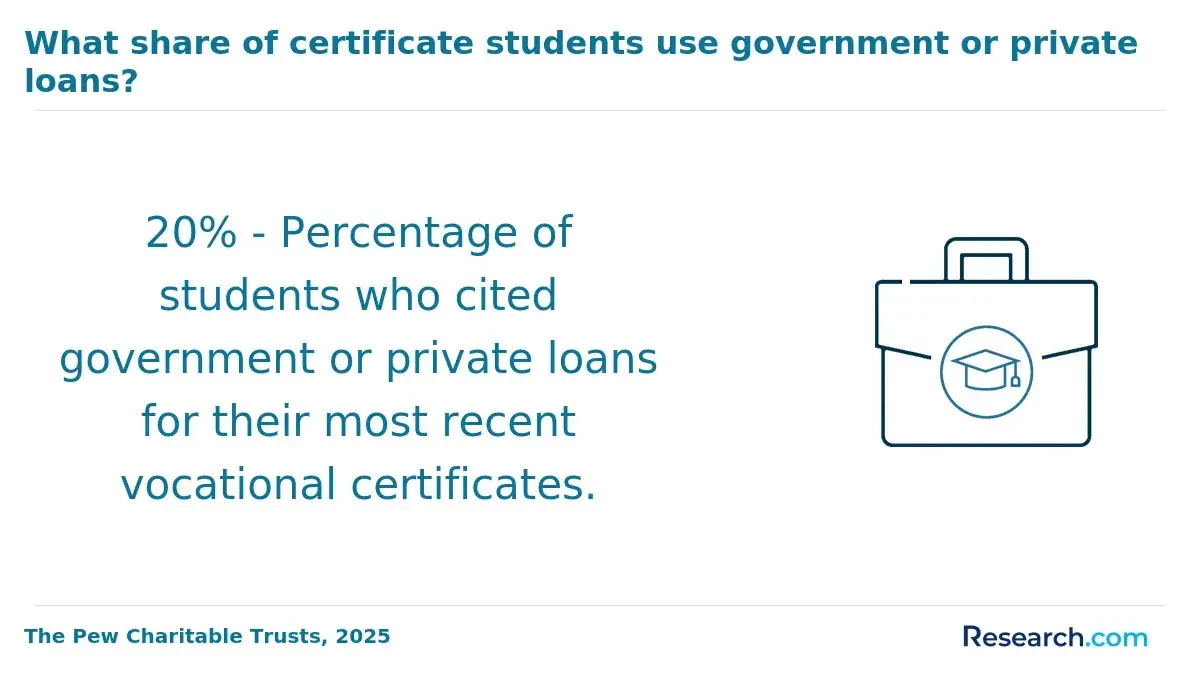
- Federal graduate loans: the annual Direct Unsubsidized Loan limit for eligible graduate students is $20,500, while Grad PLUS loans may cover additional eligible costs after credit approval.
- Employer support: nonprofit, school district, public agency, and university employers may offer tuition assistance, professional development funds, or paid research partnerships.
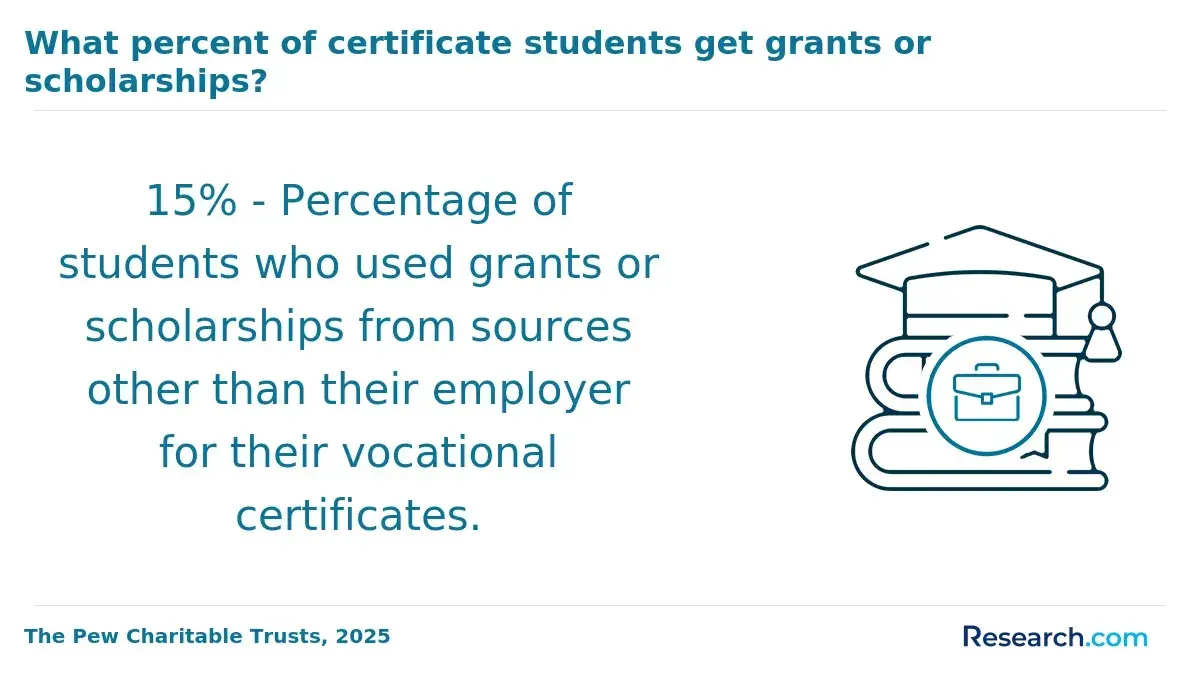
Funding options often include federal aid, employer reimbursement, graduate assistantships, scholarships, military or public-service benefits, payment plans, and grants tied to early childhood or community development work. For nonprofit and public-sector professionals, Public Service Loan Forgiveness may be relevant if the borrower, loan type, repayment plan, and employer meet federal requirements.
The most common mistake is choosing the lowest tuition without checking total completion cost. A cheaper program can become expensive if it requires multiple residencies, has limited advising, or causes delays in the dissertation stage. A higher-priced program may be worth considering if it offers stronger mentorship, better applied project support, employer recognition, or a network directly connected to your target sector.
Faculty and networks can make a major difference in doctoral value, especially for students pursuing leadership rather than a credential alone. The strongest programs connect students with faculty who study child development, family systems, early childhood policy, community engagement, equity, nonprofit leadership, program evaluation, or education systems change.
When reviewing faculty pages and program materials, look for evidence that the program's people and partnerships match your professional goals.
- Faculty publications or projects related to children, families, early learning, child welfare, youth development, disability inclusion, or education policy.
- Experience with applied research, community-based participatory research, program evaluation, or public-sector partnerships.
- Advising structure that assigns doctoral mentors early, not only after coursework is complete.
- Partnerships with schools, nonprofits, agencies, foundations, advocacy groups, or research centers.
- Opportunities to present at conferences, publish practitioner briefs, join research teams, or participate in policy-focused projects.
- Alumni working in roles similar to your goal, such as executive director, program officer, policy director, early childhood systems leader, or evaluation consultant.
Ask admissions advisors how often online doctoral students interact with faculty outside class. Strong answers include structured advising, research seminars, dissertation workshops, virtual office hours, alumni panels, and community project opportunities. Weak answers focus only on course delivery and do not explain mentorship.
Networking should also be sector-specific. A general education leadership network may be useful, but a student aiming for child advocacy or community systems leadership should look for peers and alumni working in nonprofits, public agencies, foundations, coalitions, or child-serving organizations.
How Should You Evaluate Career Outcomes and ROI When Choosing an Online Child Development Education Doctorate?
ROI for an online child development education doctorate should be evaluated as a combination of career mobility, leadership credibility, salary potential, mission impact, and total cost. It should not be reduced to a simple salary promise because nonprofit, policy, and community roles vary widely by employer size, region, funding source, and seniority.
BLS wage data can provide a baseline. For example, the BLS reported a May 2024 median wage of $78,240 for social and community service managers, a category that includes many nonprofit and community program leadership roles. That figure does not represent doctorate-only salaries, but it helps applicants compare tuition against the broader compensation environment for mission-driven management work.
Use this sequence to evaluate ROI before making a final enrollment decision.
- Define your target role clearly, such as nonprofit executive director, early childhood policy director, community partnership leader, foundation program officer, evaluation director, or higher education faculty member.
- Check job postings for that role and identify whether a doctorate is required, preferred, or simply valued alongside experience.
- Calculate total program cost, including tuition, fees, residency travel, books, technology, and dissertation extension risk.
- Estimate opportunity cost, including time away from paid consulting, overtime, leadership duties, or family obligations.
- Compare curriculum and faculty expertise with the skills your target jobs request, such as grant strategy, policy analysis, evaluation, budgeting, supervision, or systems leadership.
- Ask the program for alumni outcomes, dissertation titles, employer examples, completion support, and typical time to degree.
- Choose the program that offers the strongest fit at a cost and pace you can sustain, rather than the program with the most impressive marketing language.
A doctorate may offer strong ROI when it helps you move into senior leadership, qualify for policy or research roles, strengthen grant competitiveness, teach at the college level, or lead large-scale systems change. It may offer weaker ROI if your target role values licensure, direct service credentials, or management experience more than doctoral education.
The best final test is practical: if the program's coursework, faculty, project model, and network all connect to the leadership problem you want to solve, it is more likely to be a sound investment. If you are only choosing it for the title, pause and compare alternatives.
Other Things You Should Know About Child Development Education
Many online EdD programs are designed for working professionals, but "online" does not always mean flexible. Check weekly workload, live class times, residency requirements, and dissertation expectations before assuming a full-time job is manageable.
Usually not, unless the role is tied to a school system or a position that specifically requires educator licensure. Policy, nonprofit, advocacy, and community leadership jobs more often emphasize graduate education, leadership experience, evaluation skills, and knowledge of child-serving systems.
A capstone or applied dissertation is often a better fit if you want to solve a real organizational or community problem. A traditional dissertation may be better if you want research, faculty, or policy analysis roles that require deeper scholarly training.
Look beyond mission statements. Review required courses, faculty projects, student dissertation topics, community partnerships, and whether students learn participatory research, culturally responsive leadership, family engagement, and policy analysis.
- Scholarships for Doctor of Education (EdD) Students | Teach.com https://teach.com/online-ed/education-degrees/online-edd-programs/scholarships/
- Minority Doctoral Students: Scholarships & Financing for Your PhD https://www.phds.me/financial-aid/scholarships-and-grants/minority-students/
- Non-Profit Careers 101 https://cdo.pomona.edu/resources/non-profit-careers-101/
- Master of Arts in Early Childhood Policy and Leadership https://earlychildhoodny.org/cdsc/master-of-arts-in-early-childhood-policy-and-leadership.php
- The Rewards of a Doctorate in Early Childhood Education - Graduate Programs for Educators https://www.graduateprogram.org/blog/the-rewards-of-a-doctorate-in-early-childhood-education/
- Online Ed.D. in Early Childhood Education | Doctorate in ECE Online https://www.pacificoaks.edu/academic-programs/edd-in-early-childhood-education/
- PhD in Infant and Early Childhood Development https://www.fielding.edu/school-of-psychology/phd-in-infant-and-early-childhood-development/
- Careers in Non-Profits: Jobs with Purpose & Social Impact https://wmsfranklinfoundation.org/exploring-careers-in-non-profit-organizations/
- 2025 Most Affordable Online Master's Degrees in Child Development https://www.onlineu.com/most-affordable-colleges/child-development-masters-degrees
- The Best Ed.D. in Early Childhood Education Programs of 2025 https://www.eddprograms.org/schools/early-childhood-education/