2027 Best Online Child Development Education Doctorate Programs for Government and Public Sector Careers

Co-Founder and Chief Data Scientist
Choosing an online Child Development Education doctorate is a career investment, not just an academic decision. BLS projects employment for social and community service managers to grow 8% from 2023 to 2033, faster than average, reflecting continued demand for leaders in child, family, education, and public programs.
This guide is for working public servants, educators, nonprofit leaders, and policy professionals comparing doctoral options. You will learn how accreditation, cost, online flexibility, curriculum, dissertation format, and government career alignment affect whether a program fits your goals.
Key Things You Should Know
- The strongest online Child Development Education doctorate programs for government careers are regionally accredited, built around applied research or policy problems, and clearly connected to early childhood systems, family services, special education, child welfare, or education leadership.
- Cost matters: NCES graduate tuition data released in 2024 shows average annual graduate tuition and fees of $12,596 at public institutions and $29,931 at private nonprofit institutions for 2022-23, before program fees, travel, and living costs.
- Public sector outcomes vary by role: BLS May 2024 data reports median pay of $78,240 for social and community service managers, $74,720 for instructional coordinators, and $104,070 for K-12 education administrators, but a doctorate supports eligibility and competitiveness rather than guaranteeing advancement.
What Are the Best Online Child Development Education Doctorate Programs for Government and Public Sector Careers?
The best online Child Development Education doctorate is usually not the program with the flashiest title. It is the program whose accreditation, curriculum, faculty expertise, field-based research model, and professional network match the public sector role you want next.
Because "Child Development Education doctorate" can describe several related doctoral paths, prospective students should compare programs by fit rather than assuming all doctorates lead to the same outcomes. Common options include an EdD in Early Childhood Education, an EdD in Educational Leadership with an early childhood or family policy focus, a PhD in Human Development and Family Studies, and a doctorate in Curriculum and Instruction with early learning or child development coursework.
The table below summarizes the strongest program types for different government and public sector goals. Use it as a decision filter before you compare individual schools.
| Program type | Best public sector fit | Typical strengths | Watch for |
| EdD in Early Childhood Education or Child Development Education | State early learning offices, Head Start administration, local education agencies, public pre-K leadership | Applied research, program evaluation, leadership practice, family engagement, early learning systems | Some programs focus more on classroom leadership than policy or administration |
| EdD in Educational Leadership with early childhood electives | School district administration, state education agency leadership, public program management | Organizational leadership, finance, equity, systems improvement, personnel supervision | Child development content may be limited unless electives or dissertation topics are flexible |
| PhD in Human Development, Family Science, or Child Development | Government research, policy analysis, evaluation units, university-connected public research centers | Research design, statistical analysis, developmental theory, longitudinal study methods | May require more research intensity and longer completion time than a professional doctorate |
| Doctorate in Curriculum and Instruction with early childhood focus | Instructional leadership, public curriculum agencies, professional development systems | Learning design, curriculum evaluation, teacher development, assessment literacy | Less direct preparation for child welfare, family services, or health-related public roles |
For most working public sector professionals, an EdD is the better fit when the goal is leadership, implementation, program improvement, or executive advancement. A PhD is usually stronger when the goal is research, policy analysis, academic employment, or evaluation leadership.
Students seeking the shortest possible doctoral route should be especially careful: some 1-year EdD programs online may be attractive for speed, but public sector professionals still need to confirm dissertation expectations, accreditation, workload, and employer recognition.
A strong "best-fit" program will usually show evidence of five qualities. These qualities matter more than marketing claims because government employers often evaluate credentials through accreditation, relevance, demonstrated expertise, and experience.
- Institutional accreditation: The university should be accredited by a recognized regional or national institutional accreditor listed by the U.S. Department of Education or CHEA.
- Public sector curriculum: Coursework should include policy, leadership, program evaluation, child development theory, family systems, equity, data use, and organizational change.
- Applied doctoral project or dissertation flexibility: Students should be able to study a real government, district, nonprofit, or community problem.
- Faculty relevance: Faculty should have research or leadership experience in early childhood systems, public education, child welfare, family services, special education, or public policy.
- Working-professional design: The online format should offer predictable schedules, part-time pacing, remote advising, and clear residency expectations.
The best choice is often the program that lets you use your current workplace as a research setting, build evidence for a policy or program improvement, and graduate with a portfolio that is meaningful to public agencies.
How Should You Compare Online Child Development Education Doctorate Programs for Your Public Sector Career Goals?
Start with the job you want, not the degree title. Public sector child development work includes policy, administration, evaluation, education leadership, family services, disability services, and community program oversight, so the "right" doctorate depends on the function you want to perform.
A practical comparison process should separate must-have requirements from nice-to-have features. This prevents two common mistakes: choosing the cheapest program without career fit, or choosing the most prestigious-sounding program without checking whether it supports working professionals.
- Define your target role: Identify whether you are aiming for government leadership, district administration, policy analysis, program evaluation, research, advocacy, or higher education.
- Match the doctorate type to that role: Choose an EdD for applied leadership and systems change, or a PhD for research-heavy and policy-analysis roles.
- Verify accreditation before reviewing curriculum: A strong curriculum cannot offset weak or unrecognized institutional accreditation.
- Compare total program cost: Include tuition, fees, books, dissertation continuation fees, technology fees, travel for residencies, and potential income disruption.
- Review doctoral project requirements: Ask whether you can study a public agency, school district, early childhood system, or community program relevant to your career.
- Assess faculty and networks: Look for faculty publications, public agency partnerships, alumni roles, and practicum or capstone connections.
- Check flexibility honestly: Confirm synchronous class times, residency dates, course load, comprehensive exam timing, and dissertation milestones.
The table below shows how different career goals should change your program priorities. This is especially useful if you are comparing programs that appear similar on cost and format.
| Career goal | Program features to prioritize | Less important features | Best-fit doctorate |
| State early childhood policy leadership | Policy analysis, finance, data systems, program evaluation, equity coursework | Classroom teaching methods as the central focus | EdD in Early Childhood Education or Education Leadership |
| Government research or evaluation | Advanced statistics, qualitative methods, research design, child development theory | Accelerated pacing without deep methodology | PhD or research-intensive EdD |
| School district or local education administration | Leadership, supervision, school law, curriculum systems, special education policy | Broad family science courses with little education administration content | EdD in Educational Leadership or Curriculum and Instruction |
| Nonprofit or public agency executive leadership | Strategic planning, grant management, community partnerships, outcomes assessment | Highly theoretical dissertation topics disconnected from practice | Applied EdD |
| Higher education teaching or faculty research | Research methods, publication opportunities, teaching experience, dissertation rigor | Purely administrative capstones | PhD or dissertation-based EdD |
Also consider whether a doctorate is necessary now. A master's degree may be the better next step if you need a credential for counseling-adjacent work, child development expertise, or program coordination before moving into executive leadership. For example, students still building subject-matter depth may want to compare child psychology master's programs before committing to a doctorate.
Red flags include unclear accreditation language, no published dissertation or capstone expectations, vague tuition pages, limited faculty information, and admissions teams that cannot explain how graduates use the degree in public sector settings. A program does not need to be famous to be strong, but it should be transparent.
Are Online Child Development Education Doctorate Programs Accredited and Respected by Government Employers?
Online doctoral programs can be respected by government employers when they come from accredited institutions and provide rigorous preparation. Most public agencies care less about whether courses were online and more about whether the university is legitimate, the degree is relevant, and the applicant can show advanced leadership, research, policy, or evaluation skills.
The first accreditation checkpoint is institutional accreditation. Prospective students should verify the university in the U.S. Department of Education's Database of Accredited Postsecondary Institutions and Programs or through the Council for Higher Education Accreditation. Do not rely only on a school's marketing page.
Programmatic accreditation is more nuanced. Many child development, early childhood education, and educational leadership doctorates do not have a single required programmatic accreditor for all career paths. However, programmatic recognition can matter for certain professional lanes, especially if you plan to work in schools, psychology-adjacent services, counseling-adjacent environments, or licensure-connected roles.
Students comparing school-based pathways may also want to understand how school psychology programs online accredited by NASP differ from child development education doctorates, because NASP approval is tied to a different professional preparation route.
Use this accreditation checklist before applying. It helps separate legitimate online doctoral programs from credentials that may create problems in government hiring or promotion reviews.
- Confirm institutional accreditation: The accreditor should be recognized by the U.S. Department of Education or CHEA.
- Check state authorization: Online programs should be authorized to enroll students in your state, especially if fieldwork or licensure-related experiences are involved.
- Ask about licensure limitations: A child development education doctorate may not qualify you for school psychology, counseling, principal, or superintendent licensure unless the program is explicitly designed for that credential.
- Review employer tuition reimbursement rules: Public agencies may require accredited institutions, minimum grades, degree relevance, or preapproval.
- Document degree relevance: Keep syllabi, capstone descriptions, dissertation abstracts, and competency maps that show alignment with your job duties.
Respect also depends on how you present the degree. A doctorate completed online is strongest when paired with public sector experience, measurable project outcomes, policy writing, evaluation reports, grant leadership, or supervisory accomplishments.
Admission requirements vary by university, but online Child Development Education doctorate programs typically admit experienced professionals rather than recent bachelor's graduates. The strongest applicants usually show a clear connection between child development, education systems, family services, public administration, or community leadership.
Most programs ask for evidence that you can handle doctoral-level writing, research, and independent inquiry while maintaining professional responsibilities. Requirements often include the following materials.
- Master's degree: Common fields include education, early childhood education, child development, psychology, social work, public administration, family science, special education, curriculum and instruction, or a related area.
- Minimum GPA: Many programs set a graduate GPA minimum, often around 3.0, though competitive programs may expect stronger academic records.
- Professional experience: Applicants may need teaching, administration, program management, policy, nonprofit, child welfare, or public service experience.
- Statement of purpose: The essay should connect your doctoral goals to a public sector problem, such as early learning access, family engagement, developmental screening, equity, or program quality.
- Writing sample: Schools may request a research paper, policy memo, professional report, or scholarly writing sample.
- Recommendations: Letters should come from supervisors, faculty, or public sector leaders who can speak to your leadership and research potential.
- Resume or CV: Strong applications highlight grants, supervision, training, policy work, evaluation, community partnerships, and measurable program outcomes.
- Interview: Some programs use interviews to assess fit, readiness, research interests, and ability to complete an online doctorate.
GRE requirements are less common than they once were in many education doctorates, but policies vary. If a program is test-optional, applicants should not assume admission is easier; schools may place more weight on writing quality, professional experience, and research alignment.
Before applying, ask admissions advisors direct questions about fit. These questions help you avoid enrolling in a program that is academically sound but poorly matched to your government or public sector goals.
- Can doctoral projects or dissertations focus on a public agency, school district, Head Start program, child welfare initiative, or state early learning system?
- Are online students advised by faculty with public sector or child development policy expertise?
- How many students work full time while enrolled, and what course load is realistic?
- Are residencies required, and are dates published far enough in advance for government employees to request leave?
- Does the program support applied research methods, program evaluation, and data use in public agencies?
Applicants who are unsure about doctoral readiness should consider strengthening their research, writing, or subject-matter background first. A focused graduate certificate or master's-level coursework can sometimes be a better bridge than entering a doctorate before your goals are clear.
The most useful curriculum for government careers connects child development theory to systems-level decision-making. Public agencies need leaders who can interpret evidence, manage programs, evaluate outcomes, communicate with stakeholders, and implement policy across schools, families, providers, and communities.
A strong doctoral curriculum should include both content depth and public sector operating skills. The following areas are especially important for students who want to work in government or publicly funded systems.
- Child and adolescent development: Courses should cover cognitive, social, emotional, language, and family development across diverse populations.
- Early childhood systems and policy: Look for content on public pre-K, Head Start, childcare quality, funding streams, governance, and access.
- Program evaluation: Government leaders must know how to assess whether programs are working and how to report outcomes responsibly.
- Quantitative and qualitative research: Research skills help graduates interpret data, evaluate interventions, and support evidence-informed policy.
- Equity and inclusion: Coursework should address disability, poverty, race, language, rural access, family engagement, and culturally responsive systems.
- Leadership and organizational change: Public sector work requires managing people, budgets, regulations, partnerships, and political constraints.
- Grant writing and finance: Many child development initiatives depend on federal, state, local, and philanthropic funding.
- Law, ethics, and compliance: Students should understand privacy, mandated reporting, special education law, procurement, and accountability expectations where relevant.
Specializations should be selected based on the problems you want to solve. For example, early childhood policy is useful for state agency work, while curriculum and instruction may be better for district leadership.
Professionals responsible for digital learning, training systems, or statewide professional development may also benefit from comparing doctoral options with the skills emphasized in the best online instructional design master's programs, especially if their work involves online training for educators or providers.
The table below connects common specializations to public sector roles. It can help you avoid choosing an attractive concentration that does not support your intended career path.
| Specialization | Best aligned roles | Key skills developed |
| Early Childhood Education Leadership | Pre-K director, Head Start leader, early learning administrator, state program specialist | Program quality, family engagement, early learning standards, systems leadership |
| Child Development or Human Development | Policy analyst, research specialist, child welfare program evaluator, family services leader | Developmental theory, research interpretation, child and family outcomes analysis |
| Educational Leadership | District administrator, state education agency leader, public school program director | Supervision, finance, governance, strategic planning, school improvement |
| Special Education or Inclusive Education | IDEA program coordinator, disability services leader, district inclusion director | Compliance, inclusive systems, assessment, intervention planning, family rights |
| Curriculum and Instruction | Instructional coordinator, curriculum director, professional learning director | Curriculum design, assessment, instructional improvement, educator training |
| Policy, Advocacy, or Program Evaluation | Legislative analyst, agency evaluator, nonprofit policy director, public program manager | Policy analysis, data use, evaluation design, stakeholder communication |
Current public sector trends make data fluency especially important. Agencies are under pressure to show outcomes, allocate limited funding, and evaluate interventions across diverse communities. A program that teaches students to turn data into practical decisions will usually be more valuable than one that focuses only on theory.
Online doctoral formats vary widely. Some programs are almost fully asynchronous, while others require live evening classes, weekend intensives, summer residencies, or periodic campus visits. For working government employees, these details can determine whether the program is realistic.
Online learning is usually delivered through a learning management system with recorded lectures, readings, discussion boards, research assignments, group projects, and faculty advising. Synchronous sessions may be valuable because they support cohort relationships and live discussion, but they can be difficult for professionals with public meetings, legislative schedules, school calendars, or emergency response duties.
Residencies are not automatically a disadvantage. A short residency can help students build research plans, meet faculty, develop dissertation proposals, and network with peers. The problem is not residency itself; the problem is unclear residency timing, hidden travel costs, or requirements that conflict with full-time employment.
Students should compare dissertation and capstone models carefully. The table below explains the main differences and how each format connects to public sector goals.
| Doctoral requirement | What it usually involves | Best for | Potential drawback |
| Traditional dissertation | Original research with a formal proposal, literature review, methods chapter, findings, and defense | Research, policy analysis, evaluation leadership, higher education roles | Can take longer if the topic, data access, or committee feedback changes |
| Dissertation in practice | Applied inquiry focused on a real organizational problem | Public agency leadership, district improvement, program administration | May be less suitable for research-intensive academic careers |
| Capstone project | Practice-based project such as a program evaluation, intervention plan, policy analysis, or improvement initiative | Working professionals who want applied impact and a portfolio product | Some employers or academic roles may prefer a dissertation-based doctorate |
| Three-article dissertation | A set of publishable research papers connected by a common theme | Research-focused students and policy professionals who want publication experience | Requires strong writing discipline and faculty support |
Before enrolling, ask how students obtain data for dissertation or capstone work. Government agencies may have privacy rules, institutional review board requirements, data-sharing agreements, or political sensitivities. A good program will help students design ethical, feasible projects without risking their employment.
Common mistakes include choosing a program because it says "no dissertation" without understanding the capstone workload, assuming online means self-paced, and ignoring whether your employer will approve research involving agency data. The better approach is to request a sample program map and dissertation handbook before applying.
Most working professionals should expect an online Child Development Education doctorate to take about three to five years, depending on transfer credits, course load, dissertation progress, residency requirements, and whether the program uses a cohort model. Some accelerated programs may be shorter, while research-intensive PhD programs may take longer.
Time-to-completion is not just a convenience issue. It affects cost, motivation, family responsibilities, employer support, and opportunity cost. A faster program may reduce tuition exposure, but only if the pace is sustainable and the doctoral project remains rigorous.
The table below gives a practical comparison of common pacing options for full-time public sector employees.
| Enrollment pace | Typical fit | Advantages | Risks |
| Part time | Full-time government employees, school administrators, nonprofit leaders, parents or caregivers | More manageable workload, better integration with job-based projects | Longer completion time and possible continuation fees |
| Full time | Students with flexible jobs, fellowships, reduced work hours, or strong employer support | Faster progress and stronger immersion | Higher weekly workload and greater burnout risk |
| Accelerated cohort | Experienced professionals with a clear dissertation topic and stable schedule | Predictable sequence and shorter calendar time | Less flexibility if work or family demands change |
| Research-intensive PhD pace | Students aiming for research, policy analysis, or academic careers | Deeper methodology training and stronger research preparation | Longer timeline and more intensive dissertation expectations |
A realistic workload plan matters more than optimism. Doctoral students who work full time should ask programs how many hours per week students typically spend on coursework, how dissertation advising is structured, and whether milestones are built into required courses.
Use these steps to estimate whether a timeline is manageable before you enroll.
- Map required courses by term and note whether summers are required.
- Add residency dates, comprehensive exams, proposal deadlines, and dissertation defense windows.
- Ask your employer about tuition reimbursement, professional leave, flexible scheduling, or research approval.
- Identify your busiest work seasons, such as budget cycles, school openings, grant deadlines, or legislative sessions.
- Build a backup plan for delayed data access, committee revisions, family responsibilities, or job changes.
Students who want a public sector promotion quickly should also compare whether a graduate certificate, second master's degree, administrator credential, or targeted leadership training would produce a faster return. A doctorate is most appropriate when the next role requires advanced expertise, research capacity, or system-level leadership.
Doctoral costs vary by institution, residency requirements, credit count, and whether tuition is charged per credit or per term. NCES data released in 2024 reported average annual graduate tuition and fees of $12,596 at public institutions and $29,931 at private nonprofit institutions for 2022-23, which gives prospective students a useful baseline but not a complete program price.
When comparing programs, look beyond tuition. Online students may still pay technology fees, doctoral advising fees, dissertation continuation fees, graduation fees, background check fees, and travel costs for residencies or research. A lower tuition rate can become less affordable if the program has more required credits or prolonged dissertation enrollment.
- $12,596 average annual graduate tuition and fees at public institutions based on NCES 2022-23 data released in 2024
- $29,931 average annual graduate tuition and fees at private nonprofit institutions based on NCES 2022-23 data released in 2024
- $20,500 annual federal Direct Unsubsidized Loan limit for eligible graduate and professional students
The table below summarizes the major cost factors to request from each school. It is useful because published tuition pages often do not show the full cost of finishing the doctorate.
| Cost factor | Why it matters | Question to ask |
| Credits required | More credits can offset a lower per-credit tuition rate | How many credits are required after my master's degree? |
| Per-credit or flat-rate tuition | Billing structure affects part-time affordability | Will my tuition change if I take fewer courses per term? |
| Residency travel | Travel, lodging, meals, and leave time can add meaningful cost | How many in-person meetings are required, and where are they held? |
| Dissertation continuation fees | Delayed dissertation completion can increase total cost | What fees apply after coursework is complete? |
| Employer reimbursement | Public agencies may cover part of tuition when the degree supports job duties | Does the program provide documentation for reimbursement approval? |
| Scholarships or assistantships | Online doctoral students may have fewer assistantship options than campus students | Are scholarships available to part-time or online doctoral students? |
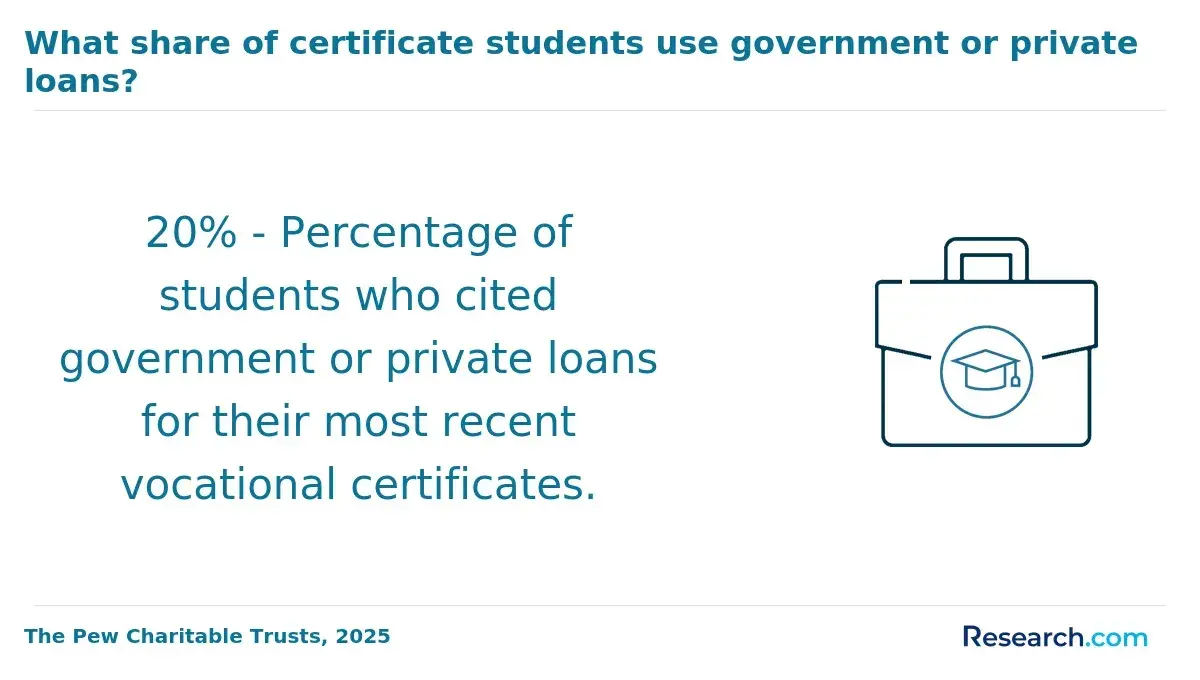
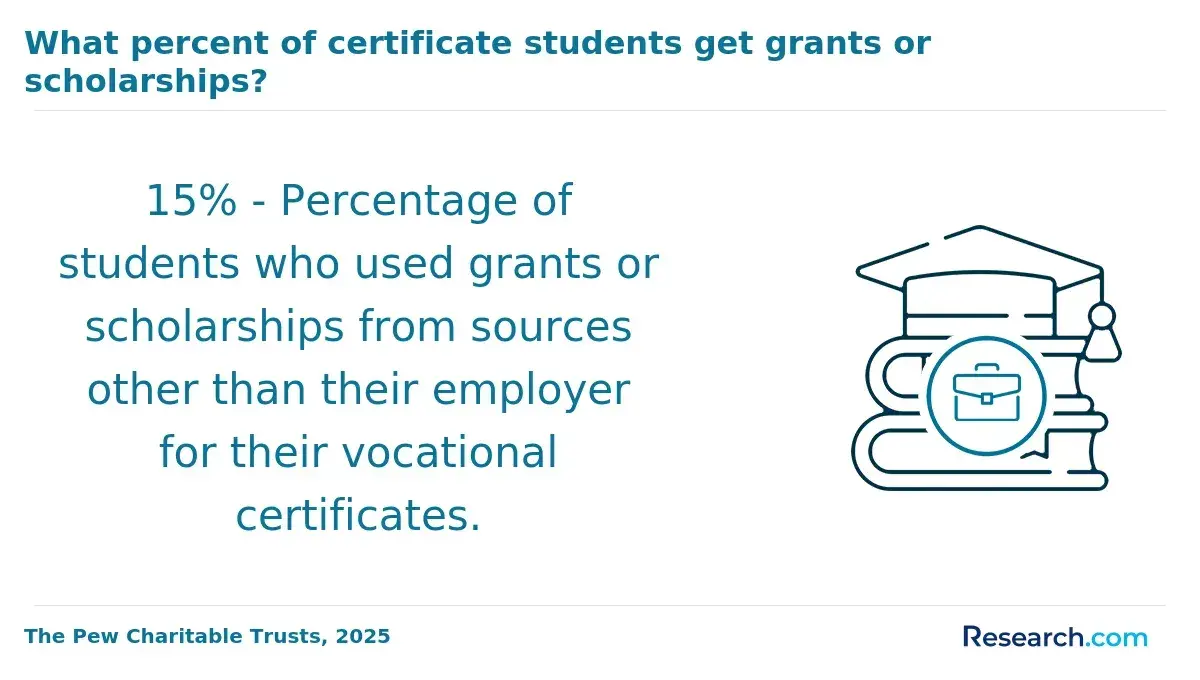
Funding options may include employer tuition assistance, state employee education benefits, federal student loans, scholarships, military or veterans education benefits, union professional development funds, and agency-sponsored training support. Public sector employees should ask whether reimbursement requires preapproval, continued employment, minimum grades, or a service commitment.
ROI should be evaluated conservatively. Compare the total program cost with likely career pathways, not with an assumed promotion. A doctorate may be worth it if it strengthens your eligibility for senior leadership, research, policy, evaluation, or higher education roles, but it is usually a poor financial choice if you are pursuing it only because you hope it will automatically increase pay.
An online Child Development Education doctorate can support public sector careers in leadership, policy, administration, research, training, and evaluation. It is most valuable when combined with relevant experience in education, human services, public administration, child welfare, early childhood systems, or nonprofit leadership.
BLS May 2024 wage data provides useful context, but it should not be read as a doctorate-specific salary forecast. The median annual wage was $78,240 for social and community service managers, $74,720 for instructional coordinators, and $104,070 for education administrators in kindergarten through secondary schools. These figures reflect broad occupations, not only doctoral graduates, but they help students understand the public sector compensation environment.
The table below outlines career paths where a Child Development Education doctorate may be relevant. Actual requirements vary by employer, state rules, civil service classification, and whether the role requires a specific license.
| Career path | Typical responsibilities | Doctorate value | Important caveat |
| State early childhood program administrator | Oversee public pre-K, quality initiatives, grants, provider systems, and program standards | Supports systems leadership, policy interpretation, and evaluation capacity | Public administration experience may matter as much as the degree |
| Head Start or early learning executive leader | Manage staff, compliance, family engagement, budgets, and child outcomes | Strengthens leadership, child development expertise, and continuous improvement work | Federal performance standards and management experience are essential |
| Instructional coordinator or curriculum director | Develop curriculum, train educators, review learning data, support instructional improvement | Helps with research-based curriculum decisions and professional learning design | School or district experience may be required |
| Child and family policy analyst | Analyze legislation, funding, outcomes, access, and service delivery models | Builds research, writing, and policy evaluation credibility | Quantitative skills and policy writing samples are critical |
| Program evaluator | Design evaluations, analyze implementation, report findings, recommend improvements | Doctoral research training is directly relevant | Methods coursework should be strong, not superficial |
| District or state education administrator | Lead programs, supervise teams, implement policy, manage compliance, evaluate outcomes | Can support advancement into senior leadership | Licensure may be required for some school administration roles |
| Public sector training and professional development director | Design learning systems for educators, caseworkers, providers, or agency staff | Combines child development expertise with adult learning and implementation skills | Instructional design experience may be needed |
Federal, state, and local pathways differ. Federal roles may emphasize policy, grants, research, and compliance. State roles often focus on program administration, statewide standards, funding, licensing, and data systems. Local roles may involve direct implementation in school districts, county agencies, community organizations, or public-private partnerships.
Students should also understand who should consider a different path. If your goal is licensed clinical practice, school psychology, therapy, or direct mental health diagnosis, a Child Development Education doctorate is usually not the right credential by itself. If your goal is principal or superintendent licensure, confirm that the program meets your state's administrator credential requirements before enrolling.
Which Online Child Development Education Doctorate Programs Offer the Best Public Sector Career Support and Professional Networks?
The best public sector career support goes beyond a standard career services office. Doctoral students need faculty mentors, agency-connected projects, alumni networks, research support, and opportunities to produce work that can be used in government or nonprofit settings.
Strong programs make career alignment visible before you apply. They publish faculty areas of expertise, dissertation titles, alumni roles, partnerships, and examples of applied projects. If a school cannot explain how its doctoral students connect their research to public sector practice, that is a warning sign.
Look for the following forms of support when comparing programs. These features are especially important for online students who may not have daily access to campus networks.
- Faculty with public sector expertise: Prioritize faculty who study early learning systems, family policy, public education, child welfare, disability services, program evaluation, or community-based interventions.
- Applied research advising: Advisors should help students turn workplace problems into ethical, feasible doctoral studies.
- Agency and district partnerships: Partnerships can support practicum projects, guest speakers, research access, and professional visibility.
- Alumni in relevant roles: Ask whether graduates work in state agencies, school districts, public nonprofits, Head Start programs, policy organizations, or higher education.
- Doctoral writing and methods support: Strong support can reduce delays during proposal, data collection, analysis, and defense.
- Professional association connections: Programs should encourage participation in early childhood, education leadership, evaluation, public administration, or child welfare organizations.
- Portfolio development: Students should graduate with policy briefs, evaluation reports, presentations, grant-related work, or leadership artifacts, not only a transcript.
The table below highlights signs of strong versus weak career alignment. Use it when speaking with admissions advisors, faculty, or current students.
| Program feature | Strong public sector signal | Weak signal or red flag |
| Faculty profiles | Faculty list research, agency work, grants, policy projects, or public education leadership | Faculty expertise is vague or unrelated to child development systems |
| Dissertation examples | Recent topics involve early childhood access, family services, public programs, equity, or evaluation | No examples are available, or topics are unrelated to public sector practice |
| Online student support | Remote library access, writing support, methods consulting, and structured advising are available | Students are expected to navigate doctoral milestones with little guidance |
| Professional network | Guest speakers, alumni panels, agency partners, and conference opportunities are built in | Networking is limited to discussion boards |
| Career transparency | The program can describe common alumni pathways without promising outcomes | Marketing implies automatic promotion or salary increases |
The best program for your career is one that helps you become more credible in the work you already do or the public problem you want to solve. Choose the doctorate that gives you stronger evidence, sharper leadership tools, and better professional relationships in the child development and public service ecosystem.
Other Things You Should Know About Child Development Education
No. A Child Development Education doctorate usually focuses on learning, development, family systems, education leadership, policy, or program improvement. A child psychology doctorate is more likely to prepare students for psychological research or, if properly accredited and licensure-aligned, clinical practice. Always check the exact degree purpose and licensure outcomes.
Possibly, but it depends on the institution and role. A PhD is often preferred for tenure-track research positions, while an EdD may be accepted for teaching, practitioner-scholar, leadership, or clinical faculty roles. Publication experience, dissertation quality, teaching background, and research fit also matter.
Not always. Some programs welcome applicants from public administration, nonprofit leadership, child welfare, family services, policy, or community programs. However, if the doctorate is housed in a college of education or prepares school leaders, teaching or education-related experience may be strongly preferred.
Strengthen academic writing, research reading, basic statistics, time management, and professional communication. If you plan to study a public program, also build skills in data ethics, stakeholder engagement, evaluation planning, and policy writing before you begin.
- Master of Arts in Public Policy https://www.ceu.edu/academics/degrees/ma-public-policy
- Ed.D. in Early Childhood Education | ACE https://ace.edu/degree-programs/doctoral-degrees/doctoral-education/doctor-of-education-in-early-childhood-education/
- Accreditation for Online EdD Programs - OnlineEdDPrograms.com https://www.onlineeddprograms.com/resources/accreditation
- Council of Ministers of Education, Canada https://www.cmec.ca/299/Education_in_Canada__An_Overview.html
- Complete Guide to Scholarships & Grants [2026 Update] https://www.applykite.com/blog/phd-guide-funding
- How do you implement public sector development programs? - HAUS https://haus.fi/en/how-do-you-implement-public-sector-development-programs/
- Online Ed.D. in Early Childhood Education | Doctorate in ECE Online https://www.pacificoaks.edu/academic-programs/edd-in-early-childhood-education/
- Financial Support for the Pardee RAND Ph.D. in Public Policy Analysis https://www.rand.edu/programs/phd-policy-analysis/funding-your-phd.html