
2027 Best Online Associate Degrees With Job Placement Support

Co-Founder and Chief Data Scientist
An online associate degree may fit your schedule, but will its career support help you reach the job you want? That question matters most when a program requires clinical training, an industry credential, or a license after graduation. The U.S. Bureau of Labor Statistics projects employment for diagnostic medical sonographers to grow 13% from 2024 to 2034, yet entering that field requires more than choosing a convenient online course schedule.
This guide compares six degree fields, explains what job placement support can and cannot do, and shows you how to check costs, outcomes, and hands-on requirements before enrolling.
Key Things You Should Know
- Look for documented career services that serve online students: employer introductions, internship or clinical-placement help, interview preparation, and published outcomes. Access to services is not a job guarantee.
- Compare the complete pathway, not just the degree title. The Bureau of Labor Statistics reports a May 2024 median wage of $93,600 for registered nurses, but nursing graduates must also meet state licensing requirements.
- Check total cost and required attendance. College Board reports average published in-district tuition and fees of $4,050 for public two-year colleges in 2024-25; an individual program may cost more and require in-person work.
Top 10 Best Online Associate Degrees With Job Placement Support
Business Programs
Online business AA, AS, and AAS programs can support entry-level office, sales, or bookkeeping work; transfer-oriented versions may lead toward a bachelor's degree. The strongest career support connects students with local employers, internships, and résumé feedback tailored to specific roles. Ask whether online students can attend recruiting events virtually and whether the school reports outcomes for business associate graduates. Choose a transfer pathway if your target is management: an associate degree alone rarely qualifies someone for a management position.
Healthcare Programs
Healthcare administration and medical billing may offer largely online coursework, while imaging and other patient-facing programs commonly require labs or supervised clinical training. Match the program to the job first: employers may expect certification, and some occupations require state licensure. Useful placement support includes help finding approved clinical sites and introductions to healthcare employers, not merely a general job board. Confirm who arranges required placements near your home and whether any costs fall to you.
Information Technology Programs
IT associate programs commonly cover networking, systems, cybersecurity fundamentals, and troubleshooting. An AAS may emphasize workforce entry; an AS may leave more room for transfer. Prefer programs with hands-on labs, employer-connected projects, and help translating those projects into a portfolio. Ask whether career advisers support applications for specific entry-level roles and whether certification exam preparation is included. An IT degree can strengthen an application, but employers may also expect practical experience or industry credentials.
Nursing / Pre-Nursing Programs
Separate an associate degree in nursing from an online pre-nursing pathway. Pre-nursing courses prepare students to apply to a nursing program; they do not qualify graduates for RN licensure. Nursing programs generally combine coursework with in-person labs and clinical placements, even when lectures are online. Check admission to the nursing major, clinical-site arrangements, nursing accreditation, state board approval, licensure exam eligibility, and graduate outcomes. Career services matter, but clinical access and licensing eligibility come first.
Criminal Justice Programs
Criminal justice associate programs introduce law, courts, corrections, and public safety. They can support applications for some entry-level roles or provide transfer credit, but police and other public-safety jobs may require academy training, background checks, physical standards, and agency-specific hiring steps. Ask whether advisers understand hiring by agencies in your area and whether internships or employer events are available online. Do not treat a "law enforcement" concentration as a substitute for an agency's requirements.
Psychology / Counseling Programs
A psychology or counseling associate degree is usually a foundation for further study, not a route to independent counseling practice. It may help students explore human-services work, but job duties and qualifications vary by employer and state. Prioritize a clear bachelor's transfer agreement, advising about graduate-school prerequisites, and supervised experience where available. If your goal is licensed counseling, map the required later degrees, supervised hours, and exams before choosing the associate program.
What Are Online Associate Degrees With Job Placement Support?
Online associate degrees with job placement support are associate programs whose students can use career services while studying remotely. Support may include career coaching, résumé reviews, employer events, internship searches, or help locating clinical placements. "Placement support" does not necessarily mean the college places graduates in jobs or publishes an employment rate.
Most associate degrees require roughly 60 semester credits, though program requirements vary. AA and AS degrees often emphasize transfer, while AAS degrees often emphasize occupational preparation; always check the individual curriculum. When comparing associates degrees online, distinguish online classes from a fully remote degree: labs, exams, internships, or clinical work may still require scheduled or in-person participation.
Which Online Associate Degrees Offer the Best Career Outcomes?
The best career outcome depends on the occupation you want and every step required to enter it. Healthcare programs can lead toward clearly defined licensed roles, but usually have the least flexibility for in-person training. IT and business may offer more online coursework, while hiring can depend heavily on demonstrated skills and experience. Criminal justice and psychology outcomes are especially sensitive to employer requirements or plans for further study.
This comparison shows the most useful career-support feature to verify in each field. It is a decision guide, not a ranking of schools or a promise of employment.
| Field | Career direction | Support to verify | Important limitation |
| Business | Office, sales, or bookkeeping roles | Employer recruiting and internships | Management usually requires experience |
| Healthcare | Administrative or patient-facing roles | Clinical-site or employer connections | Requirements differ sharply by occupation |
| IT | Support and technical roles | Projects, portfolios, and employer events | Practical skills may matter as much as the degree |
| Nursing | RN pathway through an eligible nursing program | Clinical placement and licensure guidance | Pre-nursing alone does not confer RN eligibility |
| Criminal justice | Public-safety or related entry-level roles | Agency-specific hiring guidance | Agency screening or training may still apply |
| Psychology | Human services or further education | Transfer and supervised-experience advising | Independent counseling requires further qualifications |
For a narrowly defined entry-level job, compare the degree with shorter certificate programs. A certificate may cost less and get you to a first application sooner, while an associate degree adds general education and may offer a stronger transfer pathway.
How Much Do Online Associate Degrees With Job Placement Support Cost?
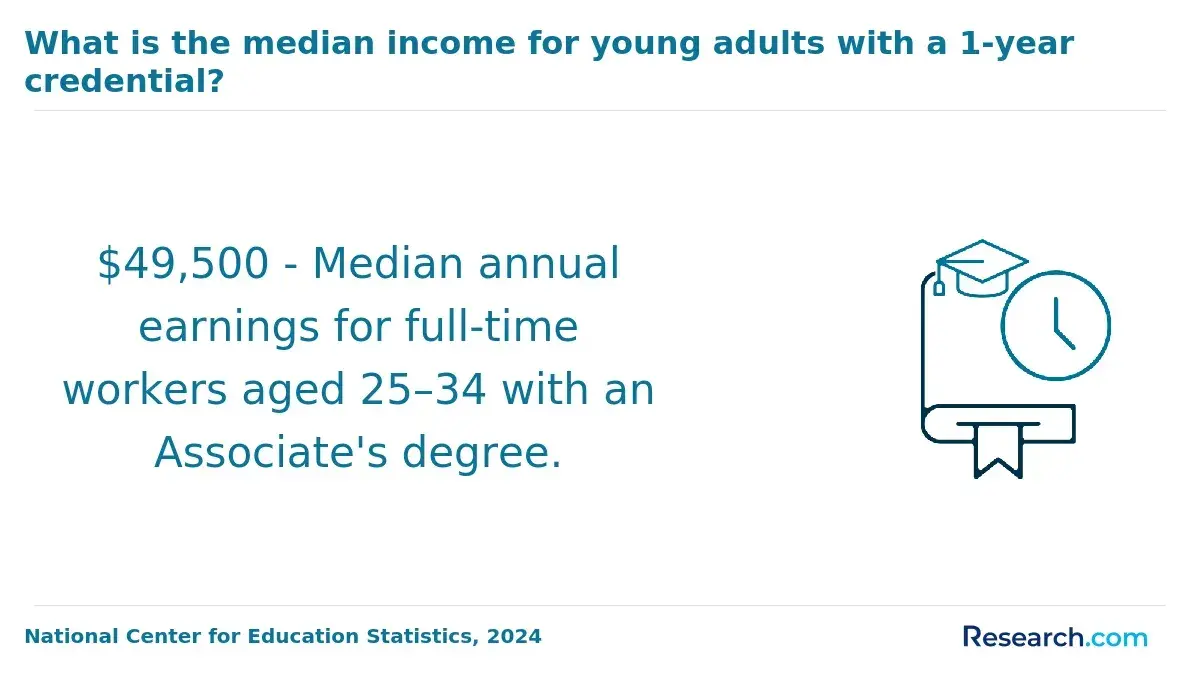
College Board's 2024-25 average of $4,050 in published annual in-district tuition and fees at public two-year colleges is a useful benchmark, not a quote for a particular online degree. Residency rules, per-credit online fees, required books or software, proctored exams, and travel to labs or clinical sites can change the amount you pay. Part-time enrollment may also spread payments over more terms without lowering total tuition.
Request a written estimate for all remaining credits and mandatory fees, including any hands-on requirements. Then ask for a transfer-credit evaluation: accepted credits may reduce both time and tuition, but only if they apply to your degree requirements. Compare the resulting cost after grants and scholarships, and check federal-aid eligibility before assuming a payment plan or loan is your only option.
Which Online Associate Degree Programs Are Properly Accredited?
Start with institutional accreditation, verify the college and its accreditor through the U.S. Department of Education's or CHEA's official directories. Accreditation matters for academic quality review, federal-aid eligibility where applicable, and potential transfer, but it does not make every course transferable.
Next, check requirements tied to your intended occupation. Nursing applicants should confirm program accreditation where relevant, state board approval, and RN licensure exam eligibility in the state where they plan to practice. Other healthcare fields may require programmatic accreditation for certification or licensure.
Ask the receiving university whether specific courses will meet its bachelor's requirements if transfer is your goal. A red flag is a school that advertises career eligibility but will not identify the applicable state board or accrediting body.
What Do You Learn in Online Associate Degree Programs?
Most programs combine general education, such as writing and quantitative reasoning, with major courses. Business students may study accounting and operations. IT students may complete networking labs; healthcare and nursing students may need science prerequisites and supervised practice. Criminal justice emphasizes legal systems, while psychology introduces research and human behavior.
Coursework should match your next step. If you want immediate employment, look for assessed projects or supervised experience you can discuss with employers. If you intend to transfer, compare course-by-course degree maps with your target university; an associate degree can be accepted while some credits count only as electives.
How Long Does an Online Associate Degree Take to Complete?
A student taking a full-time load can often finish a roughly 60-credit program in about two academic years. Part-time enrollment generally takes longer, and prerequisites, limited course availability, clinical scheduling, or courses that must be taken in sequence can extend the timeline. Previously earned credits can shorten it only after the school evaluates and applies them.
Ask for a term-by-term plan showing when required courses run and how many you must take at once. A program with short course sessions is not necessarily a short degree; the schedule must account for every required credit and any in-person component.
What Are the Admission Requirements for Online Associate Degrees?
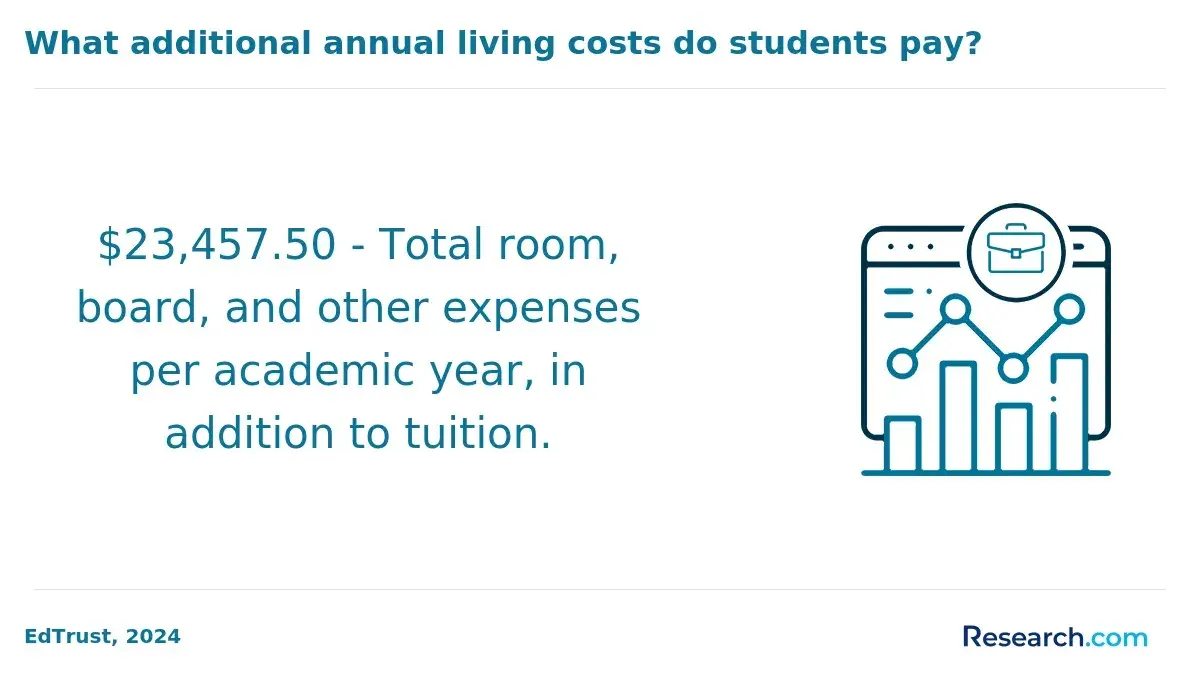
Colleges commonly request a high school diploma or equivalent, an application, and transcripts. They may use placement measures to determine which math or writing course you start with. Admission to the college is not always admission to a selective major: nursing and some allied-health programs can impose separate prerequisites, grades, applications, or clinical-clearance requirements.
If you have previous college work, request an evaluation before committing. Confirm which credits satisfy general education or major requirements, whether older science credits still qualify, and how many credits must be completed at the new college.
What Jobs and Salaries Can Online Associate Degree Graduates Expect?
Possible entry-level paths include business support, IT support, medical administration, and certain public-safety or human-services roles. Eligibility depends on the employer, location, and your skills. Nursing and some allied-health occupations have clearer credential pathways, but require the applicable clinical education, examination, or license.
For wage context, the Bureau of Labor Statistics reports a May 2024 median annual wage of $93,600 for registered nurses as an occupation. That is not the expected salary of a new associate degree graduate. Compare occupational wages only after checking whether the program makes you eligible to pursue the role and what local employers require.
Psychology students aiming to practice counseling should plan beyond the associate degree. Even when exploring one year masters programs online later, they must first meet bachelor's-level entry prerequisites and then check their state's degree, supervised-practice, and licensing rules.
How Should You Choose an Online Associate Degree Program?
Choose the program that offers a credible route to your target job, not the one with the strongest "job placement" slogan. A useful comparison starts with evidence you can obtain from each college.
Ask admissions and career-services staff for the following details, preferably in writing, so you can compare programs on the same basis:
- What career services can online associate students actually use, and are employer events, internships, or clinical-placement help available where I live?
- Does the school publish recent, program-specific employment outcomes? What counts as "employed," who responds, and how soon after graduation is it measured?
- Which labs, exams, orientations, internships, or clinical hours require scheduled attendance or travel, and who arranges the site?
- What will my full degree cost after an official transfer-credit review, and will its courses meet my intended job, licensure, or bachelor's-transfer requirements?
Be wary of guaranteed-job language, an employment rate with no clear method, or a program that cannot explain licensure eligibility. If your goal requires a bachelor's degree, compare a documented transfer pathway rather than choosing based on what's the easiest bachelor's degree to get. The better choice is the one whose requirements, support, and next credential fit the career you actually want.
Other Things You Should Know About
No. Career coaching, job boards, and employer contacts can help you search, but they are not employment guarantees. Ask for program-specific outcomes and how the college measures them.
Usually not if the program requires labs or supervised clinical work. Confirm exactly where and when those components occur before applying.
An AAS often emphasizes job preparation; an AA often emphasizes transfer. Neither label proves better outcomes. Compare the curriculum, employer requirements, and whether credits apply to any bachelor's degree you may pursue.
Ask what services are available to students in your specific online program and location - and request evidence of graduate outcomes, with the measurement method clearly explained.
References
- Students & Recent Graduates - OPM https://www.opm.gov/policy-data-oversight/hiring-information/students-recent-graduates/
- Postgraduate Employment Outcomes of Undergraduate and Graduate Public Health Students: A Scoping Review | nih.gov https://pmc.ncbi.nlm.nih.gov/articles/PMC8579388/
- Pathways for Students and Graduates | Student Internships and Jobs | Careers at CDC https://jobs.cdc.gov/working-at-cdc/student-intern-jobs/pathways.html
- Understanding College Costs | studentaid.gov https://studentaid.gov/resources/prepare-for-college/students/choosing-schools/consider-costs
- Associate Degrees for Non-MD Residents, Military, & Veterans | UMGC https://www.umgc.edu/online-degrees/associates
- Selection of Applicants for Associate Degree Programs | Fashion Institute of Technology Catalog https://catalog.fitnyc.edu/undergraduate/admissions/selectionofapplicantsforassociatedegreeprograms/
- Online Information Technology Associate's Degree | Purdue Global https://www.purdueglobal.edu/degree-programs/information-technology/associate-degree-information-technology/
- How Do Transfer Credits Work? A Guide for Adult Learners | Whitworth Online https://online.whitworth.edu/news-articles/how-do-transfer-credits-work-when-you-go-back-to-school/
- Job Industries That Require a License or Certification | Columbia Southern University https://www.columbiasouthern.edu/blog/blog-articles/2025/february/jobs-careers-require-license-certification
- Career Services | maricopa.edu https://www.maricopa.edu/students/student-support/career-services


