
2027 Best Online Associate Degrees With Flexible Deadlines

Co-Founder and Chief Data Scientist
Can you earn an associate degree without rearranging every work shift or family commitment? The answer depends less on whether classes are online than on when you must attend, submit work, and complete hands-on requirements. Cost matters, too: The College Board reports average published in-district tuition and fees of $4,050 at public two-year colleges for 2024-25.
This guide compares degree fields and colleges through a scheduling lens, then shows you how to check costs, career requirements, and the actual deadlines before enrolling.
Key Things You Should Know
- Start with the schedule: asynchronous classes can still have weekly due dates, while nursing and some healthcare programs require scheduled, in-person work.
- Many associate degrees require about 60 semester credits; part-time enrollment, prerequisite sequences, and course availability can extend completion beyond two years.
- For the best fit, compare a sample syllabus, required live sessions, clinical or lab hours, and total cost - not just a college's claim that a program is online.
Top 10 Best Online Associate Degrees With Flexible Deadlines
Business Programs
Online business administration and accounting associate programs often offer scheduling room because coursework centers on reading, spreadsheets, and projects rather than clinical hours. An asynchronous class may let you study after work but still require weekly discussions or group meetings. Choose an AA or AS with an approved transfer pathway if a bachelor's degree is your goal; consider an AAS for job-focused accounting or office skills. Ask whether required courses run every term, since a missed prerequisite can delay graduation.
Healthcare Programs
Healthcare administration and medical billing programs may allow substantial online study, but deadlines can be fixed around simulations, assessments, or internships. Clinical programs are a different proposition: an online lecture does not eliminate in-person labs or supervised practice. Before choosing a healthcare associate degree, check whether its curriculum prepares you for your intended role and whether any required certification has separate eligibility rules. Students needing complete control over their hours may find a nonclinical program easier to schedule.
Information Technology Programs
IT support, networking, and cybersecurity associate programs can suit students who prefer independent, project-based study. Labs may use remote software, though some courses require timed exams, team projects, or specific hardware. An AAS may emphasize employment skills; an AS may leave more room for transferable math and general education. Compare when virtual labs are available and whether prerequisite courses run each term. A flexible deadline is useful only if you can still get timely help when a technical assignment stalls.
Nursing / Pre-Nursing Programs
Pre-nursing AA or AS coursework may include online general education, but anatomy labs and nursing prerequisites can have scheduled components. An associate degree in nursing generally requires in-person clinical placements and skills training, even when theory courses are online. Clinical shifts may be assigned rather than chosen. Pre-nursing alone does not qualify you for RN licensure; completing an approved nursing program and meeting examination and state licensing requirements are separate steps. Ask about clinical schedules before accepting a place.
Criminal Justice Programs
Criminal justice AA, AS, and AAS programs often cover law, ethics, and corrections through online reading and writing assignments. That format may work well around rotating shifts, but check for live discussions and internship hours. A transfer-oriented degree can support later bachelor's study; a career-oriented degree may emphasize workplace applications. Neither degree automatically meets police academy, background-check, physical-fitness, or agency hiring requirements. Choose courses with your intended employer or transfer destination in mind.
Psychology / Counseling Programs
An online psychology associate degree can provide flexible introductory study in human behavior, research, and statistics, particularly for students planning to transfer. It does not qualify someone to practice independently as a psychologist or licensed counselor; those paths require further education and state-specific requirements. Some human-services programs also include scheduled fieldwork. If you need flexible deadlines now, compare transfer agreements and future degree requirements before choosing a convenient course sequence that may not advance your long-term goal.
What Are Online Associate Degrees With Flexible Deadlines?
Online associate degrees with flexible deadlines let students complete at least some coursework remotely with more control over study time. "Flexible" can mean recorded lessons, several start dates, or a choice of full-time and part-time enrollment. It rarely means submitting every assignment whenever you wish: most courses have due dates, and some require live attendance.
The key distinction is between asynchronous access and deadline flexibility. A course you can open at midnight may still require posts on Wednesday and assignments on Sunday. If the ability to work from home is also part of your career goal, compare the best degrees for remote work separately; an online degree does not make its related jobs remote.
This comparison shows which format questions matter most before you apply:
| Format | Where flexibility comes from | Likely constraint |
| Asynchronous, fixed-term | Choose when to study each week | Recurring assignment deadlines |
| Scheduled online | Attend from a location you choose | Required live class times |
| Online with local practice | Complete theory coursework remotely | Scheduled labs, internships, or clinical shifts |
Which Accredited Colleges Offer Online Associate Degrees With Flexible Deadlines?
Southern New Hampshire University, Rio Salado College, and SUNY Empire State University are accredited institutions with online associate-degree options worth investigating. They represent different starting points for comparison, not a verified ranking of deadline policies. Course-level schedules, available majors, state authorization, and in-person requirements can change; confirm the details for the specific program and term you want.
Use the following comparison to narrow your inquiries, then request a current degree plan and sample course schedule from each college:
| College | Why consider it | What to confirm for your program |
| Southern New Hampshire University | Online associate-degree options across several fields | Weekly due dates, discussion requirements, and course availability |
| Rio Salado College | Online associate study through a community college | Start dates, residency-based price, and any proctored or in-person work |
| SUNY Empire State University | Online associate pathways that may interest transfer-minded students | Major availability, course sequencing, and required meeting times |
No school is universally "best" for flexible deadlines. The strongest choice is the accredited program whose required courses - not merely its electives - fit your weekly availability and whose credits or career preparation match your goal. Request written clarification if a program page says "online" but does not explain attendance or assessment rules.
How Much Do Online Associate Degrees With Flexible Deadlines Cost?
The College Board's 2024-25 average published in-district tuition and fees for public two-year colleges was $4,050 for a full academic year. That is a national benchmark, not a quote for an online degree: your price depends on residency, enrollment pace, institution, and required fees. Start with these distinct figures when comparing offers:
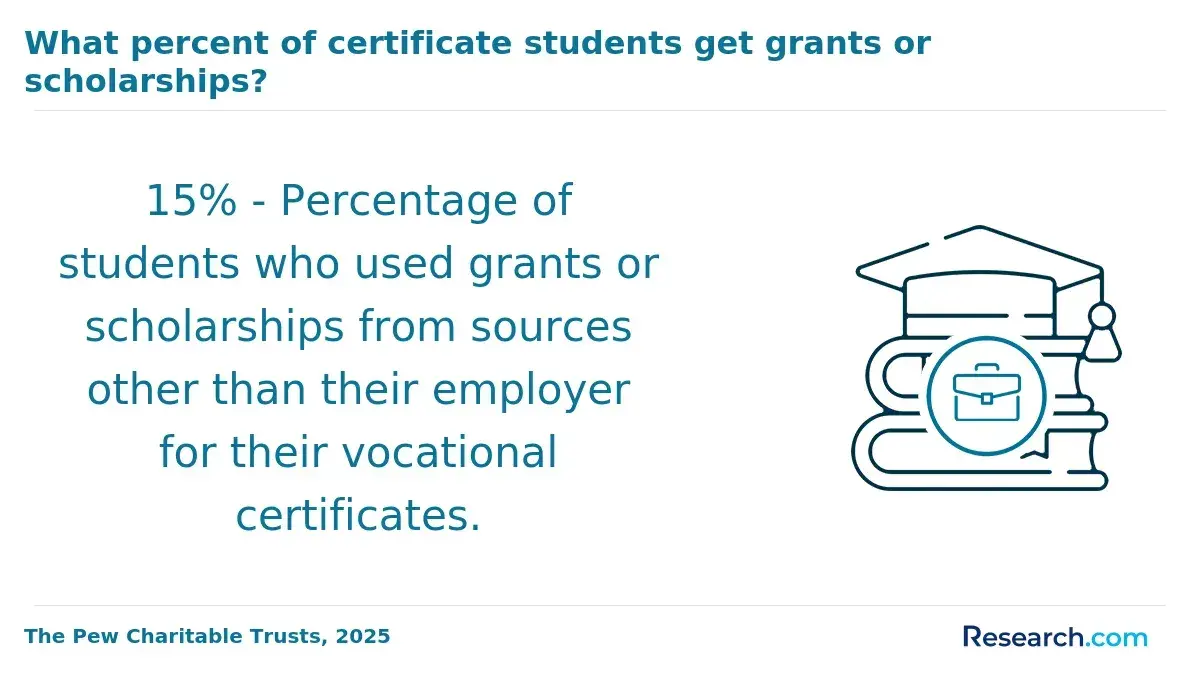
- Published tuition and mandatory fees: The price before grants or scholarships; ask whether online and out-of-district rates differ.
- Estimated total program cost: All remaining credits plus required books, software, equipment, travel, and clinical expenses.
- Net price: Your estimated cost after grants and scholarships, based on your own aid eligibility.
The cheapest online college search can identify low published prices, but it cannot tell you which school will accept more of your credits or offer the required courses when you need them. Compare personalized aid offers and ask whether your specific program qualifies for federal financial aid. Employer tuition assistance and payment plans may also change what you pay upfront; borrowing still has to be repaid.
What Admission Requirements Apply to Online Associate Degree Programs?
Many associate programs ask for an application, proof of high school completion or an equivalent credential, and transcripts from previous colleges. Placement or prerequisite requirements may affect your first courses even when general college admission is accessible. Standardized admission tests are not a safe assumption either way: check the current policy of the institution you choose.
Admission to a college is not necessarily admission to its nursing or other selective healthcare program. Those majors may require specific science courses, minimum grades, background checks, immunizations, or a separate application. If you have previous college credit, request an official evaluation before committing: a course can be accepted as transfer credit without satisfying a particular major requirement.
How Long Does It Take to Complete an Online Associate Degree?
A common associate-degree plan is around 60 semester credits, often completed in roughly two years of full-time study. Part-time students generally need longer. Shorter class terms can offer more start dates, but an eight-week course does not turn the whole degree into an eight-week program.
To estimate your own finish date, count the credits still required after an official transfer evaluation. Then check how often each required course runs, whether prerequisites must be taken in order, and whether labs or clinical placements are available on your schedule. If that timeline is too long for the skill you need immediately, short certificate programs that pay well online may be worth comparing - but check their employer recognition and whether their credits will apply to a later degree.
What Coursework Do Online Associate Degree Programs Include?
Most associate programs combine general education - such as writing, mathematics, and social sciences - with courses in the major. An AA or AS often supports transfer, while an AAS often emphasizes occupational preparation. Those labels are useful clues, not guarantees: review the actual degree map and any agreement with the bachelor's program you hope to enter.
Business students might take accounting and management; IT students might complete networking labs; psychology students typically study research and human behavior. Nursing and other clinical fields add carefully sequenced science, lab, and supervised practice requirements. Ask for the full list of required courses, including any that cannot be completed remotely. An overlooked prerequisite or once-a-year class can matter more to your schedule than generous deadlines in the first term.
Which Careers Can You Start With an Online Associate Degree?
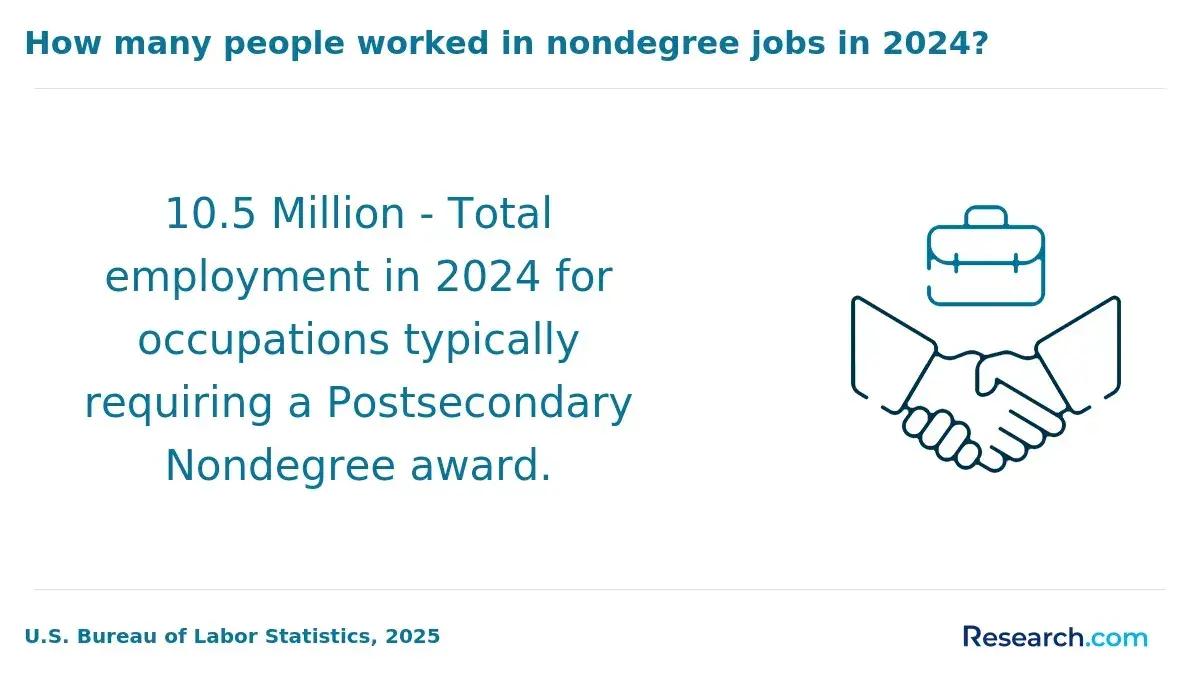
Career possibilities depend on the field and on requirements beyond the degree. Business and IT programs can support applications for entry-level administrative, bookkeeping, or technical-support work, although employers may expect particular software skills or experience. Some healthcare programs prepare students for defined occupations, while others provide broad foundations rather than a professional credential.
Use a target job posting to work backward: compare its education, certification, experience, and schedule requirements with the program's curriculum. If earnings potential is central to your decision, research the most profitable college majors alongside realistic entry requirements. A bachelor's pathway, industry credential, apprenticeship, or shorter certificate may be a better fit than an associate degree for a particular goal. Psychology and pre-nursing associate study, for example, generally leads toward further education rather than independent counseling practice or RN licensure.
What Salaries and Job Outlook Apply to Associate Degree Careers?
Occupational wages are a useful comparison tool, but they are not the typical earnings of graduates from a particular online program. The U.S. Bureau of Labor Statistics reports a 2024 median annual wage of $93,600 for registered nurses and projects 5% employment growth for that occupation from 2024 to 2034. Those figures describe the occupation as a whole, including nurses with different degrees and experience levels. An associate-degree nursing graduate must still meet state licensing requirements and pass the required examination before practicing as an RN.
For other fields, compare the occupation - not just the major - against local job postings. Check whether entry-level openings accept an associate degree, require experience or certification, and offer the hours or work location you need. National medians and growth projections cannot predict your first offer or guarantee a job.
How Can You Verify Accreditation, Licensing, and Program Quality?
Accreditation, professional eligibility, and schedule claims require separate checks. Before paying a deposit, verify these points with the college and, where applicable, the relevant licensing authority:
- Confirm the institution's current accreditation in the U.S. Department of Education's accreditation database and identify the accreditor.
- For a licensed occupation, ask whether the specific program holds any required programmatic accreditation and meets requirements in the state where you intend to work.
- Request a degree audit, sample syllabi, and written details of live sessions, due dates, proctoring, labs, and clinical placements.
- If you plan to transfer, ask the destination college which individual credits will satisfy your intended bachelor's requirements.
Be wary of claims that "fully online" means no scheduled commitments, that admission to the college secures a seat in a selective major, or that every credit automatically transfers. If a school cannot explain a required in-person component or professional eligibility clearly, resolve that uncertainty before enrolling.
Other Things You Should Know About
Usually not. Asynchronous access lets you choose study hours, but courses commonly have recurring due dates. Ask for a sample syllabus to see the actual rules.
Some programs may be completed online, but requirements vary by major and school. Nursing and other clinical programs generally include in-person training; confirm every required component of your specific degree.
Eligible students may receive aid at qualifying institutions and programs. Confirm the program's eligibility and compare your personalized aid offer with the full cost of attendance.
Start with your goal. AA and AS programs are often transfer-oriented; AAS programs often emphasize workforce skills. Check the course map and receiving college's policies rather than relying on the abbreviation alone.
References
- College Accreditation - U.S. Department of Education https://www.ed.gov/laws-and-policy/higher-education-laws-and-policy/college-accreditation
- School-Determined Requirements | 2024-2025 Federal Student Aid Handbook https://fsapartners.ed.gov/knowledge-center/fsa-handbook/2024-2025/vol1/ch1-school-determined-requirements
- Undergraduate Retention and Graduation Rates - COE https://nces.ed.gov/programs/coe/indicator/ctr/undergrad-retention-graduation
- The Database of Postsecondary Institutions and Programs | ed.gov https://ope.ed.gov/dapip/
- Satisfactory Academic Progress | Polk State College https://www.polk.edu/admission-aid/financial-aid/policies/satisfactory-academic-progress/
- Support Services for Online Learning Key to Student Success and Well Being | University of Cincinnati | UC News https://www.online.uc.edu/blog/support-services-key-to-online-learning-student-success.html
- Credit for Prior Learning - Wichita State University https://www.wichita.edu/priorlearning
- UMass Global MyPath: Self-Paced Programs https://www.umassglobal.edu/why-umassglobal/flexible-ways-to-learn/self-paced
- Glossary | Valencia College https://catalog.valenciacollege.edu/glossary/
- Picture an Online Degree at Your Own Pace | snhu.edu https://www.snhu.edu/about-us/newsroom/education/picture-an-online-degree-at-your-own-pace





