2027 Best Online Adult Degree Programs for Veterans

Co-Founder and Chief Data Scientist
Choosing an online degree after military service means comparing more than majors: your previous learning, benefit eligibility, schedule, and career goal can change which program is worth the cost. The stakes are substantial; the U.S. Bureau of Labor Statistics reports a 2024 median annual wage of $133,080 for software developers, though a degree alone does not qualify someone for that role or ensure that pay.
This guide helps veterans and returning adults compare online program families, identify requirements that may keep a program from being fully remote, and decide what to verify before applying.
Key Things You Should Know
- Eligible students may receive up to 36 months of Post-9/11 GI Bill benefits, but payment depends on eligibility, enrollment, and the approved program—not simply on being a veteran.
- For eligible students taking only online classes, the Post-9/11 GI Bill housing allowance is capped at half the national average housing allowance; an approved in-person course can change the applicable rate.
- The best fit depends on the career: an online MBA may suit management advancement, while nursing, social work, and teaching pathways require careful checks of licensure and in-person training.
Top 10 Best Online Adult Degree Programs for Veterans
Business Programs
An online MBA or specialized master's in management, accounting, or supply chain management may suit veterans translating logistics, leadership, or operations experience into civilian roles. Most require a bachelor's degree; some request work experience or foundation courses. Compare scheduled meetings, team projects, concentrations, and the school's evaluation of prior graduate coursework. Military leadership experience strengthens an application but does not automatically earn graduate credit or secure a management job. For a career change into accounting, check whether the curriculum meets your state's CPA education requirements.
Healthcare Programs
Online master's programs in healthcare administration or public health can prepare experienced professionals for administrative, policy, or population-health work. An MHA typically emphasizes finance, operations, and healthcare systems; an MPH emphasizes epidemiology and public health practice. Neither grants a clinical license. Ask whether the program requires an internship, practicum, residency, or live classes, and whether you can complete any placement near home. Veterans seeking patient-care roles should choose a credential that meets that occupation's separate education and licensing requirements.
Information Technology Programs
A master's in information technology, cybersecurity, or information systems can build on military communications, network, or security experience. Programs differ: some emphasize technical labs and architecture, while others focus on governance and risk. Check programming prerequisites, lab access, scheduled group work, and whether professional certifications can count toward requirements under the school's published policy. A graduate degree can support advancement, but employers may also expect hands-on experience, security clearance for certain jobs, or specific certifications.
Computer Science Programs
An online MS in computer science generally goes deeper into algorithms, software engineering, systems, or artificial intelligence than a broad IT degree. It is a stronger match for veterans targeting software development or technical specialization who already have - or can complete - programming and mathematics prerequisites. A non-CS bachelor's degree does not necessarily rule out admission, but foundation courses may extend time and cost. Compare project-based and thesis tracks, course availability, and whether any exams or research activities require attendance at a particular location.
Nursing Programs
Online MSN programs commonly serve licensed registered nurses seeking roles in leadership, education, or advanced practice. Admission usually requires an RN license and a qualifying nursing degree; bridge pathways have separate eligibility rules. Advanced-practice tracks can require supervised clinical hours, certification examinations, and state licensure beyond graduation. Confirm the program's nursing accreditation, whether it accepts students in your state, and who arranges local clinical placements. Online coursework does not make an MSN an entirely remote experience.
Psychology Programs
An online master's in psychology may suit veterans interested in research support, human services, or applying behavioral science at work. It is not interchangeable with a clinical psychology doctorate or a state-approved counseling degree. If independent clinical practice is the goal, check the exact license, required degree, supervised hours, and state rules before enrolling. Compare research methods, statistics prerequisites, thesis options, and any practicum requirements; a general psychology master's may be a poor fit for applicants who specifically need a licensure pathway.
Education Programs
Online master's programs in curriculum and instruction, educational leadership, or teaching serve different applicants. Leadership programs may expect teaching experience; initial-licensure teaching programs generally require supervised student teaching in an approved setting. Veterans changing careers should verify whether the specific track leads to licensure in their state rather than assuming every MEd does. Ask how placements work, when courses run, and whether required fieldwork fits employment and family commitments.
Criminal Justice Programs
An online master's in criminal justice, criminology, or homeland security may help veterans explore policy, analysis, emergency management, or advancement in a related workplace. Coursework often covers research methods, law, leadership, and ethics. It does not by itself satisfy police hiring standards or federal employment requirements. Compare a research-focused program with an applied administration track, and ask whether internships, security-related activities, or a capstone have location or scheduling restrictions.
Engineering Programs
Online engineering master's degrees often specialize in systems, electrical, mechanical, or engineering management topics. They can suit veterans with technical military experience and the required undergraduate mathematics or engineering preparation. Some programs include labs, design projects, or campus residencies despite online coursework. If professional engineer licensure is the goal, verify your state's education and experience rules; an engineering master's does not replace them, and the accreditation status of a previous engineering bachelor's degree may matter.
Social Work Programs
An online Master of Social Work can prepare veterans for social-service practice, including work with military-connected communities, but it includes supervised field education. Applicants with a qualifying accredited BSW may be eligible for an advanced-standing track; others generally need a traditional track. Confirm Council on Social Work Education accreditation, local placement support, state authorization, and the requirements for the license you want. Graduation alone does not confer independent clinical licensure, which typically requires additional supervised practice and an examination.
What Are the Best Online Degree Programs for Veterans?
The best online adult degree program for a veteran is the one that fits an attainable career goal, accepts applicable previous learning, and can be completed within the student's schedule and budget. The master's program families above are options for applicants who already hold a bachelor's degree. Veterans without one should also compare bachelor's-completion programs; a graduate program is not the default next step after service.
This comparison highlights consequential differences among program types. Availability and requirements vary by school, so use it to narrow a shortlist rather than as a ranking of individual universities.
| Program type | Potential fit | Requirement to check first |
| Business or healthcare administration master's | Advancing in operations or management | Experience expectations and any in-person projects |
| IT or computer science master's | Developing technical skills or changing specialties | Programming prerequisites and lab format |
| Nursing or social work master's | Pursuing a defined professional practice role | Existing credentials, field placements, and state licensure |
| Education master's | Teaching or school leadership | Whether the track meets the intended state credential's rules |
| Bachelor's-completion program | Finishing a first degree using eligible previous credit | How evaluated credits apply to the major and remaining residency requirements |
Favor a program that provides a written degree audit and a workable course sequence. A generous transfer policy is less valuable if accepted credits fill only electives while required courses remain unavailable when you need them.
How Can Veterans Use GI Bill Benefits for Online College?
Eligible veterans can use Post-9/11 GI Bill benefits at VA-approved schools and programs, including approved online programs. Payment can include tuition and fees, a housing allowance when eligibility and enrollment conditions are met, and a books-and-supplies stipend. The amount depends on factors such as benefit percentage, remaining entitlement, course load, and whether classes are taken online or in person. Veterans should not assume an online-only schedule produces the same housing payment as campus attendance.
Use this sequence before committing to benefit months:
- Confirm your remaining entitlement and obtain or update your VA Certificate of Eligibility.
- Ask the school's veterans certifying official whether the exact degree program is approved and how its course schedule will be certified.
- Request a written evaluation of previous college credit and military education, including the requirements still needed for graduation.
- Compare the school's tuition and mandatory fees with your expected VA payment; ask about any remaining balance and whether Yellow Ribbon participation applies to you.
VA benefits generally pay toward the courses the school certifies as applicable to your program. Before changing majors, dropping a class, or taking a course elsewhere, ask the certifying official how the change could affect payment or create a debt.
How Do Veterans Choose an Accredited Online Degree Program?
Start with institutional accreditation recognized by the U.S. Department of Education, then check programmatic accreditation when the occupation calls for it. Nursing and social work are examples where the program's accreditation can affect professional options; for teaching, counseling, and other licensed fields, state approval and curriculum requirements also matter. Accreditation establishes an important baseline, not proof that a particular online track satisfies every state's licensing rules.
When comparing accredited online colleges, verify the accreditor through the accreditor and federal recognition records rather than relying on a marketing badge. Then inspect the exact program catalog, authorization for your state, required in-person activities, and published transfer policy. A common mistake is checking the university's status but not the specific professional program or licensure track.
Which Online Degrees Offer Strong Career Opportunities for Veterans?
There is no universally strongest career degree for veterans. Business and healthcare administration can build on operational experience; IT and computer science can support technical roles; nursing, teaching, and social work offer more defined practice pathways but carry licensing and placement requirements. Criminal justice is most compelling when paired with a specific employer or role rather than an assumption that the degree alone qualifies someone for law enforcement.
Demand is only one part of the decision. A veteran targeting a narrowly defined technical skill may compare a full degree with online certifications that pay well while checking whether employers actually value the certification for the intended job. For a licensed occupation, a short credential cannot substitute for required education, supervised practice, or examinations. Ask employers which qualifications they require, then compare those requirements against each program's curriculum.
What Admission Requirements Apply to Online Adult Degree Programs?
Undergraduate online programs typically ask for a high school credential and transcripts from previous colleges. Master's programs require a bachelor's degree and may specify prerequisites, a minimum GPA, professional experience, a license, recommendations, or a statement of purpose. Nursing and some education tracks can have separate professional eligibility rules. Test requirements and waivers vary by program; military service does not automatically waive academic prerequisites.
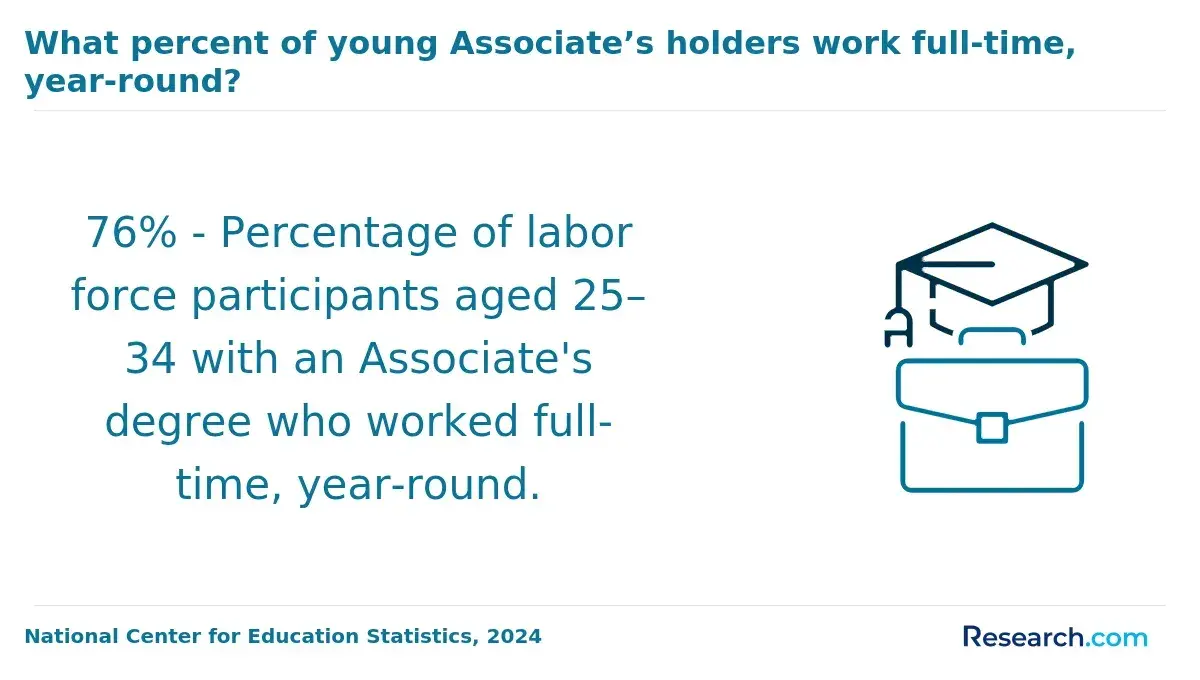
If a bachelor's degree is not yet the right starting point, an associate degree may offer a smaller initial commitment or a route toward transfer. Before applying anywhere, obtain all prior transcripts and request the school's military-learning evaluation process. Ask for a program-specific audit: credit accepted as a general elective may not reduce the courses required for the major.
How Much Do Online Degree Programs Cost for Veterans?
Total cost depends on tuition, mandatory and program fees, required credits, books, technology, placements, and any travel for campus sessions. Compare the cost to finish, not just the advertised price per credit. A program with higher tuition could cost less overall if more applicable previous credit reduces remaining coursework; the reverse is also possible if prerequisites or fees add substantially to the bill.
Request an itemized estimate for your remaining courses and compare it with the VA benefits you can actually use. Ask whether you qualify for the Yellow Ribbon Program or other aid and whether aid can be combined under applicable rules. Do not budget a housing allowance until the school certifying official explains how your planned enrollment and delivery format affect it. Recheck the estimate if you change course load or a required placement causes you to miss work.
Are Online Degree Programs Better Than Campus Programs for Veterans?
Online study can reduce commuting and make relocation less disruptive, but it is not automatically more flexible than campus study. An online program may have live meetings, fixed deadlines, group projects, or local clinical hours. A campus or hybrid option may provide easier access to laboratories, placements, and face-to-face instruction—and, for some eligible GI Bill users, different housing-allowance treatment.
Veterans balancing work or caregiving can compare online degree programs for working adults on the details that determine whether attendance is realistic: part-time access, predictable course rotation, live-class times, and placement schedules. Choose online when those requirements fit your life, not merely because the catalog labels the program flexible.
What Coursework Do Veterans Complete in Online Degree Programs?
Coursework depends on the credential. Adult bachelor's-completion programs combine any remaining general education with major requirements and electives. Master's students usually take advanced field courses and may complete a capstone, thesis, portfolio, or applied project. A cybersecurity student might complete technical labs; an MBA student might analyze operations; an MSW or MSN student must also plan for supervised field or clinical work.
Ask for a sample course sequence that accounts for your accepted credit, prerequisites, enrollment intensity, and courses offered only in particular terms. That sequence is more useful than an advertised completion time: previous learning can shorten a path only when the school awards applicable credit, and a required practicum or capstone can still determine when you finish.
What Salaries and Job Outlook Can Veterans Expect After Graduation?
Occupational pay can help frame a decision, but it is not a forecast of what a program's graduates earn. BLS reports a 2024 median annual wage of $93,600 for registered nurses. That figure covers workers across experience levels and settings; an online nursing degree does not confer an RN license or guarantee that wage. Likewise, the software-developer figure cited earlier describes an occupation, not the expected pay from a computer science master's.
For job outlook, compare BLS projections for the specific occupation you want rather than for a broad degree field. Then check entry requirements, local hiring conditions, and whether military experience is relevant to the positions you seek. If the goal is a licensed role, include required examinations and supervised experience in your timeline. If the goal is advancement, ask whether the employer values a graduate degree, demonstrated projects, or both.
Other Things You Should Know About
Possibly. A school may evaluate documented military education or training for credit, but it decides what credit to award and whether it applies to your degree. Request a program-specific evaluation.
Yes, if you meet VA eligibility rules and the specific school and program are approved. Online-only enrollment can affect the housing allowance, so confirm the payment for your planned schedule.
Not necessarily. Nursing, social work, teaching, and some other programs require clinical work, field education, student teaching, labs, or residencies. Check the exact track before applying.
Ask for a written evaluation of your previous learning, a remaining-course plan, total cost, the exact online and in-person requirements, and - if relevant - confirmation that the track meets your state's licensure rules.
References
- Accreditation in the U.S. | ed.gov http://www.ed.gov/laws-and-policy/higher-education-laws-and-policy/college-accreditation/accreditation-in-the-us
- Post-9/11 GI Bill Rates | Veterans Affairs https://www.va.gov/education/benefit-rates/post-9-11-gi-bill-rates/
- Credit for Prior Learning - Ohio Department of Higher Education https://highered.ohio.gov/initiatives/access-acceleration/credit-for-prior-learning
- Prior Learning Assessment | NHTI Extranet https://lynx.nhti.edu/academics/academic-policies/prior-learning-assessment/
- Professional Licensure: General Disclosure - Dunwoody College https://dunwoody.edu/about/accountability/student-right-to-know/professional-licensure-general-disclosure/
- Complying with Professional Licensure Requirements | wiche.edu https://wcetsan.wiche.edu/resources/complying-professional-licensure-requirements-beginners-checklist
- Military Credit for Prior Learning | Western Technical College https://www.westerntc.edu/admissions/military-connected-services/military-credit-for-prior-learning