
2027 Best Associate Degree Programs With Evening Classes

Co-Founder and Chief Data Scientist
Can an associate degree fit around a full-time job? The answer depends less on a college's "evening program" label than on whether every required course is available when you can attend. The College Board reported average public two-year, in-district tuition and fees of $4,050 for 2024-25; that makes community college worth considering, but it does not account for books, travel, or lost work hours.
This guide compares degree fields, explains the scheduling and career trade-offs, and shows working adults what to verify before enrolling.
Key Things You Should Know
- For the most predictable evening schedule, compare business and IT first - but confirm that required courses, not just electives, run after work.
- Many associate degrees require roughly 60 credits; attending part time usually extends completion beyond two years, and clinical placements can limit evening-only study.
- At public two-year colleges, average in-district tuition and fees were $4,050 in 2024-25, according to the College Board. Compare your full program cost, not that annual average.
Top 10 Best Associate Degree Programs With Evening Classes
Business Programs
An Associate of Arts (AA) or Associate of Science (AS) in business often emphasizes transferable accounting, economics, and general education courses. An Associate of Applied Science (AAS) may focus more on bookkeeping, office systems, or operations. Business can suit evening students because many courses do not require labs or placements, but upper-level prerequisites may run only once a term. Choose a transfer-oriented degree if a bachelor's is your goal; choose an AAS only after checking whether its credits will apply to that plan.
Healthcare Programs
Healthcare associate options include health information technology, medical laboratory technology, and radiography. Health information coursework may be easier to schedule after work than a program requiring supervised patient care, but internships or professional practice can still occur during business hours. For clinical fields, ask for the actual rotation schedule and confirm whether the program meets applicable accreditation and certification-eligibility requirements. An evening lecture schedule alone does not make a healthcare degree evening-completable.
Information Technology Programs
IT associate degrees may cover networking, cybersecurity, software development, or technical support. Labs can sometimes be completed remotely or during evening campus sessions, making this field a useful option for employed students. Check whether exams, group projects, and required labs have fixed daytime times. An AAS may prioritize job skills, while an AS may better support transfer. Compare course projects and current tools - not just the degree title - because entry-level employers may also value demonstrable skills and certifications.
Nursing / Pre-Nursing Programs
An associate degree in nursing (ADN) can provide an educational route toward registered nurse licensure, but admission is often selective and clinical hours may include days, nights, or weekends assigned by a placement site. Pre-nursing is different: it typically covers prerequisites and does not itself qualify students for RN licensure. Request the clinical calendar, prerequisite sequence, program accreditation status, and state-board approval before assuming an evening pathway will fit your job.
Criminal Justice Programs
Criminal justice AA, AS, and AAS programs commonly cover law, courts, corrections, and public safety. Classroom courses may work well in the evening, though internships may not. An associate degree can support applications for some entry-level roles or transfer to a bachelor's program; police and other public-safety positions have separate hiring, training, physical, and background requirements. If you already have a target agency, check its qualifications before choosing a major.
Psychology / Counseling Programs
An AA or AS in psychology is usually a transfer foundation, not a qualification to practice counseling. Evening introductory courses can make the first stage manageable, but prospective counselors should plan for later degree, supervised-experience, and licensing requirements. Some associate programs emphasize human services and include fieldwork; confirm its hours before enrolling. Choose this path if you want a transfer plan or an entry-level support role, not independent clinical practice immediately after graduation.
What Are the Best Associate Degrees With Evening Classes?
The best evening associate degree is the one whose required courses fit your schedule and whose credential fits your next step. For students seeking comparatively flexible coursework, business and IT are sensible starting points. For a defined clinical occupation, nursing or an accredited allied-health program may be a stronger career match - but only if you can accommodate placements. Psychology is generally a better fit for planned transfer than immediate entry into counseling.
This comparison describes degree fields, not a ranking of colleges. Evening availability varies by campus and term; verify the complete course sequence before treating any field as an evening-only option.
| Degree field | Scheduling pressure point | Best fit when your goal is... |
| Business | Required courses offered infrequently | Broad business skills or transfer |
| IT | Fixed-time labs or group work | Technical entry-level work or transfer |
| Healthcare | Daytime internships or clinicals | A specific allied-health occupation |
| Nursing | Selective admission and assigned clinical shifts | Meeting the educational requirements for RN licensure |
| Criminal justice | Internship and agency requirements | Public-safety exploration or transfer |
| Psychology | Transfer planning or fieldwork | Further study or support work |
If your intended occupation normally requires a bachelor's, compare the associate-to-transfer route with entering an online bachelor's degree directly. The better option is the one that accepts the courses you need and fits your total budget and weekly schedule.
How Do Online and Campus Evening Associate Programs Compare?
Online is not automatically more flexible than campus evening study. Asynchronous courses let you access lessons outside set meeting times but still have deadlines. Live online courses may require attendance at a specific hour. Campus evenings offer face-to-face access to labs and instructors but add commuting and, sometimes, limited course sections. Hybrid programs combine these constraints.
Ask whether every required course is available in your preferred format, whether exams are proctored at fixed times, and whether labs or placements require daytime attendance. If independent scheduling matters most, compare self paced online colleges with conventional online programs - but check how deadlines, instructor access, and financial aid work before choosing. Healthcare and nursing students should expect local, in-person requirements even when lectures are online.
How Long Do Evening Associate Degree Programs Take and Cost?
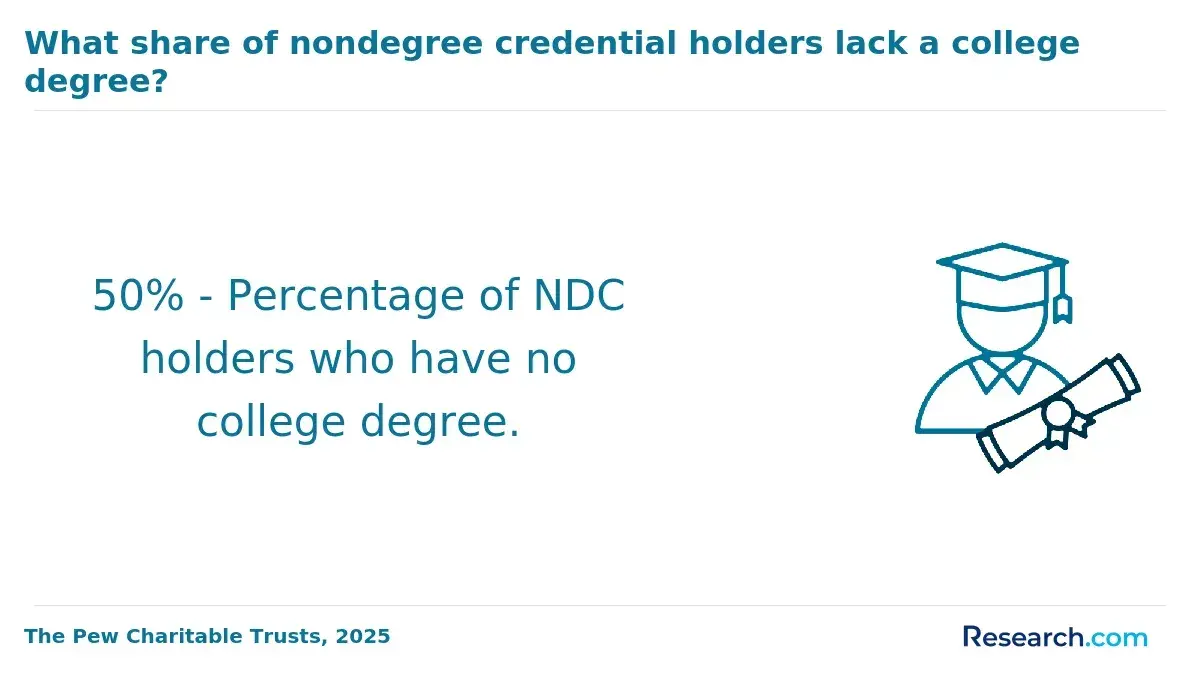
Associate degrees commonly require about 60 semester credits, though prerequisites and specialized programs can require more. A full-time student may finish in roughly two years if courses are available in sequence. Working adults taking fewer classes should plan for a longer timeline; summer terms or accepted transfer credit may shorten it. Ask the college to map your remaining courses term by term, including any lab or clinical placement.
The College Board's 2024-25 average of $4,050 in annual in-district tuition and fees at public two-year colleges is a benchmark, not a program price. Your total depends on residency, credits attempted, mandatory fees, books, equipment, travel, and additional terms. Compare a written estimate for the entire pathway after a transfer-credit evaluation. Eligible students can explore federal aid, state grants, scholarships, employer tuition assistance, and payment plans; aid and employer benefits have their own rules.
What Are the Admission Requirements for Evening Associate Programs?
Many community colleges admit students with a high school diploma or equivalent, then use transcripts or placement procedures to determine starting courses. Admission to the college does not guarantee admission to a nursing or allied-health major. Selective programs may require prerequisite grades, a minimum GPA, entrance testing, immunizations, background checks, or other clinical-site conditions.
Apply early enough to complete prerequisites and request an evaluation of previous college credit. If you need evenings, ask whether the first course you qualify to take - and every later required course - has a workable section. A published evening timetable for one term is not proof that the entire degree can be completed after work.
What Do Evening Associate Degree Programs Teach?
Most associate programs combine general education, such as writing and mathematics, with major courses. An AA or AS often emphasizes courses intended for transfer, while an AAS often emphasizes occupational preparation; the college's actual degree plan matters more than its abbreviation. Depending on the major, learning may also include labs, projects, internships, or supervised clinical practice.
For IT or business roles, compare the degree's practical projects with employer expectations. Shorter online certification courses may be useful when you need one specific skill, but they generally do not replace an associate degree's general education or a regulated occupation's required training.
Which Evening Associate Degrees Lead to Professional Licensure?
An ADN can be part of the pathway to RN licensure, but graduates must also meet state-board requirements and pass the NCLEX-RN. Some allied-health associate degrees can establish eligibility to seek a professional credential or state license; the rules differ by occupation and state. Pre-nursing, general healthcare studies, psychology, and criminal justice degrees do not by themselves confer a professional license.
Before applying to a regulated program, confirm state-board approval where applicable, any required specialized accreditation, exam eligibility, and the location and hours of clinical training. If you may seek licensure in another state, check that state's rules too. Institutional accreditation alone does not establish eligibility for every professional exam or license.
What Careers Can You Pursue With an Evening Associate Degree?
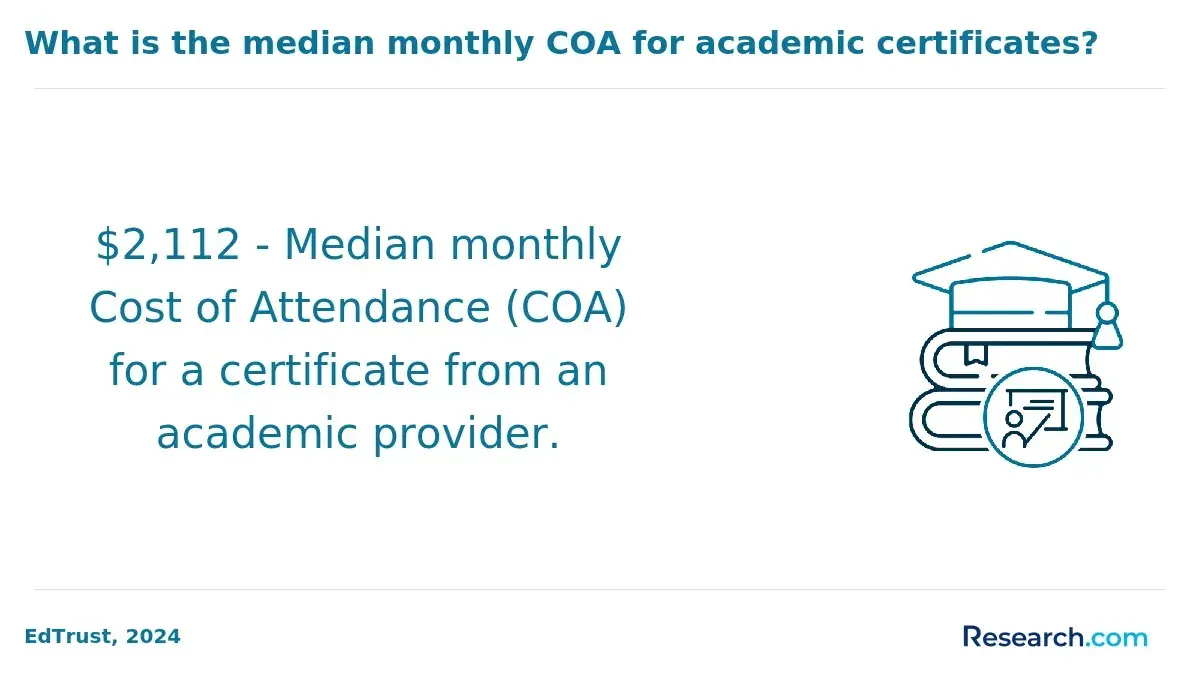
Career possibilities depend on the major and on qualifications beyond the degree. Business graduates might pursue administrative or bookkeeping roles; IT graduates might apply for support positions; criminal justice graduates may pursue qualifying agency or support roles. Allied-health and nursing roles require the relevant clinical preparation and, where applicable, certification or licensure. An associate degree does not bypass an employer's experience or hiring requirements.
Psychology can support a transfer pathway or applications for certain human-services support jobs, but independent counseling requires substantially more education and supervised practice. If that is your goal, compare the full educational route - including relevant masters degrees that make the most money - against your interests and your state's licensing requirements rather than choosing an associate major based on salary claims alone.
What Salaries and Job Outlook Can Evening Associate Graduates Expect?
The U.S. Bureau of Labor Statistics reports 2024 median annual pay of $93,600 for registered nurses and projects RN employment growth of 5% from 2024 to 2034. Those are occupation-wide figures, not expected earnings or guaranteed job prospects for ADN graduates; they include nurses with different degrees, experience levels, locations, and schedules.
Other evening-friendly fields have different entry requirements and pay patterns. Compare the occupation you actually intend to enter, local job postings, and whether the associate degree meets their stated qualifications. For a realistic return-on-investment check, weigh likely entry-level opportunities against the full cost of attendance, time away from work, and any further education or credentialing you will need.
How Can You Choose an Accredited Evening Associate Degree Program?
Start with institutional accreditation, then check any specialized accreditation or board approval needed for your intended occupation. Next, request a degree audit and recent course schedules. A college may advertise evening classes while offering a required lab only during the day, so the degree audit and timetable need to agree.
Use these checks to compare finalists on the issues most likely to interrupt an employed student's progress:
- Ask an advisor to map every remaining course, prerequisite, lab, and placement by term and meeting time.
- Confirm whether online classes are asynchronous, whether attendance is required, and how often required courses run.
- Get a written total-cost estimate and a review showing which transfer credits apply to the major - not merely which credits the college accepts.
- If transfer or licensure is the goal, verify requirements with the destination university or relevant licensing board before enrolling.
Be cautious of a program described as "fully flexible" without a complete schedule, or "transferable" without an agreement covering your intended major. The best choice is not necessarily the shortest or least expensive on paper; it is the pathway you can complete on your schedule that meets the requirements of your next step.
Other Things You Should Know About
Sometimes, but it depends on the college, major, and term-by-term schedule. Ask for a complete course map; labs, internships, and clinicals may require other hours.
Not necessarily. Asynchronous courses can reduce scheduling conflicts, but deadlines remain, and some online programs require live sessions or in-person components.
Many programs require roughly 60 credits. Completion depends on your course load, prerequisites, accepted credits, and how often required classes are offered; part-time study commonly takes longer than two years.
Choose by destination, not initials alone. AA and AS programs often support transfer, while an AAS often emphasizes workforce preparation. Verify how the specific degree's courses apply to your intended job or bachelor's program.
References
- DAPIP | Homepage - Office of Postsecondary Education (OPE) https://ope.ed.gov/dapip/
- Accreditation | State University System of Florida https://www.flbog.edu/resources/academic/program-review-accreditation/
- New Nursing Degree Program for Working Adults | oaklandcc.edu https://www.oaklandcc.edu/news/press-releases/evening-nursing-program
- What Is an Accredited University? Understanding Accreditation | National University https://www.nu.edu/blog/what-is-an-accredited-university/
- Funding Your Future | broward.edu https://www.broward.edu/admissions/tuition-costs/
- RACC Main Title https://www.racc.edu/academics/nursing-program
- Regional vs. National Accreditation: Which is Better? | Drexel University Online https://www.online.drexel.edu/news/national-vs-regional-accreditation.aspx
- Associate Degree Nursing - Evening Option, A.A.S. (A45110EV) https://mycatalog.cvcc.edu/preview_program.php
- Programs-A-Z | Blinn College https://www.blinn.edu/academics/degrees-and-certificates.html
- Nursing, Part-time, Evening & Weekend | Pennsylvania College of Technology https://www.pct.edu/academics/nhs/nursing/nursing-part-time-evening-weekend


