
2027 Best Associate Degree Completion Programs With Resume Help

Co-Founder and Chief Data Scientist
If you have college credits but no degree, the best place to finish is not necessarily the school with the shortest advertised timeline. You need a program that accepts your credits toward required courses and offers resume help you can actually use. The College Board reported average published tuition and fees of $4,050 for in-district students at public two-year colleges in 2024-25; your remaining credits and fees will determine your real cost.
This guide compares completion pathways, career support, and questions to ask before enrolling.
Key Things You Should Know
- Ask each school which previous credits meet general education and major requirements, how many credits you must earn there, and when the evaluation becomes official.
- Look for individual resume feedback and access for online or part-time students - not just a downloadable template or a job board.
- The College Board's $4,050 public two-year in-district tuition-and-fee average for 2024-25 is a benchmark, not a quote for finishing your degree.
Top 10 Best Associate Degree Completion Programs With Resume Help
Business Programs
Business AA or AS programs often suit students planning to transfer into a bachelor's degree; business AAS programs may emphasize immediate workplace skills. Compare how previous accounting, economics, and general education courses apply - not merely how many credits transfer. Useful resume support should help you describe customer service, supervision, or office experience in terms employers recognize. If your goal is management, ask what experience employers expect: an associate degree alone generally does not qualify someone for a management position.
Healthcare Programs
Healthcare completion options range from transfer-oriented health science degrees to career-focused health information programs. Their requirements differ substantially: science courses may have recency rules, and some tracks require labs, placements, or professional credentials. Ask whether resume advisors understand the roles you are targeting and can help present patient-facing, records, or administrative experience accurately. A general healthcare degree does not itself establish eligibility for a regulated clinical occupation; verify the specific program and state requirements first.
Information Technology Programs
IT associate programs may cover networking, systems, cybersecurity fundamentals, and troubleshooting. For returning students, the key question is whether older technical courses still satisfy current major requirements. Resume help is especially valuable when it turns class projects, help-desk work, and documented skills into evidence of what you can do. Compare career-oriented AAS programs with AS transfer pathways, and ask whether the curriculum prepares you for any certification you intend to pursue. Preparation does not mean the certification exam or fee is included.
Nursing / Pre-Nursing Programs
Distinguish an associate degree in nursing (ADN) from a pre-nursing AA or AS. An ADN can be a pathway toward registered-nurse licensure, but admission is often selective, clinical placements require in-person attendance, and graduates must meet state requirements and pass the NCLEX-RN. Pre-nursing coursework alone does not qualify someone as a nurse. Before reusing old credits, check prerequisite grades and age limits. Resume services should help you document clinical experience without overstating your license or responsibilities.
Criminal Justice Programs
Criminal justice AA or AS programs commonly support transfer, while some AAS programs emphasize public-safety or administrative skills. Ask whether prior coursework applies to your intended degree and whether the school's resume support addresses relevant experience, such as report writing or community service. A degree does not replace agency hiring standards, background checks, academy training, or other requirements. If you already know the employer or agency you want to join, check its qualifications before choosing a program.
Psychology / Counseling Programs
Psychology AA and AS programs are generally strongest as transfer pathways. They can also support applications for some entry-level human-services roles, depending on the employer. Professional counseling and psychologist roles require substantially more education and, typically, licensure. Look for resume assistance that helps you describe research, communication, volunteer, or support experience without implying clinical credentials. Before enrolling, confirm that the courses satisfy the bachelor's program you may enter next.
What are associate degree completion programs with resume help?
An associate degree completion program is a pathway for someone who has already earned college credit but has not finished an associate degree. Most associate degrees require roughly 60 semester credits, though requirements vary. A school evaluates previous work against its degree requirements, then identifies the general education, major, elective, and residency credits still needed.
"Completion program" does not mean every returning student enters with the same credits or finishes on the same schedule. An AA or AS may be designed mainly for transfer; an AAS often emphasizes workforce preparation. The better choice depends on your next step and where your previous courses will count. Before committing, request a written evaluation showing credits accepted and credits applied to the degree - not just a total transfer-credit number.
Which accredited schools offer associate degree completion programs with resume assistance?
Southern New Hampshire University (SNHU), SUNY Empire State University, and Columbus State Community College are starting points for comparing accredited associate pathways and career support - not a ranked list or a promise that every major is available in every format. SNHU offers an online associate in business administration and career services that include resume assistance. SUNY Empire offers associate-level study and career-development support for students with prior credit. Columbus State offers associate pathways and career services that include resume help.
Check each institution's current program catalog and career-services page before applying. Confirm institutional accreditation, the exact degree and delivery format, eligibility for one-to-one resume feedback, and whether remote and part-time students can book appointments. Ask for a preliminary transfer evaluation where available. A school's general resume service is useful, but it is not evidence of job placement or proof that a particular course will transfer.
How do online and campus-based associate degree completion programs compare?
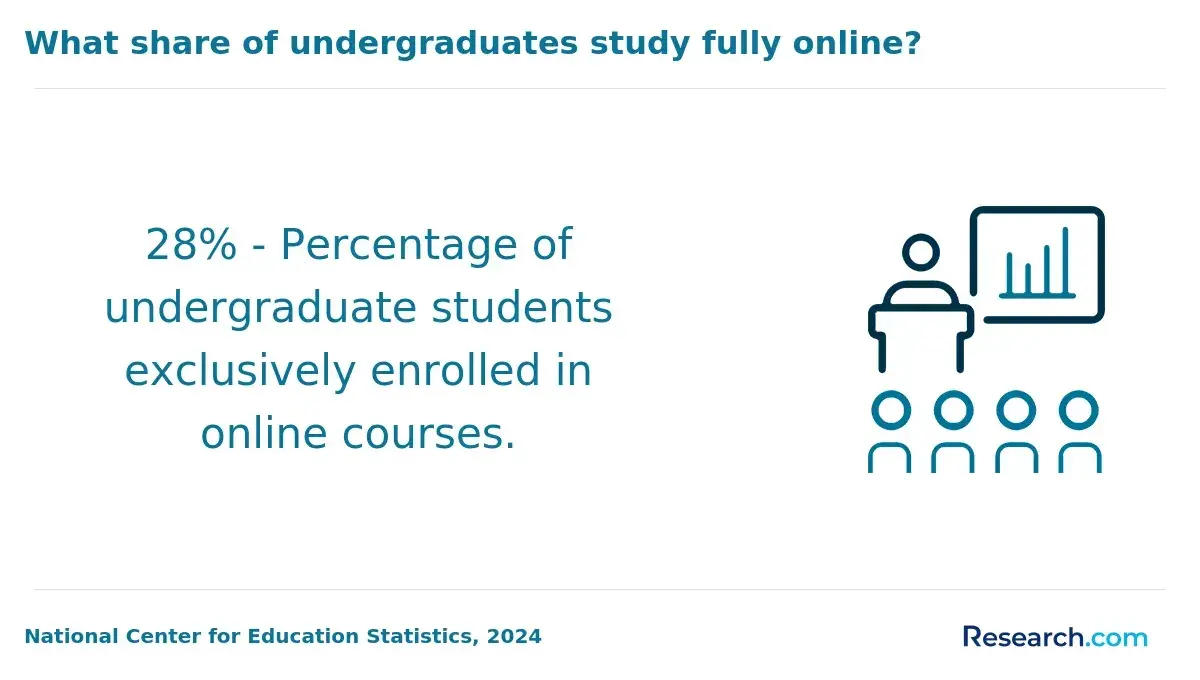
Online study can reduce commuting, but it does not automatically make a degree easier to finish. Scheduled classes, fixed deadlines, proctored assessments, labs, and clinical placements may still shape your week. Campus study may offer easier access to equipment and in-person services, while hybrid study can combine the two.
The comparison below focuses on completion barriers and access to resume help, not on which format is universally better.
| Format | Potential advantage | What to verify |
| Online | Study without routine commuting | Live-session requirements, local placements, and virtual resume appointments |
| Hybrid | Remote coursework with some in-person learning | Required visit frequency and whether courses run when you need them |
| Campus | On-site labs and face-to-face support | Commute, work-hour conflicts, and career-center appointment times |
If remote access is essential, compare each associate degree online option against your remaining requirements. A short course term is not the length of the entire degree, particularly when prerequisites or limited course offerings remain.
What courses and career services are included in these degree completion programs?
Remaining courses typically include some combination of writing, math, general education, major requirements, and electives. A previous course might transfer as an elective without satisfying the requirement that is keeping you from graduation. Career services also vary: a template library is different from an appointment with an advisor who will review your draft.
To judge the support behind a completion program, ask what you will be able to use while enrolled:
- Individual resume and cover-letter feedback, including virtual appointments if you study remotely.
- Help translating previous work, military experience, projects, or clinical experience into accurate, relevant resume entries.
- Interview practice, internship guidance, or employer events suited to your intended field.
- Clear access rules for part-time students and graduates, including any appointment limits.
If the coursework required for your goal is narrower than a degree, compare online certificates as an alternative. Check whether the shorter credential meets employer expectations and whether its credits could count toward a later degree; neither should be assumed.
What admission requirements apply to associate degree completion programs?
Many associate pathways require an application and official transcripts from every college previously attended. Schools may use placement information to determine starting courses, while selective majors can have separate prerequisite, grade, background-check, or health requirements. Admission to a college therefore does not necessarily mean admission to its nursing or other limited-capacity program.
Transfer rules deserve particular attention. Ask about minimum acceptable grades, course-age limits, maximum transferable credits, and the school's residency requirement - the credits you must complete through the awarding institution. If the school offers credit for military training, examinations, credentials, or assessed prior learning, ask how it is evaluated and whether it can satisfy a required course. Work experience alone does not automatically become college credit.
How long do associate degree completion programs take and what do they cost?
Time to completion depends on credits that actually apply, enrollment intensity, course scheduling, prerequisites, and any lab or clinical sequence. Someone with most requirements satisfied may need relatively few terms; someone whose old credits count only as electives may need much longer. Treat an advertised fast finish as conditional until the school evaluates your record.
The College Board's 2024-25 average of $4,050 in published tuition and fees for in-district public two-year students offers a national price reference, not an estimate of your remaining bill. Compare tuition for the credits you still need, mandatory fees, books, equipment, travel or placement costs, and any charge for prior-learning assessment. In-district, out-of-district, and online rates may differ.
Ask each school for a remaining-credit plan and a corresponding cost estimate. Then check eligibility for federal aid, state grants, scholarships, employer tuition assistance, or a payment plan. The lowest per-credit price may cost more overall if fewer of your previous credits satisfy degree requirements.
What careers can graduates pursue after completing an associate degree?
Career options depend more on the specific degree and skills than on having an associate credential alone. A business or IT graduate might pursue entry-level administrative or support work; a transfer-oriented psychology or criminal justice graduate may use the degree as a step toward a bachelor's. A graduate of an appropriate nursing program can pursue RN licensure only after meeting all applicable examination and state requirements.
The following distinctions help prevent a common mistake: treating a field of study as automatic qualification for a job.
| Goal | How an associate pathway may help | Additional requirement to check |
| Business or office support | Builds communication, software, and business foundations | Employer-specific experience and technical skills |
| IT support | Develops troubleshooting and systems knowledge | Hands-on experience or preferred industry certifications |
| Registered nursing | An approved ADN may provide required nursing education | Program approval, NCLEX-RN, and state licensure |
| Professional counseling | Provides a foundation for further study | Graduate education and state licensure |
When an employer wants a specific skill rather than a degree, certifications that pay well may be worth comparing. Check the actual job postings you hope to answer: a certification may complement an associate degree, but it will not replace a required license or advanced degree.
What salaries and job outlooks can graduates expect?
Occupational pay data can help you test a career goal, but it cannot predict what a particular program's graduates will earn. The U.S. Bureau of Labor Statistics reports a 2024 median annual wage of $93,600 for registered nurses. That figure covers workers across education and experience levels; it is not the expected starting salary for someone finishing an ADN. RN practice also requires licensure, not just graduation.
Job outlooks likewise vary by occupation rather than by associate major. To make a useful comparison, identify a specific target job, review current local postings for its education and credential requirements, and compare occupational wage and growth information with the full cost of finishing your degree. Resume help can strengthen an application; it cannot guarantee an interview, job, or salary.
How should students choose a reputable associate degree completion program?
For a returning student, the strongest program is one that applies previous credits efficiently, fits the intended career or transfer destination, has credible accreditation, and provides usable resume support. No single school is best for every transcript. Use the same checks for each option before paying an enrollment deposit:
- Request a written degree audit showing accepted credits, remaining required courses, residency credits, and any courses that transferred only as electives.
- Confirm institutional accreditation and, for a regulated occupation, the program approval or accreditation relevant to licensure in your state.
- Ask to see when remaining courses run and whether online, hybrid, clinical, or on-campus requirements fit your schedule.
- Book or inquire about a resume-services appointment: confirm whether you receive individual feedback and whether remote or part-time students qualify.
- Compare estimated total remaining cost and, if transferring later, ask the destination bachelor's program how the completed courses will apply.
Be wary of vague promises that all prior credits will count, that "online" means no required visits, or that career services guarantee employment. If application charges matter as you build a shortlist, compare the best online colleges with no application fee - but prioritize the degree audit and support you need over a waived upfront charge.
Other Things You Should Know About
Often, yes. Schools may accept older general education courses while applying recency limits to science, technology, or program prerequisites. Request a course-by-course evaluation.
There is no universal minimum. Some schools admit students with little prior credit; an advertised short timeline may assume that most degree requirements are already complete.
It depends on the school. Ask whether online students can receive individual virtual feedback, not just access templates or a job board.
Possibly, but acceptance is not the same as application to your intended major. Check an articulation agreement or obtain an evaluation from the destination institution.
References
- How Long Does It Take to Finish an Online Degree? | NMSU Global Campus https://global.nmsu.edu/blog/general/how-long-does-it-take-to-finish-an-online-degree/
- Credit for Prior Learning Policies: A Database of Findings from the ACE-CAEL 50-State Analysis | acenet.edu https://www.acenet.edu/Pages/CPL-Inventory.aspx
- Job Search Document Review & Coaching Services | Georgetown Alumni https://alumni.georgetown.edu/learn/career-resources/job-search-document-review-coaching-services/
- Career Services Is Here to Help You Succeed - Purdue Global https://www.purdueglobal.edu/blog/careers/career-services-help-you-succeed/
- Home | marin.edu https://ss.marin.edu/career-services
- Career Center | Cosumnes River College https://crc.losrios.edu/academics/transfer-internships-and-career-services/career-services
- Career Services | ccsf.edu https://www.ccsf.edu/academics/career-education/career-services
- Tuition & Fees at SOU - Financial Aid & Scholarships https://sou.edu/financial-aid/cost-of-attendance/tuition-fees/
- Why Is Accreditation Important? | ACE Blog https://ace.edu/blog/why-is-accreditation-important/
- What is the time commitment for different degree options? | Penn State World Campus https://www.worldcampus.psu.edu/about-us/news-and-features/what-is-the-time-commitment-for-different-degree-options





