2026 Best Accredited Online Medical Studies Degree Programs: Compare Tuition, Admissions, and Career Outcomes

Co-Founder and Chief Data Scientist
Choosing an online medical studies degree is really a decision about cost, credibility, flexibility, and career direction. The U. S. Bureau of Labor Statistics projects healthcare occupations to generate about 1.9 million openings each year from 2023 to 2033, making program choice especially important for students entering or advancing in healthcare. This guide is for working adults, transfer students, and first-time undergraduates comparing accredited online options. You will learn how to judge tuition, admissions, accreditation, support services, and likely career pathways so you can choose a program with stronger long-term value.
Key Things You Should Know
- The best-value online medical studies programs are usually accredited, transfer-friendly bachelor's programs in health sciences, medical studies, or healthcare studies that publish total cost, credit-transfer rules, and student outcomes clearly.
- Average published tuition and fees were $11,610 for in-state public four-year students, $30,780 for out-of-state public students, and $43,350 for private nonprofit four-year students.
- Medical studies is typically a non-licensure degree path; students seeking clinical licensure should verify whether the program meets requirements for nursing, allied health, public health, graduate study, or state-specific credentials before enrolling.
Which Accredited Online Medical Studies Degree Programs Offer the Best Overall Value?
Best overall value usually means the program offers the strongest combination of recognized accreditation, reasonable total cost, transfer-credit acceptance, flexible scheduling, student support, and career alignment. In medical studies, the "best" program is not always the cheapest because some low-cost options may lack the advising, science preparation, internship access, or employer recognition a student needs.
For most students, the strongest value comes from online bachelor's programs in health sciences, medical studies, healthcare studies, or interdisciplinary health that are housed at regionally accredited public universities or established nonprofit institutions.
These programs are often designed for students who want healthcare careers but do not necessarily want to become physicians. They can also work well for licensed allied health professionals seeking a bachelor's degree for promotion.
The table below compares common program types by the kind of student they usually serve. Use it as a decision filter before comparing individual schools.
| Program type | Best fit | Main value advantage | Potential drawback |
| Online bachelor's in health sciences or medical studies | Transfer students, working adults, pre-health students, allied health professionals | Broad healthcare curriculum with flexible career options | May not lead directly to licensure without additional training |
| Online healthcare administration bachelor's | Students interested in operations, clinics, hospitals, insurance, or long-term care | Clearer path toward administrative and management roles | Less science-focused than a pre-clinical medical studies curriculum |
| Online public health or community health bachelor's | Students interested in prevention, health education, outreach, and policy | Good match for population health and nonprofit roles | May require a graduate degree for advanced public health positions |
| Online completion degree for allied health professionals | Students who already hold clinical credentials or an associate degree | Often accepts more transfer credits and shortens time to completion | Usually not ideal for students with no prior healthcare coursework |
If your goal is administrative leadership rather than clinical preparation, compare medical studies programs with a health administration degree online. A healthcare administration curriculum may offer a clearer route into healthcare operations, finance, compliance, and supervisory roles, while medical studies may be better for students who want a broader science-and-health foundation.
Choose a lower-tuition program when it is accredited, accepts your transfer credits, and offers the courses you need. Consider paying more only when the program offers a concrete advantage, such as stronger clinical partnerships, better graduate-school prerequisites, more generous transfer evaluation, or documented student support that reduces the risk of stopping out.
What Accreditation Should Students Look for in an Online Medical Studies Degree Program?
Accreditation is the first quality check for any online medical studies degree. At minimum, the college or university should hold institutional accreditation from an agency recognized by the U.S. Department of Education or the Council for Higher Education Accreditation. This matters because federal financial aid, credit transfer, graduate school admission, and employer acceptance often depend on recognized accreditation.
Medical studies can mean different things across schools, so students should also check whether specialized accreditation applies. A general health sciences or medical studies bachelor's degree may not have programmatic accreditation because it is broad and non-licensure.
However, if the program claims to prepare students for a regulated field, clinical credential, laboratory role, public health credential, nutrition pathway, or healthcare administration credential, additional review may be necessary.
Before applying, verify accreditation through official sources and ask the school direct questions. This short checklist helps you avoid programs that sound legitimate but may not support your next step.
- Confirm the institution's accreditation status in the U.S. Department of Education's recognized accreditation database.
- Ask whether the degree is a licensure, certification, pre-professional, or general studies program.
- Verify whether credits transfer to graduate programs or professional schools you may apply to later.
- Check whether state authorization allows the school to enroll online students in your state.
- Request written confirmation if an advisor says the program meets prerequisites for a specific career path.
A common mistake is assuming that "accredited" means every career door is automatically open. Institutional accreditation supports legitimacy, but it does not mean a program satisfies nursing licensure, medical school prerequisites, physician assistant prerequisites, dietetics requirements, or state-specific clinical rules. Always match accreditation to your intended outcome.
How Do Tuition Costs Compare Across Accredited Online Medical Studies Degree Programs?
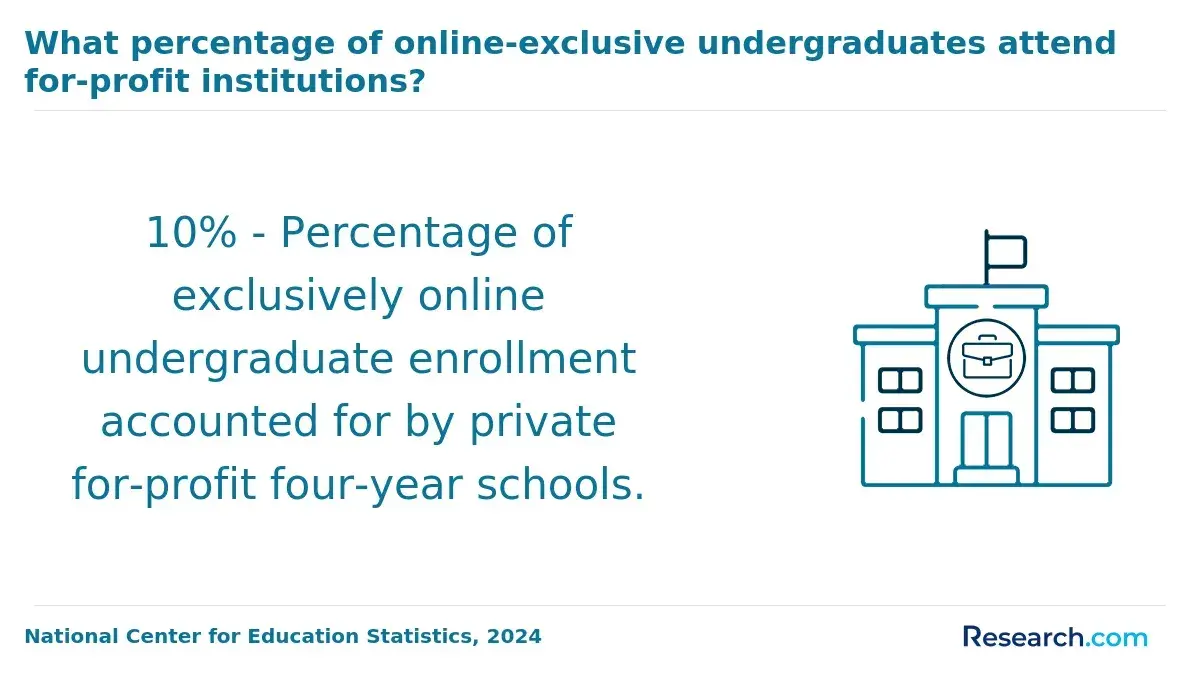
Tuition varies widely because online medical studies programs may be offered by public universities, private nonprofit colleges, or private for-profit institutions. The most useful comparison is not the per-credit rate alone; it is the estimated total price after transfer credits, required fees, books, technology costs, clinical or lab requirements, and financial aid.
College Board's 2024-25 published tuition and fee averages provide a practical benchmark for judging whether an online program is priced competitively. These figures are not medical-studies-specific, but they help students identify when a program is priced like an in-state public option, an out-of-state public option, or a private college option.
- Average in-state public four-year tuition and fees: $11,610
- Average out-of-state public four-year tuition and fees: $30,780
- Average private nonprofit four-year tuition and fees: $43,350
Use those benchmarks carefully. An online program with higher annual tuition can still cost less overall if it accepts more transfer credits or allows faster completion. Conversely, a low advertised per-credit price can become expensive if the school limits transfer credits, charges high online fees, or requires extra prerequisite courses.
The table below shows the cost factors students should compare before deciding whether an online medical studies program is affordable.
| Cost factor | Why it changes total price | What to ask before enrolling |
| Transfer credit policy | Accepted credits can shorten the degree and reduce tuition | How many credits will apply directly to the major and graduation requirements? |
| Online fees | Technology, distance learning, proctoring, and course fees can add recurring costs | Are online fees included in the tuition quote? |
| Science or lab requirements | Some courses may require lab kits, local testing, or in-person components | Are there lab fees, placement costs, or travel requirements? |
| Course load flexibility | Part-time study may reduce short-term cost but extend time to graduation | What is the total estimated cost at my expected pace? |
| Financial aid packaging | Grants and scholarships lower net cost, while loans increase repayment obligations | What will I pay after grants and scholarships, not before? |
When comparing offers, request a degree audit and a written cost estimate based on your actual transcripts. The strongest-value program is often the one with the lowest net cost to completion, not the lowest sticker tuition.
How Competitive Is Admission to Accredited Online Medical Studies Degree Programs?
Admission competitiveness depends on the degree level, school type, and whether the program is a general medical studies track or a selective clinical pathway. Many online bachelor's programs in medical studies or health sciences are moderately accessible, especially for transfer students with completed general education credits. Programs tied to clinical placement, limited lab capacity, or professional-school preparation may be more selective.
Admissions teams typically evaluate academic readiness rather than only test scores. Since many online medical studies students are working adults or transfer applicants, schools often place significant weight on college GPA, completed prerequisites, healthcare experience, and the number of transferable credits.
The table below summarizes common admissions expectations so you can estimate how competitive your application may be before spending money on fees or transcript requests.
| Applicant profile | Typical admissions focus | How to strengthen the application |
| First-time college student | High school record, math and science readiness, placement requirements | Complete biology, chemistry, algebra, and writing preparation when available |
| Transfer student | College GPA, completed general education courses, transferable credits | Request a preliminary transfer review before applying |
| Licensed allied health professional | Credential status, associate degree coursework, professional experience | Ask whether clinical coursework or certifications convert to credit |
| Pre-health student | Science prerequisites, GPA, advising fit, graduate-school preparation | Confirm that required courses meet professional-school expectations |
A major red flag is a school that promises easy admission without explaining academic expectations, transfer limits, or career alignment. Flexible admissions can be legitimate, especially for adult learners, but the school should still be transparent about graduation requirements and student support.
Students with lower GPAs should not assume they have no options. They may be better served by starting with a transfer-friendly program, completing prerequisite courses at a regionally accredited community college, or choosing a school with conditional admission and strong academic advising.
Which Learning Formats Offer the Greatest Flexibility in Online Medical Studies Degree Programs?
The most flexible online medical studies programs use asynchronous courses, multiple start dates, part-time pacing, and generous transfer policies. However, flexibility should not be confused with lack of structure. Students who need accountability may perform better in programs with weekly deadlines, live review sessions, and proactive advising.
Online healthcare education is also changing because simulation tools, telehealth case studies, virtual labs, and AI-supported tutoring are becoming more common. These tools can improve access, but they do not replace every hands-on requirement. If a program includes anatomy, physiology, laboratory science, internship, or practicum expectations, ask exactly how those components are completed.
The table below compares common online formats and the students they tend to serve best.
| Format | Flexibility level | Best for | Watch out for |
| Asynchronous online | High | Working adults, caregivers, students in different time zones | Requires strong self-management and weekly discipline |
| Synchronous online | Moderate | Students who benefit from live discussion and instructor access | Class meeting times may conflict with work schedules |
| Hybrid online | Moderate | Students needing labs, simulations, practicums, or local networking | Travel requirements can reduce convenience |
| Competency-based | High for experienced students | Self-directed learners with prior healthcare knowledge | May not suit students who need frequent instructor guidance |
| Accelerated terms | High but intensive | Students who can focus on fewer courses at a faster pace | Fast pacing can be difficult with science-heavy coursework |
To choose the right format, map your weekly schedule honestly. A student working night shifts may need asynchronous lectures and flexible deadlines, while a first-time college student may need more structured interaction. The best format is the one you can sustain until graduation.
What Student Support Services Improve Success in Online Medical Studies Degree Programs?
Student support can make the difference between an affordable degree and an unfinished one. Online medical studies students often balance work, family, transfer credits, and science-heavy courses, so the best programs provide support that is easy to access remotely and tailored to healthcare pathways.
Look for services that directly reduce academic risk and career confusion. The following supports are especially important for students comparing online medical studies programs.
- Dedicated academic advising that maps prerequisites, transfer credits, and graduation requirements before the first term.
- Science tutoring for anatomy, physiology, biology, chemistry, statistics, and medical terminology.
- Career coaching that connects the degree to specific roles, graduate programs, certifications, or employer pathways.
- Writing, research, and library support for students returning to college after a long break.
- Technology help with learning platforms, remote proctoring, virtual labs, and accessibility tools.
- Internship, practicum, or experiential learning coordination when the curriculum includes field-based requirements.
Do not rely only on a school's support-services webpage. Ask how quickly online students receive tutoring appointments, whether advising is available outside business hours, and whether career services support remote learners. A program with slightly higher tuition may be a better value if it offers stronger retention support and clearer planning.
A common mistake is choosing the most flexible program without checking whether support is equally flexible. If advising, tutoring, or faculty office hours are only available when you are working, the program may not fit your life even if the courses are online.
Which Financial Aid Options Are Available for Accredited Online Medical Studies Degree Students?
Students in accredited online medical studies programs may qualify for many of the same financial aid options as campus students, including federal grants, federal loans, state aid, institutional scholarships, employer tuition assistance, military education benefits, and payment plans. Eligibility depends on accreditation, enrollment status, academic progress, citizenship or eligible noncitizen status, and the school's participation in aid programs.
The federal Pell Grant remains one of the most important forms of need-based aid for undergraduates; the maximum award for the 2024-25 award year is $7,395. That amount can meaningfully reduce net cost, but it may not cover the full price of tuition, fees, books, and living expenses, so students should compare complete financial aid offers rather than assuming aid will make every program affordable.
Use a consistent process when comparing aid packages from different schools. These steps help prevent underestimating debt or overvaluing a scholarship that applies only once.
- Submit the FAFSA and confirm that each school is eligible for federal student aid.
- Compare net cost after grants and scholarships, not just the advertised tuition rate.
- Separate free aid from loans that must be repaid with interest.
- Ask whether scholarships renew automatically or require a minimum GPA or enrollment load.
- Check whether employer tuition assistance requires staying with the employer after graduation.
- Calculate total borrowing for the full degree, especially if you plan to continue into graduate school.
If you are comparing healthcare leadership options, also examine whether a degree with a business focus offers better employer tuition reimbursement. Some students may find that the cheapest online MBA healthcare management pathway makes more sense later, after gaining experience and completing an undergraduate healthcare degree.
The biggest financial aid mistake is treating loans as discounts. Loans can make enrollment possible, but they increase the importance of graduation, career fit, and realistic earnings expectations.
Which Career Outcomes Are Associated With Accredited Online Medical Studies Degree Programs?
An online medical studies degree can support several healthcare pathways, but outcomes depend heavily on the curriculum, prior credentials, local labor market, and whether the student pursues graduate or professional education. The degree is often best viewed as a flexible healthcare foundation rather than a direct license into a clinical occupation.
According to BLS May 2024 data, the median annual wage for healthcare practitioners and technical occupations was $83,090. That figure is useful as a broad labor-market signal, but it does not mean every medical studies graduate will qualify for those roles; many clinical and technical occupations require separate licensure, certification, or graduate education.
The table below connects common career directions to the type of preparation students may need beyond the degree.
| Career direction | How medical studies can help | Additional requirements to verify |
| Healthcare administration or clinic coordination | Builds knowledge of healthcare systems, terminology, ethics, and population health | Employers may prefer experience, management coursework, or graduate study |
| Health education or community health | Supports outreach, prevention, wellness, and patient education work | Some roles may prefer certification or public health coursework |
| Allied health advancement | Helps licensed professionals qualify for supervisory, educator, or bachelor's-required roles | Current clinical credential and employer requirements still matter |
| Pre-professional preparation | Can cover science, ethics, research, and healthcare foundations | Medical, PA, PT, OT, or graduate programs may require specific prerequisites |
| Healthcare data, compliance, or quality improvement | Provides context for health records, regulations, quality metrics, and patient safety | May require data analytics, coding, compliance, or informatics training |
Students who want advanced clinical or academic roles should plan beyond the bachelor's degree. For example, nurses seeking advanced practice may compare PhD nursing programs for research and faculty pathways, while clinical practice leadership may require a different doctoral route.
The degree is often worth it when it helps you finish a bachelor's credential affordably, advance from an allied health role, qualify for healthcare-adjacent positions, or prepare for graduate study. It may not be worth it if you need a specific license and the program does not meet that credential's requirements.
How Do Online and Campus-Based Medical Studies Degree Programs Compare?
Online and campus-based medical studies programs can cover similar academic content, but the student experience differs. Online programs usually offer stronger scheduling flexibility and can be more practical for adults who work in healthcare. Campus programs may offer easier access to labs, faculty, peer networks, research opportunities, and local clinical partnerships.
The better choice depends on your goals. A student completing a bachelor's degree while working as a medical assistant may benefit from online flexibility. A traditional student seeking intensive lab access, undergraduate research, or pre-med advising may prefer campus-based study or a hybrid format.
The table below highlights the trade-offs that matter most when comparing delivery formats.
| Factor | Online medical studies program | Campus-based medical studies program |
| Schedule | Often better for working adults and caregivers | More fixed class times and location requirements |
| Cost control | May reduce commuting and housing costs | May include campus fees, housing, and transportation costs |
| Lab and clinical access | May require virtual labs, local placements, or hybrid sessions | Often easier access to on-campus labs and local partnerships |
| Networking | Depends on online community, advising, and career services | Often more organic peer and faculty interaction |
| Learning style | Best for disciplined, independent learners | Best for students who want routine, live interaction, and campus resources |
Students considering advanced clinical practice should also think ahead. For example, nurses comparing future doctoral practice pathways may eventually explore DNP programs, where clinical placement expectations and state authorization can be more complex than in a general medical studies bachelor's degree.
Online is not automatically easier, and campus is not automatically better. The right choice is the format that gives you access to the courses, support, prerequisites, and experiences required for your next career or education step.
How Should Students Choose the Best Accredited Online Medical Studies Degree Program?
The best accredited online medical studies degree program is the one that fits your goal, budget, schedule, academic background, and next credential. A practical decision should weigh total cost, accreditation, transfer credits, course requirements, support services, and outcome transparency together rather than relying on a single ranking or tuition figure.
Use the following decision process to narrow your options. It is especially helpful if you are comparing several programs that all appear similar on the surface.
- Define your end goal first: healthcare administration, allied health advancement, public health, pre-professional study, graduate school, or general healthcare career entry.
- Confirm institutional accreditation and any relevant programmatic accreditation or licensure alignment.
- Request a transfer-credit evaluation before judging affordability.
- Compare total cost to completion, including fees, books, labs, and any travel requirements.
- Check whether the curriculum includes the science, statistics, ethics, communication, or management courses your goal requires.
- Ask for graduation, retention, and career-support information for online students specifically.
- Choose the learning format you can realistically sustain for the full program.
- Compare financial aid offers using net cost and total projected borrowing.
Also compare adjacent pathways if your career goal is more specialized. Students interested in healthcare leadership may choose administration or management, while students focused on dietetics or wellness careers may eventually compare a nutrition masters degree if graduate-level nutrition preparation is required for their target role.
Watch for red flags: unclear accreditation, vague career claims, pressure to enroll quickly, limited transfer transparency, no written cost estimate, weak science support, and claims that a broad medical studies degree automatically qualifies you for licensed clinical roles. A trustworthy program will answer detailed questions before you commit.
For most students, the strongest choice is an accredited, transfer-friendly program with transparent pricing, flexible delivery, strong advising, and a curriculum that clearly connects to a realistic healthcare outcome. That combination is more valuable than a low price alone.
Other Things You Should Know About Medical Studies
It can, but only if the program includes the exact science courses required by the medical schools you plan to apply to. Many medical schools expect labs, specific biology and chemistry sequences, physics, and organic chemistry, so verify requirements before enrolling.
Many general medical studies or health sciences programs do not require clinical hours because they are non-licensure degrees. Programs with internships, practicums, labs, or clinical components should explain whether requirements are completed online, locally, or on campus.
Transcripts and diplomas often list the institution and degree rather than the delivery format, but policies vary by school. Employers typically care more about accreditation, relevant coursework, experience, certifications, and whether the degree matches the role.
No. Medical studies is usually a broader healthcare degree, while pre-med is an advising track or set of prerequisite courses for medical school. Some medical studies programs can support pre-med planning, but students must confirm course alignment carefully.
References
- The Most Affordable Medical Schools in Europe 2025 - Medhead https://medhead.eu/the-most-affordable-medical-schools-in-europe/
- UNDERGRADUATE CAREER OUTCOMES https://www.villanova.edu/university/career-outcomes.html
- Average Cost of Medical School [2025]: Yearly + Total Costs https://educationdata.org/average-cost-of-medical-school
- Courses at medical school https://www.bma.org.uk/advice-and-support/studying-medicine/becoming-a-doctor/courses-at-medical-school
- Medical School Acceptance Rates MCAT/GPA, Major, and Race (2026 – 2027) https://mededits.com/mededits-resources/medical-school-admissions/statistics/acceptance-rates/
- Online vs Traditional Medical Learning for Doctors https://www.ocacademy.in/blogs/online-vs-traditional-medical-learning-which-best-supports-doctors-growth/
- Tuition at Every Medical School in the United States (Updated in 2025) — Shemmassian Academic Consulting https://www.shemmassianconsulting.com/blog/medical-school-tuition
- The Best DO Schools in the United States - ICOM https://www.icom.edu/best-do-schools/
- Admission & Tuition Fees https://ed.wum.edu.pl/pl/admission-fees
- Online Healthcare Degree Programs1 https://www.ultimatemedical.edu/campuses/online/