2027 Are There Any One-Year Online Geography Degree Programs Worth Considering?

Co-Founder and Chief Data Scientist
If you are looking for a one-year online Geography degree, the most important thing to know is that the label can be misleading. Geography bachelor’s programs usually require substantial coursework in physical geography, human geography, geographic information systems (GIS), spatial analysis, statistics, environmental systems, and research methods. For most students, that is not realistically completed from start to finish in 12 months.
A one-year timeline may be possible only in a narrow situation: you already have significant transferable college credit, you choose a flexible online degree-completion pathway, and the university accepts enough of your previous coursework to leave only a final set of major and general education requirements. Even then, the schedule can be demanding.
This guide explains what “one-year online Geography programs” usually mean, whether they are feasible, what alternatives exist, what to look for in a legitimate program, how costs and financial aid work, and how to decide whether an accelerated Geography pathway is worth pursuing.
Key Points About One-Year Online Geography Degree Programs
- One-year online Geography degrees focus on core spatial analysis and GIS skills, differing from traditional programs by offering accelerated, practical training without extensive fieldwork.
- These programs appeal to working adults seeking quick skill upgrades; however, they are less common, with fewer than 10% of Geography degrees offered fully online in the US.
- Students should expect a curriculum heavy in digital mapping technologies and data interpretation, emphasizing applications in urban planning, environmental management, and demographics.
Is It Feasible to Finish a Geography Degree in One Year?
For a first-time college student, finishing an accredited online Geography bachelor’s degree in one year is generally not feasible. Bachelor’s degrees commonly require around 120 credits, and Geography programs often include sequenced coursework in GIS, physical geography, human geography, research methods, statistics, and upper-division electives. Compressing all of that into 12 months would be academically and logistically difficult.
A one-year completion timeline becomes more realistic only for students who enter with substantial prior college credit. Degree-completion students who already hold an associate degree or have completed many general education requirements may be able to shorten the remaining time, especially if the school offers accelerated terms and generous transfer policies.
When a one-year timeline may be possible
- You already have many transferable credits: Students with previous college coursework have the best chance of reducing the total time to graduation.
- The program is designed for degree completion: Some online bachelor’s pathways are built for students who have already finished lower-division requirements.
- You can study at a high intensity: Accelerated terms require consistent weekly work and may not be compatible with heavy job or family obligations.
- Your remaining requirements are limited: If you still need labs, prerequisites, upper-level major courses, electives, or a capstone, the timeline may extend beyond one year.
Why most students need longer
Geography is not only a content-based field; it also involves technical and analytical skills. GIS software, spatial data interpretation, remote sensing, cartography, environmental analysis, and research design often require practice over multiple courses. Capstone projects, internships, or applied research experiences can also add time, even when no professional license is required.
The practical takeaway: a one-year online Geography degree is not a realistic starting point for most students. It is better understood as a possible accelerated completion route for students who already bring significant approved credits into the program.
Are There Available One-year Online Geography Degree Programs?
At present, there are no accredited one-year online Geography degree programs available for U.S. students. Most online Geography degrees are structured as traditional bachelor’s programs or as degree-completion options, not as full degrees that can be completed from zero credits in 12 months.
Students who want the fastest credible route should focus on accredited online Geography programs that accept transfer credits, offer multiple start dates, and provide flexible course scheduling. These features can reduce time to completion, but they do not eliminate the underlying credit requirements.
Examples of online Geography degree options
- Arizona State University - Online BS in Geography: This 120-credit, fully online program includes GIS, physical and human geography, geographic research methods, and sustainability. Transfer credits may help students move faster, but the full degree is not designed to be completed in a single year by students starting without prior credit.
- Liberty University - Online BS in Geography (Human or Physical Geography): This 120-credit program uses eight-week terms and permits up to 75% transfer of required credits. Coursework covers areas such as urban planning, GIS, political geography, and environmental studies within a Christian worldview, with preparation for roles connected to urban planning and GIS.
- Marshall University - Online BA/BS in Geography: Marshall offers an accredited, fully online bachelor’s degree with coursework in physical geography, human geography, GIS, and geospatial techniques. Transfer options can shorten the path, though not typically to one year for most students.
What these programs usually cover
Online Geography programs commonly include physical geography, human geography, GIS, environmental science, regional analysis, geospatial techniques, electives, and a capstone or applied project. Students comparing majors and career paths can also review this guide to the best college degrees for employment.
Why Consider Taking Up One-year Online Geography Programs?
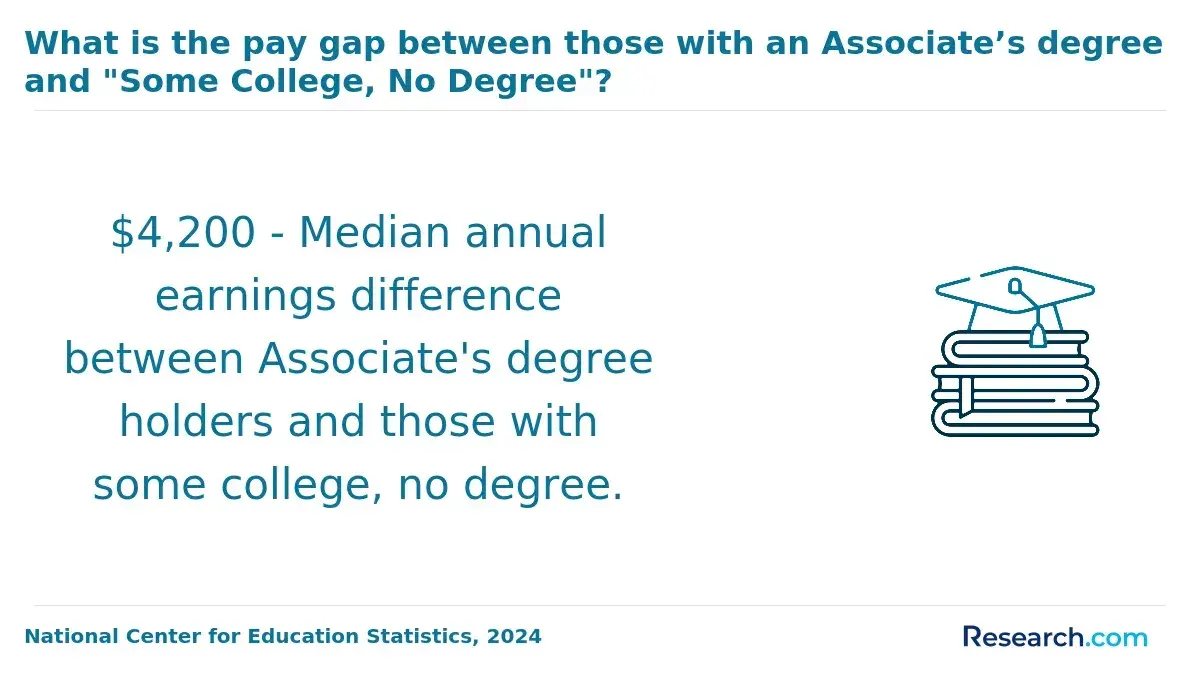
The main reason to consider a one-year online Geography pathway is speed, but only if you are already close to finishing a degree. For transfer students, working adults, military learners, or students returning after a break, an accelerated online format can turn previous credits into a completed credential more efficiently.
The better question is not simply “Can I finish in one year?” but “Can I finish quickly without weakening the value of the degree?” A strong program should still provide meaningful training in GIS, spatial reasoning, environmental analysis, geographic research, and data interpretation.
- Faster degree completion for qualified students: Students with substantial transfer credit may be able to complete remaining requirements more quickly than in a traditional four-year format.
- Career-focused geography skills: Geography programs can build skills in Geographic Information Systems (GIS), geospatial analysis, remote sensing, cartography, and environmental planning. These skills are relevant in areas such as urban planning, environmental management, transportation, and disaster response.
- Online flexibility: Remote coursework can help students continue working or managing family responsibilities while completing a degree.
- Useful option for career changers: Students moving into geospatial, planning, environmental, or public-sector roles may benefit from a structured credential that confirms their technical and analytical preparation.
- Transfer-credit value: Prior coursework, military training, and previously earned credits can reduce both time and total tuition if the institution accepts them.
Acceleration is not limited to undergraduate education, but the intensity and structure vary widely by field and credential level. Students comparing fast academic pathways may also find it helpful to understand how accelerated options are discussed in other areas, such as this overview of the easiest PhD to obtain.
The biggest drawback of a one-year online Geography pathway is intensity. Geography requires both conceptual knowledge and technical practice, especially when GIS, spatial statistics, remote sensing, and environmental data are part of the curriculum. Moving too quickly can leave students with a credential but weaker applied skills.
Students should also be cautious about any school that advertises a full Geography bachelor’s degree in one year without requiring substantial transfer credit. A legitimate program should be clear about accreditation, total credits, transfer limits, course sequencing, tuition, and graduation requirements.
- Heavy workload: Condensing remaining coursework into a short period can mean overlapping deadlines, frequent exams, technical assignments, and limited breaks.
- Burnout risk: Accelerated terms can be difficult for students who work full time or have significant family responsibilities.
- Less time for skill development: GIS, remote sensing, cartography, and spatial analysis improve with practice. A rushed schedule may reduce time for portfolio-quality projects.
- Limited networking: Online and accelerated formats may offer fewer informal opportunities to build relationships with classmates, faculty, and employers.
- Reduced internship availability: A demanding course load can make it harder to complete internships, part-time field experiences, or professional projects.
- Transfer-credit uncertainty: Even if you have prior credits, the school may not accept all of them toward the Geography major or graduation requirements.
To reduce these risks, speak with an academic advisor before enrolling, request a written transfer-credit evaluation, ask how often required courses are offered, and confirm whether GIS software, capstones, or internships create additional scheduling constraints.
Because true one-year online Geography degrees are not generally available, the relevant eligibility requirements are usually those for accelerated or degree-completion bachelor’s programs. These pathways are mainly intended for students who already have significant college credit and can transfer a large portion of the degree requirements.
Most schools evaluate applicants through official transcripts, prior coursework, cumulative GPA, and whether previous credits align with the program’s general education and major requirements. Standardized tests and professional experience are usually not central requirements for bachelor’s degree-completion admission.
- Transfer credits: Many programs expect or accept substantial transfer credit. Most programs accept between 60 to 90 transfer credits; for example, Marshall University accepts up to 72 transfer credits, while Old Dominion University reviews transfer eligibility on a case-by-case basis.
- Minimum GPA: A cumulative GPA of 2.0 is typically the minimum, though some institutions may require a higher GPA for admission or for specific major coursework.
- Official transcripts: Applicants usually need transcripts from every college or university previously attended so the school can evaluate transfer eligibility.
- Program-specific coursework: BA candidates may need foreign language proficiency or coursework. BS students often need foundational math, statistics, and natural science courses before taking advanced Geography classes.
- Prerequisites: Common prerequisites may include introductory physical geography, human geography, basic statistics or quantitative methods, and natural science credits.
- Technology requirements: GIS-focused programs may require access to a Windows PC that can run specialized mapping and geospatial software.
Before applying, ask the admissions office for a preliminary transfer review and confirm how many credits will apply directly to the degree, not just to general elective totals. Students considering longer-term academic advancement can also compare future options such as a cheap PhD.
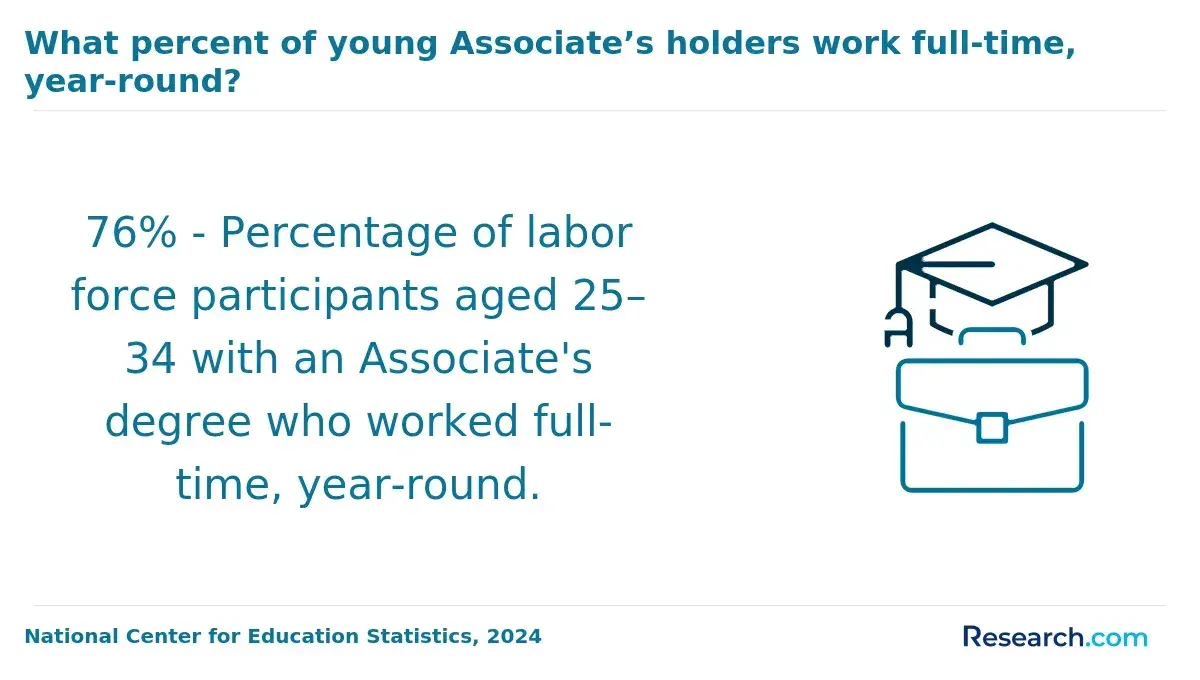
Since one-year online Geography degrees are uncommon, evaluate programs carefully. A fast program is only worthwhile if it is accredited, transparent about requirements, realistic about completion time, and strong enough to support your career or graduate school goals.
Use the following criteria to compare accelerated online Geography options and degree-completion pathways.
- Institutional accreditation: Choose a properly accredited institution. Accreditation affects credit transfer, graduate school eligibility, employer recognition, and access to federal financial aid.
- Clear credit requirements: Traditional Geography degrees often require between 120 to 180 credit hours. Review the total credits, major credits, residency requirements, and how many transfer credits can count toward graduation.
- Written transfer-credit evaluation: Do not rely on general promises about transfer credits. Ask which courses apply to general education, electives, and the Geography major.
- Relevant curriculum: Look for coursework in GIS, spatial analysis, physical geography, human geography, environmental geography, research methods, and cartography if those skills match your goals.
- Flexible course delivery: Asynchronous classes, multiple start dates, and accelerated terms can help working adults move faster, but required courses must still be offered often enough to avoid delays.
- Technical resources: GIS and remote sensing courses may require specialized software, virtual labs, or computer specifications. Confirm these requirements before enrolling.
- Faculty expertise: Review faculty backgrounds in GIS, environmental geography, urban geography, remote sensing, and spatial analysis.
- Career support: Strong programs should offer advising, internship guidance, resume support, job-search resources, and information about geospatial certifications where relevant.
Be skeptical of programs that emphasize speed but provide little detail about accreditation, total credit hours, faculty, curriculum, or outcomes. For broader institutional comparisons, prospective students can review the best accredited non-profit online colleges.
Because one-year online bachelor’s degrees in Geography are uncommon in the United States, cost is usually best understood by looking at the full online Geography bachelor’s degree price and then subtracting any savings from accepted transfer credits. Most programs still charge by credit, even when courses are offered in accelerated terms.
Traditional online Geography bachelor’s degrees generally cost between $25,000 and $75,000 for the full program. Accelerated or degree-completion students may pay less overall if they transfer a large number of approved credits, but the per-credit tuition rate may remain similar.
Several factors can change the final cost:
- Residency status: Public universities may charge different tuition for in-state and out-of-state students.
- Number of accepted transfer credits: Schools that allow up to 90 transfer credits can significantly reduce the number of credits you must pay for.
- Per-credit tuition: Some universities charge around $300 to $450 per credit hour.
- Fees and materials: Online course fees, GIS software access, textbooks, technology requirements, and graduation fees can add to the total cost.
- Public vs. private institution: Tuition structures vary widely depending on the type of school.
The fastest program is not always the cheapest. A school with a lower advertised tuition rate may cost more if it accepts fewer transfer credits, while a school with higher per-credit tuition may be more affordable if it applies more of your previous coursework toward the degree.
If you enter an accelerated online Geography pathway, expect a demanding schedule built around upper-level coursework and applied projects. Most accredited U.S. Geography bachelor’s programs require about four years and 120 credit hours, so a shorter timeline usually means you are completing the final portion of the degree after transferring previous credits.
The curriculum commonly combines physical geography, human geography, GIS, environmental geography, statistical methods, research techniques, and spatial data analysis. Depending on the school, you may also complete a capstone, portfolio project, virtual internship, or applied mapping assignment.
Common learning outcomes
- Use GIS tools to organize, analyze, and visualize geographic data.
- Interpret spatial patterns related to people, environments, regions, and infrastructure.
- Apply basic statistical or quantitative methods to geographic questions.
- Evaluate environmental, urban, political, or regional issues using geographic frameworks.
- Communicate findings through maps, reports, visualizations, or applied projects.
What the online experience may feel like
Online Geography students should be prepared for self-directed work, technical troubleshooting, frequent deadlines, and independent practice with mapping or data tools. Courses may be asynchronous, but that does not mean they are light. GIS and remote sensing assignments can take more time than traditional reading-based courses.
Before enrolling, confirm accreditation, transfer-credit acceptance, required software, course rotation, and whether the one-year timeline is realistic for your exact academic record. Students comparing lower-cost online options may also review information on cheap online universities for working adults.
Financial aid may be available for eligible students enrolled in accredited online Geography programs, including accelerated or degree-completion pathways. The main starting point is the Free Application for Federal Student Aid (FAFSA), which schools use to determine eligibility for federal grants, loans, and work-study where available.
Students should also look for scholarships connected to geography, geospatial technology, environmental studies, remote sensing, GIS, and broader geoscience fields. Some awards are small compared with total tuition, but they can help reduce borrowing or cover software, fees, and materials.
- Abraham Anson Memorial Scholarship: Awards $2,000 to students specializing in photogrammetry, remote sensing, or geospatial technology fields.
- Geoscience Inclusion, Diversity, Equality, and Accessibility Scholarship: Provides $2,500 to undergraduate women in Geography who identify with historically marginalized communities; applications are due by June 30.
- Marble-Boyle Undergraduate Achievement Award: Grants $1,000 to students linking geographic science with computer science disciplines.
State aid, institutional grants, and employer tuition assistance may also be available, depending on residency, school policies, employment benefits, and enrollment status. Geography students working in GIS, planning, environmental services, transportation, public administration, or related fields should ask employers whether tuition reimbursement applies.
Accelerated students need to pay close attention to timing. Scholarship deadlines, FAFSA processing, tuition due dates, and short academic terms may not align neatly. Contact the financial aid office before enrolling to confirm how aid is disbursed for accelerated online terms.
What Geography Graduates Say About Their Online Degree
Student experiences with online Geography programs often depend on transfer credit, course pacing, faculty support, and the amount of hands-on GIS or spatial analysis work included in the curriculum. The comments below reflect individual perspectives and should be considered alongside accreditation, cost, curriculum, and career-fit research.
- Conrad: "Completing my one-year Geography degree online was a game-changer for my career. The accelerated format allowed me to quickly gain valuable skills in GIS and spatial analysis, which helped me secure a role in urban planning within months. The program's focus on practical applications and reasonable tuition made it a smart investment."
- Walker: "The flexibility of the competency-based online Geography program really suited my busy schedule. I could progress as fast as I was able, mastering topics like environmental geography without feeling rushed. Reflecting on the experience, the in-depth content combined with personalized pacing made it both challenging and rewarding."
- Joseph: "From start to finish, the Geography degree was exceptionally well-structured to maximize learning in just one year. The curriculum's emphasis on data interpretation and mapping techniques enhanced my professional skills, and the affordability compared to traditional programs was a major plus. I recommend this accelerated degree for anyone looking to advance efficiently in geospatial fields."
Other Things You Should Know About Pursuing One-Year Geography Degrees
Accreditation ensures that an online Geography degree meets established academic standards and is recognized by employers and other educational institutions. Choosing a program accredited by a legitimate regional or national agency is crucial to ensure the degree's credibility and facilitate future educational or career opportunities.
Most one-year online geography programs require a high school diploma or associate degree, official transcripts, and minimum GPA standards, often around 2.0 to 2.5. Some schools also ask for placement tests, proof of English proficiency, or prerequisite coursework in math or GIS.
- Best Online Bachelor's Degrees in Geography - GISDegree.org https://www.gisdegree.org/online/bachelors-in-geography/
- Top 10 Low-Cost Online Bachelor's in Geography https://www.greatvaluecolleges.net/rankings/online-bachelors-geography/
- The Pros and Cons of Online Higher Education | CollegiateParent https://collegiateparent.com/academics/pros-and-cons-of-online-higher-ed/
- Geography https://www.bbk.ac.uk/courses/postgraduate/geography
- 🎒 Online Geography Undergraduate Tutors Spires™ | Is A Degree In Geography Worth It? https://spires.co/online-geography-tutors/undergraduate/is-a-degree-in-geography-worth-it
- Top 8 Benefits of Online Learning for College Students https://online.uc.edu/blog/benefits-of-online-learning/
- Tuition and Financial Aid https://geospatial.psu.edu/join-today/tuition-and-financial-aid
- Bachelor’s Degree in Geography | Liberty University https://www.liberty.edu/online/arts-and-sciences/bachelors/geography/
- Bachelor of Science in Geography + Master of Geoscience https://artsci.tamu.edu/geography/academics/undergraduate/geography-bs-and-master-of-geoscience.html
- Is an online degree right for you? Pros and cons to consider https://arden.ac.uk/knowledge-base/learning-styles/distance-learning/online-learning-pros-cons