2027 Are Online Organizational Communication Master's Degrees Respected by Employers? Hiring Trends & Career Outcomes

Co-Founder and Chief Data Scientist
Many professionals considering an online organizational communication master's degree wonder if employers value this credential equally to traditional campus degrees. This concern arises amid increasing remote education options and the challenge of proving program rigor and institutional reputation. According to a 2023 National Center for Education Statistics report, 45% of graduate hires in communication-related fields prioritize accredited online degrees when assessing candidate credentials. Understanding how hiring managers perceive online organizational communication degrees is critical for career strategizing. This article examines accreditation, labor market trends, skills emphasis, and alumni outcomes to clarify the standing of online programs and guide prospective students' decisions.
Key Benefits of Knowing Whether Online Organizational Communication Master's Degrees Are Respected by Employers
- Employer perception of online organizational communication master's graduates has improved, with 68% of hiring managers valuing accredited online degrees equally to traditional ones.
- Graduates often demonstrate strong workplace performance, benefiting from practical skills emphasized in rigorous online programs, enhancing team communication and leadership capabilities.
- Data shows online degree holders access promotions and 12% higher average salaries, reflecting growing industry confidence and expanded career advancement opportunities.
How Have Employer Perceptions of Online Organizational Communication Master's Degrees Changed Over the Past Decade?
Employer perceptions of online organizational communication master's degrees have shifted markedly since the early 2010s. At that time, widespread skepticism existed due to concerns about the quality of online education and the stigma linked to for-profit colleges dominating the online degree market. Many hiring managers questioned whether these programs matched the rigor and depth of traditional campus-based education, contributing to negative views in hiring practices.
The COVID-19 pandemic proved pivotal in changing this dynamic by rapidly accelerating the adoption of remote learning across higher education. Employers became more familiar with online credentials in organizational communication and other fields, prompting a reassessment of their previous biases. This shift emphasized evaluating candidates based on demonstrated skills and outcomes rather than the mode of instruction, reflecting evolving trends in hiring graduates with online organizational communication master's programs.
Recent data illustrate this growing acceptance. Champlain College's 2023 survey revealed that 84% of employers are now more receptive to online education compared to before the pandemic. This acceptance highlights that online degrees from reputable, accredited institutions can prepare graduates as effectively as traditional programs. Prospective students should consider researching 1 year online masters programs as part of their options.
Today, accreditation and institutional prestige serve as primary filters for employers when assessing online organizational communication degrees. Hiring managers place significant emphasis on the reputation and rigor of the program, alongside candidates' real-world experience, indicating a more nuanced view than ever.
- Early Skepticism: In the early 2010s, concerns regarding online degree quality and for-profit college affiliations led to employer distrust, especially for organizational communication fields.
- Pandemic-Driven Shift: The COVID-19 pandemic normalized remote learning, encouraging many employers to reassess the credibility of online educational credentials.
- Data-Backed Acceptance: Surveys like Champlain College's 2023 findings show 84% of employers are now more open to online degrees than before, reflecting a sustainable trend.
- Accreditation Focus: Accreditation has become a key determinant of program legitimacy, helping differentiate reputable degrees from less credible offerings.
- Institutional Prestige: The reputation and rigor of the granting institution are critical factors shaping employer perceptions beyond delivery format.
What Do Hiring Managers Actually Think About Online Organizational Communication Graduate Credentials?
Surveys from trusted organizations like the National Association of Colleges and Employers (NACE) and the Society for Human Resource Management (SHRM) reveal evolving employer perceptions of online organizational communication master's programs. Early doubts about online degrees have lessened considerably in the past decade, though acceptance still hinges on factors such as industry, company size, and region. Larger corporations and urban employers, especially those affiliated with accredited universities with strong reputations, tend to trust online credentials more. Conversely, smaller companies and traditional sectors such as government and highly regulated industries often remain more cautious about these programs.
Direct insights from HR professionals illustrate that skills and practical experience are growing priorities. For instance, a hiring manager at a mid-sized technology firm noted, "The degree's format is less important than proven communication skills and demonstrated project outcomes. We prioritize how candidates apply their expertise over where they earned the degree." This highlights a shift toward skills-based hiring in organizational communication roles, where portfolios, work samples, and relevant experience play crucial roles alongside academic credentials.
Geographic variation is also significant. Employers in coastal and metropolitan areas typically show greater openness to online education than those in rural or more conservative regions. In addition, sector-specific attitudes matter-nonprofit and corporate communication departments generally welcome online degrees more than regulated fields such as healthcare. Understanding these dynamics can guide prospective students in selecting programs aligned with employer preferences.
Ultimately, online organizational communication graduate credentials are respected when paired with rigorous curriculum and solid outcomes. Employers emphasize applied competencies and communication skills, often weighing these factors more heavily than the education delivery format. For those interested in enhancing career prospects, exploring highly regarded online certificate programs may also complement master's credentials in the field.
- Employer Acceptance Varies: Larger companies and metropolitan areas show higher trust in online degrees, while smaller firms and traditional sectors remain cautious.
- Employer Quotes Matter: Recruiters increasingly stress skills and experience over degree format, valuing real-world application.
- Regional Differences: Coastal and urban employers are more open to online credentials compared to rural and conservative regions.
- Sector-Specific Trends: Nonprofits and corporate communications departments are typically more accepting than regulated fields like healthcare.
- Skills Over Format: Hiring managers prioritize communication skills, portfolios, and practical outcomes above the mode of education delivery.
Does Accreditation Determine Whether an Online Organizational Communication Master's Degree Is Respected?
Accreditation is a critical factor in assessing the legitimacy and respectability of an online organizational communication master's degree. Employers and credentialing organizations prioritize two primary types: regional accreditation, which evaluates the entire institution's quality, and programmatic (or professional) accreditation, which focuses on the communication program itself. This distinction matters because programmatic accreditation often offers a more precise validation of curriculum relevance and industry standards within the field.
To ensure a program's legitimacy, students should utilize trusted verification tools such as the U.S. Department of Education's Database of Accredited Postsecondary Institutions and Programs (DAPIP) and the Council for Higher Education Accreditation (CHEA) directory. These resources help confirm that both institutions and their specific programs meet recognized standards. In the realm of organizational communication, bodies like the Accrediting Council on Education in Journalism and Mass Communications (ACEJMC) provide specialized accreditation that can carry additional weight.
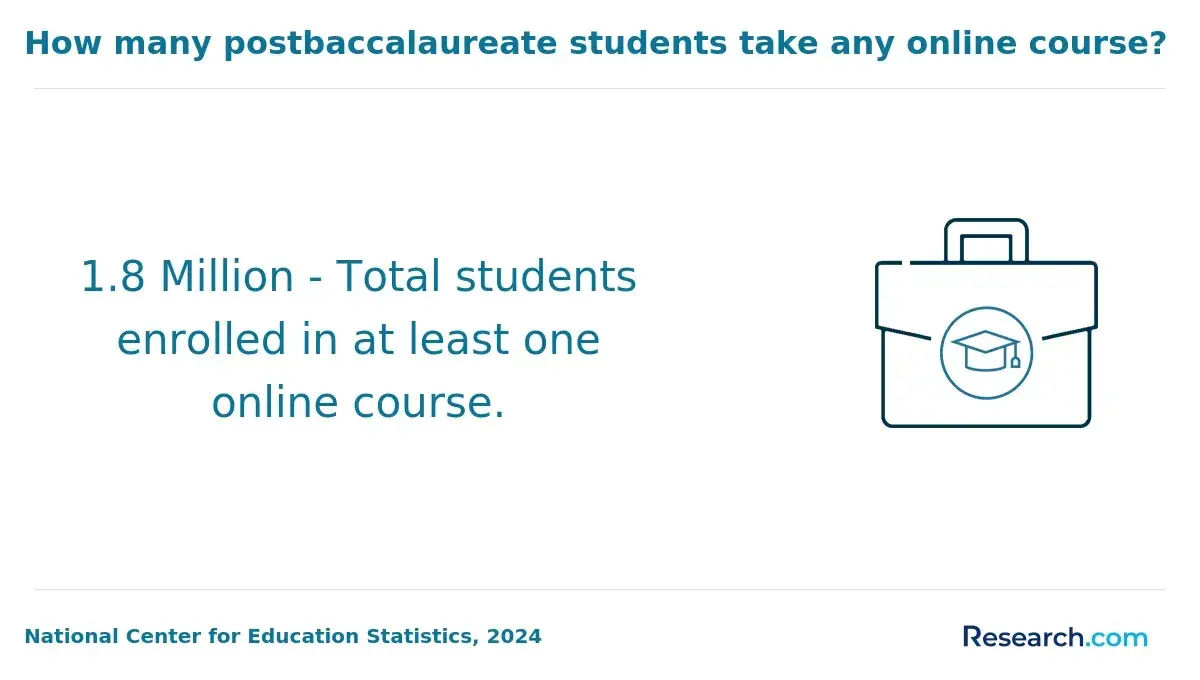
Programs lacking proper accreditation, regardless of whether they are online or on-campus, typically fail to gain employer recognition. Candidates from such schools often encounter barriers in job placement, salary discussions, and career growth, making it essential to thoroughly vet programs beforehand. Reflecting broader trends, nearly 40% of U.S. graduate students now pursue their studies online-a shift that underscores growing acceptance when accreditation standards are met.
- Regional Accreditation: Evaluates institutional quality and assures prospective employers and students that the school meets national standards of education.
- Programmatic Accreditation: Offers in-depth validation from discipline-specific agencies like ACEJMC, confirming the program aligns with current professional practices and academic rigor.
- Verification Tools: Utilizing the DAPIP and CHEA directories provides a reliable method to authenticate a program's official accreditation status prior to enrollment.
- Employer Expectations: Accredited degrees are generally mandatory for competitive hiring, whereas unaccredited credentials often face professional skepticism.
- Online Education Growth: With an increasing number of graduate students learning online, accreditation remains the definitive factor influencing employer acceptance.
One professional who pursued an online organizational communication master's emphasized the anxiety of selecting a trustworthy program. He recounted, "I spent hours cross-referencing accreditation databases to avoid wasting time or money." His concern wasn't just academic quality but also how employers would perceive his degree during job interviews. "Knowing my program was accredited helped me confidently explain my qualifications to hiring managers," he shared, describing that assurance as pivotal to successfully transitioning careers. The experience highlighted that beyond accessing education remotely, credible accreditation directly impacts career prospects and personal confidence in the credential's value.
Degrees from well-known institutions often carry a brand premium that significantly influences employer perception in the US job market. This effect occurs regardless of whether the organizational communication master's degree was earned online or on campus. Prestigious universities like the University of Southern California and Penn State offer flagship online organizational communication programs that maintain the same faculty, curriculum, and academic standards as their traditional counterparts. Data from sources such as the National Association of Colleges and Employers (NACE) consistently confirm that graduates from highly recognized schools benefit from stronger hiring pipelines and employer preference.
That said, ranking alone doesn't guarantee better career outcomes. Numerous accredited mid-tier online programs boast robust industry collaborations and impressive job placement statistics, often outperforming some elite schools lacking solid employer networks. Students considering an online organizational communication master's degree should weigh institutional reputation alongside accreditation, career placement rates, and relevant curricula that support practical skills development.
In an evolving labor market increasingly focused on skills-based hiring, graduates from well-connected programs may enjoy superior long-term growth and salary negotiations. For those evaluating potential programs, it's worth exploring outcomes data aligned with the demands of communication careers and highest paying college majors to maximize their investment.
- Brand Premium Influence: Institutional prestige heavily shapes employer attitudes, often serving as a proxy for program rigor and quality.
- Flagship Online Programs: Leading universities replicate on-campus academic standards in their online organizational communication degrees, ensuring parity.
- Employer Hiring Trends: Employer surveys from NACE reveal that school name recognition is a key factor in recruitment decisions within communication fields.
- Beyond Prestige: Accredited mid-tier programs with strong industry ties may provide enhanced job placement and practical career advantages.
- Comprehensive Evaluation: Prospective students should consider accreditation, job-market outcomes, and curricular relevance alongside institutional reputation.
The 2024 Education Pays report from the Bureau of Labor Statistics reveals that on average, workers with master's degrees earn considerably higher median weekly wages and have lower unemployment rates than those holding only bachelor's degrees. Focusing on organizational communication, the BLS Occupational Outlook Handbook notes median annual salaries near $62,000 for bachelor's graduates, while master's holders typically earn around $75,000. This salary difference highlights the value of advanced education and specialized skills in this field.
Research comparing online and on-campus program outcomes-including studies from New York University's School of Professional Studies-shows little to no wage gap when controlling for factors like institution reputation and field of study. Employers increasingly prioritize accreditation, demonstrated competencies, and experience over the mode of degree delivery, underscoring the legitimacy of quality online programs.
Considering the average cost of about $25,000 and a two-year duration for a master's in organizational communication, graduates can expect a salary boost of roughly $13,000 annually post-completion. This indicates a likely return on investment within two to three years, making the degree a financially sound choice for career growth.
- Master's Wage Advantage: Master's degree holders in organizational communication earn about 20% more than their bachelor's-level counterparts, reflecting skill premium and market demand.
- Online vs. On-Campus Pay: Available data confirms minimal salary differences between delivery formats, spotlighting growing acceptance of online credentials among employers.
- Return on Investment: Factoring tuition, time, and increased earnings, most graduates recoup degree costs within three years.
- Employment Stability: Lower unemployment rates among master's holders offer important economic resilience in evolving job markets.
- Enrollment Trends: Nearly half of graduate students in 2023 chose online formats, illustrating shifting educational preferences and enhanced accessibility.
A professional who built her career after completing an online master's in organizational communication shared that initially she was concerned about how employers might view her degree. However, after securing roles with competitive salaries and positive feedback during performance reviews, she realized the value lay in the program's rigorous curriculum and hands-on projects rather than its delivery method. She recalled, "Navigating deadlines while working full-time was challenging, but the flexibility empowered me to advance my skills without sacrificing income." Her experience highlights that dedication and program quality, rather than format alone, shape career outcomes and compensation prospects.
Acceptance of online organizational communication master's degrees varies widely by sector, with the technology and consulting industries leading in receptivity. These fields prioritize demonstrated communication skills and practical experience over the delivery mode of the degree. Rapid innovation in tech and client-focused strategies in consulting make skills and adaptability central to hiring decisions.
Healthcare and nonprofit sectors are also open to candidates with online credentials, valuing strong communication abilities to manage diverse stakeholder relationships. Government agencies remain comparatively cautious but are gradually adapting hiring policies to include accredited online degrees, especially as digital services grow.
Employer categories reflect this shift as well. Large corporations, particularly Fortune 500 companies, are easing traditional degree requirements to broaden their talent pool. Public-sector organizations are similarly acknowledging the legitimacy of online education from well-regarded institutions offering rigorous programs.
The trend toward skills-based hiring, highlighted by the National Association of Colleges and Employers (NACE) Job Outlook 2026 survey showing 70% of employers favor this approach, benefits online program graduates by focusing on real-world competence rather than just credentials.
Applicants should rely on concrete data such as official employer hiring announcements and program accreditation details. Avoiding speculation about unnamed firms helps maintain a factual understanding of employer attitudes.
- Industry Hierarchy: Tech and consulting are most receptive to online master's holders, prioritizing skills and adaptability over degree format.
- Skills-Based Recruitment: With 70% of employers emphasizing competencies, online graduates gain an advantage in performance-focused hiring practices.
- Employer Types: Fortune 500 firms and many public institutions increasingly accept accredited online degrees, reflecting evolving recruitment norms.
- Sector Differences: Healthcare and nonprofits welcome online qualifications, while government agencies show slow but steady acceptance tied to policy changes.
- Evidence-Based Assessment: Job seekers should prioritize verified employer information over unsubstantiated claims to gauge industry acceptance accurately.
Many online organizational communication master's programs offered by established universities maintain curriculum equivalency by using identical syllabi, faculty, and assessments as their on-campus counterparts. This approach ensures that graduates receive the same rigorous academic experience, which is fundamental to employer trust. Regional and programmatic accreditation bodies enforce consistent quality standards across online and traditional formats, requiring institutions to uphold faculty qualifications, learning outcomes, and academic integrity. These safeguards reassure employers that degrees from accredited online programs meet the same academic thresholds as in-person degrees.
A common concern about online education is the perceived lack of peer learning and collaborative opportunities. However, many programs incorporate synchronous sessions, virtual cohort models, and project-based assignments that simulate the interactive and teamwork-driven environment of campus-based study. For specializations demanding practical experience-such as labs or clinical placements-reputable online masters often facilitate local internships or high-quality simulations, preserving crucial applied learning.
According to data from the Online Learning Consortium, 84% of employers now regard online graduate degrees from accredited institutions as equivalent in quality to traditional ones, reflecting a significant shift toward acceptance.
- Curriculum Equivalency: Online programs frequently adopt the same courses, faculty, and assessments as on-campus versions, maintaining academic consistency and rigor.
- Accreditation Standards: Regional and program-specific accreditation ensure quality benchmarks are met regardless of delivery format, supporting employer confidence in degree value.
- Peer Collaboration: Virtual cohorts, real-time discussions, and team projects replicate essential collaborative learning environments in organizational communication education.
- Practical Requirements: Programs needing labs or placements provide local internship options or simulations, ensuring applied skill development.
- Employer Perceptions: Recent surveys indicate most employers recognize accredited online master's degrees as equal in quality to traditional credentials, reinforcing hiring managers' trust.
Online learning formats cultivate essential job-ready organizational communication skills by emphasizing self-directed study, digital collaboration, and asynchronous communication. These approaches foster critical competencies like project management, digital literacy, and time management-attributes increasingly prized by employers in hybrid and remote work settings. Within the framework of developing practical skills through online organizational communication master's programs, these methods align closely with the National Association of Colleges and Employers (NACE) career readiness competency framework, which highlights critical thinking, communication, leadership, and professionalism.
Online programs can thoughtfully design curricula that immerse students in virtual team projects and digital content creation, allowing them to hone skills applicable to real-world scenarios without relying on a traditional campus environment. Employer feedback and graduate outcome data indicate that alumni of online organizational communication degrees frequently possess practical skills equal to or sometimes exceeding those of their on-campus peers. This competitive edge stems from their experience mastering digital platforms and independently managing their learning schedules, reflecting the demands of modern workplaces.
That said, networking remains a challenge for online learners who must intentionally seek mentorship and participate in virtual career events to compensate for fewer spontaneous campus interactions. Access to certain in-person recruiting opportunities also requires proactive engagement through digital channels.
- Self-Directed Learning: Online students build autonomy by managing coursework at their own pace, developing discipline and accountability that employers value.
- Digital Collaboration Tools: Regular use of platforms like Zoom and Microsoft Teams equips students with fluency in communication technologies essential to many organizations.
- Competency-Focused Curriculum: Programs integrate projects aligned with career readiness standards, strengthening critical thinking, leadership, and teamwork skills within a virtual format.
- Employer Perspectives: Employers report online degree holders often demonstrate adaptability and technical proficiency, crucial for dynamic communication roles.
- Proactive Networking Needs: Online learners benefit from engaging in virtual events and leveraging alumni networks to build professional connections beyond physical campuses.
Prospective students interested in specialized graduate degrees might also explore affordable online MFT programs that provide accessible avenues for professional advancement.
Graduate employment outcomes and alumni data are critical for assessing the value of online organizational communication master's degrees amid evolving employer perceptions. Prospective students should request official placement rates, median salaries, and verified employer partner lists directly from programs to verify credibility beyond self-reported claims, which can vary in accuracy. Such detailed data offers a clearer picture of graduate career success in organizational communication graduate programs and how well an institution prepares students for the job market.
External frameworks like National Center for Education Statistics (NCES) IPEDS graduation rate data and National Association of Colleges and Employers (NACE) graduate outcomes benchmarks provide useful comparison points. Evaluating a program's statistics against these benchmarks helps indicate whether it performs above, at, or below sector averages, offering an objective context for program quality.
Programs that incorporate third-party verification-such as audits by external accounting firms or validation through NACE surveys-tend to provide more reliable and transparent outcomes data. This verification reassures employers and students alike about program rigor and institutional integrity, which is increasingly important as employer attitudes toward online credentials have shifted from skepticism to respect when supported by strong evidence.
Alumni data show graduates increasingly fill roles focused on strategic communication, employee engagement, and leadership development. Their reported salary growth and career advancement often relate closely to the accreditation status and reputation of their institutions, underscoring the importance of thorough due diligence.
- Employment Transparency: Request programs to publish clear and recent graduate employment statistics to understand actual career placement rates.
- Salary Insights: Median salary data and employment sectors help gauge potential financial return and industry relevance of the degree.
- Verified Partnerships: Listings of employer partners and internship opportunities indicate strong industry connections and practical experience pathways.
- Third-Party Validation: Accreditation adherence and independent audits or surveys signal greater outcome data reliability and program quality.
- Comparative Benchmarks: Use NCES IPEDS and NACE data as external references to measure program outcomes against national and sector averages.
For more guidance on evaluating advanced degrees, explore resources such as PsyD programs. This informed approach equips prospective students with the insight needed to assess how an online organizational communication master's degree might support salary negotiations, professional growth, and long-term career success.
Common myths about online master's degrees in organizational communication include assumptions of lesser academic rigor, doubts about accreditation, beliefs that programs are easier or quicker, and concerns about student commitment. However, a significant shift in employer perception challenges these outdated views. A recent Excelsior College/Zogby survey reveals that 83% of executives now regard online degrees as equally credible compared to traditional ones. This change reflects broader workplace trends such as the normalization of remote work and hybrid models, which have increased familiarity with online learning.
Elite universities offering online programs have helped bridge the credibility gap by ensuring high-quality curricula, assessments, and faculty oversight consistent with on-campus equivalents. Furthermore, online learning demands strong time management and self-motivation-traits employers actively seek. These factors, combined with improved accreditation clarity and alumni success in career advancement, confirm the growing respect for online organizational communication degrees.
- Academic Standards: Many online programs maintain rigorous coursework and faculty involvement comparable to traditional settings, dispelling myths of lower quality.
- Accreditation Assurance: Reputable institutions require thorough regional or national accreditation, ensuring the legitimacy of their online degrees.
- Commitment and Discipline: Successfully completing an online master's program requires dedication, contradicting the stereotype that these degrees represent an easier path.
- Growing Employer Acceptance: Survey data highlight a clear trend toward recognizing online credentials as credible, reflecting evolving hiring practices.
- Impact of Remote Work: The pandemic accelerated acceptance of remote education and work, eroding previous skepticism about online degree value.
Workers with an online organizational communication master's degree often find strong career prospects in related occupations such as public relations managers, training and development specialists, and management analysts. The U.S. Bureau of Labor Statistics (BLS) forecasts these roles will grow between 6% and 10% through the early 2030s, showing steady demand. Median salaries typically range from about $63,000 annually for training specialists to over $120,000 for management analysts, reflecting solid financial opportunities.
BLS data from the Monthly Labor Review indicates that earning an advanced degree in these domains boosts median annual earnings by roughly $24,588, increasing from near $69,459 to approximately $94,047. This wage progression highlights the long-term value of graduate education in shaping career trajectories. Importantly, once professionals establish credible achievement records, their online degree's delivery method usually does not affect employer evaluations or promotion decisions.
The acceptance of online master's credentials continues to improve, supported by National Center for Education Statistics reports showing that over 2.5 million graduate students enrolled solely in online programs during the 2023-24 academic year. This trend underscores the widespread legitimacy and employer recognition of online graduate education.
- Steady Occupational Growth: Fields tied to organizational communication are projected to expand 6-10% by 2034, ensuring ongoing job availability.
- Attractive Salary Ranges: Annual median wages span roughly $63,000 to $120,000, indicating strong earning potential in these roles.
- Meaningful Earnings Increase: Advanced degrees can lead to an average salary increase of about $24,588 in related fields.
- Online Degree Acceptance: Employers generally regard the online format as equivalent once graduates demonstrate professional success.
- Widespread Online Enrollment: More than 2.5 million graduate students studied exclusively online in 2023-24, reflecting mainstream adoption.
What Graduates Say About Employer Reception to Their Online Organizational Communication Master's Degree
- Baker: "Completing my online organizational communication master's degree significantly boosted my confidence when discussing qualifications with potential employers. I found that companies appreciated the rigor and flexibility of an accredited online program, seeing it as proof of both my expertise and commitment. It's been rewarding to see how this degree has opened doors that were previously closed to me."
- Matthias: "Reflecting on my journey, I realize how critical it was to choose an accredited online organizational communication master's program. When I shared my credentials with my employer, they valued the formal recognition and the practical skills I gained, which translated into immediate trust on the job. This degree has truly been a stepping stone in reshaping my career path toward leadership roles."
- Wesley: "From a professional standpoint, the reception to my online organizational communication master's degree exceeded my expectations. Employers frequently remarked on the applicability of the knowledge I brought into the workplace, which gave me a unique edge during hiring processes. Pursuing the degree online allowed me to balance work and study, making the advancement in my career even more accessible."
Other Things You Should Know About Organizational Communication Degrees
Yes. A thesis or capstone gives employers evidence of applied research, strategic communication analysis, and project management. Many programs require 30 to 36 credit hours, and a capstone is often completed in the final term, making it a clear signal of graduate-level performance.
Graduates should emphasize the rigor and relevance of their online degree, highlighting specific skills acquired such as strategic communication, change management, and digital media proficiency. It is helpful to discuss projects or collaborations completed during the program to demonstrate applied knowledge. Presenting the degree alongside certifications and professional experience reassures employers of the graduate's qualifications.
- Do employers care if your masters is online? https://www.continents.us/do-employers-care-if-your-masters-is-online/
- 7 Communication Jobs for Graduates With an Online Master's Degree - The Visual Communication Guy https://thevisualcommunicationguy.com/2023/03/29/7-communication-jobs-for-graduates-with-an-online-masters-degree/amp/
- How Online Learning Helps Prepare Students For A Career - Northgate Academy https://www.northgateacademy.com/blog/how-online-learning-helps-prepare-students-for-a-career/
- What role does digital learning play in enhancing communication skills in employee training? https://m.umu.com/ask/a11122301573853505371
- Master’s in Communications Salary and Careers https://teach.com/online-ed/communications-degrees/online-masters-communications/salary-and-career-outlook/
- Common Online Education Misconceptions | Tomorrow University https://www.tomorrow.university/blog/misconceptions-about-online-degrees
- What Global Employers Really Think About Online Degrees https://edutech.global/global-employer-view-on-online-degrees/
- Online Master’s in Communication Degree Programs - OnlineEducation.com https://www.onlineeducation.com/communication/masters-in-communication-programs
- What Can You Do with a Master’s Degree in Communications? https://sps.wfu.edu/articles/what-can-you-do-with-a-masters-degree-in-communications/
- Do Employers Prefer Online Or In-Person Degrees? - Bluesky Thinking https://bluesky-thinking.com/do-employers-prefer-online-or-in-person-degrees/