2027 Competency-Based Online Organizational Communication Master's Degrees

Co-Founder and Chief Data Scientist
Many working professionals and career changers struggle to find flexible master's programs that recognize their existing knowledge without requiring redundant coursework. Competency-based education (CBE) in online organizational communication programs addresses this by allowing students to progress upon demonstrating mastery rather than accumulating credit hours. This model suits those balancing jobs or family commitments while pursuing advanced degrees.
According to the National Center for Education Statistics, enrollment in competency-based online graduate programs grew by over 15% annually between 2018 and 2022. This article explores how CBE in organizational communication masters works, its unique admissions criteria, duration, costs, and benefits to help readers choose the best pathway forward.
Key Benefits of Competency-Based Online Organizational Communication Master's Degree
- Competency-based online organizational communication master's degrees offer flexible pacing, enabling working professionals to balance studies with career and personal responsibilities effectively.
- These programs accelerate skill acquisition by allowing students to demonstrate mastery through assessments rather than traditional credit hours, potentially shortening time to degree completion.
- Students gain access to diverse, global networking opportunities via virtual cohorts and collaborative platforms, expanding professional connections beyond local boundaries.
What Is a Competency-Based Organizational Communication Master's Degree, and How Does It Work?
Competency-based online organizational communication master's programs offer a distinct approach from traditional credit-hour models, focusing on skill mastery over time spent in class. For prospective students, this method provides a flexible, practical path to graduate study. The following list highlights key features of competency-based education in these programs.
- Competency-Focused Learning: Instead of accumulating fixed credit hours, learners demonstrate mastery of targeted skills and knowledge crucial for organizational communication through assessments that emphasize real-world application.
- Self-Paced Progression: Students advance independently through course modules, balancing studies with personal and professional responsibilities, which is especially beneficial for adult learners and working professionals.
- Assessment-Based Advancement: Mastery is quantified via projects, tests, or presentations tailored to verify competency, replacing traditional semester-based exams with continuous evaluation.
- Mentor and Faculty Support: Despite the autonomous learning model, students have access to mentors and faculty advisors who provide guidance, feedback, and curriculum navigation assistance.
- Alignment With Adult Learners: Competency-based programs have been shown to increase degree completion rates for adults; a recent report by the National Center for Education Statistics found a 20% higher graduation rate compared to traditional approaches.
This innovative education model is especially relevant for those investigating competency-based organizational communication degree programs explained and how these programs operate. For candidates interested in flexible graduate study, a useful comparison can be found alongside offerings such as the master's in speech pathology online, which shares similar self-paced, competency-focused structures.
What Are the Admission Requirements for a Competency-Based Online Organizational Communication Master's Program?
Admission standards for competency-based online Organizational Communication master's programs focus on a blend of academic credentials and demonstrated skills, making it crucial for applicants to understand these eligibility requirements for competency-based organizational communication master's programs. Below are the common criteria candidates should prepare for when submitting their applications.
Key admission elements include:
- Bachelor's Degree and Official Transcripts: Applicants must have a completed bachelor's degree from an accredited institution. Submission of official transcripts is typically required to verify academic history and ensure prerequisite coursework aligns with program expectations.
- Letters of Recommendation: Usually two to three letters are requested, ideally from academic professors or professional supervisors who can vouch for the applicant's skills, work ethic, and capacity for graduate study in organizational communication.
- Professional Experience: While not always mandatory, relevant work experience in organizational communication or related fields is often preferred. This background can help demonstrate practical knowledge suited to competency-based learning formats.
- Standardized Test Waivers: Many competency-based programs do not require GRE or GMAT scores, focusing instead on holistic evaluations of an applicant's competencies and academic performance, which contrasts with traditional admissions.
- Holistic Review Process: Admissions committees often consider personal statements, relevant experience, and demonstrated competencies in addition to grades. Highlighting organizational communication competencies can improve acceptance chances.
Applicants are advised to emphasize key competencies related to organizational communication and illustrate their experience effectively. This tailored approach can be particularly advantageous when applying to innovative competency-based programs, helping candidates stand out.
For those exploring educational options, the insights shared here complement other resources such as 1 year MSW programs online no BSW, helpful in understanding accelerated online degrees and their admission dynamics.
What Is the Minimum GPA Requirement for a Organizational Communication Competency-Based Master's Program?
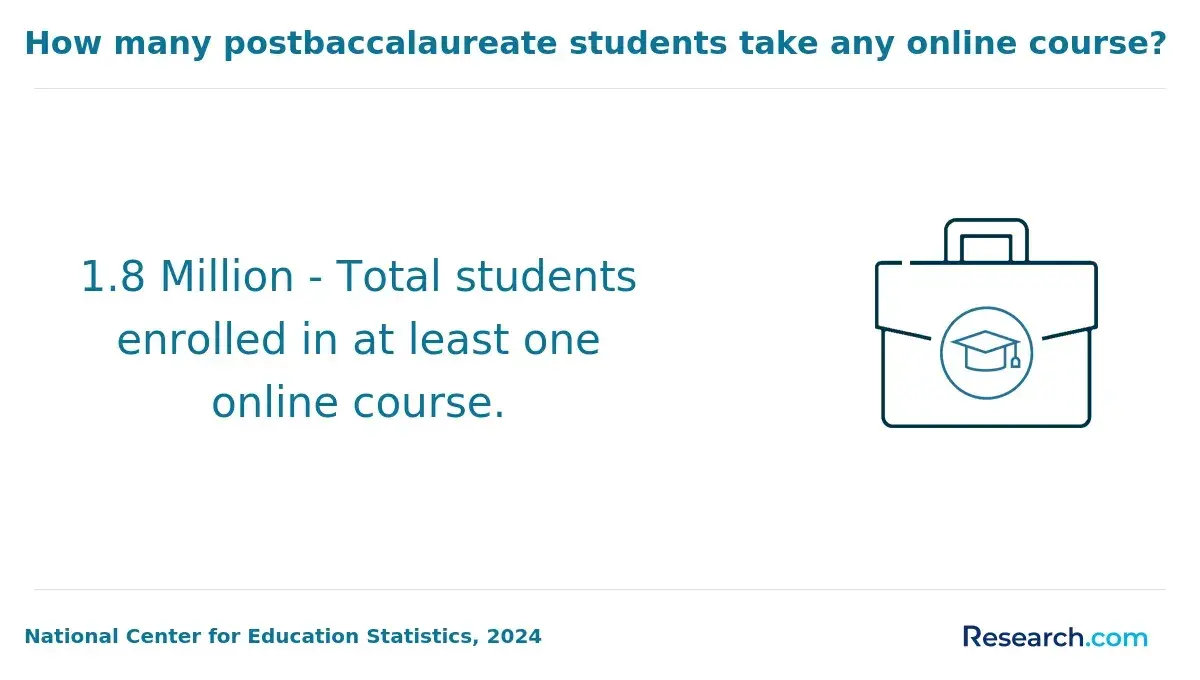
Applicants to competency-based online organizational communication master's programs often wonder about undergraduate GPA expectations. While many programs set a common standard, admissions processes may also weigh other factors to accommodate diverse candidate backgrounds. Below are key considerations when evaluating GPA requirements and alternative admissions criteria.
- Typical GPA Standards: Accredited programs generally look for a minimum of around 3.0 on a 4.0 scale, reflecting consistent academic performance suitable for graduate study.
- Consideration of Professional Experience: Applicants with GPAs below the typical threshold may still qualify if they can show substantial professional achievements or relevant work history in organizational communication.
- Alternative Assessment Methods: Many competency-based programs supplement GPA evaluations with portfolios, skill demonstrations, or competency exams to better assess real-world knowledge and capabilities.
- Competency-Focused Admissions: Unlike traditional credit-hour models, these programs emphasize mastery of skills, allowing candidates to offset lower GPAs with demonstrated competencies during the admissions process.
- Research and Personalized Guidance: Since criteria vary widely, prospective students should carefully examine each program's requirements and contact admissions advisors to understand specific expectations and possibilities.
When asked about his experience with minimum GPA requirements, a professional pursuing an organizational communication competency-based master's explained the emotional and practical challenges of the application process. Although his undergraduate GPA was below 3.0, he highlighted how showcasing his industry portfolio and relevant leadership roles helped admissions see beyond grades. He shared, "It was reassuring to know the program valued what I could demonstrate in my work, not just my transcripts." Navigating personalized discussions with advisors further clarified how his skills aligned with the program's standards, making the experience ultimately empowering despite initial worries about GPA thresholds.
Prospective students eyeing a competency-based online organizational communication master's degree should consider how flexible timelines impact their learning journey and degree completion. The following highlights key features that influence how long it takes to finish such programs.
- Flexible Self-Paced Progression: Students progress by demonstrating mastery of competencies, allowing personalized pacing that fits diverse schedules and learning preferences.
- Typical Completion Range: The time to complete competency-based organizational communication master's programs varies widely; driven learners may finish in as little as 12 months, while those managing work and family might take up to three years.
- Subscription-Based Tuition Model: Many programs charge tuition monthly or per term, incentivizing accelerated completion with lower overall educational costs.
- Prior Learning Assessment and Transfer Credits: Applicants often can receive credit for previously mastered material through prior learning assessment (PLA) or transfer credits, cutting down the required coursework.
- Setting Realistic Timelines: Balancing work commitments, family responsibilities, and prior experience with organizational communication topics is vital to creating a manageable and effective study plan.
Students seeking accelerated paths may explore various programs, including those featured among the best accelerated online degrees, to identify options supporting their goals.
For those considering a competency-based online organizational communication master's degree, grasping tuition models is crucial for budgeting. Here's a breakdown of common cost structures to help evaluate options.
- Subscription-Based Tuition: This model charges a fixed fee per term or month, letting students complete as many competencies as they can within that timeframe. It's designed for accelerated progress, often reducing total expenses for highly motivated learners.
- Per-Competency or Per-Credit Pricing: Tuition may be based on individual competencies or credit hours, with fees typically ranging from several hundred to over a thousand dollars each. While this can add up, it tends to be more affordable than traditional formats due to self-paced learning and fewer institutional costs.
- Lower Overall Cost Compared to Traditional Programs: CBE programs emphasize skill mastery over classroom time, enabling quicker completion that often cuts tuition, housing, and commuting expenses.
- Financial Aid and Scholarships: Federal loans usually apply to accredited programs. Some employers offer tuition assistance, and there are scholarships specifically for graduate students pursuing organizational communication degrees.
- Comprehensive Cost Assessment: Besides tuition, budget for technology fees, textbooks, software, and the potential income lost while studying. A full cost overview prevents surprises and supports confident financial planning.
One professional who transitioned careers after completing an online organizational communication master's shared that managing tuition was initially daunting. She appreciated the subscription model's flexibility, which allowed her to accelerate coursework when her schedule permitted and slow down during busy work periods. This pacing helped control expenses and reduced stress. She also noted that applying for employer tuition benefits and a specialized scholarship significantly eased her financial burden, making the degree a worthwhile investment in her career growth.
When choosing a competency-based online organizational communication master's program, accreditation plays a vital role in ensuring the value and legitimacy of your degree. Accreditation affects how employers view your credentials and your access to federal financial aid. Consider the following important points regarding accreditation:
- Regional Accreditation: Institutions accredited by recognized regional bodies like the Higher Learning Commission (HLC), Southern Association of Colleges and Schools Commission on Colleges (SACSCOC), and WASC Senior College and University Commission (WSCUC) demonstrate adherence to strict academic and administrative standards, including competency-based education models.
- Programmatic Accreditation: Some programs may also hold endorsements from discipline-specific organizations such as the Association for Business Communication (ABC) or the International Communication Association (ICA), which focus on curriculum quality and alignment with professional industry benchmarks.
- Credential Recognition and Financial Aid Eligibility: Accreditation status directly impacts whether your degree is respected by employers and qualifies you for federal loans and grants. Lack of proper accreditation can hinder career growth and funding possibilities.
- Verification of Accreditation: Prospective students should verify accreditation by consulting the U.S. Department of Education's Database of Accredited Postsecondary Institutions and Programs (DAPIP), which maintains current, trustworthy information on authorized accrediting agencies and schools.
- Caution Against Unrecognized Accrediting Bodies: Beware of claims from unrecognized or predatory accreditors that are not endorsed by the Department of Education or the Council for Higher Education Accreditation, as these often lack credibility and can negatively affect your degree's value.
Students considering competency-based online organizational communication master's degrees will find it essential to understand how these programs emphasize mastery through clearly defined, measurable learning outcomes aligned with industry expectations. This approach ensures graduates possess relevant skills for professional success. Below are key competency domains typically addressed in such programs.
- Analytical Reasoning and Critical Thinking: Students learn to critically evaluate communication patterns and organizational dynamics, enabling them to design effective strategies supported by data and theory.
- Leadership and Interpersonal Skills: Programs develop leadership qualities and interpersonal communication abilities necessary for managing teams, resolving conflicts, and fostering collaboration in diverse workplaces.
- Technical Proficiency in Communication Tools: Learners gain experience with digital communication platforms and media technologies vital for modern organizational communication roles.
- Ethical Practice and Cultural Competency: The curriculum highlights ethical decision-making and navigating cultural differences while maintaining integrity in organizational messaging and stakeholder relations.
- Applied Projects and Authentic Assessments: Rather than traditional exams, coursework includes portfolio projects and real-world case studies that simulate challenges faced by communication professionals.
Competency-based programs organize their curriculum into units centered on these competencies, integrating assessments and projects that reflect real-world organizational communication scenarios. Prospective students are encouraged to carefully examine each program's competency framework to ensure it matches their professional goals.
Selecting the right technology platforms fundamentally shapes how students participate in competency-based online organizational communication master's degree programs. These platforms support learning flexibility and enable engagement with coursework anytime, essential elements of the competency-based education (CBE) model. The following highlight critical technology features typical in these programs.
- Learning Management Systems (LMS): Competency-based online organizational communication programs commonly use established LMS platforms like Canvas or Blackboard, or custom proprietary systems. These organize lessons, assessments, and communications in a centralized, easy-to-navigate environment designed to facilitate efficient competency tracking.
- Asynchronous Learning: A hallmark of technology tools for online organizational communication master's programs is asynchronous access. Learners can review lectures, readings, and assignments at any time, which accommodates varied schedules and supports self-directed progression through competencies.
- Synchronous Components: Some programs incorporate real-time sessions such as webinars, virtual meetings, or labs. These synchronous elements foster collaboration, immediate feedback, and engagement with instructors and peers, complementing the asynchronous foundation.
- Accessibility and Mobile Compatibility: Quality platforms adhere to accessibility standards, including screen reader compatibility, captioned media, and keyboard navigation. Mobile optimization ensures learners can participate fully through smartphones or tablets, expanding access beyond traditional desktops.
- Technical Support Services: Robust technical assistance is vital in remote learning contexts. Leading programs provide 24/7 support via chat, email, or phone to swiftly resolve issues and reduce study disruptions.
Prospective students should request platform demonstrations or free trial periods to ensure the technology aligns with their individual learning style and device capabilities before enrolling. For those exploring accelerated options, additional insights are available in resources like the 1 year online master's in social work, which, while focused on social work, also provides useful information on online program structures.
For prospective students exploring competency-based assessment methods in organizational communication master's degrees, understanding how mastery is demonstrated remains crucial. Unlike traditional credit-hour programs that rely on timed exams, CBE programs evaluate skills through direct application of knowledge. This distinction emphasizes practical competence over rote memorization. Below are key aspects of mastery demonstration techniques for online organizational communication programs.
- Performance-Based Assessments: Students complete simulations, capstone projects, and case studies reflecting real organizational communication challenges, offering clear evidence of applied skills.
- Faculty Evaluation Using Rubrics: Competency assessors systematically review submissions against standardized rubrics aligned with professional standards to ensure objective and consistent measurement of competency.
- Resubmission Opportunities: Students who don't initially meet mastery requirements receive detailed feedback and can revise work, reinforcing a growth-focused, non-punitive learning process.
- Portfolio Compilation: Many programs ask learners to assemble portfolios demonstrating diverse communication skills and reflective growth over time.
- Employer-Relevant Evidence: Assessment outcomes provide employers with practical proof of graduates' ability rather than relying on traditional letter grades.
These competency-based assessment methods equip students with credentials that reflect real-world readiness, enhancing career prospects in communication fields. For those comparing program affordability, consider exploring the cheapest online criminal justice degrees as a reference point for cost-effective options. Mastery demonstration techniques for online organizational communication programs ensure learners build applicable skills validated through rigorous, evidence-based assessment rather than conventional exams.
Prospective students pursuing a competency-based online organizational communication master's degree can often accelerate their studies by leveraging prior learning assessment (PLA) options. These pathways recognize professional experience, certifications, and previous coursework, allowing students to earn academic credit by proving their mastery of relevant competencies. Below are common PLA approaches utilized in CBE programs.
- Portfolio Evaluation: Candidates compile a portfolio documenting relevant work experience, certifications, and training achievements. Faculty review these to assess whether the applicant's skills meet course requirements, potentially granting credit without attending specific classes.
- Standardized Exams: Tests such as CLEP and DSST are frequently accepted, measuring knowledge on specific topics related to organizational communication. Passing these exams can provide credit for prior learning outside traditional education.
- Institutional Challenge Exams: Some programs offer their own challenge exams designed to assess mastery of particular courses. Students who pass these exams can bypass those courses, accelerating degree completion.
- Transfer Credit Restrictions: Most CBE programs enforce limits on how many transfer or PLA credits count toward the degree, commonly allowing 30% to 50% of total credit requirements to ensure students complete substantial coursework through the institution.
- Reduced Time and Cost: Applying PLA credits can significantly shorten the duration of study and lower tuition expenses, making these programs more efficient and affordable for working professionals.
Gathering detailed records of organizational communication experience, certifications, and related coursework before starting the application is advisable. Discussing PLA opportunities with admissions representatives helps clarify each program's policies and maximize credit recognition.
For prospective students pursuing a competency-based online organizational communication master's degree, understanding the career advantages of this educational approach is essential. The ability to demonstrate verified skills offers distinct benefits in today's job market. Key points to consider include:
- Employer Focus on Skills: Modern employers value tangible competencies over traditional academic credentials, favoring candidates who can present verified skill portfolios that reflect practical expertise.
- Varied Career Opportunities: Graduates often find roles such as communication specialists, corporate trainers, HR communicators, organizational development consultants, and public relations managers across sectors like healthcare, technology, finance, and government.
- Competitive Salary Ranges: Annual earnings for organizational communication professionals typically fall between $60,000 and $95,000, with senior positions offering higher compensation based on experience and industry demand.
- Showcasing Competency Portfolios: Documented proof of skills allows CBE graduates to stand out during hiring processes by providing concrete examples of their qualifications and project accomplishments.
- Networking and Professional Engagement: Active participation in industry associations and CBE alumni networks enhances career growth through mentorship, industry insights, and expanded job prospects.
What Graduates Say About Their Competency-Based Online Organizational Communication Master's Degrees
- Ashley: "Choosing a competency-based online organizational communication master's degree was a game-changer for me. The flexibility allowed me to balance my full-time job while progressing through the program at my own pace. Plus, the affordable tuition made it accessible without compromising quality, and now I feel more confident leading communication strategies at my company."
- Hannah: "Reflecting on my experience, the self-paced structure of the competency-based online organizational communication degree was exactly what I needed to deepen my expertise efficiently. The cost was reasonable compared to traditional programs, which relieved financial stress. Professionally, the degree has opened doors to leadership roles I hadn't imagined possible before."
- Wesley: "As a working professional, I needed a program that respected my busy schedule, and the competency-based online organizational communication master's fit perfectly. The program's focus on mastery over seat time made my learning meaningful and applicable immediately. Investing in this degree proved invaluable, enhancing my communication skills and significantly boosting my career advancement."
Other Things You Should Know About Organizational Communication Degrees
Employers and graduate schools increasingly recognize competency-based degrees for their focus on practical skills and outcomes. Many view these programs as valuable, especially when offered by regionally accredited institutions, because they produce graduates who can demonstrate job-ready abilities. However, some traditional academic settings and employers may be less familiar with the model and may require clear explanations about its rigor and relevance.
Competency-based organizational communication master's degrees from programs in 2027 can significantly enhance a student's career by allowing them to demonstrate mastery through practical skills assessment. This approach tailors learning to specific career objectives, helping students efficiently acquire skills directly applicable to their desired career paths.
Most programs require a bachelor’s degree from a regionally accredited institution, an official transcript, a résumé, a statement of purpose, and one or two recommendation letters. Some also ask for a minimum 3.0 GPA and may waive the GRE for applicants with substantial professional experience.
- 5 Training Delivery Methods for Digital Learning | AllenComm https://www.allencomm.com/2021/01/digital-training-delivery-methods/
- Top 40 Low-Cost Online Master's in Educational Leadership https://www.greatvaluecolleges.net/affordable/online-masters-organizational-leadership/
- Measuring Mastery: Best Practices for Assessment in CBE https://www.luminafoundation.org/resource/measuring-mastery/
- Organizational Communication Concentration | George Fox https://www.georgefox.edu/college-admissions/academics/major/organizational-communications-concentration.html
- How to Master Competency-Based Training Programs https://www.learningeverest.com/competency-based-training-programs/
- Communication and Leadership, M.A. https://www.park.edu/academics/explore-programs/communication-and-leadership-m-a/
- GPA Requirements for Online Master’s in Communication Programs (2.5, 2.75, 3.0 GPA) https://www.mastersincommunications.com/faqs/online-masters-in-communication-gpa-requirements
- CBE â Competency Based Education - South College https://www.south.edu/location/cbe-competency-based-education/
- How is Mastery Defined in Postsecondary Competency-Based Education? - C-BEN https://www.c-ben.org/how-is-mastery-defined-in-postsecondary-competency-based-education/
- The Complete Guide to Competency-Based Education https://www.d2l.com/blog/the-complete-guide-to-competency-based-education/