2027 Admission Requirements for Online Reading & Literacy Doctorate Programs: GPA, Prerequisites, Experience, and Eligibility

Co-Founder and Chief Data Scientist
Figuring out whether your GPA, coursework, teaching background, or research experience is strong enough for an online Reading & Literacy doctorate can be confusing because requirements vary widely by school and doctorate type. NC-SARA's 2024 enrollment reporting shows more than 2 million students studying fully online at participating U.S. institutions, making online doctoral options more mainstream and more competitive.
This guide helps prospective doctoral students compare eligibility pathways, understand GPA and prerequisite expectations, identify experience gaps, and prepare a stronger application before investing time and money in the admissions process.
Key Things You Should Know
- Most online Reading & Literacy doctorate programs expect a completed bachelor's or master's degree, a minimum GPA around 3.0, and prior preparation in education, literacy, curriculum, reading instruction, language development, or a closely related field.
- A master's degree is commonly required for EdD and PhD applicants, but some programs admit bachelor's-prepared students into longer doctoral pathways or require bridge coursework before full doctoral standing.
- Competitive applicants usually show relevant teaching, literacy coaching, curriculum leadership, assessment, or research experience; many programs value 2 to 5 years of professional experience even when it is not stated as a strict minimum.
What Are the Basic Admission Requirements for an Online Reading & Literacy Doctorate Program?
Online Reading & Literacy doctorate programs prepare educators, researchers, curriculum leaders, literacy specialists, and administrators to study and improve reading instruction, literacy development, language learning, assessment, and intervention. Admission requirements differ by institution, but most schools evaluate whether applicants are academically prepared for doctoral research and professionally aligned with literacy-focused work.
The table below summarizes the core admission categories you are likely to see when comparing online doctoral programs. Use it as a checklist before you request information, because the same applicant may be admissible to one program and underqualified for another.
| Requirement Category | What Programs Commonly Ask For | Why It Matters |
| Prior degree | Bachelor's degree at minimum; master's degree often preferred or required | Shows readiness for advanced graduate study and may affect program length |
| GPA | Typically 3.0 or higher on a 4.0 scale for previous graduate work | Signals academic consistency, but is usually reviewed alongside experience and writing quality |
| Field background | Education, reading, literacy, curriculum, language, special education, TESOL, or related study | Helps confirm that the applicant can handle doctoral literacy coursework |
| Professional experience | Teaching, reading intervention, literacy coaching, curriculum design, school leadership, or assessment work | Especially important for practice-focused EdD programs |
| Research readiness | Prior research methods coursework, thesis, capstone, publications, presentations, or data-based projects | More heavily weighted in PhD programs and dissertation-focused admissions review |
| Application materials | Transcripts, recommendations, statement of purpose, resume or CV, writing sample, and possibly an interview | Allows committees to assess fit, goals, communication skills, and doctoral readiness |
Students should also check accreditation and licensure alignment. Regional institutional accreditation is important for federal financial aid and transferability, while educator licensure requirements depend on the state and may not be automatically satisfied by a doctorate in reading or literacy.
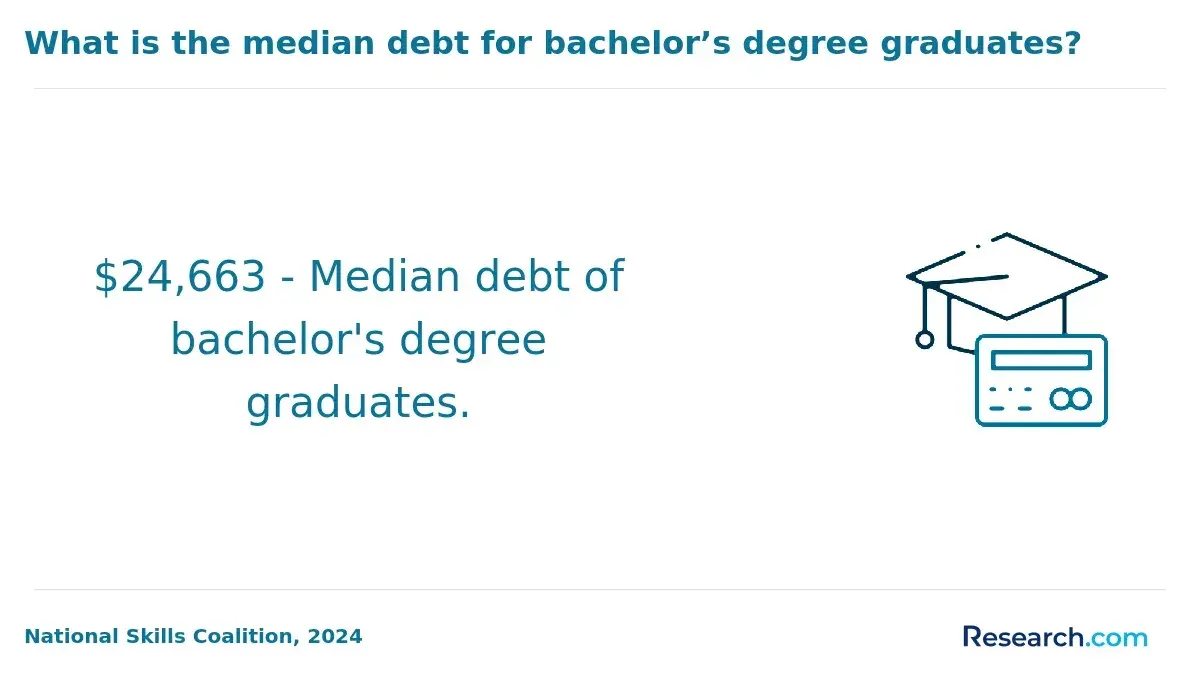
Cost and funding can also affect where you apply. For the 2024-25 award year, federal Direct Unsubsidized Loans for graduate and professional students are limited to $20,500 per academic year, so applicants should compare tuition, dissertation fees, residency costs, employer tuition benefits, and scholarship options before committing to a program.
If your goal is to build graduate-level public administration preparation before a doctorate, a 1 year MPA online can sometimes provide the policy, budgeting, ethics, and management foundation that doctoral admissions committees expect.
Do You Need a Master's Degree to Apply for an Online Reading & Literacy Doctorate?
A master's degree is often required for online Reading & Literacy doctorate programs, especially when the program is designed for experienced educators moving into leadership, research, or advanced literacy roles. However, the requirement is not universal, and the right pathway depends on whether you are applying to an EdD, PhD, or combined post-bachelor's doctoral track.
The table below compares common degree-entry pathways. This matters because applicants with similar career goals may need different timelines depending on their highest completed degree.
| Applicant Background | Typical Eligibility | Likely Admissions Considerations |
| Bachelor's degree in education or related field | May qualify for select post-bachelor's doctoral pathways or may need a master's first | Programs may require additional graduate credits, stronger GPA evidence, or more professional experience |
| Master's degree in reading, literacy, curriculum, or education | Commonly eligible for EdD and PhD programs | Admissions committees usually examine graduate GPA, research fit, writing ability, and leadership experience |
| Master's degree in another field | May be eligible if the applicant's work connects to literacy, language, education, policy, or research | Bridge coursework or evidence of education-related experience may be required |
| Education specialist degree or post-master's certificate | Often a strong fit for advanced doctoral standing | Some credits may be reviewed for transfer, but dissertation credits are usually completed at the doctoral institution |
If you do not have a master's degree, ask whether the school offers a post-bachelor's doctoral route, a master's-to-doctorate sequence, or conditional admission after completing graduate prerequisites. Do not assume that an online format means easier eligibility; online doctoral programs usually apply the same academic standards as their campus-based equivalents.
What GPA Do You Need for an Online Reading & Literacy Doctorate Program?
Most online Reading & Literacy doctorate programs list a minimum GPA of 3.0 on a 4.0 scale, usually based on the applicant's most recent graduate degree or the last 60 credits of study. Some programs set a higher preferred GPA for doctoral applicants, particularly PhD programs with competitive research expectations.
The table below explains how GPA thresholds are commonly interpreted. The key point is that a minimum GPA can make you eligible, but it does not automatically make you competitive.
| GPA Range | How Admissions Committees May Read It | Application Strategy |
| 3.5 or higher | Generally viewed as academically strong for doctoral study | Use the application to show research direction, leadership impact, and fit with faculty expertise |
| 3.0 to 3.49 | Often meets the minimum requirement at many institutions | Strengthen the file with excellent recommendations, a focused statement, and evidence of graduate-level writing |
| 2.75 to 2.99 | May fall below standard admission but could be considered for exceptions or conditional review | Address academic improvement, complete relevant graduate coursework, and contact admissions before applying |
| Below 2.75 | Usually a significant eligibility concern for doctoral admission | Consider a graduate certificate, second master's coursework, or nondegree doctoral-preparation courses before applying |
Applicants should calculate both cumulative GPA and graduate GPA because some programs emphasize the most relevant academic record. If your undergraduate GPA was weak but your master's GPA is strong, highlight that upward trend in your statement of purpose or academic addendum.
Can You Get Into an Online Reading & Literacy Doctorate Program With a GPA Below 3.0?
Yes, some applicants can be admitted with a GPA below 3.0, but it depends on the program's policies and the strength of the rest of the application. A low GPA is usually not ignored; it must be explained with evidence that the applicant is now prepared for doctoral-level reading, writing, research, and independent study.
If your GPA is below the stated minimum, take a targeted approach instead of applying blindly. These steps can help you determine whether an exception is realistic and how to reduce the risk of rejection.
- Ask the admissions office whether the GPA minimum is firm, flexible, or eligible for conditional admission review.
- Find out whether the program evaluates cumulative GPA, graduate GPA, major GPA, or the last 60 credits.
- Complete recent graduate coursework in literacy, research methods, curriculum, assessment, or statistics and aim for strong grades.
- Prepare a brief academic addendum that explains the circumstances, emphasizes improvement, and avoids excuses.
- Choose recommenders who can directly confirm your doctoral readiness, writing ability, research capacity, and professional discipline.
Common mistakes include assuming professional experience will fully offset a weak academic record, submitting a vague explanation for poor grades, or applying to programs that clearly state no GPA exceptions. If your GPA is far below the minimum, a graduate certificate or additional master's-level coursework may be a better first step than immediate doctoral applications.
What Prerequisite Courses Are Required for an Online Reading & Literacy Doctorate Program?
Prerequisite courses vary by program, but online Reading & Literacy doctorate applicants are often expected to have prior coursework in education, reading instruction, literacy development, curriculum, assessment, research methods, or learning theory. PhD programs may place more weight on research design and statistics, while EdD programs may emphasize applied practice, leadership, and school-based improvement.
Before applying, compare your transcripts against the program's stated prerequisites. The following areas are commonly reviewed because they connect directly to doctoral literacy coursework and dissertation preparation.
- Reading and literacy foundations, including language development, phonics, fluency, comprehension, vocabulary, and writing instruction.
- Curriculum and instruction coursework that shows familiarity with instructional design, standards, assessment, and classroom implementation.
- Educational research methods, including qualitative, quantitative, or mixed-methods research preparation.
- Assessment and intervention coursework related to struggling readers, dyslexia, multilingual learners, special education, or literacy diagnostics.
- Learning theory, child or adolescent development, sociocultural literacy, or educational psychology.
If you are missing prerequisites, ask whether you can complete them before enrollment, during the first term, or through approved nondegree graduate courses. A prerequisite gap is not always disqualifying, but ignoring it can delay admission or lead to conditional status.
Applicants from planning, emergency management, criminal justice, military leadership, nonprofit management, social work, education, or business backgrounds may already have many of these foundations. For example, an urban planning degree online can provide useful preparation in policy, local government, land use, community development, and applied analysis.
Can You Apply for an Online Reading & Literacy Doctorate With a Degree in Another Field?
You may be able to apply with a degree in another field if your academic and professional background connects meaningfully to literacy, language, education, research, or community learning. For example, applicants from linguistics, psychology, communication sciences, library science, social work, public policy, or English may be considered if they can show relevant goals and preparation.
Admissions committees usually look for evidence that the applicant understands the field of reading and literacy, not just a general interest in education. Applicants from outside education can strengthen their case by documenting the following forms of preparation.
For applicants coming from human services, community practice, or nonprofit leadership, pathways such as the best online MSW programs can be relevant preparation because social work graduate study often includes policy, program evaluation, ethics, and organizational practice.
- Experience tutoring, teaching, coaching, designing literacy programs, supporting multilingual learners, or working in schools, libraries, nonprofits, clinics, or community education settings.
- Graduate or upper-level coursework in literacy, language acquisition, child development, educational research, assessment, or curriculum.
- A clear doctoral purpose that connects the prior field to reading research, literacy leadership, policy, intervention, or instructional improvement.
- Awareness of licensure limits, especially if the applicant wants a role that requires state teacher, reading specialist, or administrator certification.
The biggest red flag is applying as if reading and literacy are interchangeable with general communication or general education. If your degree is outside the field, your statement of purpose should explain why the doctorate is academically necessary, how your background prepares you, and what literacy problem you want to study or solve.
How Much Professional or Research Experience Do Online Reading & Literacy Doctorate Programs Require?
Professional or research experience is often one of the strongest parts of an online Reading & Literacy doctorate application. EdD programs typically value applied experience in schools, districts, intervention programs, curriculum teams, or educational leadership, while PhD programs may prioritize research experience, scholarly writing, and alignment with faculty expertise.
The table below shows how experience expectations often differ by applicant goal. It can help you decide whether your background fits a practice-focused or research-focused doctorate.
| Doctorate Goal | Experience That Usually Helps | How It Supports Admission |
| Literacy leadership or reading specialist advancement | Teaching, intervention, coaching, assessment, or curriculum leadership | Shows that the applicant can connect doctoral work to real instructional problems |
| District or school leadership | Program evaluation, professional development, data teams, instructional supervision, or policy implementation | Demonstrates readiness for applied research and systems-level improvement |
| Research or faculty pathway | Thesis work, research assistantships, conference presentations, publications, data analysis, or methods coursework | Signals preparation for dissertation research and scholarly contribution |
| Community, nonprofit, or adult literacy work | Program design, literacy advocacy, family literacy, library programming, or adult education | Can show a strong applied fit if connected clearly to doctoral study |
Many programs do not publish a strict minimum number of years, but applicants with 2 to 5 years of relevant experience often have stronger examples to discuss in statements, interviews, and research proposals. If you have limited experience, focus on the depth of your responsibilities, measurable projects, and direct connection to literacy outcomes rather than simply listing job titles.
Career goals also influence how committees interpret experience. According to 2024 U.S. Bureau of Labor Statistics wage data, instructional coordinators had a median annual wage of $74,720, which helps explain why some applicants pursue doctoral preparation for curriculum leadership, literacy program design, or advanced education roles; however, salary outcomes vary by state, employer, licensure, and role.
If your experience is strong but not obviously governmental, frame it around transferable leadership evidence. Graduate study in areas such as the best organizational development master's programs online can also align well with doctoral admissions when your work involves systems change, workforce development, strategic planning, or organizational performance.
Are the GRE, GMAT, or English-Proficiency Tests Required for an Online Reading & Literacy Doctorate?
The GRE is increasingly optional or waived in many education doctorate admissions processes, and the GMAT is rarely relevant for Reading & Literacy doctorates unless the program is housed in an unusual interdisciplinary unit. Still, testing policies vary by school, so applicants should verify requirements directly instead of assuming that all online programs are test-optional.
Testing requirements usually fall into several categories. Understanding the difference can help you avoid paying for an unnecessary exam or missing a required score report.
- GRE not required: The program does not use GRE scores in the admissions review.
- GRE optional: Applicants may submit scores if they believe the results strengthen the application.
- GRE waived by GPA or degree: The school may waive testing for applicants with a qualifying graduate GPA, prior master's degree, or professional credential.
- GRE required for certain applicants: Testing may be required for applicants below a GPA threshold, international applicants, or those seeking assistantships.
- English-proficiency testing required: Applicants whose prior education was not completed in English may need TOEFL, IELTS, Duolingo English Test, or another approved exam.
If you are an international applicant or completed prior coursework outside the U.S., also ask whether you need a course-by-course transcript evaluation. English-proficiency rules, minimum scores, and waiver criteria are institution-specific and can affect whether your file is considered complete.
What Application Documents Do Online Reading & Literacy Doctorate Programs Require?
Application documents help admissions committees determine whether you meet minimum eligibility and whether you are prepared for doctoral-level reading, research, and writing. Strong materials should work together: transcripts show academic history, recommendations validate readiness, and written documents explain your goals and fit.
Most online Reading & Literacy doctorate applications include several required documents. Review each program's checklist carefully because missing or generic materials can weaken an otherwise qualified application.
- Official transcripts from all colleges and universities attended, including graduate coursework and transferred credits.
- Resume or curriculum vitae showing teaching, literacy, curriculum, assessment, leadership, research, presentations, publications, certifications, and professional development.
- Statement of purpose explaining why you want the doctorate, what literacy problems you want to address, and why the program fits your goals.
- Letters of recommendation from supervisors, faculty members, research mentors, or education leaders who can assess doctoral readiness.
- Academic writing sample, such as a graduate paper, thesis excerpt, research proposal, literature review, policy analysis, or professional report.
- Professional license or certification documentation if the program requires teaching credentials, reading specialist credentials, or proof of educator status.
- Interview, video response, or faculty consultation if the program uses a final fit review before admission.
A common mistake is submitting a statement that could apply to any education program. A stronger statement names the population, literacy issue, research interest, or leadership problem you want to study and connects it to the program's curriculum, faculty expertise, or applied dissertation model.
What Do Admissions Committees Look for in Online Reading & Literacy Doctorate Applicants?
Admissions committees look beyond whether an applicant meets the minimum GPA or degree requirement. They are trying to decide whether the applicant can complete doctoral coursework, contribute to the field, persist through a dissertation, and use the degree in a way that matches the program's mission.
The strongest applications usually show several kinds of fit at once. Before submitting, review your file for these signals of doctoral readiness.
- Academic readiness, shown through strong graduate grades, recent coursework, rigorous writing, and preparation in research methods or literacy studies.
- Professional alignment, shown through teaching, coaching, curriculum work, assessment, leadership, advocacy, or literacy-focused program experience.
- Research or problem focus, shown through a clear interest in reading development, intervention, multilingual literacy, dyslexia, comprehension, writing, policy, or educator preparation.
- Program fit, shown by connecting your goals to the doctorate type, faculty expertise, online format, dissertation structure, and available support.
- Communication quality, shown through organized writing, specific examples, realistic goals, and recommendations that provide evidence rather than praise alone.
Eligibility red flags include applying to a PhD program without a research direction, applying to an EdD program without a clear practice problem, choosing recommenders who barely know your work, overlooking licensure requirements, or assuming that online study requires less time. A practical next step is to create a one-page comparison sheet for each program listing GPA rules, degree requirements, prerequisites, experience expectations, testing policies, application deadlines, tuition, accreditation, and whether your background meets or falls short of each item.
Other Things You Should Know About Reading & Literacy
Some programs allow applicants to apply while completing a master's degree, but admission is usually conditional on submitting final transcripts before enrollment. Ask whether the program requires the degree to be conferred by the application deadline or by the first day of doctoral classes.
Possibly, but policies vary. Programs may review prior graduate credits, education specialist coursework, or post-master's certificates, while still requiring core doctoral seminars, residency components, and dissertation credits to be completed through the admitting institution.
Not automatically. Licensure depends on state rules and the program's approval status. If you need a reading specialist, literacy coach, administrator, or teacher credential, confirm requirements with both the university and your state education agency before enrolling.
It can help, especially for PhD or research-intensive programs. A concise email describing your background, research interest, and reason for fit can clarify whether the program supports your goals, but it does not replace the formal admissions review.
References
- Reading & Literacy Instruction (MSEd or EdS) Master's Degree Online https://www.baypath.edu/academics/graduate-programs/reading-literacy-instruction-msed-eds/
- Admissions Requirements | Pacific Oaks College https://www.pacificoaks.edu/admissions/admissions-requirements/
- All Ed.D Programs in Reading & Literacy in 2025 - EdDPrograms.org https://www.eddprograms.org/schools/reading-literacy/
- Review of Standardized Testing in Doctoral Health Professions Admission Requirements https://journal.opted.org/article/review-of-standardized-testing-in-doctoral-health-professions-admission-requirements/
- PhD Programs In Reading And Literacy Online https://www.learnhowtobecome.org/best-online-phd-in-reading-literacy-degree-programs/
- Literacy https://www.albany.edu/education/programs/phd-literacy
- Become an Educator | Department of Education https://educate.iowa.gov/pk-12/educator-quality/become-educator
- Earning an Online Doctorate in Reading and Literacy https://www.gograd.org/online-phd-programs/best-reading-literacy-degrees/
- Explore Doctorates In Reading And Literacy Online (2024) https://www.gradschoolhub.com/affordable/online/doctorate/reading-literacy/
- Ed.D. in Literacy | ACE https://ace.edu/degree-programs/doctoral-degrees/doctoral-education/edd-literacy/